
Reviewed · CAMPING SAFARIS
4 days Tanzania Camping Safari
Wild Africa comes with an early alarm.
This four-day safari links three of northern Tanzania’s best-known parks: Tarangire National Park, the Serengeti, and Ngorongoro Crater. I like the strong wildlife mix, from elephants and big cats to zebras and wildebeest, and I like that the trip uses mobile camping instead of keeping you in one fixed lodge. The chance to see the Serengeti migration in the right season adds real appeal.
The price is $950 per person, with park fees, camping gear, meals, water, and airport transfer included. That is a solid package for a short northern-circuit safari, but you should be ready for long drives, early starts, shared arrangements, and simple camping rather than a polished lodge holiday.
In This Review
- Quick reasons to consider this safari
- What $950 buys you in northern Tanzania
- Day 1: Tarangire’s elephants and open woodland
- Day 2: Ngorongoro’s rim, Maasai culture, and the Serengeti
- Day 3: An early Serengeti drive and the road toward Simba Camp
- Day 4: Searching for black rhinos in Ngorongoro Crater
- The guide can make or break the experience
- Camping, food, and daily comfort
- What the reviews suggest about the experience
- Who should book this four-day route?
- Should you book it?
- FAQ
- Where does the safari start?
- How long is the safari?
- Which national parks and areas are included?
- Is camping equipment provided?
- Are meals included?
- Is bottled water included?
- Is the Maasai village visit included?
- How many people can join the safari?
- What is the cancellation policy?
Quick reasons to consider this safari
- Three major parks in four days: You visit Tarangire, Serengeti, and Ngorongoro, each offering a different setting and wildlife experience.
- Mobile tent camping: Sleeping bags and mattresses are supplied, giving you a closer-to-nature trip at a lower price than many lodge safaris.
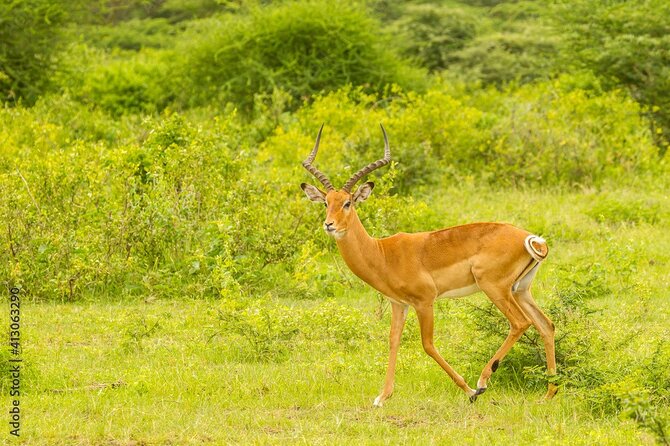
- A strong wildlife menu: Elephants, lions, cheetahs, leopards, buffaloes, wildebeest, zebras, gazelles, and a possible black rhino are all part of the search.
- Guide Abouh receives repeated praise: He is described as friendly, helpful, and skilled at identifying animals, plants, and routes through the parks.
- Water and meals are covered: You receive at least three liters of bottled water daily, along with three breakfasts, four lunches, and three dinners.
- A group of up to 15: This keeps the price down, though it means less privacy and potentially less flexibility at wildlife sightings.
What $950 buys you in northern Tanzania
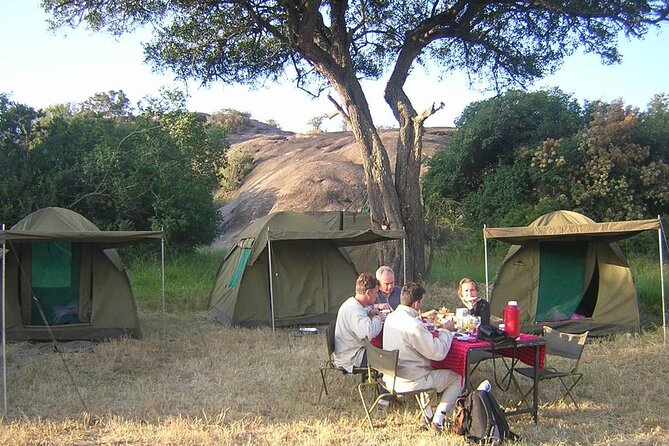
At $950, this is not simply a four-day drive through the countryside. The package includes all park entrances and taxes, camping equipment, meals, bottled water, and an airport transfer. Those inclusions matter in Tanzania, where park fees can form a large part of a safari bill.
You receive a sleeping bag and mattress, but the information does not promise private tents, beds, electricity, or lodge-style facilities. I would treat this as a practical camping safari first and a comfort trip second. Ask about the exact tent arrangement if privacy is important to you.
The tour has a maximum of 15 people. That is not a tiny private group, but it is still more manageable than a large coach party. Shared game drives can be social and good value. The trade-off is that you may need to compromise on when to stop, how long to watch an animal, and how much space you have in the vehicle.
Airport pickup is offered, with the stated meeting point at Arusha Airport at 7:30 in the morning. Confirm the pickup details and your arrival timing before booking, especially if you are arriving from an international flight. The provider is Makanjanja Safaris, while the supplied material also refers to Sandpiper Safaris in guest comments, so I would verify the operating company and contact person before departure.
More Safaris in Arusha
- Serengeti Balloon Safari and authentic bush breakfast
★ 5.0 · 2,480 reviews - Balloon Safari & Bush Breakfast in Serengeti – Miracle Experience
★ 5.0 · 1,646 reviews - 4 Days Group Camping Safari
★ 5.0 · 1,101 reviews
Day 1: Tarangire’s elephants and open woodland
The first full day is spent in Tarangire National Park, with about six hours of game driving. This is a smart opening park because it gives you a full wildlife day before the route reaches Serengeti and Ngorongoro.
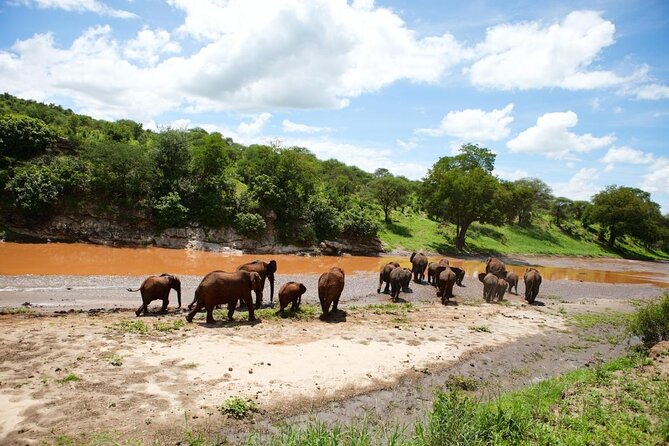
Tarangire is especially associated with elephants, and the planned sightings also include lions, cheetahs, leopards, wildebeest, buffaloes, zebras, and gazelles. That list covers both predators and grazing animals, which gives your guide several kinds of wildlife to look for rather than relying on one famous species.
I like the promise of time spent at the best viewing areas instead of a rushed stop. Six hours allows room for patient searching, though sightings are never guaranteed. A cheetah or leopard may appear briefly, while elephants and zebra can be easier to find. Your guide’s knowledge matters here, and Abouh is praised for identifying animals and plants and for knowing the roads through the parks.
The main drawback is that the day may feel demanding if you have just arrived in Tanzania. Game drives are not passive sightseeing. You sit in a vehicle for hours, often watching quietly and waiting for movement. Bring sun protection, a hat, and patience. You will get more from the day if you accept that a good safari moment can involve ten quiet minutes followed by one remarkable sighting.
Day 2: Ngorongoro’s rim, Maasai culture, and the Serengeti
Day two combines a viewpoint stop, an optional Maasai village visit, and an afternoon-to-evening drive in the Serengeti. It is an ambitious day, and that is both its strength and its warning.
The Ngorongoro viewpoint is scheduled for about 20 minutes. The crater view is one of the most memorable scenes on the route, with the enormous volcanic bowl spread below you. Twenty minutes is enough for photographs and a first look, but not enough for a slow, reflective visit. Keep your camera ready and use the time well.
The Maasai village visit is optional and lasts about 45 minutes. The stated entrance cost is $20, paid separately. This gives you a chance to learn about Maasai customs and the warrior traditions linked with hunting and livestock. The information also notes that some older practices have changed, with blood drinking mentioned as an exception that may continue.
I would choose this stop only if cultural visits are important to you. It adds human context to a safari that otherwise focuses heavily on wildlife. Since the fee is not included, carry the extra $20 if you want to participate. You should also approach the visit with respect and curiosity rather than expecting a staged performance to explain an entire culture in three-quarters of an hour.
Afterward, the route continues toward the Serengeti. The afternoon game drive in Seronera, the central Serengeti area, runs until late evening and includes the chance to watch the sunset. This is the part of the safari most likely to feel cinematic, with open country, wildlife sightings, and changing light all packed into one long drive.
The Serengeti search can include predators hunting or feeding, though no guide can promise such a scene. The chance of seeing the migration also depends on season and location. If the migration is your main reason for booking, ask for the expected route and timing before you pay. The Serengeti is large, and the animals move.
The night is planned at Seronera campsite. Animals may still be seen around camp, particularly hyenas, and active ranger protection is noted. That does not turn a campsite into a fenced hotel. Follow camp instructions, keep food secured as directed, and do not wander away alone at night.
Day 3: An early Serengeti drive and the road toward Simba Camp
Day three begins with an early breakfast and game drive in the Serengeti. The planned drive lasts about six hours and is designed to catch animals early, before the heat of the day changes their behavior and visibility.
The route then heads toward camp for lunch and continues with a game drive while leaving the Serengeti in the direction of Simba campsite. This gives you another chance to see animals beyond the main Seronera area. The schedule is not just a transfer between parks. It combines the journey with more wildlife viewing.
There is a practical cost to this arrangement: a lot of time goes into moving between major parks. On a four-day safari, you cannot spend several nights in each place. You are choosing range over a slow pace. I think that is fair for a short trip, but you should not expect the relaxed rhythm of a seven-day safari.
The plan notes that animals can be spotted at campsites. That makes the campsite more than a place to sleep, but it also reinforces the need to take camp rules seriously. You are in wild country, not a normal campground.
The supplied schedule uses Simba campsite as the base before the crater visit. Because safari routes can change with road conditions, park access, and local planning, confirm the overnight location and the exact order of the final two days. The main promise is clear: early Serengeti wildlife, a route south, and a night closer to Ngorongoro.
More camping safaris:
- 5 Days Group Camping Safari
★ 5.0 · 730 reviews - 3 Days Serengeti & Ngorongoro Group Camping Safari
★ 5.0 · 574 reviews - 5 Days Camping Tarangire, Serengeti & Ngorongoro crater & Visiting Maasai
★ 5.0 · 229 reviews - 2 Days Tarangire and Ngorongoro Group Camping Safari
★ 5.0 · 146 reviews
Day 4: Searching for black rhinos in Ngorongoro Crater
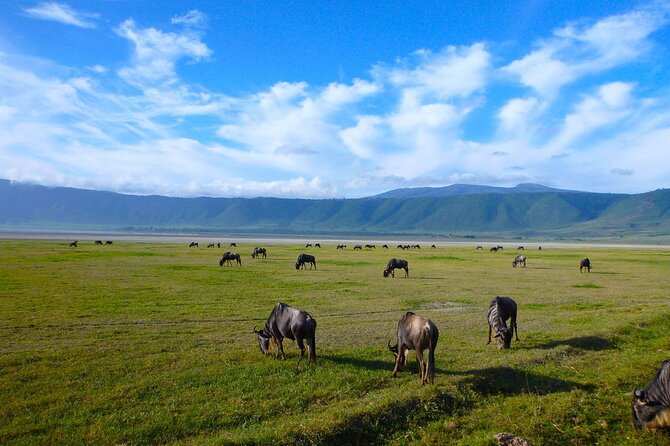
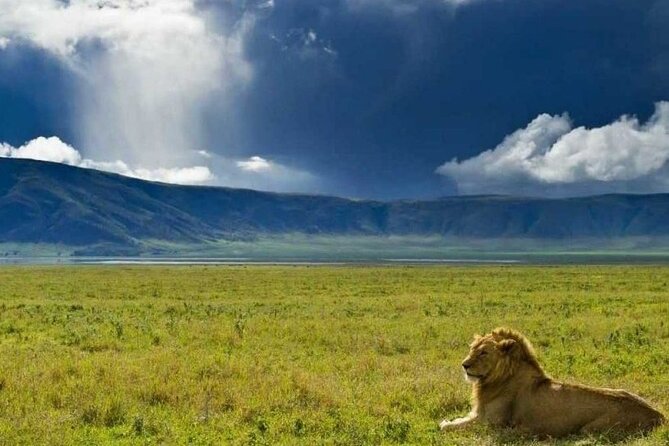
The final full day starts early with a descent into Ngorongoro Crater. The crater floor makes animal viewing easier in one important sense: wildlife is concentrated in a contained area, and the open setting can offer broad views.
The stated target is the black rhino, described as the hardest animal to spot in the crater. That is a good example of how safari viewing works. You may see many common species and still spend the day searching for one rare sighting. Your guide and the eyes of everyone in the vehicle become part of the process.
After the morning game drive, lunch is followed by more viewing. You then ascend from the crater, return to camp, pack, and travel back toward Arusha. The day is listed at around six hours, but the overall return timing can depend on the road and the day’s park schedule. Keep important onward plans flexible if possible.
Ngorongoro is a strong final act because it offers scenery as well as wildlife. The crater rim viewpoint gives you the wide view, while the descent puts you among animals on the floor. The contrast makes the park feel different from the open Serengeti.
The guide can make or break the experience
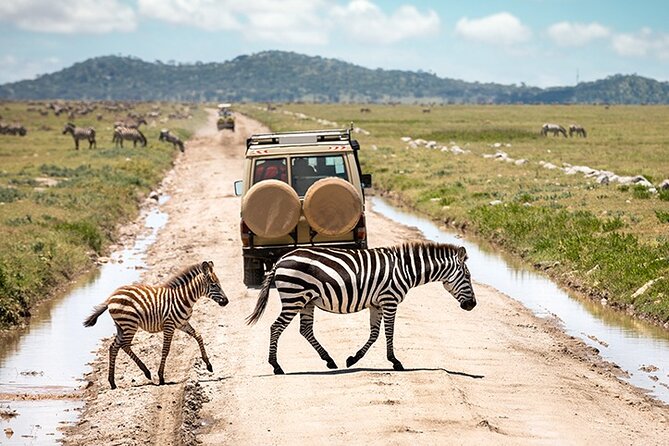
Abouh is the guide named most often in the supplied feedback. He is described as friendly, helpful, and able to explain animals and plants. He is also praised for knowing the roads across the parks.
That combination is valuable. A safari guide does more than drive. You need someone who can read the surroundings, explain what you are seeing, answer questions, and make sensible choices when several vehicles are looking for wildlife. A cheerful manner helps too, especially during long drives and early breakfasts.
Still, your experience will depend on the guide assigned to your departure. If Abouh is important to you, request him directly, but do not assume availability unless the company confirms it. In any case, ask who will lead the trip and how many people will share the vehicle.
Camping, food, and daily comfort
Meals are included throughout the trip: three breakfasts, four lunches, and three dinners. Bottled water is also included at three liters or more per day. That is a generous and useful amount for hot game-drive conditions, though you should still bring personal snacks if you need food between scheduled meals.
Lunch in the park is one of the memorable features highlighted in the supplied comments. Eating during a safari day saves time and lets you stay near the action instead of returning to a town. Follow your guide’s instructions carefully, since meals must be handled responsibly in wildlife areas.
The camping equipment includes a sleeping bag and mattress. That reduces the amount of gear you need to bring, but it does not tell you the size of the tent, the toilet setup, or the washing facilities. Ask those questions before booking if camping comfort is a concern.
The trip is best for someone who can handle basic conditions and a busy route. It is less suitable for someone who wants a private room, a late breakfast, or a guaranteed animal checklist. The reward for accepting the rough edges is a closer connection to the parks and a lower total cost.
What the reviews suggest about the experience
The strongest pattern in the supplied comments is satisfaction with the guide, the range of parks, and the overall organization. Abouh receives repeated praise for being helpful and friendly, while the safari itself is described as a memorable four-day experience with strong wildlife viewing and impressive scenery.
The comments also point to good photography opportunities. That makes sense given the mix of crater views, sunset in the Serengeti, elephants in Tarangire, and open wildlife areas. Keep your camera accessible rather than buried in your luggage.
Another praised feature is that the company handles the practical side of the trip. Park access, meals, camping gear, and water are already covered, so you do not need to arrange each part separately. That convenience is a major reason the price looks reasonable.
One note of caution: some comments refer to lodge accommodation, while the published trip details describe mobile tents with sleeping bags and mattresses. I would rely on the camping description and ask for a clear accommodation breakdown. A simple tent can be perfectly enjoyable, but it is different from a lodge room.
Who should book this four-day route?
I would recommend this safari to you if you want to see the northern parks in a short period and are comfortable sharing the experience. It suits first-time safari visitors who want a ready-made plan, included meals, and a guide who can explain what appears along the road.
It also suits budget-conscious visitors who would rather spend money on park access and wildlife time than on high-end rooms. The three-park route gives you variety: Tarangire for elephants and mixed wildlife, Serengeti for predators and migration possibilities, and Ngorongoro for concentrated viewing and crater scenery.
I would be more cautious if you have limited tolerance for long drives or basic camping. Four days is enough for a strong introduction, but it is not enough to make every day leisurely. The group limit of 15 also means the trip is social rather than private.
At $950, the value is strongest when you use the inclusions. Park fees, food, water, equipment, and airport transfer can add up quickly on a self-arranged trip. The separate $20 Maasai village fee, tips, flights, and visa costs are the main extras to budget for.
Should you book it?
Book this safari if your priority is maximum park variety in four days, practical camping, and a controlled price. The route offers several of Tanzania’s biggest names, and the guide feedback makes the wildlife interpretation sound like a real strength.
Before paying, confirm the pickup, sleeping arrangements, group size, exact route order, and guide assignment. If you want luxury or a slow pace, choose a longer lodge-based safari instead. If you want a lively, wildlife-heavy introduction to northern Tanzania and can accept early starts and simple camp life, this is a compelling package.
Cancellation is free with at least 24 hours’ notice before the local start time. Cancellations inside 24 hours are not refunded, and late changes are not accepted.
FAQ
Where does the safari start?
The stated meeting point is Arusha Airport in Arusha, Tanzania. Pickup is offered, and the listed start time is 7:30 am.
How long is the safari?
The experience lasts approximately four days.
Which national parks and areas are included?
The route includes Tarangire National Park, the Ngorongoro Conservation Area, Ngorongoro Crater, and Serengeti National Park.
Is camping equipment provided?
Yes. The package includes a sleeping bag and sleeping mattress. The information describes the accommodation as mobile tent camping.
Are meals included?
Yes. The package includes three breakfasts, four dinners, and four lunches.
Is bottled water included?
Yes. Bottled water is included at three liters or more per day.
Is the Maasai village visit included?
The village visit is optional and has a stated entrance fee of $20. The fee is not included in the main package price.
How many people can join the safari?
The maximum group size is 15 people.
What is the cancellation policy?
You can receive a full refund if you cancel at least 24 hours before the experience start time. Cancellations made less than 24 hours before the start time are not refunded, and changes within that period are not accepted.
More 4-Day Experiences
- 4 Days Join Group tour Tarangire Serengeti and Ngorongoro crater
★ 5.0 · 219 reviews - 4-Day Safari from Arusha: Tarangire, Serengeti and Ngorongoro
★ 5.0 · 173 reviews - 4 Days safari Tour Tanzania
★ 5.0 · 159 reviews - 4 Days Tarangire Serengeti Ngorongoro Crater
★ 5.0 · 117 reviews
More Safaris
- 7-Day Premium Luxury Tanzania Safari All-Inclusive
★ 5.0 · 426 reviews - 3-Day Classic Serengeti Safari
★ 5.0 · 263 reviews - 8 Days Great Wildebeest Calving Migration Safari from Arusha
★ 5.0 · 254 reviews - Group Safari 7 Days in Tanzania’s Main Parks
★ 5.0 · 240 reviews
Just added around Arusha
- 5 Days Safari Tarangire, Serengeti, and Ngorongoro Crater★ 5.0 · 3 reviews
- Love lives in Africa★ 5.0 · 3 reviews
- 5 Days of Safari, Culture & Hot Springs – Tour from Arusha★ 5.0 · 3 reviews
- Arusha National Park Safari by Jeep★ 4.5 · 3 reviews
- 5Days Family _Group Tour Lodging Mid-Range in the Jungle★ 5.0 · 3 reviews
- Serengeti & Ngorongoro 3 Days Budget Safari★ 5.0 · 3 reviews
- 2 Days Tarangire and Ngorongoro Crater Tour★ 5.0 · 3 reviews
- 7 Days PRIVATE Best of Tanzania Safari *Departing everyday*★ 5.0 · 3 reviews
Camping Safaris, compared.



3 Days Serengeti & Ngorongoro Group Camping Safari
Read our review →
5 Days Camping Tarangire, Serengeti & Ngorongoro crater & Visiting Maasai
Read our review →
2 Days Tarangire and Ngorongoro Group Camping Safari
Read our review →
3 Day Serengeti National Park & Ngorongoro Crater Camping Safari
Read our review →
3 Days Tarangire, Ngorongoro & Lake Manyara Group Camping Safari
Read our review →Browse the lists this tour appears in