
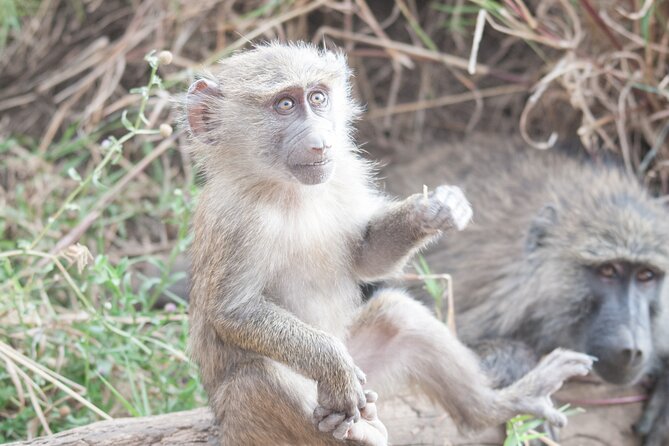
Reviewed · CAMPING SAFARIS
6-day Private Camping Safari Tour from Kilimanjaro Airport
Africa gets very real, very quickly. This six-day private safari takes you from Kilimanjaro Airport into four of northern Tanzania’s best-known wildlife areas: Tarangire, Serengeti, Ngorongoro, and Lake Manyara. You travel in your own group, with a certified guide, daily game drives, picnic lunches, and nights at campsites or a lodge in the Ngorongoro area.
I like the private format, since it gives your group more control over the pace and makes it easier to ask questions or linger near wildlife. I also like the strong focus on the Northern Safari Circuit, especially three nights around Serengeti’s Seronera area, where the chance of seeing lions, cheetahs, leopards, elephants, and other animals is especially good.
The main consideration is the pace. Six days covers a lot of ground, and several days include around six hours of driving or game viewing. The schedule is rewarding but active, and camping means you should be comfortable with early mornings, simple facilities, and long days in a safari vehicle.
In This Review
- Key points to know before booking
- Why this route works so well
- Day 1: Elephants and baobabs in Tarangire
- Days 2 and 3: Reaching the Serengeti and staying near Seronera
- Day 4: More central Serengeti, with a confusing schedule
- Day 5: Leaving Serengeti for the Ngorongoro area
- Day 6: Lake Manyara and the final game drive
- Camping, food, and the pace of the days
- What the $2,400 price means
- Who should choose this safari
- Should you book it?
- FAQ
- Where does this safari begin?
- How long is the safari?
- Is this a private tour?
- Which parks and protected areas are included?
- How many meals are included?
- Where do you stay?
- How long are the daily activities?
- Which animals might you see?
- Can you cancel for a full refund?
Key points to know before booking
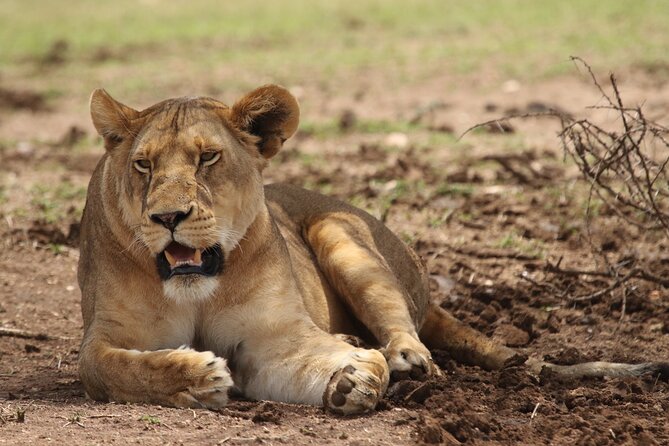
- Four major parks in six days: Tarangire, Serengeti, Ngorongoro, and Lake Manyara create a varied Northern Tanzania route.
- Three nights near Seronera: Central Serengeti receives the most time, giving you repeated chances to search for big cats and large herds.
- Private vehicle and guide: Only your group participates, with guides such as Lewis, Damien, Frederick, Max, and Amiry praised for animal spotting and explanations.
- Camping with properly prepared meals: Breakfast, lunch, and dinner are included according to the tour details, with cooks such as James, Musa, Salim, Jeremias, and others receiving strong praise.
- Airport pickup is offered: The experience is designed to begin from Kilimanjaro Airport, with coordination in Arusha.
- Check the final schedule carefully: Some daily descriptions repeat the same stop, and admission-ticket details are not consistent throughout the program.
Why this route works so well
Northern Tanzania gives you several very different wildlife settings in one trip. Tarangire is known for elephants and its seasonal river system. Serengeti gives you open grasslands and strong big-cat possibilities. Ngorongoro offers a compact crater setting with a high concentration of wildlife. Lake Manyara adds birdlife, woodland, and the possibility of seeing tree-climbing lions.
That variety matters. You are not spending six days looking at the same type of scenery from the same road. The route changes from dry parkland and giant baobabs to wide Serengeti plains, then down into the Ngorongoro Crater and onward to the wooded shores of Lake Manyara.
The private setup also helps. You can ask your guide to explain animal behavior, identify birds, or spend more time at a sighting that interests you. Guides named in the experience feedback include Lewis, Damien, Frederick, Max, Amiry, Jumbe, and Frank. Lewis and Damien were praised for finding animals and explaining the area, while Amiry was credited with helping a group see the Big Five and memorable predator activity.
Of course, wildlife is never guaranteed. The appeal is the search itself, and experienced guides improve your chances without being able to control nature.
More Private Tours in Arusha
- Private 6-Day Tarangire Manyara Crater and Serengeti with Mid-Range Lodges
★ 5.0 · 238 reviews - 5 Days Budget Private Safari, Tanzania
★ 5.0 · 191 reviews - 5-Day Private Northern Tanzania Safari from Arusha
★ 5.0 · 182 reviews
Day 1: Elephants and baobabs in Tarangire
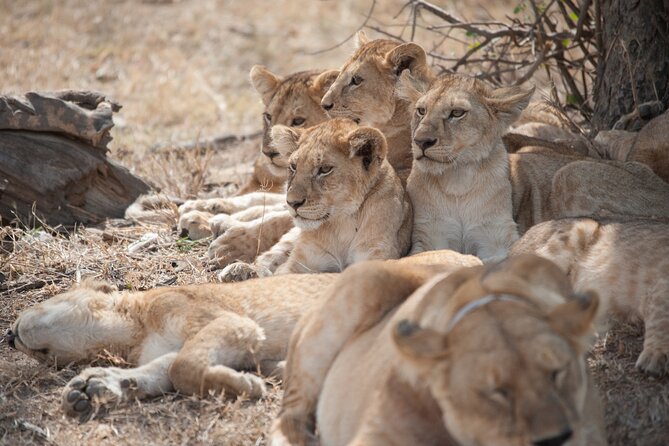
The safari begins with an early breakfast and a drive to Tarangire National Park. The stated game-drive time is about six hours, with a picnic lunch during the day and dinner at Lilac Campsite.
Tarangire is a good first park because it can feel immediately different from the Serengeti. The park is especially associated with elephants, and the description highlights herds that can reach about 300 animals. During dry periods, wildlife gathers around remaining water sources, creating good viewing conditions for elephants, wildebeest, zebra, buffalo, impala, gazelle, hartebeest, and eland.
The park also receives migrating animals during the dry season. That seasonal movement is important when you plan your trip, since the exact mix and number of animals can change with water and rainfall.
You should expect a full day outside, not a quick photo stop. A picnic lunch keeps the drive moving, but it also means you are eating in the park rather than returning to a hotel for a long midday break. That is useful for maximizing game time, though it can feel tiring if you are not used to early starts and rougher roads.
The first night is listed at Lilac Campsite. Since this is a camping safari, ask the operator exactly what camping equipment is supplied and what facilities are available at each campsite. The strong food feedback is encouraging, especially for people who worry that camping means dull meals. Several cooks were singled out for tasty, well-prepared food, and one account praised meals served with real dishes and less plastic waste.
Days 2 and 3: Reaching the Serengeti and staying near Seronera
After breakfast on Day 2, you drive toward Serengeti National Park with a picnic lunch. The route passes through the Ngorongoro Conservation Area, with game viewing along the way, before dinner and overnight accommodation at Seronera Campsite.
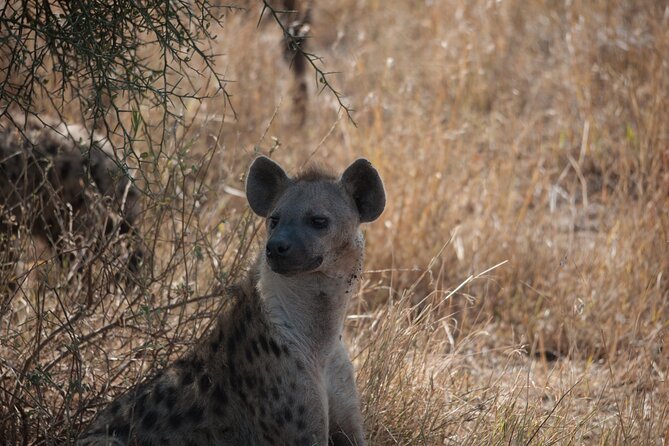
This is one of the longer transfer days, but it is not simply a highway ride. The route through the conservation area gives you changing views and the possibility of spotting wildlife before reaching Serengeti. The program lists lions, leopards, cheetahs, hyenas, elephants, caracals, honey badgers, and African wild dogs as possible sightings.
The wording of the schedule repeats Day 2’s Serengeti stop, so you should read it as a travel and game-viewing day rather than two separate six-hour activities. Confirm the exact departure time, route, and campsite arrangements before you go.
Day 3 is the more focused Serengeti day. After breakfast, you set out from camp for a full-day game drive with a picnic lunch, returning to Seronera late in the afternoon or evening. Breakfast, lunch, and dinner are included on the stated full-board plan.
Three nights in or around the Seronera area are a major strength of this itinerary. Central Serengeti is described as one of the park’s strongest wildlife areas, with the Seronera River supplying water and drawing a wide range of animals. Staying nearby reduces the need to spend every morning driving in from far away, leaving more time for searching the plains and river areas.
This is also where a skilled guide can make a big difference. The safari feedback repeatedly praises guides for spotting animals that are hard to see from the vehicle, answering questions, and knowing where to look. Lewis, in particular, received strong praise for finding animals and explaining the area, while Damien was praised for his judgment and ability to locate wildebeest during the migration.
Still, do not treat the Big Five as a promise. You may see many of them, and some past itineraries have included all five, but sightings depend on season, weather, animal movement, and luck.
Day 4: More central Serengeti, with a confusing schedule
Day 4 continues with full-day wildlife viewing in central Serengeti. The program again emphasizes the Seronera area and the river that supports wildlife there.
This repeated day is not necessarily a problem. In fact, another full day around Seronera is valuable. Wildlife moves, and a second or third search gives you a better chance of seeing animals you missed earlier. You might spend time looking for big cats, watching herds cross the plains, or following reports of interesting activity from other vehicles.
The schedule also lists Ngorongoro Conservation Area on this day, using text that largely repeats the Serengeti description. That creates uncertainty about the exact overnight location and route. Ask for a day-by-day version from the operator before departure, particularly if you need to know when you leave Serengeti or where you sleep on Day 4.
The practical lesson is simple: the itinerary has a strong core, but the wording needs clarification. A private tour gives the company room to adjust the route, yet you should still know whether Day 4 is a full central Serengeti day, a transfer toward Ngorongoro, or a combination of both.
More Safaris in Arusha
- Serengeti Balloon Safari and authentic bush breakfast
★ 5.0 · 2,480 reviews - Balloon Safari & Bush Breakfast in Serengeti – Miracle Experience
★ 5.0 · 1,646 reviews - 4 Days Group Camping Safari
★ 5.0 · 1,101 reviews - 5 Days Group Camping Safari
★ 5.0 · 730 reviews
Day 5: Leaving Serengeti for the Ngorongoro area
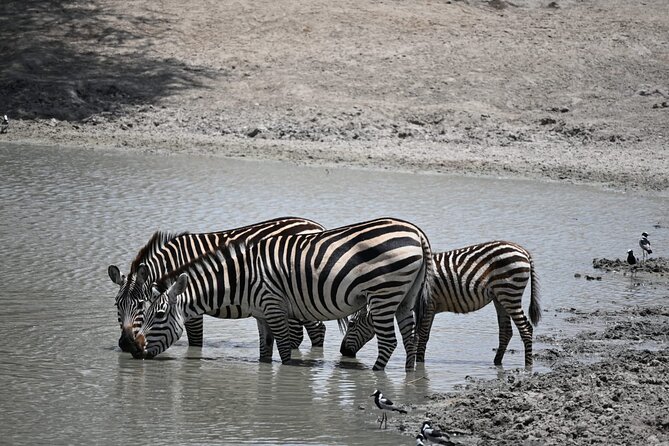
Day 5 begins with another morning game drive in central Serengeti, picking up near the Seronera area. After lunch, the plan moves toward your lodge in the Ngorongoro Conservation Area.
This is a smart use of the morning. Rather than abandoning Serengeti at first light, you get one more chance to search for wildlife before making the transfer. The tradeoff is another long day in the vehicle. If you prefer a slower safari with more time at camp, this schedule may feel demanding.
The overnight is described as a lodge in the Ngorongoro area, which means the trip may not be camping every single night. That could be welcome after several nights outdoors, but confirm the accommodation type, location, and included facilities. The product is marketed as a private camping safari, while the itinerary refers to both campsites and a lodge.
Ngorongoro is not just a place to sleep before the crater visit. The conservation area is part of the wider ecological system around Serengeti, and the drive itself offers changing scenery and wildlife possibilities. The next day is where the crater usually becomes the main attraction.
Day 6: Lake Manyara and the final game drive
After breakfast at the lodge, pickup is scheduled for around 8:30 to 9:00 a.m. You then drive to Lake Manyara National Park with a picnic lunch for an extended game drive.
Manyara adds a different feel to the trip. The park is associated with birds, zebras, buffalo, and the possibility of tree-climbing lions. The trees and lake setting make it a useful contrast to Serengeti’s open plains, and birdwatchers may find this final park especially appealing.
The itinerary also lists Ngorongoro Crater on Day 5, but the detailed Day 6 program focuses on Lake Manyara. Because of that mismatch, confirm whether the crater visit takes place on Day 5 before transferring to the lodge, early on Day 6, or not as a separate crater descent in the exact version you receive.
That detail matters. Ngorongoro Crater is one of the main reasons people choose this route, and a crater floor game drive is a different experience from simply staying in the conservation area. Get the timing in writing so your expectations match the final plan.
The day ends after the Manyara game drive, but the supplied information does not state the exact drop-off point or time. Pickup from Kilimanjaro Airport is offered, and the tour is based around Arusha, so confirm your final transfer if you have an evening flight or another activity booked.
Camping, food, and the pace of the days
Camping is the budget-friendly heart of this safari, but it is not the same as a lodge holiday. You should expect early breakfasts, packed lunches, long hours outside, and straightforward overnight arrangements. The reward is a closer connection to the setting and a lower price than many lodge-based safaris.
The food appears to be one of the strongest parts of the experience. Cooks named James, Musa, Salim, and Jeremias were praised for meals that were fresh, filling, and well organized. One particularly useful detail is the mention of real dishes and reduced plastic waste, which suggests the food service can feel more thoughtful than the usual disposable picnic routine.
The included meals are listed as six breakfasts, six lunches, and five dinners. That is broadly consistent with a six-day tour ending after a final game drive, but you should confirm which meals are served on arrival and departure days.
Game drives are listed at about six hours on most days. That number may describe the planned activity rather than the total time spent traveling. You will want sun protection, water, comfortable clothes, and patience. The best sightings can involve waiting quietly, while some transfers may take much of the day.
What the $2,400 price means
At $2,400 per person, this is not a low-cost day trip. It covers six days, a private safari arrangement, a certified guide, daily meals, airport pickup availability, and access to four major wildlife destinations.
The value depends heavily on how many people are in your private group. A private vehicle shared by several members of your own party can be good value, especially if you want control over the schedule and do not want strangers in the vehicle. For one or two people, the per-person cost may feel high, but the privacy and guide attention carry real value.
Park admission details need checking. Some itinerary entries say admission is included, while others show admission as free, which is not a clear enough explanation of the final price. Ask for a written list of inclusions covering park fees, crater fees, camping equipment, airport transfers, and any accommodation changes.
The 100 percent recommendation figure and five-star rating indicate very strong satisfaction, and the praise centers on things that matter: organization, food, animal spotting, guide conduct, and the camping setup. Still, those ratings should not replace practical questions about the exact route and fees.
Who should choose this safari
I would consider this tour a good fit if you want the classic Northern Tanzania circuit in one trip and prefer a private group. It suits people who care more about time in the parks than luxury rooms, and it works well for anyone who wants a guide involved in finding animals and explaining what they see.
It may also suit families and mixed-age groups, since the activity is private and the operator has handled a group that included a two-year-old. That does not mean the long drives will feel easy for every child, so parents should think carefully about the pace.
You may want something else if you need a slow, polished lodge holiday, dislike early starts, or want every transfer and accommodation detail fixed in advance. The itinerary contains repeated descriptions and unclear references to Serengeti, Ngorongoro, and Lake Manyara. That is manageable, but only if you confirm the final schedule before paying or flying to Tanzania.
Should you book it?
Book this safari if your priority is seeing a wide range of wildlife across four famous parks, with a private guide and strong food support at a reasonable mid-range safari price. The best features are the time around Seronera, the experienced animal spotters, and the chance to combine camping with a lodge night near Ngorongoro.
Before booking, ask three direct questions: exactly when will you visit the crater, what accommodation is provided each night, and which park and conservation fees are included? If the answers are clear, this looks like a well-supported, wildlife-first safari with a busy but rewarding route.
FAQ
Where does this safari begin?
Pickup is offered from Kilimanjaro Airport. The tour is associated with Arusha, Tanzania.
How long is the safari?
The safari lasts approximately six days.
Is this a private tour?
Yes. Only your group participates in the private tour or activity.
Which parks and protected areas are included?
The route includes Tarangire National Park, Serengeti National Park, the Ngorongoro Conservation Area, Ngorongoro Crater, and Lake Manyara National Park.
How many meals are included?
The tour includes six breakfasts, six lunches, and five dinners according to the stated inclusions.
Where do you stay?
The itinerary names Lilac Campsite and Seronera Campsite, and it also refers to a lodge in the Ngorongoro Conservation Area. Confirm the final accommodation plan before departure.
How long are the daily activities?
Most itinerary entries list about six hours for the day’s game drive or main activity.
Which animals might you see?
Possible sightings include elephants, lions, leopards, cheetahs, hyenas, zebras, buffalo, wildebeest, impala, gazelle, hartebeest, eland, caracals, honey badgers, African wild dogs, birds, and tree-climbing lions.
Can you cancel for a full refund?
Yes, if you cancel at least 24 hours before the experience start time. Cancellations made less than 24 hours in advance are not refundable, and changes within that period are not accepted.
More Camping Safaris
- 3 Days Serengeti & Ngorongoro Group Camping Safari
★ 5.0 · 574 reviews - 5 Days Camping Tarangire, Serengeti & Ngorongoro crater & Visiting Maasai
★ 5.0 · 229 reviews - 2 Days Tarangire and Ngorongoro Group Camping Safari
★ 5.0 · 146 reviews - 6 Days Tanzania Budget Camping Safari
★ 5.0 · 145 reviews
More Kilimanjaro Treks
- 8-Day Small-group Lemosho Kilimanjaro Summit Trekking
★ 5.0 · 186 reviews - 7-Day Machame Kilimanjaro Summit Tour from Arusha
★ 5.0 · 125 reviews - Mountain Kilimanjaro Day Hike
★ 5.0 · 102 reviews - Private Full Day Hiking Experience to Marangu Route
★ 5.0 · 61 reviews
Just added around Arusha
- 5 Days Safari Tarangire, Serengeti, and Ngorongoro Crater★ 5.0 · 3 reviews
- Love lives in Africa★ 5.0 · 3 reviews
- 5 Days of Safari, Culture & Hot Springs – Tour from Arusha★ 5.0 · 3 reviews
- Arusha National Park Safari by Jeep★ 4.5 · 3 reviews
- 5Days Family _Group Tour Lodging Mid-Range in the Jungle★ 5.0 · 3 reviews
- 2 Days Tarangire and Ngorongoro Crater Tour★ 5.0 · 3 reviews
- Serengeti & Ngorongoro 3 Days Budget Safari★ 5.0 · 3 reviews
- 7 Days PRIVATE Best of Tanzania Safari *Departing everyday*★ 5.0 · 3 reviews
Camping Safaris, compared.



3 Days Serengeti & Ngorongoro Group Camping Safari
Read our review →
5 Days Camping Tarangire, Serengeti & Ngorongoro crater & Visiting Maasai
Read our review →
2 Days Tarangire and Ngorongoro Group Camping Safari
Read our review →
3 Day Serengeti National Park & Ngorongoro Crater Camping Safari
Read our review →
3 Days Tarangire, Ngorongoro & Lake Manyara Group Camping Safari
Read our review →Browse the lists this tour appears in