
Reviewed · 6-DAY EXPERIENCES
6 Days Private Safari in Tanzania
Six days can change how you see wildlife. This private Tanzania safari links Tarangire, Ngorongoro, and Lake Manyara with airport pickup, village stops, and long game drives. I like the focus on wild animals in their natural setting, and I like that you travel with your own guide rather than a large mixed group.
The strongest feature is the guide, Peter, also called Pete in guest feedback. His English, animal knowledge, local experience, and warm manner receive repeated praise. The main consideration is the pace: several days involve six to eight hours on safari roads, and the final morning includes an early game drive before your airport transfer.
In This Review
- Key points before you book
- Why this six-day route works
- Day 1: Airport pickup and an easy start in Arusha
- Day 2: Tarangire brings elephants and baobabs together
- Day 3: The road to Ngorongoro adds a human side
- Day 4: An early descent into the Ngorongoro crater
- Day 5: Lake Manyara and the search for tree-climbing lions
- Day 6: One last game drive before the airport
- Peter’s guiding style matters here
- What $1,900 per person represents
- Who will enjoy this safari most
- Smart questions to ask before booking
- FAQ
- Where does the six-day safari begin?
- What time does the experience start?
- Is this a private tour?
- Which parks and conservation areas are included?
- How long are the main safari days?
- Will I see lions, elephants, and other wildlife?
- Is breakfast included?
- What is the cancellation policy?
- Should you book this Tanzania safari?
Key points before you book
- Private guiding with Peter or Pete: You travel only with your own group, allowing a more personal safari rhythm and direct communication with your guide.
- Tarangire’s elephant herds and baobabs: The first full safari day brings two of Tanzania’s most recognizable sights together.
- Ngorongoro crater game drive: An early start leads to an eight-hour crater day, including breakfast beside a hippo pool.
- Real contact with local life: The route passes Maasai cattle herders, farming towns, and small villages where you can pause and see more than wildlife.
- Lake Manyara’s unusual animals: Baboons and tree-climbing lions are the park’s special draws, with a second game drive before departure.
- A flexible private format: The tour suits couples, families, and small groups who prefer personal attention to a fixed group schedule.
Why this six-day route works
This safari gives you three different settings without trying to cover every famous park in northern Tanzania. That matters. Six days is long enough to build a proper rhythm, but short enough to fit into a larger Tanzania trip.
You begin around Arusha, then head to Tarangire, Ngorongoro, and Lake Manyara. The order creates a sensible wildlife progression. Tarangire gives you elephants and baobabs, Ngorongoro delivers the most concentrated game-viewing day, and Lake Manyara finishes with a smaller park known for particular animal behavior.
I like the private structure because safari days are not passive sightseeing. You may want to stop for a lion, spend longer near elephants, or move on when the midday heat makes the vehicle feel like a warm box with windows. With only your own party involved, your guide can shape the day around your interests more easily than on a large coach tour.
The tradeoff is that the tour description does not specify the vehicle, lodging names, meal plan beyond breakfast on Day 4, or exactly what the $1,900 price includes. Ask for those details before paying. The value may be strong, but you should know if park fees, accommodation, meals, airport transfers, and other costs are included.
More Private Tours in Arusha
- Private 6-Day Tarangire Manyara Crater and Serengeti with Mid-Range Lodges
★ 5.0 · 238 reviews - 5 Days Budget Private Safari, Tanzania
★ 5.0 · 191 reviews - 5-Day Private Northern Tanzania Safari from Arusha
★ 5.0 · 182 reviews
Day 1: Airport pickup and an easy start in Arusha
Your guide meets you at the airport and takes you through Arusha on the way to your lodging for the evening. The listed Arusha stop lasts about one hour, so this is mainly an arrival and orientation day rather than a full sightseeing program.
That is a good choice. After an international flight, you may be tired, and a simple transfer gives you time to settle in before the safari roads begin. Arusha is the natural starting point for many northern Tanzania routes, so this first evening helps separate arrival logistics from the main wildlife days.
The private pickup is useful if you are arriving at an unfamiliar airport or carrying safari luggage. It also means you do not need to arrange a separate transfer into town. Since the start time is listed as 7:00 am, confirm whether that applies to the first morning pickup or to another meeting arrangement, especially if your flight arrives later in the day.
Do not expect a full Arusha city tour from this schedule. The city is used as a gateway, and the real focus begins at Tarangire.
Day 2: Tarangire brings elephants and baobabs together
Tarangire National Park is the first major wildlife stop, with about six hours set aside for the safari. The park is known for large elephant herds and baobab trees, which gives this day a strong visual identity from the start.
I like this opening because it lets you see big animals in a setting that feels different from the crater. Elephants are the headline attraction, but the broader appeal is the contrast between huge herds and the tall, ancient-looking baobabs. You also have a chance to see giraffes, zebras, baboons, lions, and other animals named as possible sightings on the trip.
A six-hour drive gives your guide time to search rather than rush from one marked point to another. Wildlife viewing is not a checklist, and patience matters. One stop may be quiet, while the next brings a herd of elephants across the road. Your private format makes it easier to stay with a worthwhile sighting if your group wants more time.
The practical issue is road time. A safari vehicle is the best seat in the park, but it is still a vehicle, and six hours can feel long if you are not prepared. Bring water, sun protection, and a camera you can operate quickly. You will not want to fumble with settings when an animal appears beside the road.
Day 3: The road to Ngorongoro adds a human side
Day 3 shifts from Tarangire toward the Ngorongoro Conservation Area. The route passes Maasai cattle herders and small farming towns, with opportunities to stop and experience local life.
This is one of the most valuable parts of the trip because it widens the story beyond animals. Tanzania is not an empty stage built for safari vehicles. People farm, raise cattle, travel between towns, and maintain communities alongside protected areas. Seeing that connection gives you a more grounded understanding of the region.
The day is listed at about six hours, so you should expect a travel-heavy day with cultural views along the way rather than one continuous game drive. The exact village activities are not specified, so ask your guide what stops are planned and whether any purchases or donations are expected. That simple question helps you avoid surprises and supports respectful visits.
The Maasai presence is especially important to treat with care. Ask before taking photographs, listen to your guide, and remember that a village is a home and community, not a stage set. The best encounters are brief, polite, and led by local permission.
More Safaris in Arusha
- Serengeti Balloon Safari and authentic bush breakfast
★ 5.0 · 2,480 reviews - Balloon Safari & Bush Breakfast in Serengeti – Miracle Experience
★ 5.0 · 1,646 reviews - 4 Days Group Camping Safari
★ 5.0 · 1,101 reviews - 5 Days Group Camping Safari
★ 5.0 · 730 reviews
Day 4: An early descent into the Ngorongoro crater
Day 4 is the centerpiece of the safari. You enter the Ngorongoro crater for an early morning game drive, with about eight hours in the conservation area and breakfast by a hippo pool.
The early start is worth it. Morning light can make the crater feel calm and spacious before the day grows hotter. It also gives you a full day to look for animals rather than squeezing the crater into a short stop between destinations.
Ngorongoro is special because many types of wildlife can be seen within one dramatic natural setting. The itinerary specifically highlights lions and lionesses, elephants, giraffes, zebras, and other African animals. The crater day is also where the trip’s promise of seeing the Big Five may come together, although no safari can guarantee every species.
Breakfast near a hippo pool is a memorable detail, but it also calls for good judgment. Stay with your guide and follow all safety instructions. Hippos may look slow and sleepy from a distance, but wild animals deserve space and attention.
An eight-hour day is substantial. You will get more time for wildlife, but you should also expect fatigue. If you prefer a relaxed holiday with short outings, this schedule may feel demanding. If you want one serious safari day with plenty of time in the field, it is a strong match.
Day 5: Lake Manyara and the search for tree-climbing lions
The route continues to Lake Manyara National Park for another six-hour safari day. The park is known for tree-climbing lions and large troops of baboons, giving you a different wildlife focus from Tarangire’s elephants and Ngorongoro’s crater setting.
Tree-climbing lions are one of those safari sights that sounds almost too strange until you see one stretched across a branch. The itinerary does not promise a sighting, and your guide cannot control animal behavior, but the possibility gives this park a clear reason for being on the route.
The baboon troops are another distinctive feature. They can be active, social, and easy to notice, which adds variety to a day that may otherwise be spent searching for larger animals. You may also see some of the same species found elsewhere, including giraffes, zebras, elephants, and big cats, but the park’s appeal is its particular animal behavior.
This is also the point when the pace may catch up with you. By Day 5, you have already had several long drives and an early crater morning. Use the evening to rest rather than planning a late activity. The tour is designed around safari time, not a packed list of evening entertainment.
Day 6: One last game drive before the airport
The final day begins with an early morning game drive at Lake Manyara, lasting about three hours, followed by airport drop-off. It is a short final safari, but that can be just right.
A morning drive gives you one last chance to see animals before leaving Tanzania. It also avoids turning the final day into nothing but a transfer. If your flight time is tight, confirm the expected drive time to the airport and the planned drop-off point before the morning begins.
The schedule says airport drop-off, but it does not name the airport. That detail matters because northern Tanzania trips may use different airports depending on your onward plans. Confirm the airport, departure time, and how much buffer your guide recommends.
I like the decision to keep the final drive short. After five active days, three hours gives you a last look without adding another full day on the road. Still, early starts are part of the package. If you want a leisurely final morning, this itinerary may not suit you.
Peter’s guiding style matters here
The most consistently praised part of this experience is Peter, also referred to as Pete. Specific strengths include clear English communication, strong knowledge of nature and animals, local knowledge, and a friendly manner.
Those qualities matter more on safari than fancy wording in a brochure. You need a guide who can explain what you are seeing, answer questions without making you feel rushed, and help you understand animal behavior. You also need someone who can make long drives feel worthwhile.
Several direct accounts describe Peter as the reason the trip felt special, with one calling the experience superb from beginning to end and another describing the six days as fantastic. One first-time Africa visitor said the safari was better than expected, while another described it as a trip of a lifetime and said the Big Five were seen.
That praise is strong, but keep expectations sensible. A good guide improves your chances and your understanding. A guide cannot order a lion into view or guarantee a particular animal on a particular morning. The honest pleasure of safari is partly in the uncertainty.
What $1,900 per person represents
At $1,900 per person, this is not a bargain-basement day trip. It is a six-day private safari with airport pickup, several national park areas, village and community views, and a guide dedicated to your group.
The price may offer good value if it includes accommodation, transport, park fees, meals, and airport transfers. But those inclusions are not fully detailed in the information provided, so ask for a written breakdown. Also ask about the number of people in your private group, since private does not always mean only two people.
The strongest value comes from time and personal attention. You are not paying for one quick park visit. You have multiple chances to see wildlife in different settings, plus a guide who can explain what you are looking at. The private format is especially worthwhile for families, couples, or photographers who do not want to follow strangers’ schedules.
Group discounts may help if you are booking with friends or family. Confirm how the discount is calculated and whether it changes the listed per-person price.
Who will enjoy this safari most
I would recommend this trip to you if you want a first safari with a clear northern Tanzania route and a private guide. It is also a good fit if you value animal knowledge, direct communication, and a chance to see village life alongside national parks.
Families may appreciate the private setup because the group can ask questions and manage its own pace. Couples and small groups can also make better use of the format, especially during long wildlife sightings.
You should think twice if you dislike early mornings, bumpy road travel, or full days in a safari vehicle. The itinerary includes six-hour drives on several days, an eight-hour Ngorongoro day, and a three-hour morning drive before airport departure. This is an active wildlife holiday, not a resort break with a safari added at the end.
The experience is also best for people who accept that nature sets the timetable. You may see elephants close to the vehicle one hour and spend the next hour searching. That uncertainty is not a flaw, but you should be comfortable with it.
Smart questions to ask before booking
The booking confirmation is provided at the time of reservation, and pickup is offered. Most people can participate, and the activity is private, but you should still confirm the practical details directly with Kingse Guides.
Ask these questions before you commit:
- Which airport is used for pickup and final drop-off?
- What lodging is included on each night?
- Are park entry fees included in the $1,900 price?
- Which meals are included besides the crater breakfast?
- What vehicle will be used?
- How many people can join your private group?
- Is Peter the assigned guide for your dates?
- What is the exact first-morning pickup time?
You can cancel for a full refund if you do so at least three full days before the experience start time. Cancellations made later are not refunded, and changes inside that period are not accepted. The cut-off follows local Tanzanian time.
FAQ
Where does the six-day safari begin?
The safari begins with airport pickup and a stop in Arusha before you continue to your lodging for the evening.
What time does the experience start?
The listed start time is 7:00 am. Confirm the exact pickup time with Kingse Guides, especially if your flight arrival time differs.
Is this a private tour?
Yes. Only your group participates in the activity.
Which parks and conservation areas are included?
The route includes Tarangire National Park, the Ngorongoro Conservation Area, and Lake Manyara National Park.
How long are the main safari days?
Tarangire, the route to Ngorongoro, and Lake Manyara are each listed at about six hours. The Ngorongoro crater day is about eight hours, and the final Lake Manyara drive is about three hours.
Will I see lions, elephants, and other wildlife?
The safari is designed to look for lions, lionesses, elephants, giraffes, zebras, and baboons. Wildlife sightings are never guaranteed, but these animals are among the main species included in the safari description.
Is breakfast included?
Breakfast is provided beside a hippo pool during the Ngorongoro crater game drive. Ask Kingse Guides what other meals are included.
What is the cancellation policy?
You can receive a full refund by canceling at least three full days before the experience start time. Later cancellations are not refunded, and late changes are not accepted.
Should you book this Tanzania safari?
I would book this safari if you want a private six-day introduction to northern Tanzania and you value a strong guide above a tightly polished luxury package. Peter’s warm style, English communication, animal knowledge, and local understanding are the clearest reasons to choose it.
Before booking, get the missing cost details in writing, especially lodging, park fees, meals, vehicle type, and airport arrangements. If those basics are included, $1,900 per person can be a fair price for three wildlife areas, village encounters, airport service, and six days with your own guide. If you want slow mornings and little driving, choose a shorter or more relaxed plan. If you want elephants under baobabs, a full crater day, baboon troops, and one last early game drive before flying out, this safari gives you a solid route with plenty to look forward to.
More 6-Day Experiences
- Tanzania Wildlife Encounters – 6 Days
★ 5.0 · 277 reviews - 6 Days Private Budget Safari
★ 5.0 · 163 reviews - 6 Days Tanzania Budget Camping Safari
★ 5.0 · 145 reviews - Tanzania Enticing Explorations – 6 Days
★ 5.0 · 106 reviews
More Safaris
- 3 Days Serengeti & Ngorongoro Group Camping Safari
★ 5.0 · 574 reviews - 7-Day Premium Luxury Tanzania Safari All-Inclusive
★ 5.0 · 426 reviews - 3-Day Classic Serengeti Safari
★ 5.0 · 263 reviews - 8 Days Great Wildebeest Calving Migration Safari from Arusha
★ 5.0 · 254 reviews
Just added around Arusha
- 5 Days Safari Tarangire, Serengeti, and Ngorongoro Crater★ 5.0 · 3 reviews
- Love lives in Africa★ 5.0 · 3 reviews
- 5 Days of Safari, Culture & Hot Springs – Tour from Arusha★ 5.0 · 3 reviews
- Arusha National Park Safari by Jeep★ 4.5 · 3 reviews
- 5Days Family _Group Tour Lodging Mid-Range in the Jungle★ 5.0 · 3 reviews
- Serengeti & Ngorongoro 3 Days Budget Safari★ 5.0 · 3 reviews
- 2 Days Tarangire and Ngorongoro Crater Tour★ 5.0 · 3 reviews
- 7 Days PRIVATE Best of Tanzania Safari *Departing everyday*★ 5.0 · 3 reviews
6-Day Experiences, compared.
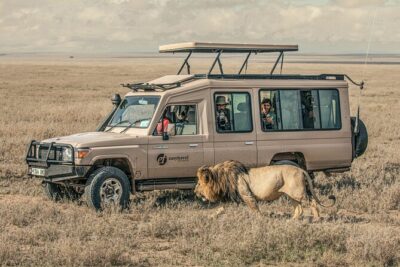

Private 6-Day Tarangire Manyara Crater and Serengeti with Mid-Range Lodges
Read our review →


Browse the lists this tour appears in