
Reviewed · WILDEBEEST MIGRATION SAFARIS
6 Days Tanzania Budget Camping Safari with Migration
Wildlife does not follow a timetable. That is part of the appeal of this six-day Tanzania camping safari, which links Tarangire, Serengeti, Ngorongoro Crater, and Lake Manyara for $1,650 per person. I like the chance to follow the wildebeest migration rather than remain in one park, and I like that meals, guiding, camping, hotel nights, water, and park transport are bundled into one price. The main consideration is the pace: several days involve early starts, long drives, dusty roads, and basic camping.
You spend the heart of the trip inside Serengeti National Park, with a full day set aside for wildlife viewing and another early morning game drive before heading toward Ngorongoro. Guide and chef service is a major part of the experience. Guides including Robert, Douglas, Florian, Mohammed, and Daniel have been praised for animal spotting and driving, while chefs such as Gadi, Gideon, Johannes, and Yohane have earned repeated praise for generous, tasty meals.
In This Review
- Key points at a glance
- What $1,650 buys you in northern Tanzania
- Day 1: Tarangire’s elephants and baobabs
- Day 2: From the Rift Valley to central Serengeti
- Day 3: The full Serengeti game-drive day
- Day 4: Sunrise, wildlife, and the road to Ngorongoro
- Day 5: Ngorongoro Crater and Mto wa Mbu
- Day 6: Lake Manyara and a Maasai cultural visit
- Camping, food, and the people who make it work
- Timing, comfort, and practical trade-offs
- Who should book this safari?
- FAQ
- How long is the safari?
- What parks and areas are included?
- Is pickup offered?
- How much does the safari cost?
- Is camping included?
- Are meals included?
- Is bottled water included?
- Can I see the Great Wildebeest Migration?
- When is migration viewing most likely?
- How large can the group be?
- Are visa fees and tips included?
- Can I cancel for a full refund?
Key points at a glance
- Four major wildlife areas in six days: Tarangire, Serengeti, Ngorongoro Crater, and Lake Manyara are all included.
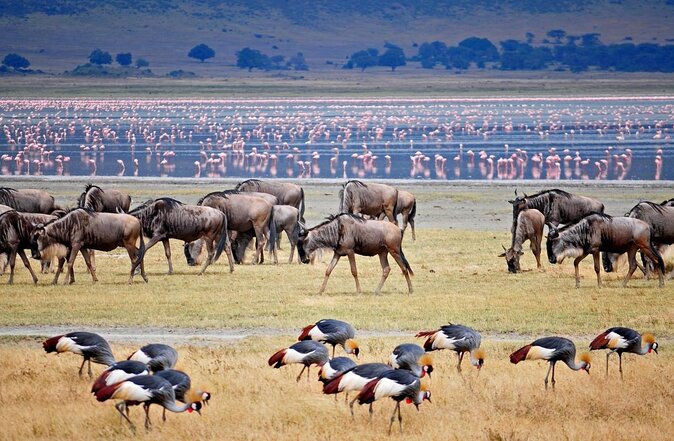
- Migration-focused route: The guide adjusts the Serengeti route according to where the wildebeest are moving, although no operator can guarantee a crossing or a particular sighting.
- Budget camping with support: Campsites, meals, a professional guide, safari vehicle, water, Wi-Fi, and emergency rescue support are included.
- Big Five potential: Ngorongoro Crater offers one of the best chances on this route to see lion, elephant, buffalo, leopard, and black rhino.
- Cultural stop included: A walking tour in Mto wa Mbu adds local food, banana plantations, and community activities to the wildlife schedule.
- Small-group format: The vehicle can carry up to 15 people, so confirm the expected group size if personal space matters to you.
What $1,650 buys you in northern Tanzania
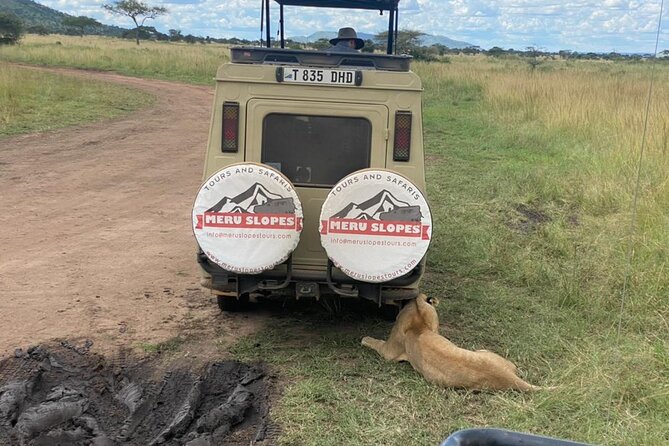
At $1,650 per person, this is a strong-value safari for anyone who wants the classic northern Tanzania circuit without paying lodge prices. The cost includes hotel pickup and drop-off, a professional driver-guide, park transport, hotel accommodation in Arusha, camping, breakfast, dinner, lunch, mineral water, Wi-Fi in the safari vehicle, taxes, fees, and emergency rescue support.
The package covers five breakfasts, five dinners, and six lunches according to the inclusion list. That matters because food in remote safari areas can be expensive and inconvenient to arrange independently. You still need to budget for tips and a Tanzanian visa.
The word budget mainly refers to the sleeping arrangements and group format, not to the parks you visit. You are seeing world-famous wildlife areas, but you sleep at campsites rather than high-end safari lodges. The itinerary also includes nights at Jambo Lodge and hotel accommodation in Arusha, giving you a few more comfortable pauses around the camping sections.
The vehicle includes free Wi-Fi, a useful touch when you want to send a message or check the next day’s plan. Do not expect constant connectivity across the parks. The real advantage is having a guide, cook, vehicle, and food organized together, which removes much of the practical work from a complicated multi-park trip.
More Camping Safaris in Moshi
- 5 Days Camping Tarangire, Serengeti & Ngorongoro crater & Visiting Maasai
★ 5.0 · 58 reviews - 4 Days Group Joining Camping Safari to Tarangire Serengeti Ngorongoro Crater
★ 5.0 · 50 reviews - 4 days adventure camping safari
★ 5.0 · 44 reviews
Day 1: Tarangire’s elephants and baobabs
Pickup is scheduled around 7:30 or 8:00 in the morning, depending on the final arrangement. From the Arusha and Moshi area, you drive toward Tarangire National Park, about 115 kilometers from Arusha, for a full-day game drive.
Tarangire is an excellent first park because it offers a different feel from the open Serengeti plains. The Tarangire River draws animals during dry periods, and the park is especially known for large elephant groups, baobab trees, and pythons that climb trees. Lion, leopard, and other wildlife may also appear.
I like starting here because the park gives you immediate variety. The scenery is shaped by large old trees and river country, rather than the seemingly endless grassland you see later. Your guide’s skill matters from the first afternoon, since animal sightings can be scattered and the best moments may happen away from the obvious road.
The listed drive time contains a typographical error, so ask for the confirmed transfer duration before you go. In practical terms, expect a full day that combines the road from Arusha, game viewing, and an evening transfer to Jambo Lodge for dinner and the night. That makes Day 1 busy, but it also puts a major park on the schedule right away.
Day 2: From the Rift Valley to central Serengeti
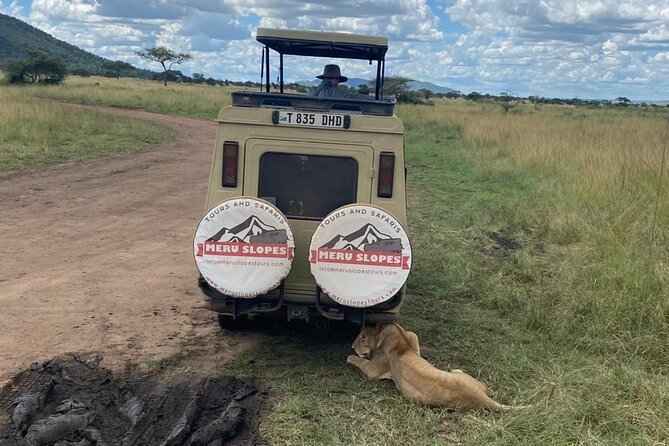
After breakfast, you pack the safari vehicle and travel toward Serengeti National Park with an en-route game drive. Lunch is eaten inside the vehicle, which tells you something important about the rhythm of this trip: driving time is often also wildlife-viewing time.
The route offers views of the Rift Valley and Ngorongoro Crater before reaching Serengeti at about 3:00 p.m. You then continue with an evening game drive in central Serengeti, including sunset views, before dinner and an overnight stay at Seronera campsite inside the park.
Serengeti is the centerpiece of the safari. Its name is linked with the idea of endless plains, and the scale becomes clear when you travel through it. The park is famous for the annual movement of around 1.5 million wildebeest and other grazing animals, followed by predators.
This day has a useful balance of scenery and wildlife, though it is not a relaxed transfer. If you need a quiet afternoon, you will not find one here. If you want to reach the Serengeti quickly and begin game viewing the same day, the schedule works well.
Day 3: The full Serengeti game-drive day
Day 3 gives you the most time in one park. After breakfast, you spend the day on game drives while the guide checks key areas of Serengeti and adjusts the route according to wildlife movement.
This is the day most closely tied to the migration theme. The animals do not gather in one permanent place, so the guide’s ability to track recent movement is important. You may see wildebeest herds, predators, and other plains animals, but a river crossing cannot be promised simply because you are visiting during a migration month.
The timing of your safari makes a big difference. June through September is described as the strongest period for migration viewing, while January through March is the calving season. From July through September, the route may extend toward northern Serengeti in search of wildebeest crossings at the Mara River.
That wording matters. You are paying for a route designed to improve your chances, not for a guaranteed natural event. The migration changes every year, and weather and recent animal movement can alter the best plan. Keep your expectations flexible and enjoy the wider Serengeti experience even if the herds are not at a river when you arrive.
The full day can last about 10 hours. That means long stretches in a safari vehicle, but also more chances to find something special. Robert has been praised for locating animals and explaining what you are seeing, while guides such as Florian and Douglas have received strong praise for driving, route choices, and general care.
More Migration Safaris in Moshi
- Great Migration Safari In Tanzania
★ 5.0 · 71 reviews - 10-Day Wildebeest Migration Calving Safari -All Inclusive
★ 5.0 · 30 reviews - 8 Days Great Wildebeest Migration – Mara River Crossing
★ 5.0 · 28 reviews - Tanzania Safari – The Great Migration in the North of the Serengeti and Lake Natron
★ 5.0 · 25 reviews
Day 4: Sunrise, wildlife, and the road to Ngorongoro
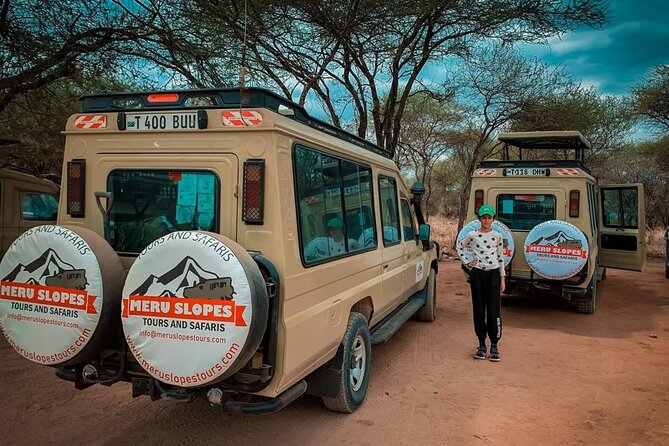
The early start comes at about 5:45 a.m. After breakfast, you begin a morning game drive inside Serengeti, continuing until around 11:30. Sunrise on the plains is one of the best reasons to accept the early alarm, particularly when animals are active in the cooler hours.
You return to camp for a hot lunch, pack your luggage, and continue game viewing while heading toward Ngorongoro. Dinner and the night are at Simba campsite.
This is another long day, listed at about 10 hours, and the change of location can make it feel even longer. Still, the route uses travel time well by combining the final Serengeti sightings with the transfer toward the next major stop. You are not simply sitting in a vehicle on a highway.
Camping inside or near protected areas also changes how the trip feels. You are closer to the sounds and atmosphere of the parks, but you should be comfortable with simple facilities and the practical limits of budget camping. The experience is less polished than a lodge stay, but it keeps the price within reach.
Day 5: Ngorongoro Crater and Mto wa Mbu
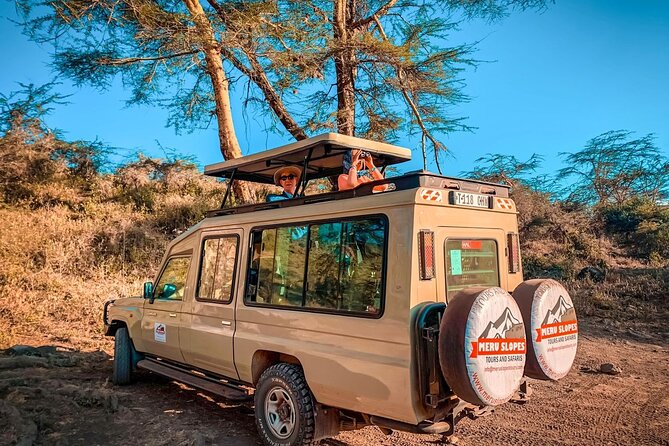
Day 5 starts at about 5:30 a.m. After breakfast, you descend into Ngorongoro Crater for a six to seven-hour game drive on the crater floor.
Ngorongoro is a huge inactive volcanic caldera, and its enclosed setting supports a high concentration of wildlife. The itinerary highlights the chance to see all of the Big Five: black rhino, elephant, lion, buffalo, and leopard. You may also see many bird species and concentrations of flamingos near the water.
The crater is a powerful contrast to Serengeti. Instead of following animals across broad open country, you are in a defined natural basin where wildlife can be easier to locate. That does not make sightings automatic, but it does give you a very productive day of viewing.
Lunch is taken inside the crater while you continue watching the natural surroundings. After the game drive, you ascend, collect your luggage from camp, and return to Jambo Lodge for dinner and the night.
The day also includes a walking tour in Mto wa Mbu. This is a welcome change from sitting in a vehicle. You can see banana plantations, taste local food, visit village areas, and learn about community projects and daily life. The cultural program is scheduled for about an hour, but the full crater portion makes this one of the trip’s longest and fullest days.
Day 6: Lake Manyara and a Maasai cultural visit
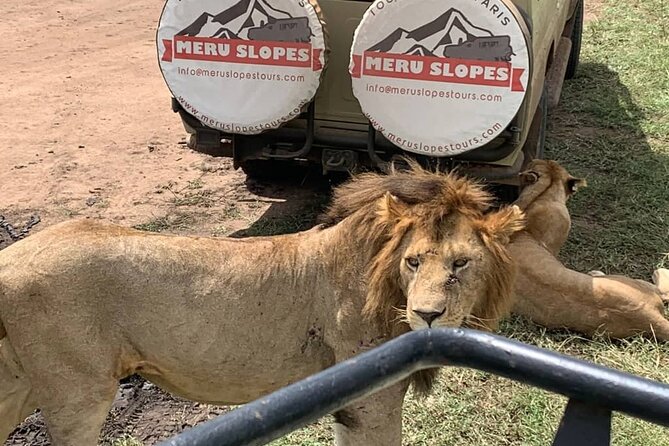
After breakfast, you head to Lake Manyara National Park for a full-day game drive. The park is known for tree-climbing lions, flamingos attracted by algae in the lake, and a hot spring.
Lake Manyara works well as the final park because it adds habitats and wildlife you may not have encountered in Tarangire or Serengeti. It is a shorter park visit than the full Serengeti day, listed at about seven hours, but it still requires energy after several early mornings.
The schedule also includes a visit to a Maasai boma, where you can learn about local traditions and daily life. This cultural stop is not just a quick photo break in the itinerary. It gives you a chance to hear about community customs after several days focused almost entirely on wildlife.
Later, you drive back to town for dinner and overnight accommodation. The supplied plan does not clearly identify the final town or spell out the exact airport transfer arrangement, so confirm that point before booking if you are flying out immediately after the safari.
Camping, food, and the people who make it work
The strongest part of this style of safari is often the team around the vehicle. The guide is your driver, wildlife interpreter, route planner, and daily problem solver. The chef handles meals in a setting where you cannot simply walk to a restaurant.
Names praised for this experience include Robert, Gadi, Florian, Douglas, Mohammed, Daniel, Gideon, Johannes, and Yohane. Several of these team members have been praised for spotting animals at the right moment, driving respectfully, explaining the bush clearly, and keeping meals enjoyable. Yohane was also noted for making the group smile at mealtimes, while Johannes was praised for handling dietary needs.
That combination can turn a basic camp into a pleasant base. You should still expect practical safari food and simple surroundings rather than restaurant service. Tell the company about dietary requirements when you book so the chef has time to prepare.
The group limit is 15 people. A group this size can keep the cost down, but it may feel crowded in the vehicle, especially during a long game drive. Solo participants have enjoyed the social side of joining a group, and one young solo woman described the early starts, chef, and guide team as a major part of her positive experience. Couples have also used the trip for honeymoons, though you should understand that a budget group safari is not the same as a private romantic lodge holiday.
Timing, comfort, and practical trade-offs
The schedule begins early almost every day. Breakfast may come before sunrise, and the listed game drives can last seven to ten hours. You need patience for long vehicle rides and tolerance for dust, changing temperatures, and basic camp routines.
The reward is time in the parks. The itinerary does not waste the trip on a single short game drive followed by long hotel stays. You reach Serengeti on Day 2, have a full Serengeti day on Day 3, continue viewing on Day 4, and spend most of Day 5 in Ngorongoro Crater.
Moshi is listed as the location, while hotel accommodation is also mentioned in Arusha. Confirm the exact pickup area and hotel plan before paying, especially if you are staying in Moshi rather than Arusha. Pickup is offered, and confirmation is provided at booking.
The activity is near public transportation and most people can participate. The maximum group size is 15. Visa costs and tips are not included, and the cancellation terms allow a full refund if you cancel at least 24 hours before the start time. Late cancellations and last-minute changes are not accepted.
Who should book this safari?
I would recommend it to you if you want the main northern Tanzania parks in a short period, care more about wildlife time than lodge luxury, and like having transport, meals, camping, and guiding arranged together. It is also a good fit if you want a realistic chance of seeing migration activity without paying for a high-end private itinerary.
You may prefer a slower, more private safari if you dislike early mornings, long drives, group vehicles, or basic campsites. The route is packed, and the migration cannot be controlled. The operator can follow the animals, but nature gets the final say.
At 4.9 out of 5 from 31 ratings, with every published recommendation positive, the package has a strong record. The repeated praise centers on guide skill, food, communication, flexible planning, and value. I would book it if those strengths matter more to you than privacy and polished accommodation, but I would confirm the pickup location, group size, camping setup, and exact migration route before committing.
FAQ
How long is the safari?
The safari lasts approximately six days.
What parks and areas are included?
The route includes Tarangire National Park, Serengeti National Park, Ngorongoro Conservation Area and Crater, and Lake Manyara National Park.
Is pickup offered?
Yes. Hotel pickup and drop-off are included, with a listed start time around 7:30 a.m.
How much does the safari cost?
The listed price is $1,650 per person.
Is camping included?
Yes. The experience is described as a budget camping safari, with campsite nights included in the route.
Are meals included?
Yes. The package includes breakfast, dinner, and lunch. The inclusion list specifies four breakfasts, five dinners, and six lunches, so confirm the final meal schedule when booking.
Is bottled water included?
Unlimited mineral water is included.
Can I see the Great Wildebeest Migration?
The route is designed to follow the migration, but the location of the herds changes each year and sightings or river crossings cannot be guaranteed.
When is migration viewing most likely?
June through September offers the best chance according to the tour information. The calving season is listed as January through March.
How large can the group be?
The maximum group size is 15 people.
Are visa fees and tips included?
No. Visa fees and tips are not included in the price.
Can I cancel for a full refund?
You can cancel for a full refund if you cancel at least 24 hours before the experience start time. Cancellations or changes made less than 24 hours before the start are not accepted.
More Migration Safaris
- 7 Days Wildebeest Migration – Ndutu Calving Season
★ 5.0 · 18 reviews - 5 Days Tanzania Safari – Migration and Big 5 Safaris
★ 5.0 · 14 reviews - Latest Updates On The Top Best 3 day Serengeti Migration Safari
★ 5.0 · 9 reviews - 5 Days Special Safari to see migration
★ 5.0 · 8 reviews
More Safaris in Moshi
- Safari Serengeti And Ngorongoro
★ 5.0 · 288 reviews - Big Five Safari In Tanzania
★ 5.0 · 99 reviews - Unforgettable Tanzania Safari And Zanzibar Beach
★ 5.0 · 97 reviews - 8-Day Essence of Tanzania Safari – Luxury
★ 5.0 · 72 reviews
Just added around Moshi
- Moshi: Lake Chala Tour: Hiking &/or Kayaking★ 4.5 · 3 reviews
- 3 Days Tanga Exclusive Beach Holiday★ 5.0 · 3 reviews
- Serengeti Wildebeest Migration.★ 5.0 · 3 reviews
- Chemka Hotpsrings E-Bike Day Trip★ 5.0 · 3 reviews
- Explore 1 day Ngorongoro Crater Budget Group Safari from Arusha★ 5.0 · 3 reviews
- Explore the 360° of Kilimanjaro★ 5.0 · 3 reviews
- Affordable Short Tanzania Safari (2 Days Camping Safari)★ 5.0 · 3 reviews
- Rongai Route 7 Days★ 5.0 · 3 reviews
Wildebeest Migration Safaris, compared.
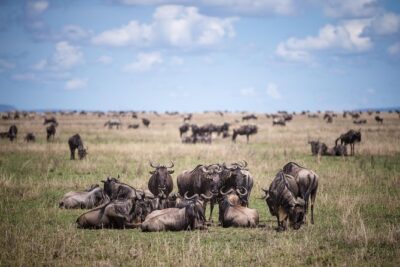
8 Days Great Wildebeest Calving Migration Safari from Arusha
Read our review →
10-Day Serengeti Wildebeest Migration Safari from Arusha
Read our review →
8 Day Spectacular Migration Serengeti mid -Range Tanzania Safari
Read our review →
9-Day Serengeti Migration Footsteps Tanzania Safari
Read our review →
Private 6-Day Great Migration Ndutu Serengeti Safari Tour
Read our review →
4 Day Great Migration Safari Serengeti & Ngorongoro Crater
Read our review →Browse the lists this tour appears in