
Reviewed · WILDEBEEST MIGRATION SAFARIS
8 Days Great Wildebeest Migration – Mara River Crossing
The river crossing is nature at its wildest. This eight-day private safari combines Serengeti game drives with a serious attempt to see wildebeest reach the Mara River, plus Lake Manyara, Ngorongoro Crater, local villages, and time in Arusha. I like the private format, which keeps the vehicle and guide focused on your group, and I like the full-board plan, since meals and accommodation are already arranged across a demanding route.
The main consideration is timing. The migration is expected in northern Serengeti from July through mid-October, but animal movements do not follow a tour schedule. You may see a crossing, but the itinerary’s high-chance wording should not be read as a promise. The long drives, early departures, packed lunches, and several nights in safari camps also suit active visitors better than anyone wanting a slow, restful holiday.
In This Review
- Key points before you book
- The real prize is the Mara River crossing
- Day 1: An easy arrival in Arusha
- Day 2: Mto wa Mbu culture and Lake Manyara wildlife
- Day 3: Entering Serengeti through the Ngorongoro area
- Day 4: The long run north to the Mara River
- Day 5: Two game drives beside the river
- Day 6: Lobo’s predators and the return to central Serengeti
- Day 7: A full day inside Ngorongoro Crater
- Day 8: Maasai culture, Arusha, and the airport
- What the private format changes
- Accommodation, meals, and what the price covers
- Who will enjoy this safari most
- Should you book the Mara River safari?
- FAQ
- How long is the safari?
- Where does the tour begin?
- Where does the safari end?
- When is the Mara River crossing expected?
- Is the river crossing guaranteed?
- Is this a private tour?
- What meals are included?
- Is accommodation included?
- Are park fees included?
- What is not included in the price?
- Can I cancel for a full refund?
Key points before you book
- The Mara River is the central goal: Days four and five focus on the northern Serengeti, where wildebeest may cross toward Kenya’s Maasai Mara.
- A private guide leads the trip: Only your own group participates, allowing a more personal pace and easier communication with your guide.
- You visit four major safari areas: Lake Manyara, central and northern Serengeti, and Ngorongoro Crater each offer different animal sightings and scenery.
- The schedule includes local culture: You walk through Mto wa Mbu, visit homes and farms, sample traditional beer, and stop at a Maasai village.
- The price covers the essentials: At $4,374 per person, the package includes accommodation, meals, bottled water, park fees and taxes, and emergency air rescue insurance.
- The itinerary is full but efficient: You spend most days on game drives, with early starts and long transfers connecting Arusha to northern Serengeti and back.
The real prize is the Mara River crossing
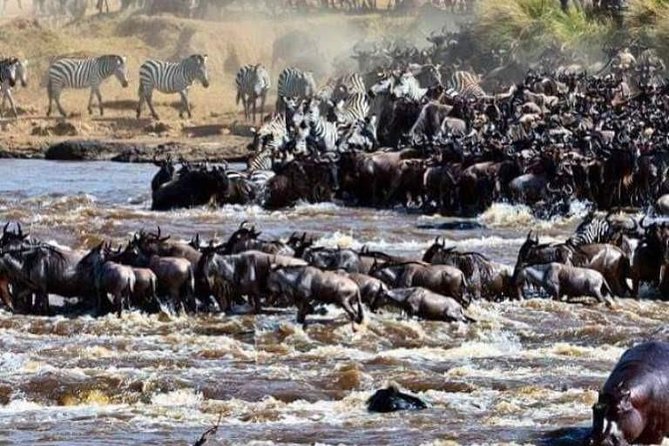
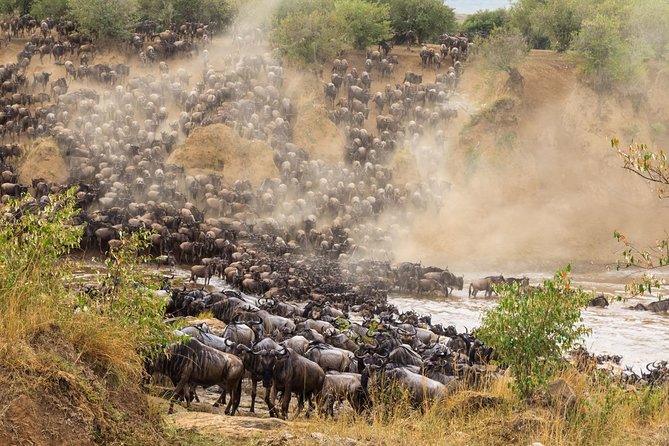
The great migration is not one single event. Wildebeest move through the Serengeti and into Kenya’s Maasai Mara, following pasture and water. At the Mara River, the spectacle becomes especially dramatic because the herds must gather at the bank, enter the water, and face strong currents and crocodiles.
This tour gives you two days in the Mara River area, which is one of its strongest features. Day four takes you north after an early game drive, breakfast, and a departure with packed lunch. Day five provides both a morning and an afternoon game drive along the river, giving you more than one chance to be in the right area at the right time.
Still, patience matters. The animals may gather for hours and then move away. They may cross at a distant point, or they may not cross during your stay. That is part of a genuine wildlife trip, not a fault in the schedule. The northern Serengeti is also worthwhile without a river crossing, with big cats, elephants, giraffes, hippos, impalas, and a chance to see the endangered black rhino.
If the crossing is your top priority, book within the stated July to mid-October period and make sure you understand that wildlife decides the timetable. The two nights near the Mara River improve your odds, but no responsible safari company can control the wildebeest.
More Migration Safaris in Moshi
- Great Migration Safari In Tanzania
★ 5.0 · 71 reviews - 7 Days Wildebeest Migration – Ndutu Calving Season
★ 5.0 · 18 reviews - 6 Days Mara River Crossing – The Great Migration
★ 5.0 · 5 reviews
Day 1: An easy arrival in Arusha
Your airport arrival is met by a representative, followed by a transfer to Kibo Palace Hotel in Arusha for dinner and an overnight stay. This first night is practical rather than packed with activity.
That is a good choice after an international flight. You get a bed, a meal, and a briefing before heading into the northern safari circuit. Arusha is also the natural starting point for this route, so you are not pushed straight into a long game drive while tired.
The day is listed as approximately 12 hours because it includes arrival arrangements and the overnight plan. Confirm your flight timing with the operator, especially if you are arriving late or connecting through another airport.
Day 2: Mto wa Mbu culture and Lake Manyara wildlife
After breakfast, you drive to Mto wa Mbu for a guided village walk. This is more than a quick roadside stop. The walk includes local homes, banana and rice farms, and the chance to taste traditional beer while meeting people in the community.
I like this early cultural visit because it gives the safari a human setting before the focus turns fully to animals. It also breaks up the route and lets you see how farming and daily life fit into the area around the national park.
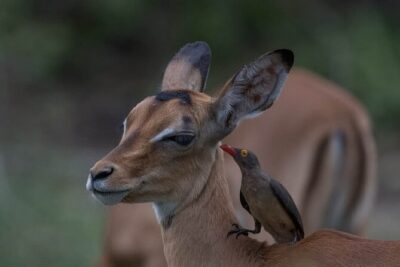
You then continue to Lake Manyara National Park for game viewing. The park may produce elephants, giraffes, hippos, impalas, dik-dik, waterbucks, flamingos, and monkeys. Tree-climbing lions and leopards are also listed as possible sightings, though neither should be treated as certain.
Lake Manyara can make a strong first safari park because the animal list is varied. You may see large mammals, small antelope, birds, and primates in one outing. After leaving the park, you drive to Karatu for dinner and an overnight stay at Marera Valley Lodge.
This is a busy day. The village walk and park visit offer variety, but you will spend time on the road. If you prefer a more leisurely first day, this schedule may feel brisk.
Day 3: Entering Serengeti through the Ngorongoro area
The route to Serengeti National Park passes through the Ngorongoro Conservation Area, with arrival in time for lunch at Hippo Trails Camp in central Serengeti. The afternoon then turns to game viewing before dinner and the night at camp.
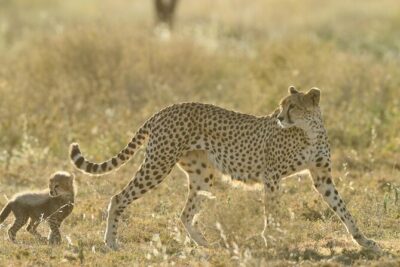
Central Serengeti is a useful base because the animal list is broad. You may encounter elephants, giraffes, hippos, warthogs, gazelles, impalas, lions, leopards, and cheetahs. The area is particularly appealing if you want more than one kind of big cat during your safari.
The day also marks a change in rhythm. Roads become part of the experience, and the scenery opens into classic Serengeti country. Keep your camera ready during transfers because game viewing is not limited to a formal morning or afternoon drive.
The accommodation is described as comfortable, with a hot shower available after the afternoon outing. That detail matters after a dusty day on the road. Hippo Trails Camp is used again on day six, so it becomes a familiar base between the northern and southern parts of the route.
More migration safaris:
- 6- Day Adventure Lodge safari to see Migration
★ 4.5 · 5 reviews - 8-Day Tanzania Migration Footsteps – Midrange
★ 5.0 · 4 reviews - 5 days Serengeti Wildebeest Migration Safari
★ 5.0 · 3 reviews - 8 Days Great Wildebeest Calving Migration Safari from Arusha
★ 5.0 · 254 reviews
Day 4: The long run north to the Mara River
Day four begins with an early morning game drive, followed by breakfast at camp. You then leave with a packed lunch and drive toward the northern Serengeti, combining a transfer with game viewing.
This is one of the longest and most purpose-driven days. You are moving toward the main event, so expect less time settled in one place and more time watching the scenery and searching for animals along the route.
The itinerary gives you a high chance of seeing wildebeest near the Mara River and possibly seeing crocodiles attack as the herd crosses. That description captures the raw nature of the event, but it also means the scene can be upsetting. A river crossing is not a staged wildlife show. It involves confusion, panic, and natural predation.
You spend the night at Mara River Camp in northern Serengeti. Reaching camp in the evening gives you a base for the more focused morning and afternoon drives on day five.
Day 5: Two game drives beside the river
This is the day with the most time devoted to the migration. An early departure is followed by morning and afternoon game drives along the Mara River.
Two drives are valuable because the herds can shift during the day. You may spend time watching wildebeest gather, looking for movement at the water, or searching the wider area for predators. The itinerary also points to elephants, giraffes, impalas, hippos, big cats, and black rhino in northern Serengeti.
The possibility of a black rhino sighting adds real weight to this part of the safari. Rhinos are endangered, and seeing one is far from routine. The northern region is not just a waiting room for the migration.
All meals and the overnight stay are at Mara River Camp. Since this is the most important day for many people, ask before booking how the guide handles river-viewing conditions, vehicle positioning, and changes in animal location. Those practical details can shape the experience, although they are not specified in the tour information.
Day 6: Lobo’s predators and the return to central Serengeti
After breakfast, you drive to the Lobo area in northeastern Serengeti for game viewing. Lobo is described as having distinctive scenery and good chances for leopards, cheetahs, large lion prides, and klipspringer antelope.
This is a clever addition after the river-focused days. It gives you another chance to look for predators and smaller antelope instead of making the entire northern section about wildebeest. Klipspringers are especially interesting because they are less familiar than the safari favorites listed elsewhere in the itinerary.
In the afternoon, you return to central Serengeti for dinner and another night at Hippo Trails Camp. The transfer makes this a full day, but it also puts you in a sensible position for the next morning’s drive to Ngorongoro Crater.
Day 7: A full day inside Ngorongoro Crater
You leave after breakfast with a packed lunch and descend into Ngorongoro Crater for a full day of game viewing. The crater floor is described as the eighth wonder of the world, and its enclosed setting gives you a concentrated final safari experience.
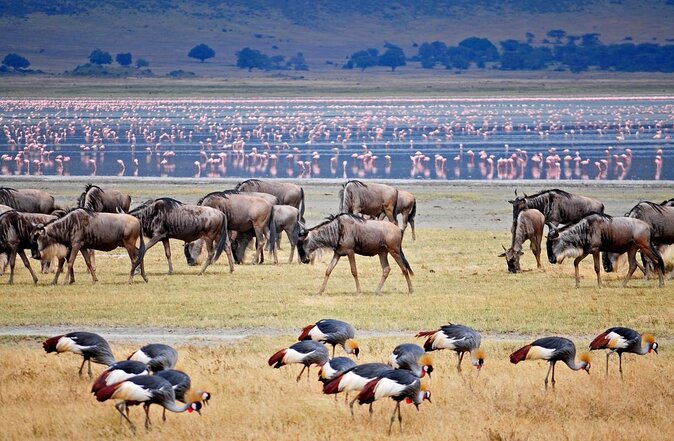
The crater is one of the best places on this route to look for endangered black rhino. Lake Magadi may also hold flamingos, while other possible sightings include Thomson’s and Grant’s gazelles, warthogs, hippos, zebras, waterbucks, hyenas, jackals, and lions.
The lion description is suitably appealing: you might find them resting in the shade beside a vehicle. That kind of close sighting is possible, but wildlife remains unpredictable. The strength of this day is the range of habitats and species packed into one manageable area.
You ascend from the crater in the evening and continue to Karatu for dinner and an overnight stay at Marera Valley Lodge. This is another packed day with a long drive, so the packed lunch keeps the schedule focused on time in the crater rather than returning to camp midday.
Day 8: Maasai culture, Arusha, and the airport
After breakfast, you drive back to Arusha, stopping at a traditional Maasai village along the way. In Arusha, the plan includes a hot lunch, optional souvenir shopping at the local Maasai market, and a visit to the Cultural Heritage Centre.
This final day gives you time to think about the trip and buy gifts before your flight. The market is listed as optional, which is useful if you would rather spend more time at lunch or avoid shopping.
The airport transfer goes to Kilimanjaro International Airport. The day is estimated at six hours, but you should still allow plenty of time between the end of the tour and your flight. The supplied schedule does not specify a minimum connection buffer, so your departure time deserves careful planning.
What the private format changes
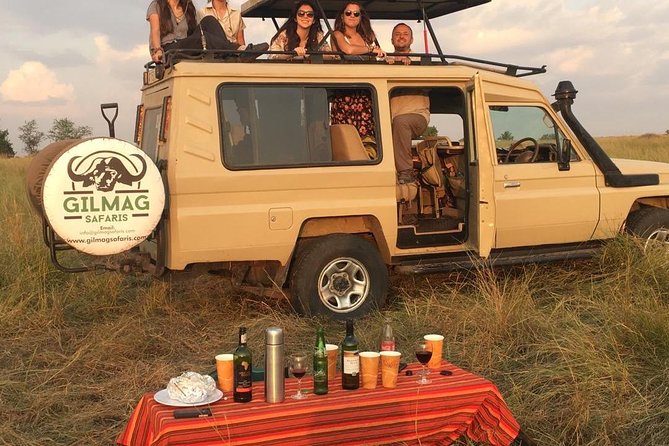
This is a private tour, not a shared vehicle arrangement. Only your group participates, which can make a major difference on long drives and repeated game drives.
You can ask questions without holding back a larger group, discuss animal sightings with your guide, and potentially spend more time at a sighting that interests you. A private guide also gives your party a more direct way to discuss the balance between migration viewing, predators, scenery, and cultural stops.
The guide names praised in the available feedback include Nickson, who was singled out for his humor and wildlife ability, along with guides such as Chris, Gilbert, and Abu. That does not mean one of them will lead your departure, so ask who is assigned before you travel. Mary is also repeatedly praised for quick communication and detailed trip planning, making her a useful contact during the booking stage.
Accommodation, meals, and what the price covers
The cost is $4,374 per person. That is a substantial amount, but it covers more than transport and park entry. You receive accommodation as planned, seven breakfasts, eight lunches, seven dinners, bottled drinking water, all fees and taxes, and emergency air rescue insurance.
The full-board setup is especially useful here. Several days involve early starts, packed lunches, and long drives, so arranging meals independently would add hassle. Comfortable accommodation and hot showers also matter after dusty game drives.
The package does not include flights, visas, tips, laundry, travel insurance, or alcoholic and nonalcoholic drinks. Those extras can affect your final budget. Emergency air rescue insurance is included, but that is not the same as a full personal travel insurance policy, so you should arrange separate coverage for the rest of your trip.
At this price, the value rests on the private vehicle and guide, the number of game-drive days, two nights in the Mara River area, and the broad route through several major parks. If you only want a short Serengeti visit, this may feel expensive and lengthy. If you want migration viewing plus Ngorongoro, Lake Manyara, cultural stops, and full-board planning, the package is easier to justify.
Who will enjoy this safari most
I would recommend this experience to you if the Mara River crossing is a major life-list goal and you are willing to accept nature’s uncertainty. It also suits people who want a private vehicle, several game drives, and a mix of wildlife and community visits.
Families and mixed-age groups may appreciate the private arrangement because the group does not need to match strangers’ pace. The additional information says most people can participate and service animals are allowed, though it does not give detailed mobility information.
You should think twice if you dislike early mornings, long road transfers, packed lunches, or repeated changes of accommodation. The route is rewarding, but it is not a relaxed lodge holiday.
The overall rating is listed as five out of five from 28 reviews, with 100 percent recommending the experience. The strongest repeated praise centers on careful planning, prompt communication from Mary, good accommodation, timely pickups, and guides who combine wildlife skill with humor. Those are exactly the service details that matter on an eight-day safari.
Should you book the Mara River safari?
Book it if you want a private, full-board Tanzania safari built around the July to mid-October migration window, and if you value having two days near the Mara River rather than simply passing through northern Serengeti.
Before paying, confirm the exact travel dates, assigned guide, camp names, airport timing, and how the company handles a late or missed crossing. Also budget for tips, drinks, visas, flights, laundry, and separate travel insurance.
The cancellation terms are strict close to departure. Cancel at least six full days before the start for a full refund, two to six days before for a 50 percent refund, and less than two days before for no refund. Changes inside those same time periods are not accepted.
For the right person, this is a well-rounded safari rather than a one-scene gamble. You get a genuine chance at the river crossing, but also Lake Manyara, central Serengeti, Lobo, Ngorongoro Crater, Mto wa Mbu, and Maasai cultural stops. That wider plan is what makes the $4,374 price easier to defend.
FAQ
How long is the safari?
The experience lasts approximately eight days, beginning with arrival and an overnight stay in Arusha and ending with an airport transfer from Arusha.
Where does the tour begin?
The tour begins with an airport pickup and transfer to Kibo Palace Hotel in Arusha, Tanzania.
Where does the safari end?
The final transfer is to Kilimanjaro International Airport after the return to Arusha.
When is the Mara River crossing expected?
The migration is expected in northern Serengeti from July through mid-October, when wildebeest may cross toward Kenya’s Maasai Mara and return to Serengeti.
Is the river crossing guaranteed?
No specific guarantee is provided. The itinerary describes a very high chance during the northern Serengeti portion, but it depends on the animals’ movement.
Is this a private tour?
Yes. Only your group participates in the private tour or activity.
What meals are included?
The package includes seven breakfasts, eight lunches, and seven dinners. Packed lunches are provided on some full-day drives.
Is accommodation included?
Yes. Accommodation is included according to the planned itinerary, including Kibo Palace Hotel, Marera Valley Lodge, Hippo Trails Camp, and Mara River Camp.
Are park fees included?
All fees and taxes are included. Admission is specifically included for the Mara River and Ngorongoro Crater portions.
What is not included in the price?
Flights, visas, tips, laundry, travel insurance, and alcoholic and nonalcoholic drinks are not included.
Can I cancel for a full refund?
Yes, if you cancel at least six full days before the experience start time. Cancellation two to six full days before receives a 50 percent refund, while cancellation less than two full days before is not refunded.
Just added around Kilimanjaro
- 5 days Serengeti Wildebeest Migration Safari★ 5.0 · 3 reviews
- Tanzania Safari and Kilimanjaro Climb Multi-Day Experience★ 5.0 · 3 reviews
- 9 Days – Best of Tanzania Safari★ 5.0 · 4 reviews
- 7 Days Mountain Kilimanjaro climb Machame Route★ 5.0 · 4 reviews
- 8-Day Tanzania Migration Footsteps – Midrange★ 5.0 · 4 reviews
- 4 Days Lake Manyara National Park, Ngorongoro Crater , Serengeti National Park.★ 4.0 · 4 reviews
- 6 Days Mara River Crossing – The Great Migration★ 5.0 · 5 reviews
- 6- Day Adventure Lodge safari to see Migration★ 4.5 · 5 reviews
Wildebeest Migration Safaris, compared.
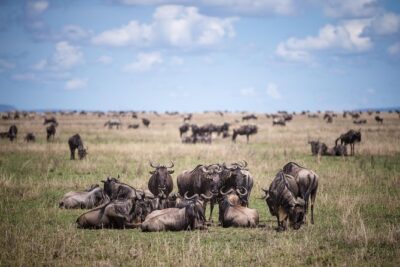
8 Days Great Wildebeest Calving Migration Safari from Arusha
Read our review →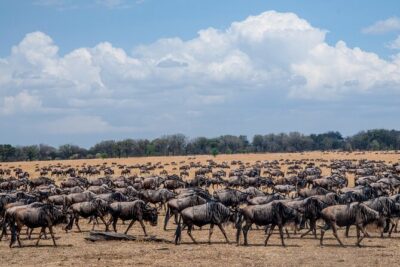
10-Day Serengeti Wildebeest Migration Safari from Arusha
Read our review →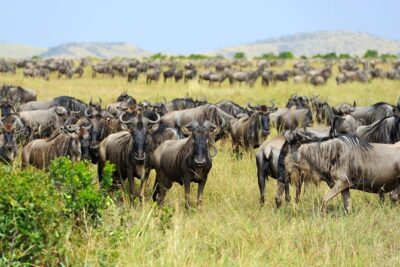
8 Day Spectacular Migration Serengeti mid -Range Tanzania Safari
Read our review →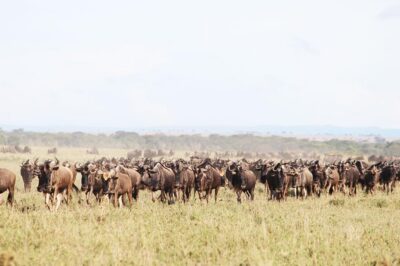
9-Day Serengeti Migration Footsteps Tanzania Safari
Read our review →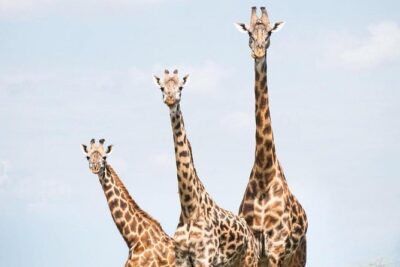
Private 6-Day Great Migration Ndutu Serengeti Safari Tour
Read our review →
4 Day Great Migration Safari Serengeti & Ngorongoro Crater
Read our review →Browse the lists this tour appears in