
Reviewed · WILDEBEEST MIGRATION SAFARIS
7 Days Wildebeest Migration – Ndutu Calving Season
The calves arrive, and predators follow. This seven-day private safari puts you in southern Tanzania during the Ndutu calving season, when huge wildebeest herds gather on the short-grass plains and an estimated 500,000 young animals may be born. I like the way the route combines three major parks with two full days in the Ndutu area, and I like that airport pickup, bottled water, meals, taxes, and Flying Doctor emergency evacuation are included.
The main caution is the amount of time spent on the road. This is an ambitious seven-day circuit, with long drives on several days and an evening airport drop-off at the end. The experience is strongest for you if young wildebeest, predator action, and serious wildlife photography matter more than a slow, relaxed lodge holiday.
In This Review
- Key points to know before booking
- Why Ndutu calving season is worth the journey
- Day 1: Arrival in Arusha and a useful briefing
- Day 2: Lake Manyara’s forest and Rift Valley setting
- Day 3: A full day inside the Ngorongoro Crater
- Day 4: Reaching Lake Ndutu and the calving grounds
- Day 5: The trip’s main wildlife day in Ndutu
- Day 6: From Ndutu into the vast Serengeti
- Day 7: Game viewing on the return to Arusha
- What the $4,004 price really covers
- Comfort, communication, and the human side
- Booking details and cancellation rules
- FAQ
- Where does the safari start?
- Where does the safari end?
- How long is the safari?
- Is this a private tour?
- Which parks and protected areas are visited?
- When is the Ndutu calving season?
- Are meals included?
- Is bottled water included?
- Are guide tips included?
- Should you book this Ndutu safari?
Key points to know before booking
- Ndutu is the center of the trip: Two nights and much of the wildlife focus are given to the calving grounds around Lake Ndutu.
- February is usually the key window: Calving normally lasts about three weeks around February, while the wider Ndutu season is described as running from December through March.
- The route covers three famous parks: You visit Lake Manyara National Park, the Ngorongoro Conservation Area, and Serengeti National Park.
- This is a private safari: Only your own group takes part, which gives the trip a more personal feel than a shared vehicle.
- The price includes useful essentials: At $4,004 per person, the package includes meals, mineral water, park-related fees and taxes, airport transfers, and emergency evacuation cover.
- The schedule favors wildlife over downtime: Several days run for roughly 12 to 15 hours, so expect early starts and long game drives.
Why Ndutu calving season is worth the journey
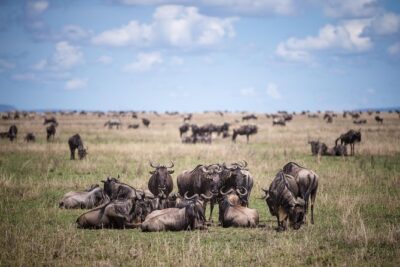
The wildebeest migration is not one single event in one fixed place. The herds move through the Serengeti ecosystem in search of fresh grass and water. During the southern calving period, many animals gather around Ndutu, creating one of the most dramatic periods of the annual cycle.
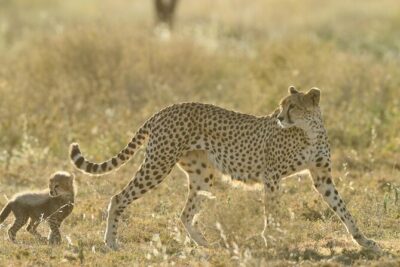
The sight is not just a mass of adult wildebeest. You may see newborn calves standing within minutes of birth. Within about three days, they are strong enough to keep up with the herd. That speed is essential, because the same concentration of prey attracts lions, cheetahs, hyenas, and other predators.
This makes Ndutu especially appealing if you want action rather than only scenic game viewing. A hunt may unfold quickly, with little warning, so patience matters. Your guide’s ability to read animal behavior and communicate with other safari vehicles can make a real difference, though no operator can promise a kill or a particular sighting.
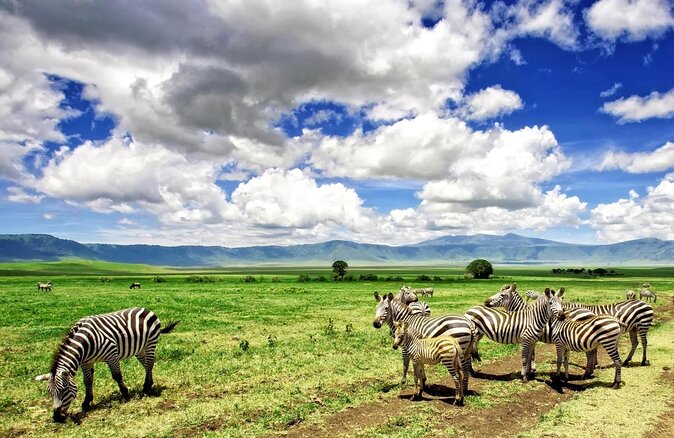
The setting is also excellent for photography. The area includes open short-grass plains, swamps, woodlands, soda lakes, and flat-topped acacia trees. Elephants, giraffes, and buffalos add variety when the big cats are resting or out of sight.
One detail matters: the timing is seasonal, not guaranteed by the calendar alone. February is normally the main calving period, often lasting around three weeks. The broader schedule identifies Ndutu as productive from December through March, so you should confirm the expected conditions for your exact dates before paying.
More Migration Safaris in Moshi
- Great Migration Safari In Tanzania
★ 5.0 · 71 reviews - 8 Days Great Wildebeest Migration – Mara River Crossing
★ 5.0 · 28 reviews - 6 Days Mara River Crossing – The Great Migration
★ 5.0 · 5 reviews
Day 1: Arrival in Arusha and a useful briefing
Your safari begins at Kilimanjaro International Airport. A representative from Gilmag Safaris meets you after customs and transfers you to Mount Meru Hotel in Arusha, about 60 kilometers from the airport.
The first day is more about getting settled than seeing wildlife. Arusha is a practical base for northern Tanzania’s safari parks, and the overnight stay gives you a chance to rest after an international flight. A briefing at the lodge should help you understand the route, daily schedule, and what to expect from the vehicle and camps.
The published timing is approximately 12 hours, which appears to cover the arrival and transfer day rather than twelve hours of sightseeing. Still, flight delays can affect the evening, so you should avoid scheduling an important separate connection on the same day unless the timing is generous.
This is also the moment to raise practical questions. Confirm your airport pickup, the next morning’s departure time, the type of luggage accepted, and how the private vehicle arrangement will work for your group.
Day 2: Lake Manyara’s forest and Rift Valley setting
After breakfast, you leave Arusha with a picnic lunch for Lake Manyara National Park, about 120 kilometers away. The park sits at the base of the Rift Valley escarpment, and its groundwater forest gives you a very different setting from the open plains around Ndutu.
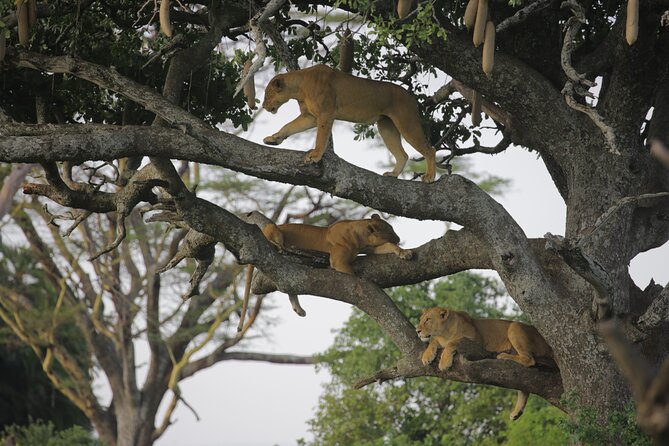
Lake Manyara is known for tree-climbing lions, although sightings are not easy. That reputation can create unrealistic expectations, so treat the lions as a bonus rather than the day’s promise. Elephants are a more dependable part of the park’s appeal, and the forest can produce a welcome change in light, vegetation, and animal behavior.
You spend the day on game drives before continuing to Karatu for dinner and an overnight stay at Ngorongoro Coffee Lodge. The schedule is listed at about 15 hours, making this one of the longest days of the trip once driving, lunch, and game viewing are combined.
I like this early park visit because it prevents the safari from becoming a single-note parade of grasslands. The drawback is that you may feel tired by evening, especially after an international arrival the previous day. Pack your camera, sunscreen, and water where you can reach them, since the picnic lunch is taken during the day rather than at the lodge.
Day 3: A full day inside the Ngorongoro Crater
The next morning takes you into the Ngorongoro Conservation Area and down more than 600 meters into the crater. The crater floor has year-round water and grazing, which supports a broad mix of animals, including wildebeest, zebra, buffalo, eland, warthogs, hippos, and large African elephants.
Lake Magadi, a shallow alkaline lake in the southwest part of the crater, is one of the main stops. The lake and surrounding open ground can attract wildlife, while the crater walls give the day a strong sense of place. You are not simply crossing from one park to another. The crater is a compact wildlife area enclosed by steep natural walls.
A full-day crater visit is valuable because it gives your guide time to search rather than rush through. It also provides a good chance to see several species in one setting. At the same time, the crater can feel busy, especially at well-known wildlife locations. Your guide’s judgment about where to wait and when to move will shape the experience.
In the evening, you ascend from the crater and continue to Ngorongoro Serena Safari Lodge on the rim for dinner and overnight. The stated day runs about 15 hours, so this is another early-to-late day. The lodge location offers a convenient break before the route turns toward Ndutu.
More migration safaris:
- 6- Day Adventure Lodge safari to see Migration
★ 4.5 · 5 reviews - 8-Day Tanzania Migration Footsteps – Midrange
★ 5.0 · 4 reviews - 5 days Serengeti Wildebeest Migration Safari
★ 5.0 · 3 reviews - 8 Days Great Wildebeest Calving Migration Safari from Arusha
★ 5.0 · 254 reviews
Day 4: Reaching Lake Ndutu and the calving grounds
After breakfast, you head toward the Ndutu area, which lies within the Ngorongoro Conservation Area but forms part of the wider Serengeti ecosystem. You arrive in time for lunch at Sense of Wilderness Migration Camp, followed by an afternoon game drive.
This is where the trip’s main purpose comes into focus. Ndutu is not only a place to search for wildebeest. It contains several habitats close together, including swamps, woodlands, soda lakes, and open short-grass plains. That variety helps keep the day interesting even when the herds are spread out.
During the December to March period, large numbers of wildebeest may be found in the area. Elephants, birds, and resident wildlife add depth to the viewing. If the herds are calving, you may see tiny young animals among the adults, but the timing and exact location of the animals can change from day to day.
You spend the night at Sense of Wilderness Migration Camp. The camp is a practical choice for this itinerary because it keeps you near the Ndutu viewing area rather than requiring a long transfer back to Karatu or another base.
The description gives this day a full-day duration, though the actual plan is arrival, lunch, and an afternoon drive. That makes it somewhat gentler than the previous two days, but you should still expect rough roads and time in the safari vehicle.
Day 5: The trip’s main wildlife day in Ndutu
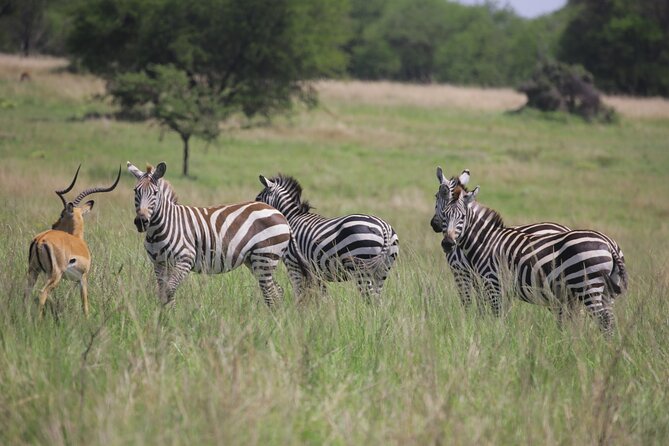
Day five gives you a full day around Ndutu, and this is likely the emotional center of the safari. You have more time to look for the great herds, newborn calves, zebras, and the predators that follow them.
A full day is important here. Wildlife viewing is not a stage show with fixed start times. You might spend a while watching a herd move across the plain, then suddenly find that the animals have changed direction or gathered around a birth. Staying in the area gives you a better chance of witnessing natural behavior instead of seeing only animals during a quick pass.
The young wildebeest are especially vulnerable during the calving period. Lions, cheetahs, and hyenas are drawn to the same concentration of prey. That creates the possibility of memorable predator scenes, but it also means the experience can be intense. If you are photographing or traveling with children, discuss expectations with your guide before the drive.
The variety of Ndutu helps on quieter stretches. Swamps can hold birds and other animals. Woodlands offer shade and different viewing angles. The soda lakes and plains frame the herds against broad skies and acacia trees.
You return to Sense of Wilderness Migration Camp for dinner and another night. Keeping the same camp for two nights is a good design choice. It reduces packing and unpacking, and it gives you a more settled base during the most important part of the trip.
Day 6: From Ndutu into the vast Serengeti
After breakfast, you leave the camp with a picnic lunch and travel toward Serengeti National Park, enjoying game viewing along the way. The Serengeti is Tanzania’s best-known park and covers about 14,763 square kilometers of protected area, bordering Kenya’s Maasai Mara.
The scale changes here. Ndutu can feel focused around the calving herds and its mix of habitats. Central Serengeti gives you a wider sense of open grass, acacia trees, and stone kopjes. These rocky outcrops provide shelter and living space for many animals, while the plains show just how much life the region supports.
The transfer is not dead time. Game can appear along the route, and the changing scenery helps you understand that the migration is part of a much larger ecosystem. Still, a picnic lunch and a full day in the vehicle mean you should be prepared for a long ride.
Your overnight is at Tanzania Pure Tented Camp in Central Serengeti. The plan lists this as a one-day stop rather than a second full day in central Serengeti. That is a fair compromise for a seven-day trip, but it also means the itinerary gives more priority to Ndutu than to exploring the central park at leisure.
Day 7: Game viewing on the return to Arusha
After breakfast, you leave camp with a packed lunch and begin the return to Arusha through the Ngorongoro Conservation Area. Game viewing continues along the way, so the final day is not simply a transfer.
The schedule runs about 12 hours and ends with a drop-off at Kilimanjaro International Airport for your next flight. This is a useful arrangement if your onward departure is in the evening, but you need to check the flight time carefully. A long road journey and an international departure do not leave much room for delays.
The itinerary says the activity ends back at the meeting point, which is Kilimanjaro International Airport. If you are staying in Arusha after the safari instead of flying out, confirm the final drop-off plan directly with the operator.
What the $4,004 price really covers
At $4,004 per person, this is not a budget safari. The value depends heavily on how many people are in your private group and how much you value the calving season.
The package includes:
- Flying Doctor emergency evacuation
- Bottled mineral water with an unlimited supply
- All fees and taxes
- Seven breakfasts
- Seven lunches
- Six dinners
Those inclusions remove several common add-on costs. Emergency evacuation cover is especially useful in a remote safari region, although you should still check your own travel insurance for medical care, trip interruption, baggage, and cancellation coverage.
The meal count also tells you how the schedule works. Breakfast is included each day, lunch is included throughout, and six dinners are provided. Since the final day ends at the airport, there is no listed dinner on day seven.
Tips for guides are not included. Budget separately for gratuities and confirm the company’s preferred tipping practice before departure. Also ask exactly what is included in the quoted park fees, since the package describes all fees and taxes as covered but does not give a line-by-line breakdown.
The strongest value comes from the private format and the two Ndutu nights. A private safari means only your own group participates, rather than sharing the vehicle with strangers. That can matter when you want to stop for photography, spend longer at a sighting, or keep the pace suited to your group.
Comfort, communication, and the human side
The company’s strongest praise centers on organization and communication. Mary is repeatedly credited with quick replies, flexible planning, clear preparation information, and help working within a budget. That matters on a safari, where airport timing, park rules, camps, and payment details can feel complicated from far away.
Several trip accounts also single out guides by name, including Jimmy, Nickson, Nicholas, and Gilbert. You should not assume one of these guides will lead your safari, but the repeated positive comments about guide quality point to the human side of the operation as a major strength.
The vehicles are described in one account as clean and spacious, with an open safari jeep and snacks. Since vehicle specifications are not fully provided here, ask about seating, window access, roof design, charging points, and storage before you book, especially if photography is your main goal.
This private format should suit couples, families, and small groups who want control over the day. It may be less suitable if you prefer a slow lodge-based holiday with short transfers and plenty of free time.
Booking details and cancellation rules
Pickup is offered from Kilimanjaro International Airport, and confirmation is normally received at booking unless you book within 12 hours of departure. In that short-notice case, confirmation depends on availability.
Most people can participate, and the activity is private to your group. The experience requires good weather. If poor weather causes cancellation, you are offered another date or a full refund.
For cancellations, you receive a full refund if you cancel at least six full days before the local start time. Cancelling two to six full days ahead allows a 50 percent refund. Less than two full days ahead is nonrefundable, and late changes are not accepted.
FAQ
Where does the safari start?
It starts at Kilimanjaro International Airport on Kilimanjaro Airport Road in Tanzania.
Where does the safari end?
The activity ends back at the meeting point, with a drop-off at Kilimanjaro International Airport.
How long is the safari?
The safari lasts approximately seven days.
Is this a private tour?
Yes. Only your own group participates in the activity.
Which parks and protected areas are visited?
The route includes Lake Manyara National Park, the Ngorongoro Conservation Area, and Serengeti National Park.
When is the Ndutu calving season?
The wider Ndutu period is described as running from December through March. Most wildebeest usually calve around February, over a period of about three weeks.
Are meals included?
Yes. The package includes seven breakfasts, seven lunches, and six dinners.
Is bottled water included?
Yes. An unlimited supply of bottled mineral water is included.
Are guide tips included?
No. Tips for guides are not included in the price.
Should you book this Ndutu safari?
I would recommend this safari if your main goal is to see the wildebeest calving season and you want a private seven-day route through northern Tanzania. The two Ndutu days, predator potential, Ngorongoro Crater, and Serengeti scenery give you a strong mix of wildlife and classic safari settings.
I would pause if you dislike long drives or need a relaxed schedule. The 12 to 15-hour days are demanding, and the itinerary leaves limited time for central Serengeti beyond the transfer day.
Before booking, confirm your exact travel dates against the expected calving period, ask who will guide your group, check the vehicle setup, and make sure your final flight leaves enough time after the return drive. If the timing works, the $4,004 price can make sense for a private safari built around one of East Africa’s most dramatic wildlife seasons.
More 7-Day Experiences
- 7 Days Kilimanjaro via Machame route affordable price
★ 5.0 · 110 reviews - 7-Day Machame Route Kilimajaro
★ 5.0 · 28 reviews - 7 Days Highlight of Tanzania Mid-Range Standard
★ 5.0 · 22 reviews - 7 Day Grand Tanzania Safari
★ 5.0 · 13 reviews
Just added around Kilimanjaro
- 5 days Serengeti Wildebeest Migration Safari★ 5.0 · 3 reviews
- Tanzania Safari and Kilimanjaro Climb Multi-Day Experience★ 5.0 · 3 reviews
- 9 Days – Best of Tanzania Safari★ 5.0 · 4 reviews
- 7 Days Mountain Kilimanjaro climb Machame Route★ 5.0 · 4 reviews
- 8-Day Tanzania Migration Footsteps – Midrange★ 5.0 · 4 reviews
- 4 Days Lake Manyara National Park, Ngorongoro Crater , Serengeti National Park.★ 4.0 · 4 reviews
- 6 Days Mara River Crossing – The Great Migration★ 5.0 · 5 reviews
- 6- Day Adventure Lodge safari to see Migration★ 4.5 · 5 reviews
Wildebeest Migration Safaris, compared.
8 Days Great Wildebeest Calving Migration Safari from Arusha
Read our review →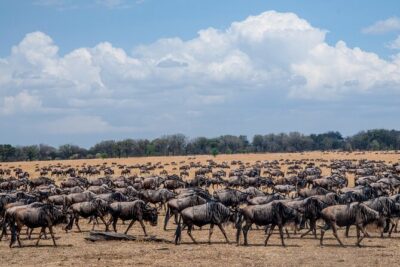
10-Day Serengeti Wildebeest Migration Safari from Arusha
Read our review →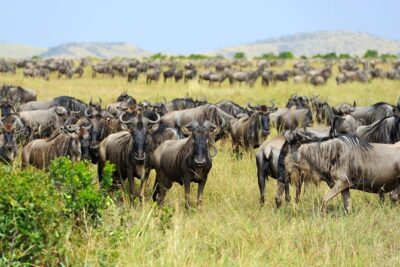
8 Day Spectacular Migration Serengeti mid -Range Tanzania Safari
Read our review →
9-Day Serengeti Migration Footsteps Tanzania Safari
Read our review →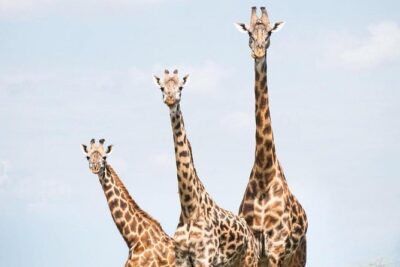
Private 6-Day Great Migration Ndutu Serengeti Safari Tour
Read our review →
4 Day Great Migration Safari Serengeti & Ngorongoro Crater
Read our review →Browse the lists this tour appears in