
Reviewed · WILDEBEEST MIGRATION SAFARIS
9 Days Safari To See Great Migration Crossing
The drama begins when the herds start moving. This nine-day private safari links Arusha National Park, Tarangire, Lake Manyara, Serengeti, and Ngorongoro Crater, giving you a broad look at northern Tanzania rather than a quick park visit. I like the mix of famous wildlife areas and the quieter opening day in Arusha National Park, where a walking safari with an armed ranger adds a different kind of adventure.
I also like the flexibility. You can choose lodge accommodation, luxury tented camps, or budget camping, and the private format lets the operator adjust accommodation and plans to suit your group. Guides named in past trips include Ziggy and Tom, while manager David has been praised for quick replies and help with airport transfers and trip planning. The main drawback is the long amount of time spent on the road, and a Great Migration river crossing can never be promised on a fixed schedule.
In This Review
- Key points to know before booking
- What the nine-day route does well
- Day 1: Arusha National Park and a four-hour walk
- Day 2: Tarangire’s river, elephants, and dry-season action
- Day 3: Lake Manyara’s forest and birdlife
- Day 4: Crossing the Ngorongoro area into Serengeti
- Days 5 and 6: More time in Serengeti, more chances for predators
- Day 7: Following the Great Migration
- Day 8: From Serengeti to the Ngorongoro rim
- Day 9: Ngorongoro Crater and the return to Arusha
- Guides, vehicles, meals, and accommodation choices
- Is $4,846.16 per person good value?
- Who should choose this safari?
- Should you book it?
- FAQ
- How long is the safari?
- Which parks and wildlife areas are included?
- Is this a private tour?
- Is the Great Migration river crossing guaranteed?
- What meals and drinks are included?
- Are tips included in the price?
Key points to know before booking
- Four major parks in nine days: You visit Arusha National Park, Tarangire, Lake Manyara, Serengeti, and Ngorongoro Crater.
- Three nights in or around Serengeti: Days five through seven give you the best chance to spend serious time searching for big cats, herds, and migration activity.
- A real walking safari: Arusha National Park includes about four hours on foot with an armed ranger, a welcome change from sitting in a vehicle.
- Private travel only: Your group has its own vehicle and guide, so the pace and accommodation choices can be discussed in advance.
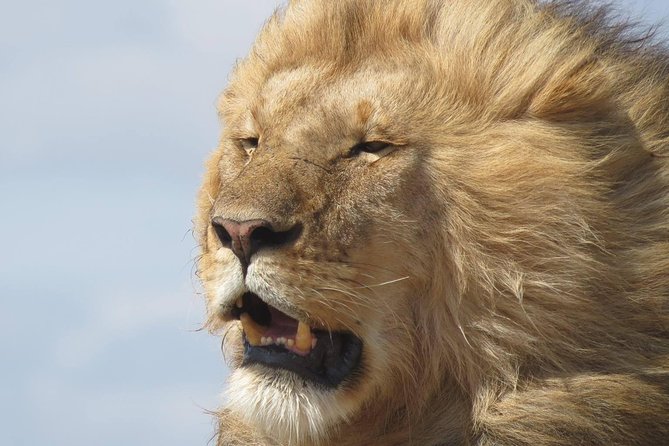
- The Big Five are possible, not guaranteed: Lion, leopard, elephant, buffalo, and rhinoceros live in the parks, but wildlife sightings depend on conditions and luck.
- Price includes the basics: At $4,846.16 per person, private transport, park fees, meals, drinks, and taxes are included, but tips are extra.
What the nine-day route does well
This is a full northern Tanzania circuit, not a single-park safari. You begin near Arusha, move through Tarangire and Lake Manyara, spend several days in Serengeti, then finish with a crater visit.
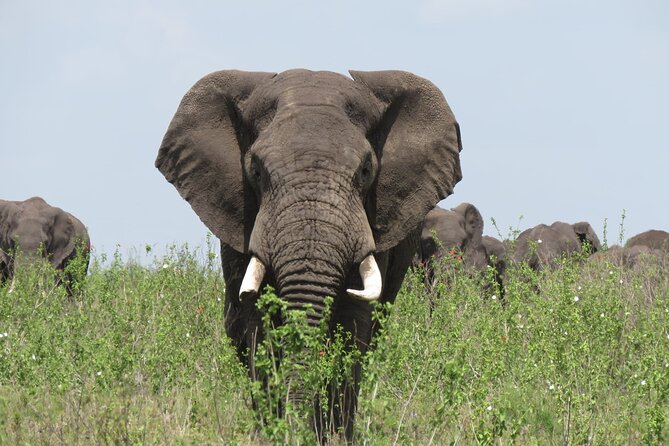
That route works because each park offers something different. Tarangire is especially good for elephants and dry-season wildlife around the river. Lake Manyara adds birds, hippos, forest, and the chance of seeing tree-climbing lions. Serengeti supplies the open plains, predators, and migration story. Ngorongoro brings the trip to a compact finale where many species can be seen in one crater floor.
The price is high, but it covers a lot. You receive private transportation, nine breakfasts, nine lunches, seven dinners, snacks, wine, soft drinks, park fees, taxes, and the services needed for a multi-park safari. The exact value depends heavily on the accommodation level you choose. Ask for the names and standards of the lodges or camps before paying, since the same route can feel very different in a budget tent, a mid-range lodge, or a luxury camp.
More Migration Safaris in Arusha
- 8 Days Great Wildebeest Calving Migration Safari from Arusha
★ 5.0 · 254 reviews - 10-Day Serengeti Wildebeest Migration Safari from Arusha
★ 5.0 · 218 reviews - 8 Day Spectacular Migration Serengeti mid -Range Tanzania Safari
★ 5.0 · 161 reviews
Day 1: Arusha National Park and a four-hour walk
Your first day begins with pickup in Arusha and a short drive, about 38 kilometers on a paved road, to Arusha National Park. The park covers about 552 square kilometers, yet more than 400 bird species have been recorded there.
The setting combines forest, open country, Momella Lakes, and the Ngurdoto Crater. That variety gives you a gentle introduction to northern Tanzania. At Lake Momella, you might find flamingos, pelicans, little grebes, herons, ducks, and waders. Turacos, eagles, Hartlaub’s turaco, and other forest birds add interest for anyone who enjoys birdwatching.
The four-hour walking safari is the day’s special feature. You walk with an armed ranger, looking more closely at plants, tracks, birds, and smaller animals than you can from a vehicle. It is also a good way to loosen up after arriving in Tanzania.
The day includes a packed lunch and a game drive or wildlife viewing as arranged by the guide. One practical point needs clarification: the detailed schedule gives a 7:30 a.m. pickup, while the general meeting information lists an 8:30 a.m. start. Confirm the exact time with David before the trip.
Day 2: Tarangire’s river, elephants, and dry-season action
After breakfast, you drive from Arusha to Tarangire National Park. Tarangire is famous for its wildlife concentration during the dry season, especially from June through September, when animals gather near the Tarangire River.
Wildebeest, buffalo, and oryx may move toward water, followed by lions and other predators. The park also records more than 500 bird species, so keep your binoculars ready even when the larger animals are quiet.
The usual rhythm is lunch followed by a late-afternoon game drive, then dinner and the night at your accommodation. The timing is useful because afternoon light often gives the park a softer look, and animals may become more active as temperatures drop.
Tarangire is not simply a stop on the way to Serengeti. It has its own character, with dense wildlife in the dry months and a strong chance of seeing elephants. If your main goal is the migration, you may be tempted to shorten this day. I would not do that automatically. Tarangire gives you a different wildlife experience and helps break up the longer drives ahead.
Day 3: Lake Manyara’s forest and birdlife
The route continues to Lake Manyara National Park, with an afternoon game drive after breakfast. The drive is described as about 40 kilometers on a paved road before entering the park area, followed by a picnic lunch.
The park changes quickly as you move through it. You pass through an underground water forest, acacia woodland, open savanna, and a hot-water spring before reaching Lake Manyara. That sequence makes the park feel varied even though it is smaller than Serengeti.
Lake Manyara is known for flamingos and other water birds. About 350 bird species have been recorded here. You might also see hippos, elephants, zebra, buffalo, giraffe, baboons, blue monkeys, vervet monkeys, warthogs, and lions resting in trees.
Tree-climbing lions are one of the park’s famous attractions, though no wildlife sighting is certain. Lake Manyara can also feel more compact and busy than the wide Serengeti. Still, it earns its place on this route because it offers forest wildlife and strong birdwatching in a short visit.
More Safaris in Arusha
- Serengeti Balloon Safari and authentic bush breakfast
★ 5.0 · 2,480 reviews - Balloon Safari & Bush Breakfast in Serengeti – Miracle Experience
★ 5.0 · 1,646 reviews - 4 Days Group Camping Safari
★ 5.0 · 1,101 reviews - 5 Days Group Camping Safari
★ 5.0 · 730 reviews
Day 4: Crossing the Ngorongoro area into Serengeti
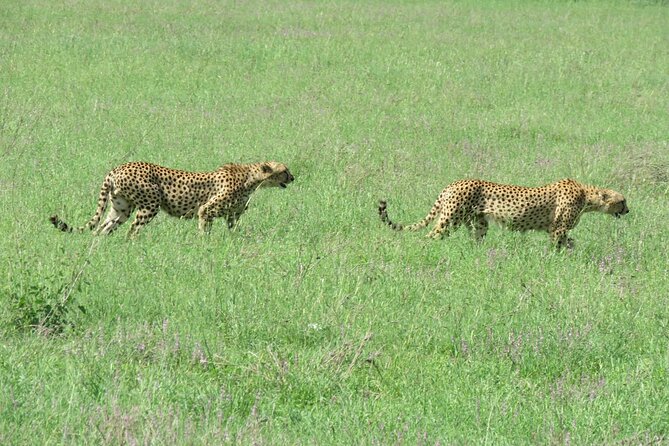
Day four is a major transfer day. You leave early for Serengeti, passing through the Ngorongoro Conservation Area. The route is scenic, but expect a long day in the vehicle, with wildlife viewing along the way.
You can add a visit to Olduvai Gorge, a site associated with early human fossils dating back around two million years. This is an optional stop, so ask whether extra time or an additional fee applies before you set out.
As you reach Serengeti, the character of the trip changes. The plains open up, and the search shifts toward big cats, large herds, and the Great Migration. The schedule places you at your camp for dinner around 6:30 p.m.
This is where realistic expectations matter. The Serengeti is huge, and the animals do not follow an itinerary. The operator can follow current migration paths, but the exact location of wildebeest and zebra changes constantly.
Days 5 and 6: More time in Serengeti, more chances for predators
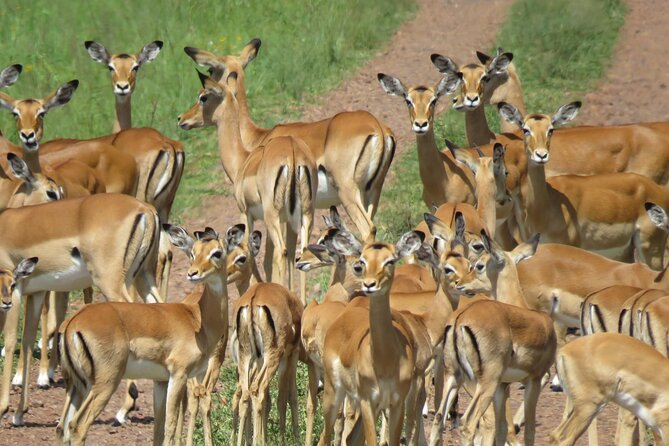
Day five gives you morning and afternoon game drives, with a picnic or hot lunch option around midday. That full-day pattern is exactly what you want in Serengeti. A short drive through the park can produce a memorable sighting, but staying out longer gives your guide more time to read the animal activity and search different areas.
The scenery changes with the light, from cool morning air to bright midday plains and softer evening color. Your guide explains what you are seeing and helps connect the animals to the larger Serengeti system.
Day six continues with morning and afternoon game drives and moves toward the Lobo area in the northeast. Lobo is linked to one of the main migration routes, so its location gives the itinerary a stronger focus on seasonal movement.
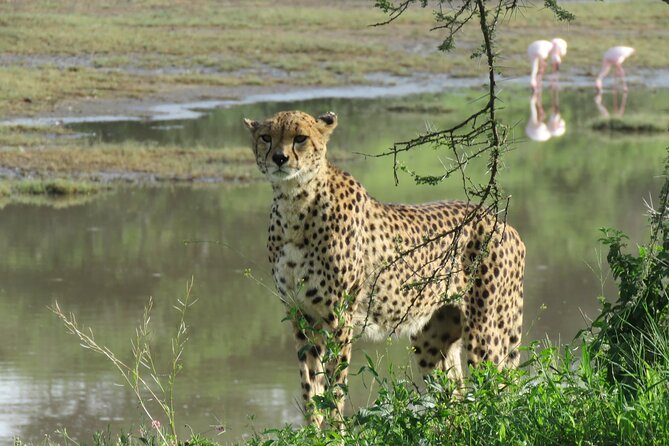
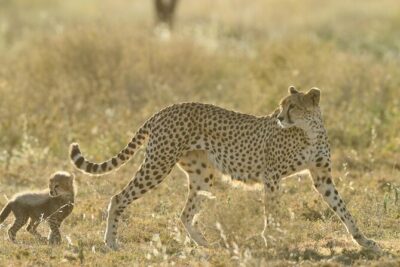
Three Serengeti nights are a major advantage here. You are not rushing in for one drive and leaving the next morning. You have time to look for lions, leopards, cheetahs, crocodiles, buffalo, elephants, and the moving herds.
The tradeoff is cost and mileage. Serengeti accommodation and park access add considerably to the price, and long drives are part of the experience. If sitting in a safari vehicle for several hours sounds tiring, this route may feel demanding.
Day 7: Following the Great Migration
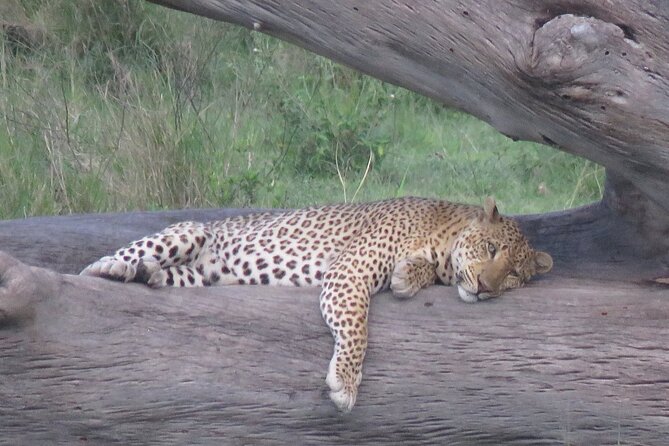
Day seven is the most migration-focused day. After breakfast, you set out with a packed lunch and follow the herds according to their current position.
The scale described for the Serengeti ecosystem is enormous: about 1.5 million wildebeest and 500,000 zebra move through the wider region. Seeing a large herd is impressive even when no river crossing occurs. You may watch animals spread across the plains, gather near water, or move in long lines toward fresh grazing.
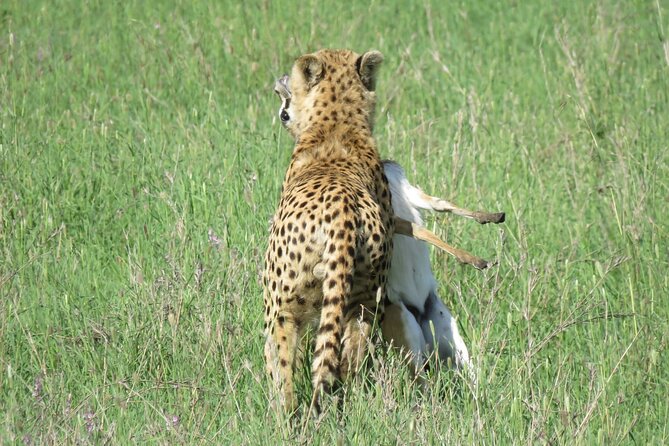
Predators add tension. Lions, cheetahs, and other carnivores may wait near the herds, while crocodiles gather at river crossings. The famous crossing scene is powerful, but it is also unpredictable. Herds may pause for hours, turn back, cross at a different point, or move when your vehicle is elsewhere.
That uncertainty is not a flaw in the safari. It is the reason you need several days in Serengeti and a guide who can adjust the route. Still, the tour title should not lead you to expect a guaranteed crossing. You are paying for time in migration country, not a scheduled performance.
Day 8: From Serengeti to the Ngorongoro rim
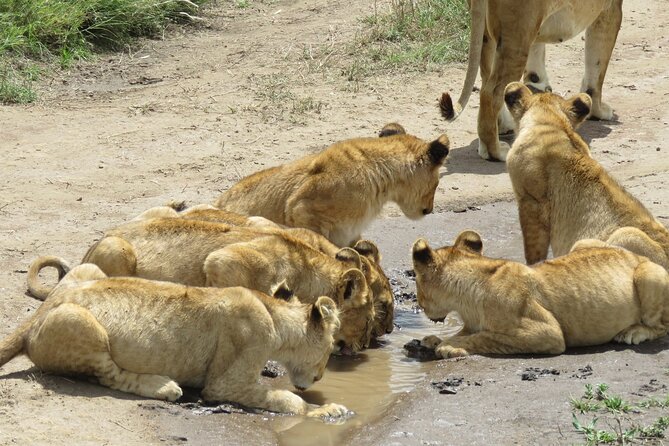
The morning begins with an early game drive in Serengeti. You then return to camp for breakfast, check out, and drive toward the Ngorongoro Crater rim with lunch and wildlife viewing along the way.
This day combines one last chance in Serengeti with a change in scenery. The route out can take much of the day, and the early start may be tiring after several consecutive game drives. I would treat it as a travel day with wildlife opportunities rather than expect a full Serengeti safari.
Staying near the crater rim prepares you for the next morning’s descent. The crater visit is best done early, so an overnight nearby saves you from making a very early drive from farther away.
Day 9: Ngorongoro Crater and the return to Arusha
You wake early, eat breakfast, and descend into Ngorongoro Crater for game viewing. The crater is a large caldera with a concentrated mix of wildlife, making it one of the strongest places on this route for a final search for the Big Five.
You may see lion, buffalo, elephant, rhinoceros, zebra, hippo, wildebeest, and hyena. Soda Lake attracts flamingos, while geese, storks, vultures, and other birds add movement above the crater floor.
Lunch is served at the picnic site near Ngoitoktok Swamp, a hippo pool. After lunch, you drive back to Arusha.
The crater is a fitting finale because it brings many species together in a smaller area than Serengeti. The limitation is time. Since the crater visit comes on the final day, you will likely spend several hours viewing animals before the return drive. Plan your onward travel with care and do not schedule an important evening flight without confirming the expected arrival time.
Guides, vehicles, meals, and accommodation choices
The private format is one of the strongest parts of this trip. Your own group travels together, rather than joining a large shared departure. That gives you more room to discuss pacing, stop for wildlife, and ask for changes to accommodation.
David is described as highly responsive during planning and able to arrange airport transfers, Arusha accommodation, and other trip details. Guides Ziggy and Tom have also been specifically praised for strong game drives, professional service, and a well-equipped safari vehicle. One trip included cold drinks in the vehicle, though you should confirm exactly what will be supplied for your departure.
Food and drinks are included across the trip. The package lists breakfast, lunch, dinner, snacks, wine, soft drinks, and other drinks, along with nine lunches and nine breakfasts. It lists seven dinners, so ask how the remaining evening meals are handled if your schedule includes nine nights.
Accommodation can be arranged at different levels: lodges, luxury tented camps, or budget camping. This flexibility is useful, but it makes pre-trip questions essential. Request a day-by-day accommodation list, check whether all meals are at the camp or lodge, and ask what changes if the migration location shifts.
Is $4,846.16 per person good value?
At $4,846.16 per person, this is a serious purchase. The value is strongest if you want a private nine-day trip with several parks, park fees, meals, drinks, transport, and multiple nights in Serengeti.
It is less attractive if you want a short, single-park safari or if you are comparing it with a basic camping departure. The accommodation category will make a large difference. A lodge or luxury tented camp package may justify the price more easily than a budget camping version, so compare the final inclusions rather than the headline itinerary.
Tips are not included. Set aside money for the guide, driver, camp staff, and other service workers, then ask the operator for current tipping guidance.
The cancellation terms are practical: cancel at least 24 hours before the local start time for a full refund. Cancellations or changes inside 24 hours are not accepted for a refund.
Who should choose this safari?
I would recommend it to you if you want a private, full-scale northern Tanzania safari and can handle long drives. It suits couples, families, honeymooners, and small groups that want help arranging the whole trip rather than piecing together separate parks and transfers.
It is particularly good for anyone who wants more than the Big Five. The walking safari, water birds at Momella and Manyara, Olduvai Gorge option, hippos, crocodiles, and varied habitats give the trip more depth.
I would be cautious if you need a relaxed schedule, have limited time, or are booking solely to see a river crossing. Ask for the expected migration region during your dates, but accept that nature may change the plan.
Should you book it?
Book this safari if private travel, several Serengeti nights, and a broad northern Tanzania route matter more to you than a guaranteed migration event. The combination of Arusha National Park, Tarangire, Lake Manyara, Serengeti, and Ngorongoro gives you a strong wildlife itinerary, and the included meals, park fees, transport, and drinks simplify the budget.
Before paying, confirm the pickup time, accommodation list, number of included dinners, vehicle details, and your likely Serengeti route. If those details match your expectations, this is a well-rounded choice for a first major Tanzania safari.
FAQ
How long is the safari?
The safari lasts approximately nine days and begins and ends in Arusha.
Which parks and wildlife areas are included?
The route includes Arusha National Park, Tarangire National Park, Lake Manyara National Park, Serengeti National Park, the Ngorongoro Conservation Area, and Ngorongoro Crater.
Is this a private tour?
Yes. Only your group participates in the activity, and private transportation is included.
Is the Great Migration river crossing guaranteed?
No. The itinerary follows migration paths based on the herds’ location, but animal movements and river crossings cannot be scheduled or guaranteed.
What meals and drinks are included?
Breakfast, lunch, dinner, snacks, wine, soft drinks, and other drinks are included. The package lists nine breakfasts, nine lunches, and seven dinners.
Are tips included in the price?
No. Tips are not included and should be planned separately.
More Safaris
- 3 Days Serengeti & Ngorongoro Group Camping Safari
★ 5.0 · 574 reviews - 7-Day Premium Luxury Tanzania Safari All-Inclusive
★ 5.0 · 426 reviews - 3-Day Classic Serengeti Safari
★ 5.0 · 263 reviews - Group Safari 7 Days in Tanzania’s Main Parks
★ 5.0 · 240 reviews
More Migration Safaris
- 9-Day Serengeti Migration Footsteps Tanzania Safari
★ 5.0 · 96 reviews - 7 days great migration safari
★ 5.0 · 77 reviews - Private 6-Day Great Migration Ndutu Serengeti Safari Tour
★ 5.0 · 47 reviews - 4 Day Great Migration Safari Serengeti & Ngorongoro Crater
★ 5.0 · 33 reviews
Just added around Arusha
- 5 Days Safari Tarangire, Serengeti, and Ngorongoro Crater★ 5.0 · 3 reviews
- Love lives in Africa★ 5.0 · 3 reviews
- 5 Days of Safari, Culture & Hot Springs – Tour from Arusha★ 5.0 · 3 reviews
- Arusha National Park Safari by Jeep★ 4.5 · 3 reviews
- 5Days Family _Group Tour Lodging Mid-Range in the Jungle★ 5.0 · 3 reviews
- Serengeti & Ngorongoro 3 Days Budget Safari★ 5.0 · 3 reviews
- 2 Days Tarangire and Ngorongoro Crater Tour★ 5.0 · 3 reviews
- 7 Days PRIVATE Best of Tanzania Safari *Departing everyday*★ 5.0 · 3 reviews
Wildebeest Migration Safaris, compared.
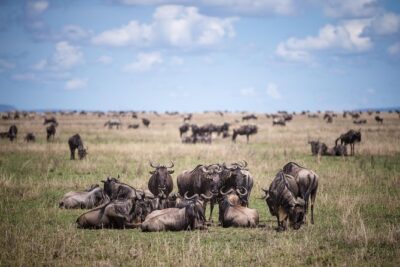
8 Days Great Wildebeest Calving Migration Safari from Arusha
Read our review →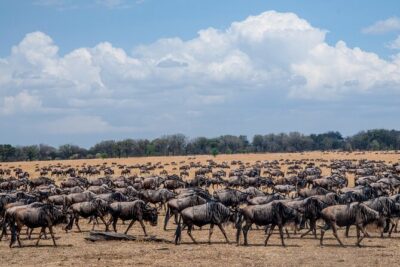
10-Day Serengeti Wildebeest Migration Safari from Arusha
Read our review →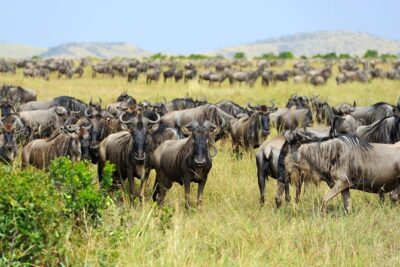
8 Day Spectacular Migration Serengeti mid -Range Tanzania Safari
Read our review →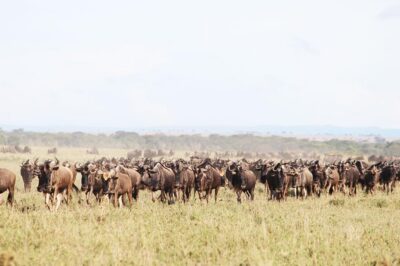
9-Day Serengeti Migration Footsteps Tanzania Safari
Read our review →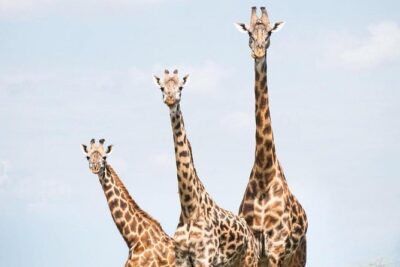
Private 6-Day Great Migration Ndutu Serengeti Safari Tour
Read our review →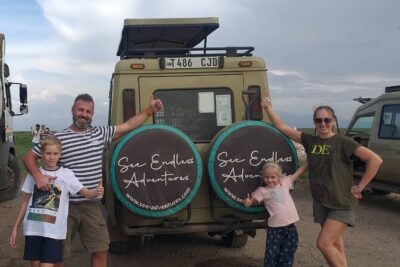
4 Day Great Migration Safari Serengeti & Ngorongoro Crater
Read our review →Browse the lists this tour appears in