
Reviewed · WILDEBEEST MIGRATION SAFARIS
PRIVATE Wildebeest Calving Safari, Tanzania, January to March
Calving season turns Tanzania into a nursery. This 8-day private safari links Lake Manyara, Serengeti, Ndutu, and Ngorongoro with a qualified driver-guide in a 4×4 vehicle, giving you a strong chance to see wildebeest calves, predators, elephants, and the Big Five. I especially like the January to March timing and the small group limit of six. I also like that airport transfers, full-board safari meals, bottled water, and office support in Moshi are included.
The main drawback is the amount of time spent on the road. Several days involve long drives, and the route begins near Kilimanjaro before reaching the calving grounds. At $2,400.40 per person, the price is fair for a private, full-board safari with park fees included, but international flights, visas, insurance, and optional visits cost extra.
In This Review
- Five things to know before you book
- Why January to March is the right season for this safari
- Days 1 and 2: Kilimanjaro arrival and Lake Manyara
- Day 3: The long road to Serengeti National Park
- Day 4: A full day among Serengeti predators and herds
- Day 5: From the Serengeti to the Ngorongoro Conservation Area
- Day 6: Ndutu, where the calves arrive
- Day 7: Ngorongoro Crater and the return to Moshi
- Day 8: A quiet morning before your flight
- What the $2,400.40 price really buys
- Guides, vehicle setup, and service
- Who should book this safari?
- Should you book the private Tanzania calving safari?
- FAQ
- How long is the safari?
- What parks and areas are included?
- When does the safari operate?
- What is the maximum group size?
- Are airport transfers included?
- Are meals included?
- Are Maasai village visits and Olduvai Gorge included?
Five things to know before you book
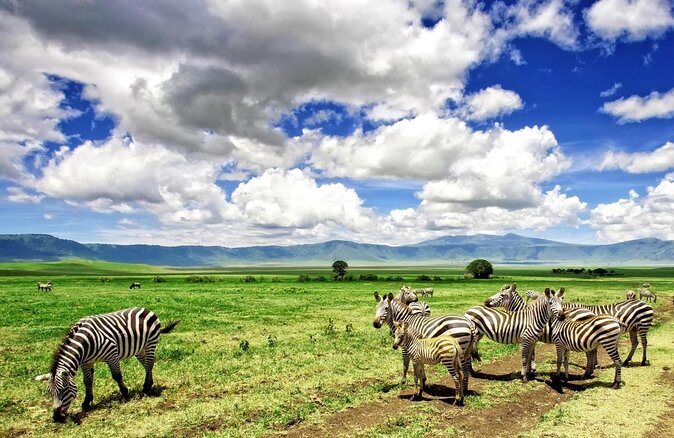
- Calving season is the main event: January through March is aimed at the Ndutu area, where wildebeest give birth on the short-grass plains.
- You visit four major wildlife areas: Lake Manyara, Serengeti National Park, the Ngorongoro Conservation Area, and Ngorongoro Crater.
- The group stays small: The safari has a maximum of six people, with a viewing roof on the 4×4 vehicle.
- The price covers the basics that matter: Park fees, airport transfers, full-board accommodation, safari meals, bottled water, and a driver-guide are included.
- Optional cultural and fossil stops cost extra: A Maasai village visit and Olduvai Gorge are not included, so ask about pricing before you go.
- The pace is active: You have full game-drive days, early departures, long transfers, and only limited leisure time.
Why January to March is the right season for this safari
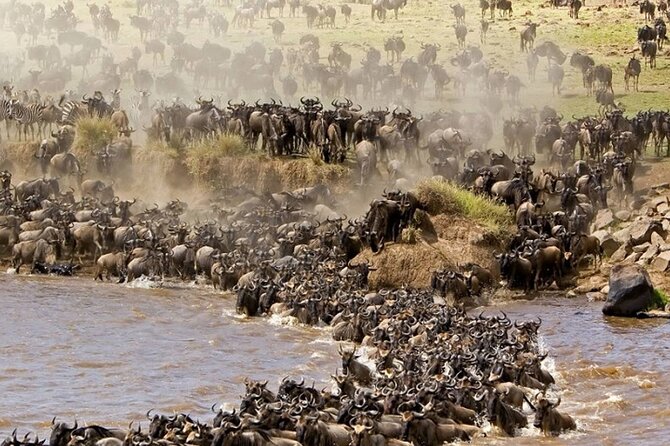
The great wildebeest migration is not one single event in one single place. The herds move through a broad ecosystem, and from December to April, large numbers usually gather on the short-grass plains around the southern Serengeti and Ndutu.
That makes this safari different from a general wildlife holiday. You are not simply hoping to spot passing herds. The route is built around the calving period, when thousands of wildebeest give birth across the plains. A calf may be on its feet within minutes, which gives this season a special sense of urgency.
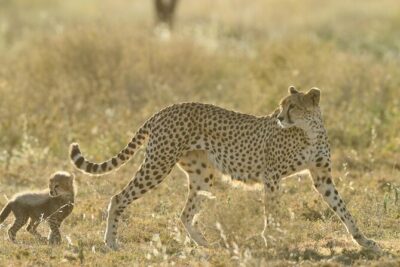
The same concentration of animals also brings predators. Lions, cheetahs, and hyenas follow the herds because young animals are easier targets. The timing can therefore deliver some of the best predator action of the year, though wildlife is never a stage show. Your guide can put you in the right part of the ecosystem, but no honest safari can promise a particular sighting.
The months are also worth considering for birdlife. Ndutu includes marshes and soda lakes that support many bird species, while Lake Manyara brings forest, wetland, woodland, plains, and lake habitats into one compact park.
More Migration Safaris in Arusha
- 8 Days Great Wildebeest Calving Migration Safari from Arusha
★ 5.0 · 254 reviews - 10-Day Serengeti Wildebeest Migration Safari from Arusha
★ 5.0 · 218 reviews - 8 Day Spectacular Migration Serengeti mid -Range Tanzania Safari
★ 5.0 · 161 reviews
Days 1 and 2: Kilimanjaro arrival and Lake Manyara
Your safari begins with a pickup at Kilimanjaro Airport, followed by a drive to Moshi and an overnight at Springlands Hotel. The arrival time is to be advised, and the first day can run long depending on your flight and transfer schedule.
Moshi is a practical starting point rather than the main wildlife highlight. An overnight here gives you a place to eat, sleep, and get ready before the safari proper. Dinner and accommodation are part of the plan, and airport transfers are included.
On Day 2, you drive to Lake Manyara National Park for a game drive. The park sits beneath the steep Rift Valley escarpment and contains a surprising range of habitats. You move through evergreen groundwater forest, acacia woodland, open grassland, swamp, fan delta, and the lake itself.
That variety is the park’s great strength. You might see elephants close to the water, buffalo on the plains, giraffes among the trees, hippos near wet areas, and impala, waterbuck, bushbuck, and baboons in different parts of the park. Blue monkeys and velvet monkeys add movement in the forest.
Lake Manyara is also associated with tree-climbing lions. Sightings are not guaranteed, but the possibility gives the park a distinctive appeal. Even if the lions remain on the ground, Manyara works well as an early safari stop because you get several habitat types without needing to cross a huge park.
The tradeoff is time. The day is listed at about eight hours, and the drive from the Kilimanjaro area adds to the workload. You should expect a full day rather than a relaxed morning outing.
Day 3: The long road to Serengeti National Park
After breakfast, you head toward Serengeti National Park. The Serengeti name comes from the Maasai language and means endless plain, a fitting description once the road opens into wide grasslands.
The journey is part transfer and part safari. Along the way, you may choose to add a Maasai village visit or Olduvai Gorge. These are not included in the tour price, so confirm the extra cost before departure.
A Maasai village visit can add cultural context to a wildlife trip, especially if you want more than animal sightings. The Olduvai Gorge Museum offers a look at human origins in East Africa and the long story of human development. Both options may be worthwhile, but adding them to an already long driving day can make the schedule tiring.
Serengeti is the emotional center of the trip. Its scenery changes from southern short-grass plains to central acacia savanna, northern wooded grassland, and western woodland and black clay plains. The animals change with the habitats, too.
The road day is listed at about eight hours. That sounds demanding because it is demanding. A private vehicle helps because your guide can manage stops and adjust the rhythm for your group, but you should still be ready for long stretches in the vehicle.
Day 4: A full day among Serengeti predators and herds
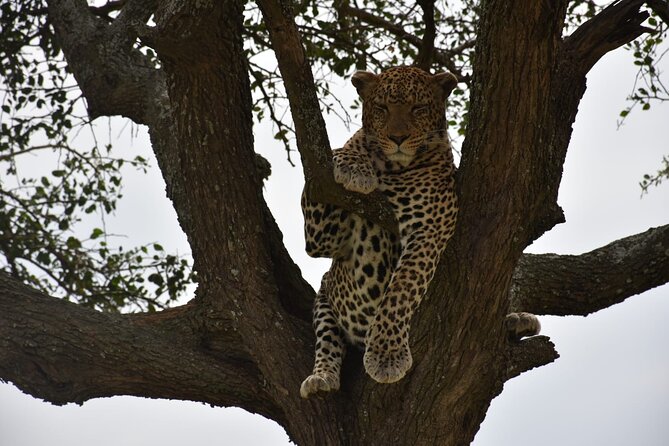
A full day in Serengeti gives you something a rushed transfer cannot: time. You can spend more hours looking for movement near kopjes, watching plains game, and following the changing activity of the animals.
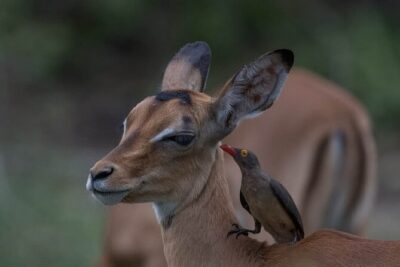
Wildebeest, zebra, and antelope are the main cast during migration season. Lions and cheetahs are often associated with these herds, while the rocky kopjes provide useful lookout points and shelter for wildlife.
I like this day because it gives the guide room to read the park. If the morning begins quietly, there is still an afternoon ahead. If you find a productive area, you are not forced to leave after a short stop simply because the schedule is too tight.
The safari vehicle has a viewing roof, which helps with photography and general visibility. Bottled water is supplied in the vehicle, and a bush lunch in the Serengeti is included. That lunch keeps you in the park instead of breaking the day with a return to a lodge.
The full-day drive is again listed at about eight hours. Bring patience. Safari roads can be dusty and rough, and wildlife watching often involves long quiet periods followed by a sudden burst of action.
More Private Tours in Arusha
- Private 6-Day Tarangire Manyara Crater and Serengeti with Mid-Range Lodges
★ 5.0 · 238 reviews - 5 Days Budget Private Safari, Tanzania
★ 5.0 · 191 reviews - 5-Day Private Northern Tanzania Safari from Arusha
★ 5.0 · 182 reviews - 6 Days Private Budget Safari
★ 5.0 · 163 reviews
Day 5: From the Serengeti to the Ngorongoro Conservation Area
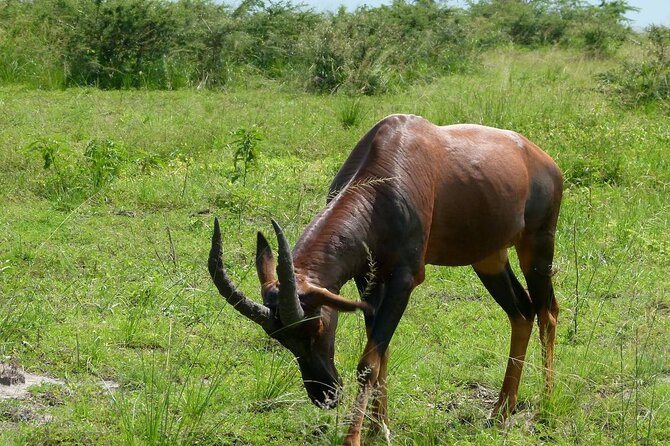
Day 5 begins with a morning game drive in Serengeti before the transfer to the Ngorongoro Conservation Area. This is a smart pairing because you get one last chance to see the Serengeti in the morning, when animal activity may be strong, before changing scenery.
The Ngorongoro Conservation Area forms part of the southern Serengeti ecosystem. During the calving season, the wider region can hold large numbers of wildebeest, along with elephants, birds, and resident animals that remain in the area year-round.
You check in at your lodge and have an afternoon game drive. That gives the day two different moods: a final Serengeti session followed by a first look at the Ngorongoro area.
The practical issue is fatigue. You have already spent several days moving between parks, and this is not a slow resort holiday. Full-board meals help keep the logistics simple, but the schedule still asks a lot from you.
Day 6: Ndutu, where the calves arrive
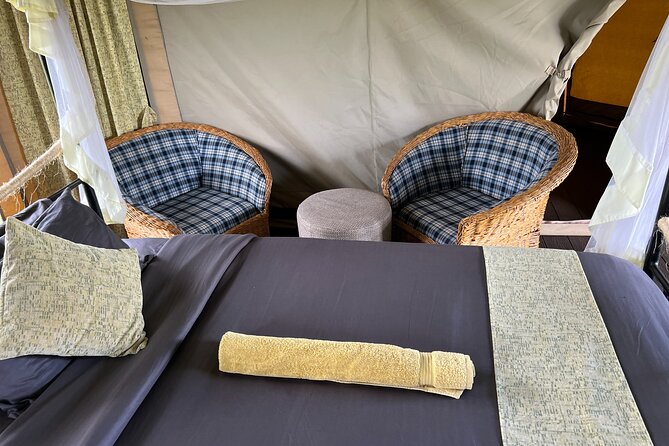
This is the safari’s most focused day. You spend the full day exploring Ndutu and its mix of swamps, woodland, soda lakes, and short-grass plains.
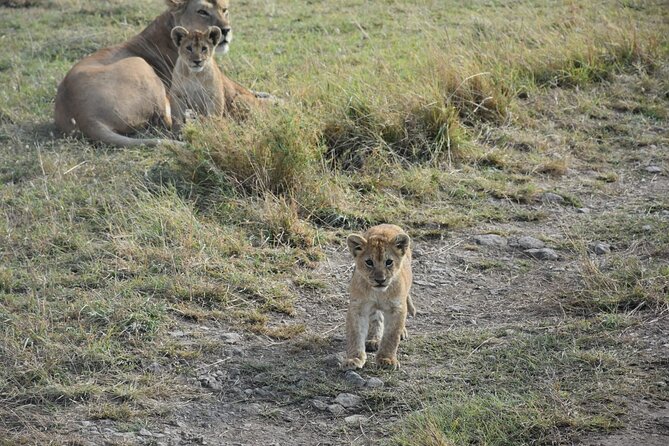
The area is known for large herds of wildebeest and zebra during the calving period. You might see newborn calves attempting their first steps, herds moving across the grass, or predators working the edges of the gathering animals.
The predator viewing can be especially strong at this time of year. Lions live around the marshes and lakes, cheetahs use the open plains, and wooded ridges deserve attention as you pass. Hyenas and other predators may also be present in the wider area.
Ndutu is not only about mammals. The lakes and marshes support birdlife, giving you a useful change of pace during a day focused on the migration.
A full day here is a major advantage. You are not trying to squeeze the calving grounds into a brief stop between two parks. You can spend time watching herd behavior, waiting for a possible predator encounter, and letting the guide choose the best route as conditions change.
Still, you should keep expectations realistic. Births happen across a wide area, and you may not see a calf being born. The value of the day is the chance to be in the right ecosystem at the right season, not a guaranteed close-up scene.
Day 7: Ngorongoro Crater and the return to Moshi
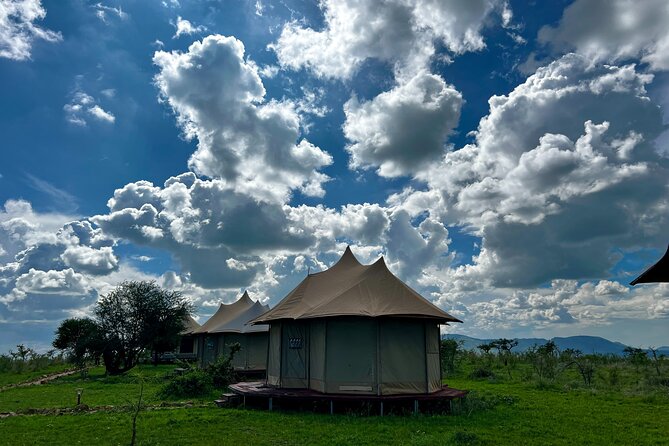
The morning descent into Ngorongoro Crater brings a sharp change from the open plains of Ndutu. The crater is about 600 meters deep, 16 kilometers across, and covers roughly 265 square kilometers.
Its enclosed setting makes it one of Tanzania’s most concentrated wildlife areas. Around 20,000 large animals may occupy the crater, including lions, cheetahs, eland, zebra, gazelle, buffalo, and elephants.
Black rhinos are among the most important possible sightings. Tanzania has only a small remaining population, and the open grassland of the crater offers one of the better settings in the country for looking for them. You should not expect an easy sighting, but the chance adds real weight to this game drive.
Makat Soda Lake can attract flamingos and other birds. The contrast between the crater walls, open grass, water, and wildlife makes this a highly scenic part of the route.
In the afternoon, you drive back to Moshi for another overnight at Springlands Hotel. This is a long day, and the return transfer after a morning crater drive may feel heavy. The benefit is that the safari ends near Kilimanjaro Airport rather than leaving you to arrange a separate overland transfer.
Day 8: A quiet morning before your flight
The final morning is at leisure before your transfer to Kilimanjaro Airport. If your flight leaves in the evening, additional day activities can be arranged through the company, but those activities are not part of the stated package.
This free time is useful after a demanding week. You can rest, organize luggage, and prepare for the flight rather than rushing directly from a game drive to the airport.
What the $2,400.40 price really buys
At $2,400.40 per person, the cost should be judged as a private safari package, not as a simple park tour. You receive transport in a 4×4 vehicle with a viewing roof, a qualified driver-guide, accommodation with breakfast, lunch, and dinner while on safari, park fees and taxes, airport transfers, bottled water, a Serengeti bush lunch, and 24-hour support from the Moshi office.
That is a useful bundle. Park fees alone can make Tanzanian safaris expensive, and the private vehicle gives you more control than a large coach-style group. The maximum of six people also matters. You will have fewer people competing for window space, photographs, and the guide’s attention.
The price does not include international flights, visas, travel or health insurance, domestic flights, drinks, or excursions not described in the schedule. A Maasai village visit and Olduvai Gorge also cost extra.
A domestic flight from a Serengeti airstrip to Kilimanjaro or Zanzibar can be organized, but it is not included. That may be worth considering if you want to cut down on road time, though the stated plan uses overland transfers and returns you to Moshi.
Guides, vehicle setup, and service
The safari includes a qualified driver-guide, and the strongest personal praise connected with the company focuses on guide performance. Martin is described as an outstanding guide, Marko as a careful driver with strong animal-spotting ability, and Kileo as part of a highly praised guide and driver team. Patrick is singled out for careful travel planning and scheduling.
Those details matter because a safari depends heavily on the person behind the wheel. A good guide does more than point at animals. The guide watches tracks, reads animal behavior, manages timing, and helps you understand why the parks look different from one day to the next.
You should confirm your assigned guide before departure if that matters to you. Names can change, but the company’s support structure includes 24-hour assistance from its Moshi office during the safari.
Who should book this safari?
I would recommend it to you if your priority is the wildebeest calving season and you want several major wildlife areas in one trip. It also suits families and small groups who value a private vehicle, full-board meals, airport transfers, and a set route.
It is a good fit for first-time safari visitors who want the Big Five, migration scenery, elephants, birds, and a chance at rhino sightings without arranging every park transfer themselves.
I would be more cautious if you dislike long drives or want a slow, luxury-focused holiday. The route covers a lot of ground, and the days can be full. You should also budget for extras, insurance, visas, and international flights before deciding that the advertised price fits your total holiday budget.
The cancellation rule is strict: the experience is non-refundable and cannot be changed for any reason. Only book once your flights and dates are firm.
Should you book the private Tanzania calving safari?
Book it if you want the best seasonal reason to visit Tanzania: newborn wildebeest, active predators, and a route that combines Ndutu with Serengeti and Ngorongoro.
The strongest value comes from the small group, included park fees, full-board arrangement, viewing-roof vehicle, and dedicated driver-guide. The main cost is physical rather than financial: long drives and several demanding game-drive days.
For a focused wildlife holiday in January, February, or March, this is a well-shaped route. Go in with patience, allow room in your budget for extras, and expect nature rather than a guaranteed checklist. That is the right way to enjoy it.
FAQ
How long is the safari?
The safari lasts approximately eight days, beginning with airport pickup near Kilimanjaro and ending with a transfer to Kilimanjaro Airport.
What parks and areas are included?
The route includes Lake Manyara National Park, Serengeti National Park, the Ngorongoro Conservation Area, the Ndutu area, and Ngorongoro Crater.
When does the safari operate?
The experience is designed for January through March, the period associated with wildebeest calving in the southern Serengeti and Ndutu area.
What is the maximum group size?
The safari has a maximum of six people.
Are airport transfers included?
Yes. Transfers to and from the airport are included in the package.
Are meals included?
Breakfast, lunch, and dinner are included while you are on safari. A bush lunch in the Serengeti is also included. Drinks and meals not described in the schedule are not included.
Are Maasai village visits and Olduvai Gorge included?
No. A Maasai village tour and an Olduvai Gorge visit are optional extras and are not included in the stated price.
More Migration Safaris
- 9-Day Serengeti Migration Footsteps Tanzania Safari
★ 5.0 · 96 reviews - 7 days great migration safari
★ 5.0 · 77 reviews - Private 6-Day Great Migration Ndutu Serengeti Safari Tour
★ 5.0 · 47 reviews - 4 Day Great Migration Safari Serengeti & Ngorongoro Crater
★ 5.0 · 33 reviews
More Safaris in Arusha
- Serengeti Balloon Safari and authentic bush breakfast
★ 5.0 · 2,480 reviews - Balloon Safari & Bush Breakfast in Serengeti – Miracle Experience
★ 5.0 · 1,646 reviews - 4 Days Group Camping Safari
★ 5.0 · 1,101 reviews - 5 Days Group Camping Safari
★ 5.0 · 730 reviews
Just added around Arusha
- 5 Days Safari Tarangire, Serengeti, and Ngorongoro Crater★ 5.0 · 3 reviews
- Love lives in Africa★ 5.0 · 3 reviews
- 5 Days of Safari, Culture & Hot Springs – Tour from Arusha★ 5.0 · 3 reviews
- Arusha National Park Safari by Jeep★ 4.5 · 3 reviews
- 5Days Family _Group Tour Lodging Mid-Range in the Jungle★ 5.0 · 3 reviews
- Serengeti & Ngorongoro 3 Days Budget Safari★ 5.0 · 3 reviews
- 2 Days Tarangire and Ngorongoro Crater Tour★ 5.0 · 3 reviews
- 7 Days PRIVATE Best of Tanzania Safari *Departing everyday*★ 5.0 · 3 reviews
Wildebeest Migration Safaris, compared.
8 Days Great Wildebeest Calving Migration Safari from Arusha
Read our review →
10-Day Serengeti Wildebeest Migration Safari from Arusha
Read our review →
8 Day Spectacular Migration Serengeti mid -Range Tanzania Safari
Read our review →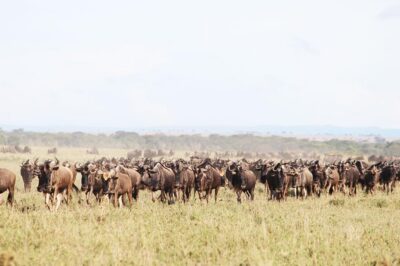
9-Day Serengeti Migration Footsteps Tanzania Safari
Read our review →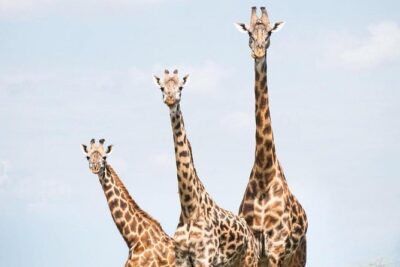
Private 6-Day Great Migration Ndutu Serengeti Safari Tour
Read our review →
4 Day Great Migration Safari Serengeti & Ngorongoro Crater
Read our review →Browse the lists this tour appears in