
Reviewed · 6-DAY EXPERIENCES
Unforgettable 6 Days Tanzania Private Big-5 Mid-range Safari
The plains start close to Arusha. This six-day private safari links Tarangire, Serengeti, Ngorongoro Crater, and Lake Manyara, giving you four distinct wildlife settings without changing tour companies or arranging park transfers yourself. I like the private format, which gives your group more control over stops and timing, and I like the mid-range approach, with lodge or camp stays rather than bare-bones camping. The main drawback is the amount of time spent on the road, especially between Manyara and Serengeti.
You pay $5,271 per person, a serious price that makes the inclusions important. Park fees, five nights of accommodation, all listed meals, taxes, and a professional guide are covered, but flights, insurance, visas, tips, and pre- and post-safari hotels are not. The safari is best for someone who wants a broad northern Tanzania route in one trip and values privacy more than a slow, single-park stay.
In This Review
- Key points to know before booking
- Why this route works so well in six days
- Day 1: Elephants and baobabs in Tarangire
- Day 2: Crossing the Rift Valley to Serengeti
- Days 3 and 4: Giving the Serengeti a fair chance
- Day 5: The concentrated wildlife of Ngorongoro Crater
- Day 6: Forest, hippos, baboons, and birds at Lake Manyara
- What $5,271 per person really buys
- Guide quality, comfort, and the human side
- Who should book this safari?
- Should you book the six-day route?
- FAQ
- Where does the safari start and finish?
- Is pickup available?
- Which parks and protected areas does the safari visit?
- Is this a private tour?
- What meals are included?
- What is not included in the price?
Key points to know before booking
- Four major wildlife areas in six days: You visit Tarangire, Serengeti, Ngorongoro Crater, and Lake Manyara.
- Three Serengeti nights are planned: Days two through four give you more than a quick afternoon glimpse of the park.
- A private vehicle and group format: Only your own party takes part, allowing more personal attention and some flexibility.
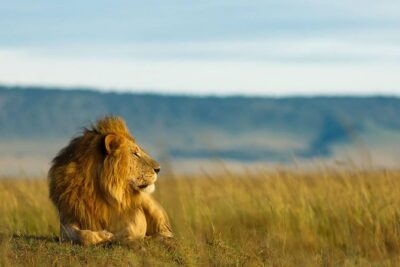
- The Big Five are possible, not promised: Ngorongoro gives you one of the strongest chances, while Serengeti adds broad predator habitat.
- Long driving days shape the trip: Several days are listed at about eight hours, with the Manyara to Serengeti route especially demanding.
- The price includes the basics that matter: Accommodation, meals, park-related fees, taxes, and a professional guide are included.
Why this route works so well in six days
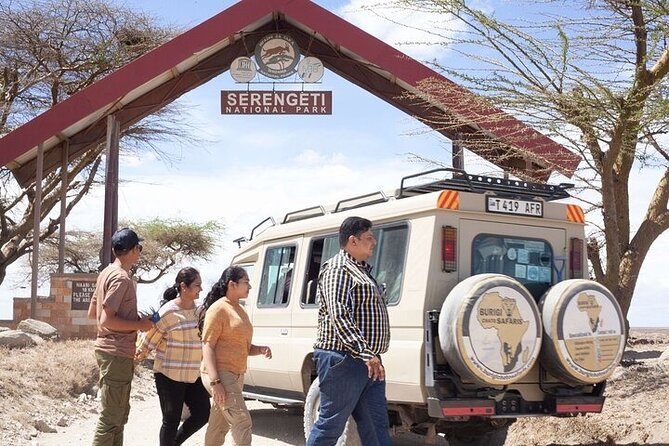
Northern Tanzania rewards variety. Tarangire has huge elephant herds and baobabs. Serengeti offers wide open grassland and predator country. Ngorongoro packs animals into an old volcanic caldera. Lake Manyara brings forest, groundwater springs, hippos, baboons, and birds.
You get a sample of all four in six days, which is the route’s main strength. You are not spending the whole trip in one park, so you see changing scenery and different animal habitats. The tradeoff is simple: more parks mean more driving and less time in each place.
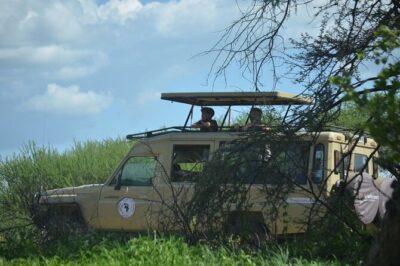
The private setup matters here. On a shared safari, you may need to fit your plans around other people’s interests and patience. With only your group participating, you can discuss whether you want to linger near a pride of lions, stop for a picnic, or make a short shopping stop before leaving Arusha. The exact flexibility depends on your guide and park rules, but the format gives you a better chance of shaping the day.
The starting point is Arusha at 7:30 in the morning. Pickup is offered, and the activity ends back at the meeting point. Ask in advance where the vehicle will collect you, especially if you are staying outside central Arusha.
More Private Tours in Arusha
- Private 6-Day Tarangire Manyara Crater and Serengeti with Mid-Range Lodges
★ 5.0 · 238 reviews - 5 Days Budget Private Safari, Tanzania
★ 5.0 · 191 reviews - 5-Day Private Northern Tanzania Safari from Arusha
★ 5.0 · 182 reviews
Day 1: Elephants and baobabs in Tarangire
The first drive heads along the Arusha-Dodoma highway toward Tarangire National Park. The route crosses the Masai Steppe and takes about two hours to the park, with an optional supermarket stop for personal supplies before you leave the city.
That small stop can be useful. Safari days are long, and you may want extra water, snacks, toiletries, or other personal items. Do not count on this as a full shopping excursion. It is a practical pause before the park, not a sightseeing stop.
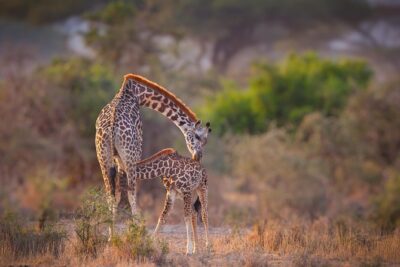
Tarangire is a strong opening act because it looks and feels different from the Serengeti. Baobab trees and elephant herds give the park its character. Herds can sometimes exceed 300 animals, and the park offers wildlife viewing throughout the year. That does not mean every animal is guaranteed, but Tarangire is a sensible place to begin looking for elephants, giraffes, buffalo, antelopes, and predators.
You have a picnic lunch during the day, then drive to a camp or lodge around Manyara, Mto wa Mbu, or Karatu before sunset. This overnight location positions you for the longer Serengeti drive the next morning.
The weakness of Day 1 is that it is labeled an eight-hour day, yet the schedule also includes a two-hour drive, park viewing, lunch, and the transfer to your overnight stay. You should expect a full day, not a gentle introduction. Comfortable clothing, sun protection, and a small day bag will help.
Day 2: Crossing the Rift Valley to Serengeti
After breakfast, you leave the Manyara area and cross the floor of the Great Rift Valley. The route climbs the escarpment and passes through the Ngorongoro Conservation Area before reaching Serengeti National Park.
This is one of the trip’s most scenic transfer days, but it is also one of its longest. The plan allows for an optional visit to Olduvai Gorge Museum, a site associated with some of the oldest fossil evidence of human habitation. If human origins interest you, this adds useful context to the safari. If wildlife time is your priority, ask how the stop affects your arrival and game-drive hours.
You reach Serengeti in the afternoon and take a game drive until evening. That first afternoon can be rewarding because you are already inside the park rather than waiting for the following morning. You then check into a camp or lodge for dinner and sleep.
The schedule does not name a specific camp or lodge, so accommodation quality may vary by booking date and property. Since this is sold as mid-range, ask for the names and locations of the overnight places before paying. Location matters in a park this large. A property closer to your next game-drive area can reduce road time.
Days 3 and 4: Giving the Serengeti a fair chance
Three Serengeti days are the heart of the safari. This is better than a rushed one-night visit, since wildlife moves and sightings cannot be scheduled like museum appointments.
Day 3 begins with a morning game drive in central Serengeti. The early start is worthwhile because the schedule places you on the road around sunrise, when predators may be active. The planned area includes the Sogore River Circuit, with possible sightings of lions, gazelles, and cheetahs.
The day also includes the Serengeti Visitor Centre, wildlife displays, a picnic lunch, and the Kopjes Circuit in the afternoon. Kopjes are granite outcrops that provide shade and access to water. They attract animals, and the itinerary identifies them as a good area for lion sightings.
You should think of this day as a long search rather than a checklist. Lion, leopard, elephant, buffalo, cheetah, gazelle, and giraffe are all possible in central Serengeti, but no responsible guide can guarantee every species. The private arrangement may help if your group wants to spend more time with one sighting, though final decisions remain subject to park rules and conditions.
Day 4 brings morning and afternoon drives, with a midday break at the lodge. This rhythm gives you a chance to rest during the hottest part of the day rather than sitting in the vehicle for every hour.
Serengeti means endless plains in Maasai, and the park is famous for large herds, predators, and the annual wildebeest movement toward the Kenyan Mara. The timing in the schedule points to May or early June for the northward movement, but migration locations change from year to year. Do not book solely on the promise of seeing a crossing or a particular herd.
After the afternoon drive, you head toward Ngorongoro and sleep at a camp or lodge on the crater rim. The rim setting should offer memorable views, but the next morning begins early and the road down into the crater can be demanding.
More Safaris in Arusha
- Serengeti Balloon Safari and authentic bush breakfast
★ 5.0 · 2,480 reviews - Balloon Safari & Bush Breakfast in Serengeti – Miracle Experience
★ 5.0 · 1,646 reviews - 4 Days Group Camping Safari
★ 5.0 · 1,101 reviews - 5 Days Group Camping Safari
★ 5.0 · 730 reviews
Day 5: The concentrated wildlife of Ngorongoro Crater
Ngorongoro Crater is the trip’s strongest Big Five setting. You descend after breakfast for a planned seven-hour game drive with a packed lunch.
The crater formed after a massive volcanic eruption millions of years ago. Its walls create a contained wildlife area with water, food, grassland, and shelter. Around 30,000 animals live in the crater, including wildebeest, elephants, lions, cheetahs, leopards, and the endangered black rhino.
This concentration gives you a good chance of seeing several major species in one day. It also changes the feel of the safari. In Serengeti, you scan huge distances. In Ngorongoro, animals are often found within a more compact area, though sightings still depend on season, weather, and luck.
The seven-hour drive is a long one. If you tire easily, discuss breaks and lunch timing with your guide. You will be spending much of the day in a vehicle, and the descent, crater floor, and later transfer to Manyara or Karatu make this one of the most demanding days.
You overnight around Manyara or Karatu. That return to lower ground helps prepare you for the final park, Lake Manyara, but it also means the tour does not end after Ngorongoro. You still have a full wildlife day ahead.
Day 6: Forest, hippos, baboons, and birds at Lake Manyara
Lake Manyara National Park is smaller than Tarangire and Serengeti, but size is not the point. Its groundwater forest, fed by underground springs, creates a habitat that feels very different from the open plains.
During the full-day game drive, you may see elephants, hippos, giraffes, buffaloes, antelopes, and large troops of baboons. The lake shore is especially good for birdlife, so bring patience if birds matter to you. You may also spot the park’s famous tree-climbing lions, although they are elusive and never guaranteed.
This final day is a smart contrast to the earlier parks. After several days of open grassland, the forest and lake give you new scenery and a different style of wildlife watching. Still, the schedule says about eight hours, so you should not assume it will be a quick farewell outing.
The supplied details do not spell out the exact return time to Arusha or the final meeting point beyond saying the activity ends back at the starting point. Avoid scheduling a flight or an important evening connection on the same day unless the operator confirms the timing.
What $5,271 per person really buys
At $5,271 per person, this is not a budget safari. The value comes from the route, the private format, the number of park days, and the fact that several major costs are bundled together.
Included are:
- Professional tour guide
- Park and other listed fees and taxes
- Hotel or lodge accommodation during the safari
- Five dinners
- Five breakfasts
- Six lunches
Flights are not included. Neither are visas, medical insurance, tips, international or local flights, or hotel nights before and after the safari. Those extras can affect your final budget by quite a bit.
The price may make sense if you want one group, one guide, and a broad itinerary without organizing four parks yourself. It may feel high if you prefer a slower safari focused on only Serengeti and Ngorongoro, or if you are happy sharing a vehicle.
Ask for a written breakdown of the accommodation, vehicle arrangements, park fees, and any possible extra charges. All fees and taxes are listed as included, but clear details about the lodging and transport help you compare this safari with similar private options.
Guide quality, comfort, and the human side
A safari guide can shape your whole impression of Tanzania. The supplied company feedback praises careful organization, friendly staff, good food, and attention to safety, especially on Kilimanjaro trips. Guides named Amini and Mr Norka receive particularly warm praise in those accounts.
That is useful background, but it is not proof that either person will lead this safari. The feedback is largely about mountain climbs and combination trips, so you should request the name and safari credentials of your actual guide. Ask how many people will be in your vehicle and what kind of lodge or camp is planned each night.
Mid-range accommodation usually means a step up from basic camping, but the term can cover a wide range. You should confirm whether the rooms are permanent lodge rooms, tented camps, or another style of stay. Also ask about the route between parks, since vehicle comfort matters on several eight-hour days.
Tips are not included. The amount is left to you, so ask the operator for local tipping guidance before departure and keep cash available.
Who should book this safari?
I would recommend it to you if you want:
- A private trip for your own group
- Four major northern Tanzania parks in one organized route
- A strong chance of seeing elephants, lions, buffalo, giraffes, and other large mammals
- Three nights connected with Serengeti game viewing
- Mid-range accommodation instead of the most basic camping
- A guide-led trip with meals and park costs arranged
I would be more cautious if you want short driving days, a relaxed schedule, or a luxury safari. This route covers a lot of ground. You should also think twice if your main goal is the wildebeest migration, since the animals move throughout the year and the stated May or early June timing is only a general guide.
The cancellation rule is strict: the experience is non-refundable and cannot be changed for any reason. Poor weather is the exception, since a weather cancellation offers another date or a full refund. Check your insurance and personal schedule carefully before committing.
Should you book the six-day route?
Book this safari if variety and privacy matter most. You will see four very different parts of northern Tanzania, with the Serengeti receiving enough time to make the long drive worthwhile. Ngorongoro adds a concentrated wildlife day, while Tarangire and Manyara prevent the trip from feeling like the same park repeated four times.
I would choose it for a first safari when you have only six days and want the major names covered. I would not choose it for a slower, more restful trip, or if your budget cannot comfortably absorb flights, insurance, tips, and extra hotel nights.
Before booking, confirm the accommodation names, vehicle details, actual guide, pickup location, and the expected return time on Day 6. If those answers are clear and you are comfortable with long days on the road, this is a well-rounded private introduction to Tanzania’s northern safari circuit.
FAQ
Where does the safari start and finish?
The safari starts in Arusha, Tanzania, at 7:30 am, and ends back at the meeting point.
Is pickup available?
Yes. Pickup is offered, but you should confirm the exact pickup location with the operator.
Which parks and protected areas does the safari visit?
The route includes Tarangire National Park, Serengeti National Park, the Ngorongoro Conservation Area and Crater, and Lake Manyara National Park.
Is this a private tour?
Yes. Only your group participates in the activity.
What meals are included?
The package includes five dinners, five breakfasts, and six lunches.
What is not included in the price?
Tips, medical insurance, visas, local and international flights, and hotel accommodation before and after the safari are not included.
More 6-Day Experiences
- Tanzania Wildlife Encounters – 6 Days
★ 5.0 · 277 reviews - 6 Days Private Budget Safari
★ 5.0 · 163 reviews - 6 Days Tanzania Budget Camping Safari
★ 5.0 · 145 reviews - Tanzania Enticing Explorations – 6 Days
★ 5.0 · 106 reviews
More Safaris
- 3 Days Serengeti & Ngorongoro Group Camping Safari
★ 5.0 · 574 reviews - 7-Day Premium Luxury Tanzania Safari All-Inclusive
★ 5.0 · 426 reviews - 3-Day Classic Serengeti Safari
★ 5.0 · 263 reviews - 8 Days Great Wildebeest Calving Migration Safari from Arusha
★ 5.0 · 254 reviews
Just added around Arusha
- 5 Days Safari Tarangire, Serengeti, and Ngorongoro Crater★ 5.0 · 3 reviews
- Love lives in Africa★ 5.0 · 3 reviews
- 5 Days of Safari, Culture & Hot Springs – Tour from Arusha★ 5.0 · 3 reviews
- Arusha National Park Safari by Jeep★ 4.5 · 3 reviews
- 5Days Family _Group Tour Lodging Mid-Range in the Jungle★ 5.0 · 3 reviews
- Serengeti & Ngorongoro 3 Days Budget Safari★ 5.0 · 3 reviews
- 2 Days Tarangire and Ngorongoro Crater Tour★ 5.0 · 3 reviews
- 7 Days PRIVATE Best of Tanzania Safari *Departing everyday*★ 5.0 · 3 reviews
6-Day Experiences, compared.

Private 6-Day Tarangire Manyara Crater and Serengeti with Mid-Range Lodges
Read our review →

Browse the lists this tour appears in