
Reviewed · WORKSHOPS
Zanzibar: Nungwi Village Tour and Culinary Class
Cook Zanzibar, then walk its fishing village. This five-hour outing pairs a guided look at Nungwi village with a local meal prepared in a resident’s home. I like the visit to traditional dhow-building sites, and I like that your food choices can shape the cooking session. The main caution is that the class may involve watching and learning rather than doing much hands-on cooking.
The private format gives you room to ask questions, stop when needed, and set the pace. Guides such as Gandhi, Mo, and Mr Hajj have been praised for their patience and clear explanations. Still, confirm your guide’s language in advance, especially if you need French, since one French-speaking booking did not receive a French guide.
In This Review
- Key points to know before booking
- A five-hour look at Nungwi beyond the beach
- Walking through the village, market, and community sites
- Seeing how Nungwi’s wooden dhows are made
- Cooking Zanzibar dishes inside a local home
- The meal is part of the cultural exchange
- Is $66 a fair price?
- Language, access, and the practical details
- Who will enjoy this Nungwi experience most?
- Should you book the Nungwi Village Tour and Culinary Class?
- FAQ
- How long does the Nungwi Village Tour and Culinary Class last?
- What is included in the $66 price?
- Can I choose the dishes prepared during the class?
- Will I cook the dishes myself?
- What languages are available for the live guide?
- Is hotel transportation included?
- What should I bring, and what is not allowed?
Key points to know before booking
- Dhow building is a real highlight: You see the wooden boat craft that supports Nungwi’s coastal way of life.
- The cooking menu is flexible: Ask in advance about Zanzibar pilau, urojo soup, seafood curry, chapati, cassava, ndizi nyama, breadfruit, and kachumbari.
- The class may be more demonstration than lesson: Some sessions explain preparation in a local home without having you cook each dish yourself.
- Village life comes first: The route can include the fish market, a school or nursery, and conversations about daily life.
- The $66 price includes useful extras: Hotel pickup and return, a private guide, ingredients, your meal, and refreshments.
- Walking can be tiring: One booking did not complete the entire village route, so comfortable shoes matter.
A five-hour look at Nungwi beyond the beach
Nungwi is famous for sand, sea, and resort life. This tour takes you a short distance from that postcard view and into the community that gives the northern end of Zanzibar its character.
You begin with hotel pickup, then meet your guide and walk through parts of the village. The exact order can vary, but the day usually joins several stops into one story: local streets, the market, dhow construction, community sites, and a cooking session in a home.
I like this structure because it keeps the tour grounded in ordinary life. You are not only looking at a beach or taking a staged cultural photo. You are seeing where food is sold, how boats are made, and how people describe their own community.
The five-hour length is enough for a useful introduction without taking your whole day. You should still expect walking, heat, and uneven stretches. Bring a sun hat, sunscreen, comfortable shoes, and a camera. Zanzibar rewards an early start, though the available starting time depends on the date you select.
A few more trips of this kind worth comparing:
- Zanzibar Cooking Class & Spice Tour
★ 4.5 · 77 reviews - Zanzibar: Spice Farm Tour with Traditional Cooking Lesson
★ 4.8 · 77 reviews - Half-Day Kuza Cave Swimming Adventure and Cooking Class
★ 4.5 · 44 reviews
Walking through the village, market, and community sites
The village section is the cultural core of the outing. Your guide explains the history of Nungwi and how local people live, then takes you through streets and community areas that are easy to miss if you stay inside a resort.
Several outings have included a local primary school and nursery. These stops can be moving because they show the contrast between the village and the luxury properties nearby. One booking described the gap as stark, with limited clean water close to high-end villas. That contrast is worth facing honestly. It is part of the place, not a side note to be edited out for comfort.
If school or nursery visits are important to you, ask the provider to confirm them before booking. They appear in the route described by several bookings, but they are not listed as a guaranteed inclusion in the main activity details.
The fish market adds another practical layer. You might see how seafood fits into local food traditions before you later prepare a dish yourself. I would expect strong smells, activity, and a working market rather than a polished food hall. Keep your camera ready, but ask before photographing people.
The guides are an important part of this walk. Gandhi was praised for patience and for answering questions, while Mo was described as proud of Zanzibar and enthusiastic when explaining local history and customs. Mr Hajj also received praise for giving thorough explanations. The quality of your day will depend heavily on who leads it, so do not be shy about asking questions.
Seeing how Nungwi’s wooden dhows are made
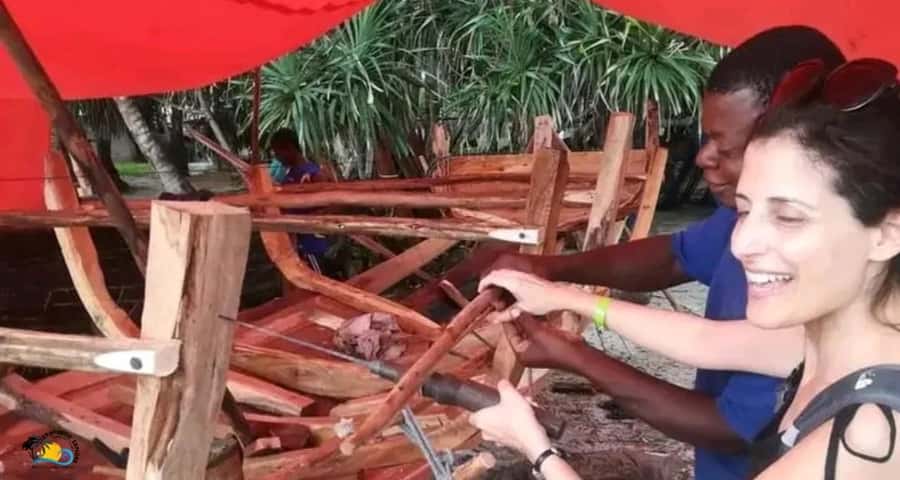
The dhow-building sites give the walk a clear sense of place. Dhows are traditional wooden boats associated with Zanzibar’s coastal life, and seeing them under construction is more useful than simply hearing a guide say that fishing matters here.
You can watch the craft of shaping and assembling wooden boats, with skills passed through generations. The stop connects the village to the water in a direct way. These are working sites, not just museum displays, so the experience may feel informal and unpolished.
That is part of the appeal, but it also means you should keep expectations sensible. You are not signing up for a technical boatbuilding workshop. The guide explains what you are seeing, and local workers may be available to observe or speak with, depending on the day.
I especially like this stop for people who want context. A resort beach can make Zanzibar feel like a place built only for holidays. The dhows remind you that the coast is also a workplace, a transport route, and a source of food.
Cooking Zanzibar dishes inside a local home

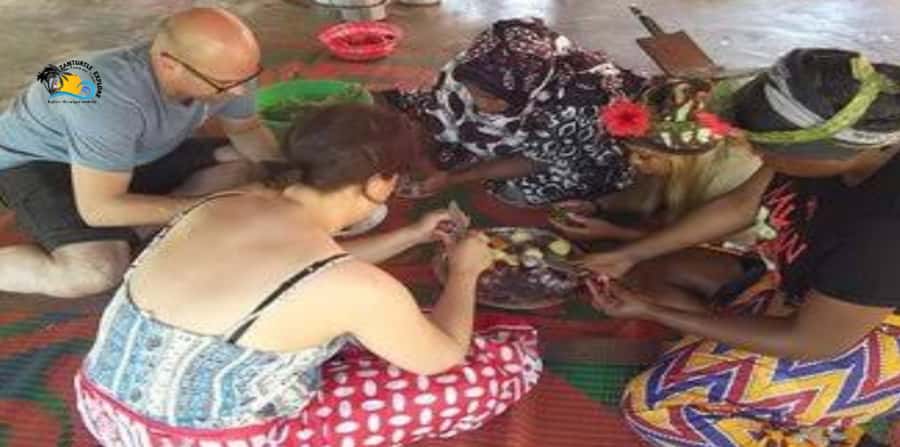
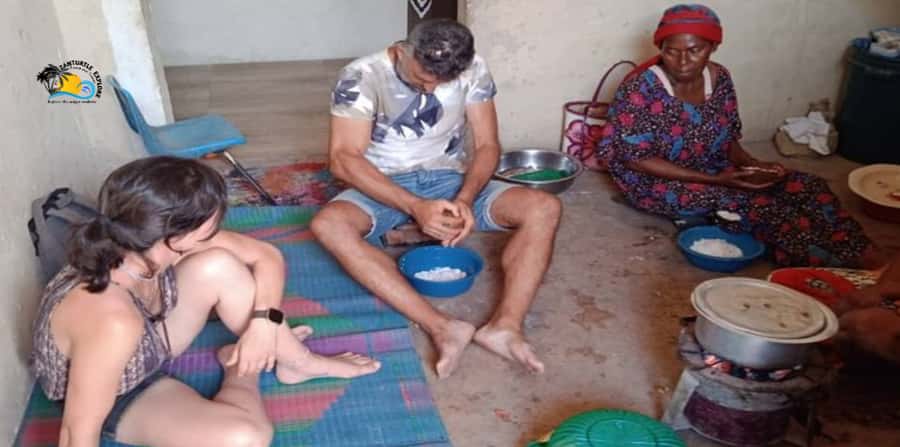
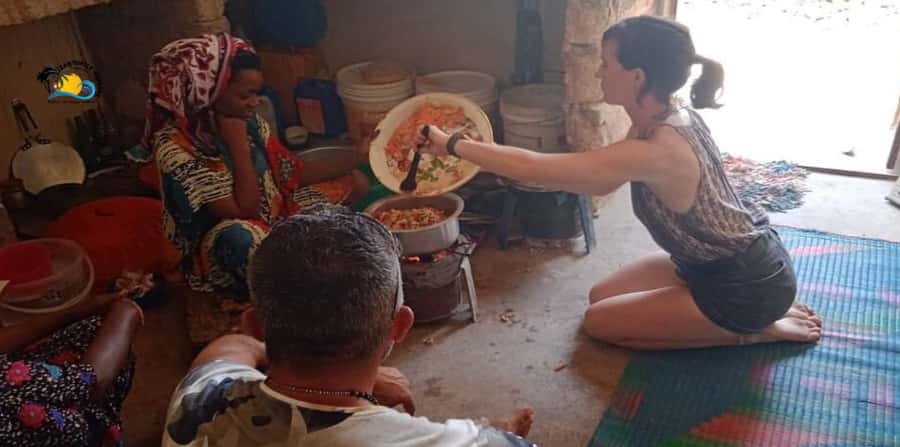
After the village walk, you move to the culinary part of the experience. The class takes place in a typical local home, and the provider contacts you ahead of time to ask which dishes you want to learn or eat.
That menu is broad:
- Zanzibar pilau
- Urojo soup
- Seafood curry
- Chapati
- Fresh cassava
- Ndizi nyama, banana with beef
- Breadfruit
- Kachumbari salad
This choice is one of the best features of the booking. You can steer the meal toward seafood, spices, vegetables, bread, or meat instead of accepting a fixed plate that may not suit you.
The food itself has been praised as delicious, especially by people who enjoy spice. Pilau gives you fragrant rice and seasoning, while urojo is a local soup with a different texture and flavor profile. Chapati adds a soft, filling bread element, and kachumbari provides a fresh contrast. Cassava and breadfruit show how familiar staples can take a different place in a Zanzibar meal.
There is an important point to settle before you pay: the phrase culinary class can mean different things here. The activity description presents a hands-on class with expert cooks and all ingredients supplied. Yet one booking reported that the cook explained how the chosen meals were made without allowing the participant to cook. Another described selecting one dish, with the option to watch more dishes for an extra charge.
I would treat this as a local cooking demonstration with some participation, unless the provider confirms exactly what you will prepare yourself. Ask these questions before the day:
- Which dishes are included in the base price?
- Will I chop, mix, season, or cook anything personally?
- Can I choose more than one dish?
- Is there an extra charge to watch or prepare additional dishes?
- Will seafood be available on my date?
That short exchange can prevent disappointment. If you mainly want to eat a home-cooked meal and learn how it is made, the experience should suit you well. If you want a formal cooking school with an apron, recipe booklet, and full control of every pan, this may feel too passive.
A completely different kind of day out from Nungwi:
- Zanzibar: Mnemba Island Dolphin and Snorkeling Tour
★ 4.1 · 352 reviews - Zanzibar: Nungwi Turtle Aquarium Guided Half-Day Trip
★ 4.4 · 197 reviews - Matemwe: Mnemba Island Dolphin & Snorkeling Boat Trip
★ 4.3 · 152 reviews - Underwater Walking Experience in Zanzibar,No Swimming Needed
★ 4.7 · 83 reviews
The meal is part of the cultural exchange
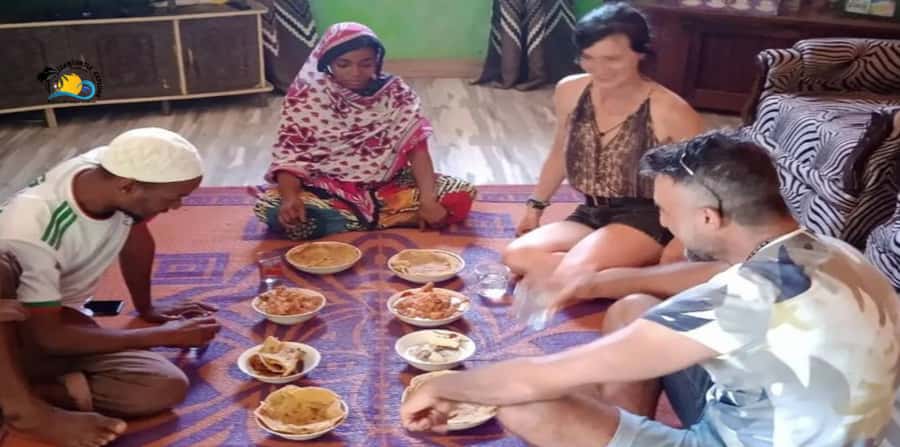
You finish by eating the food prepared during the session, with refreshments provided. The meal is not just a reward after the walk. It gives you time to taste the spices and textures you have just heard about.
One especially useful detail is that the meal may be served inside the home with the guide, rather than as a large shared meal with the family. A booking from Réunion regretted that the family did not eat alongside the group. That does not make the meal poor, but it is worth knowing if direct family interaction is central to your idea of cultural exchange.
The home setting is still more personal than a hotel restaurant. You see where the food is prepared and how a household meal comes together. Keep your manners simple: follow your guide’s lead, ask before taking photos, and remember that you are entering someone’s home.
The provider says you can request the dishes you want to cook or learn. Send those preferences before the tour, not only at pickup. If you have allergies or dietary limits, the supplied information does not explain how these are handled, so you should raise them directly before booking.
Is $66 a fair price?

At $66 per person, this is not the cheapest way to eat in Zanzibar. It is also more than a basic village walk. The price includes hotel pickup and drop-off, a private group, a live guide, the village visit, the dhow-building stop, cooking ingredients, the prepared meal, and refreshments.
That package can represent good value if you want several small experiences combined into one half-day. You avoid arranging transport to Nungwi, finding a local guide, locating a suitable cooking home, and buying ingredients yourself.
The private format matters. You can ask about school life, fishing, boats, religion, food, or daily routines without competing with a large group. You also have a better chance of adjusting the pace if the heat or walking becomes tiring.
The value is weaker if you expect extensive cooking instruction. Since at least one booking described the session as explanation rather than active cooking, compare the price with your main goal. For a meal and cultural introduction, $66 is reasonable. For a serious practical cooking course, confirm the format first.
Additional tours are not included. A turtle-bathing outing was combined with one booking and became a highlight, but you should treat that as a separate activity, not part of this package.
Language, access, and the practical details
The tour offers guides in English, French, German, Italian, and Swahili. Language matching should be confirmed rather than assumed. One French-speaking participant received an English-speaking guide and needed a friend to translate, even though the tour itself was otherwise well explained.
Hotel pickup and return are included. You provide the hotel name and room number, then meet the representative in the lobby or reception area. This is useful in Zanzibar, where arranging a separate taxi for a northern village outing can add cost and hassle.
The activity is listed as wheelchair accessible, but the route includes walking through a village, a market, and dhow-building areas. If you use a wheelchair, ask for specific information about surfaces, access into the home, and the distance between stops before booking. The supplied details do not explain those conditions.
Bring modest, comfortable clothing suitable for entering a local home and community spaces. Comfortable shoes, a sun hat, sunscreen, and a camera are specifically recommended. Alcohol and drugs are not allowed, and you should not attend while intoxicated.
Cancellation is flexible, with a full refund available when you cancel at least 24 hours ahead. You can also reserve now and pay later, which helps if your Zanzibar schedule is still changing.
Who will enjoy this Nungwi experience most?

I would choose this tour if you want to understand Nungwi beyond its resorts and have only half a day available. It suits couples, families, and small private groups who enjoy walking, asking questions, and trying food with strong local seasoning.
It is also a good fit if you want a guide to explain the social gap between resort life and village life instead of ignoring it. The school, nursery, market, and dhow sites give you several ways to see how the community works.
Families should think carefully about the walking and the tone of some stops. The village may expose children to poverty and limited services, which can lead to useful conversations but may feel uncomfortable. One booking suggested bringing sweets for children, but I would follow the guide’s advice about gifts and avoid handing out items casually unless the provider approves it.
Food lovers will get the most from the experience if they choose their dishes ahead of time and ask how active the class will be. People who dislike spice or want a polished kitchen lesson may prefer another format.
The overall rating is 4.6 from eight ratings, with the strongest praise aimed at the guides, the village explanations, the local cooking, and the range of food choices. The main reservations concern language matching, tiredness from walking, and the difference between a cooking class and a demonstration.
Should you book the Nungwi Village Tour and Culinary Class?
Book it if you want a private, practical introduction to village life, dhow craft, and Zanzibar food in one five-hour outing. The guides appear to be the heart of the experience, and names such as Gandhi, Mo, and Mr Hajj have been linked with patient, detailed guiding.
I would book with two conditions. First, confirm your guide’s language. Second, state clearly which dishes you want and ask how much actual cooking you will do. If you are comfortable learning by watching, eating in a local home, and walking through real community spaces, the $66 package offers solid value.
If your priority is a formal cooking lesson where you prepare every dish yourself, ask for written confirmation or choose a class built specifically around active kitchen work. This outing is strongest as a cultural visit with food at its center, not necessarily as a professional cooking course.
FAQ
How long does the Nungwi Village Tour and Culinary Class last?
The activity lasts five hours. Starting times depend on availability, so check the date you want to book.
What is included in the $66 price?
The price includes hotel pickup and drop-off, a guided Nungwi village tour, visits to markets and dhow-building sites, local community interaction, the culinary session, ingredients, the prepared meal, and refreshments.
Can I choose the dishes prepared during the class?
Yes. You are asked to share the dishes you want to cook or learn. Options include Zanzibar pilau, urojo soup, seafood curry, chapati, cassava, ndizi nyama, breadfruit, and kachumbari salad.
Will I cook the dishes myself?
The activity is described as hands-on, but the amount of direct cooking can vary. One booking reported receiving an explanation of preparation without cooking personally, so confirm the format before booking.
What languages are available for the live guide?
Guides are listed in English, French, German, Italian, and Swahili. Confirm your requested language in advance, since a French-language booking did not receive a French-speaking guide.
Is hotel transportation included?
Yes. Pickup and return to your Zanzibar hotel are included. You should provide the hotel name and room number and meet the representative in the lobby or reception area.
What should I bring, and what is not allowed?
Bring comfortable shoes, a sun hat, sunscreen, and a camera. Intoxication, alcohol, and drugs are not allowed.
Just added around Nungwi
- Zanzibar: Nungwi Cultural Village Tour and Swim Turtles★ 4.7 · 3 reviews
- Swimming with tirltes at The Lagoons Zanzibar in Nungwi★ 4.3 · 3 reviews
- Zanzibar Mnemba island snorkling & swim with turtles Tour★ 4.3 · 3 reviews
- Zanzibar: Horseback Riding and Turtle Aquarium Visit★ 4.3 · 4 reviews
- Zanzibar: Nungwi Kilosa Zoo & Swimming with Turtles★ 4.7 · 4 reviews
- Zanzibar: Nungwi and Kendwa Sunset Dhow Cruise with Pickup★ 4.3 · 4 reviews
- Zanzibar: Mnemba Island Snorkeling & Dolphin★ 5.0 · 4 reviews
- Zanzibar: Horseback Riding and Turtle Swimming Tour★ 3.3 · 4 reviews
Workshops, compared.
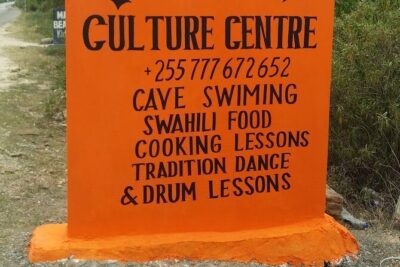
Half-Day Kuza Cave Swimming Adventure and Cooking Class
Read our review →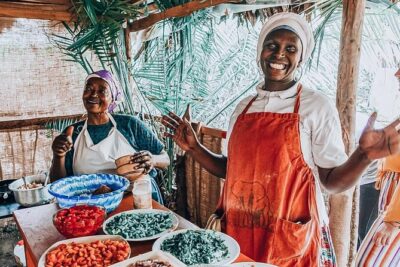
NGO Lifted Strong – Traditional Tanzanian Cooking Class
Read our review →
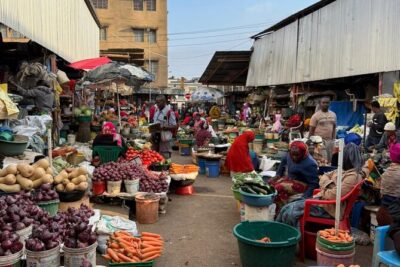
Traditional Tanzania Cooking Class & Food Market Tour
Read our review →

Cooking and Sewing & Jewelry Workshops in Arusha
Read our review →Browse the lists this tour appears in