
Reviewed · WORKSHOPS
Gifts and art lessons
Moshi shopping can be a cultural stop, not a chore. Mama Africa Gift Shop combines Tanzanian-made art and souvenirs with a free Moshi town tour, giving you a useful way to meet local people, find gifts, and ask for help with plans around town. I like the wide choice, from earrings and bags to paintings and wood carvings. I also like the shop’s connection with local organizations that support children and women. The main consideration is that the one-hour art lesson is not clearly explained, so you should confirm exactly what will be included before booking.
The price is $25 per group, rather than per person, which can be excellent value for a small party. The shop is next to Kili Kahawa on Rengua Road, and the activity returns there after the town outing. You should also allow some flexibility: the experience requires good weather, and the published capacity differs slightly between up to 15 people per group and a maximum of 20 participants.
In This Review
- Key points to know before you go
- Why Mama Africa makes sense as a first Moshi stop
- Browsing Tanzanian-made art and useful gifts
- The community connection behind the shelves
- What the free Moshi town tour is really good for
- Art lessons: confirm what is included
- How much value do you get for $25?
- Timing, meeting point, and practical details
- Who will enjoy this most?
- Should you book Mama Africa Gift Shop?
- FAQ
- Where does the experience begin?
- Where does the activity end?
- How much does the experience cost?
- How many people can join?
- How long does the experience last?
- Is a Moshi town tour included?
- What can I buy at Mama Africa Gift Shop?
- Can the shop arrange custom paintings?
- Is the experience accessible by public transportation?
- Are service animals allowed?
- Can I cancel for a full refund?
- What happens if bad weather cancels the activity?
Key points to know before you go
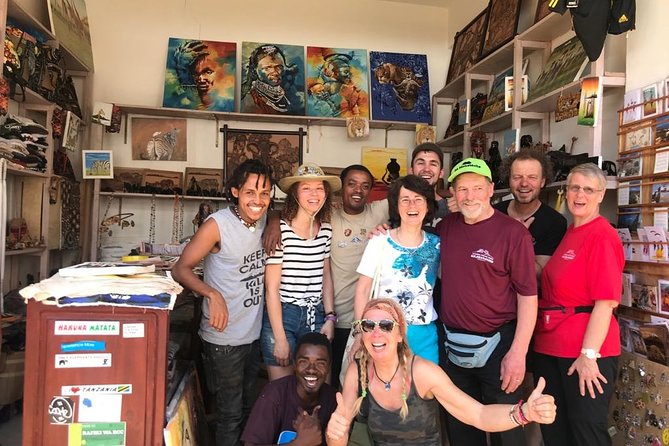
- Local art with a purpose: Items include jewelry, bags, paintings, wood statues, and other gifts made in Tanzania.
- A free Moshi town tour: The shop visit includes help getting familiar with the city, rather than only time at the shelves.
- Strong personal service: Peter, the owner, is repeatedly praised for being friendly, patient, helpful, and willing to organize other activities.
- Good group value: The listed price is $25 per group, with the booking information describing groups of up to 15.
- Custom paintings are possible: Special requests and made-to-order paintings may be arranged through the shop.
- Flexible local help: You can ask about things to do around Moshi, including major natural attractions and national park safaris.
Why Mama Africa makes sense as a first Moshi stop
Moshi is often treated as a base for Kilimanjaro, safaris, and day trips. That can leave the town itself feeling like a place you pass through. Mama Africa offers a simple way to slow down and get oriented.
The experience begins at Mama Africa Gift Shop, next door to Kili Kahawa on Rengua Road. From there, you can look through locally made goods and take a free tour around Moshi town. The description is not a tightly timed sightseeing program, so I would think of it as a friendly introduction rather than a formal city tour with a fixed list of monuments.
That loose format may suit you if this is your first day in town. You can ask for practical help, recommendations, and directions instead of trying to solve every detail alone. Peter, the owner, is singled out again and again for his patience and willingness to help. Some customers spent far longer than the planned activity talking with him and receiving advice about places to visit.
The tradeoff is predictability. If you want a structured history tour with exact stops, timings, and detailed commentary, this may feel too informal. The available information does not promise a set route or a particular number of sights. Its strength is personal contact and local assistance.
A few more trips of this kind worth comparing:
- Private Market Tour and Tanzanian Cooking Class in Moshi
★ 5.0 · 7 reviews - Zanzibar Cooking Class & Spice Tour
★ 4.5 · 77 reviews - Zanzibar: Spice Farm Tour with Traditional Cooking Lesson
★ 4.8 · 77 reviews
Browsing Tanzanian-made art and useful gifts
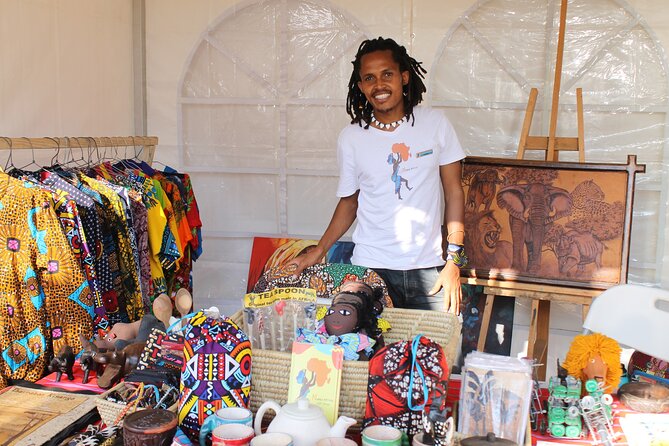
The shopping portion is the heart of the experience. Mama Africa carries a broad selection of handmade items, including jewelry, earrings, bags, paintings, wood statues, and other souvenirs. The mix matters because you can find both small presents that fit in luggage and larger artwork for your home.
The shop appears especially useful when you need gifts for several people. You might find handmade earrings for a friend, a bag for a family member, or a painting for yourself. Several items are described as useful rather than purely decorative, which is a welcome change from souvenir shopping that produces objects with no real purpose.
The strongest point is the sense of variety. You may find pieces from different local organizations, rather than one narrow house style. That gives the shopping a more personal feel, especially if you want something that looks connected to Tanzania without buying the same item available at every shop.
Prices are described as fair, and the staff are praised for making shopping comfortable. That does not mean every item will be cheap. Original paintings, custom work, and larger pieces naturally deserve a higher price than small jewelry. The practical approach is to decide what you want to spend before you arrive, then ask about different sizes and options.
If you are buying in bulk, it is worth asking about the price. The shop’s service is described as especially helpful for larger purchases, and the owner may be able to guide you toward suitable gifts. Still, agree on the total and any shipping or collection details before committing to custom or bulky pieces.
The community connection behind the shelves
A purchase here is presented as more than a simple retail transaction. Products come through organizations working with local communities, including programs connected with children and women. The precise structure of each organization is not given, so you should ask the staff which group is connected to the item you are considering.
That question can make your purchase more meaningful. Instead of choosing a generic souvenir, you can learn who made it and what kind of local work the sale supports. I like this approach because it gives you a reason to pause before buying and helps you avoid treating handmade art as a disposable holiday trinket.
The community purpose also adds value when you are comparing prices. A slightly more expensive handmade painting or bag may carry a clearer social benefit than a mass-produced item. You should still judge quality for yourself, but the connection with local artists and organizations is an important part of the experience.
The shop has also been described as a place where people return during longer stays in Moshi. That suggests it can work for more than one quick purchase. You might visit early in your stay to get advice, return later for gifts, and come back near departure when you know what you have room to carry.
What the free Moshi town tour is really good for
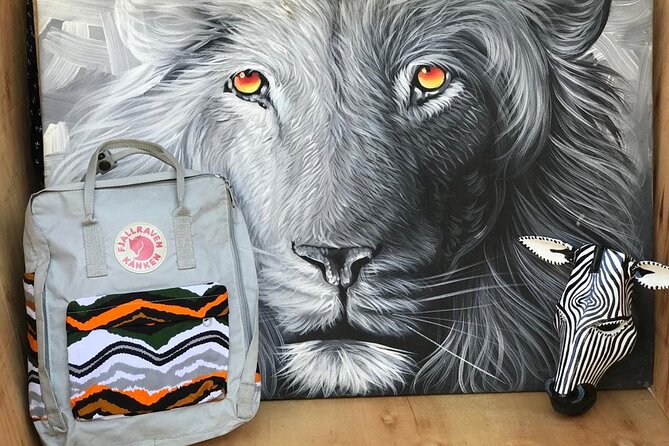
The town tour is included at no extra charge, but the available details do not list specific stops. That makes it hard to judge as a conventional sightseeing tour. I would value it mainly as a way to get your bearings and ask questions while walking or moving around the city.
For a first visit, this can be useful. You can identify where the shop is, understand the central area, and ask about activities nearby. If you are unsure how to arrange a day trip or what to do before or after a mountain climb, the staff can point you toward options.
The shop is also connected with arrangements for larger trips, including national park safaris and visits to major natural attractions. The experience itself should not be confused with a safari, however. Those services are separate arrangements, and you should request clear details about price, transportation, duration, and what is included before booking anything additional.
A free town tour also keeps the cost attractive. At $25 per group, your party receives the shop visit, art browsing, and town orientation for one shared fee. For a group of four or six, that works out to a modest amount per person. A solo visitor pays the full group price, so the value is better when you are sharing with friends or family.
A completely different kind of day out from Moshi:
- Kilimanjaro climb by Lemosho Route (7-day)
★ 5.0 · 651 reviews - Safari Serengeti And Ngorongoro
★ 5.0 · 288 reviews - Kilimanjaro climb, Machame Route (7-day)
★ 5.0 · 262 reviews - Kilimanjaro Climbing Lemosho Route 8 Days.
★ 5.0 · 186 reviews
Art lessons: confirm what is included
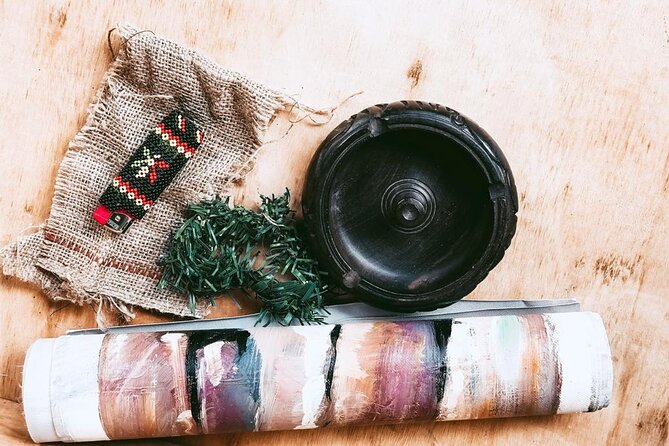
The experience title refers to gifts and art lessons, but the description focuses on selling and showing art, souvenirs, and products from partner organizations. It does not explain the teaching format, the type of art, the materials, or how much lesson time is included.
That is the one point I would clarify before booking. Ask whether you will receive a hands-on lesson, a demonstration, or simply an explanation of the artwork and its makers. Also ask if materials are supplied and whether the lesson is included in the $25 price.
You should not assume that a custom painting order is the same thing as an art class. Custom paintings are mentioned as a service, and some customers commissioned several works. That may be useful if you want a specific image or size, but it is separate from learning to make art yourself unless the shop confirms otherwise.
This lack of detail does not make the experience a poor choice. It simply means you should book it for the reliable parts, the local shopping and town orientation, and treat the lesson as something to verify.
How much value do you get for $25?
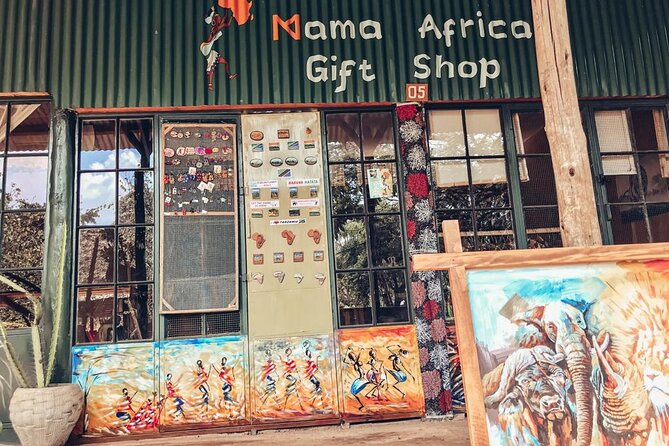
The price is $25 per group, with the main summary describing groups of up to 15 people. Another detail gives a maximum of 20 participants, so the safest interpretation is to confirm the exact group limit when booking. Either way, the shared price can be strong value for a family or small group.
You are not paying only for shelf time. The fee includes the planned experience at the shop and a free Moshi town tour, while the personal advice can help you arrange other activities. If you are already planning to buy gifts, the visit may feel especially worthwhile because the shopping and orientation happen together.
The value is less obvious if you only want a quick souvenir. In that case, you may prefer to stop by the shop independently if that is possible. The experience makes more sense when you want an introduction to town, help with planning, or time to compare locally made pieces.
The shop’s friendly approach is another part of the value. Staff are described as patient and not pushy, which matters when you are deciding between paintings, jewelry, bags, and other items. You can browse without feeling that you must buy immediately.
Timing, meeting point, and practical details
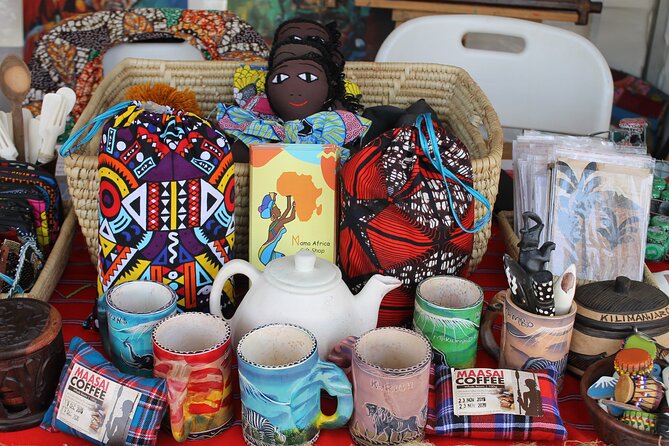
The activity lasts about one hour and begins and ends at Mama Africa Gift Shop. The meeting point is next door to Kili Kahawa on Rengua Road, Tanzania. Since the description does not provide a hotel pickup, assume you need to reach the shop yourself unless the provider tells you otherwise.
A mobile ticket is provided, and confirmation is sent at booking. The shop is near public transportation, and service animals are allowed. Most people can participate, though the available details do not describe the walking distance, route conditions, or seating.
The one-hour length makes this easy to fit before another activity. You could use it at the start of a Moshi stay, during a free afternoon, or near the end of your visit when you are ready to shop. If you plan to order custom paintings, do not assume those can be completed during the one-hour visit. Ask about production time and delivery arrangements.
Good weather is required. If poor weather cancels the experience, you should be offered another date or a full refund. For a full refund when you cancel yourself, cancel at least 24 hours before the start time. Cancellations inside 24 hours are not refunded, and changes made inside that period are not accepted.
Who will enjoy this most?

I would recommend Mama Africa to you if you want practical local contact along with your shopping. It is a good fit for first-time visitors to Moshi, families looking for gifts, small groups, and anyone who wants help arranging activities beyond the shop.
Art lovers may appreciate the range of original local work, especially paintings, jewelry, and handmade objects. The possibility of custom-made paintings is a bonus if you want something personal rather than an off-the-shelf souvenir.
It may also suit visitors staying in Moshi for several days or weeks. The shop can become a useful place to return for advice, presents, and suggestions for day trips. The personal relationship with Peter and the staff is clearly part of the appeal.
I would be more cautious if you need a precise art class, a formal guided tour, or a detailed historical program. The information does not promise those things. Confirm the lesson and town route before you pay, and you will have a clearer idea of what to expect.
Should you book Mama Africa Gift Shop?
Book it if you want fairly priced Tanzanian-made gifts, a friendly shop, and a simple way to get local help in Moshi. The community connection, custom painting option, and free town tour give the visit more substance than ordinary souvenir shopping.
The best value comes when you share the $25 group price and actually use the town tour or planning advice. Before booking, confirm the art lesson details, the group limit, and any arrangements for custom work. With those points clear, Mama Africa is a sensible short stop for gifts, local art, and a warmer introduction to Moshi than shopping alone.
FAQ
Where does the experience begin?
It begins at Mama Africa Gift Shop, next door to Kili Kahawa on Rengua Road in Tanzania.
Where does the activity end?
The activity ends back at Mama Africa Gift Shop, the same place where it begins.
How much does the experience cost?
The listed price is $25 per group.
How many people can join?
The main tour details describe groups of up to 15 people. Additional information gives a maximum of 20 participants, so confirm the exact limit when booking.
How long does the experience last?
The activity lasts approximately one hour.
Is a Moshi town tour included?
Yes. The shop description says a free Moshi town tour is provided as part of the experience.
What can I buy at Mama Africa Gift Shop?
You may find jewelry, earrings, bags, paintings, wood statues, souvenirs, and other Tanzanian-made artwork and gifts.
Can the shop arrange custom paintings?
Yes. Custom-made paintings are mentioned as a service, but you should ask the shop about the process and timing.
Is the experience accessible by public transportation?
The meeting point is near public transportation.
Are service animals allowed?
Yes. Service animals are allowed.
Can I cancel for a full refund?
Yes, if you cancel at least 24 hours before the experience start time. Cancellations made less than 24 hours before the start time are not refunded.
What happens if bad weather cancels the activity?
You will be offered a different date or a full refund if the experience is canceled because of poor weather.
Just added around Moshi
- Moshi: Lake Chala Tour: Hiking &/or Kayaking★ 4.5 · 3 reviews
- 3 Days Tanga Exclusive Beach Holiday★ 5.0 · 3 reviews
- Serengeti Wildebeest Migration.★ 5.0 · 3 reviews
- Chemka Hotpsrings E-Bike Day Trip★ 5.0 · 3 reviews
- Explore 1 day Ngorongoro Crater Budget Group Safari from Arusha★ 5.0 · 3 reviews
- Explore the 360° of Kilimanjaro★ 5.0 · 3 reviews
- Affordable Short Tanzania Safari (2 Days Camping Safari)★ 5.0 · 3 reviews
- Rongai Route 7 Days★ 5.0 · 3 reviews
Workshops, compared.
Half-Day Kuza Cave Swimming Adventure and Cooking Class
Read our review →
NGO Lifted Strong – Traditional Tanzanian Cooking Class
Read our review →
Traditional Tanzania Cooking Class & Food Market Tour
Read our review →
Cooking and Sewing & Jewelry Workshops in Arusha
Read our review →
Mnemba Dolphin Tour, Clear Kayak, Cooking Class, Horse Riding
Read our review →Browse the lists this tour appears in