
Reviewed · COOKING CLASSES
Cooking and Sewing & Jewelry Workshops in Arusha
Good food, useful skills, and a worthy cause. This three-hour activity in Arusha gives you a friendly way to meet the women and children supported by WEHAF, the Widows Encouragement & HIV/AIDS Foundation. I like the choice between learning to prepare chapati or pilau and making a sewn item plus Maasai-inspired jewelry. I also like that your visit supports skills training rather than simply passing through a sightseeing stop.
The main consideration is that you choose either the cooking workshop or the sewing and jewelry workshop, not both. The published details also separate the workshop fee from the included tea, coffee, and snack, so check exactly what your $33 booking covers before you pay. Meeting instructions mention both Larry V Garden and Pillars Bar & Lounge, so confirm the precise starting point with Wehaf Organization.
In This Review
- Key Points at a Glance
- Why This Small Workshop Matters in Arusha
- Starting at Larry V Garden and Pillars Bar
- Seeing the Mama Center and Daycare
- Choosing the Cooking Workshop
- Choosing Sewing and Jewelry
- Meeting Glory and the WEHAF Mamas
- What the $33 Price Delivers
- Who Will Enjoy This Best
- Booking, Cancellation, and Practical Checks
- Should You Book the WEHAF Workshop?
- FAQ
- Where does the workshop start?
- How long does the activity last?
- Is the tour private?
- What workshop choices are available?
- What do I learn in the cooking workshop?
- Is lunch included in the cooking option?
- What happens during the sewing and jewelry workshop?
- Is tea or coffee included?
- Are service animals allowed?
- Can I cancel for a full refund?
Key Points at a Glance
- Learn chapati or pilau with WEHAF’s mamas: The cooking class focuses on practical Tanzanian dishes and the spices behind them.
- Make jewelry with a Maasai mama: The sewing and jewelry option gives you a handmade souvenir and a chance to work with local materials.
- Have an item sewn for you: You choose a design and fabric from the collection while one of the women makes the piece.
- Visit the mama center and daycare: The tour shows how WEHAF links women’s training with care, learning, and play for their children.
- Private three-hour activity: Only your own group takes part, which should make the workshop more personal and easier to follow.
- Strong satisfaction record: The activity has a 4.9 rating from 14 reviews and a 100 percent recommendation rate.
Why This Small Workshop Matters in Arusha
Arusha is often treated as a starting point for safari trips, but it is also a good place to spend time with local organizations doing practical work. WEHAF supports widows, children, and people affected by HIV/AIDS through health, social justice, and economic empowerment programs.
That mission gives this workshop more weight than a standard souvenir-making class. You are not only learning a recipe or threading beads. You are visiting a mama center where women receive skills training that may help them earn income and support their families.
I appreciate the direct nature of the visit. You see the center, meet the people involved, and take part in an activity together. It is a simple format, but it can give you a clearer view of local life than a quick shopping stop.
The setting is intended to be welcoming rather than formal. The aim is conversation, shared work, and connection. Still, it is worth keeping expectations realistic. This is a community workshop, not a polished culinary school or a large cultural attraction. The pace and finish of your handmade item may depend on the group, the materials, and the time available.
More cooking classes:
- NGO Lifted Strong – Traditional Tanzanian Cooking Class
★ 5.0 · 39 reviews - Arusha: Traditional Tanzania Cooking Class & Food Market Tour
★ 5.0 · 34 reviews - Arusha: Traditional Tanzania Cooking class& Food Market Tour
★ 4.9 · 12 reviews
Starting at Larry V Garden and Pillars Bar
The stated meeting point is Larry V Garden on Olkereyan Bypass Road in Arusha, while the arrival instructions say the group meets at Pillars Bar & Lounge close to the organization. Since both names appear in the directions, I would settle this detail before setting out.
That small check matters. A mobile ticket confirms your booking, but it does not remove the need to know where to walk or who to look for. Ask Wehaf Organization for the exact meeting point, especially if you are unfamiliar with Arusha or relying on public transportation.
Once you meet the group, the visit begins with an introduction to WEHAF and a look around the mama center. This first part helps explain what the workshop supports. You are not simply arriving at a classroom for a paid activity. You are entering a place where women are learning sewing and cooking skills, and where their children attend a daycare program.
The activity lasts about three hours. That is long enough for a real hands-on session without taking up an entire day. It also leaves room in your Arusha plans for other sightseeing, meals, or preparation for a safari.
Seeing the Mama Center and Daycare
The mama center is the heart of the visit. Women receive sewing and cooking lessons there, with the goal of building skills and improving their ability to care for themselves and their families.
You are shown around before starting your selected workshop. That order is useful because it puts the activity in context. You understand why the class is being offered and how the work connects to WEHAF’s wider mission.
The children attend a daycare at the organization, where they learn and play. You should not expect a long school visit or a detailed educational tour, because the supplied schedule only says that the daycare is shown as part of the center introduction. Still, its presence makes the program feel connected to family life rather than focused only on adult training.
I find this part especially helpful for visitors who want their spending to support a local initiative. The connection is visible: women gain practical skills, and their children have a place for care and learning. That does not solve every challenge facing the families, but it gives the workshop a clear social purpose.
Choosing the Cooking Workshop
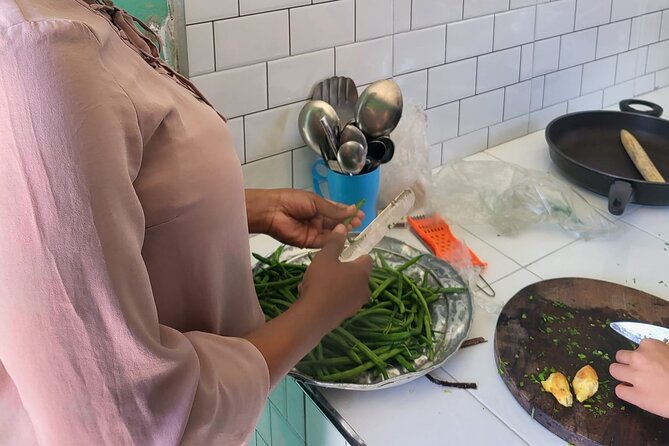
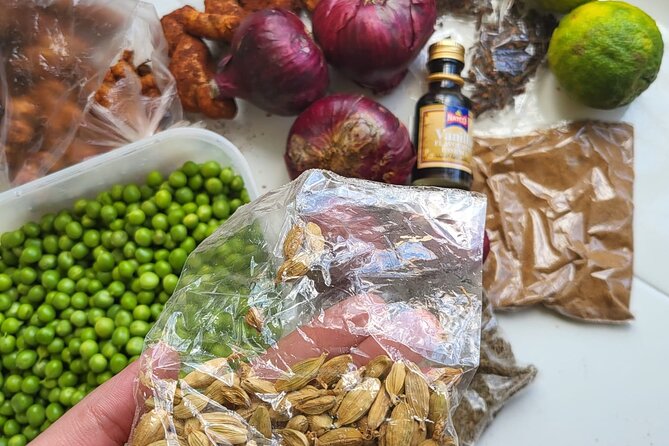
If you choose cooking, you go to the kitchen at the daycare with Glory, the English-speaking guide. She introduces the spices used in Tanzanian dishes before the mamas teach you how to prepare either chapati or pilau.
That spice introduction is a good feature. Food tells you plenty about a place, and learning the ingredients gives you something useful to take home beyond a meal. You may find the explanation more valuable than simply watching someone cook, since it helps connect the dish to local taste and technique.
The class is taught step by step. The information does not specify the exact menu beyond chapati or pilau, so you should not assume you will prepare both. Ask at booking if one dish is assigned or if you can choose between them.
Chapati offers a hands-on introduction to a familiar but skillful flatbread. Pilau gives you a chance to work with seasoned rice and the spices that make the dish distinctive. Both options are more engaging when you take part rather than simply receive a demonstration.
After the cooking, you enjoy a local lunch together. This shared meal is an important part of the format. It gives you time to talk with the women and guide after the practical work is finished.
A surprise is also promised at the end of the cooking session, though its nature is not specified. That means you should treat it as a pleasant extra rather than plan your expectations around it.
The cooking option suits you best if food is your main way of connecting with a place. It is also the more natural choice if you want something you can repeat at home. The drawback is that the class centers on one dish, so it may feel limited if you are hoping for a full Tanzanian cooking course.
A few more trips of this kind worth comparing:
- Private Traditional Pottery Class near Arusha
★ 5.0 · 6 reviews - Arusha: Local Tanzanian Cooking Class by Kingstone Asilia
★ 5.0 · 3 reviews - Zanzibar Cooking Class & Spice Tour
★ 4.5 · 77 reviews - Zanzibar: Spice Farm Tour with Traditional Cooking Lesson
★ 4.8 · 77 reviews
Choosing Sewing and Jewelry
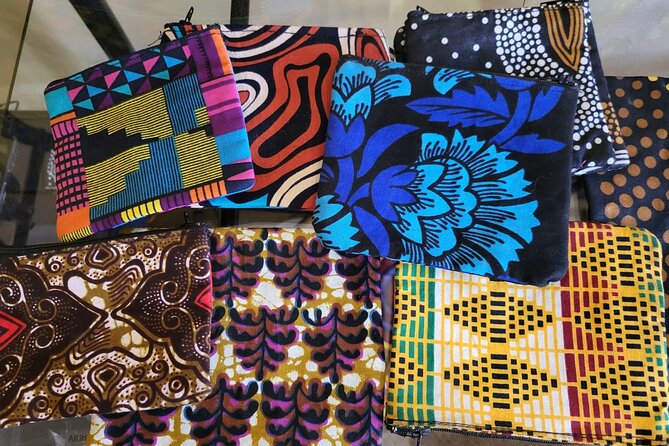
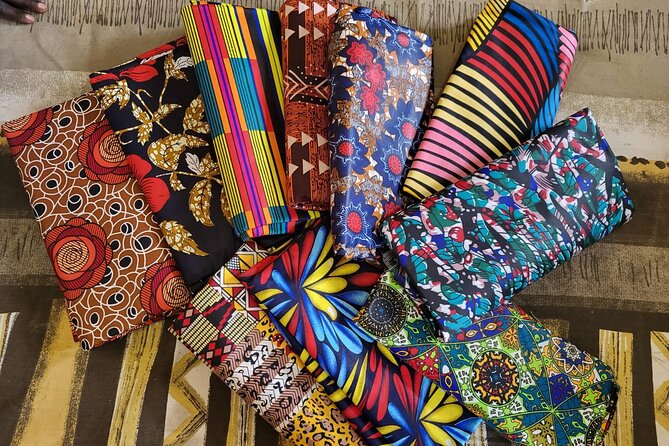
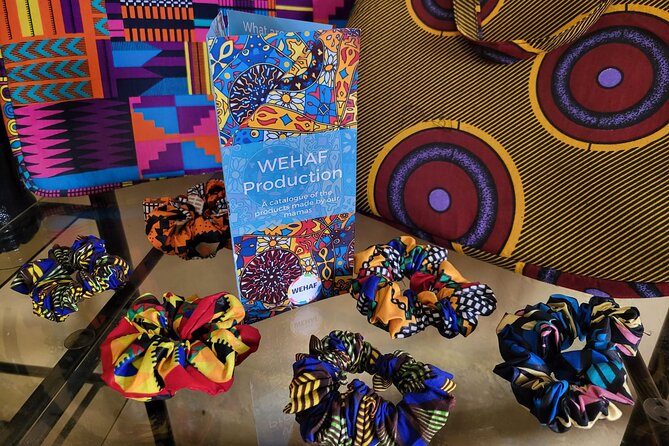
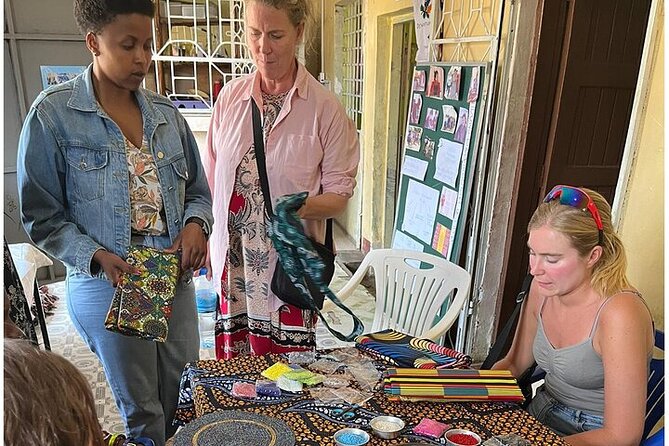
The sewing and jewelry option begins at the mama center with Glory. The women show you items from their collection, and you choose the item and fabric you want.
One of the mamas then starts sewing your selected item. The available details do not name every product, so you should ask what can be made during your visit and what the fabric choices are. The process is personal because you make the design choice rather than receiving a random souvenir.
While your item is being sewn, you learn to make your own jewelry with a local Maasai mama. This creates a useful split in the session. One part lets you watch a skilled craftsperson make something for you, while the other lets you make something with your own hands.
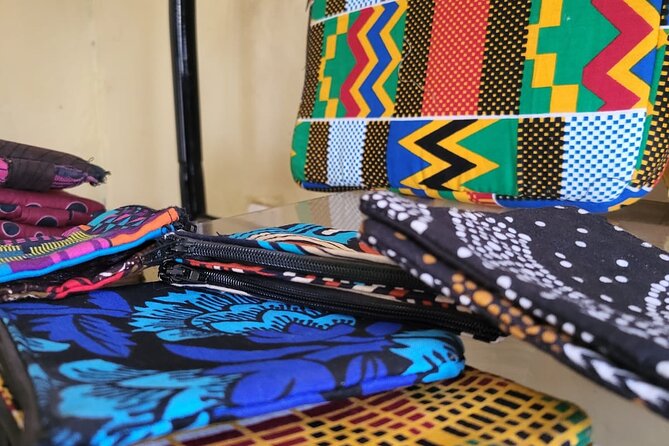
The final result is intended to be a set of local souvenirs. One review specifically praised the jewelry activity and noted that the group received beautiful tote bags made by women learning to sew. That detail suggests the sewing work may include practical fabric goods, but you should confirm which items are available on your date.
I like this option for people who prefer objects with a story. A handmade piece of jewelry or a sewn item can bring back a memory of the people you met, not just the name of a shop. You also have a chance to support the women’s work directly through the materials and finished item.
There are two points to keep in mind. First, sewing takes time, so the number of available designs may be limited during a three-hour visit. Second, the quality and finish of a learning project may vary. That is part of the honest character of the activity, and it is best to value the human connection and support behind the item rather than expect factory-level precision.
Meeting Glory and the WEHAF Mamas
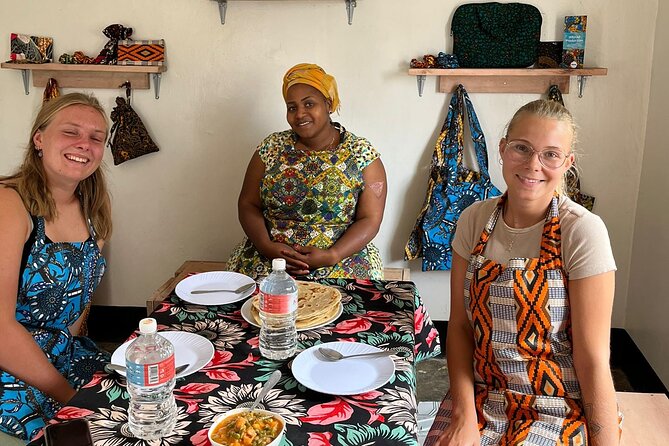
Glory is the English-speaking guide named in the activity details. She helps introduce the organization, explain the workshop, and guide you between the spaces.
The mamas provide the direct instruction. In the cooking class, they teach the dish step by step. In the sewing and jewelry class, they share sewing skills and help you make jewelry with Maasai influence.
This division works well because you receive both organization-wide context and close instruction from the women whose work the program supports. You are not left to guess what is happening, and the workshop is not reduced to a one-way performance.
Since the activity is private, only your group participates. That can make a real difference in a hands-on setting. You have more room to ask questions, make choices about fabric or food, and work at a comfortable pace.
The private format does not guarantee that every activity will be customized. It simply means you are not placed in a large mixed group. If you want a particular dish, fabric, or jewelry style, ask in advance rather than assuming it will be available.
What the $33 Price Delivers
At $33 per person, this is priced as a short local activity rather than a full-day tour. The value depends on what matters most to you.
If you choose cooking, the price includes a guided class, a local lunch, an introduction to Tanzanian spices, and time with the WEHAF team. If you choose sewing and jewelry, the value comes from the instruction, the hands-on jewelry work, and the sewn souvenir selected from the collection.
Tea, coffee, and a snack are listed as included. The workshop itself is listed separately under items not included, which creates an important pricing question. Before booking, confirm whether the advertised $33 is the complete amount for your chosen activity or whether an additional workshop charge applies.
That check is not just fine print. A good-value experience should be clear about what you receive. The social purpose may make you comfortable paying a little more than you would for a basic class, but you still deserve a straightforward price.
The activity is a better value if you want a personal, private visit and a tangible result. It is less compelling if you only want a cheap meal or a quick souvenir, since the main benefit comes from the time spent learning and meeting the women.
Who Will Enjoy This Best
I would recommend this for you if you want a community-based activity in Arusha and prefer doing something over simply looking at something. It should suit couples, families, friends, and small private groups because the session is limited to your own party.
The cooking option is best for food lovers, home cooks, and anyone who wants a practical memory of Tanzania. The sewing and jewelry option is a better match if you like crafts, handmade goods, or choosing a personal souvenir.
It may also suit visitors who have already seen Arusha’s main sights and want a quieter activity with a social purpose. The three-hour schedule fits well into a busy itinerary.
You may want to skip it if you dislike hands-on tasks, want a large cultural show, or need a fixed list of finished products. The program is centered on participation and local interaction, so the experience may feel too informal for someone looking for a polished commercial attraction.
Service animals are allowed, and the meeting point is near public transportation. The activity ends back at the meeting point, which makes planning the next stop easier.
Booking, Cancellation, and Practical Checks
Confirmation is provided when you book, and the mobile ticket is useful for keeping the details on your phone. The activity is commonly booked about 34 days in advance, so arranging it ahead of time is sensible if it is an important part of your Arusha plans.
You can cancel for a full refund up to 24 hours before the local start time. Cancellations or changes made within 24 hours are not refunded or accepted. Pay close attention to the local-time cut-off.
Before you finalize the booking, confirm four points:
- The exact meeting place, since both Larry V Garden and Pillars Bar & Lounge appear in the directions.
- Whether you want cooking or sewing and jewelry.
- What the $33 price includes, since the workshop is listed separately from the included refreshments.
- Which food, fabric, and finished items are available on your date.
These questions are quick to ask and can prevent confusion on the day.
Should You Book the WEHAF Workshop?
I would book this activity if you want a small, practical way to support WEHAF while meeting local women and learning a skill. The warm welcome, private format, and useful handmade souvenirs give it a personal feel, while the cooking class offers more than a meal through its spice instruction and shared lunch.
Choose cooking if you want to eat what you make and take a bit of Tanzanian food knowledge home. Choose sewing and jewelry if you would rather leave with a personal craft item, and the praised tote bags make that option especially appealing.
I would be cautious only about the unclear workshop pricing and meeting instructions. Confirm those details first. Once they are settled, this is a strong choice for an authentic three-hour activity in Arusha, especially if you value direct community support over a standard sightseeing stop.
FAQ
Where does the workshop start?
The stated meeting point is Larry V Garden on Olkereyan Bypass Road in Arusha. The arrival information also refers to Pillars Bar & Lounge near the organization, so confirm the exact meeting place with Wehaf Organization before the activity.
How long does the activity last?
The activity lasts approximately three hours.
Is the tour private?
Yes. Only your group participates in the private activity.
What workshop choices are available?
You can choose either the cooking workshop or the sewing and jewelry workshop.
What do I learn in the cooking workshop?
You learn about spices used in Tanzanian dishes and are taught step by step how to make chapati or pilau.
Is lunch included in the cooking option?
After the cooking session, you enjoy a local lunch together. Confirm the full price and inclusions when booking because the workshop is listed separately from tea, coffee, and a snack.
What happens during the sewing and jewelry workshop?
You choose an item and fabric from the collection, and one of the mamas begins sewing it. During that time, a local Maasai mama teaches you how to make your own jewelry.
Is tea or coffee included?
Coffee and/or tea, along with a snack, are listed as included.
Are service animals allowed?
Yes. Service animals are allowed.
Can I cancel for a full refund?
Yes. You can cancel at least 24 hours before the experience start time for a full refund. Cancellations and changes made less than 24 hours before the start time are not accepted or refunded.
Just added around Arusha
- 5 Days Safari Tarangire, Serengeti, and Ngorongoro Crater★ 5.0 · 3 reviews
- Love lives in Africa★ 5.0 · 3 reviews
- 5 Days of Safari, Culture & Hot Springs – Tour from Arusha★ 5.0 · 3 reviews
- Arusha National Park Safari by Jeep★ 4.5 · 3 reviews
- 5Days Family _Group Tour Lodging Mid-Range in the Jungle★ 5.0 · 3 reviews
- 2 Days Tarangire and Ngorongoro Crater Tour★ 5.0 · 3 reviews
- Serengeti & Ngorongoro 3 Days Budget Safari★ 5.0 · 3 reviews
- 7 Days PRIVATE Best of Tanzania Safari *Departing everyday*★ 5.0 · 3 reviews
Cooking Classes, compared.
Half-Day Kuza Cave Swimming Adventure and Cooking Class
Read our review →
NGO Lifted Strong – Traditional Tanzanian Cooking Class
Read our review →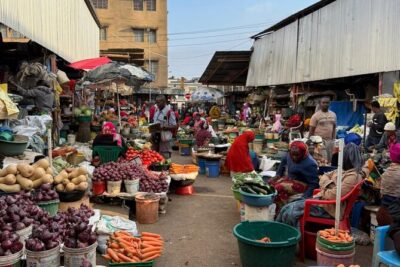
Traditional Tanzania Cooking Class & Food Market Tour
Read our review →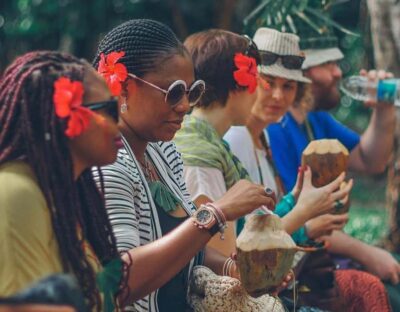

Mnemba Dolphin Tour, Clear Kayak, Cooking Class, Horse Riding
Read our review →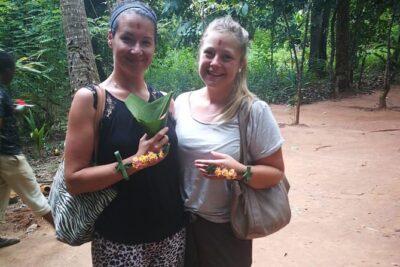
Traditional Zanzibar Cooking Class including Spice Tour
Read our review →Browse the lists this tour appears in