
Reviewed · MAASAI VILLAGE TOURS
24 Hours in Arusha—Arusha Museum, Cultural Heritage, Maasai Market, Shanga
A good Arusha day has four very different faces. This private, 12-hour city tour links the Arusha Museum, Cultural Heritage Centre, Shanga, and the Maasai Market without making you arrange taxis between each stop. I like the door-to-door service, and I like that lunch and admission fees are included. The guide can keep the day moving at your pace, which matters when you have only one day in town.
I also like the mix of experiences. You get human-evolution displays and colonial history at the museum, crafts and gemstones at Cultural Heritage, and a working social enterprise at Shanga. The main drawback is the schedule: four stops are each listed at about three hours, so this is a full day with little spare time. You should expect a busy outing rather than a slow, flexible wander.
The price is $205 per person, which is a serious spend for a city tour. It makes better sense for a private group that values transport, a dedicated guide, lunch, and a tightly planned day. A past guest singled out guide Daniel for being on time, courteous, personable, and well informed about Arusha and Tanzania.
In This Review
- Key points at a glance
- Why this Arusha day works well
- Cultural Heritage Centre: art, stones, and serious shopping
- Shanga: handmade goods with a social purpose
- The Maasai Market: a hands-on test of your bargaining skills
- Arusha Museum: Tanzania’s scientific and colonial record
- Lunch, drinks, and what the price covers
- The pace, pickup, and practical tradeoffs
- Who should book this Arusha tour?
- Should you book 24 Hours in Arusha?
- FAQ
- How long does the Arusha city tour last?
- What places are included?
- Is this a private tour?
- Are lunch and entrance fees included?
- Is hotel pickup available?
- What is the cancellation policy?
Key points at a glance
- Four major Arusha stops in one day: Visit the old German boma museum, Cultural Heritage Centre, Shanga, and Maasai Market.
- Private transport from your accommodation: Pickup and drop-off save you from arranging separate rides across town.
- Cultural Heritage includes more than shopping: Expect art, antiques, textiles, spices, jewelry, and a major tanzanite counter.
- Shanga gives you a working craft visit: Watch glass-blowing, weaving, sewing, bead-making, painting, and metalwork.
- Lunch and entrance fees are included: This makes the cost easier to judge against a self-planned day.
- Best for a one-day stop in Arusha: It suits you if you want broad coverage and personal guiding more than unscheduled browsing.
Why this Arusha day works well
Arusha is often treated as a staging point for a safari, but the city deserves more than a hotel night and an early departure. Its museums, markets, craft centers, and cultural collections give you a useful introduction to Tanzania before you head farther north.
The practical problem is distance and traffic. The four sites are not one compact museum quarter. With this tour, you are collected at your accommodation at about 8:00 a.m., travel by private vehicle, and return at the end of the day. That removes the need to bargain for several rides or lose time finding each place.
A private tour also gives you room to ask questions. If a display at the museum catches your attention, you can ask for more context. If you are not interested in buying stones or souvenirs, you can move along rather than wait for a large group.
The schedule is ambitious. Cultural Heritage, Shanga, the Maasai Market, and the Arusha Museum are each allotted roughly three hours in the supplied plan. That adds up to the advertised 12-hour duration before allowing much time for driving, lunch, or traffic. Treat those times as a framework, not a promise that every stop will receive a full three hours.
More Historical Tours in Arusha
- Arusha Guided Walking City Tour, Culture, Lifestyle & History
★ 5.0 · 150 reviews - Materuni Waterfalls & Coffee making Cultural Tour | BURIGI CHATO SAFARIS LTD
★ 5.0 · 15 reviews - Marangu waterfall & Coffee making Cultural Tour | BURIGI CHATO SAFARIS CO LTD
★ 5.0 · 12 reviews
Cultural Heritage Centre: art, stones, and serious shopping
Cultural Heritage Centre is the largest shopping and cultural stop on the route. It is located on the outskirts of Arusha and brings together curio shops, a jewelry boutique, a tanzanite and precious-stone counter, a restaurant, a bargain center, and a commercial art gallery.
You can browse local crafts, ornaments, antiques, clothing, textiles, accessories, books, and spices. The site is useful if you want to take home several types of gifts in one place. You might find something small and inexpensive, or you may be drawn to higher-priced jewelry and artwork.
The center’s stone collection includes rubies, emeralds, tsavorite, diamonds, sapphires, and opals. Tanzanite receives particular attention. This blue and violet stone is closely associated with Tanzania, and the center presents it as its most prized offering.
You should take your time with any expensive purchase. Ask questions about the stone, the setting, paperwork, and return arrangements before paying. The tour gives you access to the shopping area, but it does not state that purchases are covered or that the guide acts as a gem expert. See this stop as a chance to learn what is available, not as pressure to buy.
Three hours can be useful here if you want art, textiles, spices, and jewelry. If shopping is not your main interest, the visit may feel long. Tell your guide what matters to you so the private format works in your favor.
Shanga: handmade goods with a social purpose
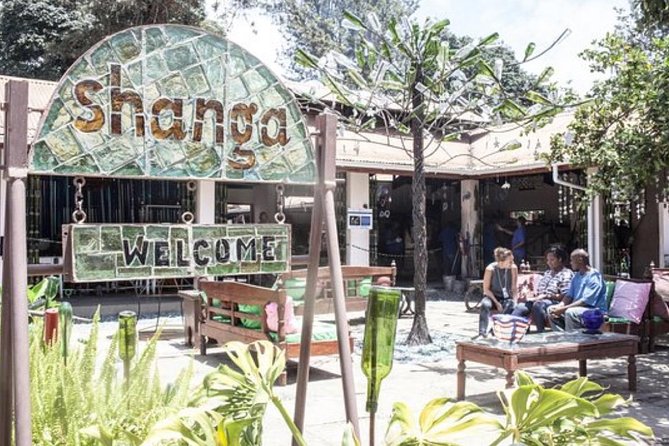
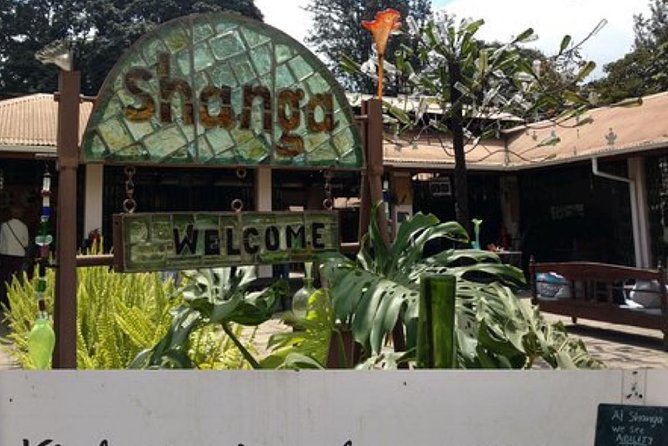
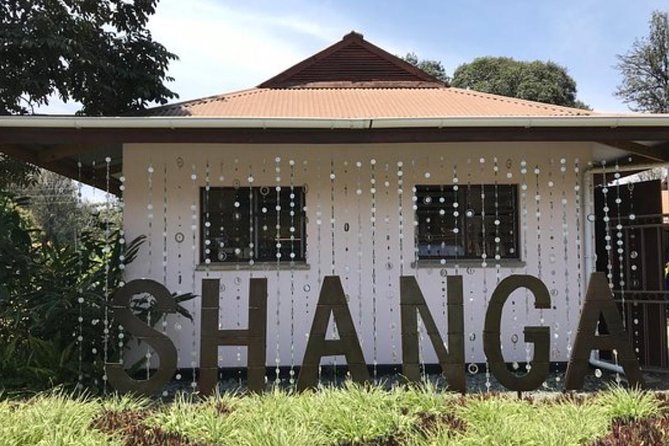
Shanga is more than a shop. It is a social enterprise employing people with disabilities to make jewelry, glassware, and household items from handmade and recycled materials.
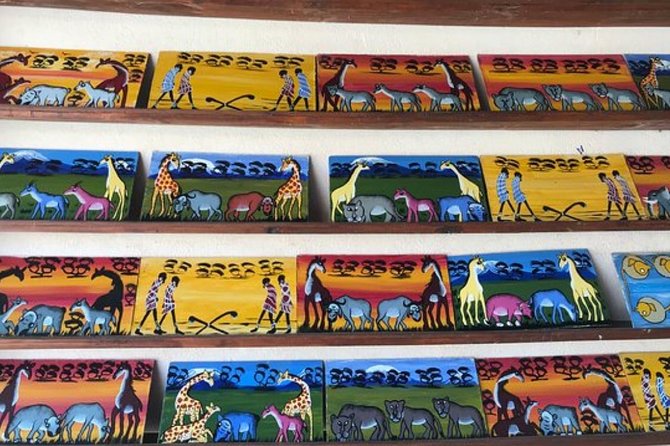
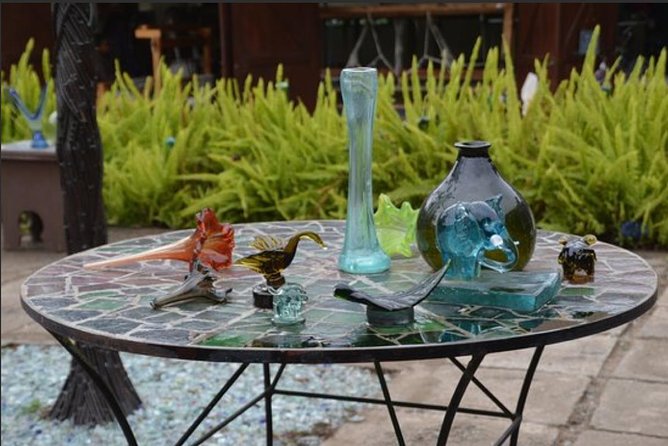
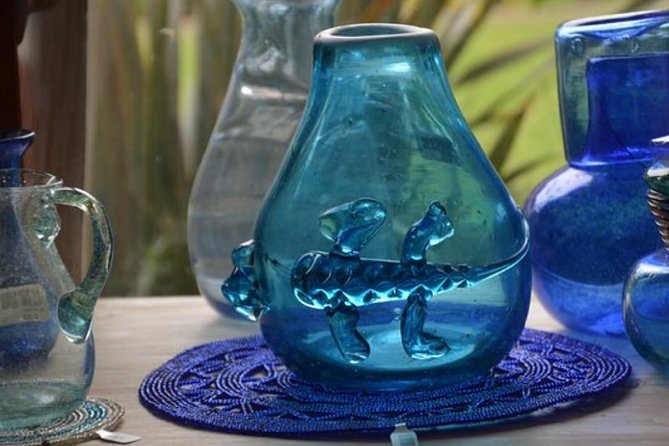
The visit includes time at the workplace, where you can observe several crafts being made. The listed workshops include glass-blowing, weaving, sewing, Tinga Tinga painting, bead-making, and metalwork. That range gives you a better sense of how finished objects move from raw material to something you can buy.
This is one of the day’s most useful stops if you want to connect shopping with the people and skills behind the product. Profits are reinvested into creating more employment opportunities for people with disabilities. Your purchase therefore supports a working program rather than only a retail display.
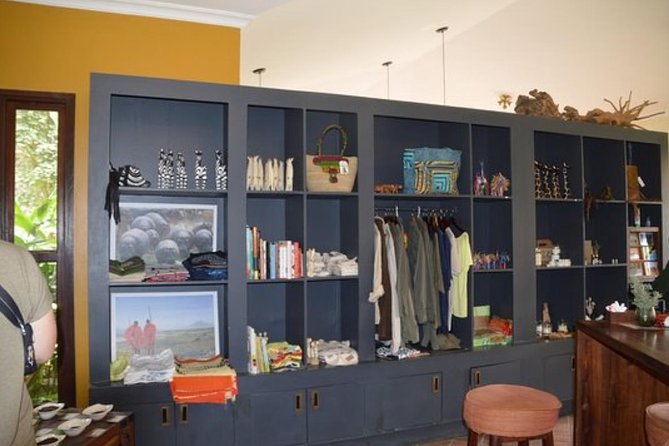
The Shanga shop showcases handmade jewelry, glassware, and homewares. Since the products are made on site, you may find the shopping more meaningful than buying an anonymous souvenir from a roadside stall. You can also compare the work here with the larger collection of goods at Cultural Heritage.
The three-hour allotment may be more time than you need if the workshops are moving quickly or you are not shopping. On the other hand, craft demonstrations can take time, and the variety of work makes this a stop worth keeping on the schedule.
The Maasai Market: a hands-on test of your bargaining skills
The Maasai Market Curios and Crafts is the most direct shopping experience of the day. You enter an area filled with stalls, many carrying similar goods. Other stalls offer different items, so it pays to walk around before choosing where to buy.
The atmosphere can feel intense at first. Vendors may invite you into their stalls and encourage you to touch the merchandise. One useful detail from the experience is that some sellers hand you a medium-sized basket so you can collect possible purchases while continuing to look around.
You should not feel obliged to buy. The market description notes that vendors are respectful and may thank you even if you leave without a purchase. That does not remove the need to bargain carefully, but it does suggest that you can browse without treating every conversation as a hard sell.
The market is a good place to look for gifts for family and friends. You might find baskets, carvings, jewelry, textiles, or other crafts, but the provided information does not promise a fixed product list. Prices will vary by stall, item, and negotiation.
My advice is simple: walk through first, compare similar goods, and keep your budget in mind. If you see the same type of item at several stalls, you have a chance to compare workmanship and price. The private guide may also help you understand the buying process, though the tour does not guarantee that the guide will negotiate every purchase.
Three hours here is generous. If you enjoy markets, you can use the time to browse without rushing. If you find repeated products or strong sales attention tiring, you may prefer a shorter visit. This is one place where it helps to tell the guide when you have seen enough.
More Maasai Village Tours in Arusha
- 5 Days Camping Tarangire, Serengeti & Ngorongoro crater & Visiting Maasai
★ 5.0 · 229 reviews - Maasai village visit, Materuni waterfalls & coffee experience
★ 4.5 · 95 reviews - 7-Day Private Tanzania Safari with Sunset Walking on the Crater Rim and Maasai
★ 5.0 · 40 reviews - Kilimanjaro: Maasai Village Visit, Waterfalls, & Coffee Tour
★ 4.9 · 27 reviews
Arusha Museum: Tanzania’s scientific and colonial record
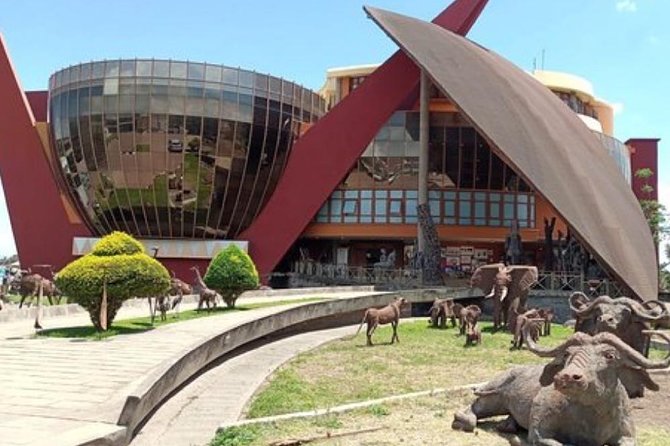
The Arusha National Natural History and Cultural Museum occupies the old German boma, a fortified compound completed in 1900. The setting gives the museum a physical link to Arusha’s colonial period before you even reach the displays.
The strongest section is devoted to human evolution. Tanzania is important to the study of early human history because fossils found in the country have helped shape what scientists know about human origins. The museum offers a useful introduction to that subject, especially if you are heading on to northern Tanzania and want more context for the region.
Other sections cover insects, Arusha during the German colonial era, and wildlife through photographs and mounted specimens. These displays provide a compact look at science, local history, and nature rather than focusing on just one topic.
The museum may be the most educational stop for you, but it is not described as a large modern institution. Displays in historic buildings can feel more modest than major European museums. That is part of the appeal, though you should set your expectations accordingly.
A guide can help connect the exhibits to the wider region. The private format is valuable here because you can ask why the human-evolution material matters, how the German boma was used, or what the wildlife displays show. The supplied information does not list a separate museum specialist, so the quality of explanation depends partly on the tour guide assigned to your group.
Lunch, drinks, and what the price covers
Lunch is included, along with entrance fees, taxes, private transportation, drinking water, and soft drinks during game drives. Since this is a city tour, the reference to game drives appears unusual, so I would confirm how drinks are handled on this specific outing before booking.
The inclusion of lunch makes the long schedule easier. You do not have to stop and find a restaurant on your own, and your guide can place the meal into the day without another transport decision. Alcoholic drinks are not included.
At $205 per person, this is not the cheapest way to see Arusha. The value depends on how many people are in your private group and how much you would otherwise spend on separate transport, admissions, lunch, and a guide. A solo visitor may find the price hard to justify. A couple or small group may see more value, especially with pickup and drop-off included.
Group discounts are available, though no discount amount is provided. Ask for the total price for your party before booking. The tour is private, so only your group participates. That is a real benefit if you want to control the pace, but it also means you are paying for exclusivity rather than sharing a vehicle with strangers.
The pace, pickup, and practical tradeoffs
The start time is 8:00 a.m., and pickup is offered from your accommodation. The exact pickup area is not stated, so confirm that your hotel or lodge is covered when you reserve.
A private vehicle is the sensible choice for this route. It avoids the hassle of finding transport between four stops and gives you a place to leave purchases while you continue sightseeing. The tour also includes drop-off, which is useful after a long day.
You should plan for a full 12 hours. Wear comfortable clothing and shoes suitable for walking around shops, museum rooms, and workshop areas. Keep valuables and passports secure, especially if you are carrying cash for purchases. Personal expenses, camera costs, visas, accommodation, alcohol, and tips are not included.
The tour is described as suitable for most people, but no detailed accessibility information is provided. If you need specific assistance, ask the operator before booking. The experience requires good weather, and it can be changed or canceled if conditions are poor or if the minimum number of participants is not reached.
One encouraging detail is the praise for Daniel, who handled an earlier tour with an on-time pickup and a professional, courteous, personable manner. Guide assignments can change, so you should not assume Daniel will lead every departure. Still, the report gives you a useful standard to expect from the operator, Kim’zebra Adventures & Safaris.
Who should book this Arusha tour?
I would choose this tour if you have only one day in Arusha and want a broad introduction to the city. It works especially well before or after a safari, when you want museum context, local crafts, shopping, and a working community project in one organized day.
It also suits you if transport planning is a nuisance. The private vehicle and door-to-door service remove much of the day’s friction. Families and small groups may appreciate being able to adjust the pace and stop shopping when they have had enough.
I would think twice if you prefer one subject in depth. Four stops, each with a suggested three-hour visit, create a packed schedule. Someone who wants a quiet museum morning, long market bargaining, or extended time at a single craft center may find this plan too broad.
I would also compare the cost with your group size. At $205 per person, the package is easiest to defend when lunch, fees, transport, and guiding would otherwise add up to a similar amount. Ask about group discounts, pickup coverage, and the drinks wording before you pay.
Should you book 24 Hours in Arusha?
Book it if your priority is seeing Arusha’s main cultural and shopping stops in one private day with the transport already arranged. The best parts are the mix of the old boma museum, the hands-on Shanga workshops, the stone and art collection at Cultural Heritage, and the direct market experience.
Skip it if you want a loose day with plenty of unscheduled time or if the $205 price is too high for your party. For most one-day visitors, though, this is a practical way to turn a hotel stop in Arusha into a useful introduction to Tanzania. Free cancellation is available up to 24 hours before the 8:00 a.m. start, so you retain some flexibility if your plans change.
FAQ
How long does the Arusha city tour last?
The experience lasts approximately 12 hours and starts at about 8:00 a.m.
What places are included?
The tour includes the Cultural Heritage Centre, Shanga and the Shanga Foundation, Maasai Market Curios and Crafts, and the Arusha National Natural History and Cultural Museum.
Is this a private tour?
Yes. Only your group participates in the activity.
Are lunch and entrance fees included?
Yes. Lunch, all listed fees and taxes, and private transportation are included.
Is hotel pickup available?
Pickup and drop-off at your accommodation are offered. Confirm that your specific accommodation is within the service area when booking.
What is the cancellation policy?
You can cancel at least 24 hours before the start time for a full refund. Changes or cancellations made less than 24 hours before the start time are not accepted for a refund.
More Markets
- Arusha: Traditional Tanzania Cooking Class & Food Market Tour
★ 5.0 · 34 reviews - Arusha: Traditional Tanzania Cooking class& Food Market Tour
★ 4.9 · 12 reviews - Stone Town Guided Tour: Culture, Slave Market & Spice Market
★ 4.8 · 44 reviews - Spice , Prison Island ,Stone Town and Slave Market Site Tour
★ 5.0 · 24 reviews
More Maasai Village Tours
- Arusha: Maasai Village Tour
★ 4.8 · 22 reviews - 5- Days Best Mid-range Safari and Maasai Village experience
★ 5.0 · 20 reviews - Maasai Boma Cultural Experience (maasai village tour)
★ 4.5 · 14 reviews - 1 Day Olpopongi Real Maasai Cultural adventurous Trip | BURIGI CHATO SAFARIS LTD
★ 4.5 · 13 reviews
Just added around Arusha
- 5 Days Safari Tarangire, Serengeti, and Ngorongoro Crater★ 5.0 · 3 reviews
- Love lives in Africa★ 5.0 · 3 reviews
- 5 Days of Safari, Culture & Hot Springs – Tour from Arusha★ 5.0 · 3 reviews
- Arusha National Park Safari by Jeep★ 4.5 · 3 reviews
- 5Days Family _Group Tour Lodging Mid-Range in the Jungle★ 5.0 · 3 reviews
- Serengeti & Ngorongoro 3 Days Budget Safari★ 5.0 · 3 reviews
- 2 Days Tarangire and Ngorongoro Crater Tour★ 5.0 · 3 reviews
- 7 Days PRIVATE Best of Tanzania Safari *Departing everyday*★ 5.0 · 3 reviews
Maasai Village Tours, compared.

5 Days Camping Tarangire, Serengeti & Ngorongoro crater & Visiting Maasai
Read our review →
Maasai village visit, Materuni waterfalls & coffee experience
Read our review →5 Days Camping Tarangire, Serengeti & Ngorongoro crater & Visiting Maasai
Read our review →
7-Day Private Tanzania Safari with Sunset Walking on the Crater Rim and Maasai
Read our review →
Maasai village visit and Chemka hot-springs with hot lunch.
Read our review →
Maasai Village Visit, Waterfalls, & Coffee Tour
Read our review →Browse the lists this tour appears in