
Reviewed · WALKING TOURS
9 Days 8 Nights Walking Safari
Wild Tanzania rewards patient walkers. This nine-day journey combines Ngorongoro wildlife with Empakaai Crater, Lake Natron, Maasai culture, and guided walks that feel more personal than a standard vehicle safari. I like the mix of major wildlife areas and quieter cultural stops, and I like that the price includes park fees, transport, camping gear, full-board meals, and a small vehicle group.
The main caution is that the name suggests a walking safari, but much of the trip uses a 4×4 vehicle, with walking concentrated around Empakaai and the Maasai-led sections. The itinerary also needs clarification because the overview mentions Serengeti and Olduvai Gorge, while the day-by-day plan gives more detail about Ngorongoro, Empakaai, and Lake Natron.
In This Review
- Key Things to Know Before You Go
- Why This Tanzania Safari Feels Different
- Day 1: Getting Settled at Springlands Hotel in Moshi
- Day 2: Ngorongoro Crater and the Big Five
- Day 3: Donkeys, Maasai Guides, and Embulmbul Village
- Day 4: Walking Into Empakaai Crater
- Day 5: Local Life and Cultural Exchange
- Day 6: Oldoinyo Lengai, the Mountain of God
- Day 7: Walking Around Lake Natron
- Day 8: Maasai Market and Everyday Street Life
- Day 9: Returning to Moshi
- What the $2,688 Price Really Covers
- The Guide Can Make or Break the Safari
- Important Questions Before You Book
- Who Should Choose This Nine-Day Route?
- Should You Book It?
- FAQ
- How long is the safari?
- Where does the safari start?
- Is pickup available?
- What wildlife might I see?
- Is this entirely a walking safari?
- How demanding is the walking?
- Are meals included?
- Is camping equipment provided?
- Can I request vegetarian meals?
- Are airport transfers, visas, and insurance included?
Key Things to Know Before You Go
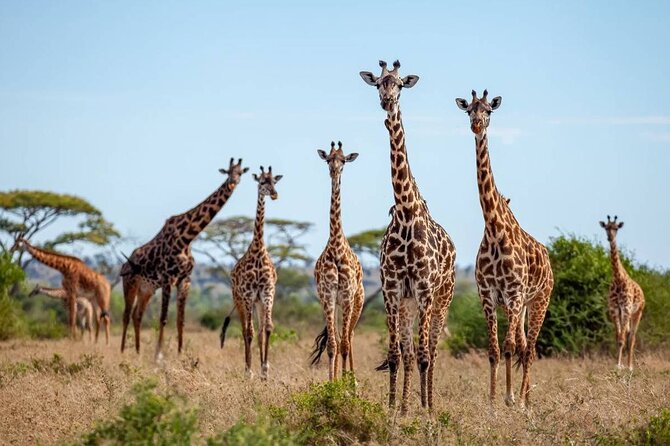
- Ngorongoro is the wildlife centerpiece: The crater offers a strong chance of seeing elephants, lions, buffalo, leopards, and possibly black rhinos.
- Empakaai adds a real walking element: You walk down into the crater to see flamingoes, then climb back to a camp on the rim.
- Maasai-led days make the trip more than a game drive: You prepare donkeys, walk toward Embulmbul village, and learn about local customs and daily life.
- Lake Natron brings a different setting: The lake, Oldoinyo Lengai, and a Maasai village create a striking change from the classic safari route.
- The $2,688 price covers a lot: Park fees, 4×4 transport, guides, camping equipment, accommodation, and nine breakfasts, lunches, and dinners are included.
- The schedule needs checking before payment: Ask specifically how Serengeti and Olduvai Gorge fit into the nine days, since they are not clearly assigned to individual days.
Why This Tanzania Safari Feels Different
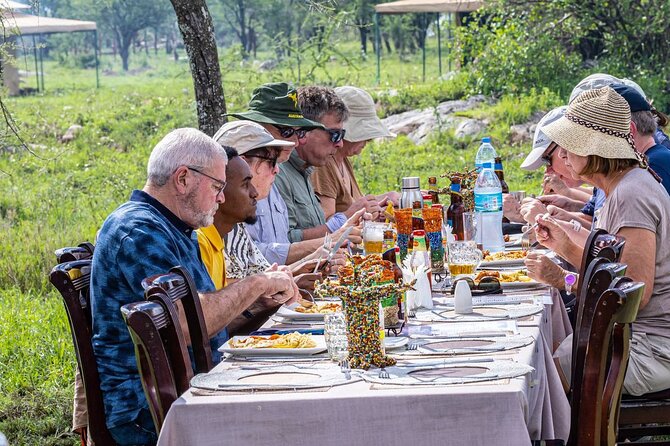
Many northern Tanzania safaris focus almost entirely on sitting in a vehicle and searching for animals. This one adds walking, village visits, crater trekking, donkeys, and time with Maasai guides.
That gives you a broader view of the region. You are not only looking for wildlife. You are also seeing how people move through this country, how livestock fits into daily life, and how volcanic terrain shapes the route.
The trip begins and ends in Moshi, with Springlands Hotel used for the welcome and return. Kilimanjaro Airport is listed as the starting meeting point, and pickup is offered. That makes the arrangement practical if you are arriving for a safari after flying into northern Tanzania.
The group limit is 12 people, while vehicles are limited to a maximum of four people each. That small vehicle size matters. You get more room around the viewing roof, a better chance of choosing a comfortable seat, and less crowding during wildlife sightings.
The advertised experience is not a luxury lodge holiday. It combines lodge accommodation and camping, with camping equipment supplied. You should expect an active trip with early starts, changing conditions, and some long road transfers. In return, you get access to places that feel less like a quick sightseeing circuit.
More Safaris in Moshi
- Safari Serengeti And Ngorongoro
★ 5.0 · 288 reviews - Big Five Safari In Tanzania
★ 5.0 · 99 reviews - Unforgettable Tanzania Safari And Zanzibar Beach
★ 5.0 · 97 reviews
Day 1: Getting Settled at Springlands Hotel in Moshi
Your first day is designed to get you organized rather than fill the schedule with sightseeing. At Springlands Hotel, you receive a welcome, a mountain and safari briefing, and a room.
This is useful if you are arriving tired or coming directly from an international flight. You have time to ask questions, check equipment, and understand the days ahead before heading into the parks and crater country.
All meals are available on this first day, and the package lists breakfast, lunch, and dinner for the full nine-day period. Since meal arrangements can vary according to the exact overnight location, it is sensible to confirm what is provided on each day.
Moshi is also a practical base for this kind of trip. It gives you a clear starting point near Kilimanjaro, while the final night back at the hotel gives you a place to prepare for departure.
Day 2: Ngorongoro Crater and the Big Five
The second day centers on a drive through the crater with an accredited driver-guide. The stated wildlife possibilities include the Big Five: black rhinos, elephants, lions, buffalo, and leopards.
Ngorongoro is valuable because its enclosed volcanic setting concentrates wildlife in a relatively compact area. You are not guaranteed every animal, of course, but the crater is one of the strongest parts of this route for a broad wildlife list.
The day is vehicle-based, not a walking day. That distinction matters if you are choosing this trip mainly for hiking. You will be looking through the vehicle and its viewing roof, with your guide handling the driving and helping identify animals.
The quality of the guide can shape this day. Past trips with this operator have featured guides including Tarimo, Salehe, Musa, Bright, Yesse, and Isdory. Specific guide assignments can change, so you should not assume one particular person will lead your departure. Still, the repeated praise for careful driving, animal spotting, and explanations of wildlife is encouraging.
One guide, Isdory, was specifically praised for cautious driving and for helping a group see the Big Five within the first three days. That is not a promise for your safari, but it points to the value of having a guide who reads animal behavior and knows where to look.
Day 3: Donkeys, Maasai Guides, and Embulmbul Village
Day three shifts away from the usual safari rhythm. You help prepare Maasai donkeys, work with local Maasai guides, gather the needed equipment, and begin the trek toward Embulmbul village.
This is one of the most distinctive parts of the program. The donkeys are not a decorative touch. They are part of the practical way equipment is moved during the walking section, and preparing them gives you a direct role in the start of the journey.
The day also changes your relationship with the setting. From a vehicle, you see animals and scenery at a distance. On foot, you notice the ground, plants, tracks, sounds, and changing views at a slower pace. The supplied information does not give a walking distance or elevation profile, so ask for those details before you book.
A Maasai guide adds cultural context that a standard wildlife guide may not provide. You should expect explanations connected to local life, but you should also approach village visits with respect. Ask before taking photographs, listen carefully, and remember that this is a community, not a staged attraction.
More walking tours:
- Kilimanjaro: Village Walk, Coffee Tour, Waterfall, and Lunch
★ 4.5 · 56 reviews - Walking Day Tour to Safari in Arusha National Park
★ 5.0 · 5 reviews - Private Day Trip to Arusha National Park with a Walking Safari
★ 5.0 · 4 reviews - Moshi Town: Walking Tour: Theme Urban lifestyle
★ 3.1 · 4 reviews
Day 4: Walking Into Empakaai Crater
Empakaai Crater is the clearest walking highlight of the nine days. After lunch, you walk down into the crater to see the flamingo population, then climb back to the camp on the crater rim for dinner and an overnight stay.
The walk is listed at about five hours. That is a serious half-day outing, especially because the return involves climbing back up. You need moderate physical fitness, as stated in the trip details, and sturdy footwear will be important even though particular gear is not specified.
The reward is a different kind of crater experience. Ngorongoro is famous for concentrated wildlife viewed from a vehicle. Empakaai gives you time on foot and a closer sense of the volcanic shape around you. The flamingoes add a strong visual reason to make the descent.
The camp on the rim gives the day a satisfying structure. You walk down, spend time near the crater lake, and return to dinner without needing another long transfer that evening. Camping equipment is included, but the type of tent and sleeping setup is not described. Ask whether bedding and mattresses are supplied or whether you need to bring particular items.
Day 5: Local Life and Cultural Exchange
The fifth day focuses on meeting local people and learning about their way of life, culture, norms, and traditions.
This may be the most meaningful day for you if you want more than animal sightings. Wildlife is only one part of northern Tanzania. The people who live near these protected areas have their own systems of work, family, movement, trade, and community life.
The description is broad, so the exact activities are not fully clear. You may find that the day includes conversation, a village visit, or an explanation of local customs, but you should ask the operator what is planned and how much time is spent walking.
The best approach is to stay curious without treating culture as a performance. Simple gestures matter: dress respectfully, follow your guide’s advice, and ask permission before photographing people or homes.
Day 6: Oldoinyo Lengai, the Mountain of God
Oldoinyo Lengai gives the trip a powerful geological focus. The volcano is known for its unusually cool carbonatitic lava and is described as the only active volcano known to emit natrocarbonatites.
The Maasai name translates as mountain of god, a phrase that reflects the volcano’s importance to local belief and identity. Even if you do not climb it, seeing Oldoinyo Lengai changes the character of the trip. This is not simply a wildlife route. It is also a journey through volcanic country.
The itinerary does not specify a summit climb, climbing hours, or a full hiking plan for this day. Do not assume that a volcano visit means you will ascend it. If climbing is important to you, ask about the exact route, fitness demands, equipment, permits, and start time.
For most people, the value here is the setting and the explanation from your guide. A good guide can connect the geology of the volcano with the stories and beliefs of the people who live nearby.
Day 7: Walking Around Lake Natron
On day seven, your guide accompanies you on a trek around Lake Natron and explains the area. The program connects the lake with Oldoinyo Lengai, an authentic Maasai village, and the surrounding volcanic setting.
Lake Natron is known for its birdlife, including flamingoes, and the wider route description also points to hippos, monkeys, storks, pelicans, leopards, and other wildlife in northern Tanzania. Wildlife sightings are never fixed, so treat these as possible highlights rather than a checklist.
This day should appeal to you if you enjoy walking with interpretation rather than rushing from one viewpoint to another. The guide’s explanations are central. You are likely to get more from the area if you ask about the lake, birds, volcanic features, and nearby communities.
The practical weakness is a lack of detail about the trek. No distance, duration, terrain, or elevation is supplied for this day. If you have knee problems, limited walking experience, or concerns about heat, ask for a clear route description before booking.
Day 8: Maasai Market and Everyday Street Life
The eighth day visits a Maasai central market, flea and street markets, and other parts of African street life.
This is a useful counterpoint to national parks. Markets show you the ordinary business of a region: buying, selling, moving goods, meeting people, and handling daily needs. You may find souvenirs, but the deeper value is watching local commerce rather than spending the entire trip inside protected areas.
Keep your expectations grounded. The description does not name the market, give opening hours, or explain what is sold. It also does not say how much time is allocated to shopping. If you want to buy crafts, ask your guide about fair prices and appropriate bargaining.
The market day may feel less dramatic than a crater or a wildlife drive, but it gives the itinerary a human scale. It is also a chance to use the cultural understanding built during the earlier Maasai visits.
Day 9: Returning to Moshi
The final day brings you back to Springlands Hotel in Moshi. You receive a room so you can prepare for departure.
That return arrangement is helpful after camping and long drives. You may want a shower, a quiet place to repack, or time to organize transport onward. Airport transfers are not included, so you need to arrange your own transfer to or from Kilimanjaro Airport.
The itinerary states that transportation comes with driver-guides and that vehicles are 4×4 models with viewing roofs. That is the right setup for park roads and open-air wildlife viewing, but you should expect some time on the road between areas.
What the $2,688 Price Really Covers
At $2,688 per person, this is not a budget day tour. It is also more than a basic vehicle-only safari. The value depends on how much you want the walking and cultural sections.
Included costs are substantial:
- National park gate fees
- Transportation with driver-guides
- 4×4 vehicles with viewing roofs
- Camping equipment
- Maasai guides and donkeys
- Full-board accommodation on a double-occupancy basis
- Nine breakfasts
- Nine lunches
- Nine dinners
That package reduces the number of daily expenses you need to manage. Park fees alone can add a large amount to a northern Tanzania itinerary, and the inclusion of specialist Maasai support makes the walking sections easier to arrange.
Accommodation is described as full board with double occupancy and as lodge safari accommodation, while camping is also included in the equipment package. Because the wording leaves the exact balance unclear, ask how many nights are in lodges, how many are in tents, and what type of tents are used.
The price does not include tips, airport transfers, personal expenses, visa fees, or travel insurance. You should budget for each of these separately. Vegetarian food is available if you request it at booking.
The Guide Can Make or Break the Safari
The strongest praise attached to this operator focuses on the guides and organization. Tarimo was praised for his easygoing manner and broad understanding of parks, wildlife, culture, and Tanzania. Salehe was singled out for finding animals and birds while keeping the drive smooth.
Other named guides, including Musa and Bright, were praised for personal attention, wildlife spotting, and careful organization. Yesse and his team also received warm praise for making a trip feel well handled.
That matters because this itinerary has several moving parts. You need a driver who can handle park roads, a guide who can explain wildlife, and local support for the walking and Maasai portions. The company has also arranged more customized safaris, including longer Serengeti stays, hippo-pool visits, and balloon flights, though those extras are not part of this package.
Ask for the name and experience of your assigned guide if that information is available. You can also ask how the company handles changes to the walking route, weather, or road conditions.
Important Questions Before You Book
The headline description names Lake Manyara, Lake Eyasi, Serengeti National Park, Olduvai Gorge, and Ngorongoro Crater. The daily schedule gives detailed information about Ngorongoro, Empakaai, Maasai areas, Oldoinyo Lengai, and Lake Natron, but it does not clearly assign Serengeti or Olduvai Gorge to a day.
That is the biggest planning issue. If Serengeti wildlife or Olduvai archaeology is a priority, ask for a final written route showing every overnight stop and transfer.
You should also confirm:
- The exact number of walking days
- Walking distances and estimated hours
- The lodge and camp names
- Whether bedding is included with camping equipment
- The departure point from Kilimanjaro Airport or Moshi
- The exact market and village visits
- How many people will share your 4×4 vehicle
- The guide assigned to your departure
The group maximum is 12, but the vehicle maximum is four. Ask how vehicles are allocated if the full group size is reached.
Who Should Choose This Nine-Day Route?
I would choose this experience if you want a mix of wildlife, walking, volcanic scenery, and Maasai culture. It suits you if you have moderate fitness, are comfortable with camping, and prefer a varied route to nine straight days of game drives.
It is also a good fit if you want costs bundled together. Meals, park fees, equipment, transport, and guides are already included, which makes the $2,688 easier to assess.
I would hesitate if your main goal is a classic Serengeti safari with several full days in the park. The route information does not clearly show how much time is spent there. I would also hesitate if you want high-end lodging, private rooms throughout, or a fully specified hiking schedule.
Cancellation is flexible up to 24 hours before the start time for a full refund. Changes or cancellations inside that window are not accepted for a refund, and local time controls the cutoff.
Should You Book It?
Book this safari if you want Tanzania in several forms: crater wildlife, flamingoes, volcanoes, village life, markets, and guided walks. The strongest value comes from the combination of included park fees, meals, equipment, transport, and local guides.
Before paying, get the final route in writing. Confirm Serengeti and Olduvai Gorge, the lodge and camp schedule, and the walking distances. If those details match what you want, this is a strong choice for an active first visit to northern Tanzania. If you want a more focused wildlife trip, choose an itinerary that clearly dedicates several days to Serengeti.
FAQ
How long is the safari?
The experience lasts approximately nine days and eight nights.
Where does the safari start?
The listed meeting point is Kilimanjaro Airport in Kilimanjaro National Park, Tanzania. The first accommodation stop is Springlands Hotel in Moshi.
Is pickup available?
Yes, pickup is offered.
What wildlife might I see?
Possible sightings include black rhinos, elephants, lions, buffalo, leopards, hippos, monkeys, flamingoes, storks, and pelicans. Wildlife sightings are not guaranteed.
Is this entirely a walking safari?
No. The program includes 4×4 transportation with viewing roofs, as well as walking sections around Empakaai Crater, Embulmbul village, and Lake Natron.
How demanding is the walking?
A moderate level of physical fitness is required. The Empakaai Crater walk is listed at about five hours, including the descent and return to the crater rim.
Are meals included?
Yes. Breakfast, lunch, and dinner are included, with nine breakfasts, nine lunches, and nine dinners listed.
Is camping equipment provided?
Yes. Camping equipment is included, along with Maasai guides and donkeys for the walking sections.
Can I request vegetarian meals?
Yes. A vegetarian option is available if you request it when booking.
Are airport transfers, visas, and insurance included?
No. Airport transfers, visa fees, travel insurance, tips, and personal expenses are not included.
More Safaris
- 8-Day Essence of Tanzania Safari – Luxury
★ 5.0 · 72 reviews - Great Migration Safari In Tanzania
★ 5.0 · 71 reviews - Serengeti, Ngorongoro and Tarangire 4 Days Safari
★ 5.0 · 59 reviews - 6 Days 5 Night Safari
★ 5.0 · 57 reviews
Just added around Moshi
- Moshi: Lake Chala Tour: Hiking &/or Kayaking★ 4.5 · 3 reviews
- 3 Days Tanga Exclusive Beach Holiday★ 5.0 · 3 reviews
- Serengeti Wildebeest Migration.★ 5.0 · 3 reviews
- Chemka Hotpsrings E-Bike Day Trip★ 5.0 · 3 reviews
- Explore 1 day Ngorongoro Crater Budget Group Safari from Arusha★ 5.0 · 3 reviews
- Explore the 360° of Kilimanjaro★ 5.0 · 3 reviews
- Affordable Short Tanzania Safari (2 Days Camping Safari)★ 5.0 · 3 reviews
- Rongai Route 7 Days★ 5.0 · 3 reviews
Walking Tours, compared.


3 Hours Private Stone Town walking Tour with Guide
Read our review →
Stone Town Historical Cultural Walking Guided Tour
Read our review →
Stonetown: Food Markets and Street Food Walking Tour
Read our review →
Arusha Guided Walking City Tour, Culture, Lifestyle & History
Read our review →

Browse the lists this tour appears in