
Reviewed · HISTORICAL TOURS
Arusha: Cultural Heritage, Tanzanite Tour
Art and gemstones tell Arusha’s story. This compact cultural outing brings you to the Cultural Heritage Centre, where I like the broad mix of African sculpture, masks, paintings, and artifacts, then to a Tanzanite presentation that explains why this blue stone matters so much to Tanzania. I also like the visit to a local foundation, where artists with disabilities turn recycled materials into useful crafts. The main consideration is simple: shoppers and art lovers will get more from this tour than visitors looking for wildlife, outdoor scenery, or a long city walk.
The personable English or Swahili-speaking guide is a major part of the appeal, especially since the tour connects three different subjects without making them feel unrelated. At $29 per person, hotel pickup and drop-off in Arusha, entry fees, and refreshments make this a sound value. Just keep in mind that the available details do not give a fixed duration, group size, or exact pickup time, so confirm those points before booking.
In This Review
- Key points at a glance
- Starting at the Cultural Heritage Centre
- Understanding Tanzanite beyond the jewelry counter
- Meeting artists at the local foundation
- What the guide adds to the day
- The value of the $29 price
- Who will enjoy this Arusha outing?
- Practical advice before you go
- Should you book the Cultural Heritage and Tanzanite Tour?
- FAQ
- Where does the tour take place?
- What is included in the price?
- Is Tanzanite found only in Tanzania?
- What can I see at the Cultural Heritage Centre?
- Will I meet local artists?
- What kinds of handmade goods may be available?
- What languages are offered?
- Is a guide included?
- What should I bring?
- Can I cancel for a full refund?
Key points at a glance
- African art across several galleries: See traditional and contemporary works, including masks, sculptures, paintings, and artifacts from different parts of the continent.
- Tanzanite found only in Tanzania: Learn how the stone is mined, processed, and made into jewelry from a specialist.
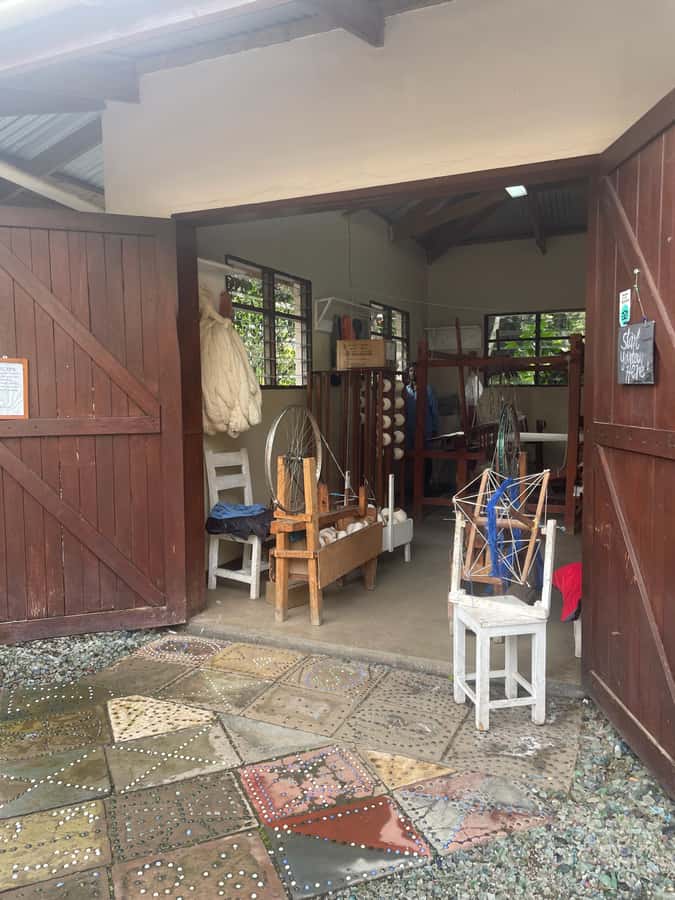
- A social enterprise with purpose: Meet artists with disabilities who make jewelry, blankets, and household items from recycled materials.
- Hotel transfers in Arusha: Pickup and drop-off are included, which keeps the day easy if you do not have your own transport.
- A good $29 value: Entry fees and refreshments are included, so the price covers more than a guided introduction.
- Flexible booking: You can reserve now and pay later, with a full refund available when you cancel at least 24 hours ahead.
Starting at the Cultural Heritage Centre
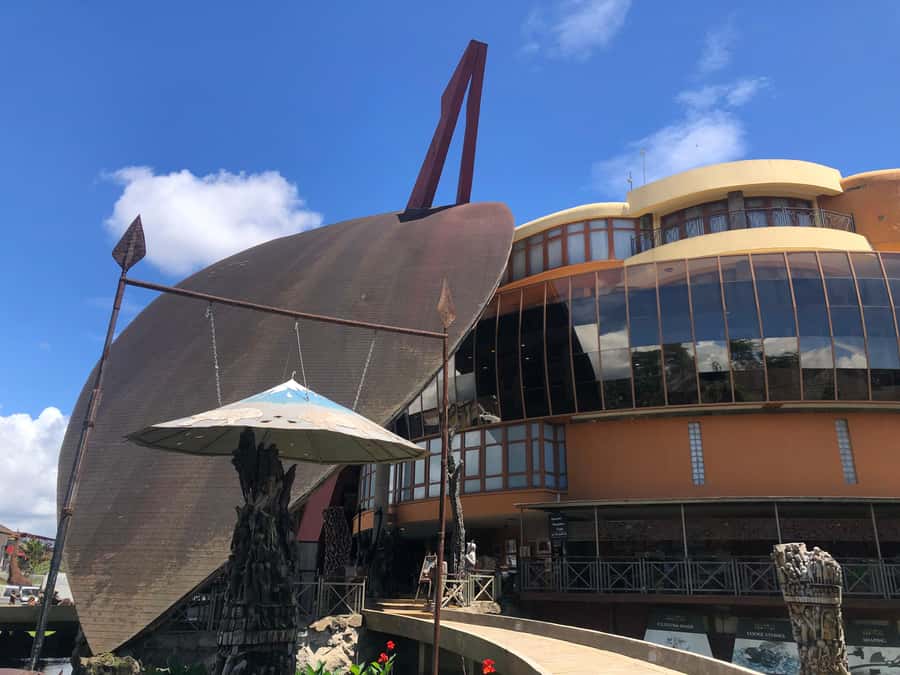
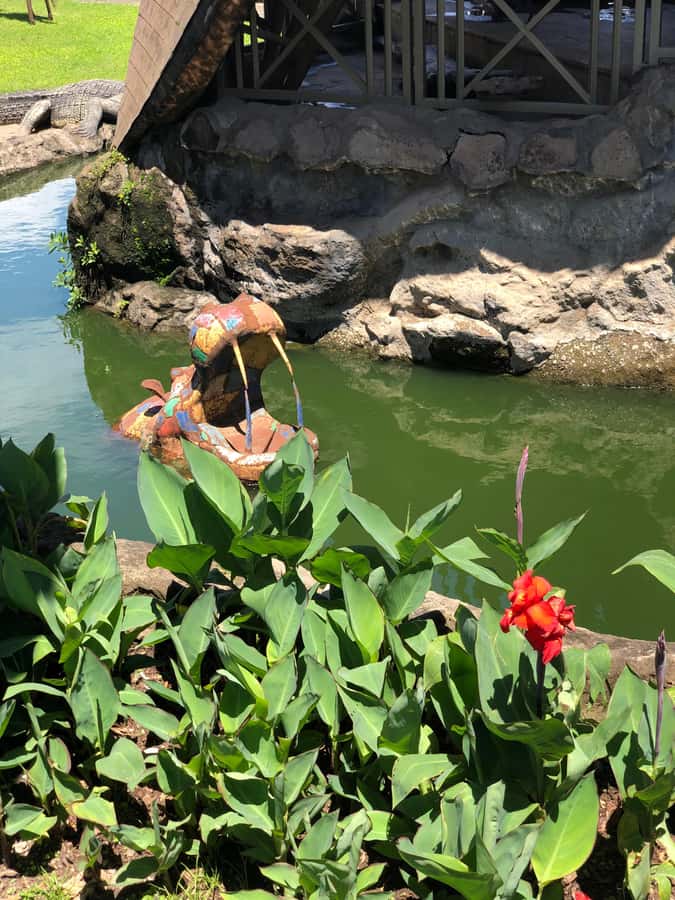
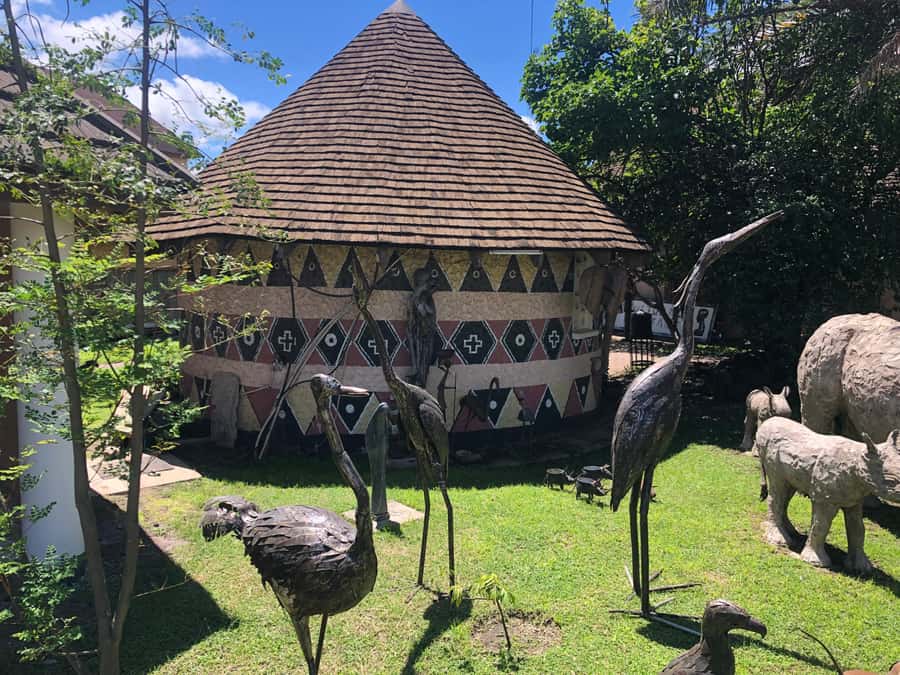
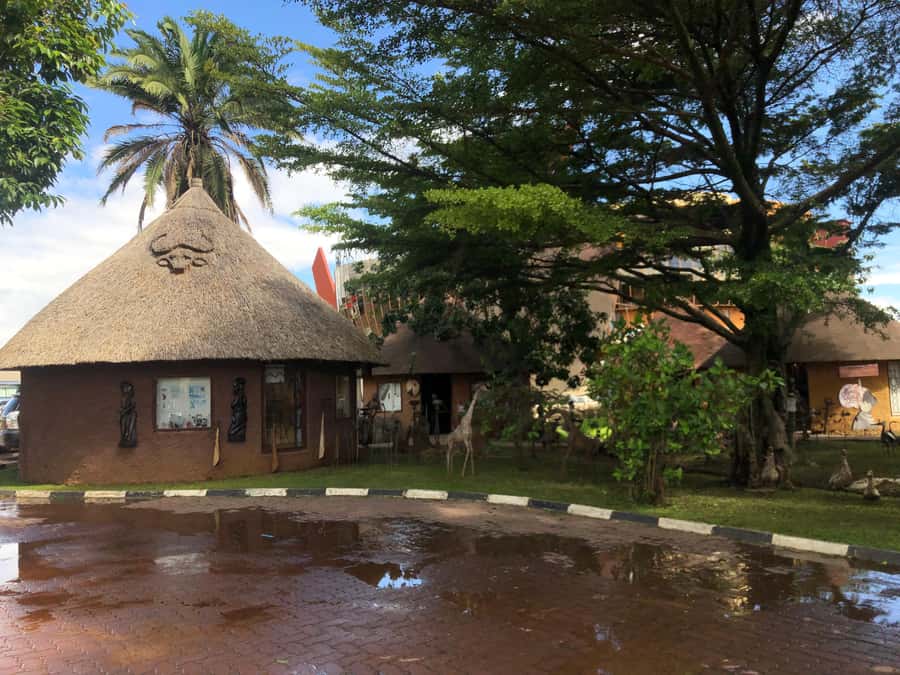
The Cultural Heritage Centre is the natural first stop because it gives you a broad introduction to African art before the tour narrows its focus to Tanzanite and local craft work. You can expect galleries filled with both traditional and contemporary pieces, including masks, sculptures, paintings, and cultural artifacts from across Africa.
That range matters. Instead of seeing one narrow style, you get a chance to compare objects made for different purposes and from different artistic traditions. Some pieces may catch you through their color or shape, while others invite questions about ceremony, daily life, or the materials used.
I like this stop for another reason: it works well for people who are still getting their bearings in Arusha. The centre offers a contained cultural visit, and a guide can help explain what you are seeing rather than leaving you to guess your way through a large collection.
The setting is described as beautifully designed, which adds to the experience. You are not simply stepping into a plain shop filled with souvenirs. The centre is intended as a place for art and culture, though you may also find pieces that tempt you to spend more time shopping.
That commercial side is worth keeping in mind. The tour is well suited to you if you enjoy browsing for unusual gifts, but you should not expect every object to be part of a formal museum display. The pleasure comes from seeing, asking questions, and deciding what speaks to you.
Bring a camera. Photography can help you remember the styles and objects that interest you, though it is sensible to follow any rules given inside the centre.
More Historical Tours in Arusha
- Arusha Guided Walking City Tour, Culture, Lifestyle & History
★ 5.0 · 150 reviews - Materuni Waterfalls & Coffee making Cultural Tour | BURIGI CHATO SAFARIS LTD
★ 5.0 · 15 reviews - Marangu waterfall & Coffee making Cultural Tour | BURIGI CHATO SAFARIS CO LTD
★ 5.0 · 12 reviews
Understanding Tanzanite beyond the jewelry counter
The Tanzanite portion gives the tour its strongest sense of place. Tanzanite is one of the world’s rarest gemstones and is found only in Tanzania, so this is not just a lesson about a pretty blue stone. It is a chance to connect a product with the country where it originates.
A specialist explains the stone’s journey from mining to processing and then to finished jewelry. That step-by-step approach is useful because a jewelry counter alone tells you very little about how a stone reached its final form.
You can expect to learn what makes Tanzanite unusual from both a scientific and cultural point of view. The supplied details do not spell out every technical fact covered, so I would treat this as an accessible introduction rather than a specialist geology course.
The guide’s role matters here. A friendly guide can help you ask practical questions, such as how raw material changes during processing or what separates a finished piece from an uncut stone. The experience received especially strong praise for being informative and for teaching visitors a great deal about Tanzanite.
If you are considering a purchase, give yourself permission to look without buying. The tour is valuable even if you leave without jewelry. You can learn how the stone is handled, see finished designs, and decide later if a purchase fits your budget.
If you do want a keepsake, this stop may be one of the more useful parts of the day. You are not only looking at a souvenir connected to Tanzania. You are learning the story behind it first, which makes it easier to judge whether the item feels meaningful to you.
Meeting artists at the local foundation
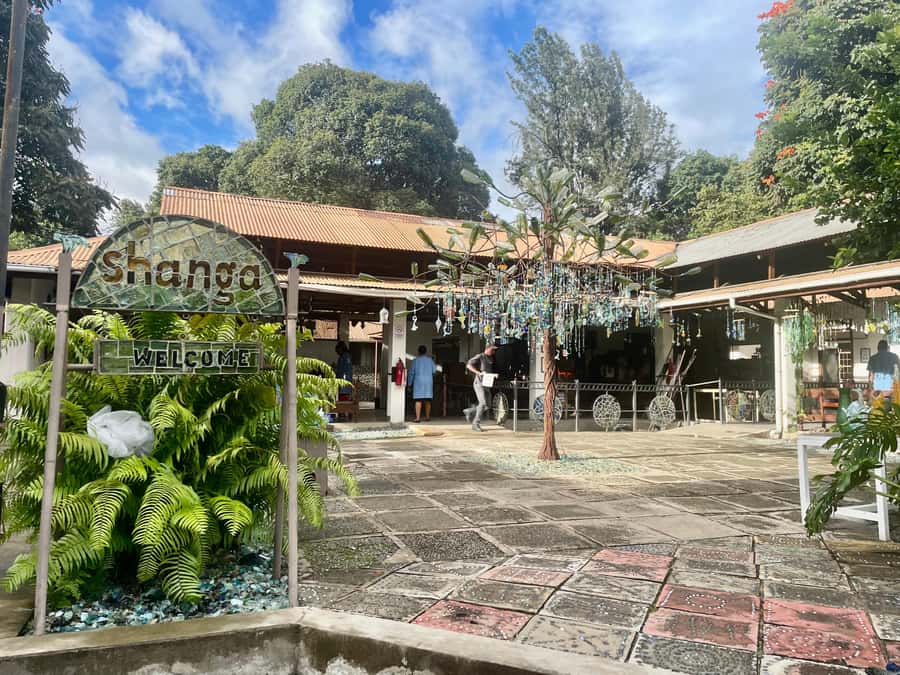
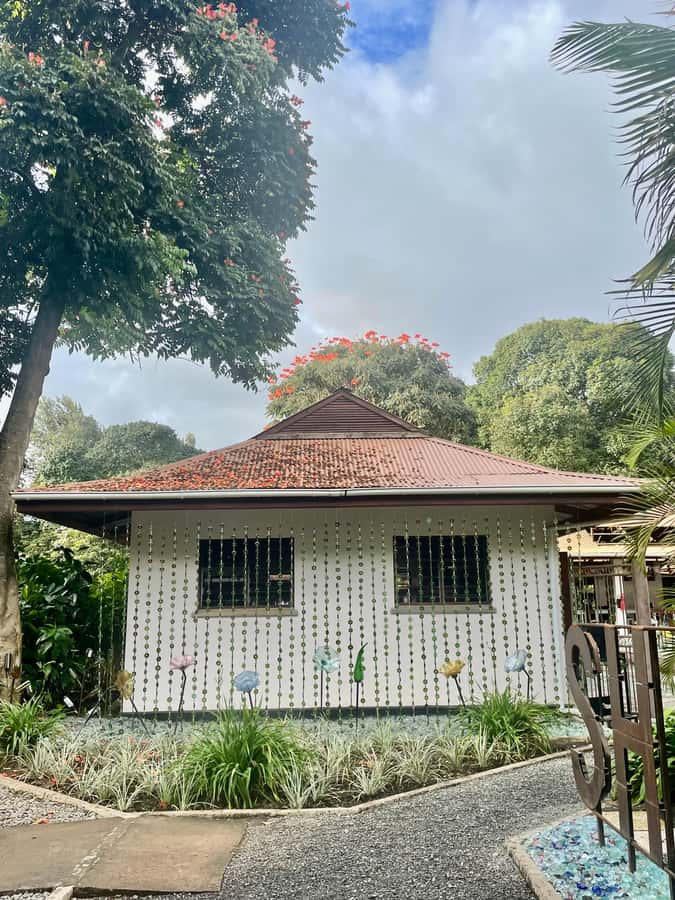
The final visit changes the mood in a welcome way. At a local foundation, people with disabilities create handmade goods from recycled materials. You may see jewelry, blankets, and household items, while also meeting the artists and hearing about their work.
This is not just another buying stop. The value comes from seeing how creative work can support people and reuse materials at the same time. A small item can carry a more personal connection when you have seen who made it and understood something about the process.
I especially like this part for visitors who want their shopping to feel connected to the community. The available information does not promise a workshop or a chance to make something yourself, so do not expect a hands-on craft lesson. Instead, you should expect a visit centered on meeting artists, seeing their products, and learning their stories.
The range of goods also makes this a practical stop for gifts. Jewelry is easy to pack, blankets may suit someone looking for a larger present, and household items can be useful rather than purely decorative. Prices and payment methods are not provided, so ask the guide or foundation staff before making plans to buy.
There is also a useful contrast between the three stops. The Cultural Heritage Centre presents art from across Africa. The Tanzanite visit focuses on a distinctly Tanzanian stone. The foundation brings you closer to local makers and recycled materials. That progression gives the tour more purpose than a simple gallery-and-shopping outing.
What the guide adds to the day
This experience depends on the guide more than a self-guided visit would. The guide links the art, gemstone, and foundation stops, explains what you are seeing, and helps the day feel like a connected cultural tour.
The strongest praise for the experience centers on a friendly, personable guide and clear information. That combination is important in Arusha, where a good local guide can turn a visit from a series of stops into a useful introduction to the city’s creative side.
English and Swahili are available. If you have questions about art, Tanzanite, or the foundation’s work, ask early rather than waiting until the end. The supplied details do not identify the individual guide, so you cannot request a named guide based on the information available.
You should also remember that this is a guided cultural visit, not a private art lecture. The level of detail may depend on the guide and on your questions. If you enjoy conversation and explanation, you are likely to get more from it than someone who prefers to browse silently.
More historical tours:
- Arusha: City Walking Tour Historic and Modern Highlights
★ 4.5 · 12 reviews - Arusha City Culture and Historical Walking Tour
★ 5.0 · 8 reviews - 24 Hours in Arusha—Arusha Museum, Cultural Heritage, Maasai Market, Shanga
★ 5.0 · 4 reviews - Zanzibar: Stone Town Historical Cultural Walking Guided Tour
★ 4.5 · 179 reviews
The value of the $29 price

At $29 per person, the price is reasonable because several basic costs are already covered. You receive hotel pickup and drop-off in Arusha, entry fees, refreshments, and guided visits to three different types of cultural stop.
That package reduces the small expenses that can add up during a half-day-style outing, though the exact length is not provided. You do not need to arrange transport between stops or pay separate admission charges based on the information available.
The value is strongest for you if you plan to visit the Cultural Heritage Centre or look for Tanzanite anyway. A guided explanation adds context, and the foundation visit gives you an experience you might not find by simply shopping on your own.
The price is less compelling if your main goal is only to buy a gemstone. In that case, you may prefer to compare jewelry independently and spend your time elsewhere. This tour earns its cost through the combination of art, education, local craft, and transport.
Refreshments are included, but the type is not specified. If you have dietary needs or want a full meal, ask ahead rather than assuming refreshments will replace lunch.
Who will enjoy this Arusha outing?
I would recommend this tour most strongly to art lovers, first-time visitors to Arusha, and anyone who wants an easy cultural break from a safari schedule. It also suits gift shoppers who prefer handmade items and want more context before buying.
Families may appreciate the variety, since masks, sculptures, jewelry, and recycled crafts offer different things to look at. The tour could also work well for couples or solo visitors who want a local guide and hotel transport without paying for a large, expensive private excursion.
It is less suitable for you if you want a full museum day, a long walking tour, or outdoor activity. The focus is on galleries, gemstones, crafts, and conversation. You should also avoid booking it with the expectation of seeing wildlife or major historic sites, since none of those are part of the stated program.
The tour’s accessibility details are not provided. If you need specific support, contact Uhuru Adventures before booking and ask what can be arranged at each stop.
Practical advice before you go
Carry a camera, as requested. You may want to photograph art, display pieces, and handmade products, though always follow the rules at each location.
Wear something comfortable for moving through galleries and visiting different venues. No special equipment is listed, and refreshments are included, but food details are not given.
Keep your schedule somewhat flexible. Hotel pickup and drop-off in Arusha are included, but no exact start time or total duration is stated. Confirm those details with Uhuru Adventures so you know how the outing fits around other plans.
If you are interested in buying Tanzanite, decide beforehand how much time you want to spend browsing and how much you are prepared to spend. The educational explanation is part of the value, so you do not need to treat the shopping portion as an obligation.
Booking is also relatively low-risk. You can reserve and pay later, and cancellation up to 24 hours in advance brings a full refund. That is useful if your Arusha plans may change.
Should you book the Cultural Heritage and Tanzanite Tour?
Book it if you want a friendly, low-cost introduction to Arusha’s art, Tanzanian Tanzanite, and community craft work. The best feature is the range: you move from a large African art collection to a locally specific gemstone story, then finish with artists making practical goods from recycled materials.
I would choose this tour over a simple shopping trip because the guide adds meaning to what you see. The strongest reasons to skip it are a lack of stated timing details and the fact that it will not suit anyone seeking wildlife or outdoor sights.
For $29, with transport, admission, and refreshments included, this is a sensible cultural add-on to time in Arusha. Bring your camera, ask questions, and treat the buying opportunities as optional. The art and stories are the main event.
FAQ
Where does the tour take place?
The tour takes place in Arusha, Tanzania, with visits to the Cultural Heritage Centre, a Tanzanite presentation, and a local foundation.
What is included in the price?
The $29 price includes hotel pickup and drop-off in Arusha, all entry fees, and refreshments.
Is Tanzanite found only in Tanzania?
Yes. The tour explains that Tanzanite is found only in Tanzania and covers how it is mined, processed, and made into jewelry.
What can I see at the Cultural Heritage Centre?
You can see contemporary and traditional African art, including sculptures, masks, paintings, and cultural artifacts from across the continent.
Will I meet local artists?
Yes. The final visit is to a local foundation where people with disabilities make handcrafted items from recycled materials.
What kinds of handmade goods may be available?
The information lists jewelry, blankets, and household items.
What languages are offered?
The tour is available in English and Swahili.
Is a guide included?
Yes. The experience is guided, and the guide helps explain the art, Tanzanite, and local foundation visit.
What should I bring?
Bring a camera.
Can I cancel for a full refund?
Yes. You can cancel up to 24 hours in advance for a full refund. You can also reserve the tour and pay later.
Just added around Arusha
- 5 Days Safari Tarangire, Serengeti, and Ngorongoro Crater★ 5.0 · 3 reviews
- 5 Days of Safari, Culture & Hot Springs – Tour from Arusha★ 5.0 · 3 reviews
- Love lives in Africa★ 5.0 · 3 reviews
- Arusha National Park Safari by Jeep★ 4.5 · 3 reviews
- 5Days Family _Group Tour Lodging Mid-Range in the Jungle★ 5.0 · 3 reviews
- Serengeti & Ngorongoro 3 Days Budget Safari★ 5.0 · 3 reviews
- 2 Days Tarangire and Ngorongoro Crater Tour★ 5.0 · 3 reviews
- 7 Days PRIVATE Best of Tanzania Safari *Departing everyday*★ 5.0 · 3 reviews
Historical Tours, compared.

Stone Town Historical Cultural Walking Guided Tour
Read our review →
Arusha Guided Walking City Tour, Culture, Lifestyle & History
Read our review →
Stone Town’s Hidden History: Private Guided Walking Tour
Read our review →


Browse the lists this tour appears in