
Reviewed · HISTORICAL TOURS
Arusha: City Walking Tour Historic and Modern Highlights
Arusha reveals itself one street at a time. This three-hour walk gives you a lively look at the city through Soko Kuu Central Market, the Clock Tower, and the Natural History Museum, with local snacks and artisan encounters along the way. I like that the tour focuses on ordinary city life rather than only polished sightseeing, and I also like that hotel pickup and drop-off are included in the $45 price.
The biggest strength is the guide-led format. Elia received especially warm praise for showing everyday Arusha, explaining plants and trees, and taking time with questions. The main consideration is that this is a walking tour for people who are comfortable on their feet, since it is not suitable for wheelchair users or people with mobility impairments.
In This Review
- Key points at a glance
- Why a city walk belongs in an Arusha itinerary
- Starting at Soko Kuu Central Market
- The Clock Tower and Arusha’s geographic marker
- Inside the Natural History Museum
- Streets, beadwork, and Tanzanian fabrics
- Traditional snacks add a local taste
- The guide makes or breaks the experience
- Is $45 a fair price?
- Comfort, clothing, and mobility
- Who will enjoy this Arusha walk?
- Booking flexibility and practical details
- Should you book the Arusha city walk?
- FAQ
- How long does the Arusha city walking tour last?
- What is the price of the tour?
- Is hotel pickup and drop-off included?
- Which places are visited?
- Is food included?
- What language is the tour offered in?
- What should I bring?
- Is the tour suitable for wheelchair users?
Key points at a glance

- Soko Kuu comes first: Expect produce, spices, crafts, and a close look at daily shopping in Arusha.
- The Clock Tower has a geographic story: The monument is linked to Arusha’s position between Cairo and Cape Town.
- The Natural History Museum adds context: Its setting in a German colonial fort connects local history with human evolution and culture.
- Snacks and artisans make the walk hands-on: You can sample traditional Tanzanian food and see beadwork and fabrics being made.
- Elia earned special praise: His attention to everyday life, local plants, and visitor questions made the experience especially strong.
- The walking matters: Wear comfortable shoes, light clothing, a hat, and sunscreen.
Why a city walk belongs in an Arusha itinerary
Arusha is widely known as Tanzania’s safari capital, but it is also a working city with its own character. A game drive can show you wildlife. This tour shows you where people shop, meet, work, and move through their day.
I like this kind of introduction before or after a safari. It gives you a better feel for the place behind the lodge gate. You see market stalls, city streets, historic buildings, food, fabrics, and small details that are easy to miss from a vehicle.
The experience lasts three hours, which is long enough to cover several important stops without turning into an exhausting full-day outing. The schedule also leaves room for a guide to explain what you are seeing instead of rushing from one photo stop to the next.
The tour is led in English by a live guide. That matters here because the value comes from conversation. You can ask about the market, the city’s past, local plants, cultural traditions, and the meaning behind what you see.
More Historical Tours in Arusha
- Arusha Guided Walking City Tour, Culture, Lifestyle & History
★ 5.0 · 150 reviews - Materuni Waterfalls & Coffee making Cultural Tour | BURIGI CHATO SAFARIS LTD
★ 5.0 · 15 reviews - Marangu waterfall & Coffee making Cultural Tour | BURIGI CHATO SAFARIS CO LTD
★ 5.0 · 12 reviews
Starting at Soko Kuu Central Market
Soko Kuu, or Central Market, is the most immediate introduction to Arusha. You can expect stalls filled with fresh produce, spices, handmade crafts, and other goods used in daily life.
Markets are often the best place to understand a city’s rhythm. Here, your guide can help you read the scene, point out unfamiliar foods, and explain how the market fits into local life. You are not simply walking past colorful displays. You are seeing a place where people come to buy what they need.
The market is also where a guide earns the $45 price. On your own, you could walk through the stalls, but you might not know what you are looking at or how to approach the setting respectfully. A local guide can provide context and help you focus on details you might otherwise pass over.
Keep your expectations practical. This is a working market, not a tidy shopping arcade designed for sightseeing. It may feel crowded, noisy, and active. That is part of its appeal, but it also means you should pay attention to your belongings and follow your guide’s lead.
The market visit can also be useful for anyone interested in food. Traditional Tanzanian snacks are included as part of the experience, although full meals and drinks are not. If you need a substantial meal, plan to eat separately.
The Clock Tower and Arusha’s geographic marker

The next major stop is Arusha’s Clock Tower Monument. It is presented as a symbol of the city’s position halfway between Cairo and Cape Town, giving the landmark a memorable geographic connection.
The Clock Tower is not just a quick photo stop. It helps place Arusha within the wider map of Africa and gives the walk a clear central landmark. Your guide can connect the monument to the city around it, helping you understand why this point matters to Arusha’s identity.
This stop also offers a change of pace after the market. You move from close-up sights such as produce, spices, and crafts to a public monument that helps orient you in the city.
Do not expect a long museum-style presentation here. The Clock Tower is best understood as a short, useful stop within the larger walk. Its value comes from the story attached to it and from seeing how it relates to Arusha’s streets.
Inside the Natural History Museum
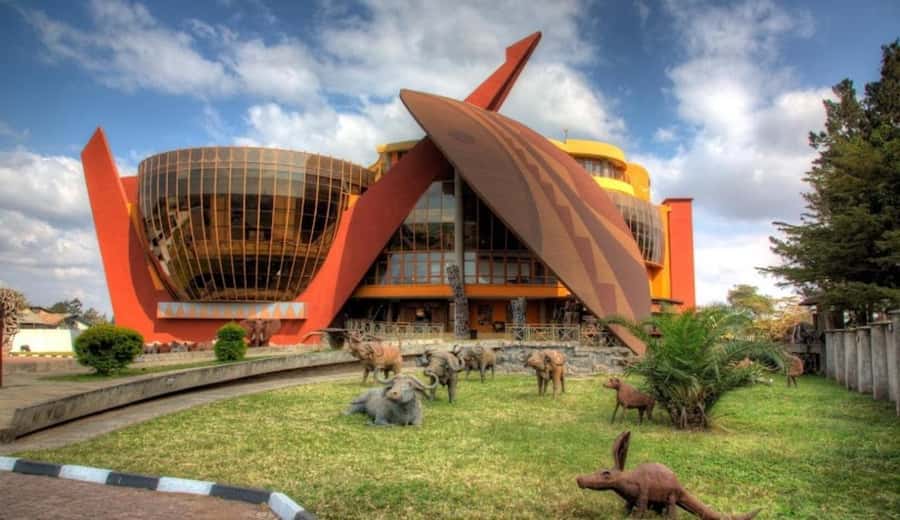
The Natural History Museum gives the tour a more historical and educational turn. It is housed in a German colonial fort, and the setting itself adds another layer to the visit.
Inside, you learn about human evolution and local cultures. That combination makes the museum more than a general history stop. It links broad questions about human origins with the people and traditions of the surrounding area.
I like this part of the route because it gives structure to what you have already seen outside. The market shows daily life in the present. The museum helps explain parts of the past and the cultural background of the region.
The fort setting may be of particular interest if you enjoy historic buildings. At the same time, you should remember that the museum visit is one part of a three-hour walk. This is not a full museum study session, and the amount of time available inside will depend on the tour’s pace and starting time.
The museum also provides a break from the open sun. Still, bring water and sun protection, since much of the experience takes place outdoors between stops.
More Walking Tours in Arusha
- 7-Day Private Tanzania Safari with Sunset Walking on the Crater Rim and Maasai
★ 5.0 · 40 reviews - 4 Days lodge safari Tarangire , Ngorongoro crater & Walking
★ 5.0 · 39 reviews - Tanzania – Arusha NP – Private Guided 4×4 Safari – Game Drive & Walking
★ 5.0 · 30 reviews - Private Walking Tour with Giraffes
★ 5.0 · 18 reviews
Streets, beadwork, and Tanzanian fabrics
Between the main landmarks, the tour takes you through Arusha’s streets. This in-between time is important. It lets you see the city as a connected place rather than a series of isolated attractions.
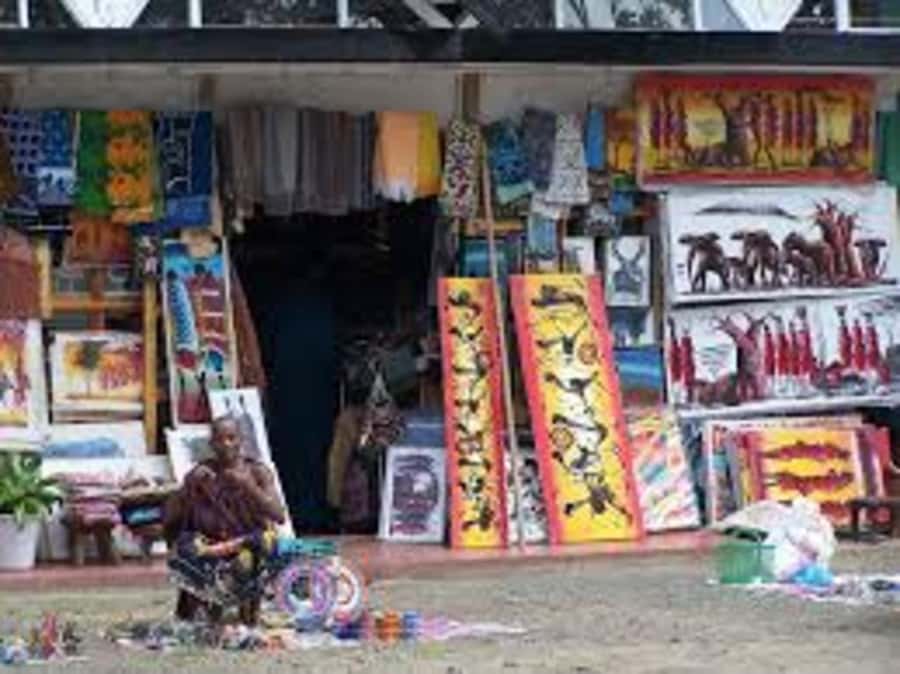
The walk includes opportunities to interact with local artisans working with beadwork and fabrics. These crafts offer a more personal view of local creativity and may give you a chance to see how designs, colors, and materials are used.
You may find items that appeal as souvenirs, but the value is not limited to shopping. Speaking with artisans can help you understand the work behind the finished piece. If you buy something, take your time and choose an item because you like it, not simply because it is easy to carry home.
The wording of the experience promises interaction with artisans, but it does not specify exactly what will be made, how long each encounter lasts, or what products cost. Treat this as an introduction to local craft rather than a formal workshop.
The streets also give you the best chance to notice small things. One strong point from Elia’s tour was his explanation of local plants and trees. That is a useful reminder that a good guide can make even an ordinary street more interesting.
Traditional snacks add a local taste
Food is included in a modest but worthwhile way. You have the chance to sample traditional Tanzanian snacks during the walk.
This is not a restaurant meal, and meals and drinks are not included in the price. Think of the snack tasting as a small window into local eating habits rather than a complete food tour.
I appreciate this approach because a quick taste can add meaning to a market visit without taking over the whole schedule. You get to try something connected to the place while continuing through the city.
If you have allergies, dietary restrictions, or strong food preferences, ask the guide about the snack before eating it. The available information does not identify the snack or list ingredients, so you should not assume it will meet a particular diet.
Bring your own water. It is specifically recommended, and three hours of walking in the sun can make hydration more important than the snack itself.
The guide makes or breaks the experience
The guide is the key reason to book this rather than walk around Arusha alone. Several ratings were very positive, and the strongest praise focused on guides who were friendly, attentive, and willing to answer questions.
Elia was singled out for showing everyday life in Arusha, explaining plants and trees, and giving visitors a better feel for the city’s atmosphere. That is exactly the sort of guiding that makes a city walk worthwhile. Facts about buildings are useful, but explanations of ordinary life are often what you remember.
Another guest described the guide as competent and pleasant, while Christian from Germany praised the time given to questions. Greg from the United Kingdom also highlighted the quality of the guide and the interest of the city tour.
The feedback is not perfect. One three-star rating offered little detail beyond liking the visit itself, so the experience may depend on the individual guide and on what you want from a city walk. If you want a tightly scripted sightseeing tour with many formal attractions, this may feel simple. If you prefer conversation and local context, it should suit you better.
Is $45 a fair price?
At $45 per person, this is not the cheapest way to spend three hours in Arusha. But the cost includes hotel pickup and drop-off, a guided city walk, snack sampling, and contact with local artisans.
The price is easier to justify if you value the guide. The market, Clock Tower, streets, and museum can be visited as separate places, but the guide connects them into a story and helps you understand what you are seeing.
The hotel transfer also adds practical value. The details do not state the exact pickup area or vehicle arrangements, so confirm those when booking. Still, having pickup and drop-off included can save you the effort of arranging local transport for a short activity.
For a solo visitor, couple, or small family looking for a first look at Arusha, $45 can be reasonable. For someone mainly seeking a cheap market visit, it may feel expensive. The decision comes down to how much you want explanation, local access, and a planned route.
Comfort, clothing, and mobility
This tour asks you to walk through city streets and market areas for three hours. Comfortable walking shoes are essential, not optional.
Wear light clothing, bring a sun hat, and use sunscreen. You should also carry water and a camera if you want photographs. Smoking is not allowed during the activity.
The experience is not suitable for people with mobility impairments or wheelchair users. The information does not provide a distance, pavement description, or rest schedule, so anyone concerned about walking should ask for more detail before paying.
Hotel pickup and drop-off are included, but do not mistake that for a vehicle-based tour. The main sightseeing is done on foot, and the walking portion is central to the experience.
Who will enjoy this Arusha walk?
I would recommend it to you if you want a first orientation to Arusha, enjoy markets, like asking questions, and prefer ordinary city life to a list of grand attractions.
It is also a good fit before a safari. You will have a better sense of the city that serves as a base for many northern Tanzania journeys, and you may return to the market or craft stalls later with more confidence.
The tour suits people who enjoy food samples, local crafts, historic places, and human stories in equal measure. It is less suited to anyone seeking a relaxed vehicle ride, a major food itinerary, or a long museum visit.
Families may appreciate the variety, but the three-hour walking time and market setting may be tiring for young children. Since no age policy is provided, check suitability before booking.
Booking flexibility and practical details
You can cancel up to 24 hours in advance for a full refund, and the reserve-now, pay-later option lets you keep your plans flexible. Starting times depend on availability, so check the schedule for your date.
The tour is offered in English. If you need another language, the available information does not confirm that one is offered.
The overall rating is 4.5 from 12 reviews, with several five-star ratings praising the guides and the city experience. That is encouraging, but the small number of ratings means I would focus most on the tour’s clear strengths and its walking requirements rather than treat the score as a guarantee.
Should you book the Arusha city walk?
Book it if you want Arusha explained by a local guide rather than viewed from a car window. The strongest reasons are the Central Market, the chance to taste a traditional snack, the artisan encounters, and the guide-led insight into everyday life.
I would be especially happy choosing this tour with Elia or another guide who takes time for questions and points out details such as plants and trees. The $45 cost is fair when the guiding is personal and the included hotel transfer is useful.
Skip it if you have limited mobility, dislike markets, or want a full meal, a long museum visit, or a wildlife experience. For everyone else, this is a practical three-hour introduction to Arusha that puts the city’s people and daily routines first.
FAQ
How long does the Arusha city walking tour last?
The tour lasts three hours.
What is the price of the tour?
The price is $45 per person.
Is hotel pickup and drop-off included?
Yes. Hotel pickup and drop-off are included.
Which places are visited?
The route includes Soko Kuu Central Market, the Clock Tower Monument, the Natural History Museum, Arusha’s streets, and areas where you can see beadwork and fabrics.
Is food included?
You have the opportunity to sample traditional Tanzanian snacks. Meals and drinks are not included.
What language is the tour offered in?
The tour has a live English-speaking guide.
What should I bring?
Bring comfortable shoes, a sun hat, a camera, and water. Sunscreen is also recommended.
Is the tour suitable for wheelchair users?
No. The experience is not suitable for wheelchair users or people with mobility impairments.
More Walking Tours
- Street Food and Community Walking Tour
★ 5.0 · 12 reviews - Coffee walk day trip
★ 5.0 · 10 reviews - 7 Days Tanzania Luxury Safari Experience & Coffee Walking Tour
★ 5.0 · 6 reviews - Waterfall & Coffee Walking Tour
★ 5.0 · 6 reviews
More Historical Tours
- Arusha City Culture and Historical Walking Tour
★ 5.0 · 8 reviews - 24 Hours in Arusha—Arusha Museum, Cultural Heritage, Maasai Market, Shanga
★ 5.0 · 4 reviews - Arusha: Cultural Heritage, Tanzanite Tour
★ 5.0 · 3 reviews - Zanzibar: Stone Town Historical Cultural Walking Guided Tour
★ 4.5 · 179 reviews
Just added around Arusha
- 5 Days Safari Tarangire, Serengeti, and Ngorongoro Crater★ 5.0 · 3 reviews
- 5 Days of Safari, Culture & Hot Springs – Tour from Arusha★ 5.0 · 3 reviews
- Love lives in Africa★ 5.0 · 3 reviews
- Arusha National Park Safari by Jeep★ 4.5 · 3 reviews
- 5Days Family _Group Tour Lodging Mid-Range in the Jungle★ 5.0 · 3 reviews
- Serengeti & Ngorongoro 3 Days Budget Safari★ 5.0 · 3 reviews
- 2 Days Tarangire and Ngorongoro Crater Tour★ 5.0 · 3 reviews
- 7 Days PRIVATE Best of Tanzania Safari *Departing everyday*★ 5.0 · 3 reviews
Historical Tours, compared.

Stone Town Historical Cultural Walking Guided Tour
Read our review →
Arusha Guided Walking City Tour, Culture, Lifestyle & History
Read our review →
Stone Town’s Hidden History: Private Guided Walking Tour
Read our review →


Browse the lists this tour appears in