
Reviewed · HISTORICAL TOURS
Arusha City Culture and Historical Walking Tour
Arusha reveals itself one street at a time. I like the mix of city history and daily life, from the Old Boma Museum to local markets, and I also like the chance to meet artisans while seeing Arusha at walking pace. The main consideration is that the Old Boma admission costs an extra $5, and five hours on busy city streets may feel long if you prefer a short sightseeing stop.
This private tour costs $35 per person and includes hotel pickup, drop-off, a guide, bottled water, and most entrance fees. I see it as a useful first look at Arusha, especially if you want more than a quick stop before a safari. It combines museums, shopping, public spaces, and neighborhood life without making you spend a full day on one attraction.
In This Review
- Five useful things to know before you book
- Why a five-hour walk works well in Arusha
- Old Boma Museum: Arusha’s colonial starting point
- Tanzanite Experience: A close look at Tanzania’s famous stone
- The Clock Tower and Arusha’s central meeting point
- Maasai Market: Shopping with room for conversation
- Arusha Chini: The most everyday part of the route
- Arusha Declaration Museum: Understanding Nyerere’s Tanzania
- What the $35 price includes
- Who will enjoy this tour most
- Practical advice for getting more from the day
- Should you book the Arusha walking tour?
- FAQ
- How long does the Arusha City Culture and Historical Walking Tour last?
- How much does the tour cost?
- Is hotel pickup and drop-off included?
- Is the tour private?
- Is admission to the Old Boma Museum included?
- Which attractions include admission in the tour price?
- Can I cancel for a full refund?
Five useful things to know before you book
- You get a private five-hour tour: Only your group takes part, so the pace and conversation should feel more personal than a large coach outing.
- The Old Boma costs an extra $5: Its admission is not included, unlike the Tanzanite Experience and Arusha Declaration Museum.
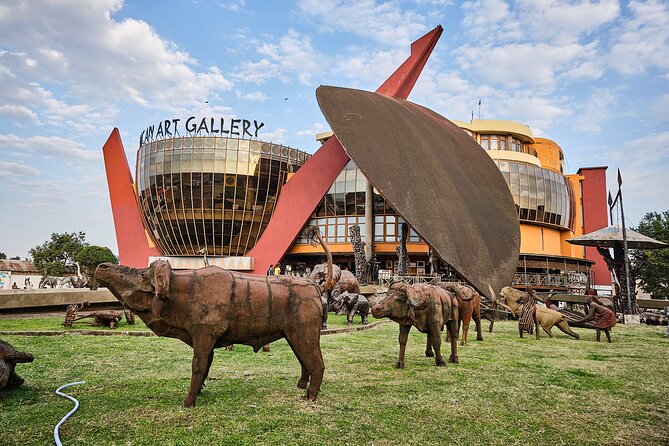
- The route mixes formal sights with ordinary city life: You move from museums and landmarks into markets, shops, and the Arusha Chini neighborhood.
- Pickup and drop-off are included: That makes the tour easier to fit around a hotel stay or a wider Tanzania itinerary.
- The strongest appeal is cultural contact: You can speak with local artisans, browse handmade goods, and possibly try street food such as samosas.
- The tour is best for first-time visitors: It gives you an introduction to Arusha’s past, public spaces, commerce, and local character in one morning or afternoon.
Why a five-hour walk works well in Arusha
Arusha is often treated as a base for safari trips, yet the city deserves some attention of its own. This tour gives you a way to see it as a living place rather than simply a starting point for another excursion.
The five-hour length allows room for different kinds of stops. You are not limited to taking a photo at the Clock Tower and returning to your hotel. Instead, you spend time inside museums, examine gemstones, browse crafts, and walk through an active neighborhood.
I like that balance. Museums provide context, while the markets and streets show how people use the city today. The route also gives you a chance to ask questions as you go, which is often more useful than reading a short caption beside a display.
Because this is a private activity, only your own group participates. That can be especially helpful for families, couples, and small groups with different interests. You can spend more time discussing Tanzanian history if that appeals to you, or focus on shopping and local food if those are your priorities.
The tradeoff is physical and practical. This is a walking tour lasting about five hours, so you should be comfortable spending much of the day on foot. The route includes public markets and busy streets, not just quiet museum rooms. Wear sensible shoes and keep your belongings secure in crowded areas.
More Historical Tours in Arusha
- Arusha Guided Walking City Tour, Culture, Lifestyle & History
★ 5.0 · 150 reviews - Materuni Waterfalls & Coffee making Cultural Tour | BURIGI CHATO SAFARIS LTD
★ 5.0 · 15 reviews - Marangu waterfall & Coffee making Cultural Tour | BURIGI CHATO SAFARIS CO LTD
★ 5.0 · 12 reviews
Old Boma Museum: Arusha’s colonial starting point
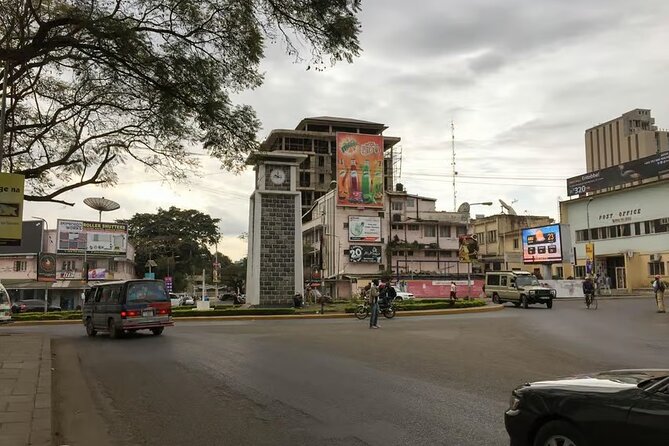
The Old Boma Museum occupies a former German military outpost, giving the first stop a strong connection to Arusha’s colonial past. The building itself is part of the story. Rather than viewing history in an anonymous modern gallery, you begin in a site that once served a military purpose.
Inside, the displays cover local tribes, natural history, and art. That makes the museum a useful orientation point before you encounter markets and neighborhoods. You can start to place Arusha within its wider cultural setting instead of seeing the city as a collection of unrelated stops.
The planned visit lasts about 45 minutes. That is enough time for a focused look, though not enough for a slow study of every display. Your guide can help connect the exhibits to the streets outside, which is one of the reasons this stop works better as part of a walking tour than as an isolated museum visit.
Admission is not included. You pay $5 at the entrance desk, so keep that extra cost in mind when working out your total budget. This is the clearest additional expense on the route.
Tanzanite Experience: A close look at Tanzania’s famous stone
The Tanzanite Experience gives the tour a different angle. This museum and retail space focuses on tanzanite, a rare gemstone associated with Tanzania.
You learn about the stone’s background, mining process, and importance. The visit also includes interactive displays and a look at cutting and polishing. That practical element matters. You are not only seeing finished jewelry behind glass, you are also getting an explanation of how a rough stone becomes a polished product.
The stop lasts around 30 minutes, and admission is included. There is also an opportunity to purchase certified tanzanite jewelry. I would treat the buying option as just that, an option, not an obligation. You can learn about the stone without making a purchase.
This stop suits anyone interested in jewelry, geology, mining, or locally connected products. It also breaks up the historical sections of the tour. After the Old Boma, you shift from military and cultural history to a modern commercial connection with Tanzania.
The Clock Tower and Arusha’s central meeting point
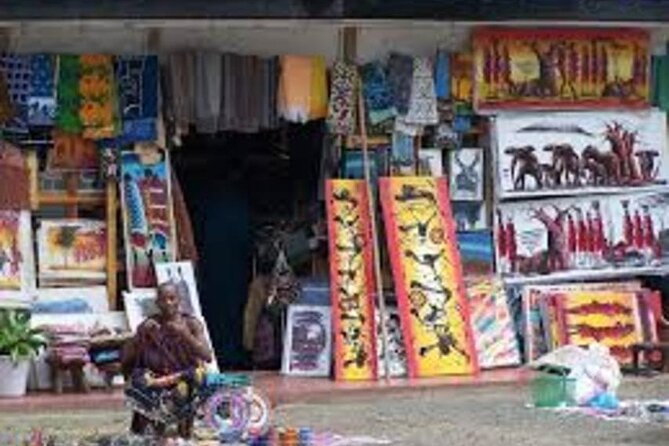
The Clock Tower is a short stop, just 15 minutes, but it helps you get oriented. Located on Boma Road, it is a central city landmark and a common meeting point.
The tower is often described as marking the midpoint between Cairo and Cape Town. That claim gives the site its memorable geographic identity, even though your visit will be brief. The more immediate value is its role in the city’s daily rhythm. Roads, shops, and people connect around this central point.
There is no admission charge. You will have time for photographs and a short explanation before moving on.
Do not expect a long museum visit here. The Clock Tower is a marker and a place to observe the city, not a major attraction requiring an hour. Its value comes from location and context. Your guide can explain why it matters to Arusha while you watch the center of town carry on around you.
More Walking Tours in Arusha
- 7-Day Private Tanzania Safari with Sunset Walking on the Crater Rim and Maasai
★ 5.0 · 40 reviews - 4 Days lodge safari Tarangire , Ngorongoro crater & Walking
★ 5.0 · 39 reviews - Tanzania – Arusha NP – Private Guided 4×4 Safari – Game Drive & Walking
★ 5.0 · 30 reviews - Private Walking Tour with Giraffes
★ 5.0 · 18 reviews
Maasai Market: Shopping with room for conversation
The Maasai Market Curios and Crafts is one of the more hands-on parts of the route. You can browse traditional Maasai jewelry, beaded crafts, wood carvings, textiles, and other handmade items.
This is a good place to slow down and look carefully. The products are more personal than standard airport souvenirs, and the stop includes interaction with local artisans. You can ask about materials, styles, and the work involved in making the pieces.
The visit is planned for about 25 minutes. That is enough for a quick browse, but it may feel short if you enjoy shopping or want to compare many items. If you already know you want crafts, ask your guide how much time is available so you can use the stop well.
Prices, payment methods, and bargaining details are not specified, so you should handle purchases as personal expenses. The tour price does not cover what you buy. Take your time, check an item carefully, and purchase only what you genuinely want to carry home.
This market also gives you a chance to see culture expressed through everyday objects. Beads, carvings, and textiles are not just decorative products. They can offer a practical starting point for questions about local design and craft traditions.
Arusha Chini: The most everyday part of the route

The one-hour stop in Arusha Chini is the longest section of the tour. This neighborhood is known for local markets, shops, cultural hubs, and community activity.
For me, this is where the tour moves furthest beyond landmark sightseeing. You see the kind of place where residents shop, eat, work, and meet. The experience is less polished than a museum or jewelry showroom, which is exactly why it can feel more revealing.
The neighborhood also offers a chance to experience local cuisine. The tour information does not promise a meal, but feedback about the experience describes trying street food, with samosas singled out as a favorite. Treat food purchases as optional and personal expenses, and ask your guide before eating if you have dietary concerns.
Colorful murals and friendly local contact have also been part of the experience described by past customers. Since conditions can change, you should view these as possibilities rather than guaranteed features at every visit. The core promise is time in the neighborhood, its markets, shops, and cultural spaces.
This is also the part that may require the most flexibility. Markets are active places, and the pace may not be as controlled as it is inside a museum. Stay close to your guide, keep valuables secure, and expect some waiting or changes in rhythm.
Arusha Declaration Museum: Understanding Nyerere’s Tanzania
The final major stop is the Arusha Declaration Museum, with about 40 minutes set aside for the visit. It focuses on the Arusha Declaration of 1967 and Tanzania’s period of socialism and self-reliance.
This stop gives political context to the city and country. The displays cover the principles of the declaration, its effect on Tanzania’s social and economic development, and the life of Julius Nyerere, the country’s first president.
I appreciate the placement of this museum near the end. By then, you have seen colonial history, local crafts, commerce, and neighborhood life. The museum adds another layer by explaining the political ideas that shaped modern Tanzania.
Admission is included. The forty-minute visit should give you a clear introduction, although visitors who have a strong interest in Nyerere or African political history may want more time than the schedule allows.
Do not expect this to be a light entertainment stop. The subject is serious, and the museum is most useful if you are willing to think about how national policy affects ordinary life. Your guide’s explanations can help make the material easier to follow.
What the $35 price includes
At $35 per person, the tour offers solid value if you use the full route. You receive about five hours with a guide, hotel pickup and drop-off, bottled water, and included admission to the Tanzanite Experience and Arusha Declaration Museum.
You also receive access to a private tour format. That matters more than it might first appear. A private group can ask questions freely, pause for photographs, and spend more attention on markets or history according to its interests.
The Old Boma’s $5 fee is the main extra cost. Meals, drinks beyond the provided bottled water, purchases, and other personal expenses are not included.
I would compare the price with what you want from a city tour. If you only want to see the Clock Tower, $35 may feel unnecessary. If you want a guided introduction covering six distinct parts of Arusha, including museums and local commerce, the price is easier to justify.
The tour is booked well in advance on average, around 172 days. That suggests you should not leave it until the last minute if the timing matters to your plans. Confirmation is provided at booking, and a mobile ticket is available.
Who will enjoy this tour most
I would recommend this experience to first-time visitors staying in Arusha, people with a free day before or after safari, and anyone who wants city context rather than only wildlife activities.
It should suit:
- Couples and families wanting a private introduction to the city
- History fans interested in German colonial rule and the Arusha Declaration
- Shoppers looking for jewelry, carvings, textiles, and beadwork
- Visitors curious about tanzanite and its production
- People who enjoy markets, murals, street scenes, and local food
- Small groups that prefer a guide to organize transport and timing
It may be less suitable if you dislike walking, crowded public areas, shopping stops, or political museums. It is also not the best choice for someone looking only for a quick two-hour orientation.
Most people can participate, and the tour is near public transportation. Pickup is offered, which reduces the need to arrange your own way to the starting point. The available information does not provide a detailed accessibility plan, so you should ask the provider about any specific mobility needs before booking.
Practical advice for getting more from the day
Start with realistic expectations. This is not a luxury sightseeing drive with a short photo stop at each landmark. It is a city walk that combines formal attractions with ordinary commercial areas.
Wear comfortable footwear and bring a small amount of spending money for the Old Boma admission, food, and crafts. Bottled water is included, but meals and other drinks are not.
Keep your schedule flexible. Each stop has an approximate duration, and a market visit can feel different from a museum visit. If you are particularly interested in tanzanite, crafts, or political history, tell your guide early so the conversation can follow your interests.
The tour includes hotel pickup and drop-off, group discounts, and a mobile ticket. It is also a private activity, so you are not sharing the outing with unrelated participants.
Cancellation is free up to 24 hours before the start time for a full refund. Cancellations or changes made less than 24 hours before the experience are not accepted for a refund, and the cut-off follows local time.
Should you book the Arusha walking tour?
I would book it if you want a well-rounded first look at Arusha and value a private guide, hotel transport, museums, markets, and local contact in one package.
The best parts are the variety and the one-hour visit to Arusha Chini. The route does not reduce the city to a single monument. It gives you colonial context at the Old Boma, a look at tanzanite, a central landmark, handmade crafts, neighborhood life, and the political story behind the Arusha Declaration.
Think twice if you want a short, quiet outing or if you are not comfortable walking for several hours. Remember the extra $5 Old Boma fee and leave room in your budget for food and purchases.
For most first-time visitors with half a day available, this is a practical way to meet Arusha before heading into the countryside. It offers enough structure to make the city easy to understand, while still leaving room for the unscripted moments that make a street tour worthwhile.
FAQ
How long does the Arusha City Culture and Historical Walking Tour last?
The tour lasts approximately five hours.
How much does the tour cost?
The listed price is $35 per person. Group discounts are offered.
Is hotel pickup and drop-off included?
Yes. Hotel pickup and drop-off are included.
Is the tour private?
Yes. Only your group participates in the private tour or activity.
Is admission to the Old Boma Museum included?
No. Old Boma Museum admission costs $5 and is paid at the entrance desk.
Which attractions include admission in the tour price?
Admission to the Tanzanite Experience and Arusha Declaration Museum is included. The Clock Tower and Maasai Market have no separate admission charge listed.
Can I cancel for a full refund?
Yes. You can cancel at least 24 hours before the experience start time for a full refund. Cancellations or changes made less than 24 hours before the start time are not accepted for a refund.
More Walking Tours
- Street Food and Community Walking Tour
★ 5.0 · 12 reviews - Coffee walk day trip
★ 5.0 · 10 reviews - 7 Days Tanzania Luxury Safari Experience & Coffee Walking Tour
★ 5.0 · 6 reviews - Waterfall & Coffee Walking Tour
★ 5.0 · 6 reviews
More Historical Tours
- Arusha: City Walking Tour Historic and Modern Highlights
★ 4.5 · 12 reviews - 24 Hours in Arusha—Arusha Museum, Cultural Heritage, Maasai Market, Shanga
★ 5.0 · 4 reviews - Arusha: Cultural Heritage, Tanzanite Tour
★ 5.0 · 3 reviews - Zanzibar: Stone Town Historical Cultural Walking Guided Tour
★ 4.5 · 179 reviews
Just added around Arusha
- 5 Days Safari Tarangire, Serengeti, and Ngorongoro Crater★ 5.0 · 3 reviews
- Love lives in Africa★ 5.0 · 3 reviews
- 5 Days of Safari, Culture & Hot Springs – Tour from Arusha★ 5.0 · 3 reviews
- Arusha National Park Safari by Jeep★ 4.5 · 3 reviews
- 5Days Family _Group Tour Lodging Mid-Range in the Jungle★ 5.0 · 3 reviews
- Serengeti & Ngorongoro 3 Days Budget Safari★ 5.0 · 3 reviews
- 2 Days Tarangire and Ngorongoro Crater Tour★ 5.0 · 3 reviews
- 7 Days PRIVATE Best of Tanzania Safari *Departing everyday*★ 5.0 · 3 reviews
Historical Tours, compared.

Stone Town Historical Cultural Walking Guided Tour
Read our review →
Arusha Guided Walking City Tour, Culture, Lifestyle & History
Read our review →
Stone Town’s Hidden History: Private Guided Walking Tour
Read our review →


Browse the lists this tour appears in