
Reviewed · COFFEE EXPERIENCES
Coffee walk with stay in the village
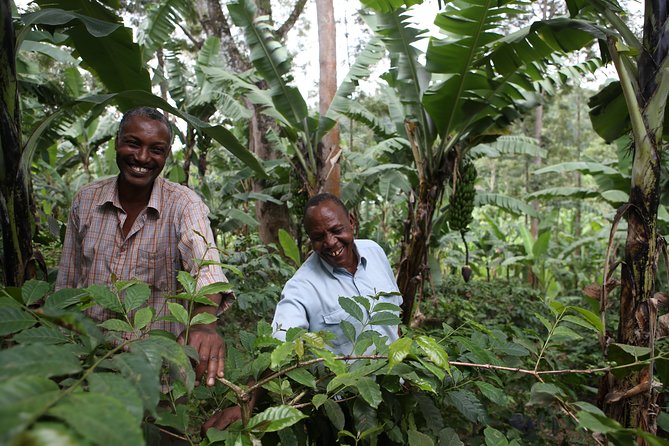
Coffee tastes better when you know its journey. This three-day stay near Arusha takes you from a town pickup to a working coffee village, where you walk among organic trees, learn how beans are processed, and sleep on the farm itself. I like the small-scale village setting and the chance to meet the people behind Tanzania’s coffee, rather than simply touring a polished tasting room. I also like that the farm pays producers about three times the usual price and avoids chemical sprays.
The main consideration is the walking. Day two includes a village stroll, a walk to the coffee farm, and another 30 to 40 minutes downhill to the roaster. The $270 price is not a quick coffee tasting, either. It covers transport, two nights, breakfast, dinner, lunch, and a private experience, so it makes the most sense if you want a slower cultural stay, not just a short activity.
In This Review
- Key points to know before you book
- Why this coffee stay is different from a quick farm tour
- Arriving from Arusha at 5 p.m.
- Day two starts with village life
- Seeing organic coffee from tree to bean
- A Tanzanian lunch in the garden
- Two nights at the guesthouse
- Returning to Arusha after a quiet breakfast
- Is $270 per person a fair price?
- Who will enjoy this most?
- Practical advice for a better stay
- Should you book the coffee walk?
- FAQ
- Where does the coffee walk take place?
- How long does the experience last?
- What time is pickup from Arusha?
- Is transportation included?
- Is this a private tour?
- What food is included?
- Can I cancel for a full refund?
Key points to know before you book
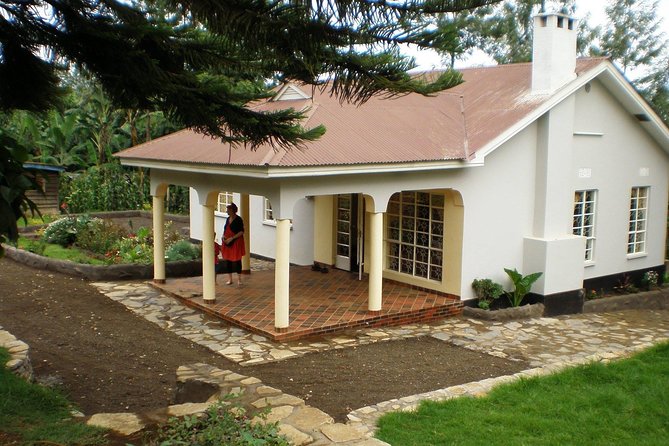
- You sleep on the coffee farm: Two nights at the guesthouse put you in the same village where the coffee is grown and processed.
- The tour supports organic Fairtrade production: The farm avoids chemical sprays and pays farmers about three times the normal price.
- Samwel is a highlight: He leads the coffee walk and explains local plants, customs, village life, and coffee production.
- Day two is active: Expect walking through the village, up to the organic farm, and down to the roaster.
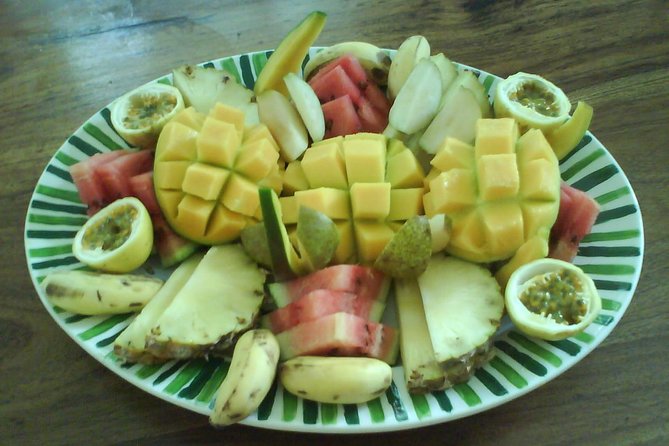
- Meals are part of the experience: Breakfast and dinner come from the guesthouse kitchen, while lunch includes chapati, roasted banana, rice, ugali, goat sauce, spinach, salad, and fruit.
- It is a private activity: Only your own group takes part, and pickup from Arusha or the airport can be arranged.
Why this coffee stay is different from a quick farm tour
Many coffee activities near Arusha last a few hours. This one gives you two nights in the village, which changes the pace completely. Instead of arriving, looking at a few trees, drinking a cup, and heading back to town, you have time to settle into the guesthouse and see how coffee fits into daily life.
The setting is Nkoaranga Village, according to the experience details shared by the operator and past visitors. The coffee farm guesthouse sits in the same community as the production area. That means your stay supports more than a single guide or tasting. Your money helps keep a small Fairtrade operation running, and you see the village as a place where people live, work, attend school, worship, and farm.
I especially value the explanation behind the Fairtrade claim. Coffee farming can involve a long chain between the grower and your cup, and the person tending the trees may receive only a small part of the final price. Here, the stated payment is about three times the normal rate. The farm also uses no chemical sprays, which matters both for the people working among the trees and for the way the coffee is produced.
That does not turn the trip into an economics lecture. The practical lesson comes while you walk and watch the work. You learn how coffee moves from seed to plant, from fruit to bean, and from bean to roasted coffee. For anyone who drinks coffee every day, that chain is worth seeing once.
More Coffee Tours in Arusha
- Materuni Waterfalls, coffee tour & Kikuletwa Hot Springs
★ 5.0 · 643 reviews - Materuni waterfalls coffee tour & Chemka hot springs Day trip
★ 5.0 · 131 reviews - Maasai village visit, Materuni waterfalls & coffee experience
★ 4.5 · 95 reviews
Arriving from Arusha at 5 p.m.
Pickup from Arusha town is set for 5 p.m., and the drive to the village takes roughly 30 to 40 minutes. You provide the pickup location when booking. Airport pickup is also possible, which can be useful if this is your first stop after landing.
The short drive matters because you do not lose an entire day getting there. You leave Arusha in the late afternoon, reach the guesthouse, check into your room, and still have time for a brief village walk before dinner. The first evening is gentle rather than packed with activities. I like that choice. After a flight or a long transfer, a simple meal and a little orientation often work better than a forced sightseeing schedule.
The village walk gives you a first look at the setting, but do not expect a formal guided tour on arrival. The detailed walk comes the next morning. Dinner is prepared by the guesthouse chef, and the stay includes a homemade breakfast and dinner. Since the food is part of the price, you do not need to plan separate evening meals in the village.
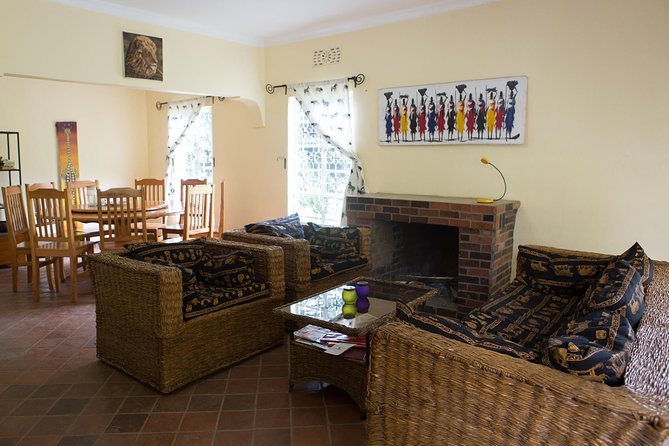
The accommodation is a guesthouse in a working coffee setting, not a large hotel. The available information describes a beautiful garden and a friendly team, but it does not give a room-by-room breakdown. If you need a particular bed setup or have special accommodation needs, ask before paying.
Day two starts with village life

Breakfast comes before the main coffee walk. At about 9:30 a.m., your coffee guide meets you at the guesthouse. The timing gives you a slow morning, so you are not being pushed out the door at sunrise.
The first part of the walk goes toward the village center. Along the way, you see the hospital, primary school, secondary school, an orphanage, and what is described as the oldest church on the mountain. These are not detached sights behind ticket gates. They help you understand the village as a functioning community, where coffee is only one part of local life.
Samwel is the guide to look forward to. He grew up in the area and brings local knowledge of plants, customs, and traditions to the walk. His friendly, conversational style received especially strong praise, and that matters here because the experience depends on questions and discussion. You are not just following a coffee script. You have a chance to ask how farming and village life connect.
The walking also gives the day a more natural rhythm. You move from the guesthouse to the center, then out toward the farm, rather than being driven from one isolated stop to another. Wear shoes that are comfortable for uneven paths, and remember that the return route includes a downhill walk of 30 to 40 minutes. The tour data does not describe the terrain in detail, so anyone with mobility concerns should ask the operator for current conditions before booking.
Seeing organic coffee from tree to bean
At the organic coffee farm, the focus shifts from village life to production. The guide explains the difference between traditional and organic methods, and you see where the coffee begins its long route to your cup.
The value here is the comparison. Organic production is not just a label on a bag in a shop. You see the trees and learn what it means when the farm does not spray them with chemicals. That has a direct human side: fewer chemical exposures for the farmer. It also gives you a clearer picture of what the organic claim means before the beans are roasted.
The experience description does not promise that you will harvest coffee, operate every machine, or complete a full barista workshop. I would book it for the farm walk and the explanation, not for a hands-on roasting class. The emphasis is on learning how coffee is grown and processed, with the guide connecting the work to local traditions.
After the farm, you walk downhill for 30 to 40 minutes to the roaster. This is an important detail when planning your day. The walk is part of the experience, but it may feel tiring in heat or after time on foot around the farm. Bring water, sun protection, and practical shoes. The exact schedule allows about six hours for the second day, so there is no need to rush from one station to the next.
More Walking Tours in Arusha
- Arusha Guided Walking City Tour, Culture, Lifestyle & History
★ 5.0 · 150 reviews - 7-Day Private Tanzania Safari with Sunset Walking on the Crater Rim and Maasai
★ 5.0 · 40 reviews - 4 Days lodge safari Tarangire , Ngorongoro crater & Walking
★ 5.0 · 39 reviews - Tanzania – Arusha NP – Private Guided 4×4 Safari – Game Drive & Walking
★ 5.0 · 30 reviews
A Tanzanian lunch in the garden

Lunch is served in the garden near the roaster, adding another local touch to the day. The menu includes chapati, roasted banana, rice, ugali, goat sauce, spinach, salad, and fruit.
This is not a token snack between activities. It is a substantial meal built around familiar Tanzanian foods. Ugali gives you a chance to try one of the country’s basic staples, while chapati and roasted banana bring different textures and flavors to the plate. Goat sauce adds a local specialty, though anyone with dietary restrictions should ask in advance about substitutions.
The meals are one of the strongest reasons to stay overnight instead of booking only a short coffee outing. You eat breakfast and dinner at the guesthouse, then lunch in the garden during the coffee walk. Food becomes part of the cultural exchange, not an afterthought bought from a roadside stop.
I would also allow time to talk over lunch. The best parts of this type of visit often happen between the scheduled stops, when you can ask about the farm, the community, and coffee prices without watching the clock.
Two nights at the guesthouse
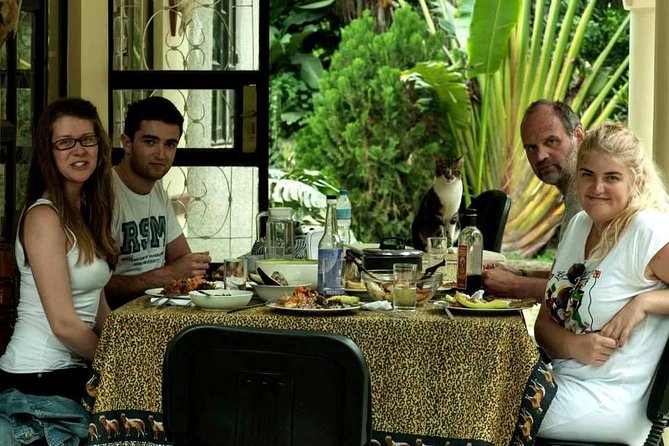
The accommodation is central to the experience. You spend two nights at the guesthouse in the coffee village, with the farm close by and the garden available for meals and downtime. The setting has been praised for its attractive garden, homemade food, and welcoming staff.
Staying two nights also gives you a better feel for the village than a same-day visit. You arrive in the evening, wake up there, spend the next day walking through the community, and have one more morning before returning to Arusha. That extra time is useful if you are building a longer Tanzania trip and want a quiet pause between city travel, safari, or mountain plans.
Do keep your expectations practical. This is a village guesthouse linked to a coffee project, not a resort with a long list of facilities. The supplied information does not list a pool, gym, air conditioning, or private room features. If those details matter to you, confirm them directly before booking.
The stay suits people who enjoy simple accommodation, local meals, and conversation. It may be less suitable if you prefer a tightly scheduled sightseeing program or a polished hotel base. You are paying partly for a place to sleep, but also for time in a working community.
Returning to Arusha after a quiet breakfast
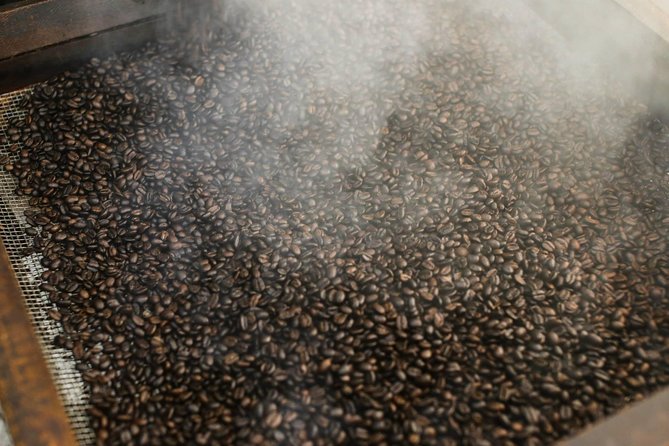
Day three begins with a slow breakfast. There is no early coffee walk or packed morning program. After breakfast, the operator drives you back to Arusha town, with the return portion listed at about three hours.
That timing gives you room to continue with the next stage of your Tanzania trip. You might be heading toward a safari or another activity, but the exact onward plan is up to you. The important point is to check your schedule before booking. A three-hour return transfer can fit neatly before an afternoon plan, but it is not wise to place an important fixed departure too close to the expected arrival.
The slow final morning is a good match for the tone of the stay. This is not a sprint through coffee production. It is a short village break built around walking, meals, and a closer look at the people who grow and process coffee.
Is $270 per person a fair price?
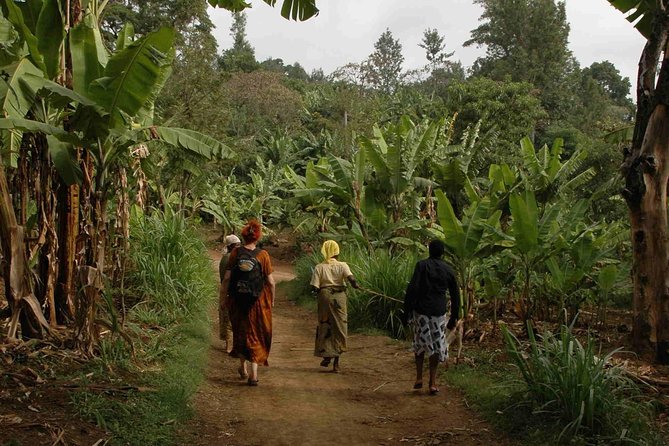
At $270 per person, the cost looks high if you compare it with a basic half-day coffee tour. That comparison misses most of what is included. You receive pickup and return transport, two nights at the guesthouse, breakfast, dinner, the guided coffee walk, lunch, and a private activity for your group.
The price also supports a stated Fairtrade structure. The operator says farmers receive about three times the normal price, and the farm is organic. If paying more for a small operation with a clearer benefit to producers matters to you, the extra cost has a practical reason behind it.
I see the best value for couples or small private groups who want a village stay. The price becomes harder to justify if you only care about tasting coffee or have limited time in Arusha. In that case, a shorter activity may suit you better, though it would not offer the same connection to the farm or community.
Group discounts are available, but the amount is not specified. Ask for the exact price before booking if you are traveling with several people. Since the activity is private, you do not share the walking schedule with strangers, which can make the day more relaxed and flexible.
Who will enjoy this most?
I would recommend the experience to you if you:
- Drink coffee and want to understand how it is grown and processed
- Prefer a local guesthouse to a standard hotel
- Like walking through villages and talking with a guide
- Care about organic farming and fair payment for producers
- Want a quiet two-night stop near Arusha
- Enjoy trying home-cooked Tanzanian food
It is also a good choice for couples. One couple used the coffee guesthouse as part of a longer Tanzania trip and combined it with a private safari. The stay can work well as a softer start or finish to a more demanding itinerary.
I would think twice if you have difficulty with walking, want luxury facilities, or need a tightly controlled timetable. The tour is not described as inaccessible, and most people can participate, but the day includes several walks and a downhill section. Ask about current paths and room arrangements before committing.
Practical advice for a better stay
Tell the operator exactly where to collect you in Arusha. Airport pickup is possible, but it should be arranged rather than assumed.
Plan for the weather and the walking. Comfortable footwear is more useful than stylish footwear, and a small day bag will make the farm and roaster walks easier. The experience details do not list a required packing list, so keep your kit simple and practical.
Ask about food needs before arrival. The included menu contains goat, dairy may be present in some dishes, and the exact breakfast and dinner offerings are not specified. The kitchen prepares homemade meals, which is a strength, but advance notice helps the chef plan.
The operator accepts mobile tickets, offers group discounts, and confirms bookings at the time of reservation. Free cancellation is available up to 24 hours before the start time. Changes or cancellations inside that window are not accepted for a refund, so watch the local cutoff time.
Should you book the coffee walk?
Book it if you want coffee explained in its real setting, with time to meet a local guide, walk through a village, eat home-cooked food, and sleep on a working farm. The strongest reasons are the organic and Fairtrade focus, the personal style of Samwel, and the chance to see more than a polished tasting counter.
Skip it if your schedule allows only a few hours in Arusha or if the walking and simple guesthouse setup do not fit your style. For the right person, $270 buys more than coffee. It buys a small, private window into how a Tanzanian village grows, processes, serves, and lives with the drink many of us take for granted.
FAQ
Where does the coffee walk take place?
The experience takes place in a coffee-producing village in the Arusha Region, with the guesthouse and coffee farm in the same village. The village is identified as Nkoaranga in the experience information.
How long does the experience last?
The stay lasts approximately three days and includes two nights at the guesthouse.
What time is pickup from Arusha?
Pickup from Arusha town is scheduled for 5 p.m. on the first day. Airport pickup is also possible if arranged.
Is transportation included?
Yes. The operator collects you in Arusha, drives you to the village, and returns you to Arusha on the third day.
Is this a private tour?
Yes. Only your own group participates in the activity.
What food is included?
Breakfast and dinner are served at the guesthouse. Lunch in the garden includes chapati, roasted banana, rice, ugali, goat sauce, spinach, salad, and fruit.
Can I cancel for a full refund?
Yes, if you cancel at least 24 hours before the experience start time. Cancellations or changes made less than 24 hours in advance are not refunded.
More Walking Tours
- Private Walking Tour with Giraffes
★ 5.0 · 18 reviews - Street Food and Community Walking Tour
★ 5.0 · 12 reviews - Arusha: City Walking Tour Historic and Modern Highlights
★ 4.5 · 12 reviews - Coffee walk day trip
★ 5.0 · 10 reviews
More Coffee Tours
- Materuni Waterfalls & Coffee Tour from Moshi
★ 5.0 · 92 reviews - Arusha: Materuni Waterfalls, Coffee, and Hotsprings Tour
★ 4.8 · 78 reviews - Coffee tour and Buffet Lunch with Kingstone Asilia (Arusha)
★ 5.0 · 74 reviews - Materuni waterfalls,coffee tour & Kikuletwa(Chemka)Hot Springs
★ 5.0 · 49 reviews
Just added around Arusha
- 5 Days Safari Tarangire, Serengeti, and Ngorongoro Crater★ 5.0 · 3 reviews
- Love lives in Africa★ 5.0 · 3 reviews
- 5 Days of Safari, Culture & Hot Springs – Tour from Arusha★ 5.0 · 3 reviews
- Arusha National Park Safari by Jeep★ 4.5 · 3 reviews
- 5Days Family _Group Tour Lodging Mid-Range in the Jungle★ 5.0 · 3 reviews
- Serengeti & Ngorongoro 3 Days Budget Safari★ 5.0 · 3 reviews
- 2 Days Tarangire and Ngorongoro Crater Tour★ 5.0 · 3 reviews
- 7 Days PRIVATE Best of Tanzania Safari *Departing everyday*★ 5.0 · 3 reviews
Coffee Experiences, compared.
Materuni Waterfalls, coffee tour & Kikuletwa Hot Springs
Read our review →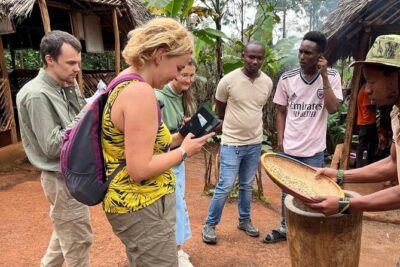
Materuni waterfalls coffee tour & Chemka hot springs Day trip
Read our review →
Materuni Waterfall, Coffee Tour and Picnic Hot Lunch
Read our review →
Maasai village visit, Materuni waterfalls & coffee experience
Read our review →
Arusha or Moshi : Hot Spring, Waterfall & Coffee Farm Tour
Read our review →
Materuni Waterfalls, Coffee, and Hotsprings Tour
Read our review →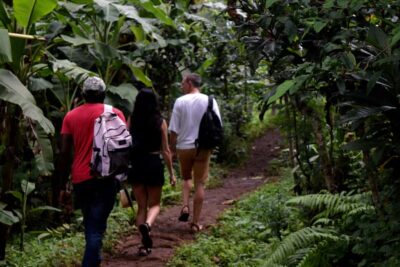
Materuni Waterfalls, Chemka Hot Springs, &/Or Coffee Tour
Read our review →Browse the lists this tour appears in