
Reviewed · WORKSHOPS
Private Traditional Pottery Class near Arusha
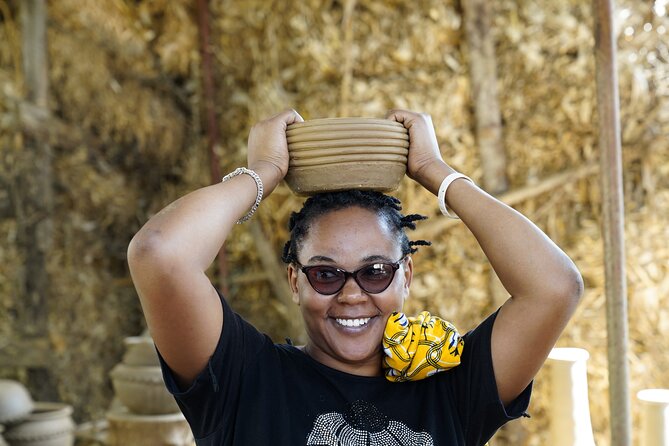
Clay tells the story. This two-hour pottery class in Tengeru, near Arusha, gives you a hands-on look at Tanzanian craft, local community work, and Meru culture. I like the chance to use locally mined clay and a foot-powered wheel, and I like that the experience connects your visit with The Small Things, a community project supporting vulnerable children and families. The main point to check is lunch: it is not included in the listed price, but you can arrange it for an extra $10.
This is a small activity, limited to eight people, so it has a personal feel rather than a factory-style demonstration. Guides such as Reuben help link the pottery lesson with village life, while Kitomary, the artist, teaches the practical work of turning a lump of clay into something you can keep. You need to arrange your own way to the meeting point, and hotel pickup is not provided.
In This Review
- Key points to know before you book
- Why this pottery class feels different near Arusha
- Starting at The Small Things
- Meeting local potters in Tengeru
- From a lump of clay to a finished keepsake
- Learning about Meru culture along the way
- Group size, pace, and family suitability
- What the $50 price includes
- The strongest reasons to choose it
- Points to consider before committing
- Who should book this Arusha pottery class?
- FAQ
- How long does the pottery class last?
- Where does the experience take place?
- Is hotel pickup from Arusha included?
- What does the $50 price include?
- Is lunch included?
- Can I take my pottery home?
- How many people can join the activity?
- Can I cancel for a full refund?
- Should you book it?
Key points to know before you book
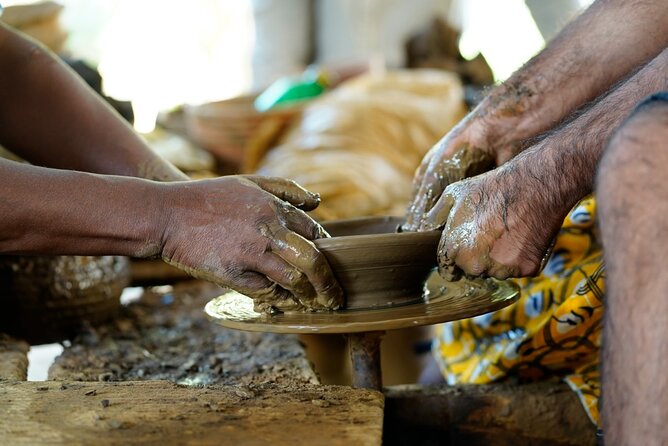
- You work with locally mined Tanzanian clay: This is not just a short demonstration. You prepare, shape, trim, and fire your own piece with local tools.
- The wheel is powered by your foot: The traditional wheel adds a physical challenge and shows how pottery is made without modern studio equipment.
- The Small Things is part of the visit: You learn about work supporting orphaned and vulnerable children and families in the local community.
- Your guide adds Meru context: Reuben and other local guides explain local culture and history as the activity unfolds.
- The group stays small: A maximum of eight people makes it easier to get direct help, especially if you have never used a pottery wheel.
- Lunch needs separate planning: Bottled water and equipment are included, but lunch costs an additional $10 if you choose to eat at The Small Things.
Why this pottery class feels different near Arusha
Many craft activities leave you watching someone else work. Here, you get clay under your fingernails and a chance to make a real object. That simple change matters. You are not only looking at Tanzanian pottery as a souvenir. You are learning the basic steps that turn earth into a useful or decorative vessel.
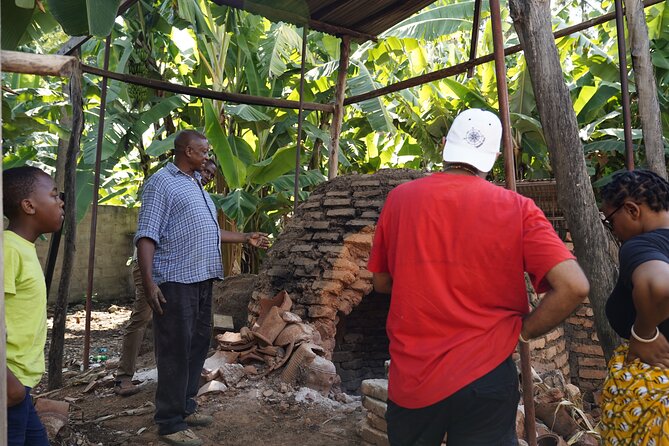
The class takes place in Tengeru, near Arusha, where local potters use clay mined in the area. The tools and methods are part of the appeal. You prepare the clay, place it on a foot-powered wheel, shape it, trim it, and take part in firing it in a traditional kiln.
You should not expect a polished commercial studio with rows of electric wheels. The setting is more connected to local craft traditions and community life. That may be exactly what you want, though it also means the experience can feel less predictable than a formal art-school class.
The activity is priced at $50 per person. For two hours of instruction, materials, equipment, cultural explanation, and a finished memento, I consider that a reasonable price, especially for a private or small-group experience. The value is stronger if you want an activity with a clear local connection rather than a standard sightseeing stop.
More Private Tours in Arusha
- Private 6-Day Tarangire Manyara Crater and Serengeti with Mid-Range Lodges
★ 5.0 · 238 reviews - 5 Days Budget Private Safari, Tanzania
★ 5.0 · 191 reviews - 5-Day Private Northern Tanzania Safari from Arusha
★ 5.0 · 182 reviews
Starting at The Small Things
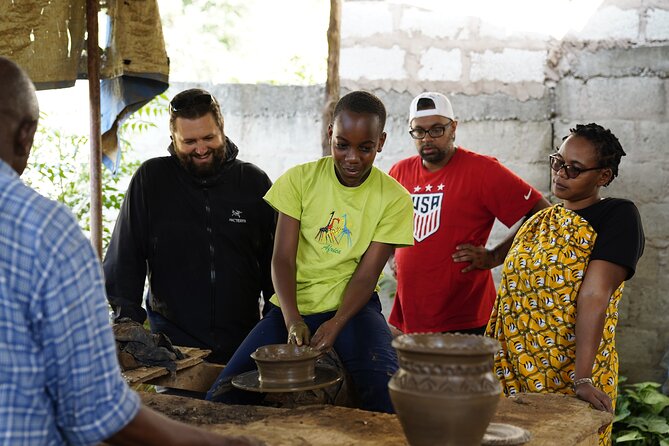
The first stop introduces you to The Small Things. This organization works with orphaned and vulnerable children and supports families in the community. Your visit helps you understand the social side of the experience before you begin the pottery lesson.
That opening is important because it gives the activity a wider purpose. You are not simply arriving, making an object, and leaving. You first learn about a local effort that connects tourism with community support.
The supplied information does not give a detailed program for this stop, so you should expect an introduction and an explanation of the organization’s work rather than a long formal tour. The setting may be meaningful for you, but it can also feel emotionally weightier than a normal craft class. Approach it with respect, listen carefully, and remember that this is a working community project, not a staged attraction.
Lunch can be provided at The Small Things for $10. This is useful if you want to keep the outing in one place and support the project directly, but plan for the extra charge. The headline details mention lunch and bottled water, yet the cost information makes clear that lunch is optional and not included in the $50 price.
Bottled water is included. That small practical detail helps, particularly if you are visiting Arusha during a warm part of the day.
Meeting local potters in Tengeru
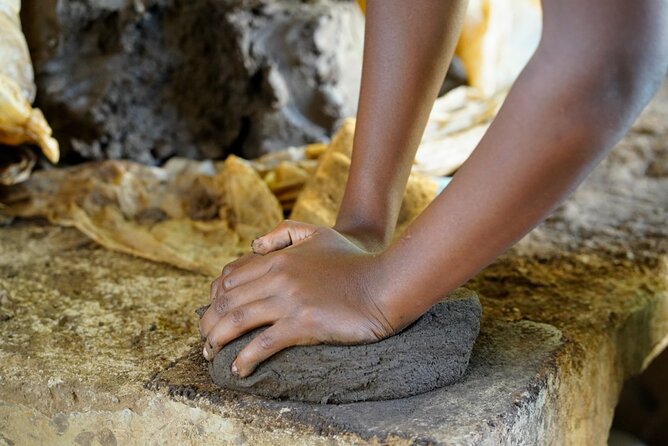
After the first stop, you continue to Tengeru for the pottery session. The local potters teach you how to prepare the clay before it reaches the wheel. This stage can seem basic, but it gives you a better feel for the material and helps explain why the clay behaves as it does.
Kitomary is identified as the artist who leads the pottery teaching. His role is more than showing the finished technique. He demonstrates how to create your own artifact and helps you work through the process. You might find the first attempts uneven, but that is part of the lesson. Pottery takes control, patience, and a willingness to accept a few lopsided results.
The wheel is powered by your foot. You control the speed while using your hands to shape the clay, which takes coordination. If you have used a modern electric wheel, this will feel slower and more physical. If you have never made pottery, the foot-powered design gives you a direct sense of how traditional potters work.
The instructors are there to guide you rather than simply perform for you. That makes this a good choice for families and solo visitors alike. One family of five used the session to make individual pots, and even included a chance for a child to milk a cow during the wider visit. The cow activity is mentioned as part of that particular experience, so you should not treat it as a guaranteed part of every booking.
From a lump of clay to a finished keepsake
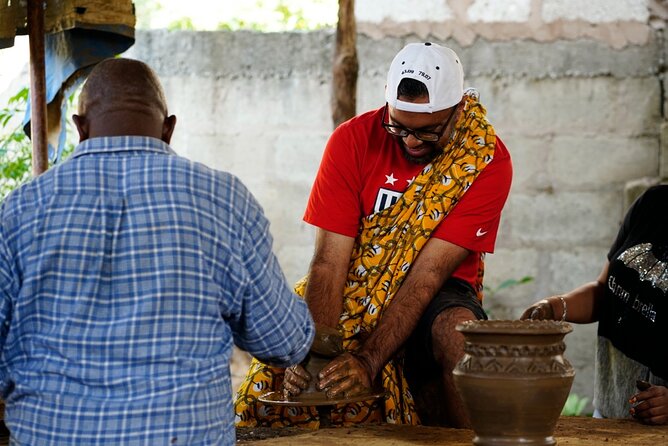
The class covers four main stages: preparation, turning, trimming, and firing. Each stage gives you a different view of pottery production.
Preparation helps you understand the clay itself. Turning is the main wheel work, where you try to raise and shape the walls of your piece. Trimming cleans and refines the form. Firing places the object into the traditional production process and gives it the strength needed to become a lasting souvenir.
The class is described as lasting about two hours. That is enough time for a practical introduction, but not enough for a long professional course. Keep your expectations realistic. You will learn the foundations and make an object, but you will not become an expert potter in one afternoon.
The promise of taking your creation home is a major benefit. A handmade pot is more personal than a mass-produced souvenir, even if its shape is not perfect. It carries the memory of the lesson, the local clay, and the people who helped you make it.
You may want to ask at the beginning how the firing schedule works. The experience says you will fire the pottery and take it home, but the supplied details do not explain how long the kiln process takes or whether a piece is collected later. That is a practical point worth confirming before you start, especially if your time in Arusha is short.
A few more trips of this kind worth comparing:
- NGO Lifted Strong – Traditional Tanzanian Cooking Class
★ 5.0 · 39 reviews - Arusha: Traditional Tanzania Cooking Class & Food Market Tour
★ 5.0 · 34 reviews - Cooking and Sewing & Jewelry Workshops in Arusha
★ 5.0 · 14 reviews - Arusha: Traditional Tanzania Cooking class& Food Market Tour
★ 4.9 · 12 reviews
Learning about Meru culture along the way
The pottery is only one part of the experience. Your local guide also discusses the culture and history of the Meru tribe. This gives the activity a sense of place that you would miss in a generic craft workshop.
The Meru connection matters because Tengeru is not just a convenient setting near Arusha. The guide helps place the pottery within the local community and gives you a better understanding of the people and traditions around you.
Reuben is praised as an excellent guide who made families and solo visitors feel welcome. Andrew is also thanked for helping make the day enjoyable. The presence of named local guides gives you useful contacts when booking, so you may want to ask which guide will lead your session.
The cultural explanation should be treated as an important part of the two hours, not background noise while you work. Ask questions if you are curious about the clay, the tools, Meru customs, or how pottery fits into local life. The experience is strongest when you take part in that conversation.
At the same time, do not expect a full anthropology lesson. The information provided promises an introduction to Meru culture and history, not an extended academic talk. The value comes from hearing local context alongside a practical activity.
Group size, pace, and family suitability
The maximum group size is eight. That is small enough for the potters to give direct help, but large enough to create a social atmosphere if you arrive with friends or family.
A group discount is available, which may improve the value for families or small parties. A family of five used the class together, and the format clearly suits different ages. The activity is also suitable for solo visitors, with friendly guides and a welcoming studio environment.
You should be prepared to work with your hands. Clay can be messy, and the wheel requires concentration. The information does not specify clothing guidance, so practical clothes are sensible. You may also want to avoid wearing anything you would worry about getting dirty.
Most people can participate, and service animals are allowed. The experience is near public transportation, but hotel pickup from Arusha is not included. You need to arrange your own transport to the unnamed meeting point in Tanzania. Confirm the exact meeting instructions before setting out, since the published meeting point does not provide a clear named landmark.
The activity ends back at the meeting point. That makes the transport question especially important. If you are staying at a hotel in Arusha, allow time and money for reaching Tengeru and returning afterward.
What the $50 price includes
The $50 fee covers the pottery tools, equipment, and materials. Bottled water is also included. Those are useful inclusions because you do not need to bring specialist equipment or buy clay separately.
The price also pays for access to local instruction, the cultural component, and the visit to The Small Things. I see the community link as part of the value, though you should decide for yourself how much weight to give that when comparing activities.
Lunch is the one clear extra. It can be arranged at The Small Things for $10. Since the experience lasts about two hours, you may not need a meal if you schedule it between other activities, but the option is convenient.
The small group limit helps justify the cost. You are paying for a hands-on lesson with personal attention, not simply admission to a site. If you only want a quick photo of pottery being made, this may be more than you need. If you want to make something yourself and learn from local artists, the fee is easier to defend.
The strongest reasons to choose it
I would choose this experience for three main reasons. First, the pottery is genuine hands-on work. You prepare, turn, trim, and fire the clay rather than watching a short show.
Second, the people and community connection give the visit more meaning. The Small Things supports children and families, while the local potters and guides share their skills directly. The link between tourism and community help is handled as part of the visit, not added as a vague slogan.
Third, the activity gives you a break from the usual Arusha circuit. A pottery class asks you to slow down and focus. You leave with an object that records a particular place and day.
The instructors also receive strong praise for their warmth and skill. Kitomary is described as a true artist who knows clay well, and Reuben is remembered as an excellent guide. That combination of technical teaching and personal welcome is one of the best reasons to book.
Points to consider before committing
This is not the right choice if you want a tightly scheduled tour with hotel transport included. You need to reach the meeting point yourself, and the location information supplied is quite basic.
The timing may also need clarification. The activity is listed as approximately two hours, yet the wider description refers to spending time at The Small Things and moving to Tengeru. Ask how much time is planned at each stop if you have another booking afterward.
Lunch is another detail to settle in advance. It is available for $10, but it is not part of the standard price. Do not assume a meal is included simply because some descriptions mention lunch among the highlights.
Finally, pottery is a hands-on skill. Your finished piece may be charmingly irregular rather than perfectly symmetrical. That is part of the experience, but anyone expecting a flawless professional pot should adjust those expectations.
Free cancellation is available when you cancel at least 24 hours before the start time. Changes or cancellations inside that window are not refunded, and poor weather can lead to a new date or a full refund.
Who should book this Arusha pottery class?
I recommend it for families, couples, solo visitors, and small groups who want to meet local makers and do something practical. It suits people who value community projects, cultural context, and handmade souvenirs.
It is especially good for a family because each person can create a piece and take part at their own level. It also works well for a solo visitor who wants a friendly activity with direct contact rather than a large organized excursion.
I would be less quick to recommend it to someone with only a few hours in Arusha and no transport arranged. The meeting point, travel time, lunch plan, and pottery collection details all deserve confirmation before you pay.
FAQ
How long does the pottery class last?
The pottery class lasts approximately two hours.
Where does the experience take place?
The experience begins at The Small Things and continues in Tengeru, near Arusha, where local potters teach the pottery class.
Is hotel pickup from Arusha included?
No. Pickup from local hotels or Arusha is not included. You need to arrange your own transport to the meeting point.
What does the $50 price include?
The price includes all tools, equipment, and materials, plus bottled water. It also covers the guided pottery experience and cultural introduction.
Is lunch included?
No. Lunch is not included in the standard price. It can be provided at The Small Things for an additional $10.
Can I take my pottery home?
Yes. The experience includes the opportunity to take home your pottery creation as a memento.
How many people can join the activity?
The maximum group size is eight people. Group discounts are available.
Can I cancel for a full refund?
Yes, if you cancel at least 24 hours before the experience start time. Cancellations made less than 24 hours in advance are not refunded. If poor weather causes the provider to cancel, you can receive a full refund or choose another date.
Should you book it?
Book this class if you want a small, personal activity that connects craft, culture, and community work near Arusha. The foot-powered wheel, locally mined clay, Meru cultural explanation, and visit to The Small Things make it more meaningful than a basic souvenir workshop.
Before booking, confirm the meeting point, transport, lunch, and how the fired pottery will be handed over. If those details work for your schedule, the $50 price offers a worthwhile way to spend two hours making something with local artists and carrying a piece of that experience home.
Just added around Arusha
- 5 Days Safari Tarangire, Serengeti, and Ngorongoro Crater★ 5.0 · 3 reviews
- Love lives in Africa★ 5.0 · 3 reviews
- 5 Days of Safari, Culture & Hot Springs – Tour from Arusha★ 5.0 · 3 reviews
- Arusha National Park Safari by Jeep★ 4.5 · 3 reviews
- 5Days Family _Group Tour Lodging Mid-Range in the Jungle★ 5.0 · 3 reviews
- Serengeti & Ngorongoro 3 Days Budget Safari★ 5.0 · 3 reviews
- 2 Days Tarangire and Ngorongoro Crater Tour★ 5.0 · 3 reviews
- 7 Days PRIVATE Best of Tanzania Safari *Departing everyday*★ 5.0 · 3 reviews
Workshops, compared.
Half-Day Kuza Cave Swimming Adventure and Cooking Class
Read our review →
NGO Lifted Strong – Traditional Tanzanian Cooking Class
Read our review →

Traditional Tanzania Cooking Class & Food Market Tour
Read our review →

Cooking and Sewing & Jewelry Workshops in Arusha
Read our review →Browse the lists this tour appears in