
Reviewed · COOKING CLASSES
Cooking Class Tour
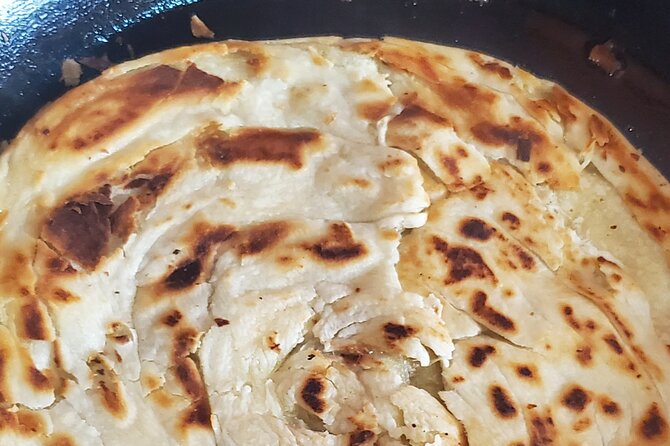
Taste Zanzibar at the cooking fire. This five-hour class pairs a local market visit with hands-on Swahili cooking, so you learn where the ingredients come from and how they are used. I like the small limit of six people, and I like that you eat the meal you prepare. The main consideration is that the class depends on good weather and private transportation is not included.
You meet at 9:00 am near Tembo House Hotel in Stone Town, then shop for ingredients before cooking with a Zanzibari chef. Vegetarians can be accommodated, and the experience includes the food, ingredients, kitchen knife use, and work with a charcoal brazier. It costs $90 per person, which is fair if you value personal instruction, though it is more than a simple meal or market visit.
In This Review
- Key points to know before you book
- Starting at Tembo House Hotel at 9:00 am
- Shopping for Zanzibar’s cooking ingredients
- Learning Swahili cooking from a Zanzibari chef
- What makes the meal useful, not just tasty
- A closer look at the family-style atmosphere
- Is $90 a fair price for five hours?
- Vegetarian guests and other practical considerations
- Who will enjoy this class most?
- How this compares with a standard Stone Town food outing
- Final verdict: should you book it?
- FAQ
- How long does the Zanzibar cooking class last?
- What time does the class start?
- Where does the activity begin?
- Where does the activity end?
- How many people can join the class?
- Are ingredients and cooking supplies provided?
- Is lunch included?
- Can vegetarians join?
- What happens if the weather is poor?
Key points to know before you book
- The group is capped at six people: You should receive more direct help than in a large demonstration class.
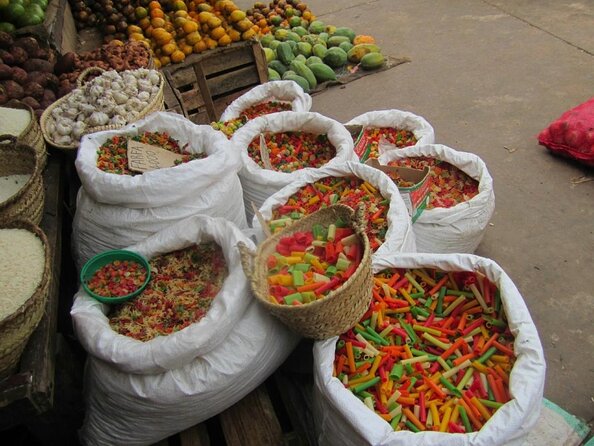
- The market visit comes first: You see the ingredients before they become part of a Swahili meal.
- Cooking happens over charcoal: The brazier gives the class a traditional, practical focus.
- You eat what you prepare: Lunch is included, with time to discuss the food with the chef.
- Vegetarian cooking is possible: Mention this when booking so the class can be planned properly.
- The class lasts about five hours: Set aside most of the morning and early afternoon.
Starting at Tembo House Hotel at 9:00 am
The experience begins at Tembo House Hotel on Shangani Street, close to Forodhani Street in Stone Town. The meeting point is useful if you are already in the historic center, and the activity ends back at the same location.
Pickup is offered, but the supplied details also state that private transportation is not included. I would confirm the pickup arrangement before you pay, especially if you are staying outside central Stone Town. If you are using public transportation, the meeting point is near public transport.
The early start works well. You get the market and cooking done during the cooler part of the day, then sit down for lunch before the five-hour outing finishes. Give yourself a few extra minutes to locate the hotel and guide. A cooking class is a poor place to begin with a rushed pulse.
More Cooking Classes in Zanzibar
- Zanzibar Cooking Class & Spice Tour
★ 4.5 · 77 reviews - Zanzibar: Spice Farm Tour with Traditional Cooking Lesson
★ 4.8 · 77 reviews - Half-Day Kuza Cave Swimming Adventure and Cooking Class
★ 4.5 · 44 reviews
Shopping for Zanzibar’s cooking ingredients
The first real stop is a local market, where you buy the ingredients needed for the meal. This is more useful than being handed a prepared basket because you see the raw materials before the cooking begins.
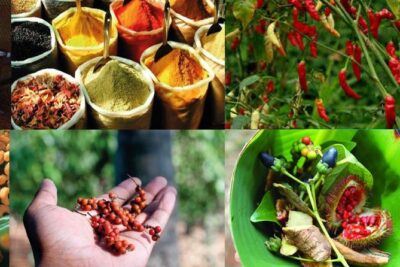
Zanzibar’s food reflects Swahili cooking along with oriental influences. Spices grown in Zanzibar play an important role, and the market visit gives the class a natural way to explain that role. You can connect the smell, color, and form of an ingredient with the finished dish later in the day.
The market portion is not just a shopping chore. It sets up the lesson. When the chef later tells you how to use an ingredient, you already know what it looked like at the stall and why it was selected.
The details do not specify a fixed market route or a set menu. That is worth noting. The dishes may depend on what is available and on the group’s needs, rather than following an identical menu every day. For some people, that flexibility is part of the appeal. If you want to know the exact dishes before booking, ask Halisi Africa Tours.
Learning Swahili cooking from a Zanzibari chef
After shopping, you move into the cooking lesson under the guidance of an experienced Zanzibari chef. You practice preparing several dishes and learn how ingredients are used in Zanzibar style.
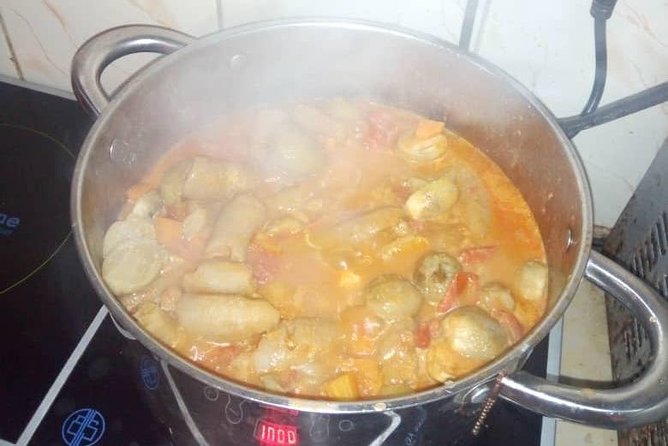
The class is built around participation, not just watching. You should expect to handle ingredients, use a kitchen knife, and work with a charcoal brazier. That matters because the method affects the food. Cooking over charcoal gives you a practical sense of heat control that a modern kitchen demonstration cannot provide.
The coal stove is also one of the class’s most distinctive details. A previous participant described watching and helping prepare a Zanzibar meal over a coal stove in a home. That points to a setting that feels connected to everyday cooking, rather than a polished restaurant kitchen built only for demonstrations.
Still, charcoal cooking takes patience. Heat can be less direct and less predictable than a gas or electric burner. If you are hoping to race through a list of dishes, this may feel slow. If you want to understand the process, the slower pace is useful.
The group limit of six is important here. With only a handful of people, the chef has a better chance to correct your knife technique, show you how to use an ingredient, and answer questions. A class of six can still feel social, but it is small enough for hands-on help. The exact balance will depend on the group and the pace of the meal.
What makes the meal useful, not just tasty
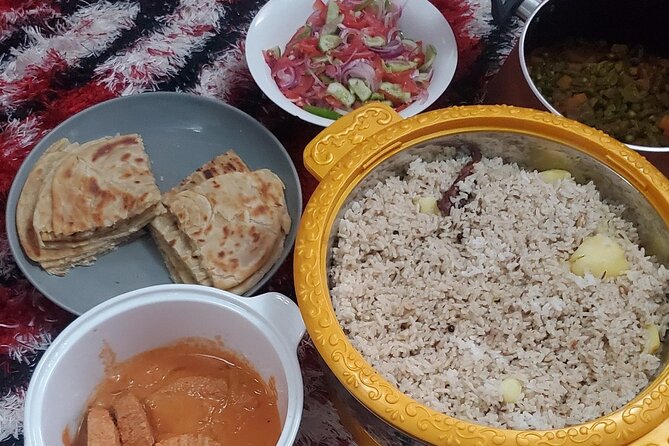
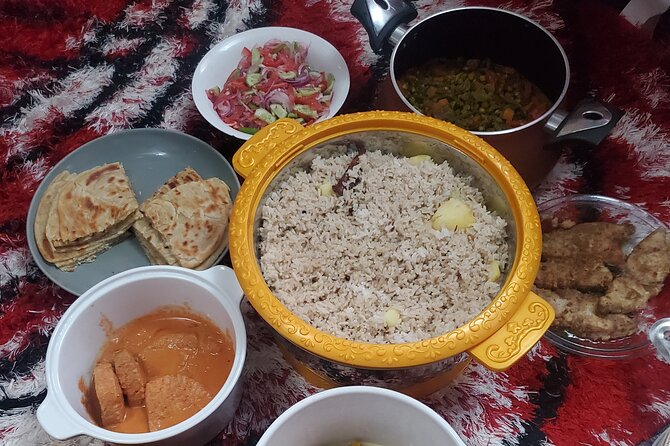
Lunch is included, and you eat the dishes prepared during the class. I consider this one of the strongest parts of the experience because the meal gives the lesson a clear finish.
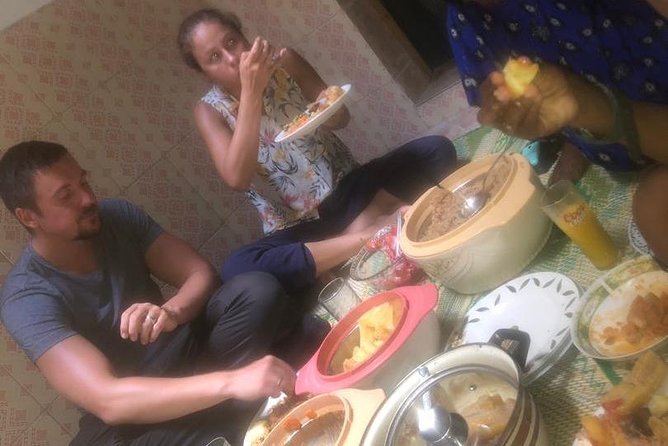
You have handled the ingredients, practiced the cooking methods, and then tasted the result. That makes it easier to remember how the dishes were made. The meal also gives you time to talk with the chef about Swahili food and discuss the strengths of what you cooked.
This shared meal is not presented as a separate restaurant lunch. It is the result of your work. That distinction matters. If you mainly want a quick plate of local food, a restaurant is simpler. If you want food plus the process behind it, this class offers better value.
One review described the experience as an opportunity to watch and participate in preparing a delicious Zanzibar meal. Another praised cooking with Hamza, Miram, and their family, along with the chance to understand Swahili cuisine better. Those details suggest that the social side can be as important as the recipes. You are not simply following instructions from a distant instructor. The meal is meant to be shared with the chef and cooking hosts.
More cooking classes:
- Zanzibar: Spice Farm Tour with Traditional Cooking Class
★ 4.6 · 16 reviews - Traditional Zanzibar Cooking Class including Spice Tour
★ 4.5 · 14 reviews - Mnemba Dolphin Tour, Clear Kayak, Cooking Class, Horse Riding
★ 4.5 · 14 reviews - A private half day spice farm with a cooking lesson
★ 5.0 · 13 reviews
A closer look at the family-style atmosphere
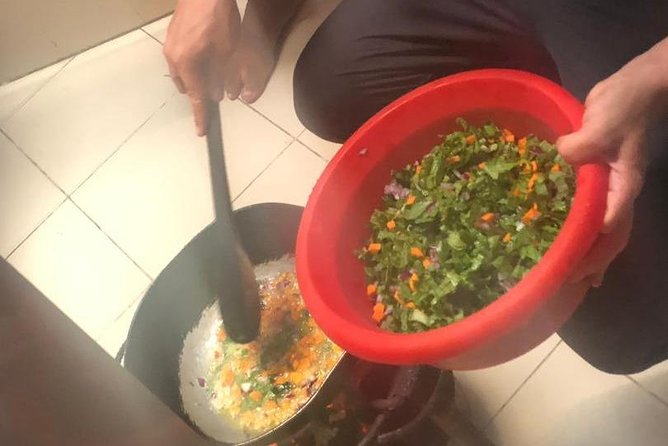
The names Hamza and Miram are connected with one especially warm account of the class, which also refers to cooking with their family. That is useful information if you want a personal setting rather than a formal culinary school.
The wording of the experience also says that you prepare and eat the dishes together with the chef, discussing the day and the merits of Swahili foods. This gives the class a conversational quality. You can ask about flavors as you work, then compare the finished dishes while eating.
I would keep expectations sensible. The provided information does not promise a private home visit for every departure, nor does it give a detailed menu or a list of specific recipes. The family setting appears in the experience feedback, but the exact setup may vary. Ask the operator if this point matters to you.
The response from Halisi Africa Tours to one participant also indicates that the team adjusted the schedule and preparations because of weather. That is a positive sign for flexibility, but it also confirms that weather can affect the day. Zanzibar’s cooking class is not a sealed indoor attraction with no weather concerns.
Is $90 a fair price for five hours?
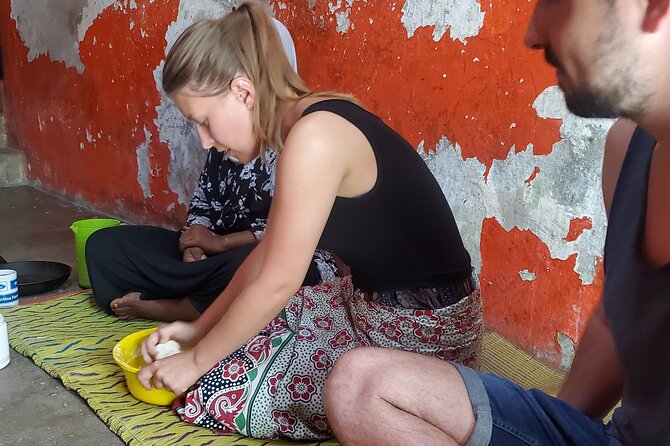
At $90 per person, the price works best for someone who wants a full activity, not simply lunch. The fee covers about five hours, the market visit, instruction from a local chef, ingredients, and the meal you cook. It also includes use of kitchen tools and the charcoal brazier.
The group size improves the value. Six people or fewer means your payment is supporting a small class rather than a large group gathered around one cooking station. You are paying for time with the chef, not just for food.
Transportation needs a closer look. Pickup is offered in the tour details, yet private transportation is listed as not included. Confirm what pickup means for your booking and budget for your own transport if necessary. Tips are also not included.
I would compare the price with what you want from your Zanzibar visit. If you are already planning a market tour and a meal, this may combine both into one useful morning. If you are on a tight budget and only want to sample local food, $90 may feel high.
The fact that the activity is often booked well ahead, with an average booking time of 93 days, suggests that you should not leave it to the last minute if the date matters. That figure is not a promise that every date sells out, but it is a sensible reason to reserve early during a busy trip.
Vegetarian guests and other practical considerations
Vegetarians can be accommodated. Tell the operator when you book, rather than waiting until the class begins. The provided information does not describe vegan options, allergies, or substitutions, so ask directly about those needs.
All supplies and ingredients are provided. You do not need to shop for your own food before arriving, though the market visit is part of the class and you will help purchase the cooking ingredients there.
The class includes kitchen knife use. If you are not comfortable with a knife, tell the chef and work at a pace that feels safe. The details do not give a specific age limit, skill requirement, or accessibility information, so those questions should go to Halisi Africa Tours before booking.
You receive confirmation at the time of booking, and the experience is offered with a mobile ticket. Keep the ticket available on your phone, along with the meeting point and start time.
Free cancellation is available up to 24 hours before the 9:00 am start for a full refund. Changes or cancellations made inside that 24-hour window are not accepted for a refund. The cut-off uses Zanzibar local time. If poor weather cancels the activity, you can choose another date or receive a full refund.
Who will enjoy this class most?
I would recommend it to you if food is one of the main reasons you visit Zanzibar. It suits people who want to understand how a dish is built, not just take a picture of a finished plate.
It is also a good choice for couples, friends, and small family groups who enjoy doing something together. The six-person limit helps the class remain personal, and the shared meal gives you time to talk after the practical work is done.
Vegetarians should find the class workable with advance notice. People who like local contact may also appreciate the chance to cook with a Zanzibari chef and, in some settings, with Hamza, Miram, and their family.
I would hesitate if you dislike hands-on activities, charcoal cooking, or a schedule shaped by weather. This is not a passive food tasting. You are expected to participate. The class also takes roughly five hours, so it will use much of your morning and early afternoon.
How this compares with a standard Stone Town food outing
A normal food walk can show you what to eat, but it may not teach you how the food comes together. This class adds a market stop, preparation, cooking, and a sit-down meal.
That makes it a stronger choice if you want a skill to take home. You may not reproduce every dish perfectly, especially if your own kitchen does not use a charcoal brazier, but you will leave with a clearer idea of how spices and cooking methods shape Swahili food.
The tradeoff is focus. You will spend the day on food rather than moving through several Stone Town sights. If this is your only morning in Zanzibar, consider what you value more. If you have several days, the class can give your sightseeing a welcome change of pace.
The experience also offers a more direct social connection than eating alone in a restaurant. You share the work and lunch with the chef. That is a small thing, but it often makes a meal easier to remember.
Final verdict: should you book it?
Book this class if you want a small, hands-on introduction to Swahili cooking and like the idea of buying ingredients before preparing and eating them. The best reasons to go are the six-person limit, local chef instruction, charcoal cooking, and the meal made by your own group.
At $90, it is not a bargain meal. It is a half-day cultural activity with food included. Confirm pickup, dietary arrangements, the exact menu, and the setting if those details matter to you.
I would choose it for a food-focused Zanzibar itinerary, especially if you prefer personal contact and practical learning over a quick tasting. I would skip it only if your schedule is tight, your budget is limited, or you want a fully passive tour.
FAQ
How long does the Zanzibar cooking class last?
The experience lasts approximately five hours.
What time does the class start?
The class starts at 9:00 am.
Where does the activity begin?
It begins at Tembo House Hotel on Shangani Street, near Forodhani Street in Zanzibar.
Where does the activity end?
The class ends back at the meeting point.
How many people can join the class?
The maximum group size is six participants.
Are ingredients and cooking supplies provided?
Yes. The experience provides the ingredients and supplies needed for the class.
Is lunch included?
Yes. Lunch is included, and you eat the dishes prepared during the class.
Can vegetarians join?
Yes. Vegetarians can be accommodated. Share this requirement when booking.
What happens if the weather is poor?
The experience requires good weather. If it is canceled because of poor weather, you can select another date or receive a full refund.
More Workshops
- Zanzibar: Spice Farm Tour and Cooking Class with Lunch
★ 4.2 · 11 reviews - Full-Day Private Tour in Zanzibar with Cooking Class
★ 5.0 · 11 reviews - Zanzibar: Walking Spice Farm with Local Cooking Class
★ 4.4 · 9 reviews - Zanzibar: Nungwi Village Tour and Culinary Class
★ 4.6 · 8 reviews
Just added around Zanzibar
- Spice Tour of Zanzibar★ 4.5 · 3 reviews
- Zanzibar : Stone Town Tour,history without transport★ 4.8 · 3 reviews
- Zanzibar: 3-Day Northern Safari with Flights Included★ 4.8 · 3 reviews
- Jozani Forest, kuza cave and mtende beach★ 5.0 · 3 reviews
- Starfish Beach; The Rock; Kuza Cave; Paje Beach; Salaam Cave Tour★ 4.5 · 3 reviews
- ZANZIBAR: Stone Town and Jozani Forest Guided Tour★ 4.0 · 3 reviews
- Zanzibar: African Sunset Boat Party in Zanzibar Music, Views★ 4.3 · 3 reviews
- Joazani forest & Spice farm with lunch★ 5.0 · 3 reviews
Cooking Classes, compared.

Half-Day Kuza Cave Swimming Adventure and Cooking Class
Read our review →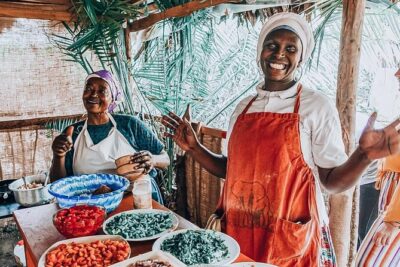
NGO Lifted Strong – Traditional Tanzanian Cooking Class
Read our review →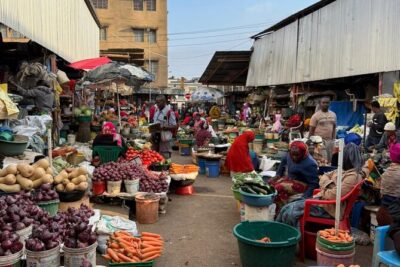
Traditional Tanzania Cooking Class & Food Market Tour
Read our review →

Cooking and Sewing & Jewelry Workshops in Arusha
Read our review →
Mnemba Dolphin Tour, Clear Kayak, Cooking Class, Horse Riding
Read our review →Browse the lists this tour appears in