
Reviewed · CITY TOURS
Dar es Salaam: Experience the real Dar es Salaam (City Tour)
Dar es Salaam reveals itself street by street. This private eight-hour tour gives you a useful first look at Tanzania’s coastal capital, mixing local markets, museums, religious buildings, waterfront stops, and craft centers instead of keeping you on a standard sightseeing loop. I especially like the access to Kivukoni Fish Market and Kariakoo, where daily trade provides a clearer picture of city life than a quick drive past monuments. I also like the one-to-one feel of a private tour, with guide Saed praised for explaining history, politics, family life, and local customs in plain terms.
The main drawback is the pace. You cover many stops in one day, and some visits are relatively short. The National Museum may also feel modest in its presentation, so much of its value depends on your guide’s explanations. Still, at $99 per person, the private vehicle, hotel or airport pickup, bottled water, and eight hours of guiding make this a strong choice for a first day in Dar.
In This Review
- Five useful things to know before you go
- Why this tour works well as your first day in Dar es Salaam
- Kariakoo Market: the city’s working rhythm
- Kivukoni Fish Market and the waterfront
- Askari Monument and the city’s colonial-era story
- St. Joseph’s Cathedral and Azania Front Cathedral
- National Museum: worthwhile with the right expectations
- Tinga Tinga art and Mwenge woodcarvers
- Makumbusho Village Museum: a different view of Tanzania
- Slipway and the final coastal break
- What the $99 price includes
- Who should book this private city tour?
- FAQ
- How long is the Dar es Salaam city tour?
- What languages does the guide speak?
- Is the tour private?
- Where can pickup take place?
- What is included in the price?
- What should I wear to the fish market?
- Can I cancel or pay later?
- Should you book it?
Five useful things to know before you go
- Kivukoni Fish Market can be wet: Wear closed shoes rather than slippers, especially if you want to walk around comfortably.
- Guide Saed is a major part of the experience: He explains more than dates and buildings, including daily life, politics, food supply, and social customs.
- The route covers several sides of Dar: You visit working markets, religious landmarks, museums, art centers, and the coast.
- It is a private group tour: You can ask questions freely and shape the conversation around your interests.
- Pickup is flexible: Meet at Julius Nyerere International Airport or at the Hyatt Regency Dar es Salaam, The Kilimanjaro, with return to the same listed locations.
- Bring sunscreen: Dar’s coastal heat can make an outdoor market or waterfront walk tiring without protection.
Why this tour works well as your first day in Dar es Salaam
Dar es Salaam can feel hard to read at first. It is a large port city with busy roads, many neighborhoods, a long commercial history, and attractions spread across different parts of town. A private guide helps you connect the dots without spending your first day working out transport or guessing which places are worth your time.
I like the range here. In one day, you move from fresh fish and crowded market stalls to national collections, church architecture, carved wood, coastal views, and a sunset stop. That gives you more than a list of sights. You get different angles on how the city works.
The eight-hour length matters. A shorter tour could show you a museum and one market, but it would miss the contrast between Kivukoni, Kariakoo, Mwenge, the waterfront, and the museum areas. The trade-off is that the day is full. You should expect a broad introduction rather than a slow, detailed visit to every stop.
Because the group is private, you can ask Saed to explain something that catches your attention. Past visitors praised his ability to discuss Tanzania’s past and present, including crime, food shortages, family support, and the pressures faced by market traders. Those subjects can turn an ordinary sightseeing day into a much more useful lesson in how the city operates.
More City Tours in Dar es Salaam
- Dar es Salaam: City Tour
★ 4.7 · 159 reviews - Dar es Salaam City Center: Walking Tour
★ 4.8 · 102 reviews - Dar es Salaam City Tour – Everyday
★ 5.0 · 64 reviews
Kariakoo Market: the city’s working rhythm
Kariakoo is one of the most useful places to begin because it shows Dar as a place where people shop, sell, carry, bargain, and move goods every day. The colorful stalls and constant activity offer a direct look at local commerce rather than a polished display prepared for sightseeing.
You should expect noise, crowds, and plenty to watch. Keep your belongings secure and stay close to your guide, not because the experience is designed to frighten you, but because busy markets require ordinary city awareness. Saed’s local knowledge is especially helpful here. He can explain what you are seeing and help you understand the role markets play in supplying food and goods across the city.
Kariakoo is not a quiet photo stop. It is a working place, so you may find the surroundings untidy or crowded. That is part of its value. If you want a neat shopping center, this will not be your favorite stop. If you want to see how local trade actually looks, it is one of the day’s strongest introductions.
Kivukoni Fish Market and the waterfront
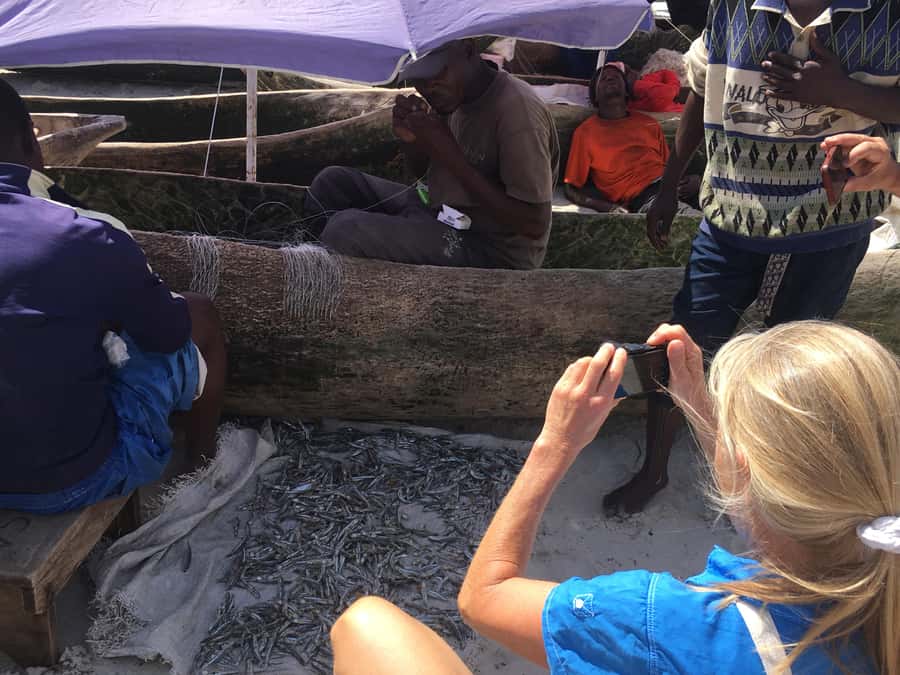
The fish market brings you close to one of Dar es Salaam’s most important daily activities. Fishermen bring in fresh catch, and the market becomes a center of buying and selling. You can see the practical side of the city’s relationship with the sea, rather than only admiring the harbor from a distance.
Give yourself time to watch how the market functions. The surface is usually very wet, so do not wear slippers. Closed shoes with a firm sole are the sensible choice. Sunscreen is also useful because parts of the market and waterfront are exposed.
The market may not suit everyone. Fish smells, slippery ground, and close working conditions are part of the setting. Still, I would not skip it. This is the sort of stop that makes a city tour feel grounded in real life.
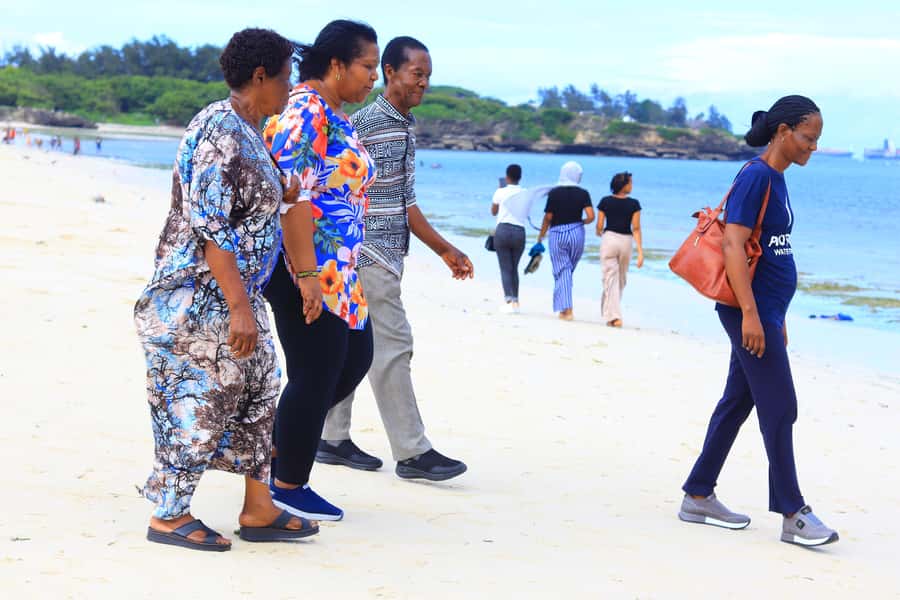
After the market, the coastal walk offers a change of pace. You can take in harbor views and watch traditional dhow boats. The contrast is pleasing: one moment you are focused on trade and movement, and the next you have room to look out over the water.
Askari Monument and the city’s colonial-era story
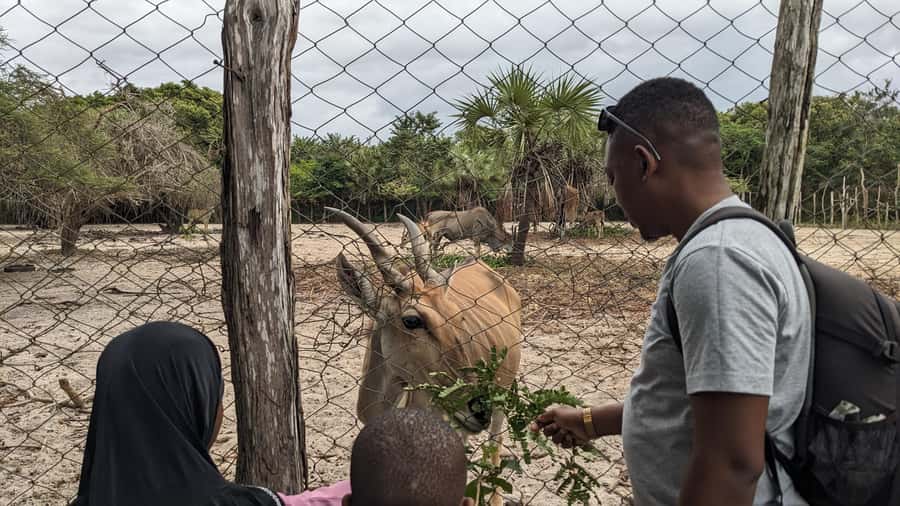
The Askari Monument gives Saed a chance to explain Dar es Salaam’s colonial past and the role of military memorials in public spaces. The guided visit is listed at around 20 minutes, so expect a focused explanation rather than a long stop.
The monument is particularly useful if you want context for later sights. Saed has also used the city’s memorials to explain why some public markers have not been updated for decades, including a World War I memorial that dates to 1924. That kind of discussion helps you think about who controls public memory and how national stories are presented.
This is not a grand museum visit. It is a short outdoor stop, best appreciated as part of the wider history lesson. Take the chance to ask questions, since the value comes largely from the conversation around the monument.
A few more trips of this kind worth comparing:
- MIKUMI NATIONAL PARK – 3 Days
★ 4.5 · 63 reviews - 2 nights 3 days safari to mikumi national park
★ 5.0 · 62 reviews - 2 Days 1 Night Mikumi National Park from Dar es salaam
★ 5.0 · 60 reviews - The Best/Top Rated Cultural City Tour in Dar es Salaam
★ 5.0 · 57 reviews
St. Joseph’s Cathedral and Azania Front Cathedral
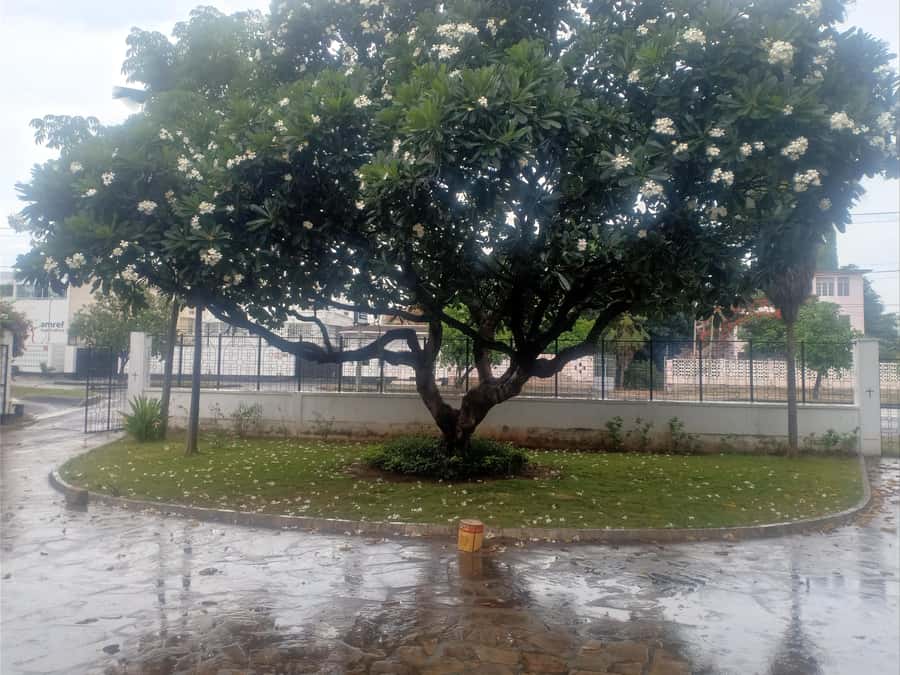
The tour includes a stop at St. Joseph’s Cathedral and the area around KKKT Azania Front Cathedral. The churches reflect the different architectural and religious influences that shaped Dar es Salaam during the colonial period and after.
The listed guided visit lasts about an hour, giving you more time here than at the monument. You can look closely at the buildings while Saed explains their place in the city’s past. The focus is not simply on photographing a facade. It is on understanding how Dar’s religious buildings fit into its broader social and colonial story.
Dress with basic respect for places of worship, and follow your guide’s instructions about where you can enter or take photographs. The provided information does not promise an interior visit at every church, so treat the stop as a guided look at the buildings and their setting rather than a guaranteed formal church tour.
National Museum: worthwhile with the right expectations
The National Museum and House of Culture covers art, history, and archaeology. For anyone wanting a foundation in Tanzania’s past, it is an important stop. The visit is scheduled for about 90 minutes, which gives you enough time to see the main exhibits without turning the whole day into a museum marathon.
I would keep your expectations realistic. The museum’s presentation may feel less polished than major museums in Europe or North America. That does not make it unimportant, but you may get more from it when Saed explains the context behind the displays.
This is where a good guide earns his fee. He can help connect objects and periods to the larger story of Tanzania. The museum becomes less about reading every label and more about asking how national identity, archaeology, art, and colonial history are presented.
If you prefer only outdoor sightseeing, this may be the slowest part of the day. If you like history, it is one of the most useful stops. The private format lets you set the level of detail instead of following a fixed lecture.
Tinga Tinga art and Mwenge woodcarvers
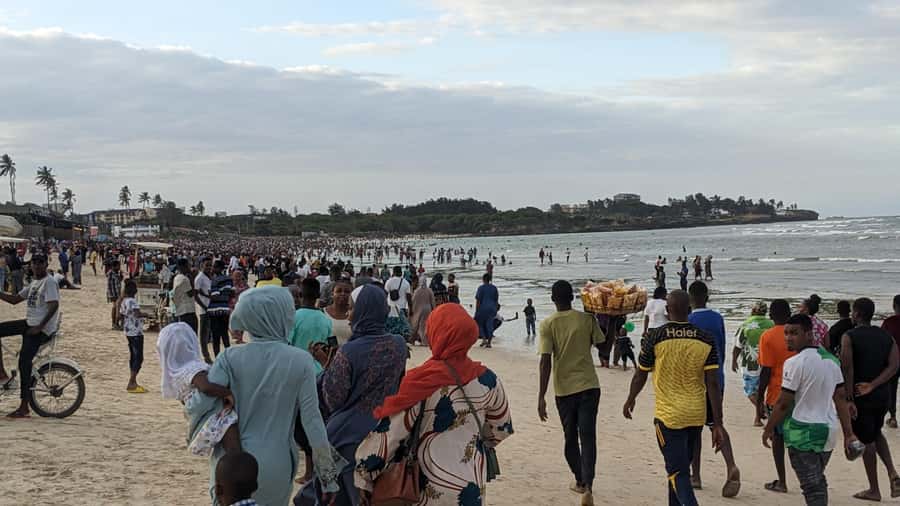
The craft portion of the day includes the Tinga Tinga Arts Cooperative Society and the Mwenge Woodcarvers Market. These stops shift attention from national history to living art and practical souvenirs.
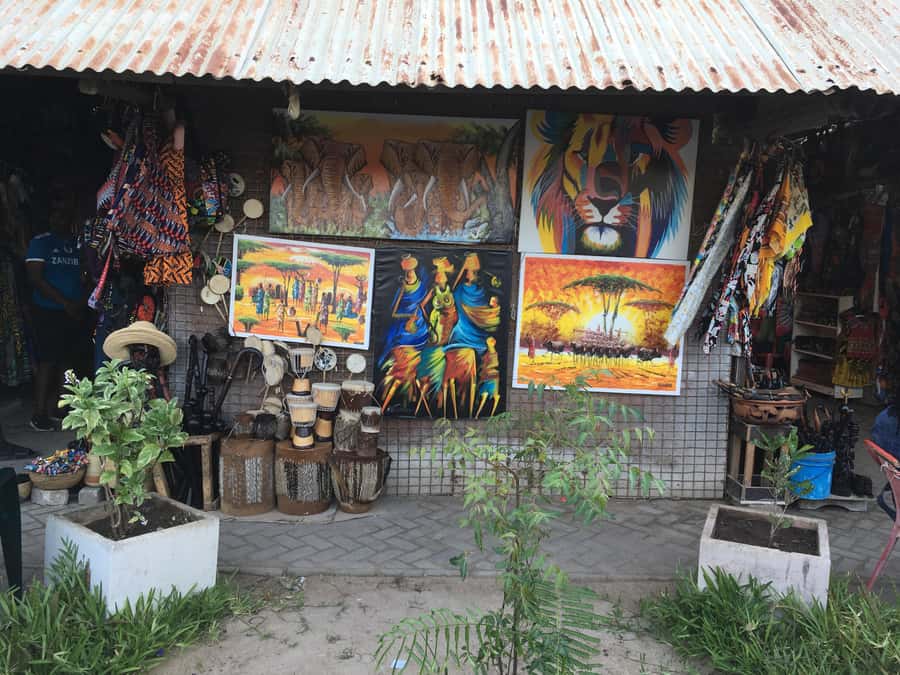
Tinga Tinga art is known for colorful painted scenes and strong, simple forms. At the cooperative, you can look at locally made work and consider what you might take home. The visit is listed at about an hour, enough time to browse without making shopping the entire purpose of the tour.
Mwenge is a good place to examine hand-carved art. You may find figures, masks, and other carved pieces, though the supplied information does not specify exact products or prices. If you buy something, ask about size, packing, and how it will fit in your luggage before agreeing to a price.
A guide is useful in craft markets because you can ask about the work, compare pieces, and avoid feeling rushed into a purchase. You should still make your own buying decisions. Enjoy the art even if you leave empty-handed.
Makumbusho Village Museum: a different view of Tanzania
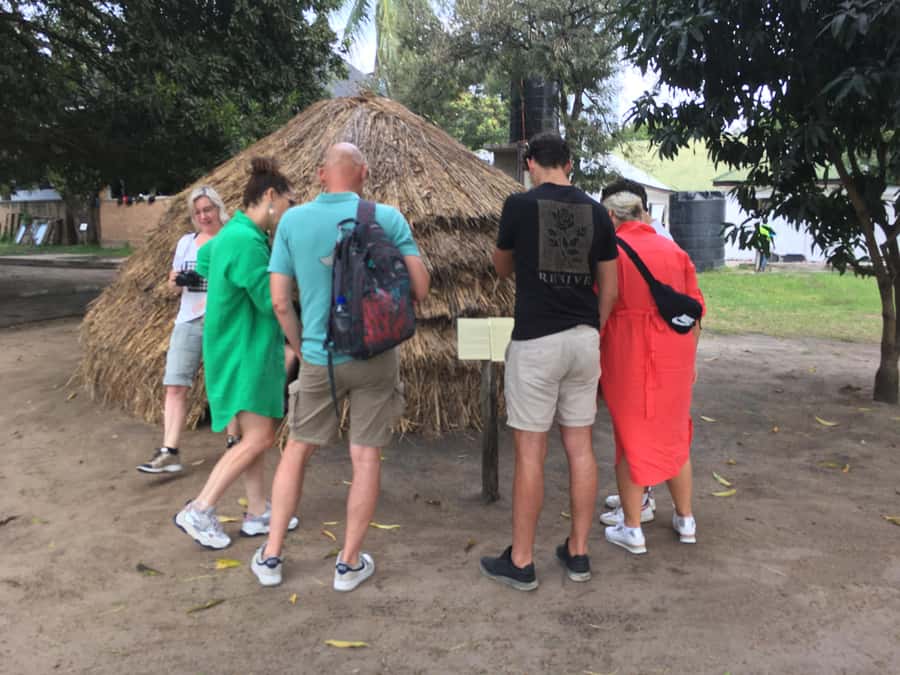
Makumbusho Village Museum adds another layer to the day. Instead of focusing only on Dar es Salaam, it presents aspects of traditional life from different parts of Tanzania. The guided visit is listed at roughly 90 minutes.
This stop works well after the National Museum because the two places serve different purposes. The National Museum gives you formal collections and national history. Makumbusho offers a more physical way to think about homes, traditions, and regional culture.
The term village museum can create the wrong expectation if you imagine a fully active village. Treat it as a cultural museum visit, with buildings and displays that help explain Tanzanian life. Saed’s commentary is important here, especially if you want to understand how local traditions relate to modern Dar.
Some visitors may find that the day contains more cultural stops than they want. If markets and street life are your priority, you may prefer extra time at Kariakoo or Kivukoni. Since this is private, it is worth telling Saed early what interests you most.
Slipway and the final coastal break
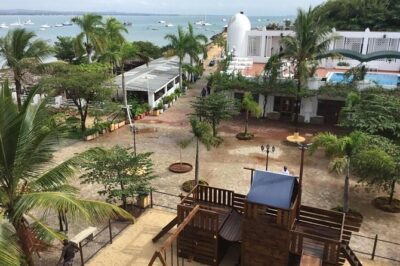
The day ends at Slipway, a shopping and dining complex beside the ocean. It is a calmer finish after the noise and movement of the markets. You can relax, look out over the coast, and reflect on the day during the scheduled break and sunset period.
Slipway also shows another side of Dar. It is not a traditional market or a historic monument. It is a leisure and shopping area, useful for seeing where residents and visitors go for food, browsing, and time by the water.
The information provided does not state that a meal is included in the $99 price. One past booking included a local lunch and fresh juices arranged with help from Saed, but you should confirm meal details before booking or budget separately for food.
The sunset stop is a welcome buffer in a long schedule. You will have time to sit down instead of moving straight from one attraction to another. If your airport departure is close, confirm the return timing carefully before choosing airport drop-off.
What the $99 price includes
At $99 per person, this is not the cheapest way to see Dar es Salaam. It is also not simply a transport service. The price covers eight hours, a private air-conditioned vehicle, private transportation, WiFi on board, bottled water, and a live guide in English or Swahili.
The main value is the private structure. You avoid piecing together taxis between markets, museums, churches, and craft centers. You also have someone who can explain what you are seeing and respond to your questions. That matters in places such as Kariakoo and Kivukoni, where a guide adds context and helps the visit run more smoothly.
The value is strongest for a first visit, a short stay, or a day between flights. It is less compelling if you already know Dar well or prefer to explore one neighborhood slowly. You should also check whether entrance fees, lunch, and purchases are extra, since they are not listed among the included items.
Pickup and drop-off are available at Julius Nyerere International Airport and the Hyatt Regency Dar es Salaam, The Kilimanjaro. Meeting at an accommodation lobby or the airport arrivals lounge is practical, especially if you are using this as an introduction before heading onward in Tanzania.
Who should book this private city tour?
I would recommend it to you if you want a broad first look at Dar and prefer explanation over independent guesswork. It suits people interested in markets, history, local food, architecture, art, and social questions. It is also a good fit if you are arriving alone or with a small private group and want flexibility.
Families may appreciate the air-conditioned vehicle and bottled water, though young children could find the eight-hour schedule long. The fish market’s wet surface and the crowded market stops also require sensible footwear and attention.
History fans will enjoy the Askari Monument, cathedral visits, and National Museum. Art lovers get both Tinga Tinga and woodcarving. People curious about everyday life will likely value Kariakoo and Kivukoni most.
You may want another kind of experience if you dislike markets, strong smells, crowds, or a full schedule. You should also avoid expecting a luxury sightseeing day. This tour is about contact with the working city, not a polished presentation at every stop.
FAQ
How long is the Dar es Salaam city tour?
The tour lasts eight hours, including guided visits, market stops, cultural sites, a break, and the return transfer.
What languages does the guide speak?
The live guide is available in English and Swahili.
Is the tour private?
Yes. It is arranged for a private group rather than a shared public coach.
Where can pickup take place?
Pickup is available at Julius Nyerere International Airport or the Hyatt Regency Dar es Salaam, The Kilimanjaro. Airport pickup takes place at the arrivals lounge, while accommodation pickup is at the lobby.
What is included in the price?
The $99 price includes an air-conditioned vehicle, private transportation, WiFi on board, bottled water, and a live guide.
What should I wear to the fish market?
Wear proper closed shoes rather than slippers because the fish market surface is usually very wet. Sunscreen is also recommended.
Can I cancel or pay later?
You can cancel up to 24 hours in advance for a full refund. The reserve-now, pay-later option lets you book without paying on the day of reservation.
Should you book it?
Book this tour if you want Dar es Salaam explained by someone who knows its streets, markets, history, and social life. Saed is the clearest reason to choose it, particularly if you value thoughtful conversation rather than a guide who only recites dates.
The day’s best moments are likely to be Kivukoni Fish Market, Kariakoo, and the discussions that connect ordinary trade and family life to Tanzania’s wider story. The museums and churches add useful context, while Tinga Tinga, Mwenge, and Slipway keep the route varied.
For $99 per person, I see good value in the private vehicle and full-day access, especially if you are new to Dar or have only one free day. Wear sensible shoes, bring sunscreen, allow extra money for food and crafts, and expect a full schedule. If that sounds like your kind of city introduction, this is a practical and rewarding way to begin.
Just added around Dar es Salaam
- Ruaha National Park And Mikumi National Park Budget Safari 6 Days 5 Nights★ 5.0 · 3 reviews
- 3 Days Nyerere National Park Safari (Selous Game Reserve)★ 5.0 · 3 reviews
- Saadani National Park Day Tour★ 5.0 · 3 reviews
- Private Mikumi Adventure★ 4.5 · 3 reviews
- Dar es Salaam City tour and Beach Leisure – 9 hours★ 5.0 · 3 reviews
- Mbudya island from Dar es salaam safari.★ 4.2 · 3 reviews
- Day Trip To Bagamoyo From Dar Es Salaam ..historical town★ 4.5 · 3 reviews
- 3 Days Mikumi National Park Private Tour★ 5.0 · 3 reviews
City Tours, compared.

Arusha Guided Walking City Tour, Culture, Lifestyle & History
Read our review →

The Best/Top Rated Cultural City Tour in Dar es Salaam
Read our review →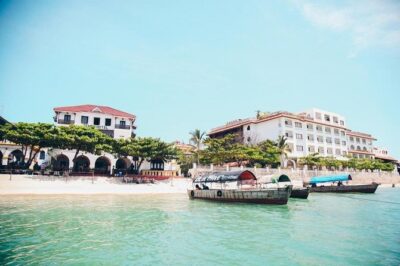
Browse the lists this tour appears in