
Reviewed · NORTHERN CIRCUIT SAFARIS
Kilimanjaro climb, Northern Circuit route (8-day)
Kilimanjaro rewards patience more than speed. Altezza Travel’s Northern Circuit climb is the mountain’s longest and newest main route, giving you eight trekking days, wide views across the northern slopes, and better time to adjust to altitude. I especially like the quiet trail and the steady acclimatization plan, which make this a calmer choice than shorter routes. The main drawback is simple: this is a long, demanding climb, and the $4,010 price does not include flights, visa, insurance, tips, or personal gear.
The package is designed as a private activity for your own group, with airport transfers, hotel nights, park fees, guides, porters, cooks, tents, medical checks, and meals included. I also like the strong attention to safety, including Wilderness First Responder guides, oxygen, altimeters, health checks, and one guide assigned to every two climbers during the summit attempt. Still, you need moderate fitness and a serious attitude toward high-altitude trekking.
In This Review
- Key points to know before booking
- What the $4,010 price really covers
- Arrival in Moshi and the Aishi Machame Hotel
- Day 2: Londorossi Gate to Shira 1
- Day 3: Shira 1, Shira 2, and the Lava Tower acclimatization walk
- Day 4: Lava Tower and Moir Hut Camp
- Day 5: Around the northern slopes toward Kenya
- Day 6: 3rd Cave Camp and the Rongai connection
- Day 7: School Hut Summit Camp at 4,750 meters
- Day 8: Uhuru Peak, Barafu, and Millennium Camp
- Day 9: Mweka Gate and the return to the hotel
- Food, tents, equipment, and crew support
- Who should choose this route?
- Final verdict: should you book it?
- FAQ
- How long does the full experience take?
- Where does the climb begin?
- What is the highest point reached?
- Is airport pickup included?
- Are meals included?
- Can dietary requirements be accommodated?
- Is personal hiking equipment included?
- Is travel insurance included?
Key points to know before booking
- The Northern Circuit takes eight climbing days: This longer schedule gives you more time to acclimatize before summit night.
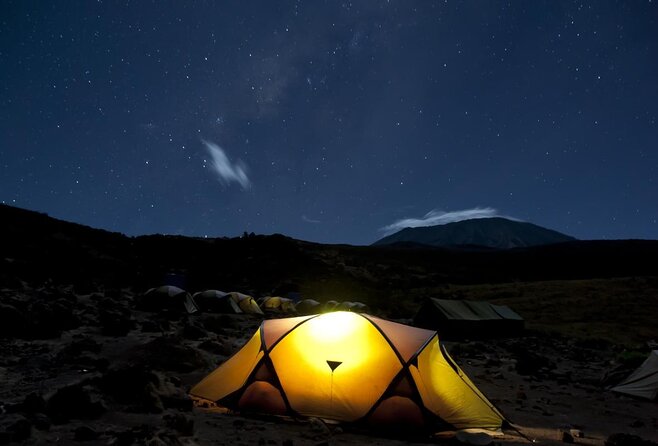
- You begin on Kilimanjaro’s western side: A 3 to 4-hour drive leads to Londorossi Gate, followed by an off-road ride toward the Shira Plateau.
- The route is unusually quiet: The trail crosses remote northern slopes and meets the Rongai Route only near 3rd Cave Camp.
- Altitude is the real challenge: The route reaches 5,895 meters at Uhuru Peak, even though the walking itself is not technically difficult.
- The package includes a full mountain operation: Food, porters, tents, park costs, transport, medical equipment, and two hotel nights are covered.
- A crater-camping option exists: You can ask about the nine-day version if sleeping near the crater is important to you.
What the $4,010 price really covers
At $4,010 per person, this is not a budget Kilimanjaro trip. But the number includes much more than a guide and a place on the trail. You get pickup and drop-off at Kilimanjaro International Airport, all ground transport, two nights at Aishi Machame Hotel, national park charges, mountain permits, rescue registration, tents, sleeping pads, dining equipment, cooks, camp staff, porters, and certified guides.
That matters on Kilimanjaro. A self-contained mountain camp requires far more than a backpack and a guide. The crew carries food, shelter, tables, chairs, cooking supplies, medical equipment, and sleeping arrangements up the mountain. You are paying for a full support system, not merely access to a path.
Three meals a day are included on the mountain, with vegetarian, vegan, lactose-free, gluten-free, halal, and other meal plans available. Drinks such as tea, coffee, juices, and soda are also provided. Personal equipment is not included, though gear is available for hire.
You still need to budget for your flight to Tanzania, visa, mountaineering insurance that covers trekking up to 6,000 meters, tips for the crew, hotel meals before and after the climb, and your own hiking clothing, boots, and sleeping bag. Tips are optional and based on your satisfaction, but you should plan for them as part of the real cost of a guided climb.
The value is strongest if you want a well-supported private trip and do not want to arrange each moving part yourself. The price is harder to justify if you are comparing only the number of days or looking for the cheapest route up Kilimanjaro.
More Kilimanjaro routes and climbs:
- Kilimanjaro climb by Lemosho Route (7-day)
★ 5.0 · 651 reviews - Kilimanjaro climb, Machame Route (7-day)
★ 5.0 · 262 reviews - Kilimanjaro Climbing Lemosho Route 8 Days.
★ 5.0 · 186 reviews
Arrival in Moshi and the Aishi Machame Hotel
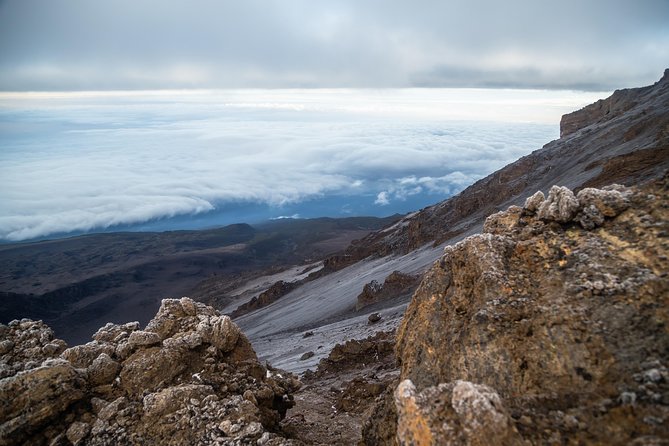
Your first day begins with pickup at Kilimanjaro International Airport. An Altezza representative takes you to Aishi Machame Hotel, where you have a comfortable base before and after the climb.
The hotel provides rooms, hot water, Internet access, a swimming pool, and staff support. Check-in begins at 2:00 PM. An evening briefing with the company managers gives you a chance to check your readiness and ask final questions before leaving for the mountain.
This first night is useful, not decorative. You can organize your gear, deal with missing items, and learn how the next morning will work. The hotel is also where you return after the descent, so the arrangement reduces the number of transfers you need to manage on your own.
Keep in mind that lunch and dinner at the hotel before and after the trek are not included. Hotel checkout is at 11:00 AM on the final day. If your flight leaves later, a late checkout is available for an extra charge.
Day 2: Londorossi Gate to Shira 1
The mountain portion starts with a morning briefing from your guide and support crew. You then drive for roughly 3 to 4 hours to Londorossi Gate, at 2,200 meters, on Kilimanjaro’s western side.
At the gate, the crew handles permits and registration with the search and rescue service. You then continue by off-road vehicle toward the trailhead, reaching about 3,500 meters. This vehicle access saves you a long lower-altitude approach and lets you begin in the high mountain zone sooner.
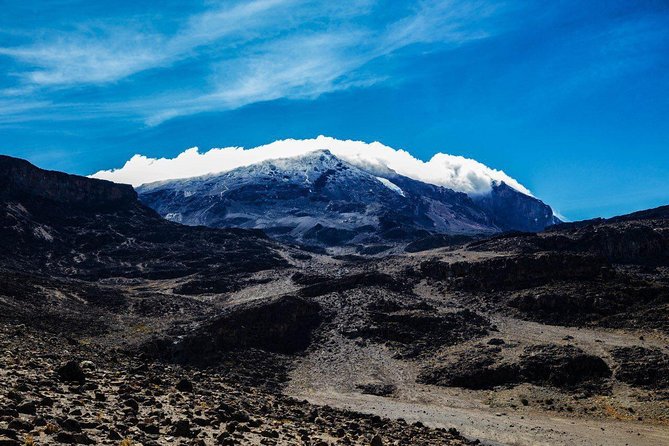
The first walk to Shira 1 Camp is relatively gentle, with only a small increase in elevation. The payoff is immediate: the Shira Plateau opens up, and you get your first major views of Kilimanjaro’s upper slopes.
The listed walking time is about five hours. Although the day is not described as physically severe, you are already sleeping at altitude. Take the easy pace seriously. The goal is not to prove your fitness on the first afternoon.
Day 3: Shira 1, Shira 2, and the Lava Tower acclimatization walk
Day three adds only about 300 meters between Shira 1 and Shira 2 Camp. That modest gain leaves you time to notice the plants, rock, and open views around the plateau rather than simply staring at your boots.
When the weather cooperates, Mount Meru can appear in the distance. At 4,566 meters, Meru is Tanzania’s second-highest mountain and one of Africa’s major peaks. The view adds a fine sense of scale to the day.
After lunch and a two-hour rest, you take an acclimatization walk toward Lava Tower, gaining another 300 meters before returning. This is classic high-altitude planning: climb higher during the day, then sleep lower than your highest point.
The day takes about six hours. The walk is moderate, but the altitude can make even ordinary hills feel strangely personal. Eat, drink, and follow the guide’s pace instead of racing ahead.
More northern circuit safaris:
- Private 4-Days Northern Circuit National Parks in Tanzania
★ 4.5 · 26 reviews - 6 Days Tanzania Northern Circuit Safari
★ 4.5 · 7 reviews - 9 Days Kilimanjaro Hiking or Climbing via Northern Circuit route
★ 5.0 · 5 reviews - Kilimanjaro Northern Circuit Route 8 Days
★ 5.0 · 5 reviews
Day 4: Lava Tower and Moir Hut Camp
This is one of the route’s most important acclimatization days. You leave Shira Camp at roughly 3,900 meters and climb toward Lava Tower at 4,630 meters.
The route has repeated ups and downs. You may feel discomfort as your body adjusts, particularly during the approach to Lava Tower. The plan calls for spending one or two hours at the higher altitude, with lunch at the tower itself.
After lunch, the route climbs slightly before descending into Moir Valley and Moir Hut Camp. The listed walking time is about eight hours, making this a full mountain day even though the trail is not technical.
Your guide may bypass Lava Tower and use the porter trail if someone is not acclimatizing well. In that case, the highest point reached is about 4,400 meters rather than 4,630. That flexibility is a good sign. A fixed itinerary is less important than keeping the group healthy.
Moir Hut Camp brings a more remote feeling. You are moving away from the main western route and toward the northern side of the mountain, where fewer people pass.
Day 5: Around the northern slopes toward Kenya
After a short steep climb out of Moir Valley, you begin a long but generally easy day around Kilimanjaro’s northern slope. The trail continues with frequent rises and drops rather than one punishing uphill push.
The route runs close to the Kenyan border. From here, you may see the Tsavo and Amboseli Valleys, giving the day a broad regional view rather than only a mountain view. This is one of the Northern Circuit’s strongest features: the scenery changes because the route keeps moving around the mountain.
The trek takes about seven hours. Do not let the word easy fool you. Repeated ups and downs at around 4,000 meters can quietly drain your legs, especially when you have already spent several days walking.
Use this day to settle into a rhythm. Keep your pack light, drink regularly, and protect your energy for the summit schedule ahead.
Day 6: 3rd Cave Camp and the Rongai connection
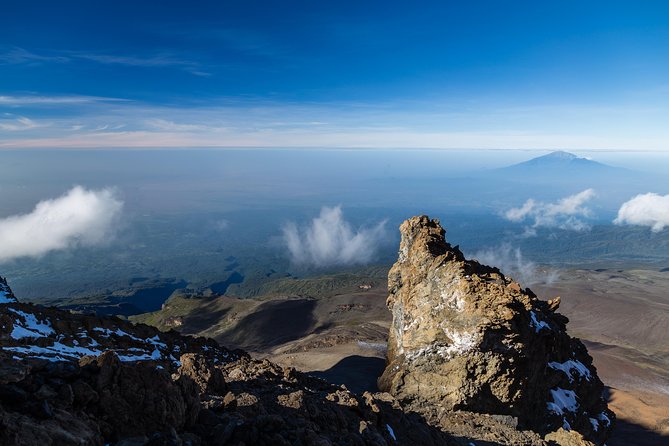
The route finishes its circuit of Kilimanjaro’s northern slope and reaches 3rd Cave Camp. Here, the Northern Circuit meets the traditional Rongai Route.
By this point, the itinerary places you at roughly 4,000 meters and expects your body to feel better adjusted. The day is shorter than day five, giving you some relief before the summit approach.
The supplied schedule lists this day as 14 hours, which appears to reflect the full daily activity window rather than 14 hours of continuous walking. Clarify the expected walking time with Altezza before departure, especially if you are planning around your own energy level.
3rd Cave Camp is significant because it marks the end of the remote northern arc. From here, the mountain route turns toward the summit camps, and the focus shifts from scenic exploration to preparation.
Day 7: School Hut Summit Camp at 4,750 meters
The walk to School Hut Summit Camp reaches 4,750 meters. The trail itself is described as manageable, but the point of the day is restraint.
Choose a pace that leaves you with strength for the summit attempt. Once you reach camp, sleep, drink plenty of fluids, and avoid unnecessary activity. The climb to Uhuru Peak begins around midnight.
This is where the longer route pays off. You have spent several days gaining altitude in controlled steps instead of rushing upward. No schedule can guarantee a summit, but this kind of pacing gives your body a better chance.
Expect the night at School Hut to be focused and quiet. Prepare clothing, headlamp, water, and personal items before resting. Ask your guide about the exact departure plan and what you should carry for the summit section.
Day 8: Uhuru Peak, Barafu, and Millennium Camp
Summit day begins around midnight at 4,750 meters. Uhuru Peak rises to 5,895 meters, and the challenge is mainly altitude, cold, darkness, and fatigue rather than technical climbing.
One guide is assigned for every two climbers during the summit attempt. The guide’s main job is to watch your health as you move toward the peak. Altezza also provides medical kits, checkups, oxygen, and altimeters, but equipment cannot replace honest communication. Tell your guide if you feel unwell.
After reaching Uhuru Peak, you can walk to the nearest glacier if conditions and energy allow. Treat this as an optional extra, not a required victory lap. The summit itself is the achievement.
The descent continues to Barafu Camp for a two-hour lunch and rest break, then ends at Millennium Camp at 3,820 meters. The supplied schedule lists about five hours for this day, though the midnight start makes it one of the most demanding parts of the entire trip.
Take the descent seriously. The itinerary warns that most accidents occur while going down. Loose footing, tired legs, damaged toes, and falls become more likely after the summit. Move slowly, use your poles if you have them, and do not let excitement rush you.
Day 9: Mweka Gate and the return to the hotel
Millennium Camp sits in the tropical rainforest zone. The lower altitude should feel welcome after the summit, and the night there offers a chance to recover before the final walk out.
After a hot breakfast, you descend to Mweka Gate at 1,650 meters. This final section gives you time to look back on the climb and thank the support crew. You then transfer to the Altezza offices to receive your accomplishment certificate before returning to Aishi Machame Hotel.
The listed day lasts about 12 hours, including the descent, transfer, certificate stop, and hotel return. You will likely be tired, so keep your evening simple. The second hotel night is a real benefit here. You get a bed, hot water, and a place to sort your belongings instead of heading directly to an airport.
Food, tents, equipment, and crew support
The mountain setup is designed to make camp life practical. You sleep two people per North Face VE-25 tent, except on solo climbs. A separate dining tent includes tables, chairs, crockery, and cutlery, so meals do not depend on sitting inside your sleeping tent.
Three energy-rich meals are served daily, with several meal plans available. If you have dietary restrictions, provide the information when booking and confirm it again at the briefing.
The support crew includes guides, porters, camp masters, and cooks. The strongest praise attached to this experience centers on care, organization, and the crew’s response when someone struggles. Specific guides named in the feedback include Albert, Khatib, Ally, Stanley, Osward, Bosco, Osman, Joseph, Justin, Honesti, Regan David Lyimo, and Frank Daudi Mbise.
One useful practical point comes from the way the crew handled injuries and illness. Guides helped a climber with a bad knee over the final 13 kilometers, and another account describes Justin and Honesti assisting someone who became sick. That does not make the climb risk-free, but it shows why professional medical training and a large support team matter.
Who should choose this route?
I would choose the Northern Circuit if you value quiet trails, gradual altitude gain, wide views, and a long wilderness experience. It suits people who would rather spend extra days acclimatizing than gamble on a faster schedule.
You should have moderate physical fitness and be comfortable walking for several hours at a time. The route includes steep sections, repeated ups and downs, high camps, and a midnight summit attempt. The walking is not technical, but high altitude changes the difficulty.
This is less suitable if you want a short holiday add-on or dislike basic mountain camping. It is also not the route for someone determined to minimize cost. The nine-day extended version with crater camping may suit you if that special camp experience is worth an extra day.
The listed score is 4.9 from 40 ratings, with 100 percent recommending the experience. The repeated praise focuses on the guides, food, camp equipment, logistics, and attention to health. One useful note is that summit night did not meet every expectation for every person, so keep your goals realistic. Reaching Uhuru Peak is difficult even with an excellent crew.
Final verdict: should you book it?
Book this climb if you want a carefully supported, private Kilimanjaro expedition and can afford the premium price. The Northern Circuit gives you one of the best schedules for acclimatization, plus rare northern views and fewer people on the trail.
I would not book it simply because the package advertises a high summit success rate. You still need preparation, suitable clothing, insurance, patience, and the willingness to turn around if your health requires it.
For a serious first Kilimanjaro attempt, the included medical support, experienced crew, full camp operation, and extra acclimatization days make the $4,010 easier to defend. Ask about group discounts, gear hire, the exact day six walking time, and the crater-camping version before paying. If those details fit your budget and your idea of adventure, this is a strong route choice.
FAQ
How long does the full experience take?
The full program lasts approximately 10 days. The mountain climb itself takes eight days, with hotel and transfer days before and after the trek.
Where does the climb begin?
The climb begins after a transfer from Moshi to Londorossi Gate, on Kilimanjaro’s western side. From there, an off-road vehicle continues toward the trailhead near the Shira Plateau.
What is the highest point reached?
The summit is Uhuru Peak at 5,895 meters. The route may also reach Lava Tower at 4,630 meters and School Hut Summit Camp at 4,750 meters.
Is airport pickup included?
Yes. Pickup and drop-off at Kilimanjaro International Airport are included, along with the other ground transportation listed in the package.
Are meals included?
Yes. Breakfast, lunch, and dinner are included according to the schedule. Drinks such as tea, coffee, juices, and soda are also provided on the mountain.
Can dietary requirements be accommodated?
Yes. Vegetarian, vegan, lactose-free, gluten-free, halal, and other meal plans are available.
Is personal hiking equipment included?
No. You need to provide your own hiking outfit, boots, sleeping bag, and other personal gear. Equipment is available for hire.
Is travel insurance included?
No. Mountaineering insurance is not included. Insurance covering trekking up to 6,000 meters is highly recommended.
Just added around Moshi
- Moshi: Lake Chala Tour: Hiking &/or Kayaking★ 4.5 · 3 reviews
- 3 Days Tanga Exclusive Beach Holiday★ 5.0 · 3 reviews
- Serengeti Wildebeest Migration.★ 5.0 · 3 reviews
- Chemka Hotpsrings E-Bike Day Trip★ 5.0 · 3 reviews
- Explore 1 day Ngorongoro Crater Budget Group Safari from Arusha★ 5.0 · 3 reviews
- Explore the 360° of Kilimanjaro★ 5.0 · 3 reviews
- Affordable Short Tanzania Safari (2 Days Camping Safari)★ 5.0 · 3 reviews
- Rongai Route 7 Days★ 5.0 · 3 reviews
Northern Circuit Safaris, compared.
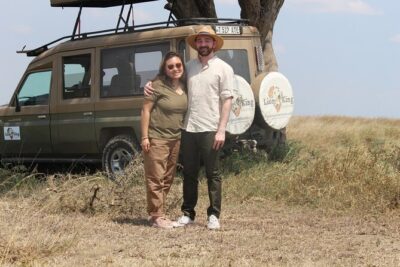
5 Days Best of Tanzania Luxury Safari Northern Circuit
Read our review →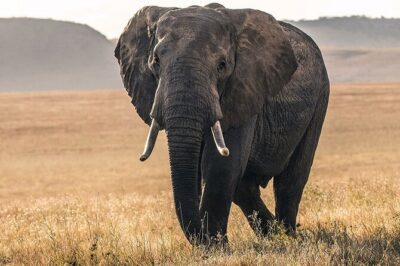
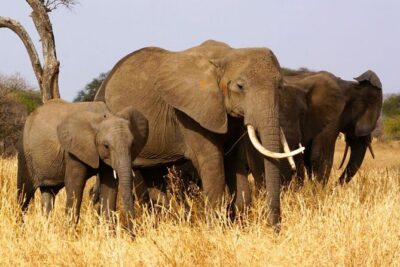
Private 4-Days Northern Circuit National Parks in Tanzania
Read our review →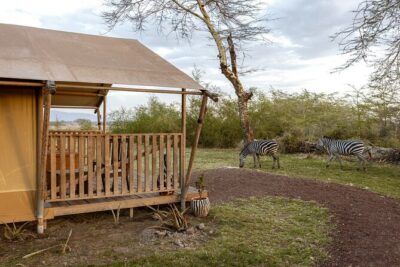
7 Days Classic Safari Central Northern Circuit
Read our review →
5 Days Best of Northern Circuit Budget Safari in Tanzania
Read our review →
6 Days Luxury Northern Circuit Safari – A Glimpse of Tanzania Adventure
Read our review →8-Day Private Guided Northern Circuit Safari Tanzania from Arusha
Read our review →Browse the lists this tour appears in