
Reviewed · KILIMANJARO TREKS
Kilimanjaro climb by Lemosho Route (7-day)
Africa’s highest summit demands a steady pace. This seven-day Lemosho climb gives you time to adjust to altitude while crossing several distinct climate zones, from forest and moorland to rocky high country and Arctic desert. I like the route’s gradual opening across the Shira Plateau, and I like that the price includes airport transfers, two hotel nights, park fees, mountain accommodation, meals, medical checks, and a full support crew.
The main drawback is the summit schedule. You spend a long day reaching Barafu Camp, then face a night ascent to Uhuru Peak at 5,895 meters, followed by a major descent. You need moderate fitness and a real tolerance for cold, fatigue, and slow uphill walking. The seven mountain days are part of a roughly nine-day trip, so do not confuse this with a quick weekend adventure.
In This Review
- Key points before you book
- Why Lemosho is a smart seven-day choice
- Arrival in Moshi and the first night
- Day 2: Londorossi Gate to Shira 1
- Day 3: Shira 1, Shira 2, and Lava Tower acclimatization
- Day 4: Lava Tower and the Barranco Wall
- Day 5: Barranco Wall to Karanga Camp
- Day 6: Karanga to Barafu Camp
- Day 7: Uhuru Peak and the long descent
- Day 8: Millennium Camp to Mweka Gate
- What the $3,476 price really covers
- Guides, porters, and the human side of the climb
- Who should book this climb?
- Should you book the Altezza Lemosho climb?
- FAQ
- How long does the full experience last?
- Where does the climb begin?
- What is the highest point reached?
- Is airport transportation included?
- Are hotel nights included?
- Are tents and sleeping equipment provided?
- Are meals included?
- Can dietary requirements be accommodated?
- What level of fitness is required?
- Is the experience private?
Key points before you book
- The Lemosho Route starts high on the western side: You reach the Shira Plateau early, with broad views and a gentler first hiking day.
- Altitude planning is built into the route: The Lava Tower climb and return to Barranco Camp help your body adjust before summit night.
- The hardest stretch is summit day: Expect a night climb from Barafu Camp to Uhuru Peak, then a long descent to Millennium Camp.
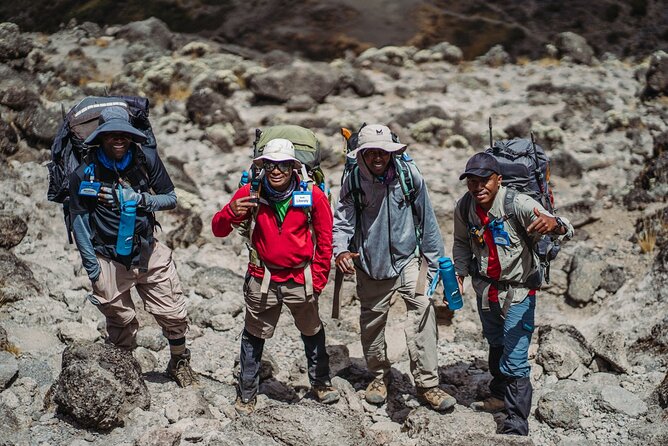
- A large mountain team carries the load: Porters, cooks, camp staff, and Wilderness First Responder guides handle much of the practical work.
- Meals are more flexible than on many mountain trips: Vegetarian, vegan, gluten-free, lactose-free, halal, and other meal plans are available.
- The $3,476 price covers a lot: Park charges, transport, tents, meals, drinks, medical equipment, guides, porters, and hotel stays are included, but flights, visas, gear, insurance, and tips are extra.
Why Lemosho is a smart seven-day choice
Kilimanjaro has several routes, but Lemosho is appealing because it gives you a scenic approach and a useful acclimatization pattern. You do not rush straight toward the summit. Instead, the route climbs to higher ground, drops to sleep lower, then repeats the process.
That pattern matters. Altitude affects people differently, and good scenery cannot compensate for a poor schedule. Here, the route takes you from Londorossi Gate at about 2,200 meters to Shira 1 at 3,505 meters, then gradually higher through Lava Tower, Barranco, Karanga, and Barafu.
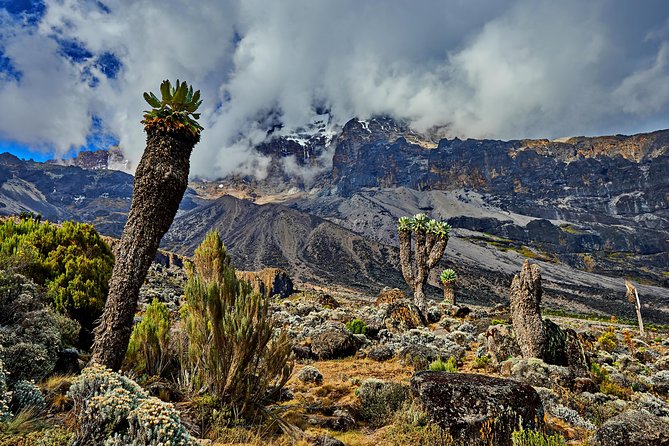
You also get a strong sense of Kilimanjaro’s changing climate zones. Lower sections feel more like a forest hike. Higher up, vegetation thins, the air gets colder, and the mountain becomes bare and severe. Near the summit, you are walking through an Arctic desert, with little shelter from wind or sun.
I especially like that the first mountain day is not punishing. After a three to four-hour vehicle ride, you hike only about five hours to Shira 1. That gives you a chance to adjust to the crew, the altitude, and the rhythm of camp life before the hard work begins.
More Kilimanjaro routes and climbs:
- Kilimanjaro climb, Machame Route (7-day)
★ 5.0 · 262 reviews - Kilimanjaro Climbing Lemosho Route 8 Days.
★ 5.0 · 186 reviews - Climbing Kilimanjaro – Machame Route
★ 5.0 · 170 reviews
Arrival in Moshi and the first night
Your trip begins with pickup at Kilimanjaro International Airport. An Altezza Travel representative meets you and takes you to Aishi Machame Hotel, where you have a room, hot water, Internet access, a swimming pool, and breakfast.
The first night is useful, not decorative. A manager gives you a briefing and checks that you are ready for the climb. Use this time to sort your personal gear, ask questions, and sleep well. Check-in begins at 2:00 PM, so an early arrival may leave you waiting before your room is ready.
The hotel stay is included for two nights with two people per room. Solo accommodation costs extra. Your hotel lunch and dinner are not included, with an average price of about $15 per person for either meal.
Day 2: Londorossi Gate to Shira 1
After a morning briefing, you travel by vehicle to Londorossi Gate, the western entrance to Kilimanjaro National Park. The ride takes roughly three to four hours. Park permits, registration, and search and rescue registration are handled before the group continues by off-road vehicle toward the trail drop-off at about 3,500 meters.
This is an unusual start. You gain altitude by vehicle, then begin hiking on the upper mountain rather than spending a full day walking through the lower forest. From the drop-off point, the trail to Shira 1 has only a small altitude gain and takes about five hours.
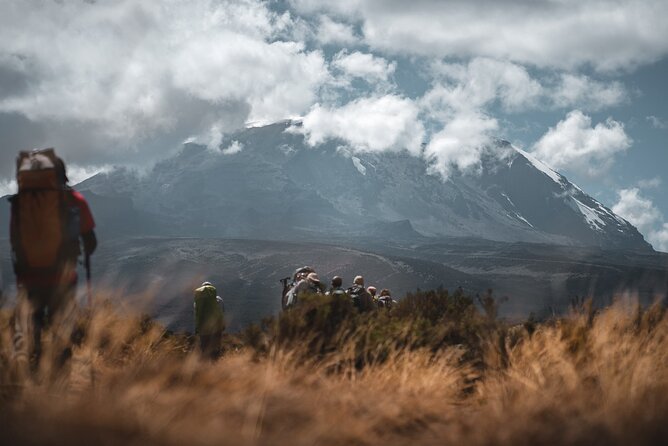
The first big reward is the Shira Plateau. You get your first broad views of this high volcanic world, with Kibo rising ahead and, when weather allows, views toward Mount Meru. The short hiking distance makes this a good introduction, but the high starting point means you should not treat it as an easy low-altitude walk.
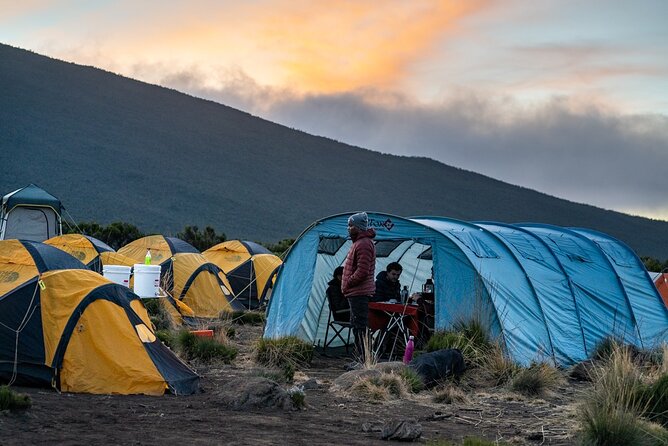
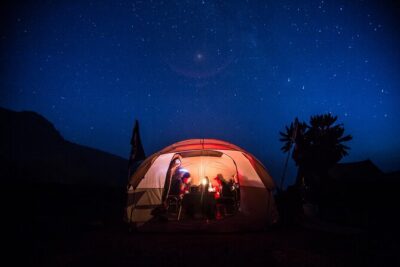
Your tent and mountain camp are provided. North Face VE-25 tents are shared by two hikers, except on solo climbs. Sleeping pads, a dining tent, tables, chairs, crockery, and cutlery are also supplied.
Day 3: Shira 1, Shira 2, and Lava Tower acclimatization
Day three is a fairly gentle hiking day by Kilimanjaro standards. You leave Shira 1 at 3,505 meters and walk to Shira 2 Camp at 3,900 meters. The route takes about six hours and gives you time to study the mountain’s unusual plant life and the open high-country views.
Shira 2 is one of the best places to see Mount Meru, described here as Africa’s fifth summit. That view depends on the weather, but the setting itself is a highlight. You are already above much of the vegetation, yet the summit still feels far away.
After lunch and about two hours of rest, you take an acclimatization hike toward Lava Tower. The hike adds roughly 200 meters of height before you return to camp. This is one of the most useful parts of the plan. You climb higher during the day, then sleep lower at Shira 2, giving your body a better chance to adjust.
The three daily meals are included, along with drinks such as tea, coffee, juice, and soda. Meal plans can be adapted for vegetarian, vegan, lactose-free, gluten-free, halal, and other needs. Tell the operator about dietary requirements before you arrive, rather than trying to sort them out at camp.
A few more trips of this kind worth comparing:
- Climbing Kilimanjaro through 7 days Machame Route
★ 5.0 · 151 reviews - 7 Days Kilimanjaro via Machame route affordable price
★ 5.0 · 110 reviews - Private Kilimanjaro Hike 7 Day Lemosho Route
★ 5.0 · 60 reviews - 7-Day Magical Tanzania Safari -Premium High End Package
★ 5.0 · 53 reviews
Day 4: Lava Tower and the Barranco Wall
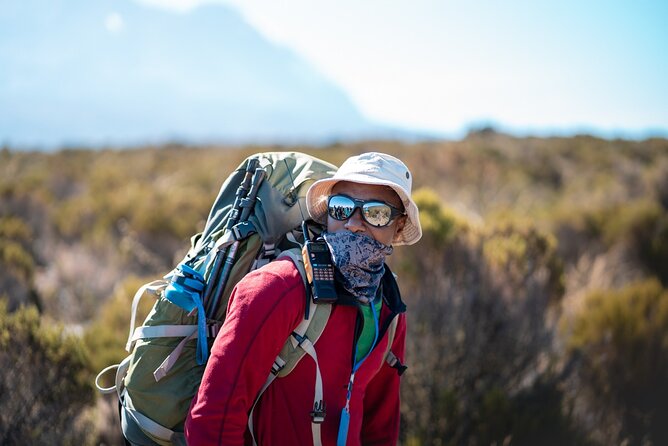
The fourth day is where the route becomes serious. You leave Shira 2 and climb toward Lava Tower at 4,630 meters. The trail includes repeated ascents and descents and takes about eight hours.
Lava Tower can feel rough. You may have a headache, feel short of breath, or simply notice that every movement takes more effort. The plan has you spend at least one to two hours at this height and eat lunch there before descending. That discomfort is part of the acclimatization strategy, not a sign that the day has gone wrong.
From Lava Tower, you descend to Barranco Camp at about 3,960 meters. This is a valuable route design: you reach a high point, then sleep considerably lower. The descent also brings you to one of Kilimanjaro’s famous sights, the Barranco Wall.
The wall looks intimidating from camp, but the route over it is described as a straightforward hiking trail. Still, it is steep enough to make you work, and the early start the next morning is wise. Leaving early helps you avoid some of the crowding that can develop on this popular section.
Day 5: Barranco Wall to Karanga Camp
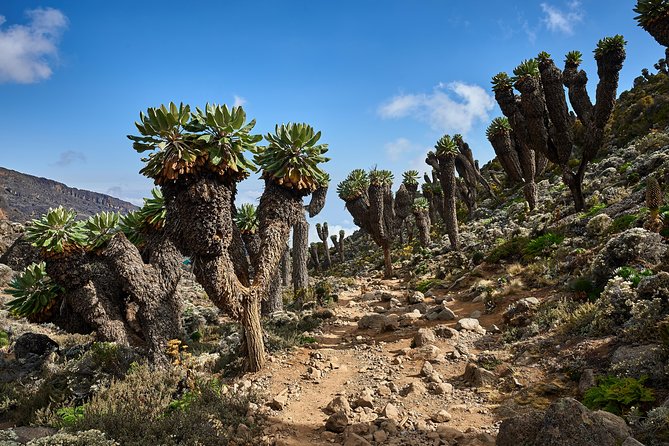
You begin early with the climb up Barranco Wall. The ascent takes about an hour and is not considered technically difficult. You will want to pause at the top for photos, with Kibo dominating the view.
After that, the day becomes more tiring. The trail to Karanga Camp includes many uphill and downhill sections. You gain ground, lose some of it, and repeat the process. The guides set the walking pace for the group, which is important because rushing early in the day can leave you exhausted later.
Karanga Camp sits at about 4,035 meters. After a warm lunch and a rest, you take another acclimatization hike toward Barafu Camp, then return to sleep at Karanga. The day takes about seven hours, not counting the rest period.
This is a good point to judge your condition honestly. If you have worsening altitude symptoms, severe weakness, or trouble walking safely, tell your guide. The support system includes medical kits, oxygen tanks, oximeters, and regular medical checks, but equipment is not a substitute for speaking up early.
Day 6: Karanga to Barafu Camp
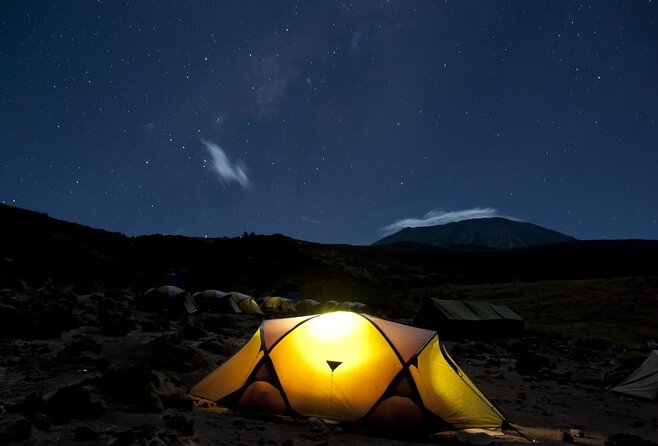
The route from Karanga to Barafu Camp is shorter in distance but important in every other way. Barafu sits at 4,640 meters and is the launch point for the night ascent.
Your mountain team sets up the tent and sleeping bags before you arrive. After lunch or a rest, you take an acclimatization hike toward Kosovo Summit Camp at about 4,800 meters, then return to Barafu for a hot dinner.
The remaining task is sleep, though many people find that difficult at this altitude. Keep your evening simple. Organize summit clothing, headlamp, water, snacks, and any personal gear before trying to rest. The next stage is the most demanding part of the climb.
The schedule information places the summit effort across the sixth and seventh days, so you should read it as one long summit phase. The key point is that you leave Barafu at night, climb to Uhuru Peak, return to camp, rest, and then continue downhill.
Day 7: Uhuru Peak and the long descent
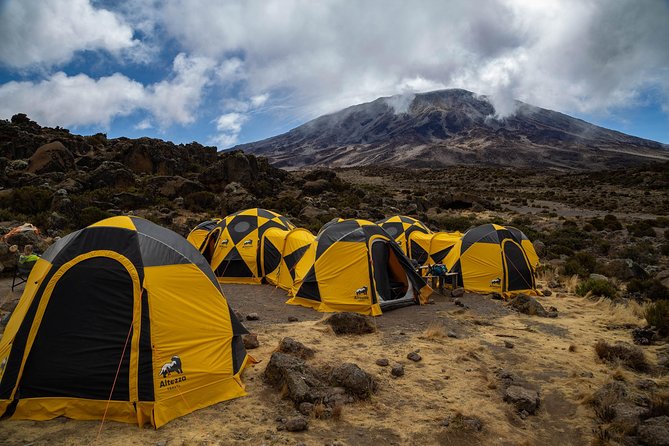
Summit night begins at Barafu Camp at 4,640 meters. The climb to Uhuru Peak reaches 5,895 meters. Technically, the route is described as relatively simple, but altitude makes it extremely hard.
Each pair of climbers receives a personal guide during the ascent. That close attention lets the guide monitor your physical and mental condition and set a pace you can sustain. The phrase pole pole, meaning slowly, is not listed as a feature here, but the guide-led pace is exactly what this kind of climb requires.
At Uhuru Peak, you reach the highest point in Africa. If conditions and energy allow, you may descend to a nearby glacier before returning to Barafu. After about two hours of rest, you continue to Millennium Camp at 3,820 meters.
This is a very long day, listed at about 12 hours. Pay close attention during the descent. Tired legs, loose footing, and poor concentration can create problems after the summit, when people are tempted to relax too soon. Good boots, careful steps, and listening to your guide matter as much on the way down as they do on the climb up.
Day 8: Millennium Camp to Mweka Gate
Millennium Camp is in the tropical rainforest, and the lower altitude should bring noticeable relief. After breakfast, you descend to Mweka Gate at 1,640 meters.
This five-hour walk is physically easier than summit day, but your legs may still be tired. The change from bare high mountain to rainforest is a pleasant final chapter. At the gate, the group gathers to celebrate, share feedback in a guestbook, and receive commemorative certificates at the company office.
You then return to the hotel. This night is included, and it gives you time to shower, eat, and recover before your flight.
What the $3,476 price really covers
At $3,476 per person, this is not a low-cost Kilimanjaro climb. But the price includes many expenses that can quickly add up when booked separately.
Included are airport pickup and drop-off, all ground transport, two hotel nights, mountain tents, park fees, three meals per day on the mountain, drinks, guides, porters, cooks, camp staff, medical equipment, oxygen tanks, oximeters, and group camping equipment.
That makes the cost easier to judge. You are paying for a managed expedition rather than only a guide and a trail permit. The food and camp operation also matter more than they may seem. Warm meals, hot drinks, a dining tent, and a dry place to sit can make a major difference after a cold day.
You still need to budget for flights, a Tanzanian visa, personal clothing, footwear, a sleeping bag, mountaineering insurance, lunches and dinners at the hotel, and tips. A visa is available at JRO for $50 for most nationalities and $100 for US passport holders. Insurance covering trekking up to 6,000 meters is highly recommended.
Personal gear can be rented, but the supplied information does not give rental prices. Ask for those costs before booking so the final budget does not surprise you.
Guides, porters, and the human side of the climb
The strongest praise centers on the mountain crew. The operation uses guides certified in Wilderness First Response, along with porters, cooks, and camp masters. The support is designed to let you focus on walking, eating, resting, and staying healthy.
Names praised in individual accounts include Kombe, Elia, Joshua, Bosco, George, Hamza, Justin, Ayubu, Adrian, Simon, Shiraz, and Musa. You should not assume a particular guide will be assigned to your climb, but these names give you a sense of the personal service people have received.
Food also receives repeated praise. Warm meals, full portions, dietary flexibility, and small comforts such as afternoon popcorn were all highlighted. That may sound minor before the climb, but at 4,000 meters, a hot meal can be one of the best moments of the day.
The crew size can be substantial, especially for larger private groups. That brings strong logistical support, but it also raises an ethical question about porter treatment. Ask the operator how it handles porter welfare, wages, load limits, and tipping before departure. Tips are optional and based on your satisfaction, but you should plan for them as part of the expedition budget.
Who should book this climb?
This route suits you if you want a serious high-altitude challenge with organized support and a strong chance to acclimatize properly. You do not need to be an elite athlete, but the trip requires moderate fitness, long walking days, steep sections, cold conditions, and the ability to keep moving when tired.
It is also a good choice for a private group. Only your group participates, so the guides can focus on your pace and needs. Group discounts are offered, but the exact savings are not provided.
You should think twice if you want a relaxed holiday, dislike basic tent camping, or have not prepared for several consecutive days of hiking. The summit night is not a casual walk, and the long descent can be hard on tired feet.
Should you book the Altezza Lemosho climb?
I would recommend this climb to a prepared hiker who values logistics, safety checks, meals, and a full mountain crew. The route has a sensible acclimatization pattern, the included services are substantial, and the airport-to-hotel-to-mountain arrangement removes much of the planning burden.
Book it if you are willing to train, bring proper clothing and footwear, buy high-altitude insurance, and accept that summit success depends on your health and the mountain conditions. The 5-star score and 100 percent recommendation shown for the experience support its strong reputation, but no operator can remove the effects of altitude.
Before paying, confirm the exact hotel dates, solo supplement, gear rental rates, dietary arrangements, guide-to-climber ratio, tipping expectations, and the detailed summit schedule. If those terms suit your budget and fitness, the seven-day Lemosho route offers one of Kilimanjaro’s best balances of scenery, support, and acclimatization.
FAQ
How long does the full experience last?
The full trip lasts approximately nine days. Seven days are devoted to the mountain route, with hotel nights before and after the climb.
Where does the climb begin?
The climb begins after transport from Moshi to Londorossi Gate, the western entrance to Kilimanjaro National Park. You then continue by off-road vehicle toward the trail drop-off.
What is the highest point reached?
The climb reaches Uhuru Peak at 5,895 meters.
Is airport transportation included?
Yes. Pickup and drop-off at Kilimanjaro International Airport are included, along with all ground transportation during the experience.
Are hotel nights included?
Yes. Two nights at Aishi Machame Hotel are included, with two people per room unless you are traveling alone. Single accommodation costs extra.
Are tents and sleeping equipment provided?
North Face VE-25 tents and sleeping bags are provided on the mountain. Tents are shared by two hikers unless you are on a solo climb. Personal gear remains your responsibility, although rental is available.
Are meals included?
Three meals per day are included on the mountain. The package lists eight breakfasts, six lunches, and six dinners, plus drinks such as tea, coffee, juice, and soda.
Can dietary requirements be accommodated?
Yes. Vegetarian, vegan, lactose-free, gluten-free, halal, and other meal plans are available.
What level of fitness is required?
The experience requires a moderate level of physical fitness. You should be ready for multiple days of hiking, altitude, steep sections, a night summit attempt, and a long descent.
Is the experience private?
Yes. This is a private activity, so only your group participates. Group discounts are available, but the discount amount is not specified.
Just added around Moshi
- Moshi: Lake Chala Tour: Hiking &/or Kayaking★ 4.5 · 3 reviews
- 3 Days Tanga Exclusive Beach Holiday★ 5.0 · 3 reviews
- Serengeti Wildebeest Migration.★ 5.0 · 3 reviews
- Chemka Hotpsrings E-Bike Day Trip★ 5.0 · 3 reviews
- Explore 1 day Ngorongoro Crater Budget Group Safari from Arusha★ 5.0 · 3 reviews
- Explore the 360° of Kilimanjaro★ 5.0 · 3 reviews
- Affordable Short Tanzania Safari (2 Days Camping Safari)★ 5.0 · 3 reviews
- Rongai Route 7 Days★ 5.0 · 3 reviews
Kilimanjaro Treks, compared.


8-Day Small-group Lemosho Kilimanjaro Summit Trekking
Read our review →


Climbing Kilimanjaro through 7 days Machame Route
Read our review →

7-Day Machame Kilimanjaro Summit Tour from Arusha
Read our review →Browse the lists this tour appears in