
Reviewed · KILIMANJARO TREKS
Kilimanjaro climb, Machame Route (7-day)
Africa’s highest summit demands patience.
This seven-day Machame Route climb gives you a well-paced path toward Uhuru Peak, with guides, porters, cooks, park fees, airport transfers, and two hotel nights included. I especially like the built-in acclimatization hikes and the regular medical checks. I also like that the kitchen team can handle vegetarian, vegan, gluten-free, lactose-free, halal, and other meal needs.
The main caution is simple: this is not a casual walk in the hills. You spend long hours above 3,000 meters, and summit night begins after very little sleep. The $3,377 price is high, but it covers many major costs and a large mountain support team.
In This Review
- Five things to know before you book
- Why the Machame Route works well in seven days
- Arrival in Moshi and the first hotel night
- Day 1: A useful reset before the mountain
- Day 2: Machame Gate to Machame Camp
- Day 3: Shira Camp and the first acclimatization hike
- Day 4: Lava Tower, 4,630 meters, then Barranco Camp
- Day 5: Barranco Wall to Karanga Camp
- Day 6: Barafu Camp and a very short night
- Day 7: Uhuru Peak at 5,895 meters
- Day 8: Mweka Gate and a proper celebration
- Day 9: Hotel rest and airport transfer
- What the $3,377 price really covers
- Who should book this climb
- Should you book the Machame Route?
- FAQ
- How long does the whole Kilimanjaro experience last?
- Is airport pickup included?
- What is the highest point reached?
- Are meals included?
- Can dietary requirements be accommodated?
- Is personal hiking equipment included?
- What fitness level is required?
Five things to know before you book
- The route reaches 5,895 meters at Uhuru Peak: The summit is technically straightforward, but altitude makes the final climb hard.
- Acclimatization is built into the schedule: The Lava Tower and Kosovo Camp hikes help you climb high, then sleep lower.
- A personal summit guide is assigned to each pair: This gives you close support during the toughest night.
- The support system is substantial: Porters, cooks, camp staff, medical equipment, tents, food, drinks, and park charges are included.
- The trip lasts about nine days in practice: Seven days are spent on the mountain, with a hotel night before and after the climb.
- The final descent deserves respect: The provider warns that many accidents happen while coming down, so tired legs still need careful attention.
Why the Machame Route works well in seven days
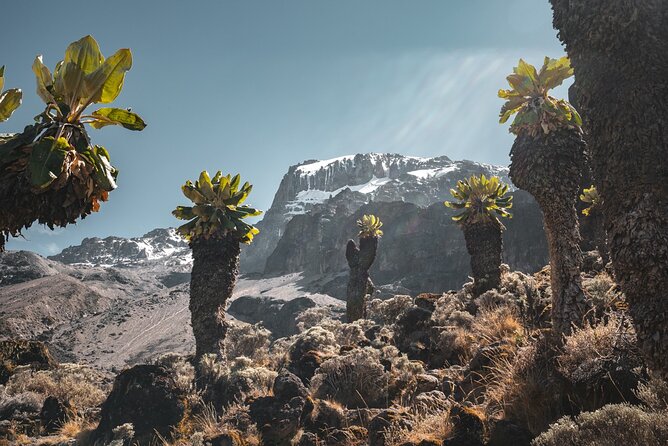
The Machame Route is often called the Whiskey Route, though the name should not fool you into expecting a party trail. It is a serious mountain route with steep sections, exposed high camps, rocky ground, and a demanding summit night.
The seven-day schedule gives you more time to adjust than shorter Kilimanjaro programs. You climb from the rainforest at 1,800 meters to camps above 4,000 meters in measured steps. The plan repeatedly uses the useful mountain rhythm of climbing higher during the day and sleeping lower when possible.
I like this design because altitude, not technical climbing, is the main problem on Kilimanjaro. You do not need advanced mountaineering skills for the route described here, but you do need steady fitness, patience, and the willingness to walk slowly. The guides’ repeated advice is pole pole, meaning slowly, though that phrase is not a substitute for listening to your body.
The activity is described as private, meaning only your own group participates. Group discounts are also offered. The exact number of climbers in your party can affect how social the trip feels and how many guides and porters are assigned, so ask for that information before paying.
More Kilimanjaro routes and climbs:
- Kilimanjaro climb by Lemosho Route (7-day)
★ 5.0 · 651 reviews - Kilimanjaro Climbing Lemosho Route 8 Days.
★ 5.0 · 186 reviews - Climbing Kilimanjaro – Machame Route
★ 5.0 · 170 reviews
Arrival in Moshi and the first hotel night
Your trip begins with pickup at Kilimanjaro International Airport. An Altezza Travel representative meets you at JRO and transfers you to Aishi Machame Hotel.
The hotel stay is useful, not decorative. You get a room, hot water, internet access, a swimming pool, and breakfast. Check-in begins at 2:00 PM, and the evening briefing gives you time to meet the managers, check your preparation, and sort out any missing personal gear.
Two hotel nights are included, one before and one after the climb. Rooms are normally shared by two people, while solo accommodation costs extra. Hotel lunches and dinners are not included, and the stated average price is about $15 per person for each meal.
This first night is also your best chance to ask direct questions. Confirm the departure time, check your boots and rain gear, and make sure your sleeping bag and clothing are ready. Personal equipment is not included, though gear hire is available.
Day 1: A useful reset before the mountain
The arrival day can feel like a waiting day, especially if your flight lands early. Use it well.
Moshi is your practical base rather than the main attraction of this program. Rest, drink water, eat a proper meal, and attend the briefing. You will be starting early the next morning, so the swimming pool may be tempting, but a quiet evening is the smarter choice.
Airport transfer is included both at the start and end of the trip. Airfare, visas, insurance, and personal equipment are not included. Most nationalities can obtain a Tanzanian visa at JRO for $50, while US passport holders pay $100 according to the supplied information.
Day 2: Machame Gate to Machame Camp
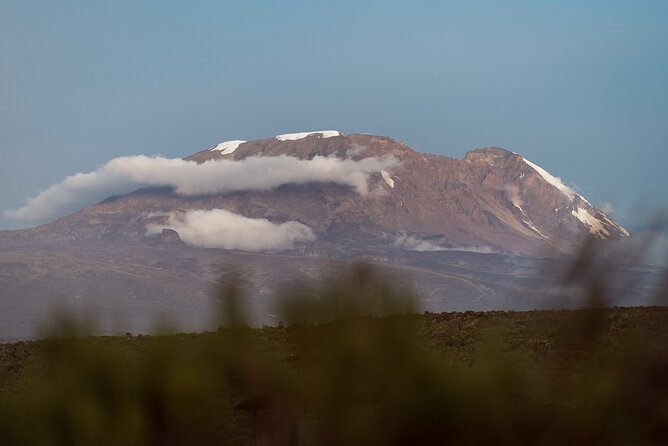
The mountain portion starts with a drive to Machame Gate at 1,800 meters. Staff handle climbing permits and registration with the search and rescue service before you begin walking.
The first trail section passes through rainforest. This is a beautiful introduction to Kilimanjaro, but it is also the wettest part of the route. Tropical showers are highly likely, so your raincoat should be in your daypack, not buried inside a porter’s bag.
The walk to Machame Camp at 3,010 meters takes about six hours. It is not the longest day, but your body is already working harder because you are gaining altitude. Expect damp clothing, muddy sections, and a real need for dry socks at camp.
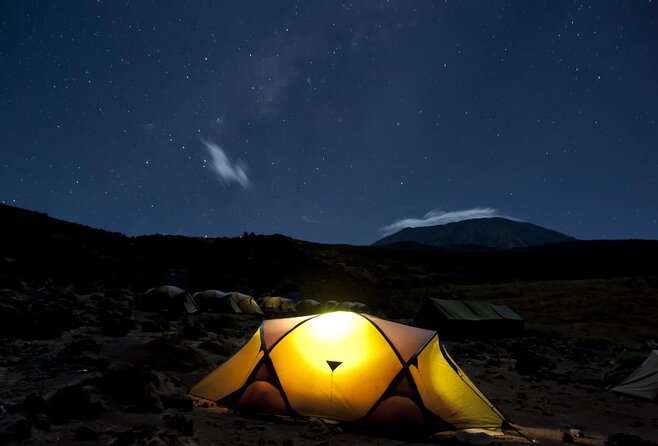
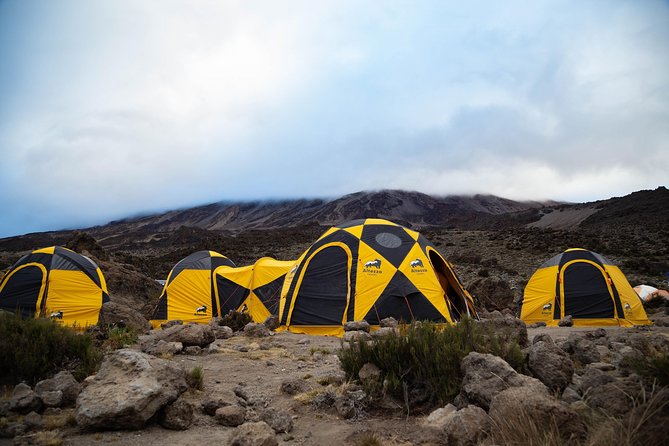
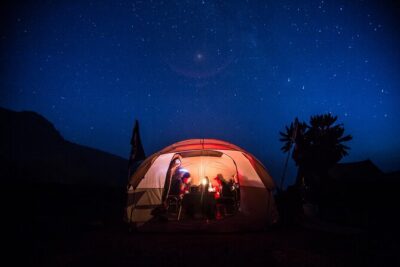
The crew sets up the North Face VE-25 tents, with two climbers per tent unless you are traveling alone. Dining equipment, sleeping pads, tables, chairs, crockery, and cutlery are provided. That may sound like a small comfort, but a proper place to sit and eat matters after a wet uphill day.
A few more trips of this kind worth comparing:
- Climbing Kilimanjaro through 7 days Machame Route
★ 5.0 · 151 reviews - 7 Days Kilimanjaro via Machame route affordable price
★ 5.0 · 110 reviews - Private Kilimanjaro Hike 7 Day Lemosho Route
★ 5.0 · 60 reviews - 7-Day Magical Tanzania Safari -Premium High End Package
★ 5.0 · 53 reviews
Day 3: Shira Camp and the first acclimatization hike
After breakfast, you climb to Shira Camp at 3,845 meters. The rainforest gives way to open high-country scenery, and the Shira Plateau comes into view.
The day takes about seven hours. The walking itself is described as moderate, but altitude may be noticeable. You may find yourself breathing harder on slopes that would feel easy at home. Keep your pace slow, and tell your guide about headaches, nausea, unusual tiredness, or other symptoms.
After lunch and rest at Shira, you take an acclimatization hike toward Lava Tower, gaining about 300 meters before returning to camp. This is one of the strongest parts of the itinerary. You get a useful high-altitude test without sleeping at the highest point reached that day.
Meals are cooked on the mountain, and drinks such as tea, coffee, juice, and soda are included. The food receives some of the strongest praise in the supplied comments, with climbers describing varied, hot, nutritious meals and tea or snacks at trail junctions. Dietary needs should still be stated clearly before departure.
Day 4: Lava Tower, 4,630 meters, then Barranco Camp
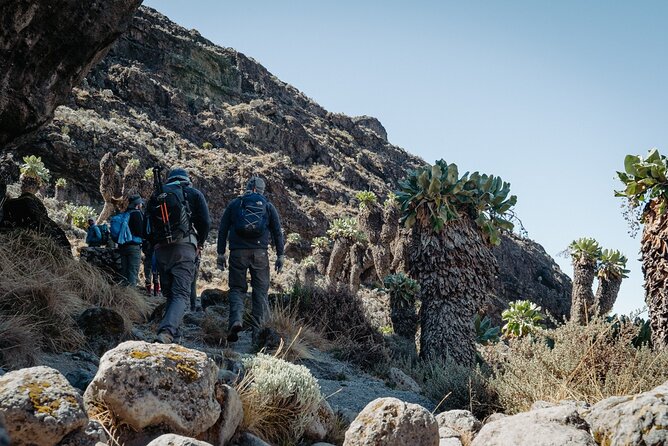
Day four is the route’s key acclimatization day. You leave Shira at 3,845 meters and climb toward Lava Tower at 4,630 meters.
The trail has repeated ascents and descents. You may feel discomfort at Lava Tower, and the plan deliberately keeps you there for one to two hours, with lunch served at high altitude. This can be hard, but it gives your body important exposure before summit night.
Then comes the descent to Barranco Camp at 3,960 meters. This high point followed by a lower sleeping camp is exactly the sort of schedule that makes a seven-day climb more sensible than a rushed itinerary.
Barranco Camp sits near the famous Barranco Wall. From below, it looks far more intimidating than it feels on the trail. The next morning’s climb is steep and hands-on in places, but it is described as a simple hiking route rather than technical rock climbing. Still, you should expect a slow line if several groups leave at once.
Day 5: Barranco Wall to Karanga Camp
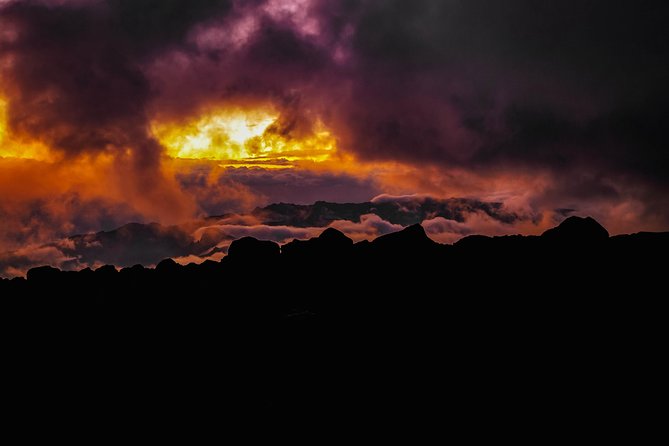
An early start helps with both heat and crowding on Barranco Wall. The climb takes about an hour, followed by a natural pause for photographs with Kibo volcano behind you.
After the wall, the route becomes a repeated series of ascents and descents toward Karanga Camp at 4,035 meters. This is a tiring day because the total distance is not the only challenge. Your legs keep changing rhythm, and the altitude makes every rise feel longer.
Hot lunch is served at camp, followed by another acclimatization hike toward Barafu Camp. You return to Karanga to sleep. This extra outing may feel unnecessary when you are tired, but it prepares you for the higher camps ahead.
I like the way this day breaks up the climb. You do not simply walk from one camp to another and stop. You make a controlled effort at higher elevation, then return to a lower sleeping point.
Day 6: Barafu Camp and a very short night
The route from Karanga Camp at 4,035 meters to Barafu Summit Camp at 4,640 meters takes about seven hours. Barafu is the launch point for your night climb to Uhuru Peak.
The team prepares the tents and sleeping bags ahead of time. After lunch or rest, you hike toward Kosovo Summit Camp at about 4,800 meters, then return to Barafu. Dinner is served hot, and the rest of the day should be spent resting.
This is where good planning meets a hard reality. You need to sleep, but summit departure is at night, so your rest period is short. Keep your bag organized, eat even if your appetite has faded, and follow the guide’s instructions about clothing and water.
Medical check-ups, oximeters, oxygen tanks, and medical kits are included. These supplies do not remove the risk of altitude illness, but they show that the operation is prepared to monitor and respond to problems. Certified Wilderness First Responder guides provide another important layer of care.
Day 7: Uhuru Peak at 5,895 meters
Summit night begins from Barafu Camp at 4,640 meters. The route to Uhuru Peak is technically simple compared with a rock climb, but the altitude makes it the hardest part of the whole trip.
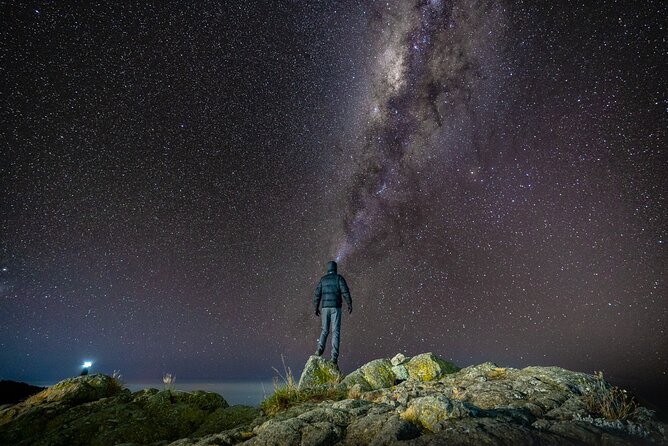
You walk in darkness, slowly, with frequent checks on your physical and mental condition. A personal guide is assigned to each pair for the ascent. That is a valuable arrangement, especially if one person in your pair is moving at a different pace from the rest of the group.
At Uhuru Peak, you reach 5,895 meters, the highest point in Africa. The experience is likely to be more about endurance than graceful hiking. Cold, tiredness, thin air, and the long descent all arrive at once.
A descent to the nearest glacier is available if desired. After the summit, you return to Barafu for about two hours of rest, then continue down to Millennium Camp at 3,820 meters. The entire day takes about 12 hours.
Pay close attention on the way down. The provider specifically warns that most accidents occur during descent, including broken arms and legs. Your knees and feet may be tired, and loose ground can be awkward. Slow down, use trekking poles if you have them, and do not treat the summit as the end of the job.
Day 8: Mweka Gate and a proper celebration
Millennium Camp sits in tropical rainforest, and the lower altitude should feel like a major relief after summit day.
After breakfast, you descend to Mweka Gate at 1,640 meters. The walk is about 12 kilometers and takes four to five hours. This is still a real hiking day, but it should feel easier as the air thickens and the trail drops into warmer forest.
At the gate, the group gathers to celebrate. You can write in the guestbook, and commemorative certificates are presented at the company office. Then you return to the hotel.
This night is included and matters more than it might appear when booking. After the summit, you will want a shower, a bed, dry clothes, and time to eat without sleeping in a tent.
Day 9: Hotel rest and airport transfer
The final day is for rest and transfer to the airport. Hotel check-out is at 11:00 AM.
If your flight leaves in the evening, a late check-out can be arranged for an extra fee. Airport drop-off is included, but leave enough time for the transfer and airport procedures. The schedule lists this day as lasting up to 12 hours because departure times can vary.
What the $3,377 price really covers
At $3,377 per person, this is not a budget climb. Still, the price includes several expensive items that are easy to overlook when comparing operators.
You receive:
- Airport pickup and drop-off at JRO
- All ground transportation
- Two hotel nights with breakfast
- Kilimanjaro National Park fees
- Mountain tents and sleeping pads
- Dining tent, tables, chairs, dishes, and cutlery
- Breakfast, lunch, and dinner on the mountain
- Drinks including tea, coffee, juices, and soda
- Porters, cooks, camp staff, and professional guides
- Medical checks, oxygen, oximeters, and medical kits
The crew system is one of the strongest parts of the package. Several comments praise the guides for patient pacing and the porters for carrying and setting up camp. Names connected with past teams include Stanford, Victor, Rashid, Nolasco, Joseph, Justin, John, and Francis. Your exact team may differ, so do not book based on one particular guide’s name.
You still need to budget for airfare, visa fees, insurance, personal clothing, boots, sleeping bag, hotel meals, and crew tips. Insurance should cover mountain trekking. Tips are optional and based on your satisfaction, but you should plan for them as part of the real cost of a guided climb.
Who should book this climb
I would recommend this trip to you if you want a supported Kilimanjaro climb with a clear schedule and strong attention to altitude management. It suits people with moderate physical fitness who can walk for six to 12 hours, sleep in tents, and accept that summit success depends on health and conditions.
It is also a good fit if you have dietary needs. The meal plan is unusually flexible, and the kitchen operation receives strong praise for hot, varied food.
I would hesitate if you want a relaxed holiday with only a little walking. The final two days are demanding, the summit night is cold and short on sleep, and the price does not include every major trip expense. You should also think carefully about sharing a tent and hotel room, unless you pay for single accommodation.
The free cancellation policy allows a full refund if you cancel at least 24 hours before the local start time. Changes or cancellations inside that window are not accepted for a refund.
Should you book the Machame Route?
Book it if you want a carefully supported seven-day climb and value preparation, food, medical checks, and a large crew over a low price. The itinerary gives you a sensible acclimatization pattern, and the personal guide system on summit night is a real advantage.
Do not book it simply because Kilimanjaro is described as technically easy. The summit is a high-altitude endurance test, and you must be ready for long days, wet rainforest, cold camps, and a careful descent.
For the right climber, this is a strong package. Ask about current group size, single-room costs, gear hire, tipping guidance, and the exact equipment supplied before you commit. Then arrive rested, pack rain protection where you can reach it, and save your best effort for the mountain’s final night.
FAQ
How long does the whole Kilimanjaro experience last?
The program lasts approximately nine days. It includes a hotel night before the climb, seven days on the mountain, and a final hotel and airport-transfer day.
Is airport pickup included?
Yes. Pickup and drop-off at Kilimanjaro International Airport are included, along with all ground transportation.
What is the highest point reached?
The summit is Uhuru Peak at 5,895 meters.
Are meals included?
Breakfast, lunch, and dinner are included on the mountain. The package includes eight breakfasts, six lunches, and six dinners. Hotel lunch and dinner are not included.
Can dietary requirements be accommodated?
Yes. Vegetarian, vegan, lactose-free, gluten-free, halal, and other meal plans are available.
Is personal hiking equipment included?
No. Your hiking clothing, boots, sleeping bag, and other personal gear are not included. Equipment is available for hire.
What fitness level is required?
A moderate level of physical fitness is required. You should be prepared for hiking days of about six to 12 hours, with the summit day being the most demanding.
Just added around Moshi
- Moshi: Lake Chala Tour: Hiking &/or Kayaking★ 4.5 · 3 reviews
- 3 Days Tanga Exclusive Beach Holiday★ 5.0 · 3 reviews
- Serengeti Wildebeest Migration.★ 5.0 · 3 reviews
- Chemka Hotpsrings E-Bike Day Trip★ 5.0 · 3 reviews
- Explore 1 day Ngorongoro Crater Budget Group Safari from Arusha★ 5.0 · 3 reviews
- Explore the 360° of Kilimanjaro★ 5.0 · 3 reviews
- Affordable Short Tanzania Safari (2 Days Camping Safari)★ 5.0 · 3 reviews
- Rongai Route 7 Days★ 5.0 · 3 reviews
Kilimanjaro Treks, compared.


8-Day Small-group Lemosho Kilimanjaro Summit Trekking
Read our review →


Climbing Kilimanjaro through 7 days Machame Route
Read our review →

7-Day Machame Kilimanjaro Summit Tour from Arusha
Read our review →Browse the lists this tour appears in