
Reviewed · CAMPING SAFARIS
Tanzania Wildlife Safari Budget Camping
Safari days begin before breakfast. This five-day northern Tanzania circuit packs Tarangire, Lake Manyara, the Serengeti, Oldupai Gorge, and Ngorongoro Crater into one fast-moving trip. I like the strong mix of wildlife and scenery, especially elephant country in Tarangire and the dense animal population inside Ngorongoro. I also like that meals, park fees, camping, and pickup are built into the price. The main drawback is the pace: you cover long distances, sleep in basic camps, and spend several days in a vehicle.
The experience costs $1,155 per person, which can be good value for a safari covering four major parks and four nights of camping. Guides such as James, Emmanuel, and Manu have earned praise for spotting animals and explaining what you see, while Vincent has been singled out for quick help and steady communication. Before booking, confirm the exact pickup point, since the details list Arusha Airport at 7:00 am but also describe collection from an Arusha hotel.
In This Review
- Key points at a glance
- Why this five-day route works
- Day one: elephants and baobabs in Tarangire
- Day two: birds, lake views, and Manyara’s open plains
- Day three: Oldupai Gorge and the road to the Serengeti
- Day four: an early Serengeti game drive
- Day five: a concentrated wildlife day inside Ngorongoro Crater
- What camping is really like on this safari
- Is $1,155 good value?
- Guides, communication, and practical details
- Who should book this safari?
- Should you book it?
- FAQ
- Where does the safari start?
- How long is the safari?
- Which parks and sites are included?
- Are meals included?
- How many people can join the group?
- What is not included in the price?
Key points at a glance
- Four major wildlife areas in five days: Tarangire, Lake Manyara, Serengeti, and Ngorongoro Crater give you a broad first look at Tanzania.
- Elephants and baobabs in Tarangire: The park is especially appealing if you want close views of elephant families beneath huge, distinctive trees.
- A serious Serengeti schedule: You get an afternoon game drive on arrival and an early morning drive the next day.
- Oldupai Gorge adds human history: The museum and archaeological site break up the drive between Manyara and the Serengeti.
- Budget camping keeps the price down: Tents, mats, blankets, meals, and public campsites provide a practical base rather than a luxury stay.
- Small-group format: The vehicle can carry up to 15 people, so ask about the expected group size before you pay.
Why this five-day route works
This safari follows Tanzania’s classic northern circuit. Each park gives you a different setting and a different reason to keep watching the road.
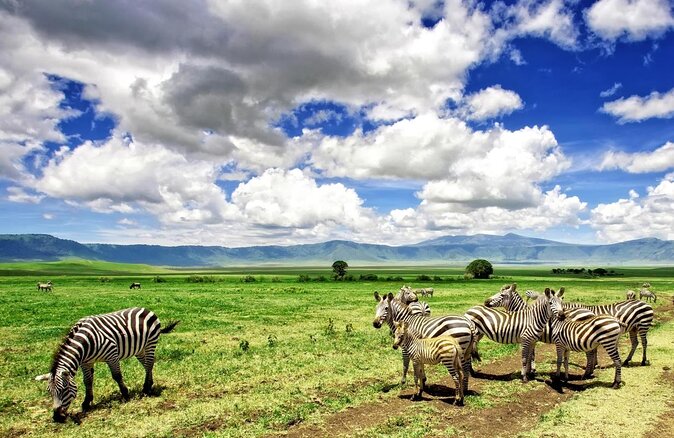
Tarangire is known for elephants and baobabs. Lake Manyara brings birds, forest, lake views, and open grassland. The Serengeti gives you the widest sense of open country and some of the best chances for large mammals. Ngorongoro Crater concentrates wildlife into a dramatic volcanic basin.
That variety matters. If you only visit one park, your experience depends heavily on the season and recent animal movements. Here, you see several habitats in one trip. The tradeoff is time. Five days is enough for an exciting introduction, but not enough for a relaxed exploration of every park.
The schedule lists about seven hours for each day. That includes driving, game viewing, park procedures, meals, and the change between camps. You should expect early starts and plenty of time seated in the safari vehicle. This is not a slow holiday built around late mornings.
More Safaris in Arusha
- Serengeti Balloon Safari and authentic bush breakfast
★ 5.0 · 2,480 reviews - Balloon Safari & Bush Breakfast in Serengeti – Miracle Experience
★ 5.0 · 1,646 reviews - 4 Days Group Camping Safari
★ 5.0 · 1,101 reviews
Day one: elephants and baobabs in Tarangire
Pickup is scheduled for 7:00 am, with collection described from an Arusha hotel and the meeting point listed as Arusha Airport. You then head toward Tarangire National Park with your driver guide.
Tarangire is a strong opening act because it offers an immediate sense of classic African wildlife. The park is particularly famous for elephants, and you may see family groups moving slowly between feeding areas and water. The enormous baobab trees add a memorable shape to the views, with animals often appearing small beside their thick trunks.
The Tarangire River is important to the park’s wildlife. In the dry season, water becomes scarce across the surrounding area, so animals gather near the river and other remaining water sources. That concentration can make game viewing rewarding, though animal numbers and sightings always depend on conditions.
You receive a picnic lunch, then continue with a game drive before going to the campsite for the night. The first day is long, but it gives you a proper national park visit rather than just a short stop.
I would pay close attention to the guide here. A good guide does more than point at an elephant. The best guides help you notice behavior, spacing between animals, and the way the dry season changes where wildlife gathers. Emmanuel, also called Manu, has been praised for spotting animals, including hard-to-find species and members of the Big Five.
Day two: birds, lake views, and Manyara’s open plains
After breakfast, you drive to Lake Manyara National Park. This park provides a change of rhythm after Tarangire. It is especially well suited to anyone who enjoys birdlife, since more than 400 species have been recorded there.
You might see flamingos, pelicans, cormorants, and storks around the alkaline lake. Flamingo numbers can vary, since the birds move as conditions change, so treat them as a possibility rather than a promise. Even without a huge flock, the lake gives you broad views toward the blue volcanic peaks beyond the Maasai Steppes.
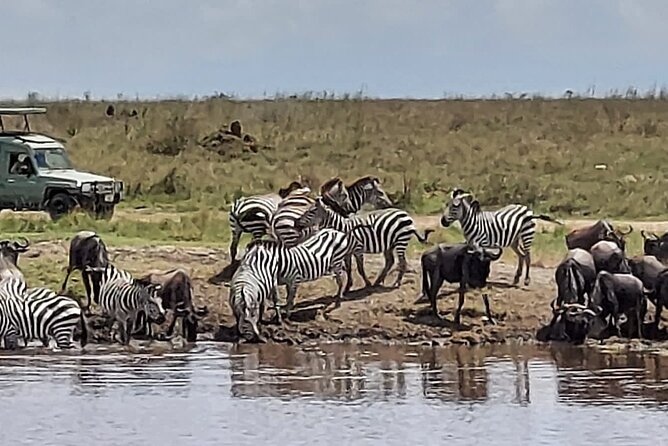
Manyara is not only about birds. Buffalo, wildebeest, zebra, and giraffes use the grassy plains, and the park combines forest with open floodplain. That mix gives you a different set of viewing conditions from Tarangire. In one section, you might watch animals in grassland; in another, the trees close around the vehicle.
The day is listed at about six hours, making it slightly shorter than most of the other days. Still, two parks in succession can feel busy. The value here is variety, not a full day dedicated to one large park.
If you care about photography, Manyara offers changing subjects: large birds near the water, giraffes on the plain, and groups of buffalo or zebra. Keep expectations sensible. This itinerary gives you a taste of the park, not unlimited time at every viewpoint.
Day three: Oldupai Gorge and the road to the Serengeti
After breakfast, the route continues toward the Serengeti through Oldupai Gorge. The gorge is known for archaeological evidence connected with prehistoric humans and is often called the Cradle of Mankind. A museum visit and on-site interpretation add an important human story to a trip otherwise focused on animals.
This stop is valuable because it gives meaning to the ground beneath the vehicle. You are not only passing through scenic country in search of lions and elephants. You are also visiting a place linked to the study of early human life.
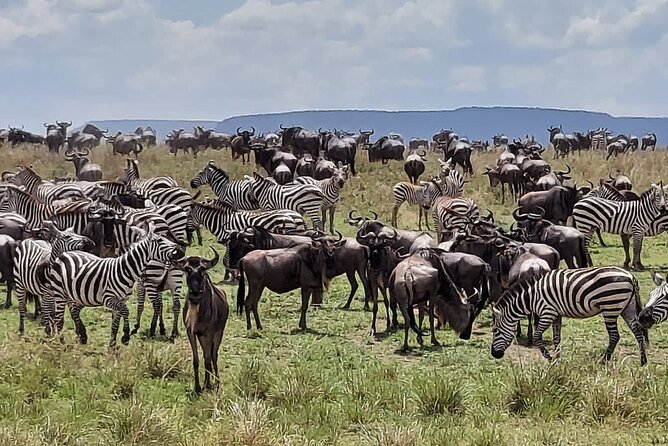
The drive then continues into Serengeti National Park. The name is associated with wide open plains, and this is where the safari starts to feel especially expansive. The park supports a huge concentration of large mammals, so the afternoon game drive can begin as soon as you enter.
You spend the night at Seronera Public Campsite. Seronera is a useful base within the Serengeti, but public camping means you should expect a simple setup rather than a private lodge room. Past feedback specifically praises the camping support, with tents reportedly set up and taken down for you and thicker mats and blankets provided. Those small comforts matter after a long day on rough roads.
The guide makes a major difference on arrival. James has been praised for strong animal knowledge and for helping people see an impressive range of wildlife. A guide with sharp eyes can turn a distant shape into a leopard sighting, while a less attentive guide may drive past it.
More Wildlife Tours in Arusha
- Tanzania Wildlife Encounters – 6 Days
★ 5.0 · 277 reviews - 6 Day Tanzania Wildlife Mid range Safari
★ 5.0 · 54 reviews - 5 Days 4 Nights Tarangire, Serengeti , Ngorongoro & Manyara Wildlife Safari
★ 5.0 · 40 reviews - 4 Days Wildlife Safari and Cultural Experience in Tanzania
★ 5.0 · 23 reviews
Day four: an early Serengeti game drive
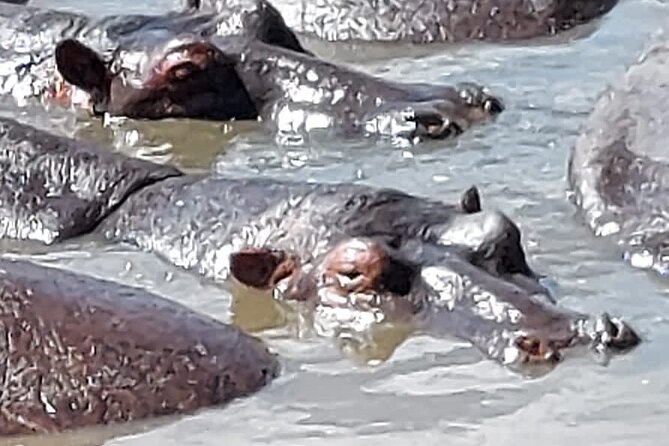
Day four begins with a picnic breakfast and an early morning drive through the Serengeti. This is one of the most valuable parts of the schedule because morning gives you a better chance to see animals active before the heat of the day.
You may see animals you have not encountered earlier in the trip. If luck and timing cooperate, you might witness a hunt. That possibility is exciting, but it is also worth remembering that nature does not follow a tour timetable. A good game drive can be memorable even when no dramatic chase occurs.
After the morning drive, you return for lunch or choose a picnic lunch in the park. The choice affects your pace. Returning for lunch gives you a break and access to the lodge or camp area. Eating out in the park gives you more time in wildlife country, but you should confirm how that option works with your guide.
After lunch, you travel toward the Ngorongoro Crater rim and spend the night at Simba Campsite. The movement from Serengeti plains to crater rim is one of the trip’s best changes in scenery. You leave the open grasslands and prepare for a crater descent the following morning.
This is also the point when the schedule may feel most tiring. You have already completed several long days, and the next morning starts with another major game drive. Budget camping keeps the cost manageable, but it does not remove the physical demands of the route.
Day five: a concentrated wildlife day inside Ngorongoro Crater
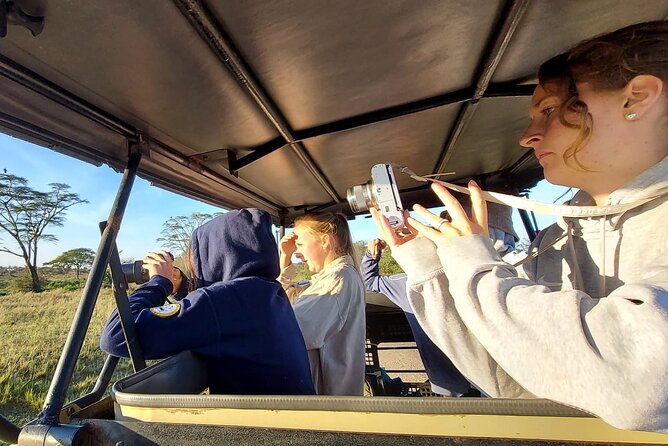
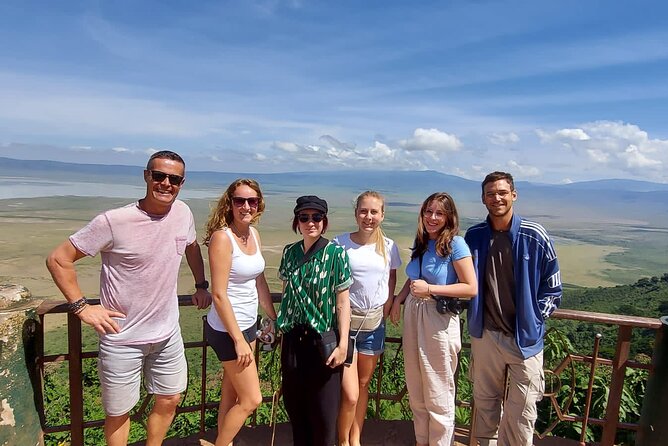
After breakfast, you descend to the Ngorongoro Crater floor for a game drive. The crater is a huge caldera formed when an ancient volcanic structure collapsed. Its fertile ground and permanent water support a dense population of wildlife in a contained setting.
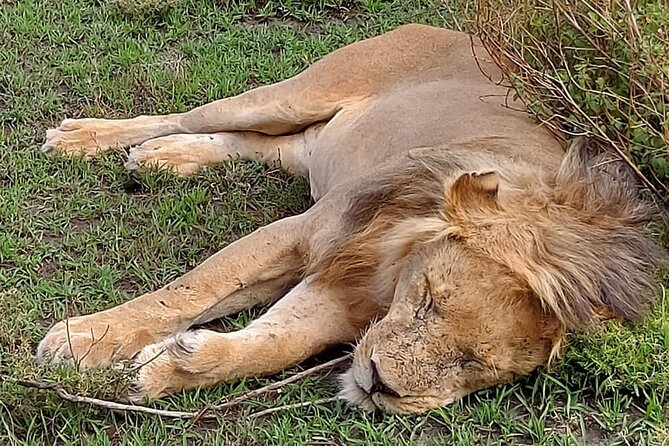
That concentration is the main reason Ngorongoro works so well on a short safari. You do not need several days to get a strong sense of the area. Inside the crater, you might see rhinoceros, black-maned lions, elephants with large tusks, and many other animals.
The crater also gives you striking views before and after the drive. The route reaches the rim, then drops into the basin, and later climbs back out. The changing height lets you see how dramatic the volcanic formation is, not just the animals living below.
A rhino sighting is never something to count on, but the itinerary specifically identifies rhino, lion, and elephant as possible highlights. James and other praised guides have helped people find difficult sightings, including leopard and rhino. Their skill matters most when an animal is far away or partly hidden.
In the late afternoon, you leave the crater and return to Arusha. This final day is still listed at about seven hours, so do not plan an evening activity that requires a precise arrival time unless you have plenty of room in your schedule.
What camping is really like on this safari
This is budget camping, not a lodge safari with a canvas room and a private bathroom. The campsites are public, and the strongest practical detail available is that tents may be set up and dismantled for you. A thicker mat and blanket have also been mentioned, which should make the nights more manageable.
Four dinners, five lunches, and five breakfasts are included. That is a meaningful part of the value, since meals on a five-day safari would otherwise add up quickly. The food service includes dinner each night, lunch each day, and breakfast each morning according to the package details.
You should still bring the personal items you need for basic camping comfort. Tips, personal purchases, and visa costs are not included. The price also does not turn the camps into luxury accommodation, so choose this trip for its park access and wildlife time, not for polished rooms.
The group limit is 15 people. That is smaller than a large coach group, but it can still feel busy inside a safari vehicle. Ask how many people are expected in your departure group and how seating is arranged. The answer can affect how easily you photograph animals and how comfortable you feel during long drives.
Is $1,155 good value?
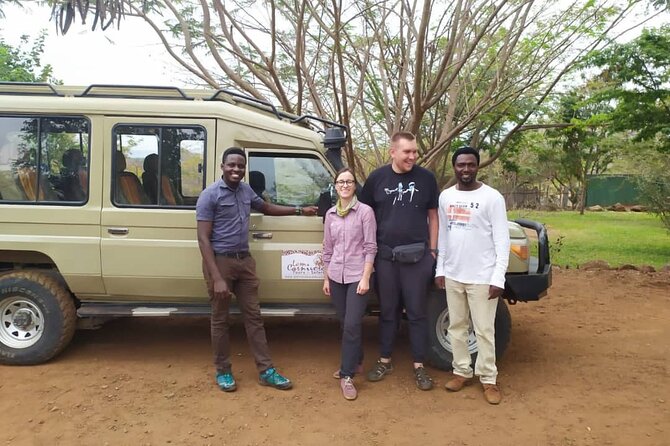
At $1,155 per person, the price covers a lot: four national park areas, four nights of camping, park-related fees, breakfasts, lunches, dinners, and transport with a driver guide. For someone who wants to see the northern circuit without paying for lodge accommodation, that is a sensible package.
The value comes from access and coverage. You are not paying for one short game drive. You are reaching Tarangire, Manyara, Serengeti, and Ngorongoro within five days, with an early Serengeti drive and a crater game drive included.
The compromises are clear. You have long road days, public campsites, and little spare time. A longer safari would let you spend more time in each park and recover between drives. A lodge-based trip would provide more comfort, but likely at a higher cost.
I see this as a good fit for a first Tanzania safari, a student or budget-conscious couple, or anyone who values wildlife sightings more than room quality. It is less suitable if you want slow mornings, private facilities, or a carefully paced photographic trip.
Guides, communication, and practical details
The guide is central to this experience. James has been praised for his depth of animal knowledge, while Emmanuel, known as Manu, has been praised for finding many species. Those details suggest that guide quality is one of the operator’s strongest assets.
Vincent has also been praised for quick communication, help with arrangements, and direct attention when problems arise. If you need support around Arusha or have a change in plans, that kind of contact can make a real difference.
Confirmation is provided when you book. The activity is near public transportation, most people can participate, and pickup is offered. The stated start point is Arusha Airport at 7:00 am, while the day-one description says pickup from your hotel in Arusha. Confirm this before the trip, especially if you are arriving at a hotel rather than the airport.
Free cancellation is available if you cancel at least 24 hours before the start time. Cancellations or changes inside that window are not accepted for a refund, and the cutoff follows local time.
Who should book this safari?
I would choose this trip if you want the classic northern Tanzania route in a short time and are happy to trade comfort for access. The combination of elephant country, birdlife, Serengeti drives, Oldupai Gorge, and Ngorongoro gives you a broad introduction rather than a single-park visit.
It also suits you if you enjoy being outdoors, can handle early starts, and do not mind several hours on the road. Couples have found the format rewarding, and solo participants may appreciate a maximum group size of 15.
I would hesitate if you need a soft bed every night, dislike shared public camping, or want enough time to wait patiently at one animal sighting. The itinerary is full, and the four parks are connected by real driving distances.
Should you book it?
Book this safari if your priority is seeing Tanzania’s famous northern parks at a budget price. The strongest reasons are the route, included meals and fees, the Serengeti morning drive, and the chance to finish with Ngorongoro’s concentrated wildlife.
Before paying, confirm the pickup location, expected group size, camping arrangements, and which guide will lead your departure. If James or Emmanuel is available, their reported ability to spot animals would be a useful advantage. For a short, active, wildlife-first trip, this is a strong choice. For a relaxed or comfortable holiday, spend more time and choose better accommodation.
FAQ
Where does the safari start?
The stated meeting point is Arusha Airport in Arusha, Tanzania, with a 7:00 am start. Pickup from an Arusha hotel is also described, so confirm the exact collection point before departure.
How long is the safari?
The safari lasts approximately five days and includes four nights of camping.
Which parks and sites are included?
The route includes Tarangire National Park, Lake Manyara National Park, Serengeti National Park, Oldupai Gorge, and Ngorongoro Crater.
Are meals included?
Yes. The package includes five breakfasts, five lunches, and four dinners.
How many people can join the group?
The activity has a maximum group size of 15 people.
What is not included in the price?
Tips, personal-interest purchases, and visa costs are not included.
More Wildlife Tours
- 8 Days 7 Nights Tanzania Wildlife & Culture Lodge Safari
★ 5.0 · 17 reviews - 6 Day: Magnificent Wildlife Adventure
★ 5.0 · 12 reviews - Tanzania Wildlife Cultural Safari from Arusha.
★ 5.0 · 11 reviews - Arusha: Day Trip to Serval Wildlife – Feed Giraffes & Lions
★ 4.8 · 10 reviews
More Camping Safaris
- 5 Days Group Camping Safari
★ 5.0 · 730 reviews - 3 Days Serengeti & Ngorongoro Group Camping Safari
★ 5.0 · 574 reviews - 5 Days Camping Tarangire, Serengeti & Ngorongoro crater & Visiting Maasai
★ 5.0 · 229 reviews - 2 Days Tarangire and Ngorongoro Group Camping Safari
★ 5.0 · 146 reviews
Just added around Arusha
- 5 Days Safari Tarangire, Serengeti, and Ngorongoro Crater★ 5.0 · 3 reviews
- Love lives in Africa★ 5.0 · 3 reviews
- 5 Days of Safari, Culture & Hot Springs – Tour from Arusha★ 5.0 · 3 reviews
- Arusha National Park Safari by Jeep★ 4.5 · 3 reviews
- 5Days Family _Group Tour Lodging Mid-Range in the Jungle★ 5.0 · 3 reviews
- Serengeti & Ngorongoro 3 Days Budget Safari★ 5.0 · 3 reviews
- 2 Days Tarangire and Ngorongoro Crater Tour★ 5.0 · 3 reviews
- 7 Days PRIVATE Best of Tanzania Safari *Departing everyday*★ 5.0 · 3 reviews
Camping Safaris, compared.



3 Days Serengeti & Ngorongoro Group Camping Safari
Read our review →
5 Days Camping Tarangire, Serengeti & Ngorongoro crater & Visiting Maasai
Read our review →
2 Days Tarangire and Ngorongoro Group Camping Safari
Read our review →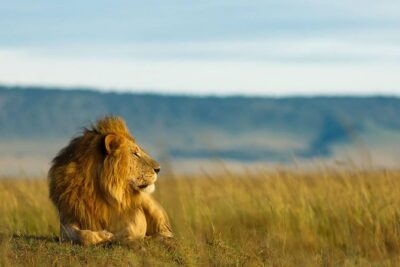
3 Day Serengeti National Park & Ngorongoro Crater Camping Safari
Read our review →
3 Days Tarangire, Ngorongoro & Lake Manyara Group Camping Safari
Read our review →Browse the lists this tour appears in