
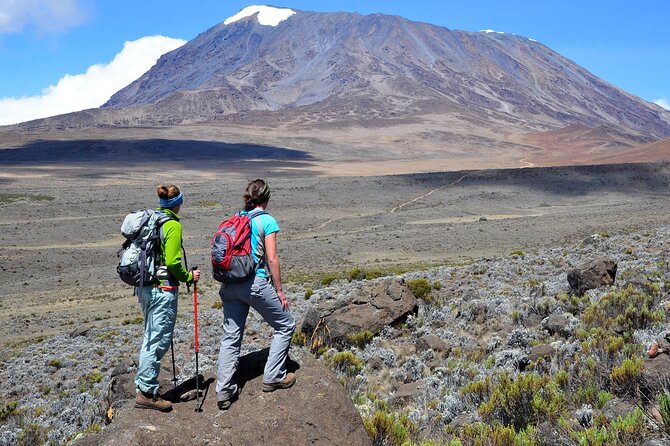
Reviewed · KILIMANJARO TREKS
7-Day Mountain Climbing in Machame Route
The roof of Africa rewards steady effort. This seven-day private climb follows Kilimanjaro’s Machame Route from Arusha, moving through rainforest, moorland, alpine desert, and the high volcanic slopes toward the summit. You do not need technical mountaineering experience, but you do need determination, a good level of fitness, and a willingness to walk slowly for several long days.
I like the varied scenery, from blue colobus monkeys and forest birds to glacier views and sunrise above the clouds. I also like the private format, since only your group takes part and the pace can feel more personal. The main drawback is the summit day: you may hike for five or six hours in darkness, then continue for a further hour to the peak before making a long descent.
In This Review
- Key points to know before booking
- Why the Machame Route makes a good seven-day climb
- Day 1: Arusha to Machame Camp through rainforest
- Day 2: Moorland and the views from Shira Camp
- Day 3: The volcanic rock challenge and Barranco country
- Day 4: Barranco Wall and Karanga Valley
- Day 5: Barafu Camp and preparation for summit night
- Day 6: Midnight start, Stella Point, and Uhuru Peak
- Day 7: Forest descent, Mweka Gate, and a proper celebration
- Food, porters, equipment, and camp life
- Is $2,700 good value?
- What past climbers praised most
- Who should book this climb?
- Should you book the Machame Route climb?
- FAQ
- How long is the Machame Route climb?
- What time does the experience start?
- Is pickup available?
- Is this a private tour?
- What level of fitness is required?
- What meals are included?
- Are park fees included?
- Are tips included?
- What happens during the summit day?
- Can I cancel for a full refund?
Key points to know before booking
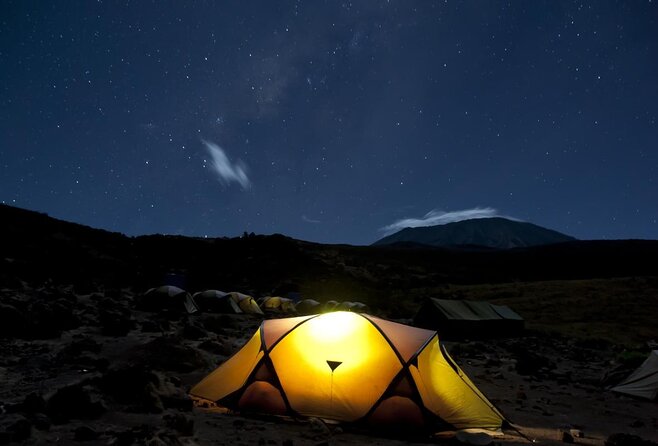
- Seven days on the Machame Route: You pass through rainforest, moorland, semi-desert, and alpine desert before reaching the summit.
- Private group format: Only your group participates, with pickup offered from the Arusha area.
- A demanding summit night: The climb begins around midnight from Barafu Camp and includes several hours of hiking before sunrise.
- Meals are included: Breakfast is listed for seven days, lunch for seven days, and dinner for six days.
- A strong record of praise: The experience has a 5 out of 5 rating from 10 published reviews, with 100 percent recommending it.
- Allow extra money for tips: Tips are not included, and the crew includes guides, porters, and a cook.
Why the Machame Route makes a good seven-day climb
Machame is a popular choice because the route gives you time to adjust to rising altitude while changing scenery almost every day. You start among thick forest and finish in a stark world of volcanic rock, ice, and open sky. That contrast is a big part of the appeal.
The climb is described as suitable for people with moderate physical fitness rather than expert climbers. That wording matters. The route does not require advanced climbing skills, but it is not an easy walk. You will spend several hours on your feet, sleep at high camps, and face a summit day that lasts far longer than the ordinary hiking days.
This is best understood as a test of patience. The guides help you through the route, but you still need to manage your pace, clothing, water, and energy. The mountain does not care how enthusiastic you felt at breakfast.
The private setup is useful for couples, families, or friends who want to share the experience without joining a large mixed group. It can also make the trip feel more relaxed, though you should confirm the exact group size and guide-to-climber ratio before paying.
More Kilimanjaro routes and climbs:
- 8-Day Small-group Lemosho Kilimanjaro Summit Trekking
★ 5.0 · 186 reviews - 7-Day Machame Kilimanjaro Summit Tour from Arusha
★ 5.0 · 125 reviews - Mountain Kilimanjaro Day Hike
★ 5.0 · 102 reviews
Day 1: Arusha to Machame Camp through rainforest
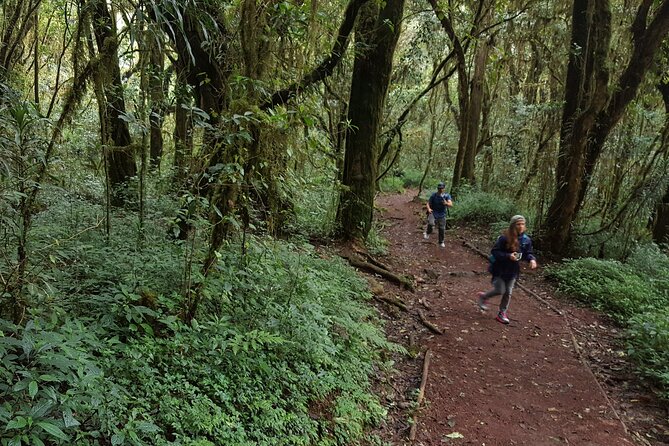
The first day begins with departure from Arusha at about 7:30 am. After reaching Kilimanjaro National Park, you complete the required entry formalities and start walking through the thick rainforest on the lower slopes.
The listed elevation rises from 1,811 metres to about 3,021 metres, with roughly 1,210 metres of gain. Expect around five to six hours of hiking, although the full day at the park can take about eight hours when administration and breaks are included.
This is a pleasing introduction to Kilimanjaro. The forest feels enclosed and damp, with birdlife and the chance to see blue colobus monkeys. The wildlife sightings are not guaranteed, so enjoy them as a bonus rather than a promised show.
Machame Camp is your first overnight stop. Breakfast, lunch, and dinner are included, and the tour description says the cook and porters will be waiting with meals and a hot bath. Since bathing arrangements can matter a great deal after a wet forest walk, ask exactly what is provided and what you need to pack yourself.
The first day is not the hardest, but it sets the pattern. You gain height quickly, so do not race ahead while your legs still feel fresh.
Day 2: Moorland and the views from Shira Camp
The rainforest thins as you climb toward open moorland. This change is one of the satisfying features of Machame. In a single day, the enclosed greenery gives way to wider views and a more exposed feeling.
You climb from about 3,021 metres to 3,839 metres, gaining approximately 818 metres. Hiking is listed at four to five hours, with a total day of about six hours.
Shira Camp gives you time in the afternoon to rest and look toward Kibo Glacier. That pause is valuable. Kilimanjaro is not won by rushing through every available hour. Eat properly, drink enough, and keep your evening quiet.
The shorter walking day can feel welcome, but the altitude is now more noticeable. You may feel fine, or you may notice a headache, tiredness, or a slower pace. Tell your guide promptly if you feel unwell. A good climb depends on honest communication, not bravado.
Day 3: The volcanic rock challenge and Barranco country
Day three is described as a five to six-hour hike from Shira Camp toward the high volcanic terrain. The route includes a 300-foot volcanic rock formation that provides the first intimidating obstacle of the day, followed by a gradual descent toward Barranco Camp.
The listed elevation figures are unusual: the route rises from 3,839 metres to 3,986 metres, only a modest gain, while the text places Barranco at about 4,500 metres. The accommodation line also names Shira Camp even though the description says Barranco Camp. I would ask the operator to confirm the exact camp, elevation, and sleeping arrangements before booking. This is a simple paperwork issue, but clarity matters when you are planning a high-altitude climb.
Barranco is widely prized for its position and views. The semi-desert habitat feels very different from the forest below, with volcanic ground, sparse plant life, and a broad view of the mountain. The descent after the rock formation also gives your body some relief after the earlier climb.
Do not treat this as a rest day. The air is thin, and the route still requires concentration. Trekking poles can be useful here, particularly on uneven volcanic ground.
A few more trips of this kind worth comparing:
- Tanzania Classic – 7 Days
★ 5.0 · 1,151 reviews - 7-Day Premium Luxury Tanzania Safari All-Inclusive
★ 5.0 · 426 reviews - Group Safari 7 Days in Tanzania’s Main Parks
★ 5.0 · 240 reviews - 7 Days Tanganyika Wilderness Safari
★ 5.0 · 159 reviews
Day 4: Barranco Wall and Karanga Valley
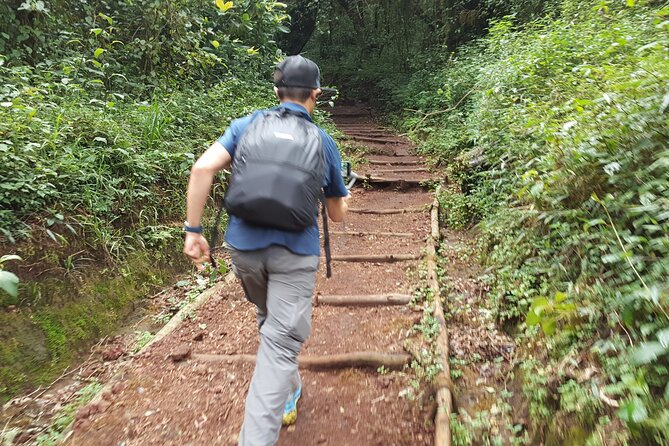
Day four brings the route’s most recognizable hands-on challenge, the Barranco Wall. The tour describes this as old-school rock climbing, but you should not picture ropes and technical climbing equipment. It is a steep scramble where you use your hands for balance and follow the guide’s instructions over rock.
This section can feel exciting and intimidating at the same time. You will want sturdy footwear, a free hand, and patience. Large bags should be handled by the porters, leaving you to concentrate on each step.
After the wall, you continue toward Karanga Valley. The listed elevation rises only from about 3,986 metres to 4,034 metres, yet the route still takes around five hours. That small height gain does not mean an easy day. The trail climbs and drops through high ground, and the altitude makes ordinary slopes feel more serious.
Karanga Camp is in the alpine desert zone. You have breakfast, lunch, and dinner included, then spend the night preparing for the higher camp ahead. This is a good point to sort your summit clothing, headlamp, water, snacks, and gloves instead of searching for them while half asleep later.
Day 5: Barafu Camp and preparation for summit night
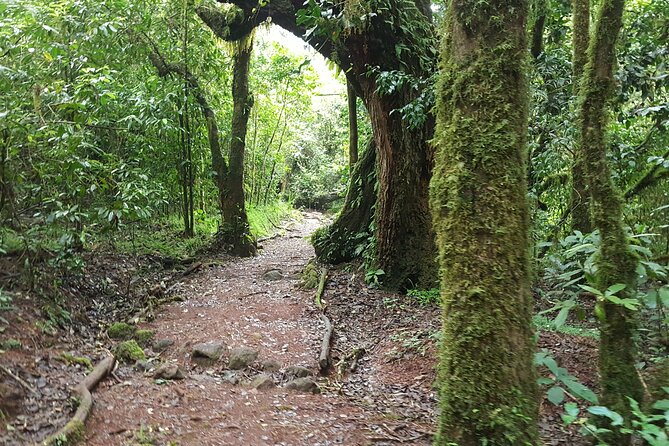
The walk to Barafu Camp is relatively short, listed at three to four hours with a rise from approximately 4,034 metres to 4,662 metres. This is the final section of the South Circuit, and the route provides views of the summit from different angles.
Barafu means ice, and the camp is a stark place to spend the night. You arrive after breakfast and a two to three-hour climb according to the description, then eat, rest, and prepare for the summit attempt.
The short hiking time can be misleading. Your body is now high on the mountain, and conserving energy becomes the day’s main job. Keep your movements slow. Use the rest period to eat even if your appetite is poor, and follow the guide’s instructions about the timing of your evening meal and wake-up.
A light meal and tea are planned for around midnight. The early start is not a gimmick. It allows you to reach Stella Point before sunrise and continue toward the summit in the morning light.
Day 6: Midnight start, Stella Point, and Uhuru Peak
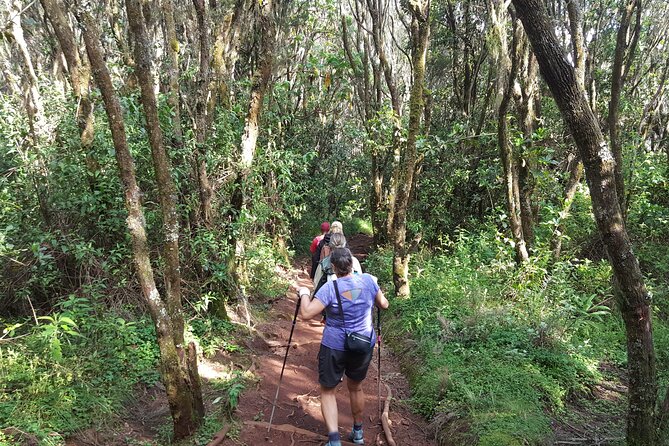
This is the hardest and most rewarding day. Your guides wake you around midnight, and you begin hiking in darkness after tea and a light meal. The climb to Stella Point takes about five to six hours, followed by another hour of strenuous hiking to the summit.
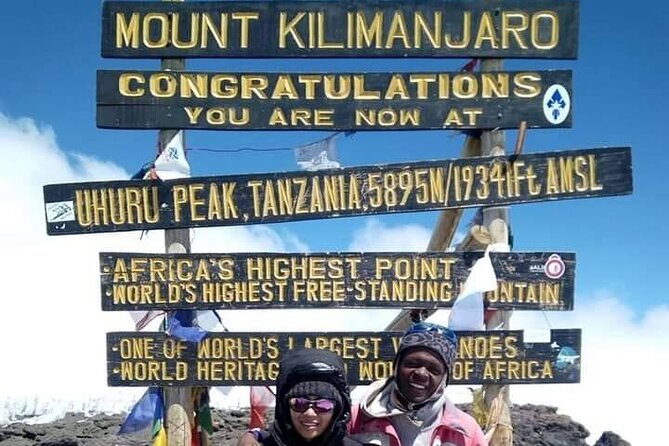
The route reaches the peak at approximately 5,985 metres, where you can watch the sunrise and take in wide views across Africa. The wording roof of Africa is justified here in the simplest possible way: you have worked for every metre, and the view arrives with a powerful sense of achievement.
The summit attempt is cold, tiring, and slow. Darkness hides the scale of the slope, which can be helpful mentally. Focus on the next step rather than the entire climb. Your guide’s support is especially important during this stretch.
After photographs and time at the top, you descend to Barafu Camp for lunch and celebration. The day is not finished there. The schedule indicates a further descent after the rest period, although the supplied details cut off before naming the later camp. Ask for the full day-six route and sleeping location. You should know exactly where you will spend the night after the summit.
This is also the point where fitness and attitude matter most. The tour says people from age seven to eighty-nine have completed Kilimanjaro, but those examples do not predict your own result. Age alone is not a qualification. Your medical condition, preparation, and response to altitude matter much more.
Day 7: Forest descent, Mweka Gate, and a proper celebration
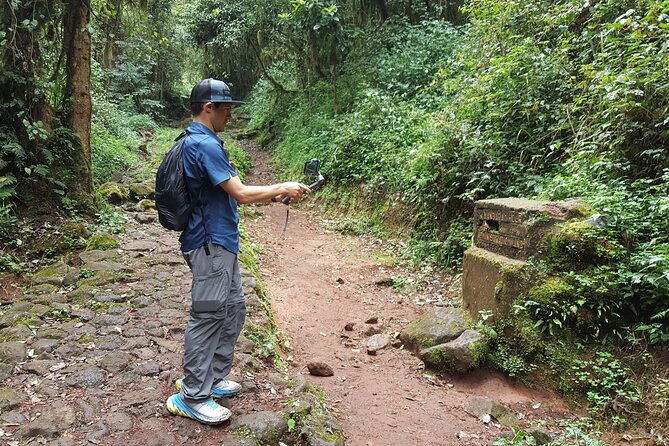
The final day takes you down from about 3,106 metres to 1,633 metres, a loss of roughly 1,473 metres. Hiking is listed at three to four hours through rainforest, ending at Mweka Gate.
The descent may sound easy after the summit, but tired knees can make it surprisingly demanding. Watch your footing and keep your pace controlled. The return to thicker forest should feel like a welcome change after the bare upper mountain.
At Mweka Gate, you celebrate with the guides, porters, and cook before your driver returns you to accommodation in Moshi or Arusha. The listed accommodation is Forest Hill Carnival Hotel. The program includes breakfast and lunch on this final day, while dinner is not listed.
Tips are recommended and not included. Carry enough local currency or ask the company in advance about the preferred tipping arrangement. The porters and cook are central to the experience, not background figures. Their work makes the camps, meals, luggage, and daily rhythm possible.
Food, porters, equipment, and camp life
The price includes park fees, seven breakfasts, seven lunches, and six dinners. That is a substantial part of the cost, since food must be organized and carried on a mountain rather than bought along the way.
A cook is part of the mountain crew, and the food is intended to keep you moving through long days. The supplied details do not list a specific menu, so ask about dietary requirements before departure.
One past booking account says the company supplied trekking poles, sleeping bags, sleeping pads, warm clothing, and other needed items. Treat that as something to confirm, not as a guaranteed inclusion in the stated price. The official inclusions name meals and park fees, but they do not provide a full equipment list.
The same applies to the promised hot bath. It may be part of the operator’s camp service, but ask what it means in practical terms. You want to know about water, privacy, towels, and temperature before you rely on it.
Is $2,700 good value?
At $2,700 per person, this is not a budget mountain walk. The price needs to be judged against what is included: park fees, a private group, meals, guides, porters, a cook, transport from Arusha, and the seven-day route itself.
The private format is the largest value advantage. You are not simply buying a seat on a bus. You are paying for support through a demanding route and for a group arrangement that may feel more flexible than a large shared departure.
Still, the information provided does not clearly list airport transfers, hotel nights before the climb, equipment hire, bottled water, medical support, or porter gratuities. Ask for a written list before booking. A low-looking final price can change if essential items sit outside the package.
The strongest case for the cost is the complete mountain structure. You do not need to arrange each camp, meal, park entry, and transfer separately. The weakest point is the uncertainty around some details, especially day-three accommodation and the missing part of day six.
What past climbers praised most
The published feedback is consistently positive, with a 5 out of 5 rating from 10 reviews and a 100 percent recommendation rate. The most repeated praise is not just for reaching the summit. It focuses on scenery, crew support, food, humor, and the sense of accomplishment.
One account names guides John and Ellie and praises the wider crew for making seven days feel enjoyable. Another describes good food and plenty of laughs, which matters more than it may sound when you are tired, cold, and facing another uphill section.
The scenery earns frequent praise too. Blue colobus monkeys, birds, waterfalls, glacier views, sunrise, and the changing habitats give the route more character than a simple uphill march.
The feedback is enthusiastic, but it should not hide the physical challenge. Even one happy account says reaching the summit was not easy. That is the honest expectation to keep in mind.
Who should book this climb?
I would consider this a good match for you if you have moderate fitness, enjoy outdoor challenges, and want a private mountain experience with meals and a support crew arranged. It suits people who prefer a gradual seven-day schedule rather than a rushed ascent.
It may not suit you if you want a comfortable holiday with short walks, guaranteed wildlife sightings, or hotel-style accommodation every night. It also requires patience with basic camp life and a willingness to accept that summit success cannot be promised.
Before booking, ask these practical questions:
- What equipment is included in the $2,700 price?
- Where do you sleep after the summit day?
- Is day three spent at Shira Camp or Barranco Camp?
- What transport and hotel nights are included?
- How many porters and guides accompany your group?
- What is the recommended tipping amount?
- What happens if altitude symptoms prevent you from continuing?
Pickup is offered, and confirmation is provided at booking. The experience is private, but the exact pickup area should be confirmed. Free cancellation is available up to 24 hours before the start time, while poor weather may lead to a new date or a full refund.
Should you book the Machame Route climb?
I would book this if the changing scenery, private format, and full mountain support appeal to you more than comfort and certainty. The strongest parts are the seven-day pace, the dramatic route variety, and the consistently praised guides and crew.
I would wait for written clarification on the day-three camp, post-summit accommodation, equipment, and transfers. If those answers are clear and your fitness is ready for a midnight summit attempt, this looks like a serious and rewarding way to reach Kilimanjaro’s summit.
FAQ
How long is the Machame Route climb?
The experience lasts approximately seven days, beginning in Arusha and ending at Mweka Gate before transport to accommodation in Moshi or Arusha.
What time does the experience start?
The stated start time is 7:30 am.
Is pickup available?
Yes. Pickup is offered, but the exact pickup location should be confirmed when you book.
Is this a private tour?
Yes. Only your group participates in the activity.
What level of fitness is required?
You should have a moderate level of physical fitness. The climb does not require expert mountain-climbing experience, but it includes several hours of hiking each day and a demanding summit attempt.
What meals are included?
Breakfast is included for seven days, lunch for seven days, and dinner for six days.
Are park fees included?
Yes. Park fees are included in the price.
Are tips included?
No. Tips are not included, and they are recommended for the guides, porters, and cook.
What happens during the summit day?
You start around midnight from Barafu Camp, hike for about five to six hours to Stella Point, then continue for roughly one more hour to the summit. You descend to Barafu Camp for lunch and celebration.
Can I cancel for a full refund?
Yes, if you cancel at least 24 hours before the experience start time. Cancellations or changes made less than 24 hours beforehand are not refunded or accepted. If poor weather causes the operator to cancel, you are offered another date or a full refund.
Just added around Arusha
- 5 Days Safari Tarangire, Serengeti, and Ngorongoro Crater★ 5.0 · 3 reviews
- Love lives in Africa★ 5.0 · 3 reviews
- 5 Days of Safari, Culture & Hot Springs – Tour from Arusha★ 5.0 · 3 reviews
- Arusha National Park Safari by Jeep★ 4.5 · 3 reviews
- 5Days Family _Group Tour Lodging Mid-Range in the Jungle★ 5.0 · 3 reviews
- Serengeti & Ngorongoro 3 Days Budget Safari★ 5.0 · 3 reviews
- 2 Days Tarangire and Ngorongoro Crater Tour★ 5.0 · 3 reviews
- 7 Days PRIVATE Best of Tanzania Safari *Departing everyday*★ 5.0 · 3 reviews
Kilimanjaro Treks, compared.



8-Day Small-group Lemosho Kilimanjaro Summit Trekking
Read our review →


Climbing Kilimanjaro through 7 days Machame Route
Read our review →

Browse the lists this tour appears in