
Reviewed · KILIMANJARO TREKS
Kilimanjaro climb, Lemosho Route (8-day)
Kilimanjaro rewards patience more than speed. This Lemosho climb gives you eight days on the mountain, moving from rainforest to alpine desert and finally the icy heights near Uhuru Peak. I especially like the gradual acclimatization plan and the strong support setup, with certified wilderness first responder guides, porters, cooks, medical checks, oxygen, and oximeters.
I also like that the price includes airport transfers, hotel nights, park fees, tents, meals, drinks, and mountain equipment. The main drawback is the physical demand: summit night follows several long days, and Day 6 is listed at up to 14 hours. You need a solid fitness base, proper gear, and insurance covering trekking up to 6,000 meters.
In This Review
- Key points to know before booking
- Why the Lemosho Route works well for acclimatization
- Day 1: A calm arrival in Moshi
- Day 2: From Londorossi Gate to Mti Mkubwa Camp
- Day 3: First views of Shira Plateau
- Day 4: Shira 2 and the Mount Meru view
- Day 5: Lava Tower and the Barranco Wall
- Day 6: Barranco Wall, Karanga, and a very long day
- Day 7: Barafu Camp and the wait for summit night
- Day 8: Uhuru Peak at 5,895 meters
- Day 9: The long descent to Mweka Gate
- Day 10: A simple departure day
- What the $3,975 price includes
- Food, safety, and the human support team
- Who should choose this Kilimanjaro climb?
- Should you book the 8-day Lemosho climb?
- FAQ
- How long does the full Kilimanjaro experience last?
- What is the highest point reached?
- Are airport transfers included?
- Is accommodation included?
- Are meals provided during the climb?
- What personal costs are not included?
Key points to know before booking
- The route crosses five major climate zones: You begin in rainforest and finish in cold, high-altitude terrain near Uhuru Peak.
- Eight mountain days allow useful acclimatization: The plan includes high-point walks to Lava Tower, Barafu, and Kosovo Summit Camp before the summit attempt.
- Safety receives serious attention: Guides carry medical kits and oxygen, check climbers’ condition, and use oximeters during the ascent.
- The support team handles camp life: Porters, cooks, and camp staff set up tents, prepare meals, and provide hot drinks.
- Summit night is the hardest test: You leave Barafu Camp at night for Uhuru Peak at 5,895 meters, then descend the same day.
- The $3,975 price covers most major trip costs: Personal clothing, boots, sleeping bag, insurance, hotel meals, and tips are extra.
Why the Lemosho Route works well for acclimatization
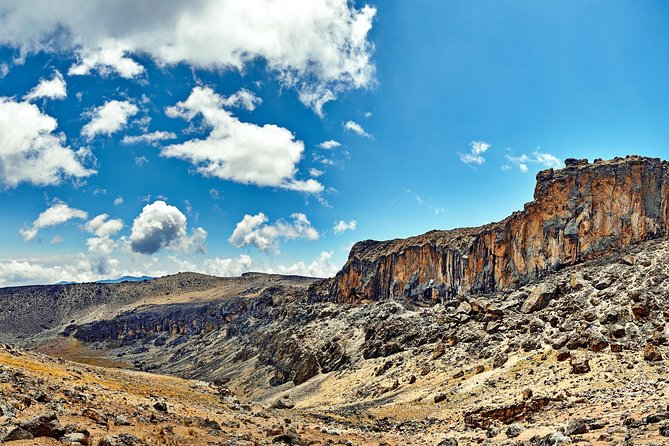
Lemosho approaches Kilimanjaro from the west and gives you a broad change of scenery. The first hours pass through rainforest. Higher up, the trees thin into open moorland, then volcanic slopes and alpine desert. Near the summit, the setting is spare, cold, and exposed.
The route does not rush straight upward. You spend time at Shira Plateau, climb high to Lava Tower, descend to Barranco, and make additional acclimatization walks from Karanga and Barafu. That pattern matters because you gain height during the day, then often sleep lower than your highest point.
This is still a serious high-altitude climb. A longer itinerary improves your opportunity to adjust, but it cannot guarantee a summit. Your response to altitude, sleep, weather, pace, and general health will shape the result.
The itinerary is described as a private activity, meaning only your group participates. Group discounts are also available, so it is worth asking about the final price if you are booking with friends or family.
More Kilimanjaro routes and climbs:
- Kilimanjaro climb by Lemosho Route (7-day)
★ 5.0 · 651 reviews - Kilimanjaro climb, Machame Route (7-day)
★ 5.0 · 262 reviews - Kilimanjaro Climbing Lemosho Route 8 Days.
★ 5.0 · 186 reviews
Day 1: A calm arrival in Moshi
Your first day begins with a pickup at Kilimanjaro International Airport. An Altezza Travel representative meets you at JRO and takes you to Aishi Machame Hotel.
The hotel includes cozy rooms, hot water, Internet access, polite staff, and a swimming pool. Those may sound like small comforts, but they matter before a demanding climb. A shower, a proper bed, and a quiet place to organize your kit can make the next morning easier.
There is an evening briefing with the company managers. Use it well. This is the time to ask about clothing, sleeping bags, medication, food requirements, the route, and how the medical checks work.
Hotel check-in begins at 2:00 PM. The included stay covers two nights, based on two people sharing a room. A single room costs extra.
Day 2: From Londorossi Gate to Mti Mkubwa Camp
The mountain team meets you at the hotel in the morning for another briefing. You then drive for roughly three to four hours to Londorossi Gate, at about 2,200 meters.
Park registration, permits, and search and rescue registration take place before the hike begins. The first walk leads toward Mti Mkubwa Camp at 2,780 meters and takes around five hours.
This is a rainforest day, so a raincoat is essential. The forest can feel damp, and wet clothing becomes a real problem once you are camping. Keep your waterproof layer easy to reach, not buried at the bottom of your duffel.
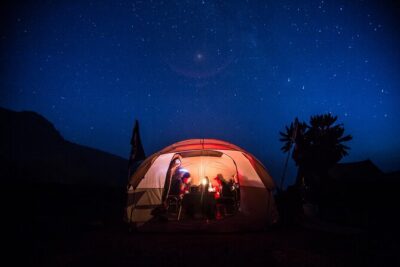
When you arrive, the mountain crew has already started the practical work. Tents are put up, lunch is prepared, and the camp is organized for the night. That support lets you focus on walking and resting instead of hauling a full camp.
Day 3: First views of Shira Plateau
You wake early, eat breakfast, and climb gradually toward 3,500 meters. This is the first point where you can see Shira Plateau and Kibo Volcano, the main summit cone of Kilimanjaro.
The walk from Mti Mkubwa to Shira 1 Camp at 3,505 meters takes about five to six hours. It is described as relatively easy, but the altitude begins to matter here. Move slowly, drink regularly, and do not treat an easy trail as a reason to hurry.
Lunch is prepared at camp. You can rest in your tent or take a short walk around the area. That choice is useful: some people need quiet time, while others feel better with gentle movement.
A few more trips of this kind worth comparing:
- Safari Serengeti And Ngorongoro
★ 5.0 · 288 reviews - Climbing Kilimanjaro – Machame Route
★ 5.0 · 170 reviews - Climbing Kilimanjaro through 7 days Machame Route
★ 5.0 · 151 reviews - Kilimanjaro climb, Lemosho Route (6-day)
★ 5.0 · 129 reviews
Day 4: Shira 2 and the Mount Meru view
Day 4 takes you from Shira 1 to Shira 2 Camp at 3,900 meters. The walk is not considered difficult, and it offers views across the mountain and toward Mount Meru, weather permitting.
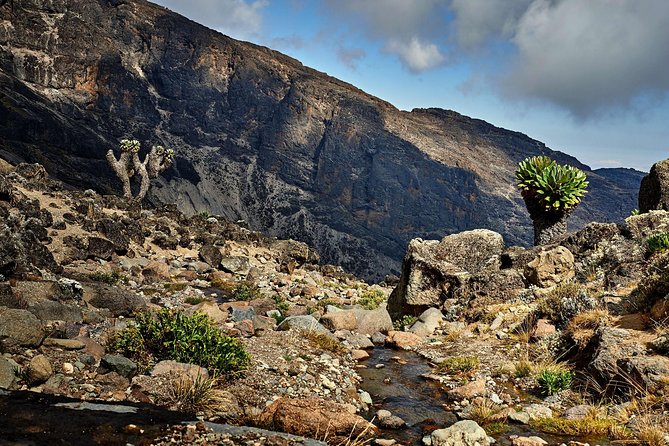
The flora changes as you gain height. The route feels more open than the forest, and the views become the main attraction. This is one of the more scenic days, but clouds can block the distant peaks.
After lunch and a two-hour rest, you make an acclimatization hike toward Lava Tower Camp, gaining another 300 meters before returning to Shira 2. This extra walk adds time to the day, yet it is one of the reasons the route is structured over eight days rather than fewer.
The entire day can take about eight hours. Do not spend all your energy taking photographs early on. You still have a long route ahead.
Day 5: Lava Tower and the Barranco Wall
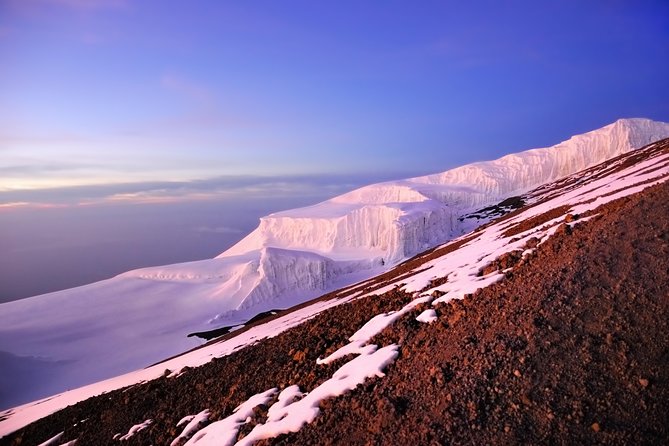
This is a key acclimatization day. You leave Shira 2 and climb toward Lava Tower at 4,630 meters, with several ascents and descents along the way.
You may feel headache, tiredness, or general discomfort at this height. The plan keeps you at Lava Tower for at least one to two hours, with lunch there, before descending to Barranco Camp at 3,960 meters.
That high walk followed by a lower sleeping point is hard on the body, but it serves a clear purpose. It gives you time at altitude without making you sleep at the highest point reached that day.
Barranco Camp sits near the famous Barranco Wall. It looks steep and imposing, but the route up it is described as a straightforward hiking trail rather than a technical climb. The day takes about seven hours.
The itinerary also notes that weather or individual conditions may alter the plan. That flexibility is sensible on a high mountain. You should expect the guides to adjust timing or the route if safety requires it.
Day 6: Barranco Wall, Karanga, and a very long day
You start early to climb Barranco Wall before crowds build up. The climb takes about an hour and gives you a memorable view toward Kibo Volcano once you reach the top.
The route then becomes more tiring, with repeated ascents and descents on the way to Karanga Camp. The guides set the pace for the group, which is important because rushing here only spends energy you will need later.
After warm lunch at Karanga, you rest for a couple of hours. Then you make another acclimatization walk toward Barafu Camp, gaining 200 meters before returning to Karanga.
The listed duration is up to 14 hours. This is one of the biggest practical warnings in the schedule. Even if the walking itself feels manageable, the combination of distance, altitude, breaks, and an evening acclimatization hike can leave you tired.
Keep your daypack light, protect your hands from the cold, and carry snacks you know you can eat. High altitude can reduce your appetite, so small, energy-rich foods are useful.
Day 7: Barafu Camp and the wait for summit night
You walk from Karanga to Barafu Summit Camp at 4,640 meters. Barafu is the starting point for the night climb to Uhuru Peak.
The team sets up your tent and sleeping bags ahead of time. After lunch or rest, you make an acclimatization hike toward Kosovo Summit Camp at about 4,800 meters, then return to Barafu for a hot dinner.
This may feel like an odd day because the physical schedule remains active while the main task is conserving energy. The purpose is to spend more time high on the mountain before the summit attempt. After dinner, you should rest and sleep as much as possible.
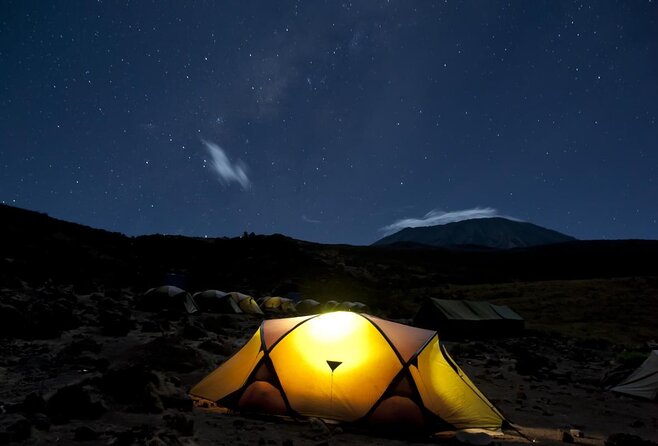
Barafu is not a place for leisurely camp life. Conditions are high, cold, and demanding. Put your summit clothing, headlamp, water, snacks, and gloves where you can reach them without emptying your pack.
Day 8: Uhuru Peak at 5,895 meters
The summit attempt begins at night from Barafu. The technical route is considered relatively simple, but altitude makes it difficult. This is a slow, mentally demanding climb rather than a rock-climbing challenge.
Each pair of climbers receives a personal guide for the ascent. That guide monitors physical and mental condition, adjusts the pace, and helps identify problems before they become emergencies. The trip also includes medical checks, oximeters, medical kits, and oxygen on the mountain.
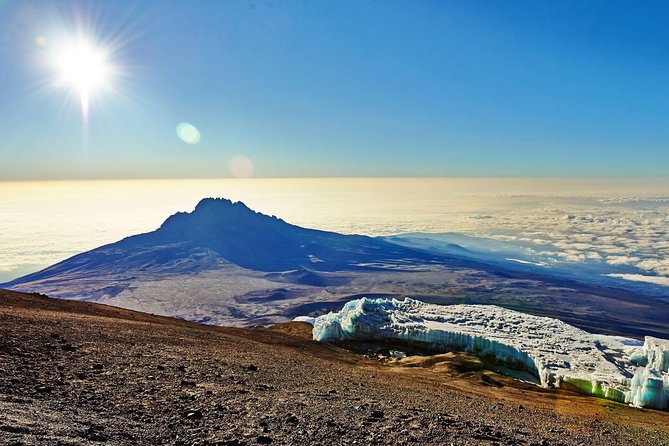
The goal is Uhuru Peak, at 5,895 meters, the highest point of Kilimanjaro. If conditions permit and you want to, you can descend toward the nearest glacier after reaching the summit.
After the summit, you return to Barafu Camp for about two hours of rest. Then you continue down to Millennium Camp at 3,820 meters. This is a very full day, and the descent is not an easy add-on. Your legs and attention will already be tired.
The itinerary warns that most accidents occur during descent. That is a useful reminder to stay focused after the emotional high of reaching the top. Trekking poles, careful footing, and obedience to the guide’s pace matter just as much on the way down.
Day 9: The long descent to Mweka Gate
You wake at Millennium Camp in tropical rainforest, far below the summit. The drop in altitude often brings relief, and breakfast gives you a chance to recover before the final walk.
The route to Mweka Gate covers about 12 kilometers and takes four to five hours. At the gate, the group gathers to celebrate, share feedback in the company guestbook, and receive commemorative certificates.
You then return to the hotel. This second hotel night is valuable because it gives you a bed, hot water, and time to sort your belongings after the mountain.
The day is listed at 12 hours because it includes more than walking, including the gate process, celebration, certificates, and transfer. Do not schedule a tight onward connection here.
Day 10: A simple departure day
The final day is for rest and airport transfer. Hotel checkout is at 11:00 AM. If your flight leaves later, a late checkout is possible for an extra fee.
Airport pickup and drop-off at JRO are included, along with ground transportation during the trip. That makes the arrival and departure easier, especially if you are carrying wet clothing, trekking poles, and rented equipment.
What the $3,975 price includes
At $3,975 per person, this is not a budget climb. The price is easier to judge when you look at what it covers.
You get two hotel nights, mountain tents, park fees, ground transport, airport transfers, professional guides, porters, camp staff, cooks, three meals a day, drinks, group camping equipment, medical supplies, and medical monitoring.
The food setup is stronger than a simple trail ration. Breakfast, lunch, and dinner are supplied, with high-energy meals and drinks such as tea, coffee, juice, and soda. Vegetarian, vegan, lactose-free, gluten-free, halal, and other meal plans are available.
The mountain equipment includes a dining tent, sleeping pads, tables, chairs, crockery, cutlery, and North Face VE-25 tents shared by two hikers. Single tent and room arrangements cost extra.
You still need to budget for flights to Tanzania, personal clothing, boots, a sleeping bag, hotel lunches and dinners, mountain insurance, equipment rental if needed, and tips for the crew. Hotel meals are listed at about $15 to $20 per person per meal.
The strongest value is convenience and support. You are paying to avoid arranging permits, transport, camp logistics, meals, and a mountain medical system yourself. If you already own all your equipment and are comparing only the walking itself, the price may feel high. If you want a carefully supported first Kilimanjaro climb, the package is easier to justify.
Food, safety, and the human support team
The food receives especially strong praise in the supplied comments. One distinctive detail is that the cooks have even prepared pizza on the mountain. That may sound funny, but appetizing food becomes important when altitude makes ordinary meals less appealing.
The guides are the main reason this type of climb can work. The program names certified wilderness first responder guides, regular medical checks, oxygen, oximeters, and a personal guide for each pair during the summit ascent.
Several guide and crew names appear in the feedback, including Richard, Imran, Kelvin, Donovan, Michael, Rayson, Ally, and Andrea. You cannot assume a particular person will lead your climb, but asking about your assigned head guide before departure is reasonable.
The porters and cooks also carry much of the practical load. They move camp equipment, prepare meals, and help create a functioning camp at high altitude. A tip for the mountain crew is not included, so plan for that separately and ask the company for current guidance before you go.
Who should choose this Kilimanjaro climb?
This route suits you if you want a full eight-day mountain schedule, strong camp support, and a slower approach to altitude. It can work for a first high-altitude climb if you prepare properly and accept that Kilimanjaro is physically demanding.
You need moderate physical fitness at minimum. The long days, repeated climbs and descents, cold, rough ground, and summit night all require preparation. The itinerary does not call for technical climbing skills, but that does not make it easy.
It is also a good fit for solo climbers who want organized support. Solo accommodation costs extra, and the tent arrangement changes from the standard two hikers per tent.
You may want to think twice if you dislike camping, struggle with long walking days, or expect a relaxed holiday. The hotel nights are comfortable, but most of the experience takes place in tents, with early starts and basic mountain conditions.
Free cancellation is available if you cancel at least 24 hours before the local start time. After that cutoff, payment is not refunded, and late changes are not accepted.
Should you book the 8-day Lemosho climb?
I would choose this climb if your priority is a well-supported route with time for acclimatization and a clear safety system. The combination of professional guides, personal summit support, prepared meals, airport transfers, and organized camps removes many of the worries that can distract from the mountain.
I would not book it without first checking the full gear list, insurance requirements, current tipping guidance, and how the private group arrangement will work for your party. Also look closely at the 14-hour Day 6 and the summit day. Those are the moments that will test you.
For a prepared hiker who wants Kilimanjaro’s changing scenery and a serious chance to reach Uhuru Peak, this is a strong, service-heavy option. The price is substantial, but much of it pays for safety, logistics, and the people who keep you fed, sheltered, and moving toward the summit.
FAQ
How long does the full Kilimanjaro experience last?
The full program takes approximately 10 days. Eight days are spent on the Lemosho mountain route, with hotel nights before and after the climb.
What is the highest point reached?
The summit goal is Uhuru Peak at 5,895 meters, the highest point of Mount Kilimanjaro.
Are airport transfers included?
Yes. Pickup and drop-off at Kilimanjaro International Airport are included, along with ground transportation during the program.
Is accommodation included?
Yes. Two nights at Aishi Machame Hotel and tent accommodation on Kilimanjaro are included. Hotel rooms and tents are normally shared by two people. Single accommodation costs extra.
Are meals provided during the climb?
Three meals a day are provided on the mountain, along with drinks such as tea, coffee, juices, and soda. Special meal plans, including vegetarian, vegan, lactose-free, gluten-free, and halal options, are available.
What personal costs are not included?
Flights to Tanzania, personal hiking gear, sleeping bags, hotel lunches and dinners, mountaineering insurance covering trekking up to 6,000 meters, and tips for the mountain crew are not included. Equipment rental and single accommodation also cost extra.
Just added around Moshi
- Moshi: Lake Chala Tour: Hiking &/or Kayaking★ 4.5 · 3 reviews
- 3 Days Tanga Exclusive Beach Holiday★ 5.0 · 3 reviews
- Serengeti Wildebeest Migration.★ 5.0 · 3 reviews
- Chemka Hotpsrings E-Bike Day Trip★ 5.0 · 3 reviews
- Explore 1 day Ngorongoro Crater Budget Group Safari from Arusha★ 5.0 · 3 reviews
- Explore the 360° of Kilimanjaro★ 5.0 · 3 reviews
- Affordable Short Tanzania Safari (2 Days Camping Safari)★ 5.0 · 3 reviews
- Rongai Route 7 Days★ 5.0 · 3 reviews
Kilimanjaro Treks, compared.



8-Day Small-group Lemosho Kilimanjaro Summit Trekking
Read our review →


Climbing Kilimanjaro through 7 days Machame Route
Read our review →
7-Day Machame Kilimanjaro Summit Tour from Arusha
Read our review →Browse the lists this tour appears in