
Reviewed · KILIMANJARO TREKS
Climb Kilimanjaro – Lemosho Route 7 Day Climb
Kilimanjaro saves its hardest work for midnight. This Lemosho climb gives you a quiet approach across the Shira Plateau, strong acclimatization days, and a full summit attempt at 5,895 meters. I like the remote western route and the careful climb high, sleep lower pattern around Lava Tower. I also like that meals, tents, porters, park fees, rescue fees, airport pickup, and two hotel nights are included. The main drawback is the price of $2,280, before tips, visas, insurance, flights, and optional gear hire.
The schedule is sold as a 7-day climb, but the full trip takes about 9 days. You spend the first night near Moshi and the final night there after descending. The group limit of 12 keeps the outing from feeling like a huge mountain procession, while guides such as Izadin and Kimbi have received especially warm praise for their care and organization. Chef Salim is also credited with keeping meals enjoyable on the mountain, no small task when your appetite and energy may change by the hour.
In This Review
- Key points to know before booking
- What the $2,280 price really buys you
- Arrival in Moshi and the practical first night
- Day two: five hours to the Londorosi Gate
- Day three: from Mti Mkubwa into the moorland
- Day four: a short gain at Shira Camp 2
- Day five: Lava Tower and the classic high-low strategy
- Day six: a tense camp before the summit
- Day seven: Stella Point, Uhuru Peak, and the long descent
- Day eight: Mweka Gate, a hot lunch, and a real shower
- Day nine: airport transfer home
- Guides, porters, and the human side of the climb
- Who this Lemosho climb suits best
- What to budget and pack for mentally
- Should you book the 7-day Lemosho climb?
- FAQ
- How long does the full Kilimanjaro experience take?
- What is included in the $2,280 price?
- Are flights included?
- Do I need a visa for Tanzania?
- How difficult is the climb?
- How large can the group be?
- Are mountain sleeping bags and clothing provided?
Key points to know before booking
- The Lemosho Glades approach is remote: The route begins on Kilimanjaro’s western side and passes through the Shira Plateau, with an armed ranger accompanying groups because wildlife is common near the forest.
- Day five is the key acclimatization test: You climb to roughly 4,600 meters at Lava Tower, eat lunch, then descend to Barranco for the night.
- Summit night is a serious effort: Expect to rise around 11:30 p.m. and spend 15 or more hours walking before reaching the lower camp.
- The package covers most major mountain costs: Park entry, rescue fees, tents, sleeping mattresses, guides, porters, cooks, and mountain meals are included.
- You need to budget beyond the advertised price: A Tanzanian visa, insurance, flights, gear hire, a single-room supplement, and optional staff tips are extra.
- The strongest praise is for the staff: Gabriel receives praise for clear trip support, while guides Izadin and Kimbi are singled out for care and professionalism.
What the $2,280 price really buys you
At first glance, $2,280 is a serious price for a nine-day trip. Look closer, though, and much of the expensive mountain machinery is already covered. You receive airport pickup, two nights of bed and breakfast in Moshi, transport to and from the mountain, park-related fees, rescue fees, tents, sleeping mattresses, porters, guides, cooks, and all meals on the mountain.
The package also includes six dinners, nine breakfasts, and six lunches. That food provision matters because remote mountain camps do not offer a shop where you can replace a forgotten meal or snack. The staff’s cooking is one of the better praised parts of the operation, with Chef Salim receiving specific mention.
You still need to add international or domestic flights, a $50 Tanzanian entry visa, travel and health insurance, and any rented mountain equipment. A single room at Springlands Hotel costs an additional $50 per person. Optional tips for guides, porters, and the cook are estimated at $250 to $350 per person, which is a major extra cost and should be planned before arrival.
The value is strongest if you want an organized climb rather than a bare-bones arrangement. You are paying for a support team, food, transport, and a route with several acclimatization stages. You should compare exactly what other operators include before deciding, since a lower headline price may leave out rescue fees, hotel nights, meals, or transport.
More Kilimanjaro routes and climbs:
- 8-Day Small-group Lemosho Kilimanjaro Summit Trekking
★ 5.0 · 186 reviews - 7-Day Machame Kilimanjaro Summit Tour from Arusha
★ 5.0 · 125 reviews - Mountain Kilimanjaro Day Hike
★ 5.0 · 102 reviews
Arrival in Moshi and the practical first night
Your trip begins with pickup at Kilimanjaro International Airport. You are taken to Springlands Hotel or a similar property for an overnight stay with breakfast.
This first night is useful rather than decorative. It gives you time to arrive, meet the operating team, and prepare for the mountain before the long transfer to the western trailhead. The stated meeting time is 9:00 a.m., so do not treat arrival day as a late-night airport stop followed by an immediate hike.
The hotel night also gives you a place to sort your luggage. You will want to separate mountain essentials from items that remain behind in Moshi. The company includes airport pickup and return transport, which removes one common source of stress after a long international flight.
Day two: five hours to the Londorosi Gate
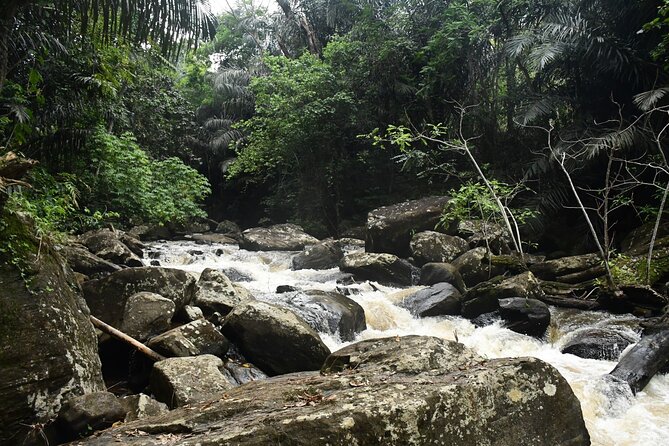
After breakfast, you drive for about five hours to Londorosi Park Gate. This is a long road morning, but it is part of what makes Lemosho different from the busier approaches. The route reaches the western side of Kilimanjaro and begins in the forest near the Lemosho Glades.
The drive across the Shira Plateau is also described as one of the better chances to see large wildlife on Kilimanjaro. Because the forest around the glades is known for wildlife, groups are accompanied by an armed ranger. That is a memorable detail, but it also tells you something practical: this is not simply a quick walk from a parking area to a standard trail.
The first hike runs about 5 kilometers and takes around three hours, climbing from roughly 2,200 to 2,600 meters. You finish at Mti Mkubwa camp, where the crew sets up camp and serves dinner. The mileage is modest, which is exactly what you want on the first mountain day. The drive is the tiring part.
Day three: from Mti Mkubwa into the moorland
The second hiking day covers about 10 kilometers in four to five hours, rising from 2,600 to 3,600 meters. You begin with breakfast, then walk toward Shira Camp.
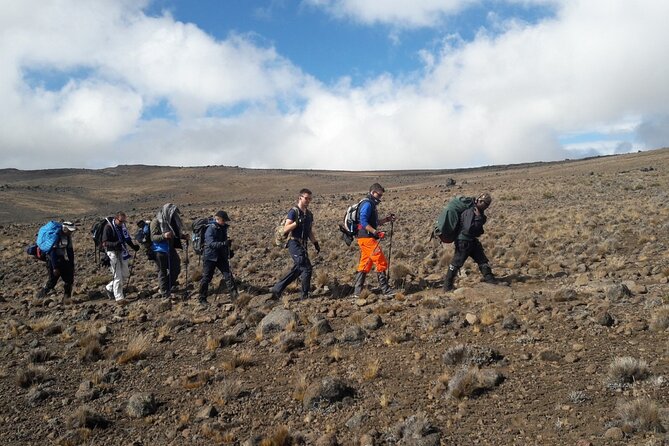
The route passes through lower moorland, where large shrubs and wildflowers replace the thicker forest. Above camp, the western face of Kibo begins to dominate the view. This is your first strong reminder that the summit is not an abstract goal on a map. It is a huge volcanic mass rising ahead of you.
The schedule allows time for lunch, camp setup, rest, or a short day hike. I consider this a smart feature. You are not trying to win the mountain by walking fast. A calm pace gives your body a better chance to adjust to altitude, and the extra rest may prove more useful than squeezing in additional miles.
A few more trips of this kind worth comparing:
- Tanzania Classic – 7 Days
★ 5.0 · 1,151 reviews - 7-Day Premium Luxury Tanzania Safari All-Inclusive
★ 5.0 · 426 reviews - Group Safari 7 Days in Tanzania’s Main Parks
★ 5.0 · 240 reviews - 7 Days Tanganyika Wilderness Safari
★ 5.0 · 159 reviews
Day four: a short gain at Shira Camp 2
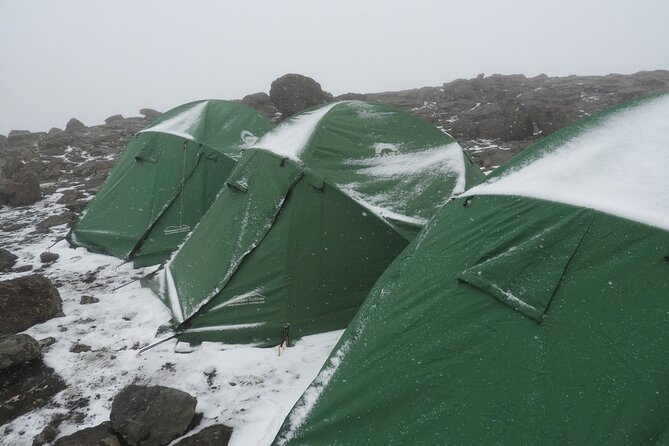
Day four covers another 10 kilometers in about five to six hours. The elevation gain is smaller, from approximately 3,600 to 3,840 meters, as you move to Shira Camp 2.
This is an important day despite its modest height gain. You continue walking at altitude without forcing a major ascent. The route crosses increasingly open, rocky ground, and the west face of Kibo remains an imposing presence.
You should use this camp to inspect your clothing, refill water, charge batteries where possible, and ask your guide about the next day. The coming route reaches 4,600 meters before dropping to Barranco. That high point is one of the main reasons this itinerary gives you a useful acclimatization day before the summit push.
Day five: Lava Tower and the classic high-low strategy
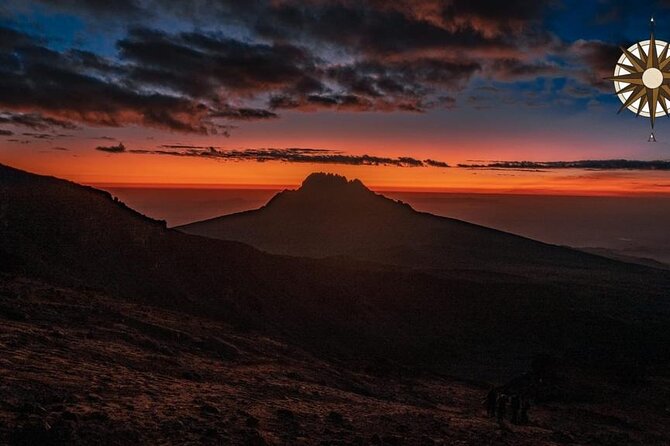
Day five is the hardest regular hiking day so far. The stated hiking distance is 11 kilometers, with seven to eight hours on foot. You leave the Shira area and turn east into a rocky semi-desert, climbing toward Lava Tower.
Although the camp elevations shown in the schedule vary slightly, the key figure is clear: you reach about 4,600 meters at Lava Tower after roughly five hours. This is where breathlessness, headaches, and irritability may first appear. Your guide should take these symptoms seriously, and you should report them rather than trying to look tough.
Lunch comes before the final rocky ascent to Lava Tower. Afterward, you descend almost 680 meters to Barranco Camp, around 3,940 meters. That climb high, sleep lower pattern is one of the best features of the route. You get exposure to a higher elevation, then recover at a lower camp.
The descent does not make the day easy. You have already spent hours walking uphill, and the terrain is rocky. Still, this is a meaningful day of preparation rather than wasted effort. If you feel unwell here, the guide team has a chance to assess your condition before summit night.
Day six: a tense camp before the summit
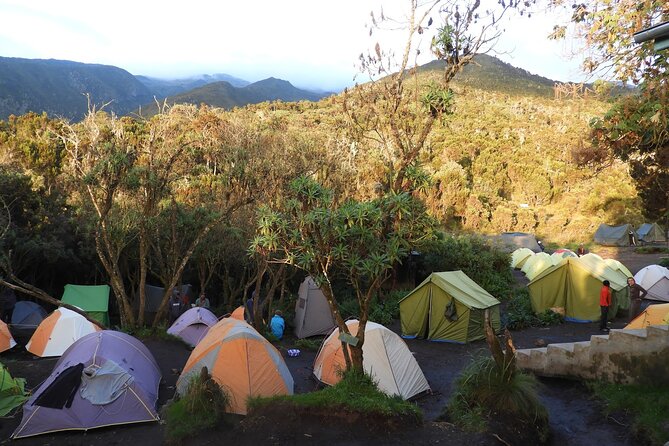
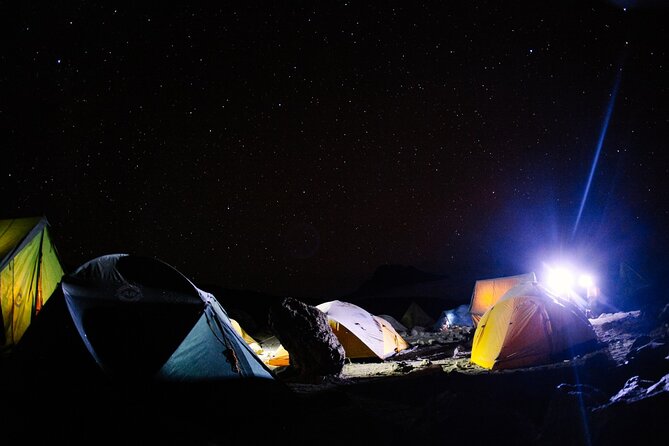
The next day covers about 11 kilometers in seven to eight hours, with the camp listed around 3,960 to 4,640 meters. The description places the tents on a narrow, stony ridge exposed to strong winds. You should familiarize yourself with the camp area before dark, since uneven ground and poor visibility can create avoidable problems.
This is not a day for casual wandering. The summit is still about 1,345 meters higher, and you are preparing for the night ascent. Organize your headlamp, warm layers, gloves, water, camera, and snacks before dinner. Replace headlamp and camera batteries, and carry spares where you can reach them.
Water can freeze during the summit attempt, so the practical advice is to use a thermal flask. You are expected to go to bed around 7:00 p.m. and rest for no more than five hours. That odd sleep window is normal for a midnight summit start, but it can be hard to manage. Do not count on feeling refreshed. The aim is simply to conserve energy.
Day seven: Stella Point, Uhuru Peak, and the long descent
Summit day begins around 11:30 p.m. with tea and biscuits. You then walk through the night toward Stella Point, climbing heavy scree for about six hours.
This is the section where patience matters most. The route is steep, dark, cold, and slow. A pace that feels almost comically gentle may be the right pace. The schedule lists at least 15 hours of walking and 17 kilometers for the full day, so you should understand this as a complete endurance event, not just a morning summit stroll.
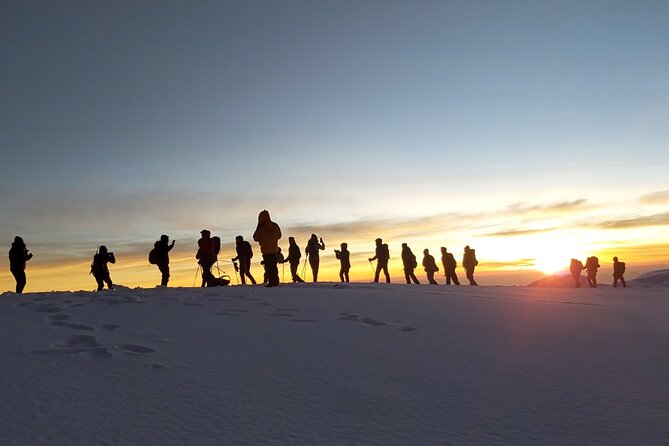
At Stella Point, around 5,685 meters, you stop for a short rest and may catch sunrise if the weather cooperates. From there, you continue across possible snow for roughly two hours to Uhuru Peak at 5,895 meters.
The time at the summit depends on weather conditions. That is sensible. You may have reached Africa’s highest point, but cold, wind, altitude, and fatigue still matter. Take your photographs, enjoy the moment, and follow the guide’s instructions about how long to remain there.
After the summit, you descend to Barafu and then continue toward Mweka Camp, listed at about 3,100 meters. The downhill section can be hard on tired knees, and the total day is long enough that you should not underestimate it. The reward is a dramatic change in altitude and the knowledge that the hardest climbing is behind you.
Day eight: Mweka Gate, a hot lunch, and a real shower
The final mountain section takes you from Mweka Gate down into Mweka village. The walk is usually about five hours and can be muddy. That detail matters: your boots and trousers may be filthy by the time you reach the road.
From Mweka village, you drive back to Springlands Hotel. A hot lunch and a long-awaited shower are provided, and you spend the night at the hotel.
Successful climbers receive summit certificates at Springlands. Reaching Uhuru Peak brings a gold certificate, while reaching Stella Point brings a green certificate. This gives the day a clear sense of closure, even if your legs are still negotiating the stairs.
Tips can be given to the guide at the hotel. Since the recommended total is $250 to $350 per person, carry a plan for how you want to distribute that money among the guide, porters, and cook. The tip is optional, but it is a significant part of the total budget if you choose to offer it.
Day nine: airport transfer home
After an early breakfast, you transfer to Kilimanjaro Airport. The listed drive takes about 30 minutes.
Do not book a tight onward connection without checking your flight timing carefully. The transfer itself is short, but an early breakfast and airport departure leave little room for confusion. The included airport pickup and return transfer make the beginning and end simple, provided you share accurate flight details.
Guides, porters, and the human side of the climb
The strongest praise for this operation focuses on its people. Gabriel is noted for helpful communication before the trip, which matters when you are trying to understand visas, gear, airport pickup, and preparation from another country.
Guide Izadin is praised for being helpful and well informed, while Kimbi is singled out for excellent guiding and a friendly crew. You should still remember that a successful Kilimanjaro climb depends on clear communication in both directions. Tell your guide early if you have a headache, feel unusually weak, or are struggling with cold.
The porter team is another central part of the experience. Porters carry camp equipment and help create the practical support system that allows you to walk with a manageable personal load. That support comes with an ethical responsibility, so ask how the company handles porter welfare and use the optional tip budget thoughtfully.
The cook is just as important as the guide once you are tired and cold. Chef Salim receives specific praise for the food, and the package includes all mountain meals. You should still bring any personal snacks you rely on, since the supplied information does not specify menus or dietary arrangements.
Who this Lemosho climb suits best
This trip suits you if you have moderate physical fitness and want a supported route with time for acclimatization. You need to be ready for repeated days of five to eight hours of walking, one summit day of 15 or more hours, rocky ground, cold conditions, and a midnight start.
It is a good fit if you value a quieter route, wildlife potential near the forest, and a small maximum group of 12. It may be less suitable if you want a short holiday, dislike camping, or expect the summit day to feel like an ordinary hike.
The route also suits people who want a full service mountain package. You do not need to arrange each park fee, camp transfer, porter, cook, or tent separately. You do need to organize flights, insurance, a visa, and suitable gear.
What to budget and pack for mentally
The advertised price is only the first number. Add the $50 visa, insurance, flights, possible gear rental, single-room supplement, and optional staff tips. A realistic budget should leave room for these items rather than treating them as surprises.
The main mental preparation is for the summit night. You will go to sleep around 7:00 p.m., wake close to midnight, climb by headlamp, reach Stella Point near sunrise, continue to Uhuru Peak, and then descend for many more hours. That is the day you need to train for most.
You should also prepare for basic camp living. Tents and sleeping mattresses are included, but the supplied details do not promise luxury. Bring patience, keep your clothing dry, protect batteries from the cold, and follow the guide’s pace.
Should you book the 7-day Lemosho climb?
I would choose this trip if you want a remote approach, a well-supported mountain package, and a route that uses Lava Tower for serious altitude practice. The combination of western scenery, Shira Plateau walking, wildlife protection, professional staff, and included mountain services gives the $2,280 price real value.
I would hesitate if your budget cannot absorb tips, insurance, visa costs, flights, and gear. I would also reconsider if you are not ready for the 15-hour summit day or the demands of camping at high altitude.
For a fit climber who wants structure without a giant group, this is a strong option. Confirm your gear plan, medical and travel insurance, single-room preference, and extra costs before paying. The experience is non-refundable and cannot be changed after booking, so make that decision carefully.
FAQ
How long does the full Kilimanjaro experience take?
The full trip takes approximately nine days. This includes an arrival night in Moshi, seven days on the mountain, a hotel night after the climb, and departure on day nine.
What is included in the $2,280 price?
The price includes taxes and fees, two nights of bed and breakfast in Moshi, airport pickup, transport to and from the mountain, rescue fees, tents, sleeping mattresses, guides, porters, cooks, mountain entry costs, and meals on the mountain.
Are flights included?
No. International and domestic flights are not included.
Do I need a visa for Tanzania?
Yes. The stated visa cost is $50, and it is not included in the tour price.
How difficult is the climb?
You should have a moderate level of physical fitness. The schedule includes several days of five to eight hours of walking, followed by a summit day requiring at least 15 hours of walking.
How large can the group be?
The maximum group size is 12 people.
Are mountain sleeping bags and clothing provided?
No. Sleeping bags, clothing, shoes, and other mountain gear are available for hire, but gear rental is not included in the price.
Just added around Arusha
- 5 Days Safari Tarangire, Serengeti, and Ngorongoro Crater★ 5.0 · 3 reviews
- Love lives in Africa★ 5.0 · 3 reviews
- 5 Days of Safari, Culture & Hot Springs – Tour from Arusha★ 5.0 · 3 reviews
- Arusha National Park Safari by Jeep★ 4.5 · 3 reviews
- 5Days Family _Group Tour Lodging Mid-Range in the Jungle★ 5.0 · 3 reviews
- Serengeti & Ngorongoro 3 Days Budget Safari★ 5.0 · 3 reviews
- 2 Days Tarangire and Ngorongoro Crater Tour★ 5.0 · 3 reviews
- 7 Days PRIVATE Best of Tanzania Safari *Departing everyday*★ 5.0 · 3 reviews
Kilimanjaro Treks, compared.



8-Day Small-group Lemosho Kilimanjaro Summit Trekking
Read our review →


Climbing Kilimanjaro through 7 days Machame Route
Read our review →

Browse the lists this tour appears in