
Reviewed · MOSHI TOURS
Moshi: Town tour and Local Markets tour
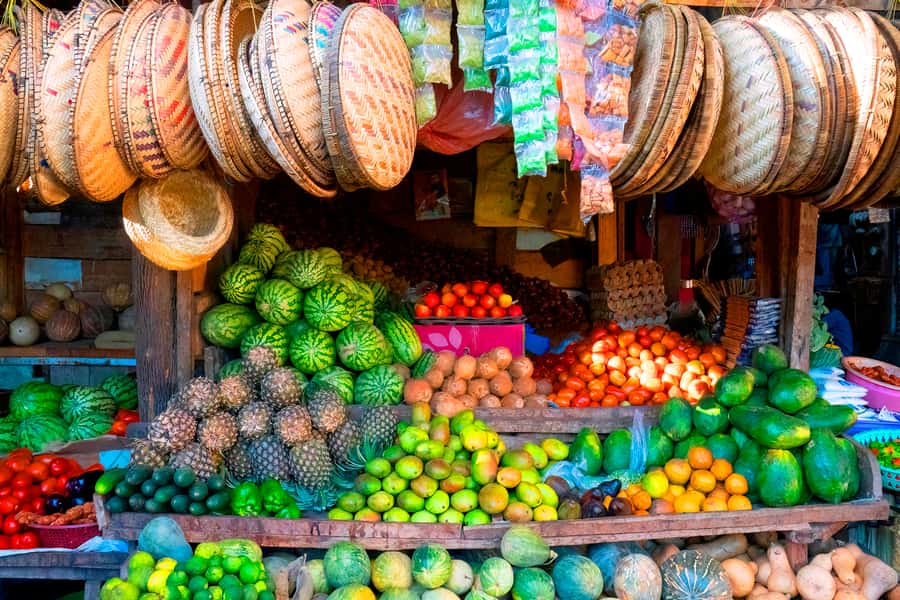
Moshi reveals itself one market at a time. This three-hour tour gives you a useful look at everyday life, from the old railway station and local banking to fruit stalls, coffee, bus commerce, and handmade souvenirs. I especially like the fresh-fruit tasting and the chance to compare three different markets rather than treating the town as a quick stop before Kilimanjaro.
I also like the guide Isaac, often called Zac, whose clear English, friendly manner, and willingness to adjust the outing have earned repeated praise. He has helped travelers with pharmacy stops, money exchange, supermarket visits, restaurant suggestions, and even collecting trekking gear. The main consideration is that this is an active town walk through working markets, not a polished museum tour. Expect noise, crowds, uneven walking, and ordinary commerce.
In This Review
- Key points at a glance
- Why this Moshi tour is worth your morning
- Starting at Moshi railway station
- Comparing Manyema, Mbuyuni, and Central Market
- Coffee, tea, and a pause at Coffee Union Cafe
- Seeing business at Moshi bus stand
- Blue Zebra Art, Tanzanite, and the final shopping stop
- What Isaac adds to the experience
- Who should book this tour?
- Practical value at $25 per person
- Final verdict: a smart first look at Moshi
- FAQ
- Where does the Moshi town and market tour begin?
- How long does the tour last?
- What places are included?
- Is hotel pickup and drop-off included?
- Is food included in the price?
- Can I taste local fruit?
- What language is the tour offered in?
- What should I bring?
Key points at a glance
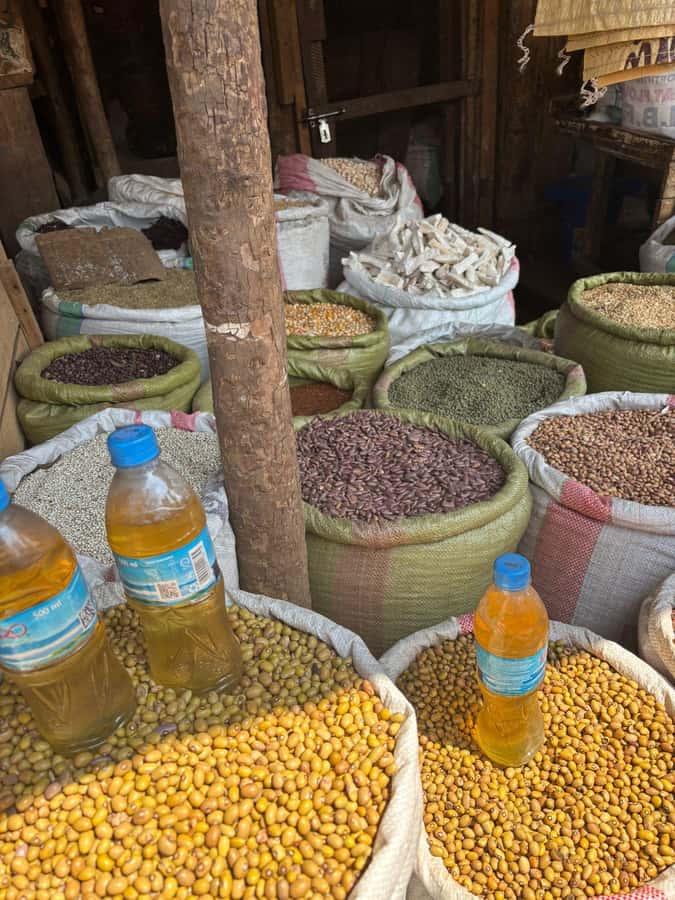
- Three markets, three different purposes: Visit Manyema Market, Mbuyuni Market, and the Central Market to see how food, clothing, produce, and daily trade vary.
- The train station starts the story: Learn about Moshi’s railway and stop for photographs, with a possible view toward Mount Kilimanjaro.
- Fruit tasting is part of the tour: You can sample local fruits while learning how food is sold and used in the markets.
- Coffee Union Cafe adds a welcome pause: Take time for coffee or tea after the market walking.
- The final stop supports local work: Blue Zebra Art sells crafts made largely by disabled people and also offers Tanzanite and other souvenirs.
- Isaac makes the tour flexible: His personal help with pharmacies, money exchange, transport, and trekking errands can be useful in your first days in Moshi.
Why this Moshi tour is worth your morning
At $25 per person, this is a good-value introduction to Moshi, particularly if you have just arrived for a Kilimanjaro climb. Hotel pickup and drop-off are included, as is bottled water. You are paying for transport, a guide who explains what you are seeing, and a structured route through places that can feel confusing when visited alone.
The real value is not simply seeing market stalls. It is learning why those stalls matter. Isaac explains local economic activity, the way goods move through town, and how people use markets as social and commercial spaces. That context helps you look past piles of bananas or rows of clothing and understand the work behind them.
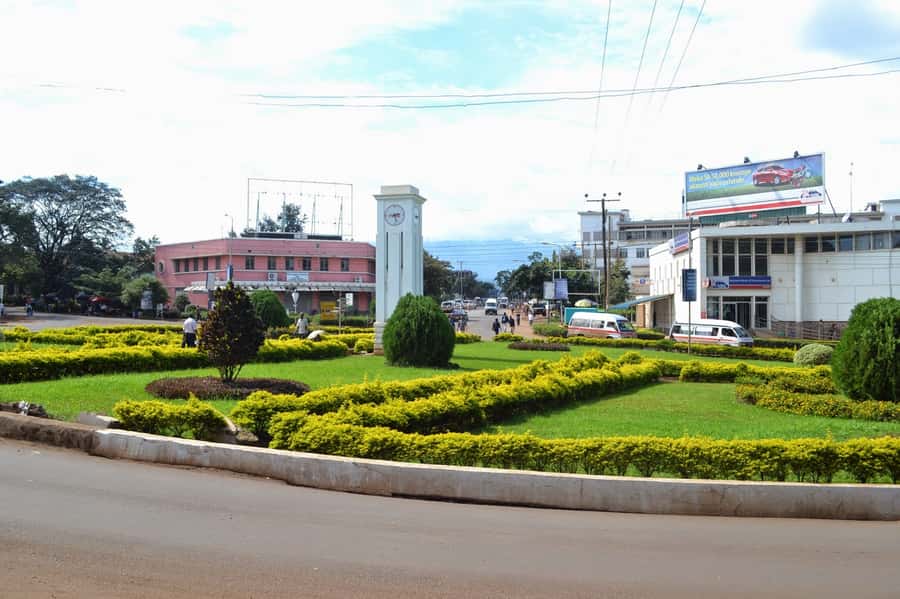
This tour also gives you a useful first orientation. You see the railway, banks, markets, bus station, cafes, and souvenir shops in one compact outing. If you are staying in Moshi before or after a mountain trek, that broad introduction can help you decide where to return later on your own.
The pace is fairly full. The planned stops add up to about three hours, with roughly 25 minutes at the train station and each of the first three markets, followed by a 20-minute cafe break, 15 minutes at the bus stand, and 20 minutes at the craft shop. You will walk through active commercial areas, so comfortable shoes and cool, comfortable clothes are sensible.
A few more trips of this kind worth comparing:
- Kilimanjaro climb by Lemosho Route (7-day)
★ 5.0 · 651 reviews - Safari Serengeti And Ngorongoro
★ 5.0 · 288 reviews - Kilimanjaro climb, Machame Route (7-day)
★ 5.0 · 262 reviews
Starting at Moshi railway station
The tour begins with pickup at your lodging in Moshi Urban and a drive into town. The first stop is the train station, where Isaac explains the railway’s place in Moshi’s history and gives you time for photographs.
This is more than a transport stop. The railway helps explain why Moshi developed as a town and why connections between inland communities and the coast have mattered to trade. The station also offers a change of mood from the markets that follow. You start with the town’s wider story before moving into its daily routines.
The train station is also the planned photo stop for Mount Kilimanjaro. The mountain view depends on weather and visibility, so treat it as a welcome possibility rather than a guaranteed panorama. One fortunate group arrived as a train from Dar es Salaam was pulling in, adding a memorable bit of movement to the visit.
Allow for some walking here. One group described walking along the railway for about a kilometer toward the markets. That may not be part of every outing in exactly the same way, but it gives you a sense of the tour’s character: you are not only being driven between attractions, you are also seeing how the town connects together.
Comparing Manyema, Mbuyuni, and Central Market
The market section is the heart of the tour. You visit Manyema Market, Mbuyuni Market, and the Central Market, with each stop offering a different look at food, clothing, services, and local trade.
Manyema Market comes first in the detailed route. You can expect a guided walk, photographs, and time among food sellers. The tour focuses on the way the market works, not only on its appearance. Isaac explains the goods being sold and the activities that support local incomes.
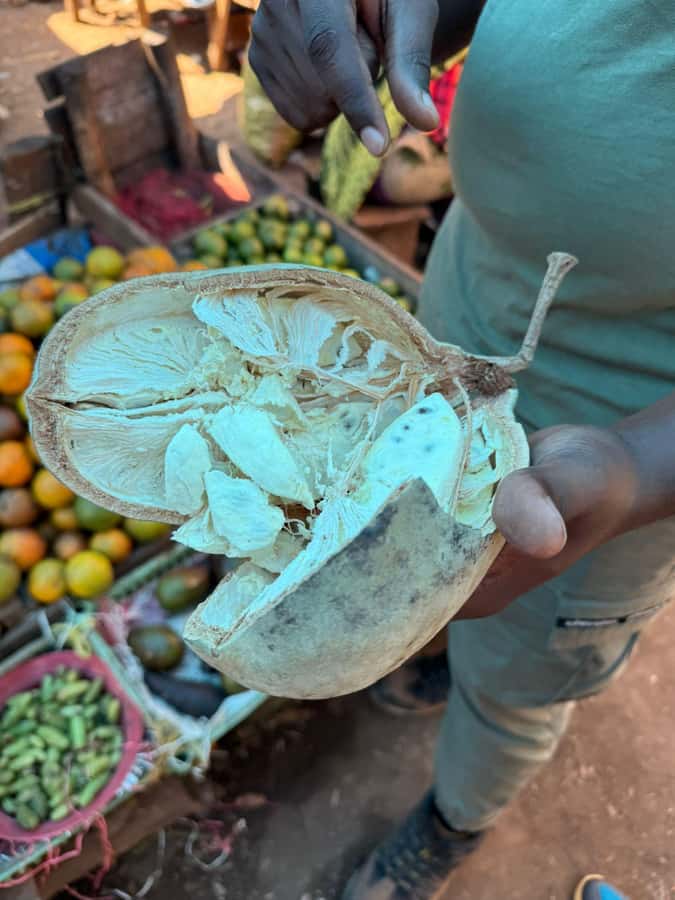
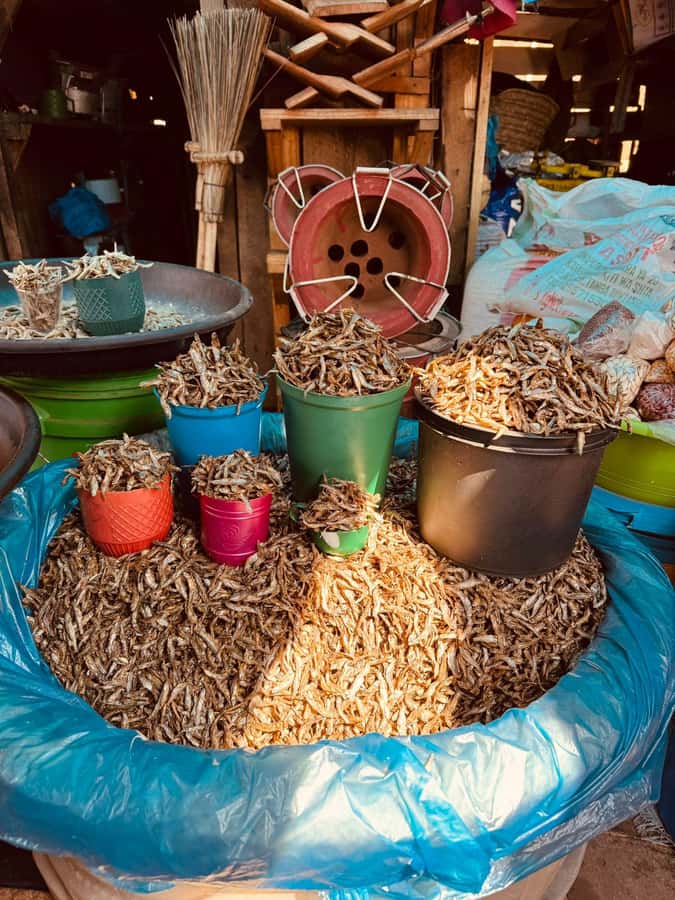
Mbuyuni Market follows, with visits to areas described as the banana market, fish market, spice market, and clothing market. You may also see a local dispensary and other everyday businesses. This mixture is useful because it shows how a market is not one single thing. It is a place to buy food, find clothing, handle practical needs, and maintain relationships.
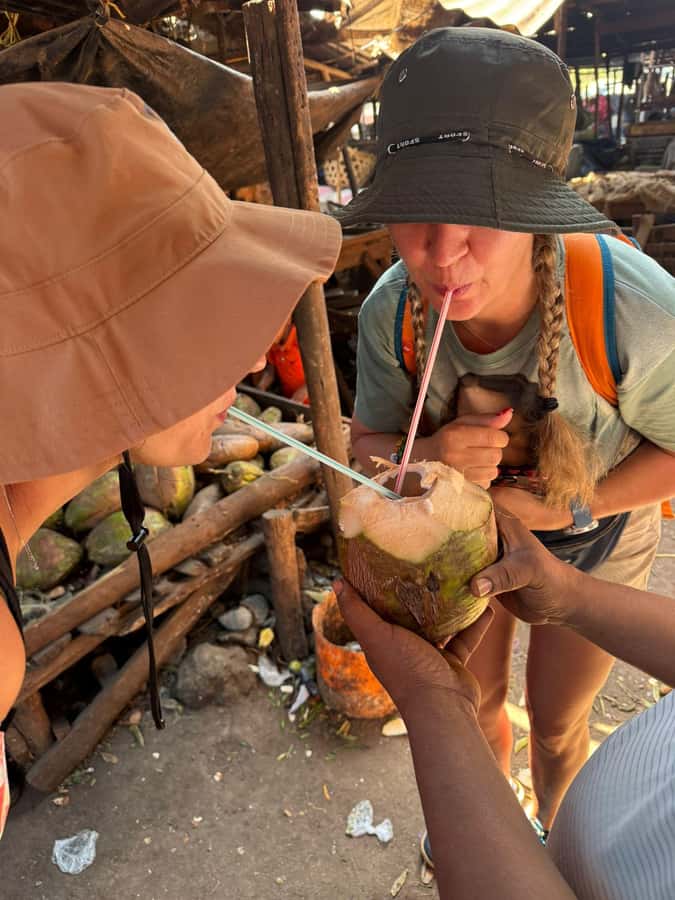
The fruit tasting adds a direct, enjoyable part to the visit. You can sample various local fruits, and Isaac explains what you are trying. It is a small detail, but it changes the experience from simply looking at food to engaging with it.
The Central Market provides another point of comparison. Here the focus includes the food market and how it differs from the earlier stops. You will also pass local banks and learn about Tanzania’s Sim banking system. That detail is especially helpful because mobile money and phone-based payments are part of ordinary business in Tanzania, yet the system can be unfamiliar if you have just arrived.
I like that the tour connects market commerce with modern finance. You are not only looking at produce and clothing. You are also learning how people pay, save, transfer money, and run small businesses.
The market stops are not staged for sightseeing. Sellers are working, shoppers are moving, and the conditions can be noisy and crowded. Keep your belongings secure, ask before photographing people, and follow Isaac’s lead on respectful behavior. You may find some areas less comfortable than a tourist shopping street, but that is also what makes the visit useful.
Coffee, tea, and a pause at Coffee Union Cafe
After the market walks, the tour stops at Coffee Union Cafe. You can choose coffee or tea and take a break for about 20 minutes.
This pause matters. Three markets in a row can be a lot to absorb, especially in warm weather. The cafe gives you time to sit, ask questions, and sort out what you have seen before continuing to the bus stand.
Several visitors specifically appreciated Isaac’s knowledge of good coffee and food places in Moshi. The cafe stop is therefore not just a scheduled drink. It can also help you get a feel for where to return during your stay.
Food and drinks are not included in the $25 price, so budget separately for anything you order. Bottled water is included, which is useful during the walking portions.
A completely different kind of day out from Moshi:
- Kilimanjaro Climbing Lemosho Route 8 Days.
★ 5.0 · 186 reviews - Climbing Kilimanjaro – Machame Route
★ 5.0 · 170 reviews - Climbing Kilimanjaro through 7 days Machame Route
★ 5.0 · 151 reviews - Kilimanjaro climb, Lemosho Route (8-day)
★ 5.0 · 148 reviews
Seeing business at Moshi bus stand
The next stop is Moshi’s bus stand, with about 15 minutes for a guided visit and photographs. Here Isaac explains how people do business around the station.
Bus stations are practical places, and that is precisely their value on this tour. You see another part of the local economy, one built around movement, arrivals, departures, and the needs of people passing through. The stop is short, but it broadens the picture you have formed in the markets.
Do not expect a long visit or a formal transport presentation. This is a quick look at how the bus stand functions as part of town life. If you are interested in local transport, trade, and daily routines, it is a worthwhile addition.
One review described riding in a tuk-tuk during the town outing, but that should not be treated as a guaranteed part of every booking. The listed transport is hotel pickup and drop-off, with the exact movements around town handled by the guide.
Blue Zebra Art, Tanzanite, and the final shopping stop
The last stop is Blue Zebra Art, a craft and souvenir shop with a social purpose. Much of what is sold is made by disabled people, and part of the revenue supports community efforts such as sending orphans to school and helping people in need.
That gives this stop more meaning than a standard souvenir shop. You can browse arts and crafts while learning where some of the work comes from and how purchases may support local livelihoods. You are free to buy something, but there is no pressure stated as part of the tour.
The shop also sells Tanzanite, the valuable blue gemstone found only in Tanzania. If you are interested, this is a convenient place to ask questions and look at the stone. Use normal caution with any expensive purchase: ask about the item, price, documentation, and return arrangements before paying.
The stop lasts about 20 minutes, so serious jewelry shopping may need more time than the scheduled visit allows. For most people, it works best as an introduction to Tanzanite and local crafts rather than a dedicated shopping appointment.
What Isaac adds to the experience
The strongest theme in the feedback is Isaac’s personal attention. He is repeatedly praised for clear communication, reliable timing, strong English, and a warm manner. Several people describe feeling safe and comfortable with him, including a solo female traveler visiting unfamiliar market areas.
His flexibility is another practical strength. He has adjusted pickup times for an airport departure, helped with a pharmacy visit, assisted with money exchange, stopped at a supermarket, suggested a local restaurant, and helped collect Kilimanjaro trekking equipment. These extras are not guaranteed features of the three-hour route, but they show the kind of help you may receive if your needs fit the schedule.
The tour has also worked well as a private or small-group outing. One booking was described as private, while another involved three people. Group size can affect how much you can ask, how quickly you move through market aisles, and how easy it is to tailor the route, so confirm the arrangement when booking.
Isaac’s value is greatest if you want explanations rather than a simple transfer between places. He answers questions about history, culture, markets, local food, and current life in Tanzania. His Swahili teaching also adds a friendly personal touch, especially if you want to learn a few useful words.
Who should book this tour?
I would recommend it to first-time visitors to Moshi who want a grounded introduction before climbing Kilimanjaro. It is also a good fit if you prefer local food, working markets, and everyday commerce to a list of formal monuments.
Solo visitors may appreciate having a guide through unfamiliar market areas. Couples and small groups can ask questions and adjust the focus more easily. The tour is also useful for anyone arriving on a tight schedule, since an earlier start has been arranged for someone who needed to reach the airport.
You should be comfortable walking through active markets and seeing ordinary commercial life. This is not the best choice if you want a quiet, highly polished sightseeing route or if you dislike food markets, crowded streets, or shopping stops.
The English-language guiding is a major benefit. You can ask about the differences between markets, local banking, food, railway history, and Tanzanian customs without struggling to follow a basic commentary.
Practical value at $25 per person
The $25 price is modest for a three-hour guided town tour with pickup, drop-off, bottled water, and several stops. If you explored the markets alone, you would avoid the tour fee, but you would also lose the explanations and local orientation that give the visit its purpose.
Food and drinks cost extra. Bring a little money if you want to try something at Coffee Union Cafe, purchase fruit, or browse crafts and Tanzanite. You do not need to buy anything to take part in the tour.
The free cancellation policy allows cancellation up to 24 hours ahead for a full refund, and you can reserve now and pay later. Starting times depend on availability. The tour is offered in English, and comfortable shoes are specifically recommended.
Final verdict: a smart first look at Moshi
Book this tour if you want to understand how Moshi works, not just photograph it. The combination of railway history, three different markets, fruit tasting, mobile banking, coffee, bus-station commerce, and socially focused crafts gives you a useful view of the town in a short time.
The main reason to choose it is Isaac. His clear explanations, kind manner, and practical help have made this outing especially strong for people arriving in Moshi with questions or errands. Just remember that the markets are working places, the schedule is active, and food, drinks, and purchases are extra.
For $25, this is an easy recommendation for a first Moshi morning, especially before or after a Kilimanjaro trek.
FAQ
Where does the Moshi town and market tour begin?
Pickup is available from your lodging in Moshi Urban.
How long does the tour last?
The tour lasts three hours.
What places are included?
The route includes Moshi Train Station, Manyema Market, Mbuyuni Market, the Main or Central Market, Coffee Union Cafe, Moshi Bus Stand, and Blue Zebra Art, Tanzanite, and Souvenir Shop.
Is hotel pickup and drop-off included?
Yes. Hotel pickup and drop-off are included.
Is food included in the price?
No. Food and drinks are not included. Bottled water is included.
Can I taste local fruit?
Yes. Fruit tasting is part of the market visit, and you can sample various fruits.
What language is the tour offered in?
The tour is offered in English with a live English-speaking guide.
What should I bring?
Bring comfortable shoes and comfortable clothes for walking through the markets and town.
Just added around Moshi
- Moshi: Lake Chala Tour: Hiking &/or Kayaking★ 4.5 · 3 reviews
- 3 Days Tanga Exclusive Beach Holiday★ 5.0 · 3 reviews
- Serengeti Wildebeest Migration.★ 5.0 · 3 reviews
- Chemka Hotpsrings E-Bike Day Trip★ 5.0 · 3 reviews
- Explore 1 day Ngorongoro Crater Budget Group Safari from Arusha★ 5.0 · 3 reviews
- Explore the 360° of Kilimanjaro★ 5.0 · 3 reviews
- Affordable Short Tanzania Safari (2 Days Camping Safari)★ 5.0 · 3 reviews
- Rongai Route 7 Days★ 5.0 · 3 reviews
Moshi Tours, compared.






Climbing Kilimanjaro through 7 days Machame Route
Read our review →
