
Reviewed · SHOPPING TOURS
Tanzanite experience tour – Tanzanite shopping in Arusha
Tanzanite makes a memorable last-day souvenir. This Arusha tour combines the Tanzanite Experience museum, guided shopping, the Shanga Foundation, and the Cultural Heritage Centre in one flexible outing. I like the easy hotel pickup and the chance to shop with a guide who can help you buy with more confidence. I also like the mix of jewelry, art, recycled crafts, and local culture.
The main drawback is the wide three-to-eight-hour duration. Your timing depends on how much you shop and how long you spend at each stop, so this is not the best choice if your schedule is tightly packed. The $35 price is appealing, but jewelry and artwork cost extra, and an airport transfer may require an additional fee.
In This Review
- Key points to know before booking
- Why Arusha is a good place to shop for tanzanite
- Starting at the Tanzanite Experience museum
- Shopping at Shanga Foundation
- Exploring Cultural Heritage Centre
- What the $35 price really covers
- Choosing what to buy in Arusha
- Guides, transport, and the personal feel
- Who should book this Arusha shopping tour?
- Should you book the Tanzanite Experience tour?
- FAQ
- Where does the Tanzanite Experience tour take place?
- What time does the tour start?
- How long does the tour last?
- Is hotel pickup available?
- Is the tour private?
- Can I buy tanzanite during the tour?
- Do tanzanite purchases come with a certificate?
- What else can I buy besides tanzanite?
- Can the tour include an airport transfer?
- Can I cancel for a full refund?
Key points to know before booking
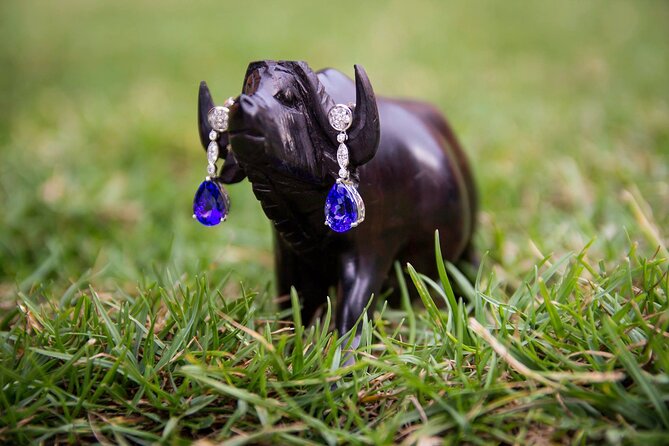
- Tanzanite is found only in Tanzania, making a certified stone a special reminder of your time in East Africa.
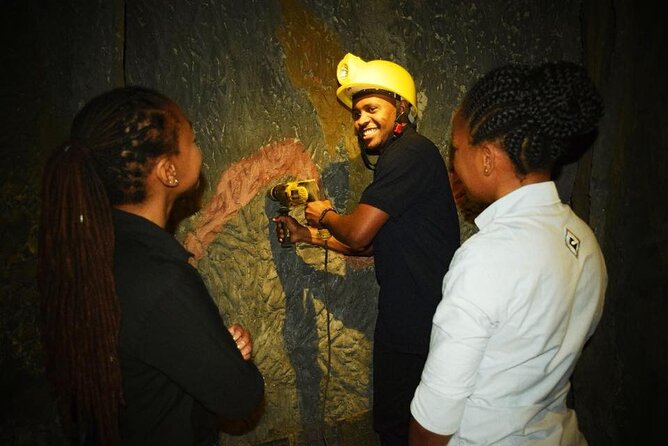
- The museum explains mining, cutting, grading, and naming, with a replica mine shaft and visual displays.
- The Shanga Foundation supports disabled artisans who make jewelry, glassware, fabric goods, and recycled crafts.
- Cultural Heritage Centre offers the widest shopping range, from tanzanite and other stones to paintings, carvings, antiques, and souvenirs.
- Hotel pickup and a private group setting make the outing easier than arranging several shopping stops alone.
- The tour costs $35 per person, with free cancellation available up to 24 hours before the start time.
Why Arusha is a good place to shop for tanzanite
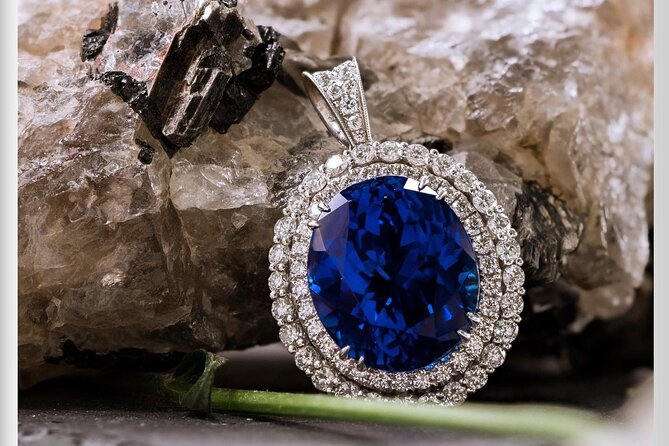
Tanzanite has a useful connection to place. It is mined only in Tanzania, near the foothills of Mount Kilimanjaro, so buying it here gives the souvenir a clear local link. You are not simply picking up a blue stone in an airport shop. You are buying a mineral associated with one country and one mining area.
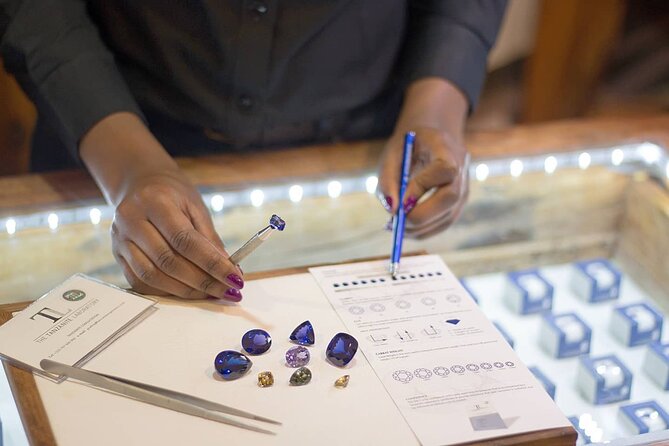
The stone is known for its blue color and is also the December birthstone. Its rarity has helped make it popular with jewelry buyers, but rarity alone should not push you into a rushed purchase. You need to understand the stone’s color, cut, clarity, size, and certification before spending serious money.
That is why the museum visit matters. It gives you basic background before you reach the larger shopping centers. I like this order because you first learn what you are looking at, then see jewelry and loose stones in commercial settings.
The tour also goes beyond tanzanite. Arusha is known for Maasai crafts, ebony carvings, paintings, jewelry, and other African art. If a precious stone is not right for your budget, you still have plenty of other choices.
A few more trips of this kind worth comparing:
- Arusha: Traditional Tanzania Cooking Class & Food Market Tour
★ 5.0 · 34 reviews - Arusha: Traditional Tanzania Cooking class& Food Market Tour
★ 4.9 · 12 reviews - 24 Hours in Arusha—Arusha Museum, Cultural Heritage, Maasai Market, Shanga
★ 5.0 · 4 reviews
Starting at the Tanzanite Experience museum
Pickup begins after the 9:00 am start time, with collection from your Arusha hotel. The museum is in central Arusha, which makes it a practical first stop rather than a long drive to a remote site.
Inside, you learn how tanzanite was created, named, mined, cut, polished, and graded. The visual displays and interactive material are designed for first-time buyers, not only for serious jewelry collectors. A replica of a tanzanite mine shaft helps explain the working conditions and mining setting.
This first stop gives you a better basis for shopping. You can ask about the difference between a finished piece and a loose stone, and you can pay closer attention to the color and quality of the jewelry you see later.
The museum has an attached store. Stones bought there come with a certificate from the Tanzanite Laboratory. That certificate is an important detail. If you are paying for a valuable stone, documentation gives you something to keep with the purchase and helps identify what you bought.
Still, certification is not a reason to abandon common sense. Ask to see the paperwork, make sure it matches the stone or piece of jewelry, and keep the receipt and certificate together. Your guide can help you understand the buying process, but you should still take your time.
The museum is especially useful for someone who has never purchased tanzanite before. If you already know the stone well, you may find this part brief, but it still provides a sensible starting point before the shopping begins.
Shopping at Shanga Foundation
The Shanga Foundation offers a different kind of shopping experience. It is a craft store and workshop where disabled local artisans make and sell goods such as glassware, beads, paintings, fabrics, and jewelry.
I like this stop because the products have a clear human and environmental story. Recycled materials are used in several items. The setting includes walls made from recycled wine bottles, as well as jewelry and cloth goods made from reused materials. Even the stuffed elephants are made from old men’s shirts.
That gives you more than another row of souvenir shelves. You can see the work environment and the kinds of materials used to make the products. The goods are also practical for gifts. Beaded jewelry, textiles, small decorations, and recycled crafts are easier to pack than large carvings or framed artwork.
Shanga also has a place to order tanzanite bracelets and necklaces. This can suit you if you want a finished piece rather than a loose stone. A bracelet or necklace is ready to wear and may be simpler than arranging a stone with a jeweler after you return home.
The shopping can be tempting, so set a spending limit before you arrive. You may find several appealing gifts for family and friends, and the small items can add up quickly. I would first walk through the shop, note the pieces you like, and then return to make purchases.
The tour description uses the phrase disabled locals, but the important point for you is that the foundation provides a place for disabled artisans to make and sell their work. Buying here lets you take home something attractive while supporting that craft program.
Exploring Cultural Heritage Centre
The Cultural Heritage Centre is the largest shopping stop on this outing. It sits on the outskirts of Arusha and combines curio shops, jewelry counters, a tanzanite and precious-stone section, a bargain center, a restaurant, and a large African art gallery.
This is where the tour becomes useful for different budgets. You may find small crafts at modest prices, while jewelry, sculptures, antiques, and paintings can cost much more. The range means you do not need to decide in advance that your souvenir must be tanzanite.
The center carries a broad selection of stones, including rubies, emeralds, tsavorite, diamonds, sapphires, and opals. The information provided does not give individual prices, so ask for the cost before getting too attached to a piece. Also ask what documentation comes with any expensive stone.
The art collection includes African antiques, contemporary paintings, and sculpture. If you want something for your home rather than a small gift, this is the stop most likely to offer it. Ebony carvings and paintings can be attractive choices, but check how you will transport a larger item before buying.
Expert assistants are available to help with art and antiques. Your guide can also help you move through the shopping process, but you should remain clear about your budget and what you want. A sales setting can make it easy to buy more than planned.
There is also a restaurant serving traditional African dishes and hummus. That makes the center a useful place for a meal during a longer outing. The exact meal arrangements are not specified, so treat the restaurant as an available option rather than an included part of the tour.
A completely different kind of day out from Arusha:
- Serengeti Balloon Safari and authentic bush breakfast
★ 5.0 · 2,480 reviews - Balloon Safari & Bush Breakfast in Serengeti – Miracle Experience
★ 5.0 · 1,646 reviews - Tanzania Classic – 7 Days
★ 5.0 · 1,151 reviews - 4 Days Group Camping Safari
★ 5.0 · 1,101 reviews
What the $35 price really covers
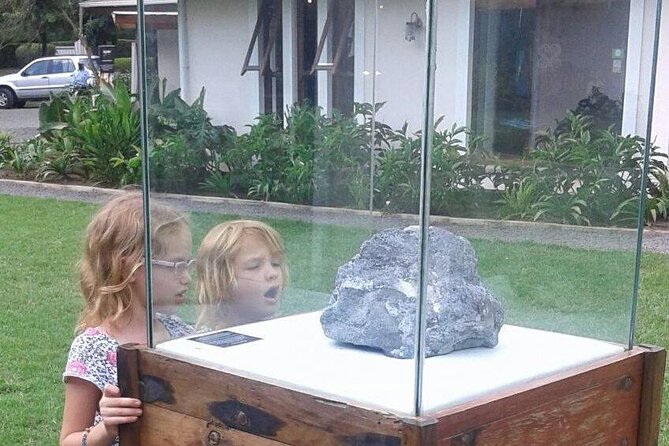
At $35 per person, this tour offers good value if you want transportation, orientation, and several shopping stops in one outing. You are paying for more than a ride to a store. The route includes the museum, the Shanga Foundation, and Cultural Heritage Centre, with a guide helping you move between them.
The pickup is another practical advantage. Arusha shopping areas are spread out, and arranging separate taxis can take time and make it harder to compare stops. Hotel pickup reduces that work, especially on a final day when you may also be managing luggage and departure plans.
The tour is limited to your group, which should make the day more personal than a large bus outing. You can spend more time at a stop that interests you and less time at one that does not. The listed duration ranges from three to eight hours, so ask your guide about the expected schedule at the start.
The $35 does not cover your purchases. Jewelry, stones, crafts, artwork, food, and any other items are additional expenses. A transfer to the airport may also be arranged for an extra fee, based on the experience of one customer who used the outing for last-day shopping and airport transportation.
That last-day use is worth considering. If you have already finished your main sightseeing and need a useful activity before a flight, this tour can fill the gap. But do not assume the shopping will take exactly three hours. Leave a generous buffer before airport departure.
Choosing what to buy in Arusha
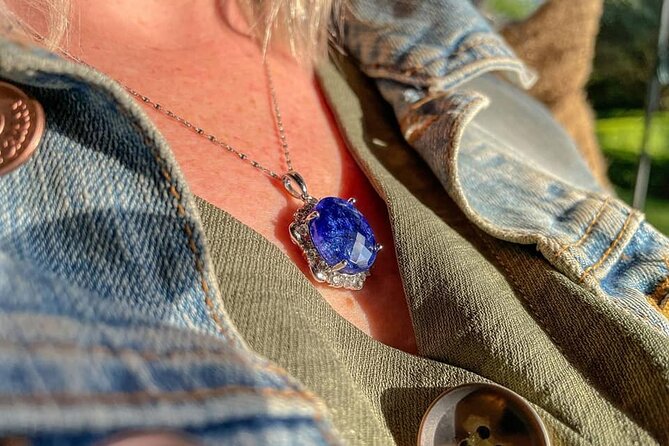
A good purchase begins with deciding what kind of souvenir you want.
A certified tanzanite stone is the most direct connection to the tour’s theme. You may prefer a loose stone if you already have a jeweler at home, while a necklace or bracelet is simpler if you want something finished. Either way, ask about the certificate, grading, and care instructions.
Small jewelry pieces are easier to carry and make sensible gifts. Beaded items from Shanga are less expensive than precious-stone jewelry in many cases, though exact prices are not provided. Recycled crafts also offer a more distinctive story than a generic mass-produced souvenir.
Paintings and ebony carvings can make a stronger visual reminder of Tanzania, but size and weight matter. If you are continuing to travel, a small carving may be more practical than a large sculpture. At Cultural Heritage Centre, ask about packing and transport before committing to a bulky purchase.
I would not feel pressure to buy at the first stop. Use the museum to learn, Shanga to see local craft production, and Cultural Heritage Centre to compare a wider range of goods. The guide can help you find places known for tanzanite, carvings, Maasai crafts, paintings, and other stones.
The best souvenir is not automatically the most expensive one. A modest bracelet, recycled-glass decoration, or carefully chosen painting may serve you better than a costly purchase made in a hurry.
Guides, transport, and the personal feel
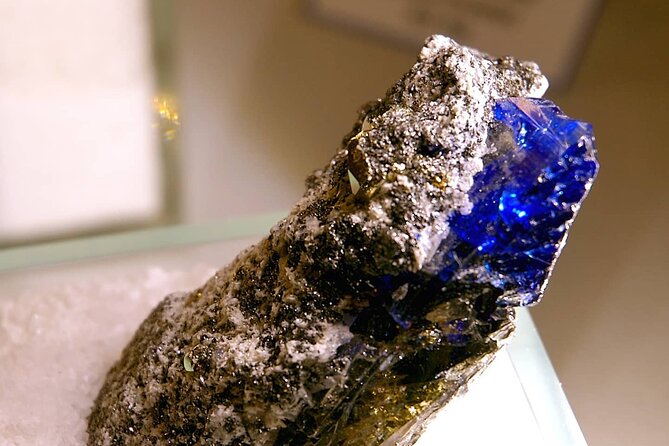
Pickup from your Arusha hotel removes one of the main hassles of a shopping day. The experience is offered with a mobile ticket, and confirmation is provided when you book. Most people can take part, according to the supplied information.
The tour is intended for your group rather than a large shared crowd. That matters when you want to stop and ask questions about a stone, compare crafts, or change the balance between shopping and sightseeing.
Two guides receive particular praise in the supplied feedback. MPembo drove and guided one outing, helping a customer combine shopping with an airport ride for an additional fee. Alfred was also praised for making it easy to get around Arusha and shop with confidence.
Those details point to the tour’s strongest practical benefit: you are not left to negotiate the city’s shopping circuit alone. The guide helps with transport and orientation, while you still make the final buying decision.
The experience requires good weather. If poor weather cancels it, you are offered another date or a full refund. You can cancel for a full refund up to 24 hours before the start time, but changes or cancellations made inside that window are not accepted.
Who should book this Arusha shopping tour?
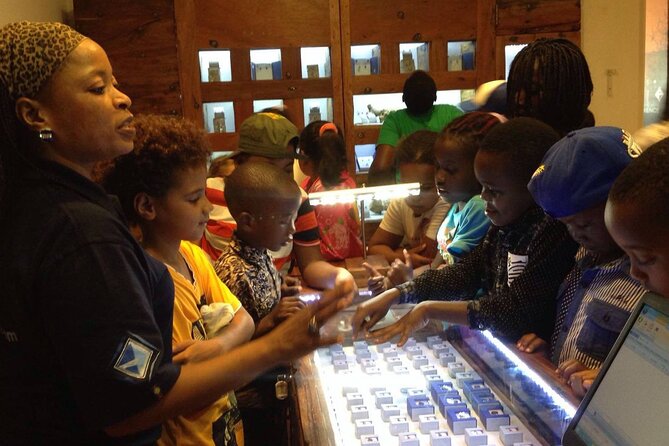
I would recommend it most to first-time visitors who want a guided introduction to tanzanite and African crafts. It also suits anyone who wants a final-day activity, especially if the provider can arrange an airport transfer for an extra fee.
It is a good match for couples, families, and small private groups with different shopping interests. One person can look at jewelry while another browses paintings, carvings, or recycled crafts.
You may want a different plan if you dislike shopping or have only a very short window before a flight. The eight-hour upper range is useful for a relaxed day, but it is too unpredictable for a tight departure schedule.
The tour also works best if you arrive with a clear budget. The $35 entry cost is modest, but the real spending begins at the shops. Decide whether you are looking for a certified stone, a finished jewelry piece, a craft gift, or artwork before you start.
Should you book the Tanzanite Experience tour?
Book it if you want an easy, guided way to understand tanzanite and shop for meaningful Tanzanian souvenirs. The combination of museum education, Shanga crafts, and the Cultural Heritage Centre gives you more variety than a single jewelry-store visit.
I especially like it for a last day in Arusha, when hotel pickup and optional airport transport can simplify your plans. The strongest reasons to go are the private-group format, the help from guides such as MPembo and Alfred, and the chance to buy certified stones at the museum.
Skip it if you have no interest in shopping, need a fixed end time, or prefer to explore Arusha without a planned retail route. For everyone else, $35 is a fair price for a flexible introduction to tanzanite, local crafts, and African art, provided you treat every purchase as a decision rather than an obligation.
FAQ
Where does the Tanzanite Experience tour take place?
The tour takes place in and around Arusha, Tanzania. Stops include the Tanzanite Experience museum in central Arusha, Shanga Foundation, and Cultural Heritage Centre on the outskirts of the city.
What time does the tour start?
The listed start time is 9:00 am.
How long does the tour last?
The approximate duration is three to eight hours. The final length depends on the day’s schedule and how much time you spend shopping at each stop.
Is hotel pickup available?
Yes. Pickup is offered from your Arusha hotel, with round-trip transfers included as part of the experience description.
Is the tour private?
The tour is limited to your group, giving you a more personal shopping and sightseeing experience.
Can I buy tanzanite during the tour?
Yes. You can shop for tanzanite at the Tanzanite Experience museum and at the Cultural Heritage Centre. Shanga Foundation also offers tanzanite bracelets and necklaces that can be ordered.
Do tanzanite purchases come with a certificate?
Tanzanite bought at the Tanzanite Experience museum is accompanied by a certificate from the Tanzanite Laboratory.
What else can I buy besides tanzanite?
You can shop for Maasai crafts, ebony carvings, paintings, jewelry, recycled crafts, antiques, and other precious or semi-precious stones.
Can the tour include an airport transfer?
An airport ride may be available for an additional fee. The supplied experience information does not state that airport transportation is included in the $35 price.
Can I cancel for a full refund?
Yes. You can cancel at least 24 hours before the experience start time for a full refund. Cancellations or changes made less than 24 hours before the start are not accepted, and poor-weather cancellations offer a different date or full refund.
Just added around Arusha
- 5 Days Safari Tarangire, Serengeti, and Ngorongoro Crater★ 5.0 · 3 reviews
- Love lives in Africa★ 5.0 · 3 reviews
- 5 Days of Safari, Culture & Hot Springs – Tour from Arusha★ 5.0 · 3 reviews
- Arusha National Park Safari by Jeep★ 4.5 · 3 reviews
- 5Days Family _Group Tour Lodging Mid-Range in the Jungle★ 5.0 · 3 reviews
- Serengeti & Ngorongoro 3 Days Budget Safari★ 5.0 · 3 reviews
- 2 Days Tarangire and Ngorongoro Crater Tour★ 5.0 · 3 reviews
- 7 Days PRIVATE Best of Tanzania Safari *Departing everyday*★ 5.0 · 3 reviews
Shopping Tours, compared.
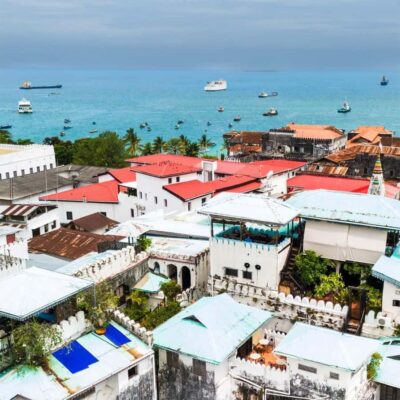
Stone Town Guided Tour: Culture, Slave Market & Spice Market
Read our review →
Traditional Tanzania Cooking Class & Food Market Tour
Read our review →Spice , Prison Island ,Stone Town and Slave Market Site Tour
Read our review →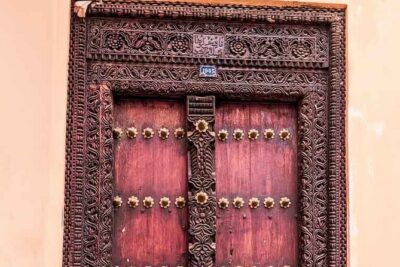
Stone Town Private Tour with Slave Market Tickets
Read our review →Traditional Tanzania Cooking class& Food Market Tour
Read our review →
Stone town Street food market walking tour,transfer
Read our review →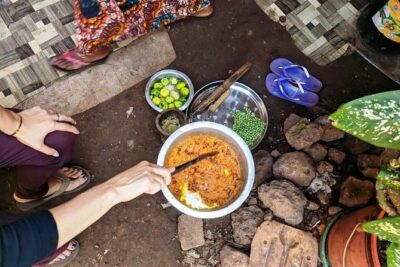
Private Market Tour and Tanzanian Cooking Class in Moshi
Read our review →
Browse the lists this tour appears in