
Reviewed · COOKING CLASSES
Private Market Tour and Tanzanian Cooking Class in Moshi
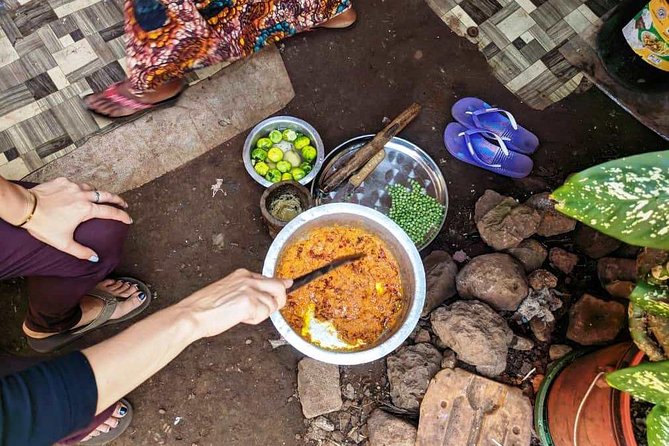
Moshi’s best lessons may happen beside a wood fire. This private half-day outing pairs a local market visit with a hands-on cooking class at Shida’s home, where you help make coconut milk and ugali. I like the personal scale, especially with William, Marissa, and Shida sharing family food and daily routines. The main consideration is that the home setting is simple, with outdoor benches, a mud house, and cooking over wood rather than a polished culinary studio.
I also like that pickup and drop-off at your Moshi hotel are included, which keeps the day easy after a morning of walking through market stalls. At $86 per person, the price is fair for a private activity with transport, a market tour, cooking instruction, a full meal, and drinks. Still, anyone expecting a broad Tanzanian food tour or a restaurant-style meal may find the focus narrow and rustic.
In This Review
- Key points to know before you book
- Starting at Moshi’s market with William
- The 20-minute trip to Shida’s home
- Making coconut milk with a buzi
- Learning why ugali takes patience
- Sharing the meal outside with the family
- What the private format adds at $86
- Who will enjoy this Moshi outing most
- Timing, pickup, and cancellation
- Should you book the cooking class?
- FAQ
- How long does the private market and cooking class last?
- What is the price per person?
- Is hotel pickup and drop-off available?
- Is this a private activity?
- What food will I learn to prepare?
- Can I cancel for a full refund?
Key points to know before you book
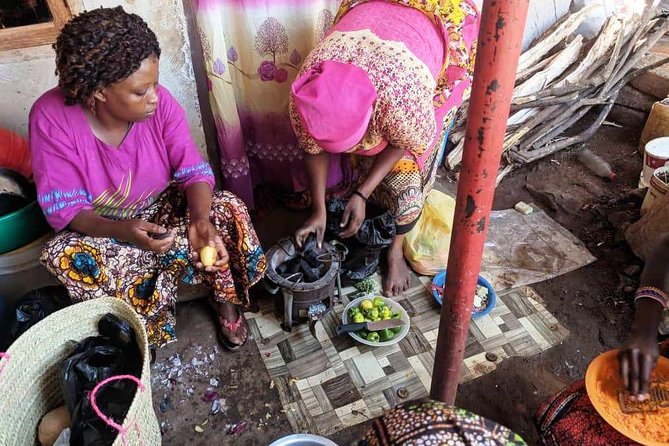
- William leads you through the market: You stop at favorite vendors, inspect produce, and may taste fruits, vegetables, dried sardines, and other local foods.
- The cooking takes place at Shida’s mud house: This is a family home, not a commercial cooking school, so the setting feels personal and modest.
- You learn traditional coconut preparation: A buzi, a small wooden seat with a grinder, is used to shave coconut meat for fresh coconut milk.
- Ugali is the central lesson: The cornmeal staple looks simple, but stirring it over a wood fire takes effort and attention.
- The meal is shared outdoors: You eat with the family on benches, with sautéed vegetables, peanut brittle, and homemade alcohol included.
- It is a truly private activity: Only your own group participates, making it a good choice for couples, families, and small groups.
Starting at Moshi’s market with William
The outing begins with pickup from your Moshi hotel. William, who is Marissa’s husband and Shida’s son, takes you into a local market and explains how the ingredients used in Tanzanian homes make their way from stall to cooking pot.
This first hour or so is more than shopping for supplies. You get to look closely at fresh produce, fruits, vegetables, and herbs while William points out ingredients used in everyday dishes. You stop with vendors the family knows, which gives the walk a more personal feel than simply following a guide past rows of food.
The market also gives you room to try things. One account of the outing included dried sardines, fruit, and other foods offered along the way. If you are cautious about unfamiliar ingredients, you can take small tastes and ask questions before committing. That is one reason the private format matters: William can adjust the pace to your curiosity instead of moving a whole group along.
I like this part because it provides context for the cooking class. When you later see coconut, vegetables, and cornmeal prepared at home, you already have a sense of where those ingredients come from and how ordinary they are in the local food system.
The market can also be the least predictable part of the day. It is an active working place, not a staged food display. You may encounter strong smells, uneven surfaces, crowded areas, or foods you do not recognize. That is part of the point, but bring an open mind and wear shoes that are comfortable for walking.
More Private Tours in Moshi
- Private Kilimanjaro Hike 7 Day Lemosho Route
★ 5.0 · 60 reviews - Private Tour to Materuni waterfalls, coffee tour & Kikuletwa hot- springs
★ 5.0 · 49 reviews - 4 Day Private Tour Throughout Tarangire, Serengeti and Ngorongoro
★ 5.0 · 42 reviews
The 20-minute trip to Shida’s home
After the market, you travel to Shida’s house, about 20 minutes away. The trip can be made on foot or by tuk-tuk, giving you a short transition from the commercial center to a family neighborhood.
This change in setting is important. You are not just learning recipes in a rented kitchen. You are entering the household of Shida, Marissa, and William, where the cooking reflects family habits and available tools. The mud house and outdoor cooking area are part of the lesson.
I would treat this as a cultural visit first and a cooking class second. The food gives the activity its structure, but the value comes from seeing how a household prepares and shares a meal. The surroundings are simple, and you should not expect modern appliances, restaurant seating, or a carefully designed teaching kitchen.
That simplicity may be a plus or a minus depending on your expectations. If you want a polished class with printed recipes and individual workstations, this is not that kind of activity. If you want to see a real home setting and learn through demonstration and participation, the modest surroundings make the class more meaningful.
Making coconut milk with a buzi
The cooking lesson lasts about one hour and begins with a traditional way to prepare coconut milk. You use a buzi, a small wooden seat fitted with a grinder, to shave the meat from a coconut.
This is the sort of detail that makes the activity worth more than a standard meal. In many cooking classes, coconut milk arrives ready to use. Here, you see the work involved before it reaches the pot. You also get a better sense of the tools and physical effort behind home cooking.
The coconut milk becomes the base for vegetable and stew dishes. Shida shows you how the grated coconut is handled and turned into an ingredient for the meal. I like that the process is practical rather than decorative. You are learning a household technique, not just watching someone plate a finished dish.
The work may be more tiring than you expect. Grating coconut by hand is not a quick shortcut, and the activity does not pretend that traditional cooking is effortless. That is useful knowledge in itself. The recipe may look simple on paper, but the labor sits in the preparation.
Because the class is private, you can ask William or Shida to explain the steps again, and you have more freedom to take your time. The information provided does not specify that you receive written recipes, so do not book this expecting a formal take-home cookbook.
Learning why ugali takes patience
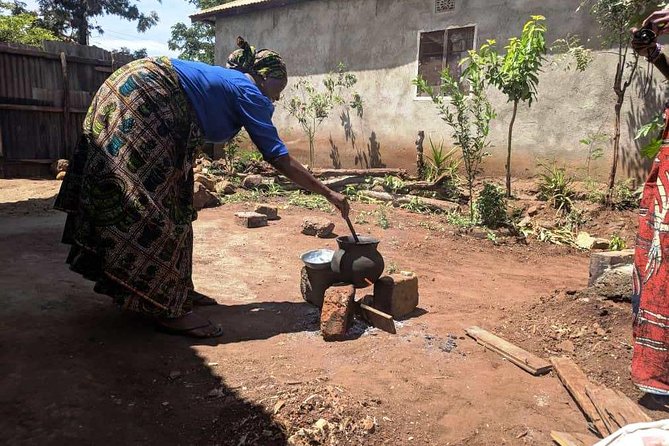
The main dish is ugali, a staple made from cornmeal. It is usually served with sautéed vegetables, and here you prepare it over a wood fire.
Ugali is a good teaching dish because the ingredient list is short but the technique matters. You gradually work the cornmeal into a firm mixture, stirring as it cooks. Shida takes pride in her family method, and that personal connection gives the lesson more meaning than a generic demonstration.
I like how ugali changes your view of a familiar food. Cornmeal can sound ordinary, but the finished dish depends on steady work, timing, and the right texture. You learn that a staple food is not necessarily a simple food.
The wood fire adds atmosphere, but it also affects comfort and convenience. Heat, smoke, and an outdoor cooking area are part of the setting. If you are sensitive to smoke or prefer a cool indoor kitchen, this portion may feel demanding. The tour summary does not promise air-conditioned space or modern cooking equipment, so plan for a hands-on household experience.
The class also appears to focus on a few key dishes rather than a long menu. That is a strength if you want to understand the basics of Tanzanian home cooking. It may feel limited if you are looking for a wide survey of regional recipes.
More cooking classes:
- Zanzibar: Spice Farm Tour with Traditional Cooking Lesson
★ 4.8 · 77 reviews - Zanzibar Cooking Class & Spice Tour
★ 4.5 · 77 reviews - Half-Day Kuza Cave Swimming Adventure and Cooking Class
★ 4.5 · 44 reviews - NGO Lifted Strong – Traditional Tanzanian Cooking Class
★ 5.0 · 39 reviews
Sharing the meal outside with the family
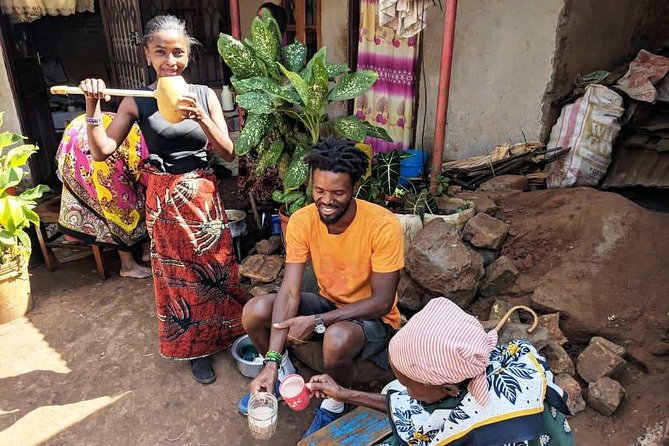
Once the cooking is complete, you eat the meal with the family on benches outside the house. The food includes ugali, sautéed vegetables, and dishes made with the fresh coconut milk. Peanut brittle and homemade alcohol are also part of the meal.
This shared table is the heart of the outing. You have seen the ingredients, helped with the preparation, and then sit down with the people who made the food. The meal is not a separate restaurant stop. It is the natural finish to the visit.
You should be ready for informal dining. Benches outside a home offer a very different setting from a dining room, and the meal may feel communal rather than carefully staged. That is exactly what makes it useful for anyone interested in daily life around Moshi.
The homemade alcohol deserves a practical note. It is included, but you should only try it if you are comfortable doing so. You can still enjoy the food and conversation without treating every item as something you must consume.
The peanut brittle is a small but memorable touch. It gives you another example of how ordinary ingredients can become a family treat. Details like this help the meal feel connected to the household instead of assembled solely for visitors.
What the private format adds at $86
The listed cost is $86 per person. That is not a bargain-basement market walk, but it covers a lot for a five-and-a-half-hour private outing: hotel pickup and drop-off, a guided market visit, transport or walking to the home, a private cooking lesson, food, and drinks.
The key word is private. Only your group participates, so you are not sharing the stove, market questions, or family meal with strangers. For a couple or small group, that can make the price worthwhile. You get more freedom to ask about ingredients, spend extra time tasting, or slow down during the cooking.
Group discounts are available, which may improve the value for families or friends traveling together. The exact discount is not specified, so check the current booking price for your group rather than assuming a fixed reduction.
I would compare this with the cost of a standard cooking class in Moshi, but I would not judge it only by the number of dishes. You are paying for access to a household setting and for the chance to connect the market, kitchen, and meal in one afternoon.
The value is strongest if you care about local food practices and personal contact. It is weaker if your main goal is a technical cooking course, a large tasting menu, or a professional culinary venue.
Who will enjoy this Moshi outing most
I would recommend it to you if you want a slower, more personal activity before or after time around Mount Kilimanjaro. It suits people who enjoy food, family stories, market visits, and simple cultural exchanges.
It is also a good fit for first-time visitors who want help making sense of unfamiliar ingredients. William can introduce the food at the market, while Shida shows how the ingredients are used at home. That creates a clear story from stall to plate.
Families may appreciate the private setting and short five-hour-thirty-minute length. Group discounts can help, and pickup removes the need to arrange local transport to the starting point. Couples and small groups also get the benefit of having the cooking pace shaped around them.
I would think twice if you dislike outdoor cooking, prefer strict dietary control, or want a class centered on many different recipes. The supplied information does not list vegetarian, vegan, allergy, or other dietary arrangements, so raise those needs before booking.
You should also be comfortable with a household visit. The experience takes place at a mud house, with cooking over wood and eating outdoors. That is a central feature, not a minor detail to overlook.
Timing, pickup, and cancellation
The total duration is about five hours and 30 minutes. That gives enough time for the market, the trip to the home, cooking, and the shared meal without turning the activity into a rushed photo stop.
Pickup and drop-off at your Moshi hotel are offered. Confirm the pickup details when you book, especially if your accommodation is outside central Moshi. The tour is available with a mobile ticket, and confirmation is received at booking.
Free cancellation is available if you cancel at least 24 hours before the experience start time. Cancellations made less than 24 hours before the start time are not refunded, and changes within that same period are not accepted. The cutoff follows local time.
The activity is booked about 16 days in advance on average. That suggests you should not leave it until the last moment if the date matters to you, particularly if you want a private outing during a busy Kilimanjaro trip.
Should you book the cooking class?
Book it if you want to connect Moshi’s market food with the way it is prepared and eaten in a local home. The strongest parts are William’s personal market guidance, Shida’s hands-on instruction, the traditional coconut grating, and the shared outdoor meal.
At $86, the experience offers fair value for a private half-day with transport and food. Just set your expectations correctly. This is a rustic home visit with a focused lesson in coconut milk, ugali, and vegetables, not a polished cooking school or a grand tour of Tanzanian cuisine.
If those limits sound like advantages, I would make room for it in your Moshi plans.
FAQ
How long does the private market and cooking class last?
The experience lasts approximately five hours and 30 minutes.
What is the price per person?
The listed price is $86 per person. Group discounts are offered, though the exact discount is not specified.
Is hotel pickup and drop-off available?
Yes. Pickup and drop-off are offered at your Moshi hotel.
Is this a private activity?
Yes. Only your group participates in the tour and cooking class.
What food will I learn to prepare?
You learn to make fresh coconut milk using a buzi and prepare ugali, a cornmeal staple served with sautéed vegetables. The meal also includes peanut brittle and homemade alcohol.
Can I cancel for a full refund?
Yes, if you cancel at least 24 hours before the experience start time. Cancellations made less than 24 hours before the start time are not refunded.
More Shopping Tours
- Stone Town Private Tour with Slave Market Tickets
★ 5.0 · 13 reviews - Arusha: Traditional Tanzania Cooking class& Food Market Tour
★ 4.9 · 12 reviews - Tanzanite experience tour – Tanzanite shopping in Arusha
★ 5.0 · 12 reviews - Zanzibar:Stone town Street food market walking tour,transfer
★ 4.5 · 9 reviews
More Markets
- Full-Day Moshi Private Forest Walk and Local Market Tour
★ 5.0 · 4 reviews - Stone Town Guided Tour: Culture, Slave Market & Spice Market
★ 4.8 · 44 reviews - Arusha: Traditional Tanzania Cooking Class & Food Market Tour
★ 5.0 · 34 reviews - Spice , Prison Island ,Stone Town and Slave Market Site Tour
★ 5.0 · 24 reviews
Just added around Moshi
- Moshi: Lake Chala Tour: Hiking &/or Kayaking★ 4.5 · 3 reviews
- 3 Days Tanga Exclusive Beach Holiday★ 5.0 · 3 reviews
- Serengeti Wildebeest Migration.★ 5.0 · 3 reviews
- Chemka Hotpsrings E-Bike Day Trip★ 5.0 · 3 reviews
- Explore 1 day Ngorongoro Crater Budget Group Safari from Arusha★ 5.0 · 3 reviews
- Explore the 360° of Kilimanjaro★ 5.0 · 3 reviews
- Affordable Short Tanzania Safari (2 Days Camping Safari)★ 5.0 · 3 reviews
- Rongai Route 7 Days★ 5.0 · 3 reviews
Cooking Classes, compared.
Half-Day Kuza Cave Swimming Adventure and Cooking Class
Read our review →
NGO Lifted Strong – Traditional Tanzanian Cooking Class
Read our review →
Traditional Tanzania Cooking Class & Food Market Tour
Read our review →

Cooking and Sewing & Jewelry Workshops in Arusha
Read our review →
Mnemba Dolphin Tour, Clear Kayak, Cooking Class, Horse Riding
Read our review →Browse the lists this tour appears in