
Reviewed · KILIMANJARO TREKS
5 Days Marangu Route – Mount Kilimanjaro Trek
Africa’s highest summit demands steady legs. Rupia Adventure’s Marangu Route trek gives you a clear seven-day plan, airport pickup, hotel nights, mountain guides, hut accommodation, and a final push to Uhuru Peak at 5,895 meters. I like the well-organized airport-to-mountain schedule and the chance to see several distinct zones, from rainforest to the bare saddle below Kibo.
I also like the personal service promised by the company and the positive comments about guides including Meshack, Maziku, Franky, John, and Julius. The main drawback is the route’s short five-day climbing schedule. You reach high altitude quickly, so this is not the easiest option for acclimatization, and the price of $1,500 per person should be checked carefully against what is included.
In This Review
- Key details before you choose
- What the $1,500 price really gets you
- Day 1: Airport pickup, Moshi hotel, and the gear check
- Day 2: Marangu Gate to Mandara Hut through rainforest
- Day 3: Mandara to Horombo and the first high views
- Day 4: The saddle and Kibo Hut at 4,700 meters
- Day 5: Gillman’s Point, Uhuru Peak, and the long return
- Day 6: Horombo to the park gate and a hot shower
- Day 7: A quiet finish before your flight
- Marangu’s huts, scenery, and overall feel
- Who should book this Kilimanjaro trek?
- Should you book Rupia Adventure?
- FAQ
- How long does the full Rupia Adventure program take?
- How many days are spent trekking on the Marangu Route?
- What is the price per person?
- Where does the trip begin?
- Does the tour include airport pickup?
- Where do you sleep during the climb?
- What time does the summit climb begin?
- How high is Uhuru Peak?
- Can the trip be extended after the trek?
Key details before you choose
- Summit day begins around midnight, with Gillman’s Point reached near sunrise and Uhuru Peak usually another one to two hours beyond it.
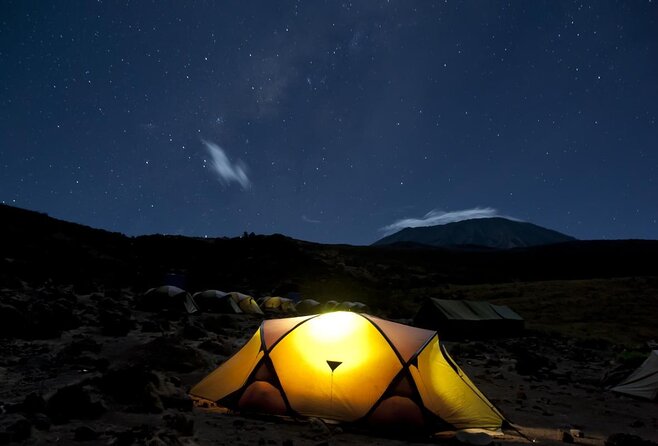
- The Marangu Route uses huts, not tent camping, with overnight stops at Mandara, Horombo, and Kibo.
- The trek runs through several climate zones, beginning in tropical rainforest and ending on Kilimanjaro’s cold, nearly vegetation-free upper slopes.
- The full program takes about seven days, including airport or hotel transfers, a pre-trek briefing, five mountain days, and a recovery day before your flight.
- Groups can include up to 15 people, which keeps the cost reasonable but may feel less personal than a private climb.
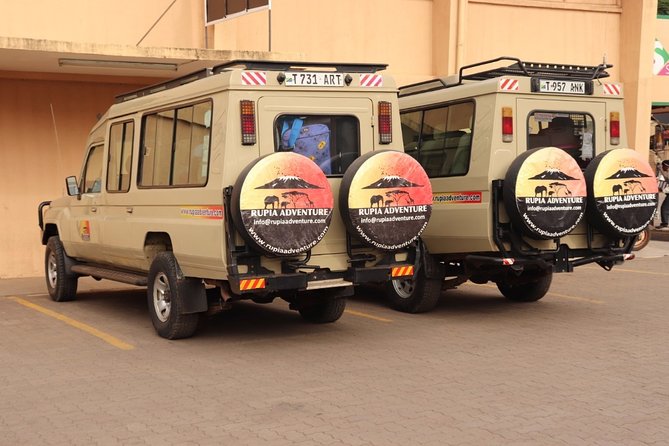
- The tour includes pickup, and missing mountain equipment can be rented during the equipment check before the trek.
What the $1,500 price really gets you
At $1,500, this is not a casual day trip with a mountain view. You are paying for a multi-day high-altitude expedition with airport or hotel transfers, pre-climb preparation, mountain support, hut nights, guides, and a structured route to the summit.
The package begins with pickup at Kilimanjaro International Airport and a transfer to your hotel in Moshi, with the schedule also referring to an Arusha hotel or alternative. That wording is worth clarifying before payment. Ask exactly where your first and final nights will be, and whether transport from Arusha is included if you are staying there.
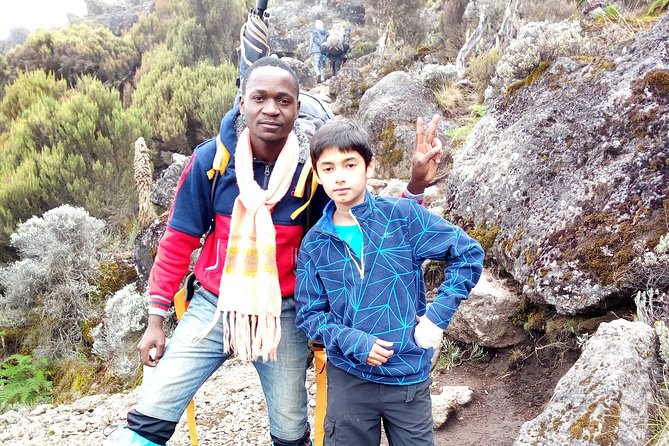
The company has more than 12 years of experience, and its central selling point is personal service. That matters on Kilimanjaro. You want a guide who notices when you are struggling, checks your equipment, and keeps the group moving at a sensible pace. The named guides receiving praise include Meshack, Maziku, Franky, John, and Julius, so you can reasonably ask the operator who will lead your particular departure.
Do not assume the price covers every possible cost. The supplied details do not specify park fees, tips, meals, drinks, gear rental, or porter arrangements. Ask for a written list of inclusions before booking. A low headline price can look less attractive if essential mountain costs are added later.
More Kilimanjaro routes and climbs:
- 8-Day Small-group Lemosho Kilimanjaro Summit Trekking
★ 5.0 · 186 reviews - 7-Day Machame Kilimanjaro Summit Tour from Arusha
★ 5.0 · 125 reviews - Mountain Kilimanjaro Day Hike
★ 5.0 · 102 reviews
Day 1: Airport pickup, Moshi hotel, and the gear check
Your first day is practical rather than scenic. You are collected at Kilimanjaro International Airport and driven to your hotel in Moshi, where you meet your guide for a briefing and equipment inspection.
This check is one of the most useful parts of the schedule. Kilimanjaro is not the place to discover that your warm layers, waterproof clothing, walking poles, or sleeping equipment are missing. The company says that missing gear can be rented that day, giving you a chance to correct a problem before reaching the gate.
Use the briefing to ask direct questions. Confirm the daily walking times, the summit-day plan, the expected group size, and how the guide handles a slow or sick climber. The first night is also a good time to organize your daypack. Keep only what you need close at hand, since the climb becomes tiring long before the summit.
The hotel name is given as Panama Hotel or Mvuli Hotel in Arusha, or an alternative. Because the itinerary also refers to Moshi, clarify the exact town and hotel. That small detail affects your transfer time on the morning of the climb.
Day 2: Marangu Gate to Mandara Hut through rainforest
After breakfast, you are collected from your lodge and driven to Marangu Gate. Registration and park paperwork come first, so patience helps. Once the formalities are complete, the trail enters dense rainforest.
This is a pleasant opening day because the setting changes quickly. You walk beneath thick vegetation and may catch glimpses of primates. The forest also gives you shade, though it can feel humid and the trail may be damp. Your first hut, Mandara, sits at about 2,700 meters.
The walk to Mandara is the gentlest part of the climb, but do not treat it as a warm-up race. A slow pace helps you save strength for the upper mountain. Your guide can take you to Maundi Crater after you settle in, where you can look toward the Kenyan interior.
Maundi Crater is a useful extra stop because it gives you an early sense of the height and openness ahead. If clouds or fatigue reduce the view, the forest route itself still makes this day worthwhile. You should be back at Mandara with enough energy to eat, drink, and sleep.
Day 3: Mandara to Horombo and the first high views
Day three begins with an early breakfast. Soon after leaving Mandara, you reach the timberline and enter the heath and moor zone. The thick forest gives way to lower vegetation, wider views, and a much more exposed feeling.
The walk to Horombo Hut takes roughly four to six hours. Horombo sits at approximately 3,700 meters, a substantial jump from Mandara. From the hut you can see Mawenzi, Kibo, and the broad plains toward the Masai steppe.
This is where altitude starts to matter for real. You may feel fine at first and then notice a headache, shortness of breath, or unusual tiredness. I would keep lunch and water breaks regular and tell the guide about symptoms early. Trying to hide a problem does not make it smaller.
The itinerary does not include a dedicated acclimatization day at Horombo. That is the key weakness of the five-day Marangu schedule. One person described adding a four-day Mount Meru acclimatization climb before continuing to Kilimanjaro, but that is a separate arrangement, not part of this package. If you have little high-altitude experience, ask whether an extra night at Horombo can be added.
A few more trips of this kind worth comparing:
- Private Full Day Hiking Experience to Marangu Route
★ 5.0 · 61 reviews - 4 Days Mount Meru Trekking
★ 5.0 · 55 reviews - 4 days Best experience Kilimanjaro Hike, Serengeti &Ngorongoro
★ 5.0 · 54 reviews - From Arusha/Moshi: Kilimanjaro Hike Marangu Route Day Trip
★ 4.5 · 54 reviews
Day 4: The saddle and Kibo Hut at 4,700 meters
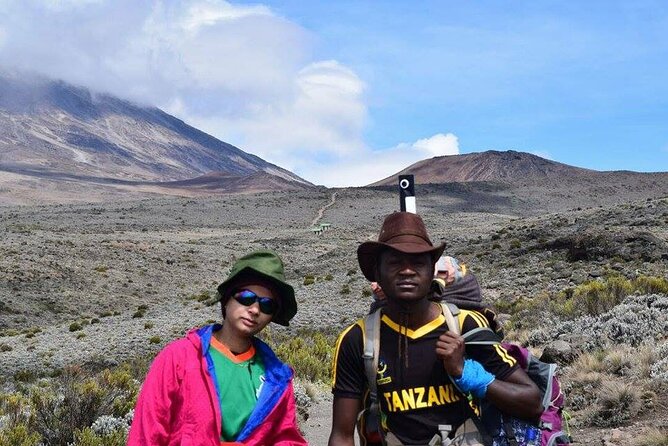
The route from Horombo to Kibo is long and demanding. The trail passes the last water point, then crosses the saddle, a broad plateau with very little vegetation between Kibo and Mawenzi.
This section can feel stark after the forest and moorland. You are walking across open ground with the summit rising ahead, and the lack of plants makes the height feel more obvious. The day usually takes five to six hours before you reach Kibo Hut at about 4,700 meters.
Dinner comes early, followed by an early bedtime. It may be difficult to sleep at this altitude, especially because the summit attempt begins around midnight. Rest anyway. Even lying quietly in your hut is better than spending the evening talking, packing, or worrying about the climb.
Prepare your summit clothes before bed. Keep your warmest layers, gloves, headlamp if you use one, water, and snacks ready. The provided details do not confirm which personal items are supplied, so ask the operator what belongs in your daypack.
Day 5: Gillman’s Point, Uhuru Peak, and the long return
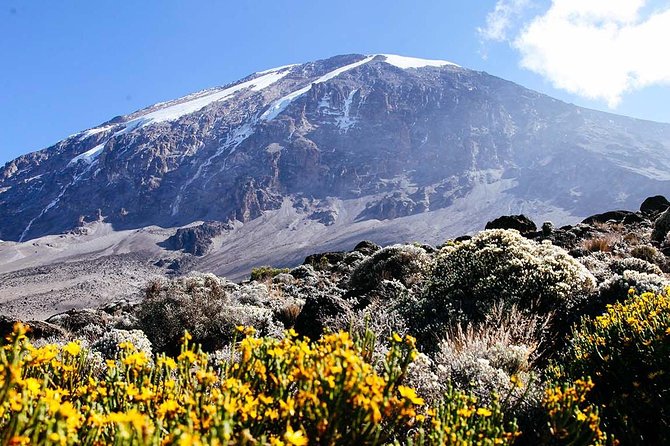
Summit day is the hardest part of the experience. You leave around midnight and climb slowly through the cold and darkness. The route passes Hans Meyer Cave at about 5,220 meters before continuing toward the crater rim.
The climb to Gillman’s Point, at 5,681 meters, is strenuous. You are aiming to arrive near sunrise, when the first light begins to warm the mountain. The final one to two hours from Gillman’s Point lead around the crater rim to Uhuru Peak, the highest point at 5,895 meters.
One account describes reaching Uhuru Peak around 6 a.m. after starting at midnight. That gives you a useful sense of timing, but conditions and walking speed vary. Do not measure your effort against another person in the group. The goal is to reach the summit safely, not to win a race that nobody organized.
After photographs and a short celebration, you return to Kibo Hut for a warm meal and a one to two-hour break. Then you continue down to Horombo Hut. This is a punishing schedule because the summit climb is followed by a long descent, but the lower altitude usually brings some relief.
The guide team matters most here. Franky was praised for knowing the mountain well and sharing practical tips, while Meshack and Maziku were described as cheerful and encouraging. Those qualities are not decorative on summit day. A calm guide can help you keep moving when the cold and tiredness begin to take over.
Day 6: Horombo to the park gate and a hot shower
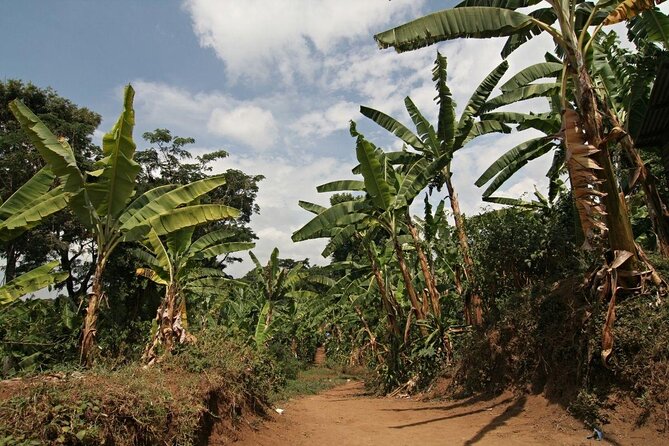
The final mountain stage returns through the heath and moor zone to Mandara Hut, where lunch is served. You then continue through the rainforest for a total trekking time of about six hours before reaching Kilimanjaro National Park Gate at 1,860 meters.
This day is easier on your lungs than the summit climb, but your knees may disagree. Descending on tired legs can be uncomfortable, so trekking poles may be especially useful if you have them or can rent them.
At the gate, you say goodbye to the mountain guides and transfer back to your hotel in Moshi. The warm shower and clean clothes are part of the reward. You can celebrate your summit success that evening, though many people will prefer food and sleep to a long night out.
The role of the porters also deserves attention. The package refers to guides and porters in the positive comments, but it does not explain porter numbers, wages, luggage limits, or tipping. Ask these questions before you go, and budget for appropriate tips if they are not included.
Day 7: A quiet finish before your flight
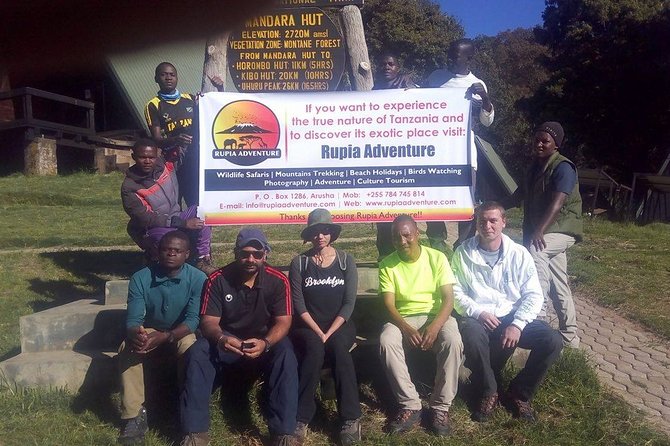
The final day is left open before your journey home. Depending on your flight time, you can explore Moshi and buy souvenirs, or simply rest after the climb.
That flexible day is useful because the summit schedule is demanding and flights can be tiring after it. I would avoid booking a tight same-day connection unless the operator confirms the transfer timing. The information provided says airport transport is available, but it does not give a fixed departure time.
You can also extend the trip with a safari or Zanzibar add-on. Those options make sense if you have come a long way to Tanzania and want more than a mountain visit, but they are not included in the $1,500 price.
Marangu’s huts, scenery, and overall feel
Marangu is often chosen because you sleep in huts rather than tents. That makes the route appealing if you want a roof over your head and a simpler nightly routine. It does not make the mountain easy. The altitude, cold, long summit day, and rapid schedule remain serious challenges.
The changing zones give the route much of its appeal. You begin with rainforest and possible primate sightings, pass into heath and moorland, cross the sparse saddle, and finish among rock, cold, and open sky. Maundi Crater and the views of Mawenzi, Kibo, the Masai steppe, and Kenya add variety before the summit push.
The group limit of 15 is a reasonable middle ground. You gain the social energy and shared support of a group, but the guide cannot give constant one-on-one attention to everyone. If you want a quieter or more flexible experience, ask about a smaller private departure and any additional cost.
Who should book this Kilimanjaro trek?
This trip suits you if you want a structured climb with pickup, a hotel start, guide support, hut accommodation, and a clear path to the summit. It is also a good fit if you prefer a busy seven-day program that leaves little planning to you.
You should think carefully if you have no high-altitude experience or if you want a slow acclimatization schedule. The five trekking days move from 1,860 meters at the park gate to nearly 5,900 meters at Uhuru Peak, with no listed rest day. Ask about adding time at Horombo or arranging a separate acclimatization plan.
The route also suits people who value strong guide relationships. The positive experiences connected to Meshack, Maziku, Franky, John, and Julius focus on professionalism, encouragement, practical advice, and good spirits. Those are the traits I would prioritize when you confirm your booking.
Before paying, ask for the full cost breakdown, exact hotel locations, porter arrangements, equipment list, group size for your date, and the name of your lead guide. Those answers will tell you more about the value than the headline price alone.
Should you book Rupia Adventure?
Book it if you want a well-planned Marangu climb with airport support, hut nights, a maximum group size of 15, and a company that has earned strong praise for its guide teams. The route offers excellent scenery and a direct shot at Uhuru Peak, with the comfort of a hotel night before and after the mountain.
Be cautious if you need extra acclimatization or dislike fixed schedules. The short five-day mountain plan is the main concern, and the cancellation terms are strict: the experience is non-refundable and cannot be changed. Poor weather or an insufficient number of bookings may lead to a new date or a refund, but personal cancellation does not.
For a fit person who understands the altitude challenge and confirms the inclusions in writing, this is a sensible, appealing Kilimanjaro package. Just remember that the mountain makes the final decision.
FAQ
How long does the full Rupia Adventure program take?
The program lasts approximately seven days, including airport pickup, hotel stays, five trekking days, and a free day before your flight home.
How many days are spent trekking on the Marangu Route?
The mountain portion runs from Day 2 through Day 6, making it a five-day trek.
What is the price per person?
The listed price is $1,500 per person.
Where does the trip begin?
You are picked up at Kilimanjaro International Airport and transferred to a hotel in Moshi, with the schedule also referring to an Arusha hotel or alternative. Confirm the exact location before booking.
Does the tour include airport pickup?
Yes. Pickup is offered from Kilimanjaro International Airport.
Where do you sleep during the climb?
The itinerary names Mandara Hut, Horombo Hut, and Kibo Hut as the mountain overnight stops.
What time does the summit climb begin?
The final ascent usually begins around midnight on Day 5.
How high is Uhuru Peak?
Uhuru Peak is at 5,895 meters. Gillman’s Point, on the crater rim, is at 5,681 meters.
Can the trip be extended after the trek?
Yes. Safari and Zanzibar add-ons are available, although the provided price does not state that these extensions are included.
More 5-Day Experiences
- 5 Days Group Camping Safari
★ 5.0 · 730 reviews - 5-Day Highlights mid-Range Crater, Serengeti, Tarangire
★ 5.0 · 296 reviews - 5 Days Camping Tarangire, Serengeti & Ngorongoro crater & Visiting Maasai
★ 5.0 · 229 reviews - Tanzania Simba Safari – 5 Days
★ 5.0 · 217 reviews
Just added around Arusha
- 5 Days Safari Tarangire, Serengeti, and Ngorongoro Crater★ 5.0 · 3 reviews
- Love lives in Africa★ 5.0 · 3 reviews
- 5 Days of Safari, Culture & Hot Springs – Tour from Arusha★ 5.0 · 3 reviews
- Arusha National Park Safari by Jeep★ 4.5 · 3 reviews
- 5Days Family _Group Tour Lodging Mid-Range in the Jungle★ 5.0 · 3 reviews
- Serengeti & Ngorongoro 3 Days Budget Safari★ 5.0 · 3 reviews
- 2 Days Tarangire and Ngorongoro Crater Tour★ 5.0 · 3 reviews
- 7 Days PRIVATE Best of Tanzania Safari *Departing everyday*★ 5.0 · 3 reviews
Kilimanjaro Treks, compared.



8-Day Small-group Lemosho Kilimanjaro Summit Trekking
Read our review →


Climbing Kilimanjaro through 7 days Machame Route
Read our review →

Browse the lists this tour appears in