
Reviewed · KILIMANJARO TREKS
6 Days Climbing Mount Kilimanjaro Machame Route
The mountain changes by the hour. This six-day Machame Route climb gives you rainforest, moorland, volcanic stone, ice, and the sunrise summit of Mount Kilimanjaro, all while starting and ending near Moshi. I like the private format and the clear day-by-day plan, and the package includes camping equipment, meals, park fees, transfers, and accommodation before and after the climb. The main caution is simple: six days is demanding, especially on summit night.
I also like that the route uses the South Circuit before reaching Barafu Camp, giving you changing views of the summit. The crews receive strong praise for friendly service, careful organization, and good food, with guides including Thomas and January singled out for their work. Still, you need moderate fitness, proper insurance, and enough patience for long, slow uphill walks.
In This Review
- Key points to know before you book
- Why the six-day Machame Route is appealing
- Day 1: Moshi to Machame Camp through the rainforest
- Day 2: Shira Cave Camp and the first open views
- Day 3: Lava Tower, the South Circuit, and Barranco Camp
- Day 4: Barranco Wall to Barafu Camp
- Day 5: Uhuru Peak and the long descent to Mweka
- Day 6: Mweka Gate, certificates, and the return drive
- What the $2,200 price covers
- Food, gear, and preparation that matter
- Who should book this climb?
- Should you book the Machame Route climb?
- FAQ
- How long is the Kilimanjaro Machame Route experience?
- Where does the experience start?
- How high is Uhuru Peak?
- What camps are used during the climb?
- Are meals included?
- Is camping equipment included?
- Is this a private group experience?
- What is not included in the price?
Key points to know before you book
- Reach 19,343 feet at Uhuru Peak: The summit day begins early from Barafu Camp and includes a six-kilometer ascent, followed by a long descent.
- Walk through five climate zones: Expect montane forest, moorland, semi-desert, alpine desert, and stone scree near the summit.
- Private group format: Only your own group participates, which can make pacing and support more personal.
- Most costs are bundled: Tents, mattresses, park fees, transport, accommodation before and after, and five breakfasts, lunches, and dinners are included.
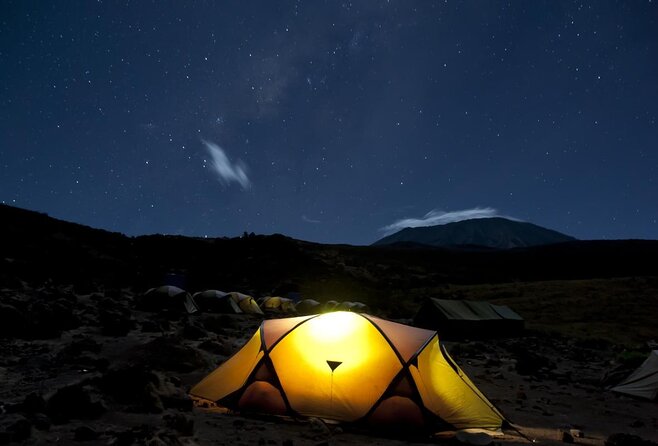
- Machame Camp starts in wet forest: Gaiters and trekking poles are especially useful on the muddy lower trail.
- The hardest day is also the payoff: Sunrise near Uhuru Peak is followed by a descent to Mweka Camp, then another forest walk to the gate.
Why the six-day Machame Route is appealing
Machame is often chosen for its changing scenery and strong sense of progress. You begin in thick forest and finish among volcanic rock and ice, with each day feeling different. The route also crosses the mountain’s southern side before summit night, so you do not simply walk up and down one narrow corridor.
The six-day schedule gives you five nights on the mountain. That matters because the climb is not only about leg strength. Altitude, cold, sleep, weather, and the sheer length of summit day all play a part. This schedule includes a gradual rise from about 6,000 feet at the park entrance to 15,350 feet at Barafu Camp before the final push to 19,343 feet.
Still, six days is not a gentle holiday. You will walk for up to eight hours on several days, then face five to seven hours up and another five to six hours down on summit day. I would choose this trip only if you are comfortable with sustained uphill walking and basic camping.
The private setup is useful if you want your own group rather than a large mixed party. The information provided does not give a group-size limit, but it clearly states that only your group will participate. That can help with rest stops, meal timing, and communication, though your final booking conversation should confirm the exact number of climbers and crew.
More Kilimanjaro routes and climbs:
- 7 Days Kilimanjaro via Machame route affordable price
★ 5.0 · 110 reviews - Kilimanjaro Airport taxi to/from Moshi town/Arusha town
★ 5.0 · 60 reviews - 8 Days Kilimanjaro Hike via Lemosho Route
★ 5.0 · 39 reviews
Day 1: Moshi to Machame Camp through the rainforest
The day begins with pickup at Kilimanjaro International Airport at 7:00 a.m. The drive to the Mount Kilimanjaro National Park Gate takes about 50 minutes and passes through Machame village on the lower slopes. Airport pickup and private transport are included, along with accommodation before the hike, so the practical pieces are covered from the start.
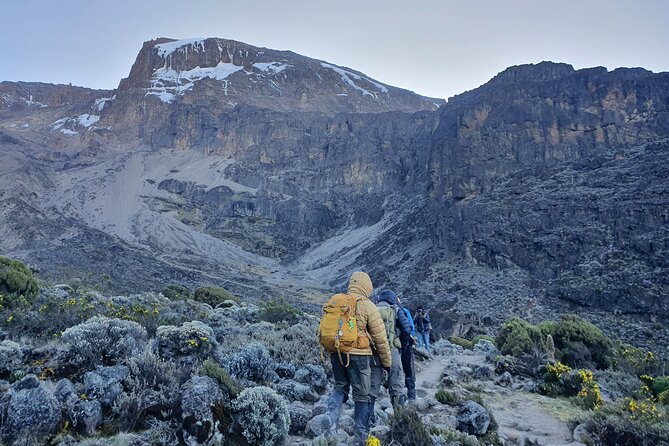
From the gate, you walk roughly 11 kilometers over five to seven hours. The elevation rises from about 6,000 feet to 10,200 feet, and the habitat changes into montane forest. The trail winds up a ridge, with muddy and slippery conditions possible lower down.
This is a good first day because the forest provides shade and a gradual introduction to the climb. You will not yet be looking at the icy summit, but the tree cover, damp trail, and steady climb make it clear that Kilimanjaro is a proper mountain, not a sightseeing stop with a short walk.
Pack gaiters and trekking poles where you can reach them quickly. Lower sections may be wet, and a small daypack should hold rain gear, water, snacks, and a warmer layer. You spend the night at Machame Camp.
Day 2: Shira Cave Camp and the first open views
After breakfast, the trail leaves the rainforest for moorland. The day covers about nine kilometers and takes four to six hours, rising from 10,200 feet to 12,600 feet. The route crosses a valley along a steep, rocky ridge before turning west toward a river gorge and Shira campsite.
The change in scenery is the reward. The enclosed forest gives way to more open ground, making the mountain feel larger around you. The shorter walking distance does not mean an easy day, since the altitude and rocky footing require a steady pace.
You stay at Shira Cave Camp on a full-board basis. The provided plan does not describe the tent arrangement or dining setup in detail, so ask the operator what camping equipment is supplied beyond the listed tent and mattress. The package does include camping equipment, but you should still bring your own sleeping bag unless the company confirms one is provided.
This is also the point where pacing becomes important. Walk slowly, drink regularly, and do not treat a shorter distance as a reason to rush. The goal is to arrive with energy for the days ahead.
Day 3: Lava Tower, the South Circuit, and Barranco Camp
Day three covers about 15 kilometers and takes five to seven hours. You move from roughly 12,600 feet at Shira Camp to about 12,700 feet at Barranco Camp, but the route first climbs much higher, reaching the Lava Tower area at about 15,100 feet before descending.
That rise and fall is one of the defining features of the route. You walk across the southwest side of Kilimanjaro with wide views, pass beneath Lava Tower and the final section of the Western Breach, eat a hot lunch near the tower, and then descend into the Great Barranco Valley.
The camp elevation is slightly lower than the highest point reached during the day. That makes the day physically useful, but it is still long. You may feel the altitude during the climb toward Lava Tower, and the descent does not erase the effort already spent.
Barranco Camp is at about 12,700 feet in semi-desert terrain. The setting is dramatic, with the Barranco Wall rising nearby. I like this day because it combines a hard test with a change of altitude before sleep. It is also a good reminder that the route’s success depends on controlled pacing rather than speed.
A few more trips of this kind worth comparing:
- 6 Days Tanzania Classic Safari
★ 5.0 · 52 reviews - 6 Days Big Five Tanzania Safari
★ 5.0 · 15 reviews - 6 Days Machame Route Kilimanjaro Trekking
★ 5.0 · 13 reviews - 6 Days 5 Nights lodge safari Tarangire, Manyara, Serengeti & Ngorongoro Crater
★ 4.5 · 10 reviews
Day 4: Barranco Wall to Barafu Camp
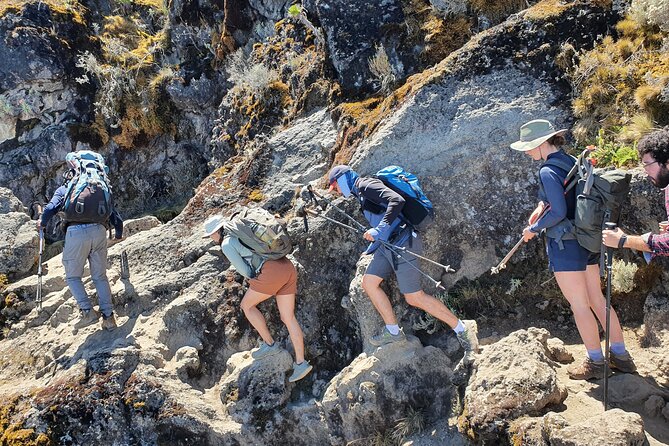
After breakfast, you tackle the Barranco Wall. The trail rises to about 13,900 feet before dropping through Karanga Valley at about 13,250 feet, then joins the Mweka Trail and continues toward Barafu Camp.
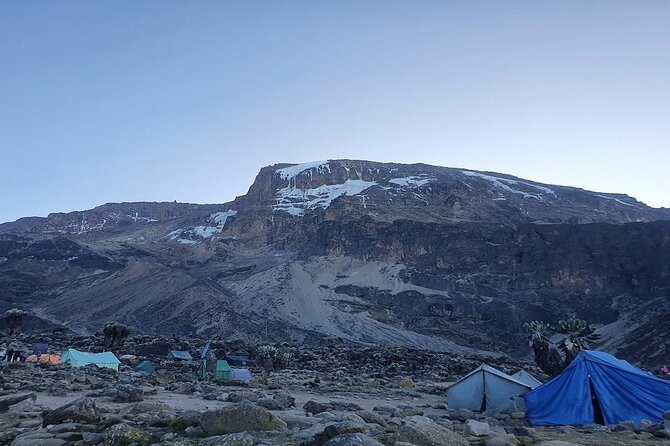
The day covers roughly nine kilometers and takes six to eight hours. The final camp sits around 15,350 feet in alpine desert, and the mountain feels far more exposed here. There is little comfort in the surroundings, but the reward is a clear sense that summit day is close.
This section completes the South Circuit, which provides views of the summit from several angles. You camp with the peak visible in the distance, a useful psychological boost before the hardest part of the climb.
Barafu is not a place to linger over a long afternoon. You need to eat, organize summit clothing, fill water bottles, and rest. The schedule does not state the exact summit departure time, but the final ascent is described as beginning in the early morning hours. Prepare your headlamp, gloves, warm layers, snacks, and water before you try to sleep.
The crew is central to how this day feels. Details from previous climbs connected with the company praise the team for keeping camp comfortable and the operation on time. Chef Joseph receives particular praise for meals, while service from a crew member named John was also highlighted. Those details matter at high altitude, where a hot meal and an organized camp can make a rough evening easier.
Day 5: Uhuru Peak and the long descent to Mweka
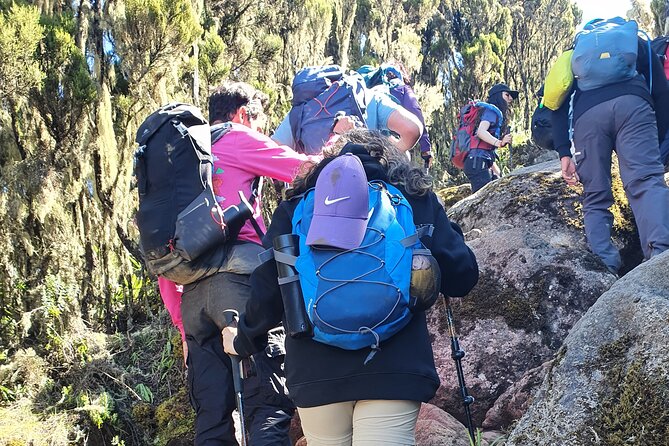
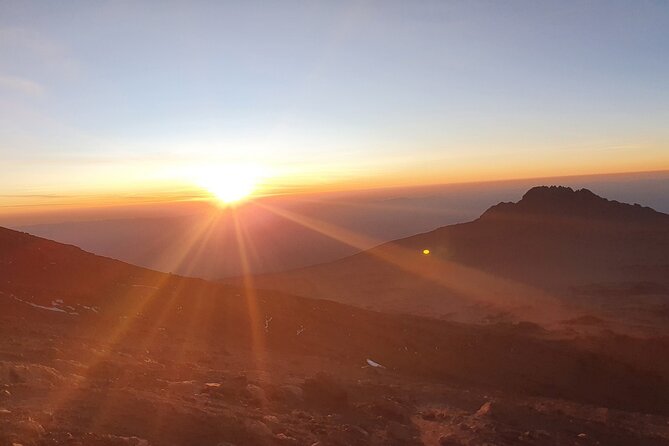
Summit day is the heart of the trip and the part you should respect most. You climb six kilometers from Barafu Camp toward Uhuru Peak, which rises to 19,343 feet, or 5,895 meters. The ascent takes five to seven hours, followed by a 13-kilometer descent that takes another five to six hours.
You leave in the early morning and aim to see sunrise over Africa from near the summit. The final terrain is stone scree, with ice-capped summit scenery described in the plan. Reaching Uhuru Peak gives you the classic Roof of Africa moment, but the summit photo is only half the day.
After time at the top, you descend to Mweka Camp at about 10,150 feet. That drop is welcome because the air is thicker, but tired knees and loose ground can make the descent surprisingly demanding. Use trekking poles, keep your pace controlled, and do not spend all your energy celebrating at the summit.
This is where the six-day schedule shows its limits. There is no separate extra acclimatization day in the plan. Strong crew support and sensible pacing may help, but nobody can promise a summit result. One account connected with the operator described nine of ten climbers reaching the summit, with the remaining person stopping about 100 meters short. That is a useful reminder that getting high on the mountain is an achievement even if you do not reach Uhuru Peak.
Guides named in the company’s Kilimanjaro feedback include Thomas and January. January was praised for guiding a group to the summit, while Thomas was described as experienced and attentive. You should confirm your assigned guide before departure, since names may vary by group.
Day 6: Mweka Gate, certificates, and the return drive
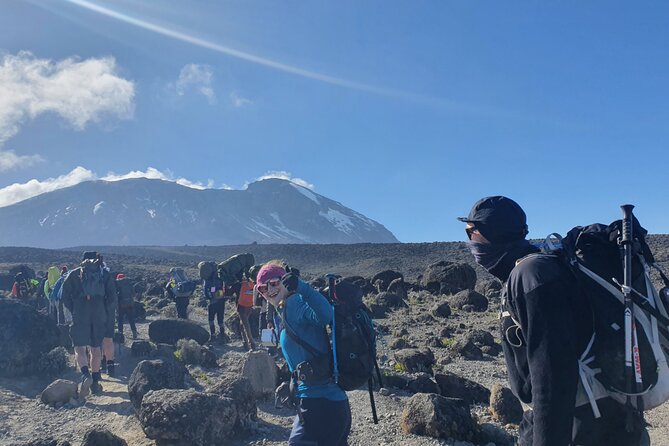
After breakfast, you descend 10 kilometers from Mweka Camp at about 10,150 feet to the Mweka Park Gate at roughly 5,500 feet. The walk takes three to four hours and returns to forest habitat.
The lower trail can be wet and muddy, so keep rain gear and warmer clothing handy even if you expect a warm finish. Shorts and a T-shirt may be comfortable at lower elevations, but mountain weather can change quickly.
At Mweka Gate, you receive summit certificates before the drive back to your hotel in Arusha or Moshi. The package includes private transport and accommodation after the hike, which is valuable after six days of camping and a demanding summit night.
The supplied details mention pickup and drop-off at the airport, but the day-six description specifically says transport to a hotel in Arusha or Moshi. Confirm your final destination and timing if you have a flight soon after the climb. A little breathing room is sensible after a long descent.
What the $2,200 price covers
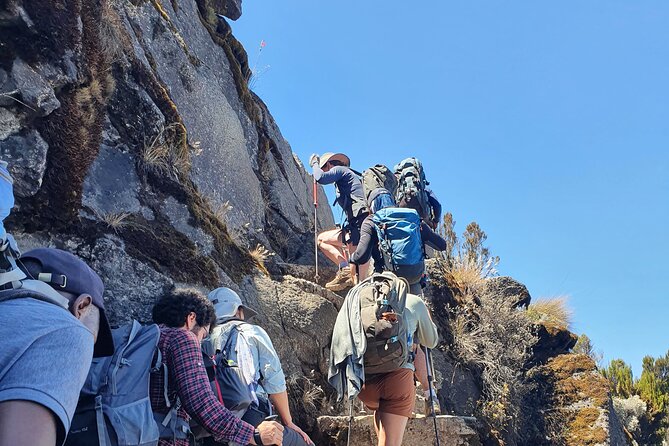
At $2,200 per person, the price is easier to judge when you look at what is included. You receive camping equipment such as a tent and mattress, private transportation, airport pickup and drop-off, all fees and taxes, accommodation before and after the hike, and five breakfasts, five lunches, and five dinners.
Park access and mountain logistics are not small expenses, so bundling them reduces the number of decisions you need to make. The private transport also adds convenience, especially if you are arriving at Kilimanjaro International Airport and continuing to Moshi or Arusha.
You still need to budget for a visa, medical insurance, laundry, personal items, international and domestic flights, and tips for the mountain crew. Tips deserve special attention. They are not included, and the crew does the hard physical work of carrying, cooking, setting up, and supporting the climb.
The price offers solid value if you want an organized private climb with pre- and post-hike accommodation. It is less attractive if you already have local transport, hotel rooms, or camping gear arranged. Ask for a precise packing list and clarify the accommodation standard, tent-sharing arrangements, and whether sleeping bags are included.
Food, gear, and preparation that matter
The package supplies five breakfasts, five lunches, and five dinners. The accounts connected with the operator give the food positive attention, with Chef Joseph named specifically. Still, dietary needs are not addressed in the provided details, so tell the company about allergies or restrictions before you arrive.
You need clothing for several climates. The route begins in wet forest, crosses cooler moorland, reaches dry alpine desert, and finishes on cold stone and ice near the summit. Keep rain gear, warm layers, gloves, a hat, sturdy hiking footwear, and spare socks accessible rather than buried in your main bag.
Gaiters and trekking poles are useful on the first and last days, when mud is likely. Poles are also helpful during the long summit descent. The supplied details only promise a tent and mattress, so confirm what else is available before packing.
This is a moderate-fitness activity on paper, but the distance and altitude make it more serious than that label suggests. Training with long uphill walks and carrying a daypack is sensible. You should also arrange medical insurance, since it is excluded from the price.
Who should book this climb?
I would recommend it to someone who wants a direct, organized route to Kilimanjaro’s summit and values private transport, included meals, and support from a mountain crew. It suits people who can walk for several hours a day, accept basic camping, and stay patient when the trail slows down.
It may not suit you if you want hotel comfort every night, a relaxed walking schedule, or a high chance of success without preparation. The six-day plan is popular and scenic, but adding days is generally worth considering if you have the option and want more time for acclimatization. That said, this specific experience is priced and structured as a six-day climb, so confirm any changes directly with eddytours and safaris.
You can cancel for a full refund if you do so at least three full days before the local start time. Changes or cancellations inside that window are not accepted or refunded.
Should you book the Machame Route climb?
Book it if the price fits your budget, you are ready for a strenuous six-day effort, and you want a private climb with major costs handled in advance. The route offers excellent variety, from muddy rainforest to volcanic scree, and the final sunrise at Uhuru Peak is a powerful goal.
I would ask three questions before paying: what sleeping equipment is included, who will be your lead guide, and how the company handles altitude problems or an early descent. If the answers are clear, the $2,200 package looks like a practical way to attempt Kilimanjaro with an experienced support team.
FAQ
How long is the Kilimanjaro Machame Route experience?
The climb lasts approximately six days, beginning and ending near Moshi, Tanzania.
Where does the experience start?
Pickup is offered from Kilimanjaro International Airport, with a stated start time of 7:00 a.m.
How high is Uhuru Peak?
Uhuru Peak reaches 19,343 feet, or 5,895 meters.
What camps are used during the climb?
The route includes Machame Camp, Shira Cave Camp, Barranco Camp, Barafu Camp, and Mweka Camp.
Are meals included?
Yes. The package includes five breakfasts, five lunches, and five dinners.
Is camping equipment included?
Yes. Camping equipment is listed, including a tent and mattress.
Is this a private group experience?
Yes. Only your own group participates in the activity.
What is not included in the price?
Visa costs, medical insurance, laundry, tips for the mountain crew, international and domestic flights, and personal items are not included.
Just added around Kilimanjaro
- 5 days Serengeti Wildebeest Migration Safari★ 5.0 · 3 reviews
- Tanzania Safari and Kilimanjaro Climb Multi-Day Experience★ 5.0 · 3 reviews
- 9 Days – Best of Tanzania Safari★ 5.0 · 4 reviews
- 7 Days Mountain Kilimanjaro climb Machame Route★ 5.0 · 4 reviews
- 8-Day Tanzania Migration Footsteps – Midrange★ 5.0 · 4 reviews
- 4 Days Lake Manyara National Park, Ngorongoro Crater , Serengeti National Park.★ 4.0 · 4 reviews
- 6 Days Mara River Crossing – The Great Migration★ 5.0 · 5 reviews
- 6- Day Adventure Lodge safari to see Migration★ 4.5 · 5 reviews
Kilimanjaro Treks, compared.



8-Day Small-group Lemosho Kilimanjaro Summit Trekking
Read our review →


Climbing Kilimanjaro through 7 days Machame Route
Read our review →

Browse the lists this tour appears in