
Reviewed · KILIMANJARO TREKS
6 days Machame route climbing Mt.Kilimanjaro
Kilimanjaro rewards patience more than speed. This six-day Machame Route climb gives you a demanding but well-planned path to Uhuru Peak, with changing mountain zones, airport transfers, two Moshi nights, camping equipment, meals, guides, porters, and rescue coverage included. I especially like the strong support from the local team and the way the route uses Lava Tower for altitude practice before dropping to Barranco Camp.
I also like the practical touches: treated drinking water, hot water for washing, portable oxygen, an oximeter, and four-season tents are all covered in the $2,290 price. The main caution is the schedule. Six days is a serious physical challenge, with a very long summit day and little room for slow acclimatization compared with longer routes.
In This Review
- Key points before you book
- What the $2,290 price really covers
- Day 1: Machame Gate and the wet forest
- Day 2: Moorland and the open Shira Plateau
- Day 3: Lava Tower and the value of going high
- Day 4: Barranco Wall, Karanga Valley, and Barafu
- Day 5: Stella Point, Uhuru Peak, and a very long descent
- Day 6: Mweka Gate and the return to Moshi
- Safety, comfort, and the mountain crew
- Who should choose this six-day climb?
- Should you book Kilisa Tours for Machame?
- FAQ
- Where does the climb start?
- How long does the experience last?
- What route does the climb use?
- How high is Uhuru Peak?
- Is transport from Kilimanjaro International Airport included?
- Are meals included?
- Is camping equipment provided?
- Is travel insurance included?
Key points before you book
- Machame Route scenery changes fast: You pass from montane forest to moorland, semi-desert, alpine desert, and stone scree near the summit.
- Lava Tower helps with acclimatization: You climb to about 4,630 meters, then sleep lower at Barranco Camp.
- Summit day is the test: Expect about eight hours to reach Uhuru Peak, followed by seven to eight hours descending to Mweka.
- A full support package is included: Park fees, camping, rescue fees, meals, tents, mats, porters, guides, oxygen, and taxes are covered.
- The team earns strong praise for care: Booking support from Naick, airport help from Nicholson, and attentive mountain staff are notable strengths.
- The group can reach 15 people: That keeps the price competitive, though it may feel less personal than a very small private trek.
What the $2,290 price really covers
At first glance, $2,290 is a substantial amount for six days. Kilimanjaro permits and mountain operations add up quickly, though, and this package includes most of the costs that matter.
You receive private transport between Kilimanjaro International Airport and your Moshi accommodation, two nights in Moshi, transport to and from the park gate, park entry fees, camping fees, government taxes, and 18 percent VAT. The price also includes Team Kilimanjaro Rescue fees, which is important on a high-altitude climb.
On the mountain, you get four-season tents, double-layer sleeping mats, three hot meals each day, treated and filtered drinking water, and hot water for washing. A professional mountain crew includes guides, cooks, and porters. Portable oxygen, an oximeter, and an emergency first-aid kit are also supplied.
That list makes the price look more reasonable. You still need to budget for flights, travel insurance, and tips for the guides, porters, and other crew members. The supplied details do not give a suggested tipping amount, so ask Kilisa for current guidance before you leave.
The package begins with an 8:30 a.m. start and offers pickup. Confirmation is provided at booking, and the maximum group size is 15. That is a useful middle ground: large enough to keep costs down, but not a giant expedition.
More Kilimanjaro routes and climbs:
- Kilimanjaro climb by Lemosho Route (7-day)
★ 5.0 · 651 reviews - Kilimanjaro climb, Machame Route (7-day)
★ 5.0 · 262 reviews - 8-Day Small-group Lemosho Kilimanjaro Summit Trekking
★ 5.0 · 186 reviews
Day 1: Machame Gate and the wet forest
The first morning starts after breakfast at your hotel in Moshi. You drive to Machame Village, where you can buy mineral water and receive a packed lunch. Depending on road conditions, the vehicle may continue toward the gate, or you may walk the final muddy three kilometers, a section that can take about an hour.
This detail matters. Rain can make the approach slow and slippery, so do not wear your best clean travel clothes. Keep waterproof layers and shoes easy to reach before leaving Moshi.
After registration at Machame Gate, the trail enters montane forest almost at once. The first day covers about 18 kilometers and takes around seven hours. The forest is attractive, but wet weather can turn the path into mud, with slick roots and puddled ground.
A lunch stop comes roughly halfway. You then continue toward Machame Camp, usually arriving late in the day. This is not a gentle stroll, especially if the road forces you to add the extra walk before the gate.
Your first night on the mountain is also your first lesson in camp routine. The crew prepares dinner, and you need to get used to eating, washing, organizing your sleeping space, and preparing clothes for the next morning while tired.
Day 2: Moorland and the open Shira Plateau
Day two covers approximately nine kilometers in about six hours. You climb for roughly an hour from Machame Camp, leaving the upper forest behind, then continue at a gentler gradient through the moorland zone.
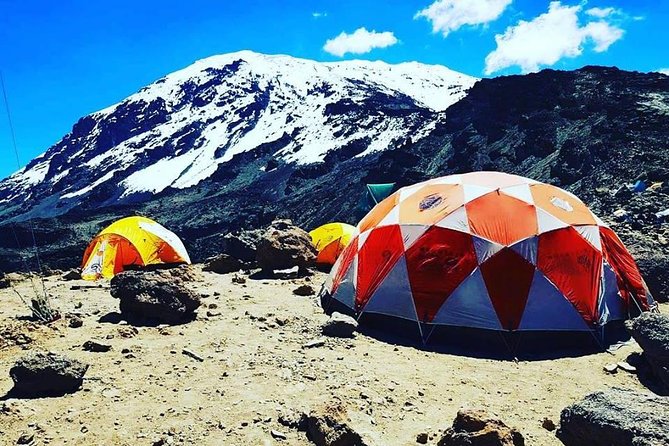
After lunch and a rest, the route follows a rocky ridge onto the Shira Plateau. The open setting gives you wider views and a clearer sense of the mountain ahead. To the east, you may see the Western Breach and its glaciers, while Kibo rises in the distance.
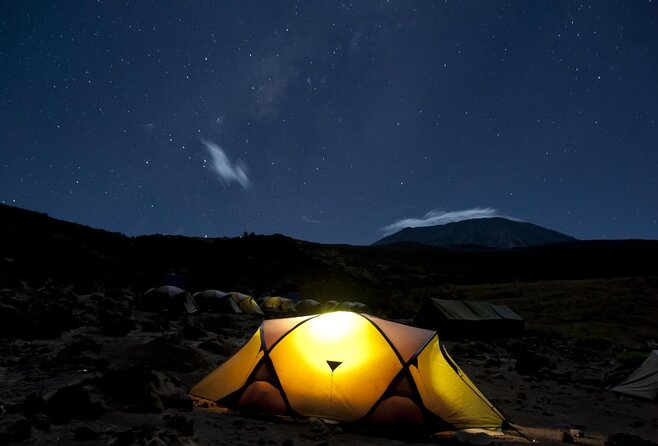
Shira Camp sits at about 3,840 meters. The exposure makes the night colder than the previous one, with temperatures potentially dropping well below freezing. Your porters boil water for drinking and washing, but you still need proper cold-weather clothing, gloves, and a warm sleeping setup.
This day is shorter than day one, but altitude changes the effort. Walk slowly, drink regularly, and follow your guide’s pace. The point is not to prove how fast you can climb. It is to arrive at camp with enough energy for the harder days ahead.
Day 3: Lava Tower and the value of going high
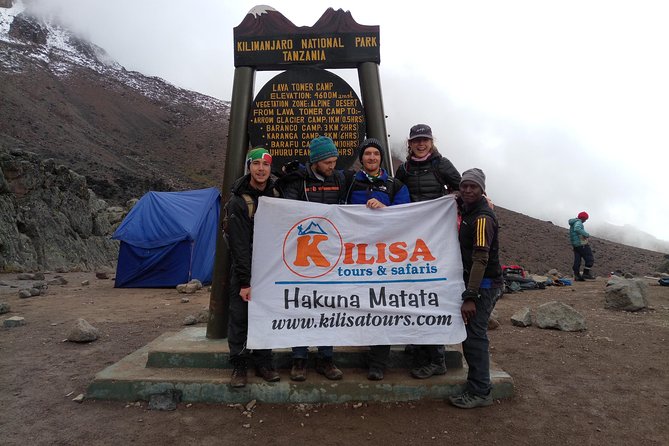
Day three is one of the most useful parts of the route, even though it can be uncomfortable. You hike about 15 kilometers in roughly seven hours through semi-desert terrain toward Lava Tower.
The trail climbs to about 4,630 meters after around five hours. You eat lunch in a designated area, then tackle the rocky scree path to the tower. At this height, some people begin to feel breathlessness, headaches, or irritability. Those symptoms should be taken seriously and reported to the guide.
The clever part of the schedule comes after lunch. You descend nearly 680 meters to Barranco Camp, which sits at about 3,950 meters. In simple terms, you climb high during the day but sleep lower. That height pattern gives your body a useful chance to adjust.
This is also where the route can feel less like a normal hiking holiday and more like a high-altitude expedition. The air is thinner, the ground is rough, and the day asks you to manage your energy carefully.
Barranco Camp rewards the effort with striking views of the surrounding cliffs and glaciers. You may arrive tired, but the setting makes this one of the memorable nights on the mountain.
A few more trips of this kind worth comparing:
- Tanzania Wildlife Encounters – 6 Days
★ 5.0 · 277 reviews - Private 6-Day Tarangire Manyara Crater and Serengeti with Mid-Range Lodges
★ 5.0 · 238 reviews - 6 Days Private Budget Safari
★ 5.0 · 163 reviews - 6 Days Tanzania Budget Camping Safari
★ 5.0 · 145 reviews
Day 4: Barranco Wall, Karanga Valley, and Barafu
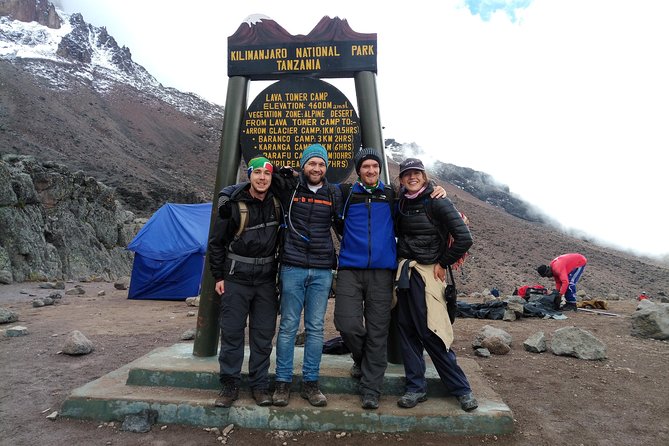
Day four covers about 13 kilometers and takes around seven hours. It begins with the Barranco Wall, which looks more intimidating than it usually feels once you start climbing.
You work upward over the wall, topping out just below the Heim Glacier. This section requires attention to your footing and may involve using your hands for balance, but the route description presents it as an obstacle that is generally easier than its first impression suggests.
From there, you descend through the Karanga Valley, crossing ridges and valleys before joining the Mweka route. Remember this route. You will use Mweka for the descent after the summit.
The final climb leads to Barafu Hut, the high camp. Barafu means ice in Swahili, and the name gives you a fair warning about the cold, exposed conditions. There is no water at Barafu, so the last water stop is in Karanga Valley. The crew must carry water from there, which explains why careful use of water at camp matters.
This is the day to organize your summit clothes, headlamp, gloves, snacks, and water. You will go to bed early, then wake around 11:30 p.m. for the summit attempt.
Day 5: Stella Point, Uhuru Peak, and a very long descent
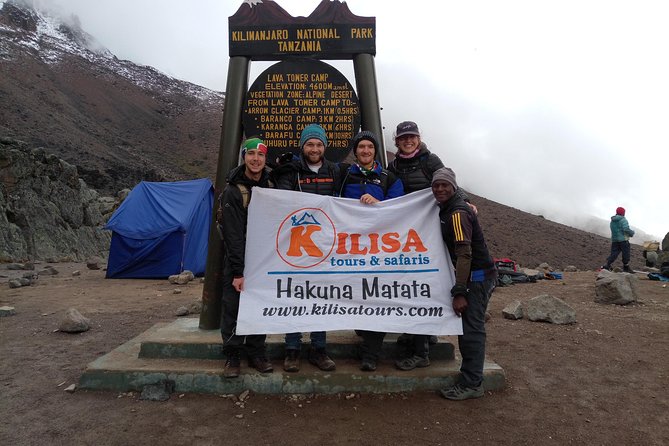
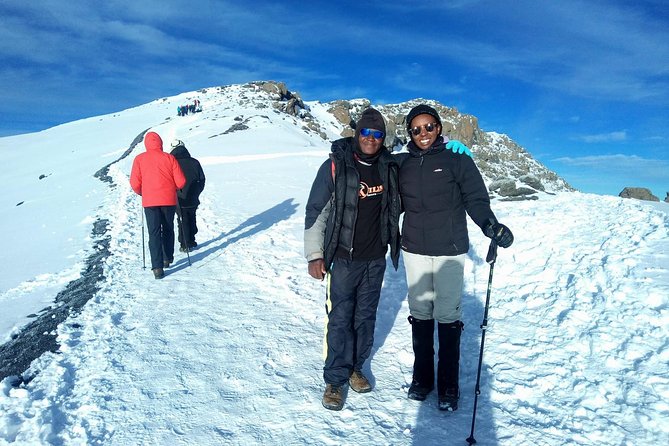
Summit day is the hardest section by far. After tea and biscuits, you leave around midnight and climb through heavy scree toward Stella Point on the crater rim.
The ascent takes about six hours for many climbers. The slope, darkness, cold, thin air, and slow pace make this a mental test as much as a physical one. You may not feel strong at this stage, so conserving energy and following the guide’s rhythm are essential.
At Stella Point, about 5,685 meters high, you can pause and watch sunrise if the weather allows. This is one of the great rewards of the climb, though cloud or poor conditions can limit the view.
From Stella Point, you continue for roughly two hours toward Uhuru Peak at 5,895 meters. Snow is normally present on this upper section. The route covers only about seven kilometers upward, but the altitude makes every kilometer count.
After reaching the summit, you descend back through the high camp area and continue to Mweka Camp. The descent takes about seven to eight hours and covers approximately 23 kilometers. That total makes this a huge day, often lasting 15 or 16 hours depending on pace and conditions.
The supplied schedule lists breakfast, lunch, and dinner for the day. Even so, carry the snacks you are advised to bring and eat small amounts often. Your exact summit timing depends on weather, pace, and how the group is coping.
If you reach Uhuru Peak, you receive a gold certificate. Reaching Stella Point earns a green certificate. Both are official achievements, but the important point is to follow the guide’s safety judgment rather than force the final section.
Day 6: Mweka Gate and the return to Moshi
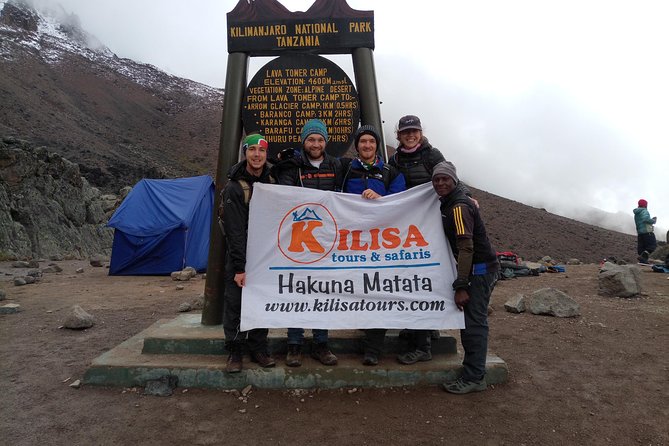
After breakfast, the mountain crew celebrates with dancing and singing. This is also the traditional time to give tips to the guide, assistant guides, cook, and porters.
You then descend through forest for about three hours to Mweka Gate, covering roughly 15 kilometers. At the gate, you sign your name to receive your completion certificate.
The route continues for about one hour and three kilometers to Mweka Village. A hot lunch is served there before you drive back to Moshi for showers and further celebration.
The final day is easier than summit day, but your legs may still feel the strain. Expect mud or uneven ground in the forest, and keep a clean change of clothes ready for the return to town.
Safety, comfort, and the mountain crew
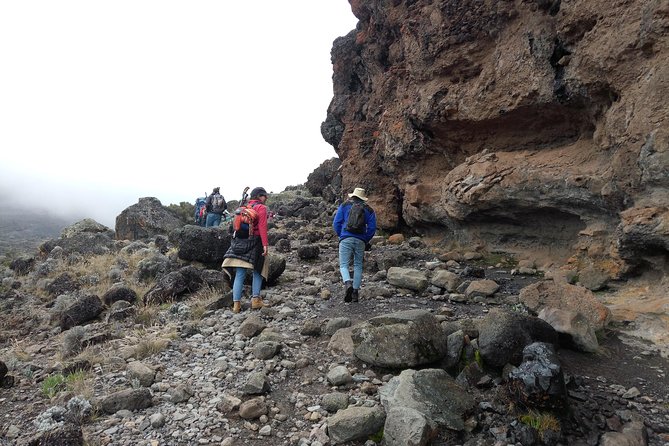
Kilisa places strong emphasis on safety and comfort, and the included equipment supports that promise in practical ways. Park rescue fees, an emergency first-aid kit, portable oxygen, and an oximeter are all part of the package.
These items do not remove the risks of altitude. You still need travel insurance, good physical fitness, and the willingness to turn around if your guide advises it. Oxygen is an emergency aid, not a substitute for sensible pacing or proper acclimatization.
The strongest praise for the company centers on the staff. Naick is noted for smooth booking communication and useful advice. Nicholson handled airport pickup and even helped with a short walking look around Moshi when time allowed. The mountain crew is praised for making people feel safe, comfortable, and part of the team.
Food also receives particular praise. Three hot meals a day can make a major difference after long hours outside, and the cook is credited with preparing food that helped the camp feel more like home.
The group size may reach 15 people, so your experience depends partly on the pace and condition of the whole party. A strong local crew is especially valuable here because the guides must balance individual needs with the group’s progress.
Who should choose this six-day climb?
This climb suits you if you want the Machame Route, prefer a package with most major costs handled, and are ready for long days at altitude. You should have a strong fitness level and be comfortable camping in cold, exposed conditions.
It is a good fit for someone who values local staff, organized transport, hot meals, and clear safety support. It also works well if you want airport pickup and Moshi accommodation included rather than arranging each part yourself.
I would think twice if you want a relaxed walking holiday or if you dislike early starts, mud, cold nights, and long summit days. Six days is efficient, but it is not generous. A longer Kilimanjaro itinerary may offer more acclimatization time, though that option is not part of this specific package.
Free cancellation is available up to 24 hours before the local start time. Changes or cancellations inside that window are not accepted, and poor weather may lead to a different date or a full refund.
Should you book Kilisa Tours for Machame?
I would book this trip if you want a well-supported six-day climb with strong local care and you understand the physical demands. The price is fair for what it includes, especially the permits, rescue fees, equipment, meals, airport transfers, Moshi nights, and full mountain crew.
Before paying, I would confirm the current tipping guidance, ask exactly what your Moshi accommodation includes, and check the recommended clothing and personal equipment list. If you can handle a muddy first day, cold camps, a midnight summit start, and a very long descent, this is a serious and appealing way to attempt Kilimanjaro.
FAQ
Where does the climb start?
The meeting point is on Kilimanjaro Airport Road in Tanzania, with an 8:30 a.m. start time. Pickup is offered.
How long does the experience last?
The climb lasts approximately six days. The package also includes two nights of accommodation in Moshi.
What route does the climb use?
The climb uses the Machame Route up Kilimanjaro and descends through the Mweka Route.
How high is Uhuru Peak?
Uhuru Peak is approximately 5,895 meters above sea level.
Is transport from Kilimanjaro International Airport included?
Yes. Private transport to and from Kilimanjaro International Airport and your accommodation in Moshi is included.
Are meals included?
Yes. Breakfast, lunch, and dinner are provided on the mountain. The package lists six breakfasts, five lunches, and five dinners.
Is camping equipment provided?
Yes. Four-season mountain tents and double-layer sleeping mats are included.
Is travel insurance included?
No. Travel insurance and flights are not included, so you need to arrange them separately.
Just added around Tanzania
- Moshi: Lake Chala Tour: Hiking &/or Kayaking★ 4.5 · 3 reviews
- 5 Days Safari Tarangire, Serengeti, and Ngorongoro Crater★ 5.0 · 3 reviews
- 3 Days Tanga Exclusive Beach Holiday★ 5.0 · 3 reviews
- Spice Tour of Zanzibar★ 4.5 · 3 reviews
- Serengeti Wildebeest Migration.★ 5.0 · 3 reviews
- Zanzibar : Stone Town Tour,history without transport★ 4.8 · 3 reviews
- Zanzibar: 3-Day Northern Safari with Flights Included★ 4.8 · 3 reviews
- 5 Days of Safari, Culture & Hot Springs – Tour from Arusha★ 5.0 · 3 reviews
Kilimanjaro Treks, compared.



8-Day Small-group Lemosho Kilimanjaro Summit Trekking
Read our review →


Climbing Kilimanjaro through 7 days Machame Route
Read our review →

Browse the lists this tour appears in