
Reviewed · SERENGETI SAFARIS
7 Days: Great Migration Mara River Crossing(manyara, Ngorongoro And Serengeti)
Tree-climbing lions are only the beginning. This seven-day private safari links Lake Manyara, Ngorongoro Crater, and northern Serengeti, ending near the Mara River during the Great Migration season. I like the strong mix of habitats and the chance to see three very different wildlife areas in one trip. I also like that the price includes private transport, park fees, and 18 included meals.
The main caution is the schedule. Long driving days, early starts, and several nights built around game viewing require stamina. Mara River crossings are never guaranteed, and changing water levels and animal movements can affect what you see.
In This Review
- Key points at a glance
- Why this safari works as a seven-day route
- Day 1: A simple arrival near Usa River
- Day 2: Lake Manyara’s forest and climbing lions
- Day 3: Ngorongoro Crater and the black rhino search
- Day 4: Seronera, lions, cheetahs, and leopard country
- Days 5 and 6: Waiting for the Mara River crossing
- Day 7: One last look before the flight
- Guide quality and the value of a private vehicle
- What the $3,538.47 price really buys
- Who should book this safari?
- FAQ
- Where does the safari start?
- How long does the safari last?
- Which national parks are included?
- Is transportation included?
- Are meals included?
- Is the Mara River crossing guaranteed?
- Should you book it?
Key points at a glance
- Tree-climbing lions at Lake Manyara: The park’s underground water forest, acacia woodland, Rift Valley escarpment, and lake create a varied first safari day.
- Black rhino in Ngorongoro Crater: An early descent gives you a strong chance to search the crater floor for one of Africa’s rarest large mammals.
- Three Serengeti days: Time in Seronera and northern Serengeti gives you more than a quick pass through the park.
- Mara River migration focus: Days five and six are set aside for wildebeest movement, crocodiles, and possible river crossings.
- Private touring: Your group has its own transport and guide, with no strangers sharing the vehicle.
- Walking safari and sundowner: These are listed as added activities in northern Serengeti, giving the trip a break from vehicle-based viewing.
Why this safari works as a seven-day route
This trip is built around variety. You begin with Lake Manyara, move into the wildlife-packed Ngorongoro Crater, then spend three nights in Serengeti territory. That order makes sense because each area offers a different experience rather than simply repeating the same plains and animals.
I like the balance between famous highlights and time in the north. Many short Tanzania safaris stop in central Serengeti and rush back toward the airport. Here, the route gives northern Serengeti two full days plus a final morning, which matters if your main goal is the Mara River migration.
The price is $3,538.47 per person. That is a serious amount, but it covers private transportation, all listed park fees and taxes, and breakfast, lunch, and dinner for six days. It does not include tips. Since the tour is private, the cost also buys control over the pace and daily wildlife stops, rather than putting you in a large shared group.
You should still read the schedule as an active safari, not a gentle hotel holiday. Days two, four, and six are listed at about 10 hours. Much of that time is devoted to driving and game viewing. The reward is access to several major parks, but you need to be comfortable with long periods on the road.
More Migration Safaris in Moshi
- Great Migration Safari In Tanzania
★ 5.0 · 71 reviews - 6 Days Tanzania Budget Camping Safari with Migration
★ 5.0 · 31 reviews - 10-Day Wildebeest Migration Calving Safari -All Inclusive
★ 5.0 · 30 reviews
Day 1: A simple arrival near Usa River
After your flight, the first day is mainly a transfer to a lodge in town for dinner and an overnight stay. The exact plan depends on your arrival time, so this is best treated as a recovery day rather than a sightseeing day.
The listed meeting point is Kilimanjaro Airport, with a start time shown as 12:00 a.m. That timing needs careful confirmation before booking, especially if your flight lands during the night or your arrival details change. Pickup is offered, which makes the first transfer easier after a long journey.
Dinner is included, as is the night’s accommodation arrangement, although the specific lodge is not named. I would ask for the lodge name, expected transfer time, and the plan for breakfast before departure. Those small details matter when day two begins with a long drive to Lake Manyara.
Day 2: Lake Manyara’s forest and climbing lions
Lake Manyara National Park is a strong opening safari stop because the scenery changes quickly. You can pass through underground water forest, acacia woodland, open areas near the lake, and the Rift Valley escarpment. This is not a one-note park.
The animal list includes baboons, giraffes, buffalo, elephants, and many birds. The special target is the park’s tree-climbing lions. They are not guaranteed, of course, but seeing lions resting in the branches is one of the trip’s most distinctive possibilities.
I like this day for people who enjoy habitat as much as animal checklists. The lake and forest support a different setting from the open Serengeti, and the changing views help break up the long driving route. The downside is the duration: about 10 hours, including travel and game viewing. You will want a good breakfast, water, sun protection, and patience.
Because the day is so full, do not expect a slow, leisurely visit. You are covering ground and building toward the larger northern circuit. Still, Manyara earns its place here because it offers elephants, birds, forest, and the possibility of those famous lions in the trees.
Day 3: Ngorongoro Crater and the black rhino search
Day three begins early with a descent to the Ngorongoro Crater floor. The crater contains a large permanent concentration of big mammals, and its compact mix of forest, grassy plains, seasonal pools, swamps, and riverine areas gives you many types of wildlife viewing in a relatively contained area.
The key target is the black rhino. The itinerary also lists lions, hyenas, jackals, elephants, buffalo, and water birds. A black rhino sighting is never something you should treat as guaranteed, but the crater is one of the best places on this route to look for one.
This is also a day when the setting itself does much of the work. You are not simply driving across open grassland. The route moves between different habitats, and the crater walls give the day a clear sense of place.
After lunch, you continue toward Serengeti. That transfer makes day three feel busy, but it also puts you in position for the next morning’s early game drive. The listed duration is about eight hours, shorter than some other days, though the mix of crater viewing and onward travel can still feel tiring.
I would especially recommend this day if you care about rhino, varied wildlife, and a concentrated safari environment. If you prefer very slow game drives with long time at each sighting, the onward journey may feel like a compromise.
More ways to see the Ngorongoro Crater:
- Safari Serengeti And Ngorongoro
★ 5.0 · 288 reviews - Serengeti, Ngorongoro and Tarangire 4 Days Safari
★ 5.0 · 59 reviews - 5 Days Camping Tarangire, Serengeti & Ngorongoro crater & Visiting Maasai
★ 5.0 · 58 reviews - 4 Days Group Joining Camping Safari to Tarangire Serengeti Ngorongoro Crater
★ 5.0 · 50 reviews
Day 4: Seronera, lions, cheetahs, and leopard country
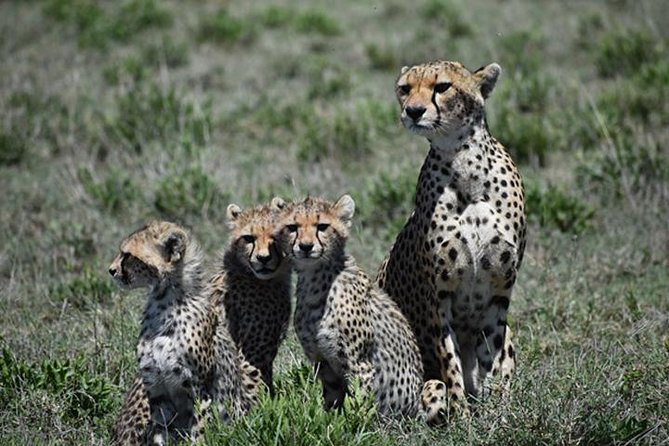
The Serengeti portion opens in the Seronera valley, a well-known area for large cats. The morning drive focuses on lions, with cheetahs and leopards also possible. The surrounding habitats include plains, kopjes, riverine areas, and acacia trees.
This is one of the strongest days for predator viewing on paper. It also gives you a chance to see how the Serengeti differs from Ngorongoro. Instead of a crater floor enclosed by steep walls, you are moving through a broad area shaped by rocky kopjes, grassland, trees, and waterways.
The plan calls for a morning drive, lunch at camp, and then onward travel to northern Serengeti. That second transfer is important. You are giving up some central Serengeti time to reach the Mara River region, but that is the central purpose of this safari.
The day is listed at about 10 hours. Expect an early start and a long afternoon. I like the design because it avoids treating the north as a quick side trip. Still, you should be ready for the possibility that a memorable sighting in Seronera gets cut short by the need to continue north.
Days 5 and 6: Waiting for the Mara River crossing
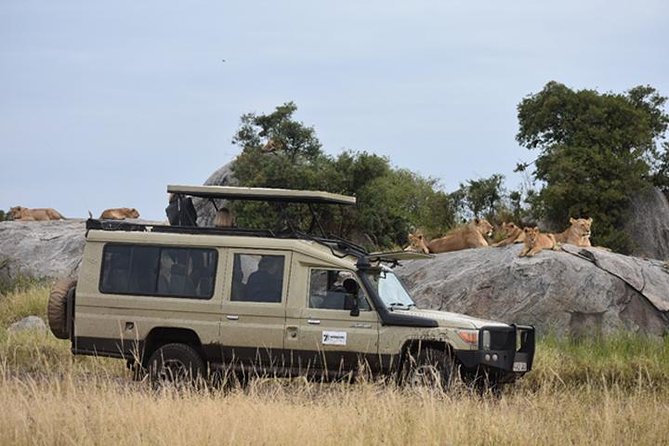
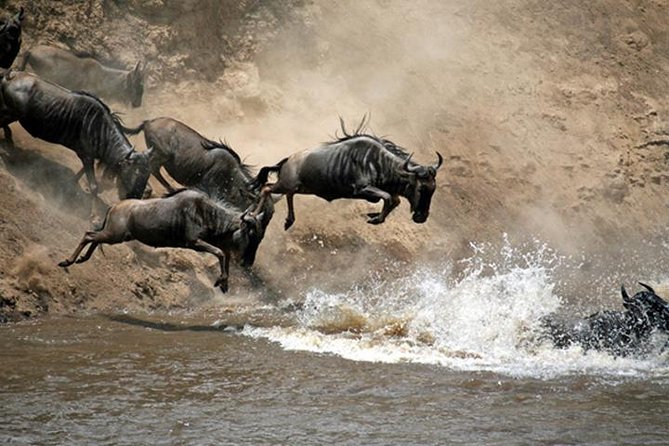
The heart of this safari is northern Serengeti. Days five and six are set aside for the Great Migration, especially wildebeest movement around the Mara River and the crocodiles that may wait in the water.
This is exciting, but it demands realistic expectations. A river crossing is a natural event, not a scheduled performance. Wildebeest may gather at the banks, hesitate, move away, or cross at another point. Water levels and animal behavior can change the scene, and one of the supplied experiences makes clear that a crossing cannot be assumed.
That uncertainty is not a flaw in the wildlife. It is the reason you need two full days in the area. More time gives you more chances to watch movement around the river instead of arriving for a single hurried look.
Northern Serengeti also offers more than wildebeest. The listed possibilities include lions, cheetahs, leopards, rhino, hippos, rock hyrax, giraffes, and reedbucks. The area combines rolling hills, kopjes, plains, and riverine country, so the drives should not feel like a single repeated view.
A walking safari and sundowner are listed as added activities on both days. These can give you a useful change from sitting in the vehicle, although the details, timing, and exact location are not provided. Ask the operator how these activities fit around river viewing and what level of fitness is required.
Day five is about nine hours, while day six is about 10. Those long days are appropriate for a migration-focused safari, but they may be demanding if you dislike early starts, uneven roads, or extended vehicle time. I would bring a hat, light clothing, water, and a layer for changing temperatures.
The best attitude is to value the waiting. You may see a crossing, but you may also watch herds gather, predators patrol, or hippos and crocodiles hold their ground. The river is a place to observe behavior, not simply check off a dramatic photograph.
Day 7: One last look before the flight
The final morning includes a game drive around the Mara River, followed by a transfer to an airstrip for your flight to town. After arrival, you are taken to a hotel for day-room use before connecting with your flight home.
That day-room arrangement is useful after several early mornings. It gives you a place to rest before a late departure, though the flight and hotel details are not specified in the supplied information. Confirm exactly what is included, since the package lists private transport and meals but does not clearly state that the flight is part of the price.
The schedule allows about eight hours, but the actual timing depends on the morning drive, airstrip transfer, flight, and onward connection. Do not build a tight international departure plan without checking the flight schedule carefully.
I like that the safari does not end immediately after the last full game-viewing day. You get one more chance around the river, and the day-room stop makes the journey home less punishing.
Guide quality and the value of a private vehicle
The strongest personal praise attached to this safari is for guide Jose. He is described as able to spot animals from very far away, explain nature clearly, and listen to what the group wanted from each day. Those skills matter greatly on safari.
A good guide does more than point at a lion. The guide decides when to wait, when to move, how to position the vehicle, and how to balance your wishes with the realities of animal behavior. The mention that Jose adapted the days around the group’s interests is especially useful for anyone who wants a say in the pace.
Other feedback also highlights the Seven Wonders Safaris team, camp arrangements, and Evelyn’s help with planning. One account describes the company responding promptly during the planning stage and helping with complications. That suggests the operator may be a good fit if you want help shaping a private trip rather than simply purchasing transport.
Still, guide assignment is not guaranteed by the information provided. Jose is praised, but you should ask who will lead your safari before you pay. The private format means only your group participates, which is a major advantage for photographers, families, and anyone with a specific interest in cats or migration.
What the $3,538.47 price really buys
At $3,538.47 per person, this is not a budget safari. The value comes from the route and the private setup. You receive private transportation, all listed fees and taxes, and six breakfasts, six lunches, and six dinners.
The itinerary also packs in three major wildlife areas, three Serengeti game-viewing days, a possible walking safari, and a sundowner. If you tried to arrange each section separately, you would still need to coordinate park access, transport, meals, lodging, and the northern transfer.
The package has limits. Tips are not included, and the information does not specify accommodation names, room standards, internal flight details, or whether every transfer connected with the final flight is covered. I would ask for those items in writing. Price comparisons are only useful when the lodging and air arrangements match.
For a private seven-day safari built around the northern migration, the price can make sense if the Mara River is your main goal. It is less attractive if you only want a general introduction to Tanzania and would be satisfied with Manyara, Ngorongoro, and central Serengeti.
Who should book this safari?
I would recommend it to you if you want a focused wildlife trip with strong cat and migration potential. It suits people who value private transport, can manage long days, and want time in both Seronera and northern Serengeti.
It is also a good choice for families or small groups who want the vehicle and daily rhythm to belong to them. The route offers variety for a mixed-interest group: birds and forest at Manyara, rhino at Ngorongoro, predators in Seronera, and migration activity near the Mara River.
I would hesitate if you need guaranteed river crossings, dislike long transfers, or want a relaxed lodge-based holiday. No operator can promise that wildebeest will cross when you arrive, and climate and water conditions can affect the spectacle.
Free cancellation is available up to 24 hours before the start time. Poor weather may lead to a different date or a full refund. The tour requires moderate physical fitness, and pickup is offered from the Kilimanjaro area.
FAQ
Where does the safari start?
The listed starting point is Kilimanjaro Airport in Tanzania. Pickup is offered, and the listed start time is 12:00 a.m.
How long does the safari last?
The experience lasts approximately seven days, from the arrival transfer near Usa River through the final morning game drive and flight to town.
Which national parks are included?
The route includes Lake Manyara National Park, Ngorongoro Crater, and Serengeti National Park, including Seronera and northern Serengeti.
Is transportation included?
Yes. Private transportation is included. The final day also includes a flight from an airstrip to town, but the supplied details do not clearly state whether that flight is included in the price.
Are meals included?
Breakfast, lunch, and dinner are included for six days. Tips are not included.
Is the Mara River crossing guaranteed?
No. The itinerary is designed around the possibility of seeing wildebeest crossings and crocodiles, but animal movement, water conditions, and weather can affect what happens during your visit.
Should you book it?
Book this safari if you want the Mara River migration to be the main event and you are willing to accept nature’s timetable. The route gives you a strong blend of tree-climbing lions, a serious black rhino search, central Serengeti predators, and several days in the north.
Before booking, confirm the guide, camp names, internal flight arrangements, and exactly what the $3,538.47 covers. If those details fit your budget, the private format and extra northern Serengeti time give this trip real value. Just arrive ready for long drives, early mornings, and the possibility that the river keeps its drama to itself.
More Lake Manyara Safaris
- 3-Day Ngorongoro Crater Manyara and Tarangire Safari from Arusha
★ 5.0 · 49 reviews - 5-Day Lake Manyara, Serengeti, Ngorongoro Crater and Tarangire
★ 5.0 · 28 reviews - 6 Days: Classic Camping( Tarangire, Manyara, Serengeti And Ngorongoro).
★ 5.0 · 26 reviews - 4 Days, 3 Nights Group budget Safari, Lake Manyara, Serengeti, Ngorongoro
★ 5.0 · 18 reviews
More Serengeti Safaris
- 4 Day Private Tour Throughout Tarangire, Serengeti and Ngorongoro
★ 5.0 · 42 reviews - 7 Days Safari. Serengeti, Tarangire, Lake Manyara & Ngorongoro Crater.
★ 5.0 · 34 reviews - Safari in Tanzania 5 days: Manyara, Ngorongoro, Serengeti
★ 5.0 · 29 reviews - 4-Day Private Guided Tanzania Safari Tarangire, Serengeti, Manyara
★ 5.0 · 28 reviews
Just added around Moshi
- Moshi: Lake Chala Tour: Hiking &/or Kayaking★ 4.5 · 3 reviews
- 3 Days Tanga Exclusive Beach Holiday★ 5.0 · 3 reviews
- Serengeti Wildebeest Migration.★ 5.0 · 3 reviews
- Chemka Hotpsrings E-Bike Day Trip★ 5.0 · 3 reviews
- Explore 1 day Ngorongoro Crater Budget Group Safari from Arusha★ 5.0 · 3 reviews
- Explore the 360° of Kilimanjaro★ 5.0 · 3 reviews
- Affordable Short Tanzania Safari (2 Days Camping Safari)★ 5.0 · 3 reviews
- Rongai Route 7 Days★ 5.0 · 3 reviews
Serengeti Safaris, compared.

Serengeti Balloon Safari and authentic bush breakfast
Read our review →
Balloon Safari & Bush Breakfast in Serengeti – Miracle Experience
Read our review →
3 Days Serengeti & Ngorongoro Group Camping Safari
Read our review →
5-Day Highlights mid-Range Crater, Serengeti, Tarangire
Read our review →


Private 6-Day Tarangire Manyara Crater and Serengeti with Mid-Range Lodges
Read our review →
5 Days Camping Tarangire, Serengeti & Ngorongoro crater & Visiting Maasai
Read our review →Browse the lists this tour appears in