
Reviewed · KILIMANJARO TREKS
7 Days Kilimanjaro trek via Machame route
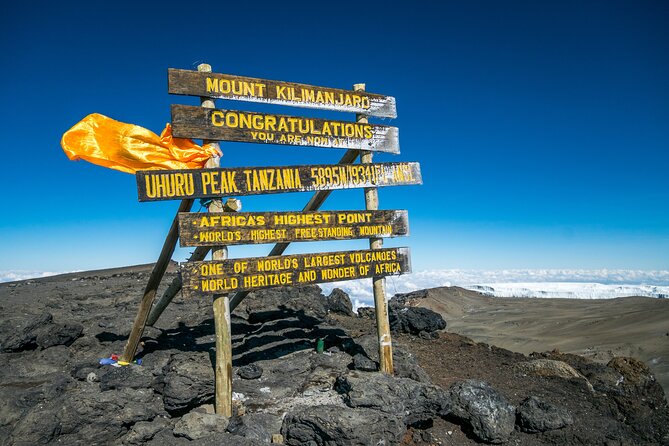
Africa’s highest peak rewards patience, not speed. This seven-day Kilimanjaro trek via the Machame Route combines changing vegetation, dramatic mountain views, and a carefully paced approach to Uhuru Peak. I especially like the varied scenery, from mossy cloud forest to high alpine desert, and the built-in acclimatization day that climbs high before sleeping lower. The main drawback is the route’s popularity: you should expect plenty of other climbing groups on the trail and around camp.
I also like the level of support included here. Private tents, cooks, purified water, meals, park fees, rescue fees, airport transfers, and experienced mountain guides are all covered in the $2,800 price. Still, this is a serious physical undertaking, not a scenic walk. You need moderate fitness, suitable personal climbing gear, and a willingness to spend summit night hiking in darkness and cold.
In This Review
- Key points to know before booking
- Why the Machame Route earns its reputation
- Day 1: Machame Gate to Machame Camp
- Day 2: Climbing toward Shira Plateau
- Day 3: High walking and the descent to Barranco
- Day 4: Scrambling over Barranco Wall
- Day 5: Karanga Valley to Barafu Camp
- Day 6: Midnight ascent to Uhuru Peak
- Day 7: Forest descent to Mweka Gate
- What the $2,800 price includes
- The people who shape the experience
- Who should book this Kilimanjaro trek?
- Should you book it?
- FAQ
- How long is the Kilimanjaro Machame Route trek?
- What time does the trek start?
- Is airport pickup included?
- Are meals included?
- Is drinking water provided?
- Are park and rescue fees included?
- What is not included in the price?
Key points to know before booking
- Machame offers a strong mix of scenery: You begin in a moss-covered forest, cross the Shira Plateau, pass unusual high-altitude plants, and finish among glaciers and volcanic rock.
- Day three helps with altitude adjustment: You climb to about 4,530 meters before descending to Barranco Camp, a useful high-and-low pattern before the summit push.
- Barranco Wall is hands-on: Expect about 90 minutes of scrambling, with some sections requiring your hands.
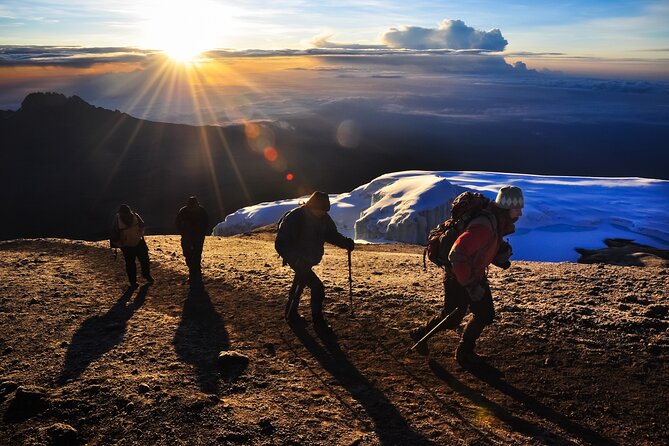
- Summit day is the real test: You start around midnight, reach Stella Point after roughly six hours, continue to Uhuru Peak, then descend to Mweka Camp.
- The support package is substantial: Tents, meals, drinking water, guides, cooks, park fees, rescue fees, and airport transfers are included.
- Guide leadership receives the strongest praise: Gasto James is singled out for encouragement, singing, safety, cultural stories, and careful support when climbers struggle.
Why the Machame Route earns its reputation
The Machame Route approaches Kilimanjaro from the west and gives you more visual change than a route that follows one broad corridor up and down. Your first day begins in farmland and villages outside Arusha, then moves into the mountain’s cloud forest. Over the next several days, the trees shrink, the air thins, and the scenery turns open and stark.
This route is also popular because access to the trailhead is relatively straightforward. The drive from Arusha to Machame Gate takes about an hour and a half, and the road passes coffee farms and villages before you reach the park entrance.
Popularity has a price. Camps can feel busy, especially on a route used by many climbing groups. If you want quiet at every campsite, this may not be your ideal choice. If you value a well-used trail, broad support services, and a proven itinerary, the crowds are easier to accept.
The seven-day schedule gives you a better chance to adjust than a shorter climb. It does not remove the risk of altitude sickness, and nobody can promise a summit. It does give your body more time to respond before the hardest day.
More Kilimanjaro routes and climbs:
- 8-Day Small-group Lemosho Kilimanjaro Summit Trekking
★ 5.0 · 186 reviews - 7-Day Machame Kilimanjaro Summit Tour from Arusha
★ 5.0 · 125 reviews - Mountain Kilimanjaro Day Hike
★ 5.0 · 102 reviews
Day 1: Machame Gate to Machame Camp
Your first morning begins with a 9 a.m. departure from Arusha, according to the daily plan. At Machame Gate, staff register the climb while porters and guides organize the loads and final preparations. This waiting period can take time, so do not expect to leave the gate immediately after arriving.
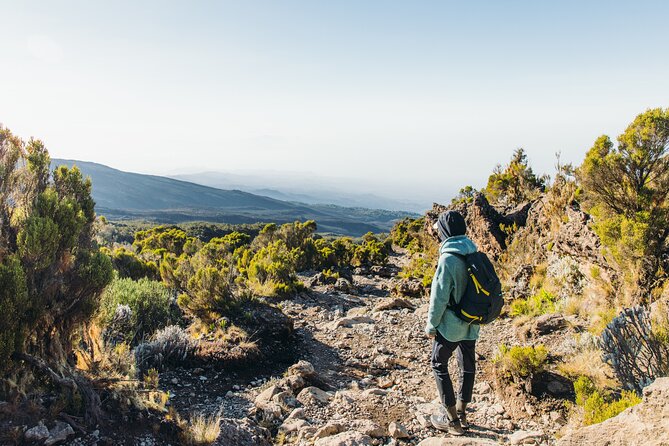
Once walking begins, the route enters Kilimanjaro’s cloud forest. The moss-covered trees give the opening hours a strange, almost storybook feel. The trail then passes through heather, tall grasses, and wildflowers as the forest begins to thin.
The hike takes about six hours. If clouds stay away, you may catch your first clear view of Kibo, the volcanic cone that forms Kilimanjaro’s highest point. That glimpse is useful motivation, though the mountain can disappear behind weather as quickly as it appears.
Your porters and cooks go ahead to prepare camp. That means you arrive to a ready sleeping tent and a dining setup rather than needing to organize your own shelter after a long walk. The sleeping tents are described as private, waterproof, and suitable for mountain conditions. A mess tent with tables and chairs is included too, which gives you a place to eat and rest away from the sleeping area.
Day 2: Climbing toward Shira Plateau
Day two brings more uphill walking and a warmer, more exposed feel if the sky is clear. Carry plenty of water during this section. The route offers views down toward the plains and forest, while Kibo and Mawenzi rise above you.
The vegetation changes noticeably with height. Forest gives way to smaller plants and Kilimanjaro’s distinctive high-altitude species, including Senecio kilimanjari and Lobelia deckenii. These plants make the route feel unlike an ordinary mountain hike. You are not simply walking uphill; you are passing through several plant zones in a matter of days.
After lunch, you climb onto the Shira Plateau. This broad volcanic area formed when lava from Kibo filled the Shira crater. The day ends at Shira Camp, with Kibo to the west and Mount Meru to the east.
The walk lasts about six hours. Since the route is already gaining height, you may feel the change in breathing even if your legs feel fine. Keep your pace slow. The guides use the Swahili phrase pole pole, meaning slowly, and that approach matters more than trying to impress your group early in the climb.
Day 3: High walking and the descent to Barranco
This is one of the most useful days in the plan. You climb to roughly 4,530 meters in the early part of the day, then descend to Barranco Camp, finishing only about 110 meters higher than where you started.
That high point is reached after an overall ascent of about 690 meters. You get a chance to spend time at altitude, then sleep lower. This pattern helps your body adjust and is one reason the seven-day schedule is more sensible than rushing the mountain in fewer days.
The route crosses the Shira Plateau before reaching the junction with the Shira and Lemosho routes. From there, the surroundings become more barren. After lunch, you reach the day’s high point before descending toward Barranco.
The day takes about seven hours. Stronger hikers can take a detour past Lava Tower, a roughly 300-foot volcanic formation. The detour adds a harder high-altitude section, so it should not be treated as a sightseeing obligation. If you feel tired, the main route is the wiser choice.
Barranco Camp is often a favorite stop for the mountain staff, and it is easy to see why. The camp sits beneath the imposing Barranco Wall, giving the next morning a clear visual target. After three days of walking, this is also a good place to take stock of your energy, sleep quality, appetite, and hydration.
A few more trips of this kind worth comparing:
- Private Full Day Hiking Experience to Marangu Route
★ 5.0 · 61 reviews - 4 Days Mount Meru Trekking
★ 5.0 · 55 reviews - 4 days Best experience Kilimanjaro Hike, Serengeti &Ngorongoro
★ 5.0 · 54 reviews - From Arusha/Moshi: Kilimanjaro Hike Marangu Route Day Trip
★ 4.5 · 54 reviews
Day 4: Scrambling over Barranco Wall
The morning begins with the most hands-on walking so far. The climb up Barranco Wall takes about an hour and a half. In places, you may need to use your hands, but this is described as a scramble rather than technical climbing.
That distinction matters. You do not need to be a rock climber, but you do need balance, patience, and comfort with uneven terrain. Your guide can help with route choices and footing. Keep your daypack compact, since bulky gear makes scrambling awkward.
Once over the wall, the trail becomes fairly level for a time. The day ends with a short but steep descent into the green Karanga River Valley. The contrast between the hard rock wall and the greener valley makes this one of the route’s most memorable sections.
The walking time is about seven hours. It is not the highest day, but the rougher trail can make it feel demanding. Good boots and trekking poles may help, though personal climbing equipment is not included in the package. You must bring or arrange your own gear.
Day 5: Karanga Valley to Barafu Camp
After breakfast, you continue toward Barafu Camp through increasingly dry and exposed country. The route passes several glaciers, including the Heim, Kersten, and Decken Glaciers, and reaches the junction where the Mweka descent route connects with the Machame trail.
The day’s walking takes about seven hours. Vegetation becomes sparse, and the alpine desert can feel stark after the forest and grasses lower down. Barafu Camp makes up for the lack of greenery with views toward both Kibo and Mawenzi.
This is the day to prepare carefully for the summit. Eat dinner, organize your headlamp and warm layers, fill your water, and try to sleep as soon as possible. You are expected to wake before midnight, so a long evening at camp works against you.
The camp’s exposed position can make rest difficult, especially if the weather is poor. That is a normal concern rather than a flaw in the route. Barafu is placed where it needs to be for the summit attempt, not where it would make the most comfortable overnight stop.
Day 6: Midnight ascent to Uhuru Peak
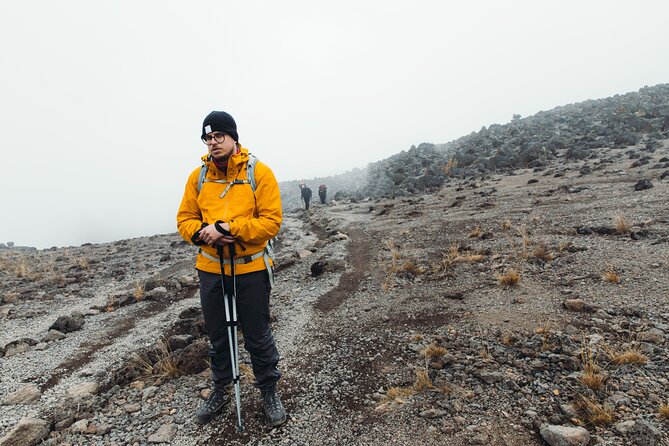
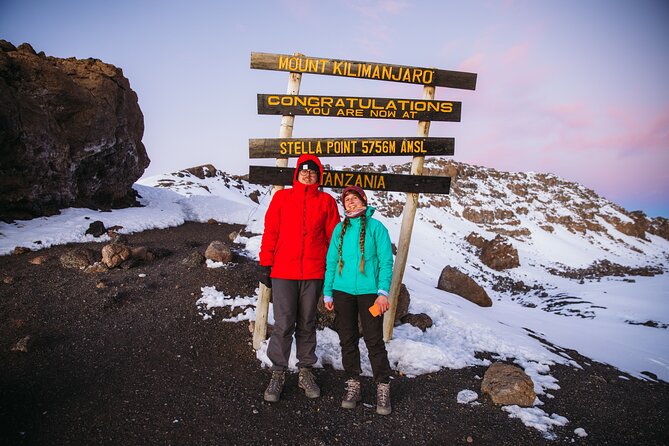
Summit day begins around midnight. You hike by headlamp for about six hours toward the crater rim at Stella Point. This is the steepest and most tiring part of the entire trek, and altitude makes every step feel slower.
The route to Stella Point is steep for much of the climb. The guides set a slow pace, and the strongest approach is to conserve energy rather than race upward. The high praise for Gasto James and his team centers on exactly this kind of support. Their encouragement, singing, and attention to struggling climbers helped create a positive mood without turning the summit into a contest.
At Stella Point, the route to Uhuru Peak becomes more gradual. The walking itself is less steep, but the altitude still makes the final section long and tiring. The crater-rim walk takes about an hour.
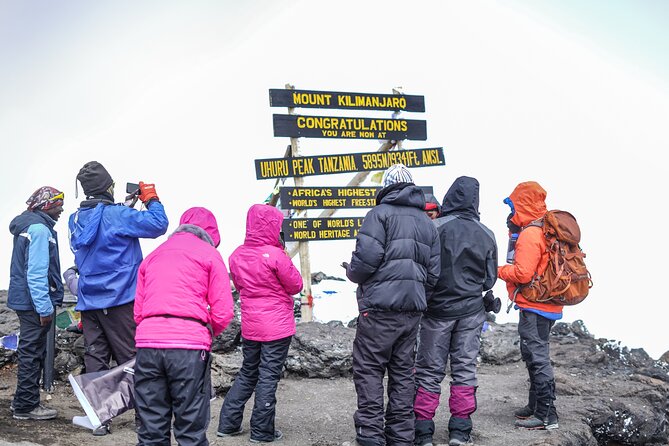
At Uhuru Peak, you have time for photographs with your guide and group. Views may include the crater, clouds, glaciers, and the mountain falling away below. Conditions can change quickly, so summit time may be brief. The important thing is reaching the point safely, not staying there for an extended photo session.
The descent begins after Uhuru Peak. You return toward Barafu Camp and then continue to Mweka Camp. The supplied schedule gives about six hours for this day, though the full summit and descent sequence can feel much longer because of the early start, altitude, and accumulated fatigue.
This is also the day when the quality of the guide team matters most. The strongest praise for Mountain Warriors concerns careful pacing, encouragement, singing near Stella Point, and helping climbers who were struggling reach the top safely. Those are not small comforts on summit night. They can shape the entire outcome.
Day 7: Forest descent to Mweka Gate
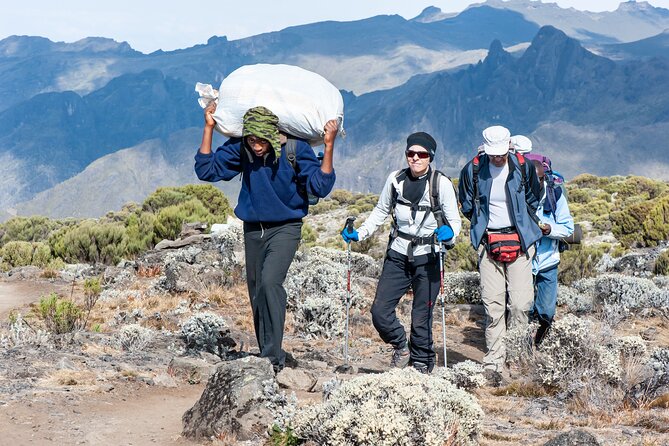
The final morning brings a return to the forest. After breakfast, you walk down toward Mweka Gate, with about six hours of hiking planned.
The trail can be slippery after rain, so keep your footing careful even though you are descending. Tired legs often make the final day less easy than expected. Once you reach the lower station at Mweka Gate, vehicles take you back to Arusha.
This last section is more than a transfer walk. It gives you a clear sense of how far you have come, from the wet forest on day one to the summit and back through the trees. It also marks the end of a trek in which the porters, cooks, and guides have supported your group for nearly a week.
What the $2,800 price includes
At $2,800 per person, this is not a budget climb. The value comes from the number of major costs already covered:
- Private, waterproof mountain sleeping tents
- Professional mountain guides
- Porters and cooks supporting the trek
- Park fees and rescue fees
- All mountain meals
- A mess tent with tables and chairs
- Clean, purified drinking water
- Airport transfers
- Seven breakfasts, seven lunches, and six dinners
That package reduces the number of expensive surprises after booking. Park and rescue fees alone are important costs on Kilimanjaro, and meals plus campsite support would be difficult to organize independently.
The price does not include your personal climbing gear, tips, or visa fees. Budget separately for warm clothing, boots, headlamp, daypack, and any other equipment you need. You should also plan for tipping the mountain crew, though the amount is not provided here.
The private-tour format means only your own group participates. That can be valuable if you want a more personal pace or are climbing with family and friends. It does not mean the mountain will be quiet. You may still share the trail and camps with many other groups.
The people who shape the experience
Mountain Warriors Tours and Safaris has been arranging Kilimanjaro and Mount Meru climbs for almost twenty years. The company’s focus is mountain support, and that shows in the structure of the trip: guides, cooks, porters, tents, food, water, and route planning are all part of the operation.
Gasto James is the guide name most closely associated with the strongest praise. His singing during the early push toward Stella Point became a memorable part of the climb for several people. His encouragement and ability to support climbers who were struggling are especially relevant if you worry about whether you can keep going at altitude.
Another useful touch is the cultural storytelling. Gasto has shared stories about Tanzanian culture and Maya during the trek. You should not expect a formal cultural tour, but these conversations can give the long walking days more meaning.
The guide team is not there simply to point out the route. They monitor pace, help keep the group moving pole pole, and provide practical support. That said, no guide can guarantee that you will summit. Weather, altitude, illness, and personal limits remain part of the challenge.
Who should book this Kilimanjaro trek?
I would recommend this trip to someone who wants a supported climb with changing scenery and a seven-day acclimatization plan. It suits a private group that values guides, meals, organized camps, and a clear route more than the lowest possible price.
You should have a moderate level of physical fitness. The daily walks last six to seven hours, and summit day starts around midnight. Barranco Wall requires a scramble, while the final ascent is steep, cold, tiring, and high above sea level.
This is not a good fit if you dislike camping, cannot manage long uphill days, or expect a relaxed sightseeing holiday. It is also worth thinking twice if crowds at popular camps would spoil the experience for you.
Booking confirmation is provided at the time of purchase, and pickup is offered. One detail needs checking before you pay: the practical information lists a start time of 7:30 p.m., while day one says the departure from Arusha is at 9 a.m. Ask the operator to confirm the correct pickup and trek start time.
Free cancellation is available if you cancel at least 24 hours before the experience starts. Cancellations within 24 hours are not refunded, and changes inside that period are not accepted.
Should you book it?
I would book this trek if you want a serious but well-supported Kilimanjaro attempt and are comfortable paying for organized mountain logistics. The route gives you forest, plateau, volcanic rock, glaciers, and the dramatic Barranco Wall, while day three provides a useful high-climb and low-sleep pattern.
The best reason to choose it is the guide support, especially the care associated with Gasto James and his team. The main cautions are the popular trail, the demanding summit night, extra costs for personal gear and tips, and the need to clarify the stated start time.
If those points suit you, the Machame Route offers a strong balance of scenery, pacing, and support for a once-in-a-lifetime climb.
FAQ
How long is the Kilimanjaro Machame Route trek?
The trek lasts approximately seven days, with six days spent trekking before the final return through the forest and transfer back to Arusha.
What time does the trek start?
Day one states that you leave Arusha at 9 a.m. However, the additional information gives a 7:30 p.m. start time. Confirm the exact pickup and departure time with Mountain Warriors Tours and Safaris before the trip.
Is airport pickup included?
Yes. Airport transfers are included in the tour price, and pickup is offered.
Are meals included?
Yes. The package includes seven breakfasts, seven lunches, and six dinners while you are on the mountain.
Is drinking water provided?
Yes. Clean, purified drinking water is included during the mountain trek.
Are park and rescue fees included?
Yes. All park fees and rescue fees are included.
What is not included in the price?
Personal climbing gear, tipping, and visa fees are not included.
More 7-Day Experiences
- Tanzania Classic – 7 Days
★ 5.0 · 1,151 reviews - 7-Day Premium Luxury Tanzania Safari All-Inclusive
★ 5.0 · 426 reviews - Group Safari 7 Days in Tanzania’s Main Parks
★ 5.0 · 240 reviews - 7 Days Tanganyika Wilderness Safari
★ 5.0 · 159 reviews
Just added around Arusha
- 5 Days Safari Tarangire, Serengeti, and Ngorongoro Crater★ 5.0 · 3 reviews
- Love lives in Africa★ 5.0 · 3 reviews
- 5 Days of Safari, Culture & Hot Springs – Tour from Arusha★ 5.0 · 3 reviews
- Arusha National Park Safari by Jeep★ 4.5 · 3 reviews
- 5Days Family _Group Tour Lodging Mid-Range in the Jungle★ 5.0 · 3 reviews
- 2 Days Tarangire and Ngorongoro Crater Tour★ 5.0 · 3 reviews
- Serengeti & Ngorongoro 3 Days Budget Safari★ 5.0 · 3 reviews
- 7 Days PRIVATE Best of Tanzania Safari *Departing everyday*★ 5.0 · 3 reviews
Kilimanjaro Treks, compared.



8-Day Small-group Lemosho Kilimanjaro Summit Trekking
Read our review →


Climbing Kilimanjaro through 7 days Machame Route
Read our review →

Browse the lists this tour appears in