
Reviewed · KILIMANJARO TREKS
8 Day Climbing Kilimanjaro Via Lemosho Route
The long way up is often the smart way. This eight-day Mount Kilimanjaro climb follows the scenic Lemosho Route from western Tanzania through rainforest, moorland, alpine desert, and the icy summit zone. I like the slower schedule, which gives you more time to adjust to altitude, and I like the route’s changing scenery, especially the Shira Plateau, Barranco Valley, and sunrise near Stella Point. The main concern is simple: this is a serious high-altitude trek, not a casual hike, and altitude sickness can stop even fit people from reaching the top.
The package costs $2,670 per person and includes three meals each day, camping, guides, and pickup arrangements. I also like the strong emphasis on the guiding team, with guide names including Yobu Eliamani Mbwambo, Rama, Paulo, and William appearing in the tour’s feedback. But you should confirm the final schedule before booking, because the published Day 6 and Day 7 altitude figures appear out of order.
In This Review
- Key points at a glance
- Why Lemosho is a good route choice
- Day 1: Forest Camp and the western trailhead
- Day 2: From forest to the Shira Plateau
- Day 3: The Shira Plateau and Moir Camp
- Day 4: Lava Tower, giant groundsels, and Barranco
- Day 5: The Barranco Wall and Karanga Camp
- Day 6: Barafu Camp and the final rest
- Day 7: Stella Point, Uhuru Peak, and the long descent
- Day 8: Returning through the forest to Moshi
- Camping, meals, and what the price means
- Who should book this Kilimanjaro climb?
- Should you book it?
- FAQ
- Where does the climb begin?
- How long is the experience?
- What time does the tour start?
- Is pickup available?
- What meals are included?
- Are international flights and visas included?
- What fitness level is required?
Key points at a glance
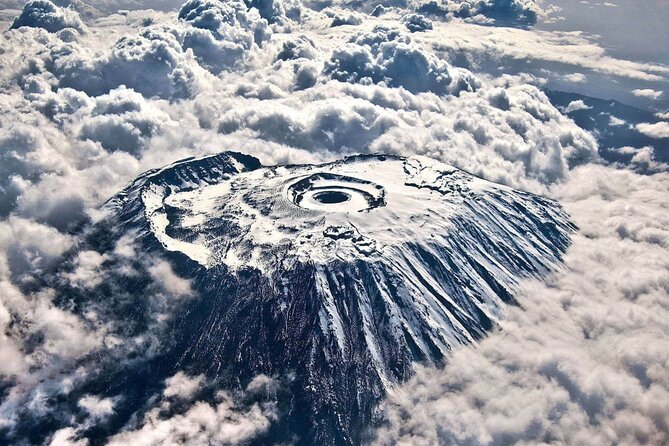
- Six ecological zones in eight days: You move from Afromontane rainforest to heather, moorland, alpine desert, and the arctic summit zone.
- Lemosho gives you a gradual approach: The route uses several days for acclimatization before the summit attempt.
- Barranco Wall is hands-on: Expect to use your hands and feet on this short but memorable section.
- Summit day begins before midnight: The final push is cold, windy, and demanding, with a sunrise near Stella Point.
- Camping is designed for comfort: The package describes spacious tents, good meals, and a higher-comfort camping setup.
- The route suits prepared hikers: A moderate fitness level is required, but high altitude adds a challenge that fitness alone cannot solve.
Why Lemosho is a good route choice
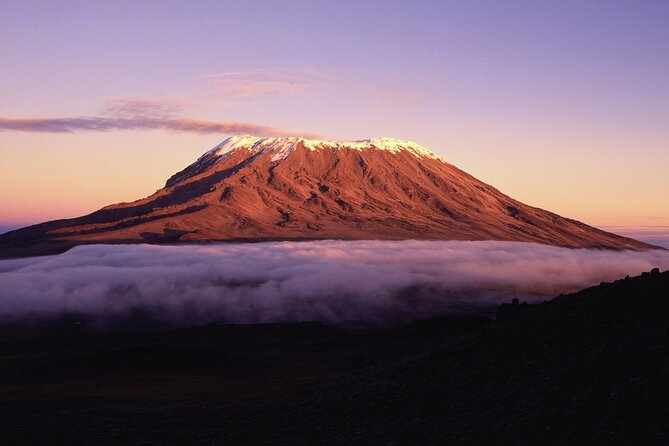
Kilimanjaro rises to 19,341 feet, or 5,895 meters, and the route you choose affects more than the views. It affects how much time you have to adjust to thin air, how crowded the trail feels, and how tired you are when the summit attempt begins.
Lemosho approaches from the west through the Londorossi Gate. The early miles pass through forest, then open onto the Shira Plateau. This gives you a broad range of scenery without rushing straight toward the summit. The route also includes a useful high point at Lava Tower before dropping to Barranco Camp, a classic acclimatization pattern that lets you sleep lower after spending time higher.
I especially like that the itinerary does not treat the mountain as a race. The first days are fairly moderate, and the schedule includes Moir Camp, the Lent Hills area, and a full night at Karanga Camp. Those details matter. On Kilimanjaro, the goal is not simply to gain height. It is to give your body time to respond.
The tradeoff is that eight days on a mountain demands patience and stamina. You will spend many hours walking slowly, waiting for meals, resting in camp, and repeating the basic rhythm of hike, eat, sleep, and hike again. If you want a quick summit challenge, this may feel too long. If you want a better-paced attempt, the extra time is useful.
More Kilimanjaro routes and climbs:
- Kilimanjaro climb by Lemosho Route (7-day)
★ 5.0 · 651 reviews - Kilimanjaro climb, Machame Route (7-day)
★ 5.0 · 262 reviews - Kilimanjaro Climbing Lemosho Route 8 Days.
★ 5.0 · 186 reviews
Day 1: Forest Camp and the western trailhead
The first morning begins at 8:00 a.m., with a drive from Arusha to the Londorossi Gate. The road transfer is a practical part of the day, though it can make the opening stretch feel longer than the four-mile hike suggests.
At the gate, you meet the wider mountain crew and begin walking through Afromontane rainforest. The trail rises from about 7,742 feet to 9,498 feet, taking roughly three to four hours. Lunch is eaten on the trail, and Forest Camp is reached in the middle of the afternoon.
This is a gentle introduction by Kilimanjaro standards. The forest is the main attraction, with thick vegetation and the possibility of spotting wildlife. The advice here is to walk slowly from the first hour, even if you feel fresh. Many people make the mistake of treating Day 1 as a warm-up hike and then paying for it later.
The first camp is also where you begin learning the practical routine: keeping clothing dry, organizing your sleeping gear, carrying water, and letting the guides set the pace. Those small habits become important once the air gets thin.
Day 2: From forest to the Shira Plateau
Day 2 covers about five miles and takes five to six hours. You climb from Forest Camp toward Shira 1 Camp, moving through podocarpus and juniper forest before reaching heather and volcanic rock marked with lichen.
The change happens quickly. The enclosed forest gives way to open ground, and Kibo, Kilimanjaro’s main peak, comes into view. The sight of the summit from Shira is one of the route’s early rewards because you can see the destination while still being far from it.
You finish around 11,500 feet, so this is the point where altitude may begin to affect your sleep, appetite, or energy. The best approach is plain and unglamorous: drink what you are told to drink, eat even if you are not hungry, and report symptoms early.
The campsite’s open setting can also mean more exposure to wind and cold than the forest camp. Keep a warm layer accessible rather than burying it at the bottom of your bag.
Day 3: The Shira Plateau and Moir Camp
The third day crosses one of the most scenic parts of the route. The walk across the Shira Plateau takes roughly three to four hours to the lunch stop, followed by a climb to Moir Camp at about 13,800 feet.
Shira is an unusual place to walk. It is a high volcanic plateau with moorland meadows and wide views toward Kibo. The trail can feel less physically dramatic than the summit day, but the altitude makes every steady incline count.
Moir Camp is a useful acclimatization stop. If you still have energy, an afternoon hike in the Lent Hills may be offered. This is not an invitation to prove your toughness. It is an optional chance to walk higher and return to camp, but you should only take it if you feel well and your guide agrees.
This is also a good night to pay attention to your body. A headache or mild breathlessness can happen at altitude, but worsening symptoms should never be hidden. One family’s climb ended with a parent unable to summit because of altitude sickness. That is disappointing, but turning around is the correct decision when your health requires it.
A few more trips of this kind worth comparing:
- Safari Serengeti And Ngorongoro
★ 5.0 · 288 reviews - Climbing Kilimanjaro – Machame Route
★ 5.0 · 170 reviews - Climbing Kilimanjaro through 7 days Machame Route
★ 5.0 · 151 reviews - Kilimanjaro climb, Lemosho Route (8-day)
★ 5.0 · 148 reviews
Day 4: Lava Tower, giant groundsels, and Barranco
Day 4 is one of the most valuable days on the route. You climb from Moir Camp to the Lava Tower at 15,223 feet, then descend to Barranco Camp at about 13,044 feet. The walk covers about four to six hours and roughly seven kilometers.
This is the classic climb high, sleep lower day. You spend time at a higher elevation, then descend to rest. It may feel odd to lose altitude after working hard to gain it, but the pattern helps prepare you for the summit attempt.
The Lava Tower is a volcanic rock formation, and a 300-foot ascent may be possible if you feel strong. Treat that option with caution. The main value of the day is already built into the route, so you do not need the extra climb to make it worthwhile.
Below the tower, the trail passes through the Garden of the Senecios, an area known for giant groundsel plants and giant lobelias. These strange, oversized plants make the high moorland feel almost otherworldly without needing any special interpretation.
Barranco Valley is often considered one of the prettiest sections of the climb. The camp sits below steep volcanic walls, and the setting gives you a dramatic place to rest before the next morning’s hands-on challenge.
Day 5: The Barranco Wall and Karanga Camp
Day 5 is short by distance, about three miles and four to five hours, but it is not effortless. The main obstacle is the Barranco Wall, where you may need to use all four limbs to work your way upward.
Despite its intimidating appearance, this is not described as a technical rock-climbing pitch. It is a steep trail section that requires careful movement, balance, and confidence. Let the guides set the pace, and do not worry about looking elegant. Everyone has an awkward moment on a steep mountain.
After the wall, the trail rises and falls toward Karanga Camp at about 13,123 feet. The repeated inclines and declines can be tiring, especially after the previous day’s higher altitude.
The choice to spend a full night at Karanga is one of the itinerary’s strengths. You remain high enough to continue acclimatizing, but you are not forced into a long push before the summit bid. The campsite is also known for striking sunset views toward the southern glacial valleys and ice fields.
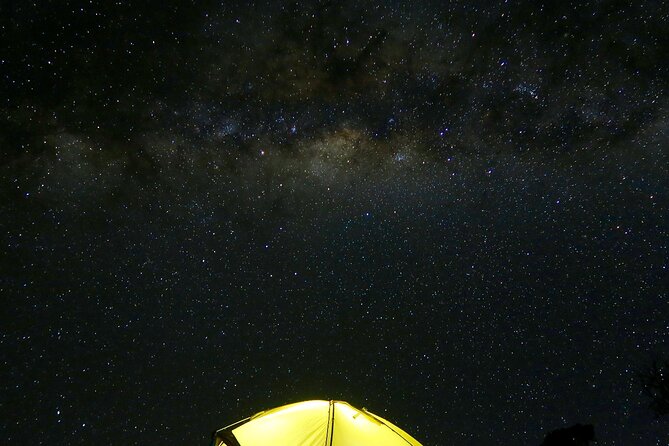
This is a good point to check your equipment. You should know where your warmest layers, gloves, headlamp, and water are before summit night. The less time you spend searching through bags in the dark, the better.
Day 6: Barafu Camp and the final rest
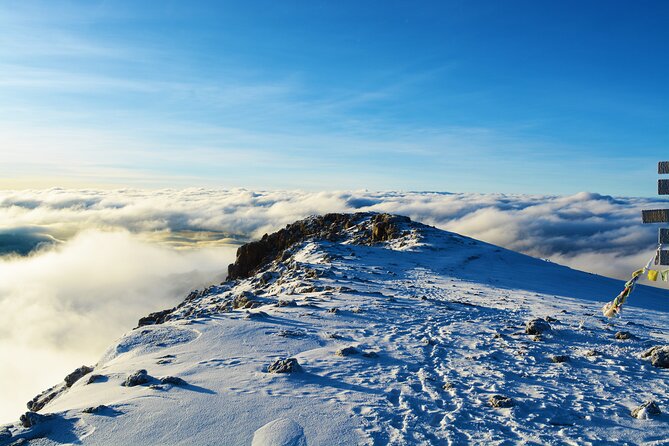
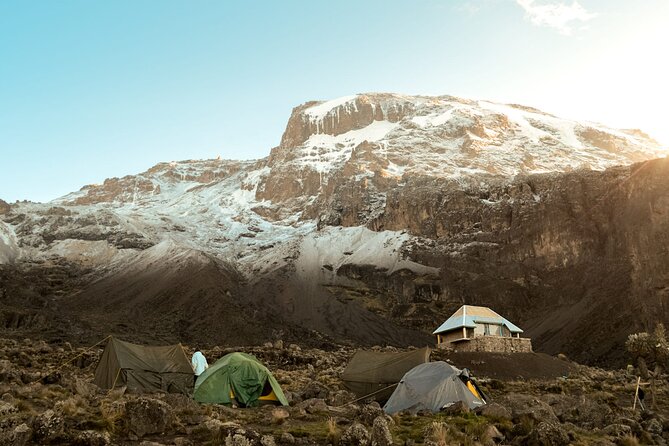
The published schedule gives Day 6 as the move to Barafu Camp, the high camp used before the summit attempt. The route climbs through alpine desert, with little plant life and strong winds possible. Mawenzi Peak may appear across the mountain in the evening.
The supplied altitude figures for this day are inconsistent, listing a summit elevation before the Barafu description. The written plan clearly describes a half-day ascent to Barafu, followed by lunch, rest, an early dinner, and sleep before the midnight summit attempt. Confirm this point with Spirit of Kilimanjaro before departure so you have the correct day-by-day plan.
Barafu is not meant to be a sightseeing camp. It is exposed, cold, and functional. You eat, rest, and prepare for the hardest part of the climb. A relatively early dinner matters because the summit attempt starts just before midnight.
At this stage, a moderate fitness level is only the starting point. The bigger test is how your body handles altitude. You might feel strong at breakfast and poorly later the same day. Good guides monitor this closely, and direct communication is essential.
Day 7: Stella Point, Uhuru Peak, and the long descent
The summit attempt starts before midnight. You climb in darkness through the coldest and windiest section of the trek, moving slowly toward Stella Point on the crater rim at 18,652 feet.
The schedule describes reaching Stella Point around dawn. This timing gives you a chance to see sunrise over Mawenzi Peak, one of the most memorable moments on the route. From Stella Point, the final section to Uhuru Peak is relatively short compared with the entire summit effort, but altitude makes it feel much harder than the distance suggests.
At Uhuru Peak, you reach the Roof of Africa at 19,341 feet. The celebration is brief for good reason. You still need to descend, and the descent can be physically punishing after hours of uphill walking.
The published Day 7 figures appear truncated and do not fully match the summit description. The text indicates a summit day followed by descent from Barafu, while Day 8 continues the descent through forest. Ask for the exact overnight location and transport plan before you pay.
Do not judge success only by reaching the summit. One of the strongest practical lessons from the available feedback is that a person may need to turn around because of altitude sickness. A responsible guide will place your safety ahead of a photograph at Uhuru.
Day 8: Returning through the forest to Moshi
The final day continues the descent through montane forest. After breakfast, you walk down and are picked up around midday for the transfer back to your hotel, where a shower and celebratory dinner await.
The schedule lists about ten hours for the day, which likely includes walking and the transfer, but the exact timing should be confirmed. After a summit night and a long descent, even a simple vehicle ride can feel like part of the reward.
This last stretch also gives you a chance to say goodbye to the mountain crew. The personal side of the climb matters. Names connected with this experience include Yobu Eliamani Mbwambo, Rama, Paulo, and William. Feedback especially praises guides who adjusted the pace and mood of the group, and that flexibility is valuable when energy levels change from day to day.
Camping, meals, and what the price means
At $2,670 per person, this is not a budget walk, but the value depends on what the fee covers. The package includes breakfast eight times, lunch nine times, and dinner eight times, along with pickup arrangements and what is described as Signature Camping: spacious tents, comfortable camp conditions, and substantial meals.
On an eight-day mountain route, food and camp support are not minor extras. You need regular meals to keep moving, and a decent tent setup becomes more valuable each night as the temperature drops and fatigue builds.
International flights and visas are not included. You should also check exactly what transport, park fees, equipment support, crew gratuities, and hotel nights are included, since those costs can change the true total.
The maximum group size is listed as 100 people. That is a large possible cap, although your actual climbing group may be smaller. Ask how groups are divided and how many guides support each group. Personal attention matters most on summit night and when anyone develops altitude symptoms.
Who should book this Kilimanjaro climb?
I would consider this route for someone who wants scenery and a measured schedule rather than the shortest possible ascent. The eight-day plan gives you more time than a rushed itinerary, and the Lemosho route offers a strong sequence of forest, plateau, volcanic formations, high desert, and summit terrain.
You should be comfortable walking for several hours on consecutive days and sleeping in camps. You also need to accept that reaching the summit is never guaranteed. Altitude can affect strong hikers, and turning back is sometimes the safest and wisest outcome.
This may not suit you if you dislike camping, have no interest in a very early summit start, or want a relaxed holiday with only occasional walking. The route is beautiful, but the beauty comes with cold mornings, long climbs, thin air, and basic mountain routines.
Spirit of Kilimanjaro received a five-star overall rating from six submitted reviews, with repeated praise for friendly, efficient guiding and good organization. One group completed the route in six days with Rama and Paulo, but I would not use that as your target. The eight-day schedule is the safer choice for acclimatization, and shortening it removes part of the route’s main advantage.
Should you book it?
Book this climb if you want a scenic, slower-paced Kilimanjaro route and you are willing to prepare seriously for high altitude. The strongest reasons are the Lemosho scenery, the extra acclimatization time, the helpful camp position at Karanga, and the guiding team’s reported ability to adapt to different group needs.
Before booking, get the corrected Day 6 and Day 7 schedule in writing. Also ask about the actual group size, what the $2,670 includes beyond meals and camping, and how altitude problems are handled.
If those answers are clear, this is a compelling route for a determined hiker. Go for the mountain experience first, and treat Uhuru Peak as the reward, not a promise.
FAQ
Where does the climb begin?
The climb begins at Londorossi Gate in Kilimanjaro National Park after transport from Arusha. The Lemosho Route approaches Mount Kilimanjaro from the west.
How long is the experience?
The planned duration is eight days. The hiking times vary by day, with the longest effort taking place around the summit attempt.
What time does the tour start?
The listed start time is 8:00 a.m.
Is pickup available?
Yes. Pickup is offered, and the final day includes transfer back to your hotel in Moshi after the descent.
What meals are included?
The package includes breakfast eight times, lunch nine times, and dinner eight times.
Are international flights and visas included?
No. International flights and visas are not included in the price.
What fitness level is required?
You should have a moderate level of physical fitness. The climb includes several hours of walking on most days, steep sections such as the Barranco Wall, and a cold, demanding summit attempt at high altitude.
Just added around Moshi
- Moshi: Lake Chala Tour: Hiking &/or Kayaking★ 4.5 · 3 reviews
- 3 Days Tanga Exclusive Beach Holiday★ 5.0 · 3 reviews
- Serengeti Wildebeest Migration.★ 5.0 · 3 reviews
- Chemka Hotpsrings E-Bike Day Trip★ 5.0 · 3 reviews
- Explore 1 day Ngorongoro Crater Budget Group Safari from Arusha★ 5.0 · 3 reviews
- Explore the 360° of Kilimanjaro★ 5.0 · 3 reviews
- Affordable Short Tanzania Safari (2 Days Camping Safari)★ 5.0 · 3 reviews
- Rongai Route 7 Days★ 5.0 · 3 reviews
Kilimanjaro Treks, compared.



8-Day Small-group Lemosho Kilimanjaro Summit Trekking
Read our review →


Climbing Kilimanjaro through 7 days Machame Route
Read our review →

Browse the lists this tour appears in