
Reviewed · KILIMANJARO TREKS
9 Days Kilimanjaro Climb via Lemosho Route
Kilimanjaro rewards patience. This 9-day climb via the Lemosho Route gives you a gradual approach, time to adjust to altitude, and a superb range of scenery, from rainforest to volcanic desert. I especially like the long acclimatization schedule and the route’s western start at Lemosho Gate, far from the busier lower slopes. The main drawback is the cost, $3,450 per person, plus sleeping-bag rental, insurance, visa fees, and other personal expenses.
I also like how the trip handles the difficult practical pieces: airport pickup, a Moshi briefing, prepared camps, hot tea, washing water, meals, and a support team carrying camp equipment. You should be ready for basic mountain camping, very cold conditions near the summit, and an exhausting summit day that lasts about eight hours.
In This Review
- Key points to know before booking
- Why the Lemosho Route is worth nine days
- Day 1: Airport arrival and a Moshi briefing
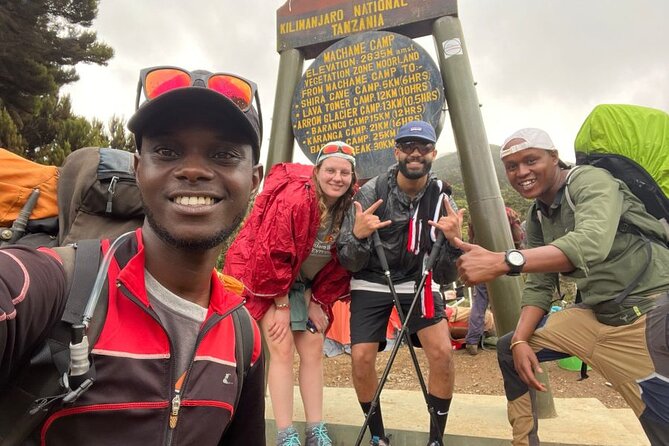
- Day 2: From Lemosho Gate into the rainforest
- Day 3: Leaving the forest for Shira 1
- Day 4: Shira 2 and a useful acclimatization day
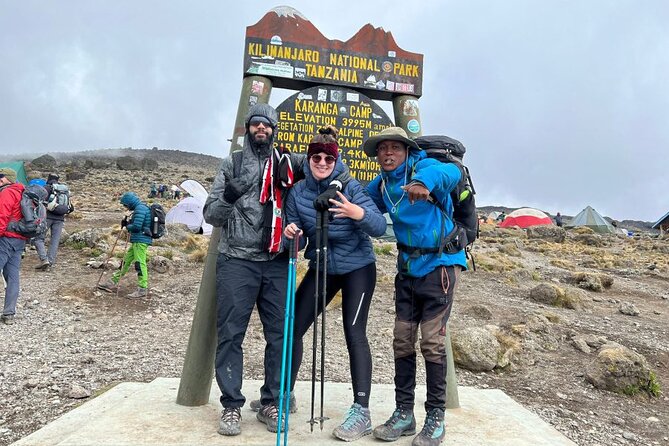
- Day 5: Alpine desert and Lava Tower
- Day 6: Karanga, ice fields, and a dramatic sunset
- Day 7: Barafu Camp and the wait for summit night
- Day 8: Stella Point, Uhuru Peak, and the long descent
- Day 9: Mweka Gate and a proper return to comfort
- Meals, water, and camp support
- Is $3,450 a fair price?
- Who should book this climb?
- Booking details and cancellation
- Should you book the Lemosho climb?
- FAQ
- How long is the Kilimanjaro climb?
- Where does the climb begin?
- Is airport pickup included?
- Are meals included?
- Is a sleeping bag included?
- What happens on summit day?
Key points to know before booking
- Nine days gives you useful altitude time: The itinerary moves gradually through Shira 1, Shira 2, Lava Tower, Karanga, and Barafu before summit night.
- The route begins in rainforest: At Lemosho Gate, 2,360 meters above sea level, you enter dense forest where monkeys and unusual birds might be seen.
- Summit night starts after midnight: Expect a cold, dark climb of about six hours to Stella Point, followed by another hour or two to Uhuru Peak.
- The scenery changes dramatically: You pass rainforest, heath, the Shira Plateau, alpine desert, southern ice fields, and Mawenzi views.
- The support arrangements are practical: Tents are set up before you arrive, and hot tea and washing water are provided at camp.
- This is a private trip: Only your group participates, which can make the pace and daily routine easier to manage.
Why the Lemosho Route is worth nine days
Kilimanjaro is not a technical mountain climb, but altitude makes it serious. The highest point, Uhuru Peak, reaches roughly 5,895 meters, and the main challenge is giving your body enough time to adjust.
That is where this itinerary earns its keep. Instead of racing upward, you spend several nights at useful intermediate elevations. The move from Shira 1 to Shira 2 is short. Lava Tower gives you time high on the mountain before you sleep lower at Karanga. Barafu then serves as the final staging camp.
This daily up-and-down pattern is helpful for acclimatization, though it does not make the climb easy. You still need moderate physical fitness, steady walking habits, and the ability to sleep in a tent for several nights.
The Lemosho route also offers one of Kilimanjaro’s most varied approaches. You begin among tall forest, break into open heath, cross the Shira Plateau, and then walk through increasingly bare volcanic country. By summit night, plants have almost disappeared, and the mountain feels cold, exposed, and severe.
The route is often associated with good summit success rates, but no operator can guarantee that you will reach Uhuru Peak. Altitude sickness, weather, exhaustion, or other health concerns may force a retreat. The sensible goal is a safe climb, with the summit as the reward rather than the only measure of success.
More Kilimanjaro routes and climbs:
- Kilimanjaro climb by Lemosho Route (7-day)
★ 5.0 · 651 reviews - Kilimanjaro climb, Machame Route (7-day)
★ 5.0 · 262 reviews - Kilimanjaro Climbing Lemosho Route 8 Days.
★ 5.0 · 186 reviews
Day 1: Airport arrival and a Moshi briefing
The trip begins with pickup at Kilimanjaro International Airport, followed by transfer to Keys Hotel in Moshi. The stated start time is 8:00 a.m., and the first day can occupy much of your schedule, especially if your flight arrives early.
The overnight in Moshi is useful. You can meet the team, receive a climb briefing, and sort out any last-minute questions before heading into the park. It is also your chance to check that you have the clothing and personal equipment needed for cold nights and a long summit push.
Keys Hotel is the base listed for the first and final nights. After the mountain, you return there for a hot shower, a cold drink, a debrief, and your achievement certificate. That return to ordinary comforts will feel well earned.
Day 2: From Lemosho Gate into the rainforest
The drive to Londorossi Gate takes about two and a half hours. National park registration takes place there, then the vehicle continues another 15 kilometers into the forest before you begin walking.
The trail starts at about 2,360 meters and climbs moderately toward Big Tree Camp at 2,780 meters. The walking time is around four hours, making this a gentle first day by mountain standards.
This is one of the most pleasant parts of the route. The forest is dense, shaded, and full of bird calls. Monkeys and interesting birds may appear along the trail, so keep your eyes open rather than staring only at your boots.
At camp, your tent should already be prepared. Hot tea and washing water are waiting, small comforts that matter after a dusty drive and a first day on foot. The camp routine is simple: eat, wash, organize your sleeping space, and rest.
Day 3: Leaving the forest for Shira 1
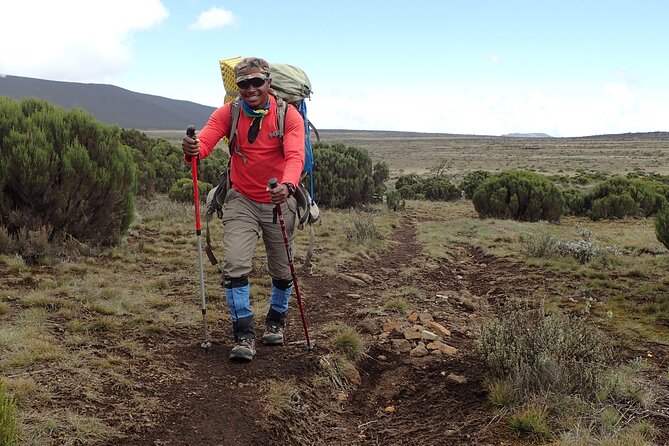
Day three brings a clear change in scenery. You climb through Podocarpus and juniper forest, then leave the trees behind as the route enters the heath zone and opens onto the Shira Plateau.
The walk takes about six hours, with lunch eaten on the trail. You reach Shira 1 Camp in the middle of the afternoon, giving you some time to settle in before dinner.
This is an important day psychologically. The forest can feel like a conventional hike, but the open plateau reminds you that you are climbing a high volcanic mountain. The air is thinner, the vegetation is lower, and the views become broader.
You may also notice that exposed sections feel windier and cooler than the forest. Keep a warm layer within easy reach, even if the morning began pleasantly.
A few more trips of this kind worth comparing:
- Safari Serengeti And Ngorongoro
★ 5.0 · 288 reviews - Climbing Kilimanjaro – Machame Route
★ 5.0 · 170 reviews - Climbing Kilimanjaro through 7 days Machame Route
★ 5.0 · 151 reviews - Kilimanjaro climb, Lemosho Route (8-day)
★ 5.0 · 148 reviews
Day 4: Shira 2 and a useful acclimatization day
The route continues toward Shira 2 Camp, with about six hours of walking and meaningful altitude gain. Despite the length of the day, the schedule calls this a short day in terms of distance and effort, and you should arrive in time for lunch.
That early arrival is valuable. After eating, you can rest or take an optional afternoon walk with the guides. Do not treat the extra walk as a test of strength. Its value is gentle movement at altitude, not proving that you can walk farther than everyone else.
Shira 2 is one of the nights that makes a nine-day plan more appealing. You are gaining height without having to rush through camp. The best approach is to walk slowly, drink regularly, eat as much as you can, and report symptoms such as headache, nausea, dizziness, or unusual fatigue.
Day 5: Alpine desert and Lava Tower
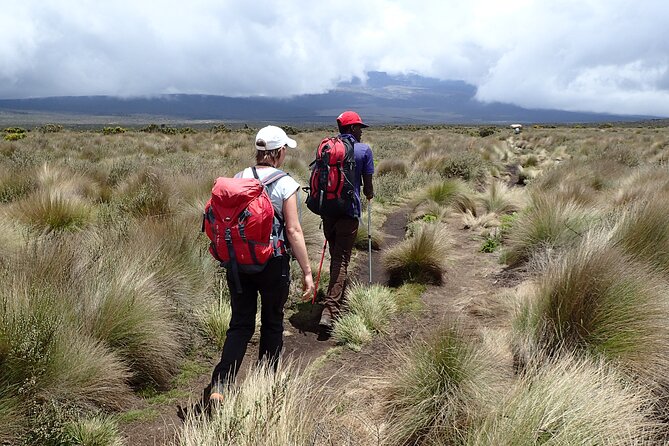
The trail to Lava Tower moves out of the heath zone and into alpine desert. Vegetation becomes sparse because of the extreme temperature changes and harsh conditions.
The day is divided into two half-days. Lunch is eaten at camp, and, if weather allows, you may have the option to scramble to the top of nearby Lava Tower in the afternoon.
Lava Tower is a useful point in the climb because it puts you at significant altitude before the route later descends toward Karanga. That exposure helps your body adjust, but it can also make this day feel harder than the walking time suggests.
The optional scramble should be approached sensibly. Weather conditions control the plan, and you should not force the issue if you are tired or feeling unwell. A good summit attempt depends more on disciplined pacing than on squeezing every possible activity into the schedule.
Day 6: Karanga, ice fields, and a dramatic sunset
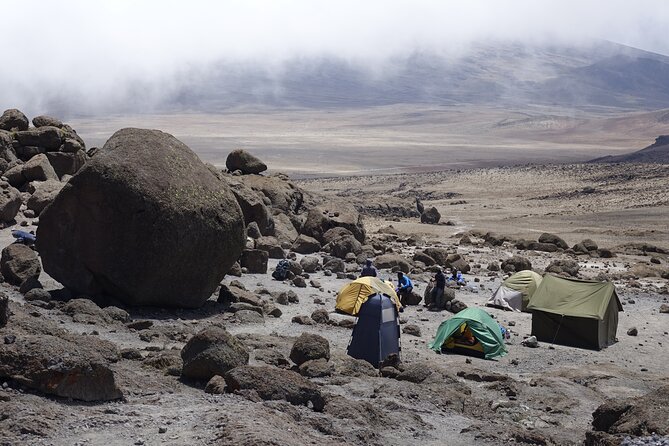
Day six is relatively long, with about five hours of walking to Karanga Camp. The camp’s location is strategic because spending more time at altitude helps with acclimatization before the final ascent.
The southern glacial valleys and ice fields rise dramatically above the camp, with the route description placing them about 1,000 meters higher. In the late afternoon, the sunset can be especially striking, with Mawenzi and the high mountain surroundings catching the changing light.
Karanga is also a good reminder that the mountain is not just a race to the summit. The route gives you time to look around and understand the changing geology. Earlier forest scenery has now given way to bare rock, cold air, and large open views.
Expect a basic night. Strong winds can affect exposed camps, and temperatures drop quickly after sunset. Pack your warm clothing where you can reach it without emptying your whole bag.
Day 7: Barafu Camp and the wait for summit night
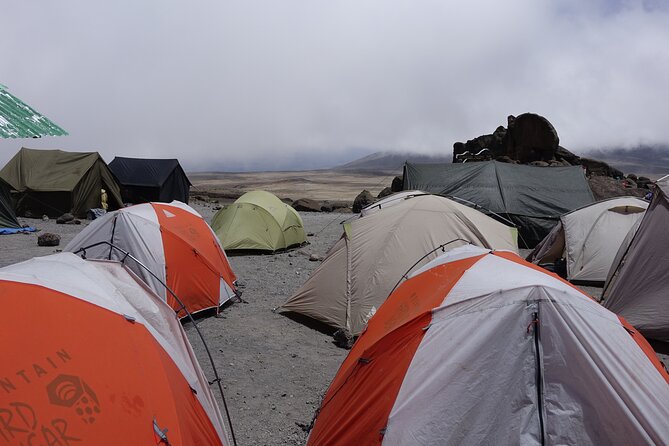
The climb to Barafu Camp takes around five hours. This is another half-day, with lunch taken at camp and time set aside for rest before the summit bid.
Barafu is a harsh place. It sits in an exposed alpine desert, and strong winds can sweep through camp. At the same time, the evening may bring beautiful views of Mawenzi volcano, a reminder that Kilimanjaro has more than one impressive summit shape.
You should use the afternoon carefully. Eat, drink, rest, and prepare your headlamp and warm layers. Summit night begins just after midnight, so your normal day-night rhythm is about to disappear.
This is where a good guide team matters. The company’s past departures have included guides named David, Gasper, Siza, and Mwinyi. Accounts of the team place strong emphasis on encouragement, attentive support, humor, and food, with one group describing the staff as caring like family. Names and assignments can change, but that gives you a useful sense of the service style to expect.
Day 8: Stella Point, Uhuru Peak, and the long descent
Summit day starts in darkness and cold. You climb frozen volcanic dust by headlamp toward Stella Point on the crater rim, a section that takes about six hours.
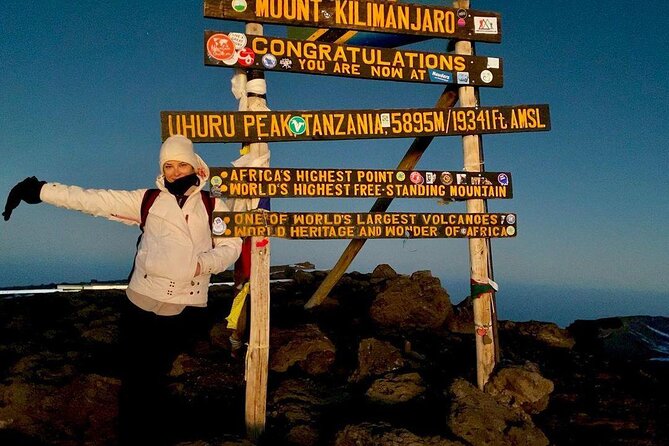
The timing is designed to bring you to Stella Point around sunrise. From there, it is another hour or two to Uhuru Peak, the highest point on Kilimanjaro. You will have time for brief photographs and congratulations, but do not linger too long. Cold, altitude, and fatigue all become more serious at the top.
The descent begins after the summit stop. The ash that was frozen during the night may have thawed, making the trail steep, loose, and dusty. You return to Barafu for a short tea break, then continue down to Mweka Camp at 3,080 meters.
The listed walking time is about eight hours, but summit day can feel much longer because it combines the midnight start, the climb to the crater rim, the push to Uhuru Peak, and the descent. Drink plenty of fluids and eat a good supper at Mweka. Your body will need the recovery.
Day 9: Mweka Gate and a proper return to comfort
The final morning begins with a farewell ceremony from the porters. It is a traditional closing to the mountain portion of the trip and gives you a chance to recognize the people who helped carry equipment, prepare camp, and keep the daily routine moving.
The walk to Mweka Gate takes about three hours through greener forest. After the stark alpine zones, the return to trees feels almost lush, even though the route is familiar in reverse.
At the gate, your driver takes you back to Keys Hotel in Moshi. A hot shower, cold drink, debrief, and certificate await you. The listed walking time for the day is about four hours, including the descent and related arrangements.
Meals, water, and camp support
The package includes seven lunches, seven dinners, and eight breakfasts. That matches the seven nights spent on the mountain and the breakfasts needed for the climbing days, though you should clarify exactly what is included on the arrival and return days.
Three liters of bottled drinking water are provided on the first day of the hike. Since hydration is especially important at altitude, ask the operator how additional daily water is handled and budget accordingly if necessary.
A first aid kit and pulse oximeter are included. An oxygen cylinder is carried for emergencies only, not as a substitute for safe pacing or a proper descent when altitude illness becomes serious.
Sleeping bags are not included. This is one of the most important extra costs to plan for, since nights at high camp and summit night are cold. Health insurance, visa fees, and laundry are also separate. Hotel laundry is listed at $1 per item.
The tents are set up before you arrive, and hot tea and washing water are provided at camp. Those details may sound modest, but they reduce daily chores and let you focus on walking, eating, resting, and staying warm.
Is $3,450 a fair price?
At $3,450 per person, this is not a budget climb. The value comes from the nine-day schedule, airport transfer, Moshi hotel nights, private group format, park access, camp organization, meals, guide support, and the longer acclimatization plan.
You are paying for time as much as for transport and equipment. A shorter itinerary may cost less, but it gives your body fewer chances to adjust and leaves less room for rest. On Kilimanjaro, that can be a poor bargain if the lower price comes with a much harder altitude schedule.
The price is easier to justify if you value a private departure and organized support from airport to certificate. It is less attractive if you already own the needed gear, prefer a larger shared group, or are comparing it with a simpler operator that offers similar safety and logistics.
Before paying, confirm what the price covers beyond the items listed here. Ask about airport pickup timing, extra drinking water, sleeping-bag arrangements, staff tipping expectations, and what happens if you must descend early. Those questions are practical, not fussy.
Who should book this climb?
I would recommend it to someone who wants a carefully paced Kilimanjaro attempt and prefers a private group. The route suits you if scenery matters, since it offers forest, heath, plateau, alpine desert, ice fields, and volcano views rather than a quick climb through only a few zones.
It also suits a person who appreciates strong human support. The team’s highly praised qualities include daily encouragement, reassuring communication, generous meals, humor, and close attention to the group’s welfare.
You should be comfortable with basic camping and a moderate level of fitness. This is not a sightseeing tour with an occasional walk. It includes several hours of walking most days, a midnight summit start, cold exposure, altitude, and a long descent after reaching the top.
The private format may be less suitable if you want to meet a wide range of climbers or keep the price as low as possible. A nine-day climb also requires more time away from work and other plans than shorter routes.
Booking details and cancellation
Pickup is offered from Kilimanjaro International Airport, and the meeting point is listed at Kilimanjaro National Park in Tanzania, with an 8:00 a.m. start time. Confirmation is provided at booking, and the activity is private for your group.
You can cancel at least 24 hours before the local start time for a full refund. Cancellations or changes made less than 24 hours before the start are not accepted for a refund.
Should you book the Lemosho climb?
Book this trip if you want the longer, slower Lemosho approach, private group arrangements, and a support team that places real attention on morale, meals, and daily care. The itinerary gives you a sensible amount of time at altitude and a memorable sequence of changing mountain zones.
Think twice if $3,450 stretches your budget, you need a sleeping bag included, or you are not prepared for a cold midnight start followed by a full day of descending. For a fit and realistic climber who values organization and a high-support team, this is a strong Kilimanjaro option, provided you confirm the extra costs and equipment details before booking.
FAQ
How long is the Kilimanjaro climb?
The experience lasts approximately nine days, including airport arrival, the mountain climb, the return to Moshi, and the final debrief.
Where does the climb begin?
The walking section begins at Lemosho Gate, at an altitude of about 2,360 meters. You first register at Londorossi Gate, then drive farther into the rainforest before starting on foot.
Is airport pickup included?
Yes. Pickup is offered from Kilimanjaro International Airport, followed by transfer to Keys Hotel in Moshi for the briefing and overnight stay.
Are meals included?
Seven lunches, seven dinners, and eight breakfasts are included. You should confirm how meals are handled on the arrival and return days.
Is a sleeping bag included?
No. Sleeping bags are not included, so you need to bring one or arrange one separately.
What happens on summit day?
You leave Barafu Camp just after midnight and climb by headlamp for about six hours to Stella Point. From there, Uhuru Peak is another one to two hours, followed by a descent to Barafu and then Mweka Camp.
Just added around Moshi
- Moshi: Lake Chala Tour: Hiking &/or Kayaking★ 4.5 · 3 reviews
- 3 Days Tanga Exclusive Beach Holiday★ 5.0 · 3 reviews
- Serengeti Wildebeest Migration.★ 5.0 · 3 reviews
- Chemka Hotpsrings E-Bike Day Trip★ 5.0 · 3 reviews
- Explore 1 day Ngorongoro Crater Budget Group Safari from Arusha★ 5.0 · 3 reviews
- Explore the 360° of Kilimanjaro★ 5.0 · 3 reviews
- Affordable Short Tanzania Safari (2 Days Camping Safari)★ 5.0 · 3 reviews
- Rongai Route 7 Days★ 5.0 · 3 reviews
Kilimanjaro Treks, compared.



8-Day Small-group Lemosho Kilimanjaro Summit Trekking
Read our review →


Climbing Kilimanjaro through 7 days Machame Route
Read our review →

Browse the lists this tour appears in