
Reviewed · KILIMANJARO TREKS
Climb Kilimanjaro 8-Day Lemosho Route with Stunning Scenic Views
The long way up pays off. This 8-day Lemosho climb gives you changing scenery, a gentler acclimatization schedule, and a better-planned summit attempt than the shorter version. I especially like the quiet opening through rainforest and the extra night at Karanga, which breaks up the climb before the hard push to Barafu. The tradeoff is clear: summit day lasts 12 to 14 hours, and the Barranco Wall plus a midnight ascent demand real stamina.
This is a private climb with your own group, supported by guides, assistant guides, porters, and a cook. The price of $3,373.24 per person covers park fees, camping, meals, wages, water, and basic emergency equipment, so it represents a substantial package rather than a simple guided walk. Still, you must budget for tips, insurance, flights, visas, personal gear, snacks, and possibly a portable toilet.
- Eight days on Lemosho: The extra time helps your body adjust before the summit attempt.
- Rainforest to glacier country: The route changes from thick forest to open plateau, semi-desert slopes, and high volcanic terrain.
- Barranco Wall included: This is a steep, hands-on section, but it requires no technical climbing.
- Shorter pre-summit day: You reach Barafu Camp after roughly four to five hours, leaving time to eat and rest.
- Private group format: Only your group takes part, with pickup offered in Moshi and group discounts available.
- Two completion certificates: Reaching Stella Point earns a green certificate, while Uhuru Peak earns a gold one.
In This Review
- Why the 8-Day Lemosho Route Makes Sense
- Day 1: Londorossi Gate to Mti Mkubwa Camp
- Day 2: From the Forest to Shira Camp One
- Day 3: A Gentle Crossing of the Shira Plateau
- Day 4: Lava Tower Acclimatization and Barranco Camp
- Day 5: Climbing the Barranco Wall to Karanga
- Day 6: Karanga to Barafu Camp
- Day 7: Uhuru Peak and the Long Descent
- Day 8: Mweka Trail and the Return to Moshi
- What the Price Covers at $3,373.24
- The Human Side of the Climb
- Who Should Book This Kilimanjaro Climb?
- Practical Details Before You Book
- Should You Book It?
- FAQ
- How long does the Kilimanjaro Lemosho climb last?
- What fitness level is required?
- Does the route include the Barranco Wall?
- What time does the summit attempt begin?
- Are meals included?
- Is personal hiking equipment provided?
- Is emergency oxygen included?
Why the 8-Day Lemosho Route Makes Sense
Kilimanjaro is not a technical mountain on this route. You do not need ropes or climbing instruction, but you do need a moderate fitness level and a willingness to walk slowly for many hours.
The chief benefit of eight days is pacing. The route gains height gradually, then uses a climb-high, sleep-lower pattern on Day 4. You walk up to Lava Tower at 4,600 meters, then descend to Barranco Camp at about 3,900 meters. That day can help your body adjust better than a route that simply pushes upward each day.
The eighth-day schedule also improves the summit plan. On the shorter seven-day version, the day before the summit can feel crowded with effort. Here, you reach Barafu Camp after a relatively short hike, eat, organize your clothing, and rest before setting out around midnight.
That does not make the summit easy. At 5,895 meters, Uhuru Peak is high enough for altitude problems, cold, wind, fatigue, and poor sleep to become serious concerns. Emergency oxygen is carried for emergencies only, not as a way to help you reach the top.
Day 1: Londorossi Gate to Mti Mkubwa Camp
After breakfast, you transfer from Moshi to Londorossi Gate for registration. From there, the first walk enters the rainforest and finishes at Mti Mkubwa Camp.
The distance is not extreme, with three to four hours of trekking and an elevation gain from 2,100 to 2,780 meters. This is a useful first day because it lets you get used to the pace, the tent routine, and the rhythm of walking with a mountain crew.
The forest is one of the route’s early rewards. Expect a lush setting rather than wide summit views. Mud and damp conditions can be possible in rainforest terrain, so waterproof boots and a rain cover for your pack matter.
More Kilimanjaro routes and climbs:
- Kilimanjaro climb by Lemosho Route (7-day)
★ 5.0 · 651 reviews - Kilimanjaro climb, Machame Route (7-day)
★ 5.0 · 262 reviews - Kilimanjaro Climbing Lemosho Route 8 Days.
★ 5.0 · 186 reviews
Day 2: From the Forest to Shira Camp One
Day 2 brings a major change in scenery. You continue through the upper rainforest before reaching the Shira Plateau, climbing from 2,780 to 3,500 meters over five to six hours.
This is the first point where Kibo Peak may come into view. The sense of space opens up, and the mountain begins to feel less like a forest walk and more like a high-altitude expedition.
The elevation gain is noticeable, especially for anyone arriving without prior acclimatization. Your best strategy is to walk slowly, drink regularly, and avoid treating the first few days like a fitness test. The guides’ pacing matters here, and the company has received repeated praise for attentive support and encouragement.
Day 3: A Gentle Crossing of the Shira Plateau
Day 3 is comparatively mild. You cross the Shira Plateau from 3,500 to 3,850 meters, walking for about four to five hours before sleeping at Shira Camp Two.
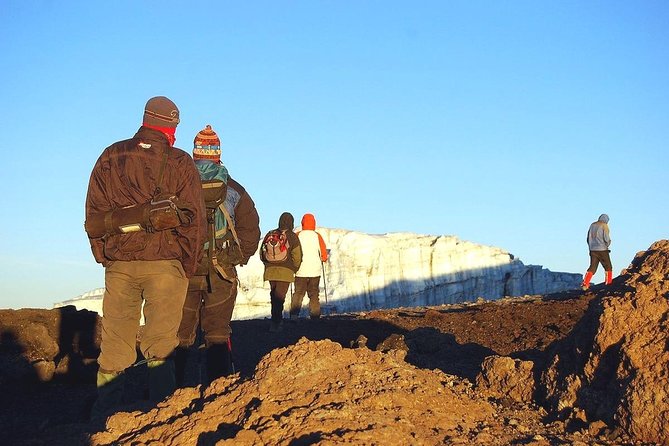
This day gives you broad views toward Mount Meru and the surrounding wilderness. It also provides valuable time at altitude without a punishing climb. For me, this is one of the route’s strongest design choices. You gain experience with the thinner air while still having enough energy to enjoy the setting.
Night temperatures can feel much colder on the plateau than in the forest. Keep warm layers, gloves, and a hat handy rather than burying them at the bottom of your bag.
Day 4: Lava Tower Acclimatization and Barranco Camp
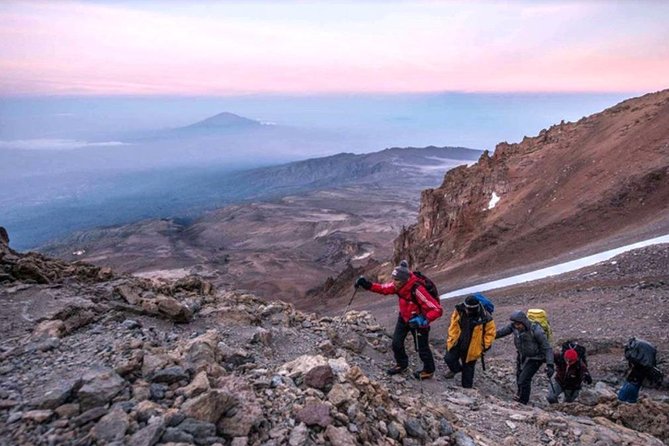
Day 4 is the route’s clever acclimatization day. You climb from Shira Camp Two toward Lava Tower at 4,600 meters, then descend to Barranco Camp at approximately 3,900 meters.
The day takes six to seven hours and crosses semi-desert terrain. You may feel the altitude during the climb to Lava Tower, but sleeping lower at Barranco is the point. This up-and-down pattern gives your body exposure to a higher elevation without making you sleep at the day’s highest point.
Barranco Camp sits below the famous Barranco Wall. The setting is scenic, but the next morning’s obstacle is impossible to ignore. Take the evening to organize your daypack, refill water, and prepare clothes for a cooler, steeper start.
A few more trips of this kind worth comparing:
- Safari Serengeti And Ngorongoro
★ 5.0 · 288 reviews - Climbing Kilimanjaro – Machame Route
★ 5.0 · 170 reviews - Climbing Kilimanjaro through 7 days Machame Route
★ 5.0 · 151 reviews - Kilimanjaro climb, Lemosho Route (8-day)
★ 5.0 · 148 reviews
Day 5: Climbing the Barranco Wall to Karanga
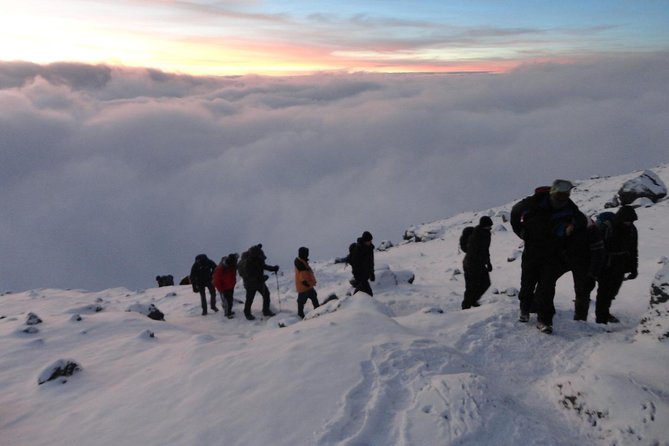
The Barranco Wall is the section many people worry about. It is steep and can involve using your hands for balance, but this itinerary does not require technical climbing equipment.
Guides are there to help with route choice and pacing. The climb is a physical challenge, yet it is also one of the most satisfying parts of the route because you can see progress with every careful step.
After the wall, you continue to Karanga Camp, rising only from about 3,900 to 4,035 meters. The four-to-five-hour day is short by Kilimanjaro standards. That matters because it gives you another night to adjust before Barafu and the summit attempt.
Several past climbers singled out the support team, including guides such as Justin JT and Sam. The praise focused on personal care, encouragement, and help with minor altitude sickness. That is useful context, but no guide can remove the risks of altitude. You still need to report headaches, nausea, unusual tiredness, or other symptoms promptly.
Day 6: Karanga to Barafu Camp
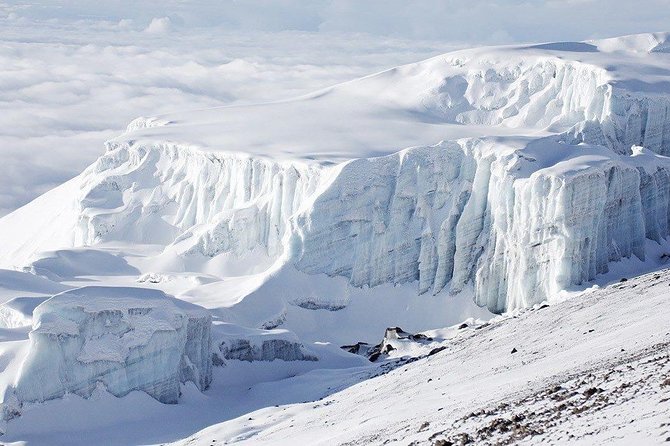
Day 6 takes you from Karanga to Barafu Camp, climbing from 4,035 to 4,673 meters in about four to five hours.
Barafu is the launch point for the summit. The word means ice, and the camp’s high, exposed position signals a change in the trip. There is little sightseeing to do now. Your main tasks are eating, drinking, checking your clothing, and resting.
The timing is important. You begin the summit attempt around midnight, so your afternoon at camp is less a normal rest period than an attempt to sleep at an unusual hour. A warm meal, organized equipment, and a calm crew can make this stage easier.
Pack your summit essentials before lying down. You do not want to sort gloves, headlamp, water, and extra layers while half-awake in the dark.
Day 7: Uhuru Peak and the Long Descent
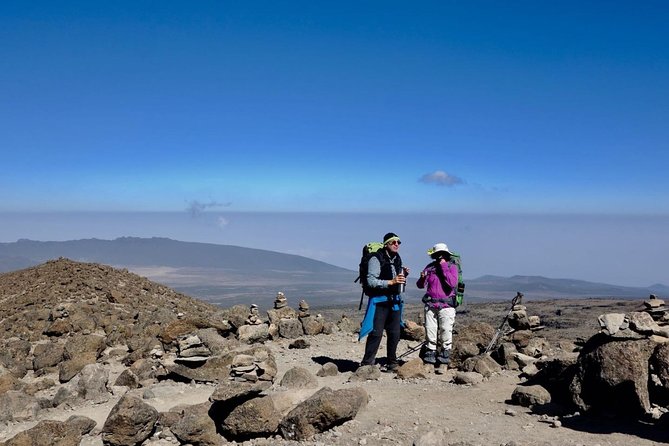
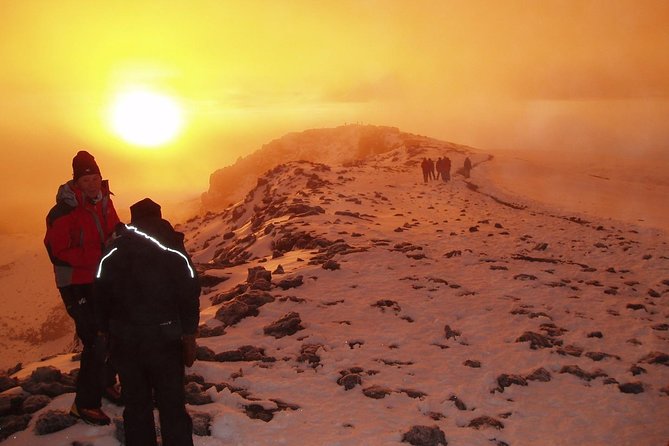
Summit day is the hardest part of the entire climb. You leave around midnight and aim to reach Uhuru Peak by sunrise.
The route rises from 4,673 meters to the summit at 5,895 meters. The climb is slow and steep, and the coldest hours come before daylight. After reaching the top, you descend first from the summit zone and continue to Mweka Camp at 3,068 meters.
The full day lasts 12 to 14 hours. That figure includes both the ascent and the long descent, so you should not think of reaching Uhuru Peak as the end of the day. Your legs still have many hours of work ahead.
The sunrise view from the Roof of Africa is the reward, but reaching Stella Point at 5,685 meters is also a meaningful achievement. The completion system recognizes both milestones: Stella Point earns a green certificate, and Uhuru Peak earns a gold certificate.
This is also the day to keep expectations sensible. A strong desire to summit does not cancel altitude or fatigue. The guide’s decisions should carry weight if you become unwell, and emergency oxygen is intended for emergencies rather than for pushing through symptoms.
Day 8: Mweka Trail and the Return to Moshi
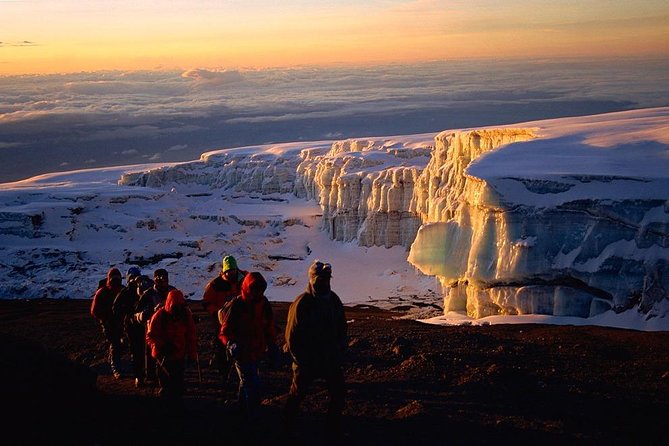
The final descent takes about three hours from Mweka Camp to Mweka Gate through rainforest.
At the gate, you sign your name to receive your certificate. A hot lunch is served, then you return to Moshi for showers and a proper celebration.
This is also the point when you present tips to the guide, assistant guides, cook, and porters. Tips are not included in the price, so plan for them before you start. It is practical to carry the money in an organized way and confirm recommended amounts with the operator before the climb.
The return to Moshi closes a demanding trip with a simple pleasure: clean clothes, a shower, and a bed. The activity begins and ends at the Moshi meeting point, and pickup is offered.
What the Price Covers at $3,373.24
At $3,373.24 per person, this is not a bargain mountain walk. It is a full support operation lasting eight days in a national park environment.
The package includes:
- All fees and taxes
- A qualified mountain guide and assistant guides
- Porters and a cook, including their wages
- Tents, sleeping mattresses, camp chairs, and tables
- Fresh drinking water and hot water for a daily wash
- Seven breakfasts and seven dinners
- Eight lunches
- A basic first aid kit
- Emergency oxygen for emergency use
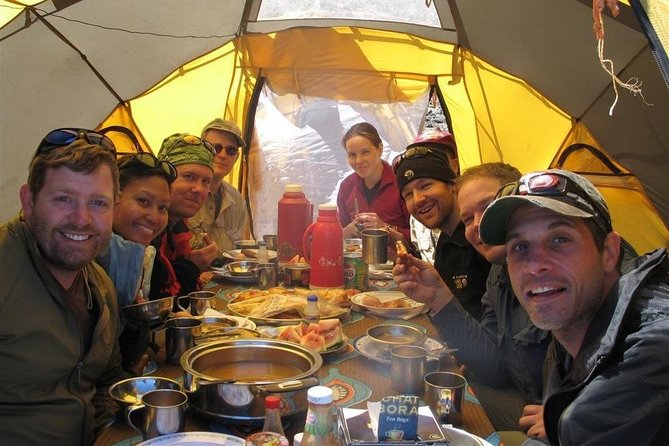
The food provision is worth noting. Past climbers praised the cook and described meals as surprisingly good, with one German-language account saying the food was better than restaurant food. Food quality is not a minor issue on a climb like this. A warm meal can help you maintain energy when your appetite is low.
The price does not cover flights, visas, travel insurance, health insurance, personal medicine, water-purifying tablets, snacks, personal hiking equipment, or gratuities. A portable toilet is optional but strongly recommended, and it costs extra. You can rent personal gear from equipment shops in Moshi, which may help if you do not want to buy cold-weather clothing for one climb.
Group discounts are available, but ask for the exact terms before booking. Since this is a private activity, you are not automatically joining a large mixed group.
The Human Side of the Climb
The strongest theme in the feedback is the support crew. Names including Mariam, Justin JT, Sam, Brian, Lydia, and Frazier appear in accounts of careful planning, clear communication, and strong help on the mountain.
That gives you a useful picture of the company’s strengths. Brian and Frazier were praised for answering questions before departure, while Lydia helped arrange a last-minute Tanzania holiday. Guides and porters were repeatedly described as friendly, dedicated, and encouraging.
The crew’s role goes beyond carrying equipment. They help set the pace, prepare food, manage camp routines, and watch for signs of altitude trouble. One family account specifically described assistance given to a son with minor altitude sickness.
Still, you should ask direct questions before paying: who will be your lead guide, how many support staff will join your group, what equipment can be rented, and what tipping guidance is provided. Good communication before departure is part of the value of this experience.
Who Should Book This Kilimanjaro Climb?
I would choose this route for a fit first-time high-altitude hiker who wants the best available pacing among the listed Lemosho options.
It suits you if you value:
- A private group rather than a shared departure
- Several days for acclimatization
- Forest, plateau, volcanic, and high-altitude scenery
- A full support team with a cook and porters
- A shorter pre-summit day
- Time to prepare for a midnight summit start
It is less suitable if you want a relaxed holiday with only a little walking. The summit day is very long, the Barranco Wall is steep, and conditions can be tiring even for fit people.
Experienced mountaineers who are already acclimatized may prefer the seven-day Lemosho schedule. For most people, though, the eighth day is the wiser choice. On Kilimanjaro, extra time is not wasted time.
Practical Details Before You Book
Confirmation is provided at booking, and the activity operates Monday through Sunday. The stated operating period runs from January 4, 2020, through June 18, 2026.
You need travel and health insurance, and the provided information states that yellow fever vaccination is compulsory. Bring or rent suitable personal trekking gear, and carry any personal medicine you need. Water-purifying tablets are not supplied.
The cancellation rule is simple but strict. You can receive a full refund if you cancel at least three full days before the local start time. Cancellations or changes made inside that period are not accepted for a refund.
Should You Book It?
I would book this eight-day Lemosho climb if your priority is a well-paced summit attempt with strong logistical support and changing scenery. The route gives you more time to adjust than a seven-day plan, and the shorter pre-summit day is a real practical advantage.
The price is high, but it covers the major operating costs of an eight-day expedition, including wages, park fees, food, camping equipment, water, and a large support crew. Add insurance, tips, gear, and personal expenses to the total before deciding.
Choose it only if you are ready for the physical reality: a steep Barranco Wall, a midnight start, and up to 14 hours on summit day. If you accept those demands, this is a strong option for reaching Kilimanjaro with time, scenery, and a capable local team on your side.
FAQ
How long does the Kilimanjaro Lemosho climb last?
The climb lasts approximately eight days, beginning and ending at the meeting point in Moshi, Tanzania.
What fitness level is required?
A moderate level of physical fitness is recommended. No technical climbing is required, but you must be prepared for steep sections and a 12 to 14-hour summit day.
Does the route include the Barranco Wall?
Yes. The route climbs the Barranco Wall on Day 5 before continuing to Karanga Camp.
What time does the summit attempt begin?
The summit attempt starts around midnight on Day 7, with the goal of reaching Uhuru Peak by sunrise.
Are meals included?
Yes. The package includes seven breakfasts, seven dinners, and eight lunches. Snacks and meals or drinks not specified are not included.
Is personal hiking equipment provided?
Personal hiking and trekking gear is not included. You may rent equipment from shops in Moshi.
Is emergency oxygen included?
Yes. Emergency oxygen and a basic first aid kit are included. The oxygen is for emergencies only and is not provided as summit assistance.
Just added around Moshi
- Moshi: Lake Chala Tour: Hiking &/or Kayaking★ 4.5 · 3 reviews
- 3 Days Tanga Exclusive Beach Holiday★ 5.0 · 3 reviews
- Serengeti Wildebeest Migration.★ 5.0 · 3 reviews
- Chemka Hotpsrings E-Bike Day Trip★ 5.0 · 3 reviews
- Explore 1 day Ngorongoro Crater Budget Group Safari from Arusha★ 5.0 · 3 reviews
- Explore the 360° of Kilimanjaro★ 5.0 · 3 reviews
- Affordable Short Tanzania Safari (2 Days Camping Safari)★ 5.0 · 3 reviews
- Rongai Route 7 Days★ 5.0 · 3 reviews
Kilimanjaro Treks, compared.



8-Day Small-group Lemosho Kilimanjaro Summit Trekking
Read our review →


Climbing Kilimanjaro through 7 days Machame Route
Read our review →

Browse the lists this tour appears in