
Reviewed · KILIMANJARO TREKS
Climbing Kilimanjaro through 8 days Lemosho Route
Africa’s highest summit rewards patience. This 8-day climb with ZAFS Tours uses the Lemosho Route, a quieter western approach to Kilimanjaro with striking scenery, gradual altitude gain, and time to adjust before summit night. I like the route’s low traffic and changing plant life, and I also like that the package includes transport, camping equipment, meals, and a full mountain crew. The main drawback is simple: this is a serious physical challenge, and eight days on the mountain requires stamina, cold-weather gear, and a willingness to walk slowly for a week.
The tour begins in Moshi, with pickup offered and a listed meeting point at Moshi Leopard Hotel at 9:00 am. It is a private activity, so only your group takes part. The advertised cost is $2,760 per person, which is a substantial price, but it covers many of the costly parts of a Kilimanjaro climb, including park fees, tents, food, porters, guides, and private transport.
The route is especially appealing if you want a quieter start and better acclimatization than a short climb allows. The eight-day option takes more time than the seven-day version, and that extra day matters at high altitude. It does not make the summit easy, but it gives your body more opportunity to adjust.
In This Review
- Key details before you book
- Why Lemosho is a smart route choice
- Day 1: Moshi to Londorossi Gate and the western slopes
- Days 2 and 3: Moving toward the Shira Plateau
- Days 4 through 6: High mountain walking and acclimatization
- Day 7: The summit push toward Uhuru Peak
- Day 8: Returning from the mountain
- What $2,760 covers, and where the value lies
- Food, tents, and the human side of the climb
- Who should choose this climb?
- Booking details and cancellation terms
- Should you book the 8-day Lemosho climb?
- FAQ
- Where does the Kilimanjaro climb start?
- How long is the Lemosho climb?
- How much does the climb cost?
- Is transportation included?
- What meals are included?
- Is camping equipment included?
- Is accommodation in Moshi included?
- Can I cancel for a full refund?
Key details before you book
- Start from the western side: A roughly four-hour drive from Moshi takes you to Londorossi Gate, the gateway to the less-visited western slopes.
- Reach the Shira Plateau: The route moves toward this famous high area, where wide views and open mountain scenery replace the lower forest.
- Cross several climate zones: You move from alpine meadows toward the cold, high summit zone and permanent ice.
- Eight days favors acclimatization: The longer schedule is recommended over shorter versions for a better chance of reaching Uhuru Peak.
- Food and camp support are included: A chef prepares breakfast, lunch, and dinner, with coffee and tea supplied on the mountain.
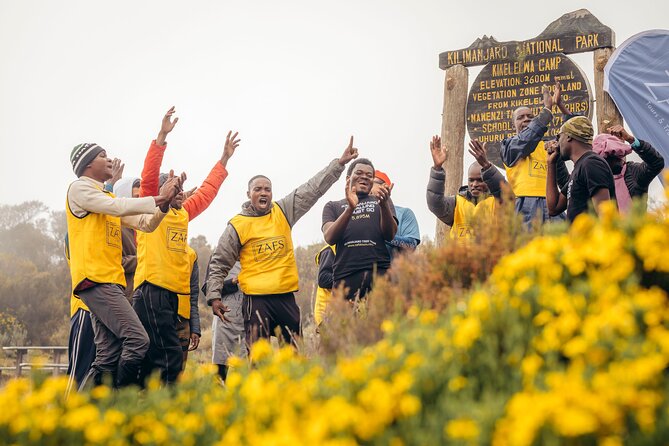
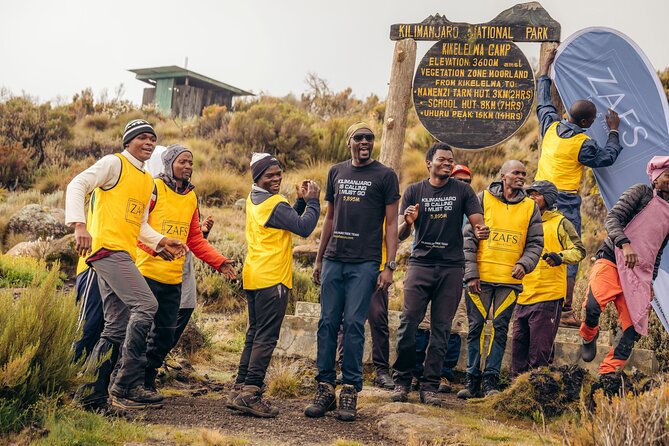
- A strong support team is part of the experience: Guides, a chef, waiter, and porters travel with your group, with names such as John Jechs, Alex, Prosper, Aubray, and Zachariah associated with praised departures.
Why Lemosho is a smart route choice
Kilimanjaro has several climbing routes, but Lemosho is a good fit for people who value scenery and a slower pace. It begins on the western side of the mountain, away from the more familiar starting points, and takes you through areas with fewer climbers. That can make the early days feel more like a wilderness trip than a queue toward a famous summit.
The route’s biggest practical advantage is its gradual ascent. At altitude, speed is rarely your friend. The body needs time to respond to thinner air, and the eight-day plan gives you more walking days before the final push. The information provided describes Lemosho as having the highest success rate of the Kilimanjaro routes, but you should treat that as an advantage, not a promise. Fitness, health, weather, pacing, and individual altitude response still matter.
I also like the range of scenery. You start in lower, more biologically varied areas, then pass through alpine meadows and open high ground before reaching the cold summit zone. Wildlife sightings are possible in the remote early sections, although no particular animals or sightings are guaranteed.
The quiet start comes with a tradeoff. You spend about four hours in a vehicle from Moshi before reaching Londorossi Gate. That is a long transfer on the first day, but it puts you at a more remote trailhead and helps explain why this route feels less crowded.
More Kilimanjaro routes and climbs:
- Kilimanjaro climb by Lemosho Route (7-day)
★ 5.0 · 651 reviews - Kilimanjaro climb, Machame Route (7-day)
★ 5.0 · 262 reviews - Kilimanjaro Climbing Lemosho Route 8 Days.
★ 5.0 · 186 reviews
Day 1: Moshi to Londorossi Gate and the western slopes
Your morning begins at Moshi Leopard Hotel, Market Street, with a listed start time of 9:00 am. Private transportation is included, which is useful because the drive to Londorossi Gate takes about four hours.
This transfer is not sightseeing in the usual sense. You are moving from town toward Kilimanjaro’s western side, and the road time sets the rhythm for the climb. Keep your day pack organized before departure, with water, personal medication, sun protection, and a light layer easy to reach.
At Londorossi Gate, you enter the mountain area and begin the approach through the western slopes. Exact camp names and walking distances are not supplied, so you should ask ZAFS Tours for the final day-by-day schedule before departure. That detail matters because daily elevation gain, camp height, and walking time are central to judging how comfortable the plan will feel.
The first day is about getting into the mountain environment. Do not expect a summit feeling yet. The value lies in starting from a remote side of Kilimanjaro and allowing the climb to build slowly.
Days 2 and 3: Moving toward the Shira Plateau
The route leads toward the Shira Plateau, one of the best-known areas on the mountain. Here, the scenery opens up, and the climb begins to feel less like a forest walk and more like a high-altitude expedition.
The plateau is a major reason to choose Lemosho. You get broad views, exposed ground, and a strong sense of Kilimanjaro’s scale. The setting is also a useful reminder that the mountain is not one single environment. It changes as you gain height, and the temperature, vegetation, and walking conditions change with it.
Your guide’s pacing is important in this section. The supplied information emphasizes a smooth, gradual ascent, and that is exactly what you want. Walk at a steady pace rather than racing ahead during the first few days. A slow day can feel almost too easy, but saving energy early is part of reaching the summit later.
Camping also becomes part of the routine. Private tents, a dining tent, crew tents, meals, coffee, and tea are included. That support means you do not need to organize your own shelter or cooking, but you still need to manage your personal kit carefully. Eight days of dust, cold, changing weather, and repeated packing can test even experienced hikers.
Days 4 through 6: High mountain walking and acclimatization
The middle days take you through more of Kilimanjaro’s climate zones. The route description places the journey between alpine meadows and the area of permanent ice, so conditions become colder and more exposed as you rise.
These days are less about one dramatic sight and more about preparation for summit night. Your body is adjusting, your legs are working daily, and the guide team can watch how you respond. The eight-day format has its greatest value here because it spreads the climb over more time than compressed programs.
The crew structure is another practical strength. The package includes experienced guides, a chef, waiter, and porters. Several named team members receive repeated praise in the supplied material. John Jechs is associated with a highly praised eight-day Lemosho group, while Alex is named as a lead guide on another climb. Other groups specifically mention guides including Erik, Mushi, Prosper, Aubray, Mussa, and Martin.
Do not assume you will have a particular guide unless ZAFS confirms it. Still, the repeated emphasis on motivation, safety checks, evening briefings, and close support gives you a useful picture of the service style. One account specifically describes pulse oximeter readings and regular monitoring of progress. You should confirm the exact health and safety procedures for your departure, but it is sensible to expect altitude checks and conversations about how you feel.
The mountain food receives unusually strong praise. Zachariah, also called Zacharias in some accounts, is singled out as a capable chef, including by a vegetarian group that enjoyed varied meals. The package promises freshly prepared breakfast, lunch, and dinner, plus coffee and tea. At altitude, this matters more than it might on an ordinary trek. Warm food and regular meals help you keep moving when your appetite and energy may change.
A few more trips of this kind worth comparing:
- Safari Serengeti And Ngorongoro
★ 5.0 · 288 reviews - Climbing Kilimanjaro – Machame Route
★ 5.0 · 170 reviews - Climbing Kilimanjaro through 7 days Machame Route
★ 5.0 · 151 reviews - Kilimanjaro climb, Lemosho Route (8-day)
★ 5.0 · 148 reviews
Day 7: The summit push toward Uhuru Peak
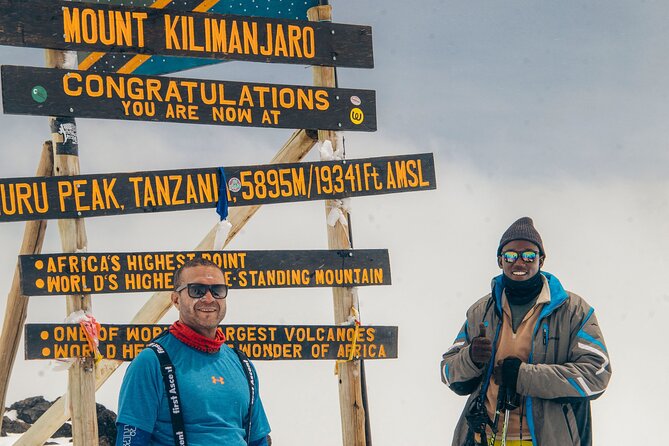
The summit day is the hardest part of the climb. The provided information does not give an exact departure hour, route segment, or summit schedule, so ask for those details before booking. What is clear is that the earlier days are designed to prepare you for this final effort.
Uhuru Peak is the goal, and several groups completed the climb as a personal milestone. One person changed group dates to reach the summit on a son’s birthday, while another completed the climb to mark a 52nd birthday. Those stories show how personal the summit can become, but they also hint at the pressure people sometimes place on a fixed date.
Try not to make a birthday, flight, or safari connection the only measure of success. Mountain conditions and your health must come first. A strong operator should support a safe decision if you need to turn around.
The final ascent will test your endurance more than your technical climbing ability. The tour is described as suitable for people with moderate physical fitness, but that should not be read as easy. You need to be comfortable walking for multiple days and coping with a cold, high-altitude environment. No climbing experience is stated as a requirement, yet the physical demand is real.
Day 8: Returning from the mountain
The final day brings you back toward the meeting point in Moshi. The activity ends where it began, and private transportation is included.
After eight days, the return is likely to feel less like a simple transfer and more like a change of world. You leave behind the camps, high slopes, and daily mountain routine. Since pre- and post-hike accommodation in Moshi is not included, arrange your hotel separately or request it from ZAFS Tours.
This is also the point where a wider Tanzania trip can continue. Several organized climbs were paired with a four-day safari in the central Serengeti and Ngorongoro area, but that safari is not part of the listed package. Treat it as a possible add-on, not an included feature.
What $2,760 covers, and where the value lies
At $2,760 per person, this is not a budget walk. The price includes private transportation, all fees and taxes, camping equipment, meals, coffee and tea, and the mountain crew. That is a meaningful bundle because a Kilimanjaro climb requires far more than a guide and a trail permit.
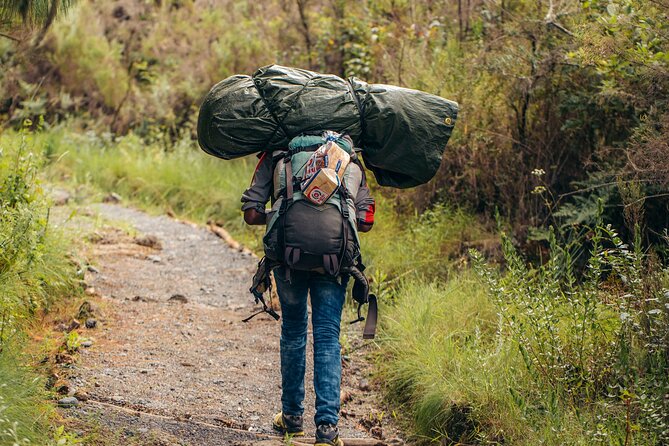
The camping package includes private tents, a dining tent, tents for the crew, and related equipment. You are paying for a supported expedition rather than carrying every item and preparing every meal yourself. The chef, waiter, guides, and porters also let you focus more fully on pacing and altitude.
The strongest value comes from the eight-day schedule. A shorter climb may cost less or fit a tighter holiday, but reducing days can reduce your acclimatization time. If reaching the summit is your main goal, the additional day may be money well spent.
Still, check what is not covered. Accommodation in Moshi before and after the hike is available on request but is not included in the stated package. The supplied details also do not specify gear rental, airport transfers, tips, visas, flights, personal insurance, or drinks beyond coffee and tea. Do not assume those items are included. Ask for a written list of exclusions.
Group discounts are available, and the activity is private. That combination may work well for families, friends, or a small group marking a special occasion. A private departure can also make it easier to discuss pace, food needs, and dates in advance.
Food, tents, and the human side of the climb
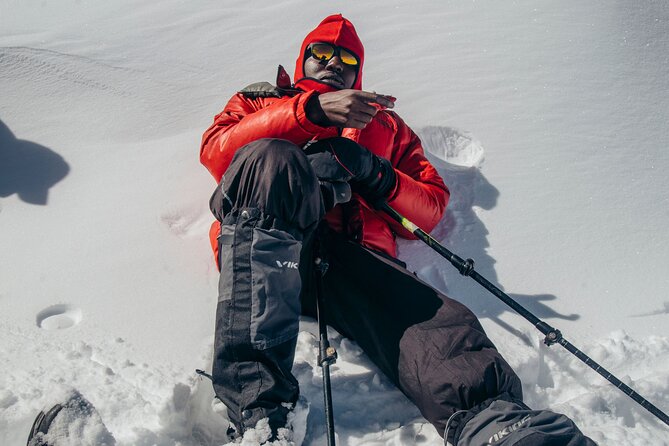
A Kilimanjaro climb is partly a test of scenery and altitude, but much of your comfort depends on camp life. The included dining tent gives your group a shared place to eat and rest, while the cooking team handles daily meals.
This support was one of the most praised parts of the experience. Specific accounts describe excellent food, vegetarian-friendly cooking, and a crew that made people feel cared for far from home. Those are not minor details. After several hours of walking, a hot meal and a dry place to sit can change your entire evening.
The guide team also appears to be a major strength. John Jechs is repeatedly connected with motivation and leadership, while Alex, Prosper, Aubray, Mussa, Martin, Erik, and Mushi are named in different departures. The best advice is to confirm the names and roles of your own team before you go, since crews vary.
You should also ask how many porters and guides will be assigned to your group. The package confirms that porters are included, but it does not give a crew size. That number affects the pace, camp setup, personal attention, and the ethics of the operation. Ask how the company handles porter welfare and tipping.
Who should choose this climb?
I would point active adults, families with older teenagers if accepted by the operator, and private groups toward this route when they have enough time for eight mountain days. It also suits people who care about scenery, a quieter trail, and a gradual approach rather than the shortest possible route.
It is a good match for a first high-altitude trek if you understand the demands and prepare properly. The stated fitness level is moderate, but your preparation should include long walks, hills, and repeated days on your feet. You should also be ready for basic camping and changing temperatures.
This is a poor choice if you want a relaxed holiday, dislike sleeping in tents, or have only a narrow window before a flight. The route is gradual, not effortless. The $2,760 price also requires a serious commitment, especially once extra nights in Moshi and other personal costs are added.
The private format is useful for people who want control over dates and group members. It may be less appealing if you prefer meeting a large mixed group or paying the lowest possible rate.
Booking details and cancellation terms
Confirmation is provided at booking, and mobile tickets are available. The meeting point is Moshi Leopard Hotel, Market St, Tanzania, with a listed 9:00 am start. Pickup is offered, but confirm the exact pickup arrangement and time with the operator.
Free cancellation applies up to 24 hours before the experience start time for a full refund. Cancellations or changes made within 24 hours are not accepted or refunded. The activity also requires a minimum number of participants. If that minimum is not met and the trip is canceled, you are offered another date or experience, or a full refund.
Because mountain plans can connect with flights, hotels, and safaris, I would avoid making tight same-day connections after the climb. The supplied information does not promise a precise return hour, so allow room in your schedule.
Should you book the 8-day Lemosho climb?
I would book this experience if you want the quieter western approach, strong camp support, and the best available amount of time in this package for acclimatization. The repeated praise for guides, food, organization, and porters gives ZAFS Tours a persuasive record, with the experience shown at 5 out of 5 from 52 ratings and a 100 percent recommendation rate.
I would not book it without first confirming the daily schedule, crew size, Moshi accommodation, gear arrangements, tipping expectations, and exact transport plan. Those details are too important to leave unclear.
For a fit person with eight days available, Lemosho offers a thoughtful route to Kilimanjaro. You get remote scenery, the Shira Plateau, several climate zones, and a capable support system. Just remember that a higher success rate is not a guarantee. The mountain still sets the rules.
FAQ
Where does the Kilimanjaro climb start?
The listed meeting point is Moshi Leopard Hotel on Market Street in Tanzania. Pickup is offered, and the listed start time is 9:00 am.
How long is the Lemosho climb?
The experience lasts approximately eight days. A seven-day version is also available, but the longer program is recommended for better acclimatization.
How much does the climb cost?
The listed price is $2,760 per person. Group discounts are available.
Is transportation included?
Yes. Private transportation is included. The drive from Moshi to Londorossi Gate takes about four hours.
What meals are included?
Breakfast, lunch, and dinner are included on the mountain. Coffee and tea are also provided, and meals are freshly prepared by the mountain chef.
Is camping equipment included?
Yes. The package includes private tents, a dining tent, tents for the crew, and other camping equipment.
Is accommodation in Moshi included?
No. Pre- and post-hike accommodation in Moshi is not included, though it is available on request.
Can I cancel for a full refund?
Yes, if you cancel at least 24 hours before the experience start time. Cancellations or changes within 24 hours are not refunded.
Just added around Moshi
- Moshi: Lake Chala Tour: Hiking &/or Kayaking★ 4.5 · 3 reviews
- 3 Days Tanga Exclusive Beach Holiday★ 5.0 · 3 reviews
- Serengeti Wildebeest Migration.★ 5.0 · 3 reviews
- Chemka Hotpsrings E-Bike Day Trip★ 5.0 · 3 reviews
- Explore 1 day Ngorongoro Crater Budget Group Safari from Arusha★ 5.0 · 3 reviews
- Explore the 360° of Kilimanjaro★ 5.0 · 3 reviews
- Affordable Short Tanzania Safari (2 Days Camping Safari)★ 5.0 · 3 reviews
- Rongai Route 7 Days★ 5.0 · 3 reviews
Kilimanjaro Treks, compared.



8-Day Small-group Lemosho Kilimanjaro Summit Trekking
Read our review →


Climbing Kilimanjaro through 7 days Machame Route
Read our review →

Browse the lists this tour appears in