
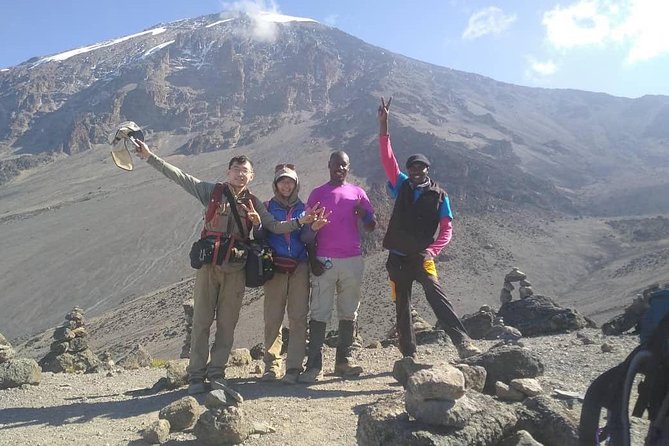
Reviewed · KILIMANJARO TREKS
Kilimanjaro Climb- Lemosho Route
Kilimanjaro rewards patience, not haste. The Lemosho Route gives you some of the mountain’s finest views, with broad outlooks on several sides and fewer people than the better-known approaches. I like its balance of scenery, quieter trails, and strong summit record. I also like that Wild Root Safaris handles airport transfers, camping equipment, meals, and the pre-climb briefing.
The main caution is simple: the published duration of 6 hours to 1 day does not describe a complete Lemosho climb. Accounts connected with this experience refer to seven- and eight-day climbs, so you should confirm the exact number of trekking days before paying. The price is also substantial, at $3,005.13 per person, though much of the basic mountain support is included.
In This Review
- Key points to know before booking
- Why the Lemosho Route is such a good choice
- Arrival in Arusha and the Mvuli Hotel night
- What the camping package means for you
- The guides and support crew
- Summit day is the real test
- Price and what you receive for $3,005.13
- Who will enjoy this climb most
- Practical details to settle before departure
- Should you book the Wild Root Lemosho climb?
- FAQ
- Where does the Kilimanjaro climb begin?
- What time does the experience start?
- How long does the Lemosho climb take?
- Is the tour private?
- What equipment is included?
- Are meals and water included?
- What is the cancellation policy?
Key points to know before booking
- Lemosho is chosen for scenery and lower crowd levels, making it a strong option if you care about the journey as much as the summit.
- Airport pickup and drop-off are included, with an arrival transfer to Mvuli Hotel in Arusha.
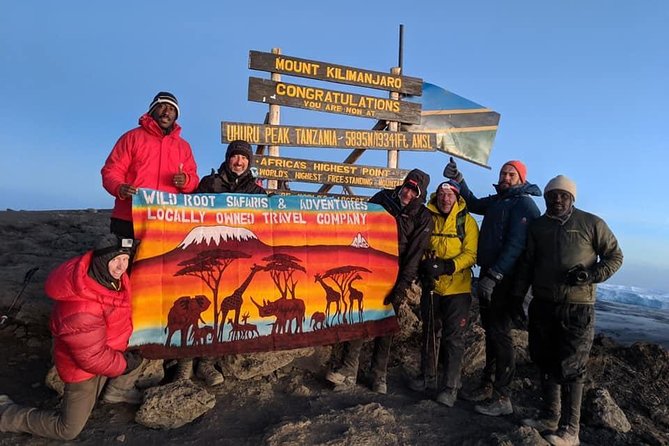
- The mountain team is a major strength, with guides and support staff praised for encouragement, organization, and summit-day help.
- Camping equipment, meals, bottled water, and camp furniture are included, which reduces the amount of gear and planning you must arrange yourself.
- This is a private activity for your group, not a mixed outing with strangers.
- A moderate fitness level is required, and the final summit push is described as especially hard.
Why the Lemosho Route is such a good choice
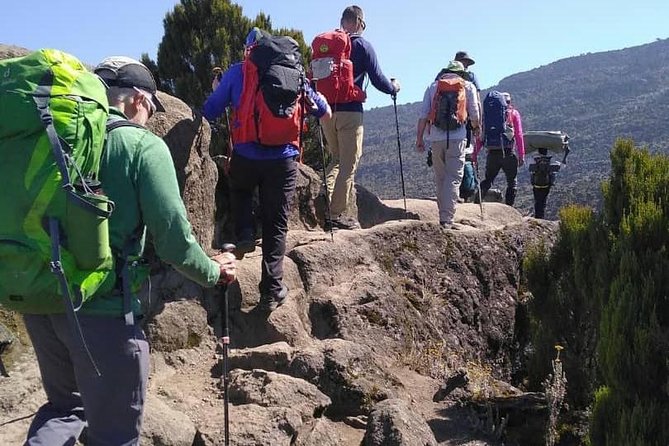
Kilimanjaro has several ways up, but Lemosho is often selected by people who want a more scenic and less crowded start. The route approaches the mountain from the west, giving you changing views as you cross toward the higher slopes. The attraction is not just reaching Uhuru Peak. It is seeing the mountain change around you over several days.
I like Lemosho because it gives your body more time to adjust than a rushed climb. Altitude is the great unknown on Kilimanjaro. Fitness helps, but it does not guarantee that you will feel well at higher elevations. A route known for a gradual approach and a strong summit success rate offers better odds than a short, hurried schedule.
The scenery is another big reason to choose it. You can expect wide mountain views rather than one unchanging trail. The route is promoted as the most scenic option on Kilimanjaro, with views on different sides of the mountain. That variety matters on a long trek, especially when your legs are tired and a fresh view gives you a reason to keep walking.
Lemosho is not the easiest choice simply because it is scenic. You still need to walk for multiple days, sleep in tents, manage cold conditions, and face a very demanding summit day. The route gives you a sensible framework, not a free pass.
More Kilimanjaro routes and climbs:
- 8-Day Small-group Lemosho Kilimanjaro Summit Trekking
★ 5.0 · 186 reviews - 7-Day Machame Kilimanjaro Summit Tour from Arusha
★ 5.0 · 125 reviews - Mountain Kilimanjaro Day Hike
★ 5.0 · 102 reviews
Arrival in Arusha and the Mvuli Hotel night
Your trip begins at Kilimanjaro Airport, where a driver is scheduled to meet you and take you to Mvuli Hotel in Arusha. That transfer is useful after a long flight. You do not have to work out a taxi, negotiate a fare, or find the hotel while tired and carrying mountain luggage.
The first day is intended for rest and preparation. You can visit Arusha if you wish, but a taxi is required for reaching town. I would treat this as a practical buffer rather than a sightseeing day. Rest, drink water, check your bags, and give yourself time to notice if anything important is missing.
Later in the afternoon, the Kilimanjaro team meets you at the lodge. This briefing is one of the most useful parts of the setup. You can go over the climb, ask questions, and have your equipment checked before you leave for the mountain. If you are unsure about clothing, sleeping gear, or other supplies, this is the moment to speak up.
Dinner is included on this first day. Breakfast and lunch are also listed among the inclusions, but you should ask the operator to explain exactly which meals are covered on each trekking day. The supplied details do not provide a day-by-day menu or full mountain schedule.
The arrival plan is friendly to first-time climbers because it removes several early decisions. The weak point is that the published meeting information says 8:00 a.m. in Arusha, while the airport pickup takes place when you arrive. Confirm the exact pickup and departure times before your flight.
What the camping package means for you
Wild Root Safaris provides a tent, mattress, sleeping bags, table, and chairs. That is a useful package for anyone who does not already own high-altitude camping gear. It also means your group can focus on walking instead of arranging basic camp equipment independently.
The tables and chairs are more important than they may sound. After several hours on your feet, having a proper place to sit for meals or briefings is a small comfort. A mattress and sleeping bag also spare you from buying bulky items for a single climb.
Still, do not assume every personal mountain item is included. Walking sticks and other mountain gear are specifically excluded. You may need to arrange suitable clothing, footwear, headwear, gloves, personal toiletries, and any additional equipment required by the operator.
The supplied information also lists bottled water, parking fees, airport transfers, and meals among the inclusions. Alcoholic drinks are not included. Landing and facility fees are also excluded, as are airport or departure taxes.
That wording deserves a careful conversation before booking. Ask for a current packing list and a written explanation of extra charges. The more clearly you understand what is supplied, the less likely you are to face an expensive surprise in Arusha.
The guides and support crew
The strongest part of this experience appears to be the human support. Kennedy and Noel are praised for working well together, giving honest advice, and offering steady encouragement. Lucia is also singled out as a capable leader who helped organize a large mountain operation.
That matters because summit day is not a normal hike. One account describes a group of seven reaching Uhuru Peak with full group success after a difficult climb. Another describes a group of 10 hikers supported by 44 crew members, while a group of 11 had a team of 46 guides, porters, and chefs.
Those numbers show the scale of support that may be involved on a larger private climb. They do not mean every booking will have the same ratio, so ask how many guides and support staff will accompany your own group. You should also ask how tips are handled and distributed. One account specifically praised shared tipping because it reached the wider crew and their families.
The guides are also praised for making people feel involved rather than simply pushing them up the mountain. That personal touch can help when a member of your group is tired, nervous, or struggling with altitude. A good guide does more than lead the path. They watch the group, explain what is happening, and help you make sensible choices.
One important detail is that a past climb used the Western Breach, described as the most challenging way to reach the summit. Do not assume that this difficult option is part of every Lemosho booking. If you are considering it, ask directly about the route, conditions, experience requirements, and whether it changes the price or schedule.
A few more trips of this kind worth comparing:
- Serengeti Balloon Safari and authentic bush breakfast
★ 5.0 · 2,480 reviews - Balloon Safari & Bush Breakfast in Serengeti – Miracle Experience
★ 5.0 · 1,646 reviews - Tanzania Classic – 7 Days
★ 5.0 · 1,151 reviews - 4 Days Group Camping Safari
★ 5.0 · 1,101 reviews
Summit day is the real test
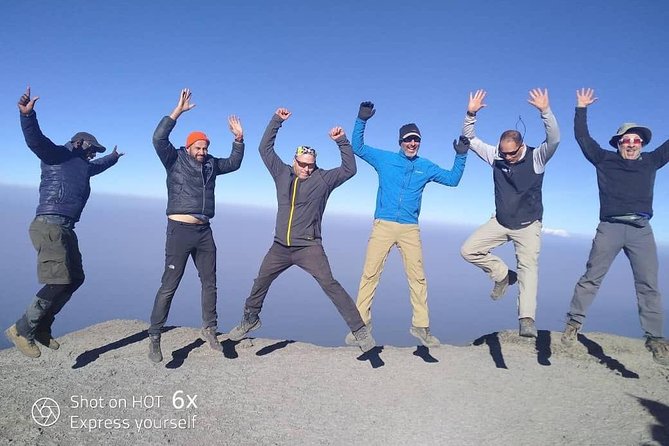
The final push to Uhuru Peak is likely to be the hardest section of the climb. The accounts connected with this trip describe summit day as a very hard slog, even when the entire group succeeded. That is a useful warning for anyone tempted to judge the climb by the gentler early days.
You should expect the summit attempt to test your patience as much as your strength. The most valuable support may be simple encouragement, careful pacing, and honest decisions from the guides. The high summit success figures attached to Wild Root Safaris are encouraging, but they should not be read as a promise.
A successful summit depends on many factors, including your health, preparation, pace, weather, and response to altitude. The company describes a 95 percent summit success rate in one response, and several group accounts describe 100 percent success. Those figures are positive, but they do not remove the need for realistic preparation.
I would book this climb if you want a serious mountain challenge with an experienced support system, not if you are looking for a casual outdoor holiday. You need to be comfortable with a moderate level of physical fitness and with spending nights in camp.
Price and what you receive for $3,005.13
At $3,005.13 per person, this is a major purchase. The value depends on how many trekking days are included and how much of the support operation is covered in the final contract.
The price includes airport pickup and drop-off, camping gear, bottled water, meals, parking fees, and the mountain setup. You are also paying for guides, porters, cooks, logistics, and the planning needed to move a private group up one of the world’s best-known mountains. Those services have real value, especially if you are new to high-altitude trekking.
However, the description does not clearly state the full number of days, the exact camp sequence, the group size, or every fee payable along the way. That makes the price difficult to judge with precision. A seven-day Lemosho climb and an eight-day Lemosho climb are not the same product, even if both use the same route name.
Before booking, ask for these details in writing:
- The total number of days and nights on the mountain
- The exact Lemosho route variation
- Whether the price includes park, rescue, or facility charges
- The number of guides, porters, and cooks assigned to your group
- The full meal plan
- The recommended personal gear list
- The tipping policy
If the quote covers a properly supported multi-day climb, the price may be reasonable for the convenience and staff involved. If it covers only the arrival arrangement or a short introductory portion, it would not be good value. The unclear duration is the first thing to settle.
Who will enjoy this climb most
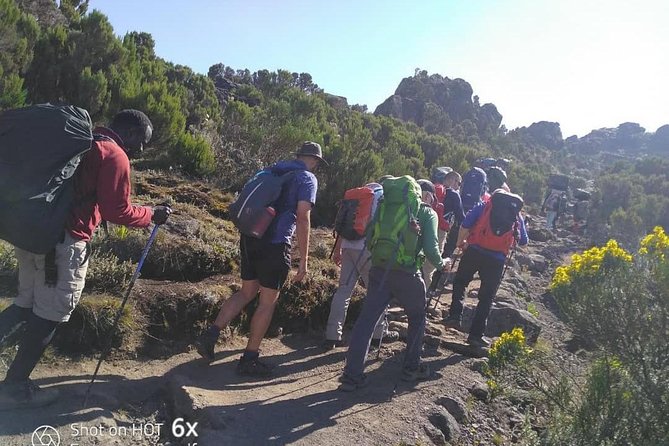
This experience suits you if you want a private Kilimanjaro attempt with a scenic route and a dedicated crew. It is especially appealing if you prefer fewer people around you and want airport transfers and camping basics handled in advance.
It also suits groups of friends. Several successful climbs involved groups of seven, eight, 10, or 11 people. A private booking lets your party share the challenge without being placed in a completely unrelated group.
You should be reasonably fit and prepared for sustained walking. The listing asks for moderate physical fitness, but the summit accounts make clear that the last stage is demanding. I would not choose this trip if you dislike camping, have not prepared for a multi-day climb, or want a fixed one-day activity.
The experience may also appeal to people who value strong staff support. The repeated praise focuses on encouragement, professionalism, trust, and a family-like atmosphere. That is important on a climb where morale can change from hour to hour.
Practical details to settle before departure
Pickup is offered, and the scheduled starting point is Arusha, Tanzania. Confirmation is received at booking, and the activity is described as private, with only your group participating.
The cancellation policy is flexible up to 24 hours before the start time, when a full refund is available. Changes made inside that 24-hour window are not accepted, and late cancellations are not refunded. Cutoff times use local Tanzanian time.
Weather can affect the departure. If poor weather causes the operator to cancel, you are offered another date or a full refund. Ask how weather decisions are communicated, particularly if you are already in Arusha.
Near-public-transport access is listed, but the provided plan centers on private airport transfers and taxis for reaching Arusha town. For most people, the included pickup will be the simpler option.
Should you book the Wild Root Lemosho climb?
I would put this on your shortlist if your priorities are scenery, private-group support, and a strong summit record. The guides receive unusually warm praise for encouragement and organization, and the included camping package removes much of the practical burden.
I would not pay until the duration is clarified. The 6-hour to one-day label conflicts with the seven- and eight-day climbs associated with this experience. Confirm the full schedule, route version, fees, staff arrangements, and gear list first.
If those details match a properly supported multi-day Lemosho climb, the package looks appealing for first-time Kilimanjaro climbers and organized groups of friends. You will still need fitness, patience, and respect for the mountain. The company can support your attempt, but it cannot do the uphill walking for you.
FAQ
Where does the Kilimanjaro climb begin?
The listed starting point is Arusha, Tanzania. Airport pickup is offered from Kilimanjaro Airport, followed by transport to Mvuli Hotel.
What time does the experience start?
The stated start time is 8:00 a.m. in Arusha. Airport pickup is arranged according to your arrival, so confirm the exact transfer schedule with Wild Root Safaris.
How long does the Lemosho climb take?
The published duration says 6 hours to 1 day, but the supplied trip details also refer to seven-day and eight-day Lemosho climbs. Confirm the exact number of trekking days before booking.
Is the tour private?
Yes. Only your group participates in this private activity.
What equipment is included?
Camping equipment includes a tent, mattress, sleeping bags, table, and chairs. Walking sticks and other mountain gear are not included.
Are meals and water included?
Bottled water is included, along with breakfast, lunch, and dinner as listed. Ask the operator to confirm which meals are covered on each day of the climb.
What is the cancellation policy?
You can cancel at least 24 hours before the start time for a full refund. Cancellations or changes made less than 24 hours before the start are not accepted for a refund. If poor weather causes the operator to cancel, you can choose another date or receive a full refund.
Just added around Arusha
- 5 Days Safari Tarangire, Serengeti, and Ngorongoro Crater★ 5.0 · 3 reviews
- Love lives in Africa★ 5.0 · 3 reviews
- 5 Days of Safari, Culture & Hot Springs – Tour from Arusha★ 5.0 · 3 reviews
- Arusha National Park Safari by Jeep★ 4.5 · 3 reviews
- 5Days Family _Group Tour Lodging Mid-Range in the Jungle★ 5.0 · 3 reviews
- 2 Days Tarangire and Ngorongoro Crater Tour★ 5.0 · 3 reviews
- Serengeti & Ngorongoro 3 Days Budget Safari★ 5.0 · 3 reviews
- 7 Days PRIVATE Best of Tanzania Safari *Departing everyday*★ 5.0 · 3 reviews
Kilimanjaro Treks, compared.



8-Day Small-group Lemosho Kilimanjaro Summit Trekking
Read our review →


Climbing Kilimanjaro through 7 days Machame Route
Read our review →

Browse the lists this tour appears in