
Reviewed · KILIMANJARO TREKS
Kilimanjaro Climb Via Machame Route
Africa’s highest summit rewards patient feet. The 7-day Machame Route gives you a striking climb through rainforest, heath, open moorland, alpine desert, and Arctic conditions, with the best scenery found on the Southern Circuit. I especially like the route’s varied habitats and the chance to hike high to Lava Tower before sleeping lower at Barranco, a useful acclimatization pattern. The catch is simple: Machame is steep, demanding, and not the softest introduction to high-altitude trekking.
The $2,550 price includes transportation, a tour guide, and all listed breakfasts, lunches, and dinners. I also like the small maximum group size of 10, though the itinerary’s midnight summit push and long descent make this a serious physical test, not a casual mountain holiday.
In This Review
- Key points at a glance
- Why the Machame Route is so popular
- Day 1: Moshi to Machame Gate and the rainforest
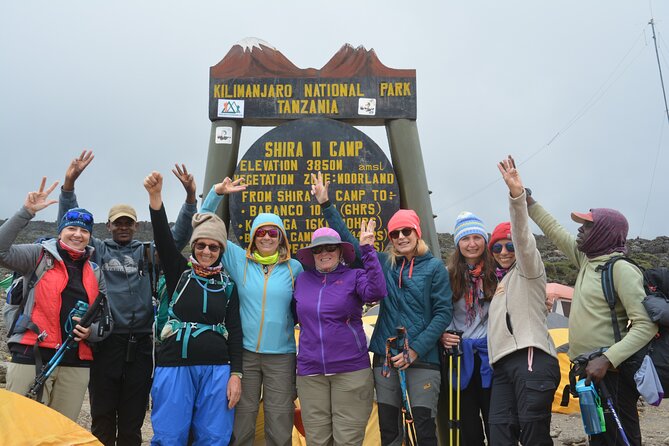
- Day 2: Shira Plateau and open moorland
- Day 3: Lava Tower, the Senecio Forest, and Barranco
- Day 4: Climbing the Barranco Wall
- Day 5: Karanga Camp to Barafu Hut
- Day 6: Midnight to Uhuru Peak, then down to Mweka
- Day 7: Mweka Gate and the return to Moshi
- What the $2,550 price covers
- The support from Sirikwa Travel
- Who should book this climb
- Booking details worth checking before departure
- Should you book the 7-day Machame climb?
- FAQ
- How long is the Kilimanjaro Machame climb?
- How much does the experience cost?
- Is pickup included?
- What meals are included?
- What fitness level is required?
- How large can the group be?
- Is a passport required?
- Can I cancel for a full refund?
Key points at a glance
- The route changes scenery every day: You move from thick rainforest to heather, moorland, volcanic rock, alpine desert, and Arctic summit terrain.
- Lava Tower helps with acclimatization: You climb to about 15,190 feet, then descend to Barranco Camp at roughly 13,044 feet.
- The Barranco Wall is steep but non-technical: Expect a hands-on, tiring climb without technical mountaineering.
- Summit day is the hardest part: You begin around midnight, reach Uhuru Peak at 19,341 feet, then descend to Mweka Camp.
- The price covers the main daily needs: Transportation, guiding, and seven breakfasts, lunches, and dinners are included.
- Sirikwa Travel receives strong praise for support: Names connected with the company include Ole and Oinoth, and past clients repeatedly highlight patience, organization, and encouragement.
Why the Machame Route is so popular
Machame approaches Kilimanjaro from the south, beginning near Machame Gate after a drive of about 50 minutes from Moshi. It is widely known as the Whiskey route, a nickname that hints at its tougher character compared with easier-sounding alternatives.
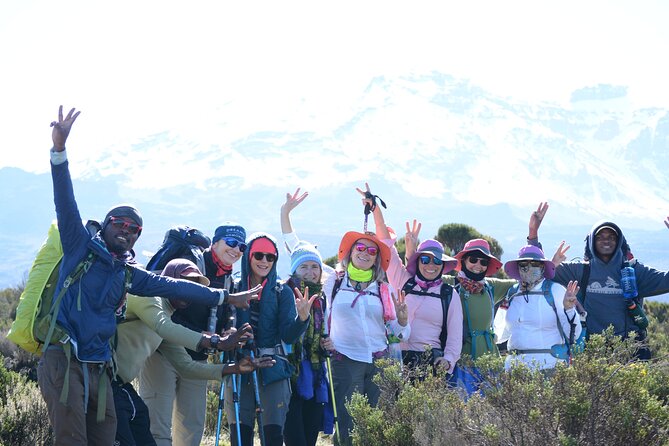
I like Machame because the scenery keeps changing. You do not spend seven days staring at the same slope. The route begins under tall rainforest, crosses open highland, passes through the Shira Plateau, then turns east beneath the Southern Ice Field before reaching the summit from Barafu.
That variety comes with a cost. The itinerary is shorter than some longer Kilimanjaro programs, so your body has less time to adjust to thin air. You should be comfortable walking for several hours a day, climbing steep ground, and managing fatigue. A moderate fitness level is required, but some previous hiking, backpacking, or high-altitude experience would make the trip feel more manageable.
The route is also popular because it uses the Mweka trail for the descent. That creates a useful loop rather than sending you back over the exact trail you climbed.
More Kilimanjaro routes and climbs:
- 8-Day Small-group Lemosho Kilimanjaro Summit Trekking
★ 5.0 · 186 reviews - 7-Day Machame Kilimanjaro Summit Tour from Arusha
★ 5.0 · 125 reviews - Mountain Kilimanjaro Day Hike
★ 5.0 · 102 reviews
Day 1: Moshi to Machame Gate and the rainforest
Your first morning begins with the drive from Moshi to Machame Gate. The journey takes around 50 minutes and passes through Machame village on Kilimanjaro’s lower slopes.
After entering the park, you walk through dense rainforest on a winding path that follows a ridge. The elevation rises from about 5,380 feet to 9,350 feet, with roughly 11 kilometers of walking and five to seven hours on your feet.
This is a welcoming start in one sense. The forest is greener and more sheltered than the upper mountain, and the gradual climb lets you settle into the pace. In another sense, the trail can feel long because you are carrying the excitement and nerves of the first day.
Machame Camp is your overnight stop. The first day is a good reminder to keep your pace slow from the beginning. You are not trying to win the mountain in the rainforest. You are saving energy for the high, cold days ahead.
Day 2: Shira Plateau and open moorland
Day two takes you from Machame Camp at about 9,350 feet to Shira 2 Camp at roughly 12,500 feet. The distance is shorter, around 5 kilometers, but the trail is steep and rocky, with four to six hours of hiking.
The forest begins to thin as you climb into heath and open moorland. This shift is one of Machame’s pleasures. The enclosed feel of the first day gives way to wider views and a more exposed mountain setting.
You cross a large river gorge before reaching camp. The listed day length is about eight hours, which appears to include time beyond the walking estimate, so I would not treat the distance alone as a guide to the effort required.
Shira Plateau is important to the route because several Kilimanjaro paths meet here. It feels like a major change in the journey. You have left the lower mountain behind, and the summit now feels like a real objective rather than a distant idea.
Day 3: Lava Tower, the Senecio Forest, and Barranco
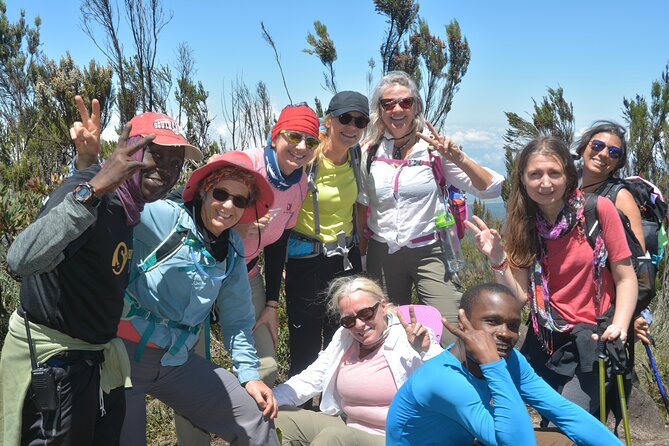
This is one of the most useful days in the entire plan. From Shira 2 Camp, you climb toward Lava Tower, a volcanic rock formation about 300 feet high. The route rises to approximately 15,190 feet before dropping to Barranco Camp at about 13,044 feet.
The walking distance is divided into two sections. The climb from Shira 2 to Lava Tower covers roughly 7 kilometers and takes four to five hours. The descent to Barranco adds about 3 kilometers and another two to three hours.
The important point is that you spend time high before sleeping lower. That is valuable for acclimatization, even though the day begins and ends at similar elevations. You may feel the altitude during the climb, but the lower overnight camp gives your body a better chance to recover.
The descent passes through the Senecio Forest, an unusual alpine setting with giant plants that make this part feel unlike ordinary mountain hiking. Barranco Camp is not simply a place to sleep. It prepares you for the next day’s famous obstacle, the Barranco Wall.
This is also a tiring day. The route climbs high, then descends, and the thin air makes every uphill section harder. I would treat it as a key test of how your body is responding.
A few more trips of this kind worth comparing:
- Serengeti Balloon Safari and authentic bush breakfast
★ 5.0 · 2,480 reviews - Balloon Safari & Bush Breakfast in Serengeti – Miracle Experience
★ 5.0 · 1,646 reviews - Tanzania Classic – 7 Days
★ 5.0 · 1,151 reviews - 4 Days Group Camping Safari
★ 5.0 · 1,101 reviews
Day 4: Climbing the Barranco Wall
Day four starts at Barranco Camp, around 13,044 feet, and finishes at Karanga Camp near 13,106 feet. The elevation gain looks small on paper, but the route includes repeated climbs and descents across steep hills and valleys.
First, you descend into a ravine at the base of the Great Barranco Wall. Then you climb the wall, a steep cliff rising nearly 900 feet. It is non-technical, meaning you do not need technical climbing equipment according to the supplied information, but it is still a serious uphill section.
You then cross several hills and valleys before dropping into Karanga Valley. One final steep climb takes you to camp.
I like this shorter day because it gives you time to adjust before the final push. Still, do not mistake shorter for easy. At this altitude, a 5-kilometer day can feel demanding, particularly after the previous day’s climb to Lava Tower.
The Barranco Wall is likely to be one of the most memorable sections. It changes the rhythm from steady walking to careful, steep progress. You will want to follow your guide’s pace and avoid wasting energy on rushing.
Day 5: Karanga Camp to Barafu Hut
From Karanga Camp, you walk about 4 kilometers to Barafu Hut, gaining roughly 2,225 feet and reaching 15,331 feet. The hiking time is listed as four to five hours, with the day described as taking about eight hours overall.
The route reaches the junction with the Mweka Trail before continuing through rocky ground to Barafu. At this point, you have completed the Southern Circuit, which gives you views of Kilimanjaro’s summit from several directions.
Barafu is the staging ground for summit night. Mawenzi and Kibo are visible from camp, and the mountain’s two main peaks help you understand the scale of what lies ahead.
This is not the evening for a leisurely camp routine. You rest, eat an early dinner, and prepare for a midnight start. I recommend treating every spare minute as useful. Keep your clothing, headlamp, water, and summit equipment organized before trying to sleep.
The high camp can feel stark and exposed, and the short distance from Karanga does not make the day insignificant. You are now sleeping high, with the hardest climb only hours away.
Day 6: Midnight to Uhuru Peak, then down to Mweka
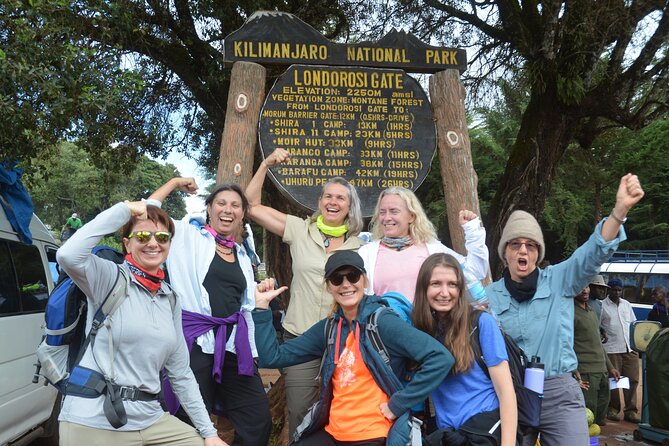
Summit day is the heart of the climb and the part that requires the most determination. You begin around midnight from Barafu Hut at approximately 15,331 feet.
The ascent to Uhuru Peak reaches 19,341 feet and covers about 5 kilometers. The listed climbing time is seven to eight hours. You move through darkness, cold, wind, and thin air, taking frequent but short breaks.
Near Stella Point, at about 18,900 feet, you may see sunrise over Mawenzi Peak. This is described as one of the finest sunrise views on the mountain, and it arrives at a moment when you are likely to be tired, cold, and very focused on the next step.
From Stella Point, you continue around the crater rim toward Uhuru Peak, the highest point on Kilimanjaro. Reaching the summit is a major accomplishment, but you still have a long way to go.
The descent from Uhuru Peak to Mweka Camp covers about 12 kilometers and drops to approximately 10,065 feet. It takes another four to six hours and returns you to rainforest habitat.
That combination makes day six exceptionally long. You climb for most of the night, reach the summit in the morning, then descend thousands of feet. It is wise to think of the summit as only the halfway point of the day, not the finish line.
Day 7: Mweka Gate and the return to Moshi
The final day descends from Mweka Camp at about 10,065 feet to Mweka Gate at 5,380 feet. The walk covers around 10 kilometers and takes three to four hours.
The vegetation returns as you lose height. Lower sections can be wet and muddy, so waterproof footwear and patience matter even at the end of the trip.
At Mweka Gate, you collect your summit certificate. You then continue for about another hour to Mweka Village, where a vehicle meets you for the drive back to your Moshi hotel.
I like this arrangement because the vehicle does not have to reach the park gate itself. The village pickup completes the transfer after the official descent. Just remember that your legs may feel more tired on this final walk than the distance suggests.
What the $2,550 price covers
The listed price is $2,550 per person. It includes transportation, a tour guide, and seven breakfasts, seven lunches, and seven dinners.
That is a meaningful package for a seven-day climb. You are paying for the organized mountain program rather than simply access to a trail. Transportation connects Moshi, the park gates, and Mweka Village, while the guide provides structure during steep, high-altitude sections.
Food is also covered throughout the seven days, which makes budgeting easier. The operator can provide a vegetarian option, but you need to request it when booking. You should also report any other dietary requirements in advance.
The main limitation is the phrase anything extra if not mentioned. You should ask what is excluded before paying, especially if you need clarity about personal equipment, accommodation outside the listed mountain services, tips, or other personal costs. The supplied details do not specify those items, so do not assume they are included.
The support from Sirikwa Travel
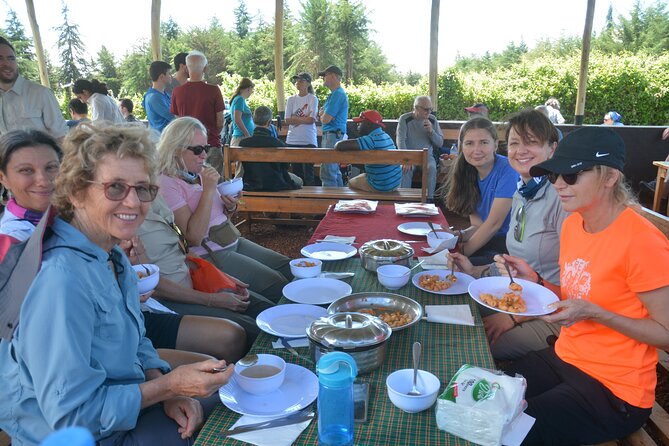
The strongest praise for Sirikwa Travel focuses on the people. Past clients repeatedly describe the team as patient, hospitable, professional, and encouraging. Several accounts also praise the company’s organization from airport pickup through the climb and onward travel.
Ole and Oinoth are names associated with the company’s coordination and leadership. One account credits Oinoth with making scheduling straightforward, while another highlights Ole and the wider team for their hospitality.
The company also presents itself as a local operator using local guides and porters. That matters if you want your money and contact to remain closer to the community organizing the climb.
One especially useful detail is the mention of evening medical checks and attention to acclimatization. The supplied information does not spell out the exact medical process, so I would confirm how it works before departure. Still, the focus on monitoring your condition is appropriate on a route that reaches 19,341 feet.
A maximum of 10 people keeps the group from becoming unwieldy. That is large enough for a social atmosphere but small enough for the guide team to pay closer attention to individual needs.
Who should book this climb
I would choose this route if you want Kilimanjaro’s most varied scenery and are prepared for a hard week. It suits people with moderate fitness, hiking experience, backpacking experience, or some previous time at high altitude.
You should be comfortable with:
- Five to eight hours of walking on many days
- Steep rocky sections
- A long summit night beginning around midnight
- Cold and wind near the summit
- A major descent immediately after reaching Uhuru Peak
- Basic camping and mountain discomfort
This is less suitable if you want a relaxed walking holiday or need a generous adjustment period. The route has a useful acclimatization day around Lava Tower and Barranco, but seven days remains a fairly compact schedule for such a high mountain.
Children must be accompanied by an adult. The published information does not state a minimum age, so families should ask the operator directly before booking.
For clothing, the stated dress code is smart casual, but that description is aimed at general tour arrangements and does not replace proper mountain clothing. You will need to prepare for rainforest damp, rocky high country, freezing summit conditions, and muddy lower trails.
Booking details worth checking before departure
Pickup is offered, and the experience uses a mobile ticket. Confirmation is received when you book, and a current valid passport is required on the day of travel.
You can cancel for a full refund if you do so at least 24 hours before the local start time. Cancellations or changes made less than 24 hours before the start are not accepted for a refund.
I would use the booking stage to confirm the pickup point, hotel arrangements, equipment expectations, dietary needs, and what anything extra means in practice. Those questions are especially useful because the trip price is substantial and the mountain days are demanding.
Should you book the 7-day Machame climb?
I would book this climb if your priority is scenery, a well-used route, and strong human support from a local company. The rainforest, Shira Plateau, Lava Tower, Barranco Wall, Southern Circuit, and Uhuru Peak give the week a clear sense of progression.
I would not choose it simply because it is popular. The short schedule, steep trail, midnight summit attempt, and long descent require real preparation.
At $2,550, the package offers solid value if you want guiding, transportation, and all listed meals arranged in one program. Ask careful questions about exclusions, then train for long uphill days. If you are ready for a demanding mountain week rather than a comfortable sightseeing trip, this Machame itinerary gives you a strong route to Africa’s highest summit.
FAQ
How long is the Kilimanjaro Machame climb?
The climb lasts approximately seven days, including the final descent from Mweka Camp and transportation back toward Moshi.
How much does the experience cost?
The listed price is $2,550 per person.
Is pickup included?
Yes. Pickup is offered, and transportation is included in the package.
What meals are included?
Seven breakfasts, seven lunches, and seven dinners are included. Vegetarian meals are available if requested at booking.
What fitness level is required?
A moderate physical fitness level is required. The route is steep and challenging, with several long hiking days and a midnight summit attempt.
How large can the group be?
The maximum group size is 10 travelers.
Is a passport required?
Yes. You need a current valid passport on the day of travel.
Can I cancel for a full refund?
Yes, if you cancel at least 24 hours before the experience start time. Cancellations or changes made less than 24 hours before the start are not accepted for a refund.
Just added around Arusha
- 5 Days Safari Tarangire, Serengeti, and Ngorongoro Crater★ 5.0 · 3 reviews
- Love lives in Africa★ 5.0 · 3 reviews
- 5 Days of Safari, Culture & Hot Springs – Tour from Arusha★ 5.0 · 3 reviews
- Arusha National Park Safari by Jeep★ 4.5 · 3 reviews
- 5Days Family _Group Tour Lodging Mid-Range in the Jungle★ 5.0 · 3 reviews
- Serengeti & Ngorongoro 3 Days Budget Safari★ 5.0 · 3 reviews
- 2 Days Tarangire and Ngorongoro Crater Tour★ 5.0 · 3 reviews
- 7 Days PRIVATE Best of Tanzania Safari *Departing everyday*★ 5.0 · 3 reviews
Kilimanjaro Treks, compared.



8-Day Small-group Lemosho Kilimanjaro Summit Trekking
Read our review →


Climbing Kilimanjaro through 7 days Machame Route
Read our review →

Browse the lists this tour appears in