
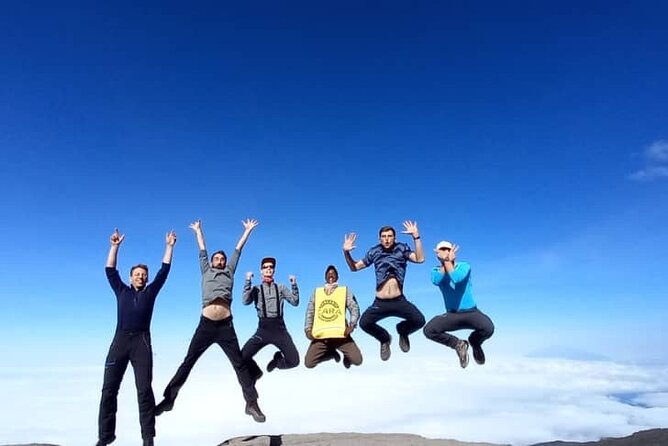
Reviewed · KILIMANJARO TREKS
Kilimanjaro Lemosho Route
The mountain changes character every day. Zara Tanzania Adventures’ 8-day Lemosho Route gives you a gradual climb through forest, moorland, rocky high country, and snow near Uhuru Peak. I like the route’s varied scenery and the extra time for acclimatization. I also like the private format, with only your own group taking part. The main drawback is that the published schedule contains a few conflicting details, so you should confirm the exact camp plan before paying.
The trip costs $2,890 per private group of up to five people, which can be good value if you fill the group. That price also buys a large support operation, including guides, porters, camping arrangements, meals, transfers, and a hotel return with lunch and a shower. Still, this is a serious mountain climb, not an easy sightseeing tour, and the summit day lasts more than 15 hours.
In This Review
- Key Points Before You Book
- Why Lemosho Is a Good Route Choice
- Day 1: Springlands Hotel to Mti Mkubwa Camp
- Day 2: Mti Mkubwa and the Shira Moorlands
- Day 3: A Short Shira Acclimatization Day
- Day 4: Lava Tower and Barranco Camp
- Day 5: Barranco Wall and Karanga Valley
- Day 6: Karanga to Barafu Camp
- Day 7: Stella Point, Uhuru Peak, and Mweka Camp
- Day 8: Mweka Gate and the Return to Moshi
- Guides, Food, and Camp Support
- Price, Private Groups, and Practical Value
- Who Should Choose This Climb?
- Should You Book Zara’s Lemosho Route?
- FAQ
- Where does the Kilimanjaro Lemosho climb take place?
- How long is the tour?
- How much does the climb cost?
- Is this a private tour?
- What fitness level is required?
- When does the summit climb begin?
- Does the tour offer pickup?
- Can I cancel for a full refund?
Key Points Before You Book
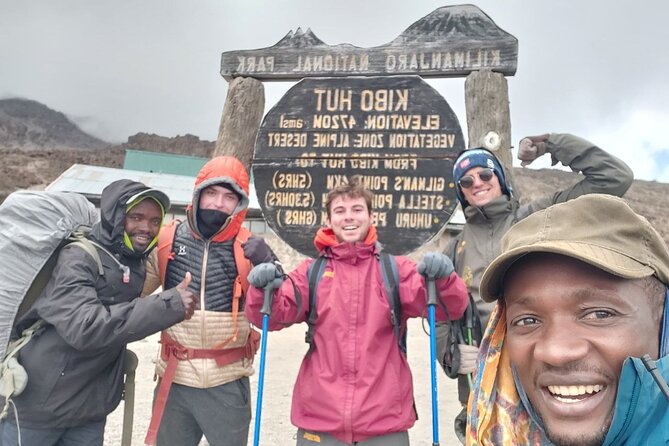
- Lemosho gives you a varied approach: You move from forest trails to moorland, high desert, scree, snow, and the summit crater rim.
- The 8-day schedule allows acclimatization: Lava Tower, Barranco, Karanga, and Barafu create a careful progression toward high altitude.
- The summit day is extremely long: You begin around 11:30 PM, reach Uhuru Peak at 5,895 meters, then descend to Mweka Camp.
- Guide and crew support is a major strength: Guides named in past trips include Festo, Nechi Teti, John, Said, Augustino, Lema, and Captain G.
- Meals and camp service matter here: A chef prepares fresh food, while porters set up tents before you arrive at camp.
- Check the itinerary wording: The Shira Camp details and starting point need clarification because the supplied schedule repeats some camp information.
Why Lemosho Is a Good Route Choice
Kilimanjaro is not a technical climbing trip in the sense of ropes, ice axes, or rock climbing. It is still a demanding high-altitude trek, and the slow pace matters. The Lemosho route approaches the mountain from the west, giving you several days to adjust before the summit attempt.
I like the way the route changes scenery instead of repeating the same view. The first day runs through forest, then the trees thin into moorland. Later, you walk through dry, rocky terrain around Lava Tower and Barranco before reaching the cold upper slopes.
That variety helps the trek feel like a journey, rather than a long staircase. You also get changing views of Kibo, Kilimanjaro’s highest volcanic cone, with especially good photo chances on the western approach and around the Shira camps.
The private format is useful for couples, families, or a small group of friends. You can focus on your own pace and group dynamic rather than joining a large scheduled party. The listed capacity is five people per group, so ask how additional guides and porters are assigned if your group is full.
More Kilimanjaro routes and climbs:
- Kilimanjaro climb by Lemosho Route (7-day)
★ 5.0 · 651 reviews - Kilimanjaro climb, Machame Route (7-day)
★ 5.0 · 262 reviews - Kilimanjaro Climbing Lemosho Route 8 Days.
★ 5.0 · 186 reviews
Day 1: Springlands Hotel to Mti Mkubwa Camp
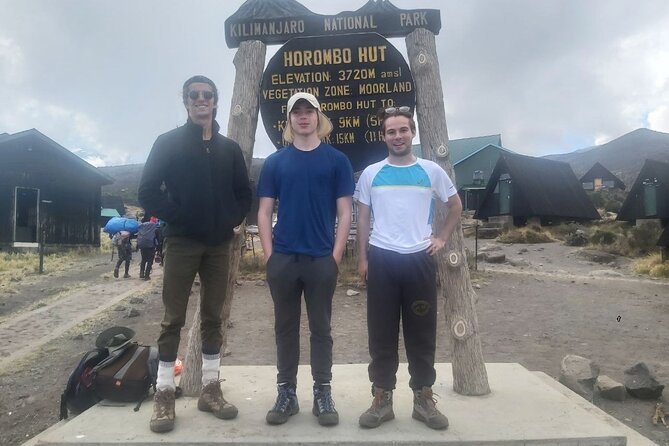
The day begins with breakfast and a guide briefing at Springlands Hotel. A transfer of about 1.5 hours takes you toward Londorossi Gate and the Lemosho Park Gate, where registration is completed.
From the gate, the first hike leads through forest to Mti Mkubwa Camp. The stated walking distance is 7 kilometers, with about five hours listed for the day, although the description separates the drive, registration, and roughly three-hour forest walk.
This is a gentle introduction compared with what comes later. The forest offers shade and a softer trail underfoot, but you should not treat the short distance as proof that the climb will be easy. You are beginning at roughly 2,100 to 2,200 meters and sleeping at about 2,780 meters.
The support system starts working immediately. Porters set up the tents, and the chef prepares lunch. You then have time to rest before dinner and a briefing for the next morning. That routine is valuable because it lets you conserve energy instead of handling camp chores after a long walk.
Day 2: Mti Mkubwa and the Shira Moorlands
The route climbs from Mti Mkubwa toward the Shira plateau, with a listed distance of 12 kilometers and six to seven hours of walking. You pass from forest into moorland, where views of Kibo begin to open.
The day is longer and the gain in height is noticeable. The route reaches about 3,840 meters, so your body starts dealing with thinner air well before summit night. The planned stop at Shira Camp 1 for a hot lunch gives you a useful break before continuing toward Shira Camp 2.
I would expect this to be one of the prettiest days of the trek. The vegetation becomes more open, and the view toward Kibo gives you a clear sense of the mountain ahead. It is also a good time to settle into the pole pole rhythm, meaning slowly and steadily, even though that phrase is not supplied by the operator.
There is an important planning issue here. Day 2 says you continue to Shira Camp 2, while Day 3 also describes hiking from Shira 1 to Shira 2. The altitude figures also vary between the days. Ask Zara to send you the final camp-by-camp schedule in writing.
Day 3: A Short Shira Acclimatization Day
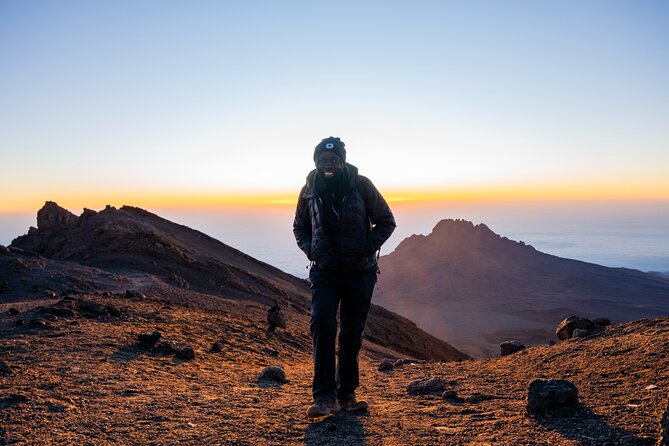
The third day is described as a short hike in the Shira area, with about 5 kilometers and three to four hours of walking. The stated altitudes run from 3,500 to 3,840 meters.
The point of a day like this is not distance. It gives you time at altitude without forcing a huge climb, and it leaves room to eat, rest, and prepare for the harder days ahead. The high plateau also gives you broad views across the western side of Kilimanjaro.
The description again refers to moving from Shira 1 to Shira 2, so the exact route needs confirmation. This is not a reason to reject the trip, but it is a reason to ask clear questions. A good operator should be able to explain exactly where you sleep each night and how much height you gain each day.
A few more trips of this kind worth comparing:
- Safari Serengeti And Ngorongoro
★ 5.0 · 288 reviews - Climbing Kilimanjaro – Machame Route
★ 5.0 · 170 reviews - Climbing Kilimanjaro through 7 days Machame Route
★ 5.0 · 151 reviews - Kilimanjaro climb, Lemosho Route (8-day)
★ 5.0 · 148 reviews
Day 4: Lava Tower and Barranco Camp
Day 4 is the route’s major acclimatization test. You climb through a dry, rocky semi-desert toward Lava Tower at about 4,630 meters, then descend to Barranco Camp at roughly 3,960 meters.
The listed distance is 11 kilometers and the walking time is seven to eight hours. The ascent may feel slow and tiring, especially as the air thins. That is the point: you spend time high, then sleep lower at Barranco.
This climb-high, sleep-lower pattern can help your body adjust, though no itinerary can remove the risk of altitude sickness. Pay attention to your guide and be honest about headaches, nausea, unusual fatigue, or other symptoms. Reaching a planned camp is never more important than your health.
The descent toward Barranco brings the reward. You get views of the Western Breach and, if the weather cooperates, a memorable sunset around camp. This is also where the mountain begins to feel more rugged. The trail is less about forest walking and more about rock, exposure, and careful footing.
Day 5: Barranco Wall and Karanga Valley
The morning may begin with the famous Barranco Wall. It is steep and can look intimidating, but the route is described as a climb rather than a technical rock ascent. Your guide’s pace and instructions will matter here.
After the wall, you descend into Karanga Valley, where the terrain becomes more sheltered and the vegetation returns. The day covers about 5 kilometers and takes around five hours, ending at Karanga Camp at approximately 4,035 meters.
The shorter distance does not mean an easy day. You are already high, and the wall can demand concentration. The best approach is to keep your hands free, move carefully, and avoid rushing to match someone else’s pace.
A useful feature follows lunch: an acclimatization hike toward Barafu Camp, gaining about 200 meters before returning to Karanga. This short extra climb helps you see what lies ahead without committing to the full move to your high camp.
Day 6: Karanga to Barafu Camp
The trail from Karanga to Barafu covers about 5 kilometers and takes roughly five hours. You climb from around 4,035 meters to approximately 4,640 meters across rocky sections and gradual slopes.
Barafu means ice, and this camp is the launch point for your summit attempt. The setting is high, cold, and exposed, with little comfort beyond what your crew creates. Porters set up camp, and the chef prepares lunch before you rest until dinner.
The guide briefing here is practical and important. You should hear the summit route, safety steps, timing, and what to carry for the night climb. Try to rest even if sleep is difficult. Your summit effort begins late in the evening, so the afternoon is not the time for a heroic extra walk.
At this altitude, small habits help. Drink what your guide recommends, eat even if your appetite drops, and keep your clothing organized before lying down. The coldest part of the trip is still ahead.
Day 7: Stella Point, Uhuru Peak, and Mweka Camp
This is the day that defines the trip. You wake around 11:30 PM, have tea and biscuits, and begin climbing through scree toward Stella Point on the crater rim.
The summit section rises from about 4,640 meters to 5,895 meters, then drops all the way to Mweka Camp at around 3,090 meters. The stated distance is 17 kilometers, with more than 15 hours of ascent and descent.
The climb to Stella Point can take about six hours and is often the hardest part mentally and physically. The trail is steep, the air is thin, and most of the climb happens in darkness. Your guide team becomes especially important here. Past groups have praised guides including Festo, Nechi Teti, Nechi, Lema, Said, Augustino, and Captain G for steady care and motivation, though your assigned team may differ.
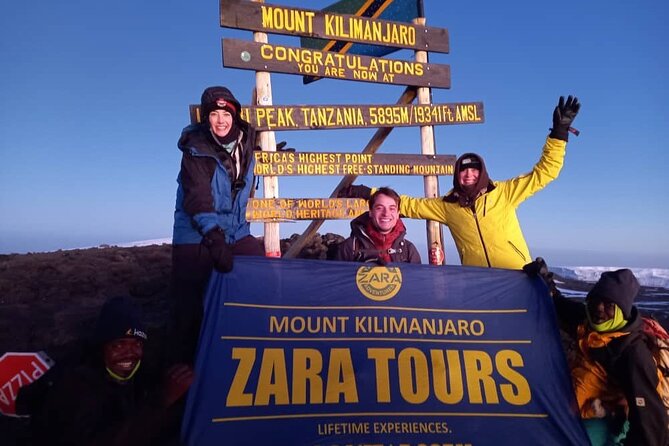
At Stella Point, you may see sunrise if the weather allows. From there, it is about two more hours over snow-covered ground to Uhuru Peak. The final summit section can feel strangely slow. Take photos, enjoy the achievement, and follow the guide’s advice about how long to remain in the cold.
The descent to Barafu takes about three hours, followed by a short rest. Then you continue to Mweka Camp for dinner and sleep. This is a punishing schedule, so the earlier acclimatization days are not decoration. They are central to making the summit attempt possible.
Day 8: Mweka Gate and the Return to Moshi
After breakfast at Mweka Camp, you descend to Mweka Gate. The walk covers about 10 kilometers and takes four to five hours.
The lower trail brings you back into thicker vegetation, but your attention may be on tired legs and the finish line. At the gate, you are driven back to Springlands Hotel for a hot lunch and shower.
Tipping the mountain team is encouraged, with envelopes available at the hotel. The porter and kitchen crew do demanding work, carrying equipment, preparing meals, and making camp functional at altitude. Bring a clear tipping plan and ask Zara before departure if you want current guidance on amounts.
The company also offers safari planning after the climb. The hotel coordinator can explain options, so this is a convenient add-on if you want to continue into Tanzania’s wildlife areas. It is not part of the eight-day climb, so treat it as a separate booking and cost.
Guides, Food, and Camp Support
The strongest part of this trip is the human support. I pay close attention to this on a mountain trek because the guide team controls the pace, watches for altitude problems, and helps you make sensible choices when you are tired.
The supplied names include Festo, Nechi Teti, John, Said, Augustino, Lema, Emmanuel, and Captain G. Past groups have particularly praised the guides’ organization, calm attitude, and care for both climbers and porters. You should still ask who will lead your particular departure.
Porters carry equipment and set up tents before you arrive. The chef prepares hot and fresh meals each day, a detail that matters more than it sounds after several hours on the trail. Food quality and regular meals can make a hard day feel manageable.
The service level is camping, not luxury. You should expect tents, camp meals, and a basic mountain routine rather than hotel comfort. That said, having your tent ready and food waiting can preserve energy for the walking that actually brought you here.
Price, Private Groups, and Practical Value
At $2,890 per group of up to five, the price is easiest to judge when the group is full. Five people sharing the fee works out to about $578 per person, while a solo booking would carry the full group price unless Zara offers a different arrangement.
The package value comes from the duration and support. You receive an eight-day private trek, park access, guides, porters, a chef, camping logistics, pickup options, and the return to Springlands Hotel. The final hotel lunch and shower are small but welcome after the summit night.
I would confirm exactly what the price includes before booking. The supplied details do not spell out every item, such as equipment rental, airport transfer terms, travel insurance, or personal drinks. Do not assume those are included.
The meeting information also needs clarification. It gives Kilimanjaro Airport in Tanzania as the starting point and lists a midnight start time, while the day-by-day plan begins at Springlands Hotel after breakfast. Ask whether airport pickup is included, where the first briefing takes place, and what time you should arrive at the hotel.
Free cancellation is available if you cancel at least 24 hours before the local start time. Changes or cancellations inside that window are not accepted for a refund.
Who Should Choose This Climb?
This route suits you if you want a scenic, private Kilimanjaro climb with a slower eight-day structure and strong camp support. It is especially suitable for a small group that values its own guides and does not want to join a large public departure.
You need a moderate level of physical fitness, but that phrase should not fool you. The summit day is long, the altitude is serious, and the terrain includes steep scree, rocky paths, and the Barranco Wall.
I would choose this trip if you care about scenery, a full acclimatization plan, fresh camp food, and a professional support crew. I would hesitate if you want a short, cheap mountain holiday or if your schedule cannot handle a very long summit day.
Before booking, send Zara four questions: Which camps are used on Days 2 and 3? What is the exact pickup plan from Kilimanjaro Airport? What does the $2,890 include? Who is the lead guide for my departure?
Should You Book Zara’s Lemosho Route?
I would recommend this climb to a prepared small group that wants the scenic western approach and the added pacing of eight days. The best reasons to choose it are the varied terrain, the careful high-altitude progression, the private format, and the repeated praise for guides, porters, organization, and food.
I would not book without clarifying the Shira schedule and meeting arrangements. Once those details are fixed, the trip offers a well-supported route to Uhuru Peak, with enough structure to help you focus on the mountain instead of camp chores. Go in ready for a hard week, and you will have a far better chance of enjoying the views as much as the summit.
FAQ
Where does the Kilimanjaro Lemosho climb take place?
The climb takes place in Kilimanjaro National Park in Tanzania, with planning and hotel arrangements connected to Moshi.
How long is the tour?
The experience lasts approximately eight days.
How much does the climb cost?
The listed price is $2,890 per private group of up to five people.
Is this a private tour?
Yes. Only your own group participates, with a maximum listed group size of five people.
What fitness level is required?
A moderate physical fitness level is required. The summit day includes more than 15 hours of hiking and descending.
When does the summit climb begin?
The summit attempt begins around 11:30 PM from Barafu Camp, after tea and biscuits.
Does the tour offer pickup?
Yes, pickup is offered. The meeting information also lists Kilimanjaro Airport, so you should confirm the exact pickup location and timing with Zara.
Can I cancel for a full refund?
Yes, if you cancel at least 24 hours before the experience start time. Cancellations or changes made less than 24 hours before the start are not accepted for a refund.
Just added around Moshi
- Moshi: Lake Chala Tour: Hiking &/or Kayaking★ 4.5 · 3 reviews
- 3 Days Tanga Exclusive Beach Holiday★ 5.0 · 3 reviews
- Serengeti Wildebeest Migration.★ 5.0 · 3 reviews
- Chemka Hotpsrings E-Bike Day Trip★ 5.0 · 3 reviews
- Explore 1 day Ngorongoro Crater Budget Group Safari from Arusha★ 5.0 · 3 reviews
- Explore the 360° of Kilimanjaro★ 5.0 · 3 reviews
- Affordable Short Tanzania Safari (2 Days Camping Safari)★ 5.0 · 3 reviews
- Rongai Route 7 Days★ 5.0 · 3 reviews
Kilimanjaro Treks, compared.



8-Day Small-group Lemosho Kilimanjaro Summit Trekking
Read our review →


Climbing Kilimanjaro through 7 days Machame Route
Read our review →

Browse the lists this tour appears in