
Reviewed · KILIMANJARO TREKS
Mt.kilimanjaro Lemosho Route
The mountain rewards patience. This 7-day Lemosho climb takes you from the western slopes of Kilimanjaro to Uhuru Peak, Africa’s highest point, using a gradual route with several acclimatization walks along the way. You spend the week moving through changing plant zones, high volcanic camps, and rough mountain terrain before the final night ascent.
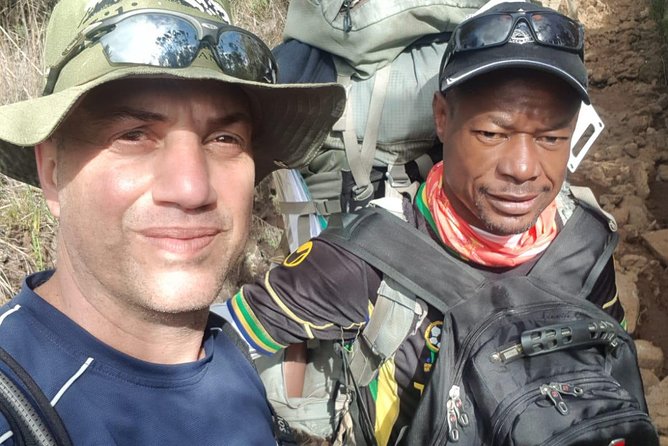
I like the careful altitude plan, especially the stop at Lava Tower before descending to Barranco Camp. I also like the strong focus on guides. Ayubu, Qamrish, Edwin, Panta, and Fred are among the team members praised for safety, encouragement, cooking, and warm support. The main drawback is the pace and length of the days. Most days are planned for roughly 12 hours, and summit night is physically demanding even though the route is not technically difficult.
In This Review
- Key points to know before booking
- Why the Lemosho Route is a smart seven-day choice
- Day 1: Londorossi Gate and Shira 1 at 3,505 meters
- Day 2: Shira 2, Mount Meru views, and a useful acclimatization walk
- Day 3: Lava Tower at 4,630 meters, then Barranco Camp
- Day 4: Barranco Wall and Karanga Camp
- Day 5: Karanga to Barafu Summit Camp
- Day 6: Uhuru Peak at 5,895 meters
- Day 7: Millennium Camp, Mweka Gate, and the return to Moshi
- The guides are the heart of the experience
- Is $2,256.42 per person good value?
- Who should book this climb?
- Should you book the Lemosho Route?
- FAQ
- How long is the Kilimanjaro Lemosho Route experience?
- How much does the climb cost?
- Is hotel pickup available?
- What is the highest point reached?
- Is this a private tour?
- What fitness level is required?
- What happens if bad weather cancels the climb?
Key points to know before booking
- Lemosho starts high and scenic: A vehicle carries you from Londorossi Gate to about 3,500 meters, giving you early views of the Shira Plateau.
- Acclimatization is built into the plan: You climb high to Lava Tower, then sleep lower at Barranco Camp, which helps your body adjust.
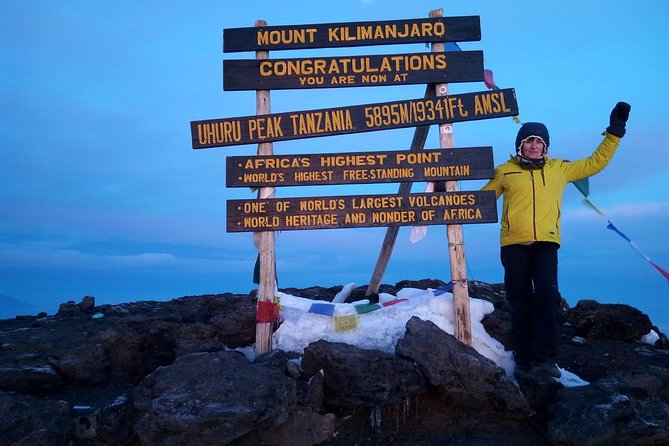
- Summit night begins from Barafu Camp: You leave around midnight for Uhuru Peak at 5,895 meters.
- The guide team is a major strength: Personal guide support is provided for each pair during the summit ascent.
- The price is $2,256.42 per person: For a private 7-day climb with pickup, camp support, meals, permits, and transfers described in the plan, that can be solid value.
- This is a serious physical challenge: A moderate fitness level is required, and good weather affects whether the climb can operate.
Why the Lemosho Route is a smart seven-day choice
Lemosho is a good route for people who want a measured approach to Kilimanjaro rather than the shortest possible climb. The early sections are not especially technical, and the plan gives you several chances to walk higher than your sleeping camp before returning to a lower altitude.
That pattern matters. Altitude sickness is not solved by willpower. It is managed through pacing, rest, and giving your body time to adjust. The climb reaches 4,630 meters at Lava Tower on Day 3, then drops to Barranco at 3,960 meters. You feel the height, but you do not sleep at the day’s highest point.
The route also gives you a satisfying change of scenery. The first camps sit around the Shira Plateau, while later sections move through stark volcanic terrain, steep walls, glaciers, and finally rainforest. You are not simply walking uphill for a week. The mountain keeps changing around you.
The private format is another advantage. Only your own group participates, so the guides can set the walking pace around your condition. That does not make the climb easy, but it should make the support more personal than a large shared departure.
More Kilimanjaro routes and climbs:
- Kilimanjaro climb by Lemosho Route (7-day)
★ 5.0 · 651 reviews - Kilimanjaro climb, Machame Route (7-day)
★ 5.0 · 262 reviews - Kilimanjaro Climbing Lemosho Route 8 Days.
★ 5.0 · 186 reviews
Day 1: Londorossi Gate and Shira 1 at 3,505 meters
Your guide and mountain crew meet you at your hotel in the morning for another briefing. This is useful, not just ceremonial. You have a final chance to clarify the route, the day’s timing, and what lies ahead before leaving Moshi.
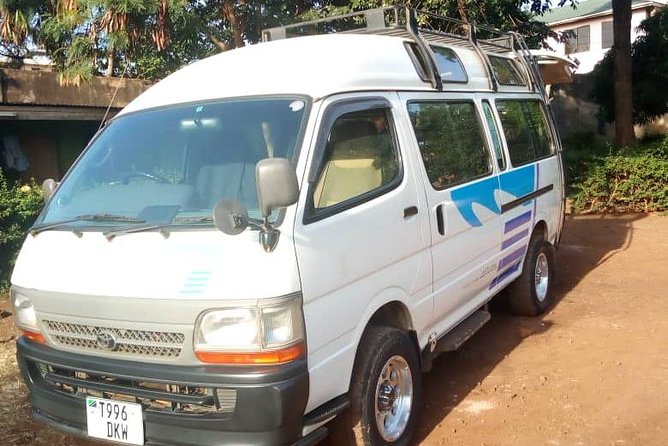
The drive to Londorossi Gate takes about three to four hours. At the gate, the team handles climbing permits and registration with the search and rescue service. From there, off-road vehicles carry the group farther uphill to a drop-off point around 3,500 meters.
That vehicle transfer saves your legs for the actual route, but it also means your first hours are already at high altitude. Pay attention to how you feel. A light first walk can still feel different at this height.
The walk to Shira 1 is relatively gentle, with only a small gain in altitude. You get your first broad views of the Shira Plateau, one of the memorable features of this western approach. The total day is listed at roughly 12 hours, though much of that includes driving, registration, and camp setup rather than continuous hiking.
Day 2: Shira 2, Mount Meru views, and a useful acclimatization walk
You leave Shira 1 at 3,505 meters and walk to Shira 2 at 3,900 meters. The route is described as light, leaving room to enjoy Kilimanjaro’s unusual plant life and wide views across northern Tanzania.
On a clear day, Shira 2 is one of the best places on this route to see Mount Meru, Tanzania’s second-highest mountain and often described here as Africa’s fifth summit. Weather controls the view, so do not count on it, but keep your camera ready.
After lunch, you get about two hours to rest. Then comes an acclimatization walk toward Lava Tower, gaining another 200 meters before returning to camp. This is one of the plan’s best features. You get a controlled test of higher altitude without having to sleep there yet.
That afternoon rest is worth protecting. It can be tempting to explore every corner of camp, but the mountain is not impressed by your enthusiasm. Eat, drink, and sleep as much as you can.
Day 3: Lava Tower at 4,630 meters, then Barranco Camp
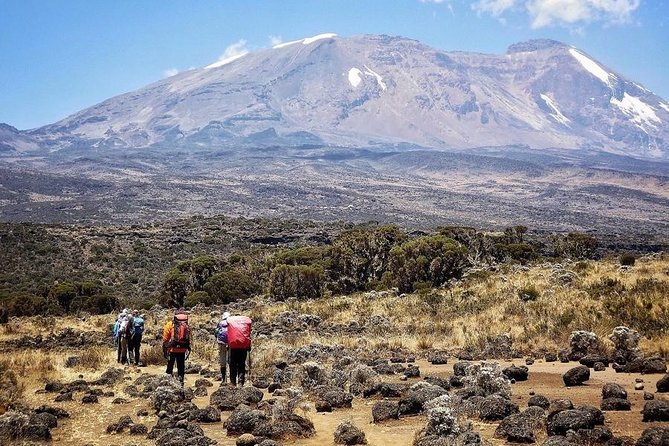
Day 3 is where the route begins to feel serious. From Shira 2, you climb through repeated ascents and descents toward Lava Tower at 4,630 meters. This is a demanding section because you gain substantial height before dropping again.
You may feel headache, tiredness, or general discomfort at Lava Tower. The plan calls for spending one to two hours there, with lunch at altitude. That pause is designed to help your body adjust, so do not rush it simply because the camp at Barranco is lower.
The descent to Barranco Camp at 3,960 meters is a relief. It also gives you the classic climb high, sleep low rhythm that makes a longer route worthwhile. Barranco is home to the famous Barranco Wall, a huge volcanic formation that looks more intimidating than the trail actually is.
You need to be ready for a long day. The listed duration is about 12 hours, and the repeated uphill and downhill sections can be tiring even for people who are comfortable hiking. Still, this is a valuable day because it combines a high-altitude stop with a lower sleeping camp.
A few more trips of this kind worth comparing:
- Safari Serengeti And Ngorongoro
★ 5.0 · 288 reviews - Climbing Kilimanjaro – Machame Route
★ 5.0 · 170 reviews - Climbing Kilimanjaro through 7 days Machame Route
★ 5.0 · 151 reviews - Kilimanjaro climb, Lemosho Route (8-day)
★ 5.0 · 148 reviews
Day 4: Barranco Wall and Karanga Camp
An early start is recommended for the Barranco Wall. Leaving early helps you avoid the busiest periods on the narrow climbing section, which matters because groups can gather where the trail is steep or confined.
The climb up the wall takes around an hour and is described as straightforward hiking rather than technical climbing. You will use your hands at points and should move carefully, but the main challenge is the steepness and exposure of the path, not specialized mountaineering skill.
At the top, you can stop for photographs with Kibo volcano behind you. This is a good place to pause, but do not let a photo stop turn into a long rest. The day continues toward Karanga Camp.
The route to Karanga includes repeated ascents and descents. It can feel harder than the distance suggests, especially after the wall. The guides set the pace for the group, and that is where an experienced support team earns its keep. Ayubu and Qamrish received particular praise for safety and comfort, while other accounts highlighted Edwin’s determination and Fred’s friendly care.
After lunch at Karanga, you make another 200-meter acclimatization walk toward Barafu Camp, then descend back to camp. This extra walk adds effort, but it gives you useful time at a higher altitude before the summit stage.
Day 5: Karanga to Barafu Summit Camp
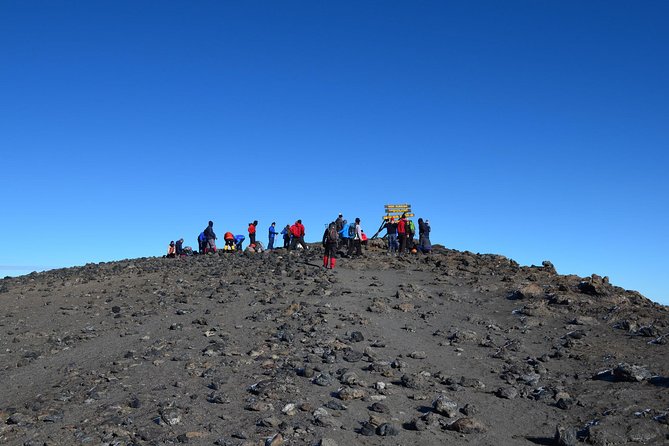
The walk to Barafu Camp takes you to 4,640 meters. Barafu is the launch point for the night ascent to Uhuru Peak, so this is less about sightseeing and more about preparing your body and mind.
The support crew sets up the tents and sleeping bags ahead of your arrival. That means you can get settled rather than spending your limited energy arranging camp. You will have time to regain strength, but the schedule also includes a short acclimatization walk toward Kosovo Summit Camp at about 4,800 meters.
Then you return to Barafu for a hot dinner. After that, rest is the priority. The summit attempt begins at night, and good sleep may be difficult because of altitude, anticipation, or both. Even a few hours of quiet rest can help.
Barafu is high, cold, and exposed. The supplied details do not specify temperatures or equipment lists, so you should confirm exactly what clothing, sleeping gear, meals, and personal equipment are included before departure. The mountain does not offer a convenient shop when you discover you forgot a warm layer.
Day 6: Uhuru Peak at 5,895 meters
Summit day starts at night from Barafu. You climb toward Uhuru Peak, the highest point on Kilimanjaro, at 5,895 meters. The route is technically simple, but the altitude makes this the hardest part of the trip.
The ascent is usually slow and steady. You should expect the guides to watch your physical and mental condition closely. The plan assigns one personal guide to each pair of climbers for the ascent, an unusually important detail for a night climb at this height.
That one-to-one support can help with pacing and decision-making. It also means the guide can pay close attention if you begin to struggle. The strongest praise for this company centers on safety, warmth, and encouragement, and summit night is where those qualities matter most.
At Uhuru Peak, you can take in the summit and, if conditions allow, descend to the nearest glacier. The glacier visit is optional and should not be treated as essential. Your main task is reaching the summit safely and beginning the descent before fatigue becomes a problem.
After returning to Barafu, you get about two hours to rest before continuing to Millennium Camp at 3,820 meters. That second descent is demanding. You have already completed the hardest uphill section, but your legs may be tired and the trail can feel endless.
Day 7: Millennium Camp, Mweka Gate, and the return to Moshi
Millennium Camp sits in tropical rainforest, a dramatic change after the cold, open upper mountain. Waking lower should bring some relief as the air becomes easier to breathe.
After a warm breakfast, you descend to Mweka Gate at 1,650 meters. The final walk is still long, but it is a different kind of tiredness now. You are going downhill, the altitude is dropping, and the summit goal is behind you.
At the gate, the group gathers to celebrate. The company also provides commemorative certificates and transfers you back to your hotel. Those details may sound small, but after seven demanding days, a reliable transfer and a clear finish are welcome.
The itinerary lists this final day at about 12 hours. That figure likely includes the descent, gate formalities, celebration, certificates, and hotel transfer. Ask for the expected departure and arrival times so you can plan any onward travel carefully.
The guides are the heart of the experience
The company says its guides make the difference between an ordinary trek and a once-in-a-lifetime climb. That is a bold claim, but the praise attached to the team points in the same direction.
Ayubu and Qamrish are singled out for keeping climbers safe and comfortable. Edwin is praised for working through changeable weather to help make a summit attempt possible. Chef Panta receives credit for providing pizza on the mountain, a welcome morale boost when ordinary camp food starts to lose its appeal.
Fred is associated with a warm welcome and friendly service. The exact guide assigned to you may depend on your departure, so ask before booking if a particular guide is important to you. Still, the team structure is encouraging: a lead guide, support crew, cooks, tents, sleeping bags, personal summit support, and camp assistance.
The private format should also help. You are not tied to the needs of a large public group, and the guides can adjust the pace for your own party. That is especially valuable on the high sections, where a rushed schedule can ruin an otherwise well-planned climb.
Is $2,256.42 per person good value?
The price is $2,256.42 per person. On its own, that number tells you little. The real question is what the fee covers.
Here, the experience includes hotel pickup, transport to the western entrance, permit and registration arrangements, a mountain support crew, tents, sleeping bags, camp meals, guides, a private group format, summit support, certificates, and the transfer back to the hotel as described. Those services carry real value on a seven-day climb.
You are also paying for route design. The schedule uses several acclimatization walks, includes the high stop at Lava Tower, and builds in a lower camp at Barranco afterward. A cheaper or shorter climb may reduce the time available for altitude adjustment.
The price is less attractive if important items are excluded, such as airport transfers, hotel nights, tips, personal gear, travel insurance, or meals outside the mountain portion. Ask for a written inclusions list before paying. Also ask what the company means by superior service, since one account specifically praised a superior service option with strong lodge and campsite choices.
For a private seven-day climb with a substantial support operation, the price appears reasonable. Its value depends heavily on crew treatment, equipment quality, food, safety procedures, and clear inclusions.
Who should book this climb?
This route suits you if you have moderate physical fitness, can handle long walking days, and want a serious but nontechnical ascent. You should be comfortable with early starts, basic mountain camping, cold conditions, repeated uphill and downhill sections, and a night summit attempt.
It is a good choice if you value personal guide attention. The pair-to-guide arrangement on summit night is especially useful for first-time high-altitude climbers who want close monitoring.
You may want a different plan if seven days feels too compressed, if you dislike camping, or if you want a relaxed holiday with short daily walks. The route is gradual by Kilimanjaro standards, but it is not gentle. Every day is listed at roughly 12 hours, and the final two days are particularly demanding.
Pickup is offered, and the experience is available as a private activity. Confirmation is provided at booking, and the meeting point is near public transportation. The package requires good weather. If poor weather cancels the climb, you can choose a different date or receive a full refund.
Free cancellation applies if you cancel at least 24 hours before the start time. Cancel later than that, or make changes inside the 24-hour window, and the payment is not refunded.
Should you book the Lemosho Route?
I would choose this climb if your priorities are careful acclimatization, private support, and a route with varied scenery. The Lava Tower and Barranco descent are especially sensible parts of the plan, and the guide support on summit night is a real advantage.
Book it if you can prepare properly and accept that the mountain sets the schedule. Before paying, confirm the full equipment list, meal plan, tipping expectations, hotel arrangements, and exactly what the $2,256.42 includes.
The best reason to choose this experience is the human support. Guides such as Ayubu, Qamrish, Edwin, Panta, and Fred are praised for the qualities you need most on Kilimanjaro: calm judgment, encouragement, safety, and good food when morale dips. If that is the kind of help you want, this seven-day Lemosho plan deserves serious consideration.
FAQ
How long is the Kilimanjaro Lemosho Route experience?
The experience lasts approximately seven days. Each day is listed as taking about 12 hours, including hiking and other planned activities.
How much does the climb cost?
The listed price is $2,256.42 per person.
Is hotel pickup available?
Yes. Pickup is offered, and the guide and mountain support crew are scheduled to meet you at your hotel on the first morning.
What is the highest point reached?
The summit is Uhuru Peak, at 5,895 meters.
Is this a private tour?
Yes. Only your own group participates in the activity.
What fitness level is required?
You should have a moderate level of physical fitness. The route includes long days, high altitude, steep sections, repeated ascents and descents, and a night summit attempt.
What happens if bad weather cancels the climb?
The experience requires good weather. If it is canceled because of poor weather, you will be offered another date or a full refund. You can also cancel for a full refund if you do so at least 24 hours before the start time.
Just added around Moshi
- Moshi: Lake Chala Tour: Hiking &/or Kayaking★ 4.5 · 3 reviews
- 3 Days Tanga Exclusive Beach Holiday★ 5.0 · 3 reviews
- Serengeti Wildebeest Migration.★ 5.0 · 3 reviews
- Chemka Hotpsrings E-Bike Day Trip★ 5.0 · 3 reviews
- Explore 1 day Ngorongoro Crater Budget Group Safari from Arusha★ 5.0 · 3 reviews
- Explore the 360° of Kilimanjaro★ 5.0 · 3 reviews
- Affordable Short Tanzania Safari (2 Days Camping Safari)★ 5.0 · 3 reviews
- Rongai Route 7 Days★ 5.0 · 3 reviews
Kilimanjaro Treks, compared.



8-Day Small-group Lemosho Kilimanjaro Summit Trekking
Read our review →


Climbing Kilimanjaro through 7 days Machame Route
Read our review →

Browse the lists this tour appears in