
Reviewed · KILIMANJARO TREKS
Pedal power the villages on foothills of Mt. Kilimanjaro
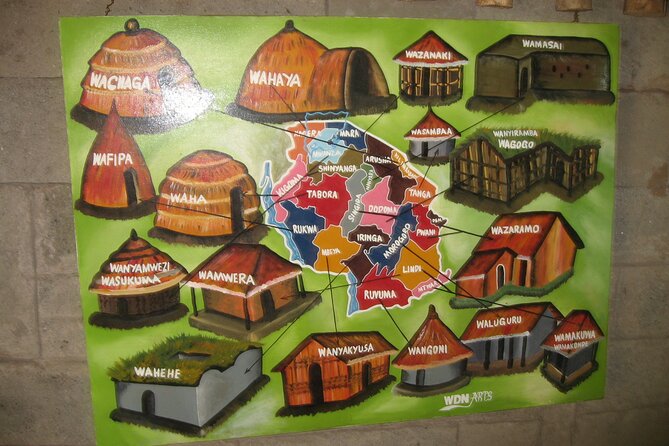
Kilimanjaro looks different from a bicycle seat. This half-day ride takes you through Chagga villages, banana and coffee farms, schools, markets, and small village centers below the mountain. I like the local focus, and I like that lunch, water, a mountain bike, helmet, and guide are included in the $55 price.
The main catch is that this is not a gentle sightseeing ride. You need intermediate cycling skills and moderate fitness, and the tour may last five to six hours. The route is private for your group, but transportation details need checking because pickup is offered while private transportation is listed separately as not included.
In This Review
- Key Points Before You Book
- Why This Ride Works Better Than a Standard Moshi Tour
- Setting Out From Moshi Toward Kibosho Magharibi
- What Makes the Chagga Village Stops Valuable
- Coffee Farms and the Mweka Stop
- Bikes, Helmets, Water, and Lunch
- Is $55 a Fair Price?
- Who Should Book This Kilimanjaro Foothill Ride?
- Practical Details That Matter on the Day
- Should You Book It?
- FAQ
- Where does the tour start?
- Where does the tour end?
- How long does the experience last?
- What time does the tour operate?
- Is pickup available?
- What equipment is included?
- Is lunch included?
- What fitness level is required?
- Is this a private tour?
- What happens if bad weather cancels the tour?
Key Points Before You Book
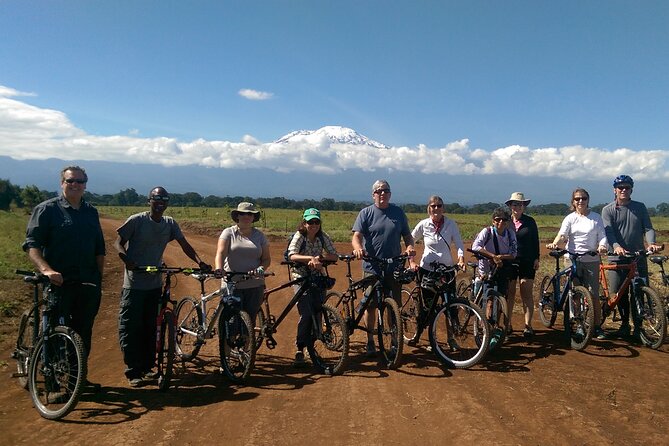
- The ride reaches Kibosho Magharibi and Mweka, two foothill areas tied to village life, coffee growing, and Chagga culture.
- You stop at everyday community places, including a local school, markets, village shopping centers, and coffee farms.
- Your guide shapes the experience, with Saït praised for patience and Charles of Safari by Leo noted for his explanations of local history and culture.
- The $55 price covers the useful basics, including a bicycle, helmet, mountain bike guide, one-liter bottle of water, and a large lunch box.
- Intermediate ability matters, since this is a mountain bike outing rather than a short ride around flat Moshi.
- The tour ends in Moshi town at Coffee Union Cafe, making it easy to continue your day there.
Why This Ride Works Better Than a Standard Moshi Tour
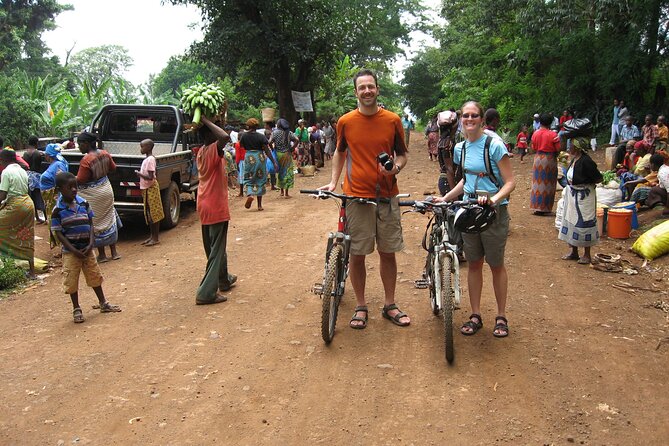
Moshi is a natural base for Kilimanjaro trips, but many visitors see the town only as a place to sleep before or after a climb. This ride gives you a closer look at the communities living on the mountain’s lower slopes.
The focus is not only on scenery. You get time around farms, village centers, schools, and markets. That matters because the Chagga people and their relationship with coffee, bananas, land, and Kilimanjaro are central to understanding this part of northern Tanzania.
I especially like the combination of movement and conversation. You are not sitting in a vehicle while someone points toward a farm. You pedal into the area, stop often, and have a chance to connect the history of the region with what you can see around you.
The experience is also private, meaning only your group participates. That can make a difference on a cultural outing. You can ask questions at your own pace, and the guide can adjust the rhythm of stops more easily than on a large group excursion.
Still, the ride asks something of you. Five or six hours on a mountain bike can feel long if you rarely cycle, and the description specifically calls for intermediate skills. If your idea of a bike tour is a flat path with frequent café stops, this may be more demanding than expected.
More Kilimanjaro routes and climbs:
- Kilimanjaro climb by Lemosho Route (7-day)
★ 5.0 · 651 reviews - Kilimanjaro climb, Machame Route (7-day)
★ 5.0 · 262 reviews - Kilimanjaro Climbing Lemosho Route 8 Days.
★ 5.0 · 186 reviews
Setting Out From Moshi Toward Kibosho Magharibi
The ride begins at Mr. Price Village on Kilimanjaro Road. The scheduled operating time is 8:30 a.m. to 2:30 p.m., which fits the stated five to six hour duration.
The first major part of the route reaches Kibosho Magharibi. Here, the ride moves through villages and farming areas on the foothills of Kilimanjaro. The pace includes regular stops, so you are not expected to cycle without a break from start to finish.
This section is where the tour earns its cultural value. You may pass banana and coffee farms, village centers, a local school, and markets. These are ordinary places, but they offer a useful window into daily life. You get a better sense of how the area functions than you would from a distant mountain viewpoint.
The guide also explains the history of the Chagga people, the role of coffee, and the legends connected to Kilimanjaro. Those subjects give the ride a clear purpose. You are not simply looking at Mount Kilimanjaro from another angle. You are learning about the people who inhabit its foothills and the traditions tied to the land.
A school stop can be particularly meaningful, though the available information does not specify whether you enter the school or simply stop nearby. The same applies to village markets and shopping centers. Expect observation and explanation, but do not assume that purchases, formal visits, or organized meetings are part of the program.
What Makes the Chagga Village Stops Valuable
The Chagga are closely associated with the Kilimanjaro region, and this ride puts their communities at the center of the day. The experience is strongest when you pay attention to the small details around you: farms, paths, homes, shops, and the movement of people between villages.
You should approach the stops with respect. This is a working community, not a staged cultural show. The value comes from seeing real places and hearing context from a local guide, while remembering that residents are going about their normal lives.
The frequent stops also help with the physical side of the ride. They break up the effort and give you time to drink water, listen, take in the view, and regain your rhythm. That said, stops do not remove the need for fitness. You still need to handle a mountain bike for several hours.
One strong point is the guide service. Saït is praised for patience and for showing visitors everyday life around Moshi. Charles, who guides for the family-owned Safari by Leo company, is described as a source of detailed explanations about history and the cultures of different Tanzanian tribes.
Guide quality matters here more than on a simple cycle path. The scenery is only part of the experience. A good guide helps you understand why the villages are where they are, how coffee fits into local life, and how the Kilimanjaro story is told in Tanzania.
Coffee Farms and the Mweka Stop
The second named stop is Mweka, with about one hour set aside for sightseeing at a coffee plantation and learning about its history in Tanzania.
Coffee is an excellent subject for this region because it connects farming, local livelihood, and Tanzania’s wider identity. The stop gives the ride a practical theme. You are not just hearing that coffee is important. You are seeing a plantation and learning how its story fits into the country.
The details do not promise a full coffee-making workshop, tasting, or roasting demonstration, so you should not book this expecting a specialist coffee course. Think of Mweka as a guided plantation visit with historical explanation.
For many people, this will be the most memorable stop. Coffee farms offer a change from village roads and a chance to slow down after the first cycling section. The one-hour duration is long enough to give the subject attention without taking over the entire day.
The ride’s mix of coffee and banana farming also helps explain the foothills as a productive area, not just a scenic backdrop. I like that the tour links the mountain with the people and crops around it. Kilimanjaro is not presented as an isolated peak. It is part of a lived-in region.
A few more trips of this kind worth comparing:
- Safari Serengeti And Ngorongoro
★ 5.0 · 288 reviews - Climbing Kilimanjaro – Machame Route
★ 5.0 · 170 reviews - Climbing Kilimanjaro through 7 days Machame Route
★ 5.0 · 151 reviews - Kilimanjaro climb, Lemosho Route (8-day)
★ 5.0 · 148 reviews
Bikes, Helmets, Water, and Lunch
The price includes the use of a bicycle, a helmet, and a mountain bike guide. You are asked to provide your height when booking so the operator can arrange the right bike size. Do not skip that step. A poorly sized bicycle can turn a manageable ride into an uncomfortable one.
One liter of bottled water is included. That is useful, but you should think of it as a starting supply rather than a reason to ignore hydration. The tour takes several hours and involves physical effort. The supplied information does not state whether extra water can be purchased or refilled along the route, so it is sensible to confirm this before setting out.
Lunch comes as a lunch box. One especially positive detail is the description of the meal as generous. You should still check whether the food suits your dietary needs, since the available details do not specify the menu or provide vegetarian, vegan, allergy, or religious meal information.
The basic equipment package keeps the $55 cost easy to understand. You are paying for the guided outing and the main practical items, not merely for access to a route. The inclusion of lunch and water also means fewer small costs during the day.
Is $55 a Fair Price?
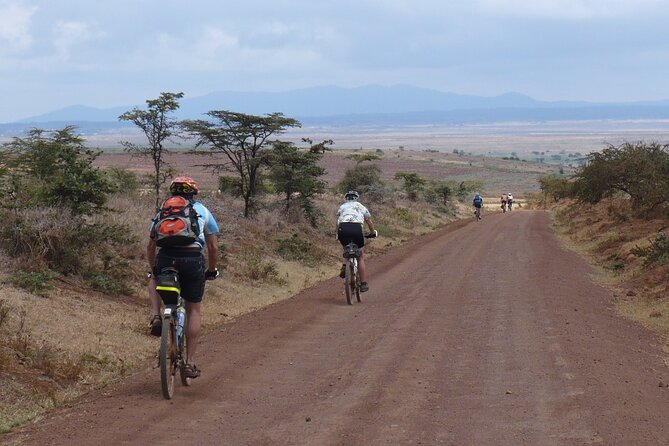
At $55 per person, this tour offers solid value if you want an active cultural experience rather than a short bike rental. The price includes the bicycle, helmet, guide, lunch box, and one-liter bottle of water. It also includes a private tour format, which can make the experience more flexible and personal.
The strongest value comes from the combination of activities. A simple cycling trip might give you exercise and scenery. This one adds Chagga history, coffee farming, village stops, markets, and a school area. You get several different ways to understand the foothills in a single morning and early afternoon.
The price does not include private transportation. Since pickup is offered in the tour summary, ask exactly where pickup applies and whether it carries an additional charge. The published start point is Mr. Price Village on Kilimanjaro Road, and the end point is Coffee Union Cafe in Moshi town.
That start and finish arrangement may suit you well if you are already in Moshi and can reach the meeting point. It may be less convenient if you are staying farther away or need a transfer from a hotel. Confirm the transport plan before paying, especially if you are arranging the tour around a Kilimanjaro climb or airport transfer.
Who Should Book This Kilimanjaro Foothill Ride?
I would recommend it to you if you want to see more than Moshi’s main streets and prefer active sightseeing. It suits people who enjoy learning about farming, local culture, and community life while moving through the area at a steady pace.
It is also a good fit for a private group. Families with older children, friends, and couples who already cycle regularly may appreciate the freedom of having only their own group on the ride. The operator can be told your height in advance, which helps with bicycle sizing.
You should think twice if you have limited cycling experience, poor stamina, or uncertainty about handling a mountain bike. The tour calls for intermediate skills and moderate fitness, so those requirements should be taken seriously.
This is not the best choice if your top priority is a guaranteed view of the summit. The ride is built around foothill villages, farms, coffee, and Chagga culture. Kilimanjaro is the setting, but the people and places below the mountain are the real subject.
Practical Details That Matter on the Day
The tour operates from 8:30 a.m. to 2:30 p.m., every day during the stated operating period. Confirmation is received at booking, and the activity is near public transportation.
Bring the height information needed for bike sizing, and be clear about your cycling ability. I would also confirm the pickup arrangement, lunch requirements, water supply, and meeting point before the morning of the ride.
Weather matters. The experience requires good conditions, and poor weather can lead to a different date or a full refund. You can cancel for a full refund if you do so at least 24 hours before the start time. Cancellations or changes made within 24 hours are not refunded or accepted.
The tour finishes at Coffee Union Cafe on Arusha Road, Lindi Street, in Moshi town. Ending in town is convenient, especially if you want a meal, coffee, or a simple place to regroup after the ride.
Should You Book It?
Book this tour if you want an active, reasonably priced way to understand the villages and farms below Kilimanjaro. The best parts are the local focus, the private format, the coffee stop in Mweka, and guides such as Saït and Charles, who add patience and cultural context.
Skip it if you want a short, easy ride or if you are not comfortable with several hours of mountain biking. For a moderately fit cyclist who wants more than a mountain photograph, this is a useful and personable day out from Moshi. Just confirm transport and food details, report your height accurately, and arrive ready to pedal.
FAQ
Where does the tour start?
The tour starts at Mr. Price Village on Kilimanjaro Road, Tanzania.
Where does the tour end?
The tour ends at Coffee Union Cafe on Arusha Road, Lindi Street, in Moshi town.
How long does the experience last?
The tour lasts approximately five to six hours.
What time does the tour operate?
The stated operating hours are 8:30 a.m. to 2:30 p.m., Monday through Sunday, during the published operating period.
Is pickup available?
Pickup is offered, but private transportation is listed as not included. Confirm the exact pickup arrangement before booking.
What equipment is included?
The tour includes use of a bicycle, a helmet, and a mountain bike guide.
Is lunch included?
Yes. A lunch box and one-liter bottle of bottled water are included.
What fitness level is required?
You should have moderate physical fitness and intermediate cycling skills.
Is this a private tour?
Yes. Only your group participates in the activity.
What happens if bad weather cancels the tour?
If poor weather causes cancellation, you can choose a different date or receive a full refund.
Just added around Moshi
- Moshi: Lake Chala Tour: Hiking &/or Kayaking★ 4.5 · 3 reviews
- 3 Days Tanga Exclusive Beach Holiday★ 5.0 · 3 reviews
- Serengeti Wildebeest Migration.★ 5.0 · 3 reviews
- Chemka Hotpsrings E-Bike Day Trip★ 5.0 · 3 reviews
- Explore 1 day Ngorongoro Crater Budget Group Safari from Arusha★ 5.0 · 3 reviews
- Explore the 360° of Kilimanjaro★ 5.0 · 3 reviews
- Affordable Short Tanzania Safari (2 Days Camping Safari)★ 5.0 · 3 reviews
- Rongai Route 7 Days★ 5.0 · 3 reviews
Kilimanjaro Treks, compared.



8-Day Small-group Lemosho Kilimanjaro Summit Trekking
Read our review →


Climbing Kilimanjaro through 7 days Machame Route
Read our review →

Browse the lists this tour appears in