
Reviewed · KILIMANJARO TREKS
6-Day Rongai Route Trek in Mount Kilimanjaro
The quiet side of Kilimanjaro awaits. This six-day Rongai Route trek approaches Africa’s highest mountain from the Kenyan border, where low crowds, remote moorland, and possible wildlife sightings give the climb a more solitary feel. I like the gradual ascent and the route’s broad views across the Kenyan plains. I also like that the price covers guides, porters, camping equipment, meals, transfers, and park costs in one package. The main concern is the short schedule: summit day can last 10 to 16 hours, and six days gives you less time to adjust than longer routes.
This is a private activity for your group, with pickup available in Moshi and airport transfers included. The mountain crew receives especially strong praise, with guides such as Tuma and Issa singled out for safety, encouragement, and summit support. Still, you need proper clothing, insurance, personal medicine, and enough patience for a very long summit push.
In This Review
- Key points to know before you go
- Why the Rongai Route feels different
- Day 1: From Nale Moru fields to the moorland edge
- Day 2: A longer climb toward Kikelelwa Caves
- Day 3: Mawenzi Tarn and a useful acclimatization walk
- Day 4: Across the lunar saddle to Kibo Hut
- Day 5: The long push to Uhuru Peak
- Day 6: A long forest descent to Marangu Gate
- What the $2,353 price really covers
- Camp comfort, meals, and the private-group format
- Who should choose this six-day climb?
- Booking, cancellation, and practical planning
- Should you book the Rongai Route trek?
- FAQ
- How long is the Rongai Route trek?
- Where does the trek begin?
- Where does the trek finish?
- Is the tour private?
- Are airport transfers included?
- Are meals included?
- Is hiking equipment included?
- What is the cancellation policy?
Key points to know before you go
- Northern approach: Rongai is Kilimanjaro’s only route from the north, close to the Kenyan border.
- Quiet mountain experience: The route passes through remote areas and usually has fewer people than Marangu.
- Possible wildlife sightings: The opening days pass through habitat where you might see animals.
- Steady climb, demanding finish: The ascent is gradual, but summit day may take up to 16 hours.
- Well-supported camp life: Guides, assistant guides, porters, a cook, tents, mattresses, tables, chairs, meals, and hot wash water are included.
- Useful private format: Only your own group participates, and group discounts are available.
Why the Rongai Route feels different
Rongai offers a different introduction to Kilimanjaro. Instead of beginning on the southern side, you approach from the north near the Kenyan border, then cross the mountain toward the Marangu side for the descent. That change of scenery helps the trek feel like a journey across the mountain rather than a walk up and back on one trail.
I like this route for people who want quiet. It is described as one of Kilimanjaro’s easier routes because the climbing is gradual and steady, similar to Marangu. That does not make the mountain easy. At high altitude, even a mild slope can feel serious, and the summit day remains physically tough.
The first part of the route offers a chance of seeing wildlife, something not usually associated with a high-altitude summit climb. You begin among maize and potato fields, enter pine forest, and later reach the moorland zone. As you climb, the views open toward the Kenyan plains.
There is a trade-off. Rongai’s scenery is quieter and more remote, but the route does not provide the same number of days for acclimatization as longer Kilimanjaro itineraries. You should be comfortable with the possibility that the final ascent will test you hard.
More Kilimanjaro routes and climbs:
- Kilimanjaro climb by Lemosho Route (7-day)
★ 5.0 · 651 reviews - Kilimanjaro climb, Machame Route (7-day)
★ 5.0 · 262 reviews - Kilimanjaro Climbing Lemosho Route 8 Days.
★ 5.0 · 186 reviews
Day 1: From Nale Moru fields to the moorland edge
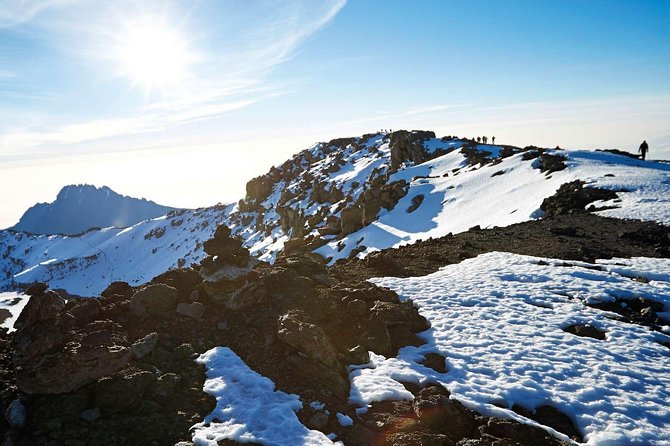
After breakfast at your Moshi hotel, your head guide collects you and drives you to Kilimanjaro National Park. Registration takes place at Rongai Gate, followed by a vehicle transfer to the village of Nale Moru at about 1,950 meters.
The walking begins on a narrow path through fields of maize and potatoes. This start gives you a look at the cultivated countryside before the trail enters pine forest. The first day lasts about three to four hours, with a gradual climb toward the edge of the moorland zone.
The big reward is the view across Kenya. If the weather is clear, the wide plains provide a fine first sense of how far you have come from Moshi. You might also find the opening section more appealing than a sudden, steep mountain start because your legs have time to settle into the rhythm.
Carry your waterproof jacket where you can reach it. Rain can affect the forest section, and packing waterproof clothing at the bottom of your bag is a fine way to learn this lesson the hard way.
Day 2: A longer climb toward Kikelelwa Caves
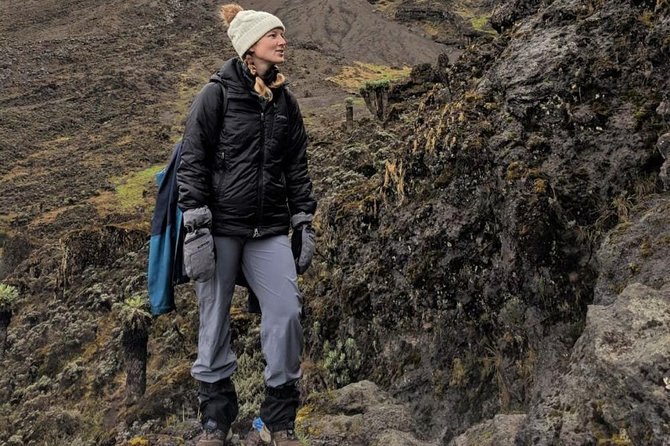
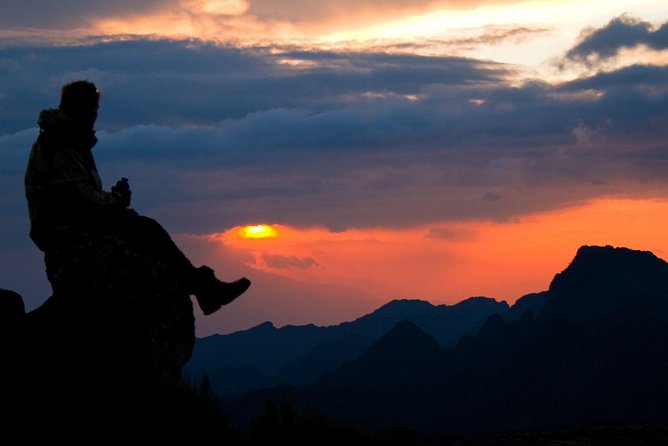
Day two is more demanding. From camp, you walk toward the Second Cave area and then continue toward Kikelelwa Caves, reaching about 3,800 meters for the night. The walking time is listed at six to seven hours, covering roughly nine kilometers.
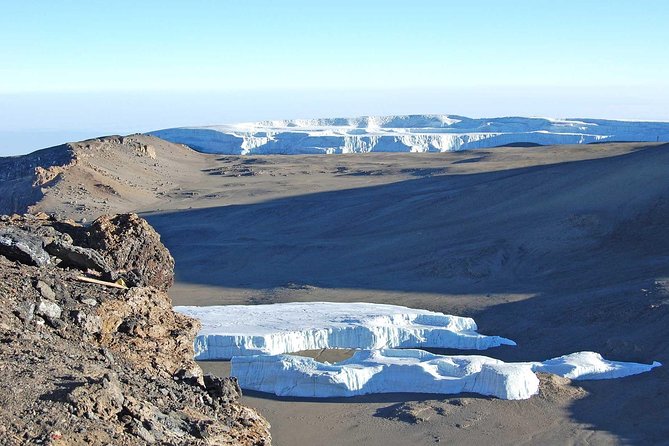
The altitude gain is about 950 meters, so this is an important acclimatization day. The route climbs steadily to around 3,450 meters before continuing higher. Weather permitting, you will have superb views of Kibo, Kilimanjaro’s summit cone, along with the eastern ice fields on the crater rim.
That sight gives you a useful mental picture of the days ahead. Kibo may look close, but altitude changes the meaning of distance. Walk slowly, drink the provided water regularly, and resist the temptation to race ahead simply because the trail appears manageable.
The camp near Kikelelwa Caves is high and exposed compared with the first night. Dinner and camping are included, and the crew provides hot water for washing. This is basic mountain camping, not a lodge with private plumbing, so your small comfort items matter. A headlamp, warm layers, and dry socks are worth keeping within easy reach.
Day 3: Mawenzi Tarn and a useful acclimatization walk
The third day is shorter, at roughly three to four hours, but it includes steeper sections. You leave camp with a short, sharp climb up grassy slopes, then move beyond the main vegetation zone toward Mawenzi Tarn Hut at 4,330 meters.
Mawenzi is Kilimanjaro’s jagged second peak, and the setting here feels especially remote. The broad views and the lack of lower-altitude vegetation make this a memorable change from the pine forest and fields below.
An afternoon acclimatization walk reaches about 4,500 meters. This is one of the most useful parts of the itinerary because it lets you spend time at a higher elevation before sleeping at Mawenzi Tarn. You should treat the walk as preparation, not a race. The goal is to move, observe how your body feels, and return to camp with energy left.
The day is shorter on paper, but altitude can make three hours feel like much more. You may notice slower breathing, reduced appetite, or a headache. Tell your guide early if something feels wrong. The included emergency oxygen is for emergencies only, not as a way to push through normal altitude difficulty.
A few more trips of this kind worth comparing:
- Private Kilimanjaro Hike 7 Day Lemosho Route
★ 5.0 · 60 reviews - Best Kilimanjaro hiking day trip tour with Kilinge Adventures
★ 4.5 · 54 reviews - #1. Best Kilimanjaro Day hike Tour-Machame Route-ISMANI
★ 4.2 · 47 reviews - Best Kilimanjaro Adventure 7 days Machame route Trekking
★ 5.0 · 42 reviews
Day 4: Across the lunar saddle to Kibo Hut
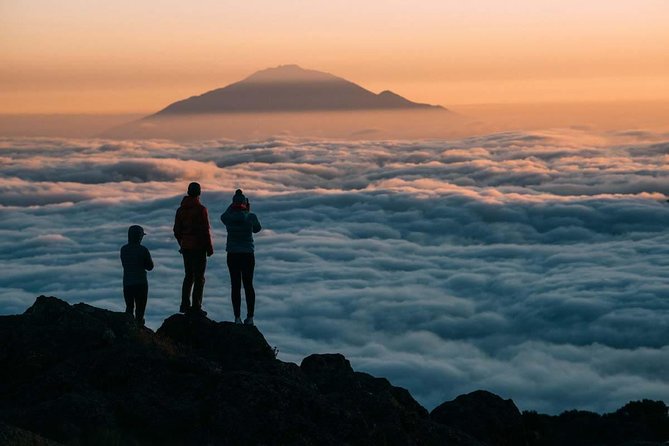
Day four crosses the saddle between Mawenzi and Kibo, Kilimanjaro’s two highest peaks. The route covers about nine kilometers and takes four to five hours, with an altitude gain of approximately 370 meters.
This section is a high, open desert of rock and gravel. There is little vegetation to distract you, and the crossing can feel stark and quiet. You are not gaining a huge amount of height, but you are walking at roughly 4,300 to 4,700 meters, where every step costs more effort.
Kibo Hut at 4,700 meters is your overnight stop. Dinner is served early, and you should expect a short night before the summit attempt. Get your clothes, gloves, headlamp, water, and snacks ready before lying down. You do not want to search through your duffel at midnight while everyone else is preparing to leave.
This is also where the six-day schedule becomes clear. You have reached summit camp efficiently, but you have little spare time if your body needs a slower adjustment. A private group can help because your guide can focus on your pace, yet no guide can remove the effects of altitude.
Day 5: The long push to Uhuru Peak
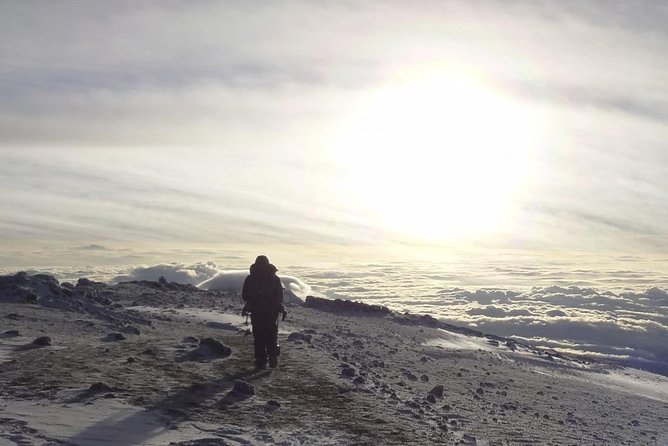
Summit day begins around midnight with a hot drink and a snack. You walk by torchlight toward Gilman’s Point on the crater rim at 5,685 meters. The ascent to Gilman’s Point is listed at about five to six hours, although the full timing can vary widely.
The pace should be very slow. This is not the moment to prove how quickly you can climb. The route is steep and demanding, and the combination of darkness, cold, thin air, and poor sleep can make the first hours especially hard.
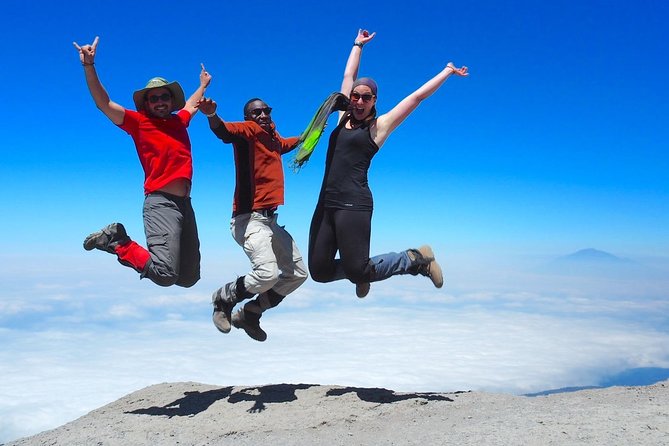
At Gilman’s Point, you can pause for the sunrise over Mawenzi Peak. That view is one of the major emotional rewards of the climb. You then continue along the crater rim to Uhuru Peak at 5,895 meters, the highest point in Africa.
The distance from Kibo Hut to the summit is only about five kilometers, but the altitude makes it feel much longer. The listed altitude gain is about 1,195 meters to Uhuru Peak. Your guide’s judgment matters here. One climber described guide Issa’s patient motivation as the reason he reached the summit despite falling well behind schedule. That is the kind of support you want on a difficult day, although you should never confuse encouragement with pressure to ignore serious symptoms.
After the summit, you descend to Kibo Hut for brunch and a rest. Then you continue to Horombo Hut at about 3,720 meters. The full day can take 10 to 16 hours, with roughly 15 kilometers of descent after the ascent.
This is the hardest day by far. Your knees, feet, and attention may all be tired by the time you reach Horombo. Keep your water accessible, protect yourself from sun and cold, and listen closely to your guide’s instructions. Reaching Uhuru Peak is the goal, but returning safely is part of the achievement.
Day 6: A long forest descent to Marangu Gate
The final day takes you down through lush forest to Marangu Park Gate at about 1,700 meters. The walking time is listed at roughly five to seven hours, covering about 20 kilometers and descending 1,840 meters.
After the exposed upper mountain, the forest should feel warmer and more welcoming. The paths are described as good, but a long downhill walk after summit day can still be hard on your joints. Trekking poles can be useful if you bring them or rent them in Moshi.
At the gate, you sign out of the mountain. A driver then transfers you to your hotel in Moshi or Arusha. The activity ends back at the meeting point, so confirm your post-trek accommodation and onward plans before you start.
What the $2,353 price really covers
At $2,353 per person, this is a major purchase, but the price includes many costs that can quickly add up on a mountain expedition. Park fees and taxes are covered, along with airport transfers between Kilimanjaro airport and Moshi.
You also receive a qualified mountain guide, assistant guides, porters, and a cook, with their wages included. Camping equipment includes tents, chairs, tables, and sleeping mattresses. Meals include five breakfasts, six lunches, and four dinners as specified, plus fresh drinking water and hot water for a daily wash.
Emergency oxygen and a basic first aid kit are included. Oxygen is clearly intended for emergencies, not as summit assistance, which is the responsible arrangement.
The value depends on how much preparation you need to supply yourself. Flights, visas, travel and health insurance, hiking clothing, personal medicine, water-purifying tablets, snacks, and unspecified drinks are extra. A portable toilet is optional but highly recommended, so you should ask about its additional cost before booking.
The package makes sense if you want the main logistics handled by one operator. It is less attractive if you already own camping equipment and prefer arranging every element independently. Group discounts may improve the value for larger parties.
Camp comfort, meals, and the private-group format
Mountain camping is simple, but this package includes the essentials. Tents, mattresses, chairs, tables, meals, drinking water, and hot wash water mean you do not need to carry every camp item yourself.
Porters carry the shared equipment, while the cook prepares the included meals. You still need to bring your personal trekking gear, and you should pack layers that can handle wet forest conditions, cold upper sections, and the midnight summit start.
The activity is private, meaning only your own group participates. That gives you a more personal arrangement than a large departure, and it may allow the guide to pay closer attention to your pace and condition. One booking account describes a group trek followed by safari arrangements, so you should clarify the exact group setup if several people are joining under different reservations.
The crew receives the strongest praise attached to this experience. Guide Tuma is specifically credited with taking safety seriously, while Issa is remembered for persistent summit encouragement. Another account describes the guides and porters as incredible and the trip as very well organized. Those details matter because good mountain support affects both safety and morale.
Who should choose this six-day climb?
I would consider this route if you want a quieter approach, prefer a steady ascent, and like the idea of crossing the mountain rather than retracing the same path. It also suits you if possible wildlife sightings, Kenyan views, and remote camps appeal more than busy trail conditions.
This trek is not a casual walk. You need enough fitness for long uphill days, a 10 to 16-hour summit push, and a 20-kilometer descent. You also need to accept that altitude can affect anyone, regardless of general fitness.
The route may suit you less if you want a slower acclimatization schedule or dislike sleeping in basic camps. A longer Kilimanjaro route could provide more time, but that option is not offered in this six-day plan.
You should also check your insurance carefully. Travel and health insurance are not included, and flights and visas are your responsibility. Personal medicine and water-purifying tablets are also not supplied.
Booking, cancellation, and practical planning
Pickup is offered, and return airport transfers between Kilimanjaro airport and Moshi are included. The stated meeting point is in Moshi Urban, Tanzania, with the activity ending back at the meeting point after the descent and transfer arrangements.
Confirmation is received at booking, and most people can participate. You should still provide accurate health information to the operator and discuss any concern before arrival, especially because the itinerary reaches 5,895 meters.
The cancellation rule is simple but firm. You can receive a full refund if you cancel at least three full days before the experience begins. Cancellations or changes made less than three full days ahead are not accepted for a refund, with cut-off times based on local time.
Should you book the Rongai Route trek?
Book this six-day Rongai climb if you want a quiet northern approach, organized mountain support, and a package that includes the major operational costs. The low-crowd setting, Kenyan views, possible wildlife, and Mawenzi crossing give the route a character that a standard ascent may lack.
I would hesitate only if you need a generous acclimatization schedule or are unsure about handling a summit day that may last up to 16 hours. Ask about current group arrangements, the portable toilet, rental gear, and your guide team before paying.
For a prepared climber who values calm trails and strong crew support, this is a good-value route to Uhuru Peak. Just respect the mountain, pack for changing conditions, and remember that the summit is only half the job. Getting back down safely is the part that brings the story home.
FAQ
How long is the Rongai Route trek?
The trek lasts approximately six days, beginning near Rongai Gate and ending at Marangu Park Gate before transfer to Moshi or Arusha.
Where does the trek begin?
After collection from your hotel, you travel to Kilimanjaro National Park, Rongai Gate, then continue by vehicle to Nale Moru at about 1,950 meters.
Where does the trek finish?
The walking ends at Marangu Park Gate at about 1,700 meters. You then sign out and transfer to your hotel in Moshi or Arusha.
Is the tour private?
Yes. The activity is private, and only your group participates.
Are airport transfers included?
Yes. Return transfers from Kilimanjaro airport to Moshi and from Moshi to Kilimanjaro airport are included.
Are meals included?
Yes. The package includes five breakfasts, six lunches, and four dinners as specified in the tour details.
Is hiking equipment included?
Personal hiking and trekking gear is not included. You can rent equipment from stores in Moshi.
What is the cancellation policy?
You can receive a full refund if you cancel at least three full days before the experience start time. Cancellations or changes made less than three full days in advance are not accepted for a refund.
More 6-Day Experiences
- Kilimanjaro climb, Lemosho Route (6-day)
★ 5.0 · 129 reviews - Kilimanjaro climb, Marangu route (6-day)
★ 5.0 · 72 reviews - 6 Days 5 Night Safari
★ 5.0 · 57 reviews - 6 Days Tanzania Classic Safari
★ 5.0 · 52 reviews
Just added around Moshi
- Moshi: Lake Chala Tour: Hiking &/or Kayaking★ 4.5 · 3 reviews
- 3 Days Tanga Exclusive Beach Holiday★ 5.0 · 3 reviews
- Serengeti Wildebeest Migration.★ 5.0 · 3 reviews
- Chemka Hotpsrings E-Bike Day Trip★ 5.0 · 3 reviews
- Explore 1 day Ngorongoro Crater Budget Group Safari from Arusha★ 5.0 · 3 reviews
- Explore the 360° of Kilimanjaro★ 5.0 · 3 reviews
- Affordable Short Tanzania Safari (2 Days Camping Safari)★ 5.0 · 3 reviews
- Rongai Route 7 Days★ 5.0 · 3 reviews
Kilimanjaro Treks, compared.



8-Day Small-group Lemosho Kilimanjaro Summit Trekking
Read our review →


Climbing Kilimanjaro through 7 days Machame Route
Read our review →

Browse the lists this tour appears in