
Reviewed · KILIMANJARO TREKS
6 Days Machame Route Hike
Kilimanjaro begins in the forest. This six-day Machame Route hike gives you a scenic, tent-based climb with a better acclimatization schedule than the shorter options. I like the route’s changing habitats and the fact that you descend by the Mweka trail instead of retracing your steps. I also like the strong guide and support team, with names such as Patrick, Joseph, Kelvin, Cosmas, Nemence, and Michael praised for steady help on the mountain. The main consideration is simple: this is not a gentle sightseeing walk. You need moderate fitness, some hiking experience, and the patience to handle cold, fatigue, and a hard summit day.
The price is $2,342.95 per person, which is a serious amount, but a six-day Kilimanjaro climb requires a full mountain operation, including tents, meals, guides, porters, and camp support. Pickup is offered, mobile tickets are provided, and the activity begins and ends in Moshi. You sleep in tents rather than huts, so you get a more rugged and traditional mountain experience.
In This Review
- Key points to know before booking
- Why the Machame Route feels different
- Starting in Moshi and reaching Machame Gate
- Day 1: Machame Gate to Machame Camp
- Days 2 through 4: A gradual route to higher camp
- Camp life, tents, and the practical side of comfort
- The summit day: cold, darkness, and determination
- Mweka descent and the final mountain camp
- Guide support and the human side of the climb
- Is $2,342.95 good value?
- Who should book this six-day climb?
- Should you book it?
- FAQ
- Where does the Machame Route hike begin?
- How long does the experience last?
- How far is the first day of hiking?
- How long does Day 1 take?
- What elevation does Day 1 reach?
- Where do climbers sleep?
- How are meals served?
- Where does the activity end?
Key points to know before booking
- Machame Gate is about 45 minutes from Moshi, making the first transfer fairly short.
- The first day covers 11 kilometers in five to six hours, mostly through montane forest.
- Lower forest trails can be muddy and slippery, so gaiters and trekking poles are useful.
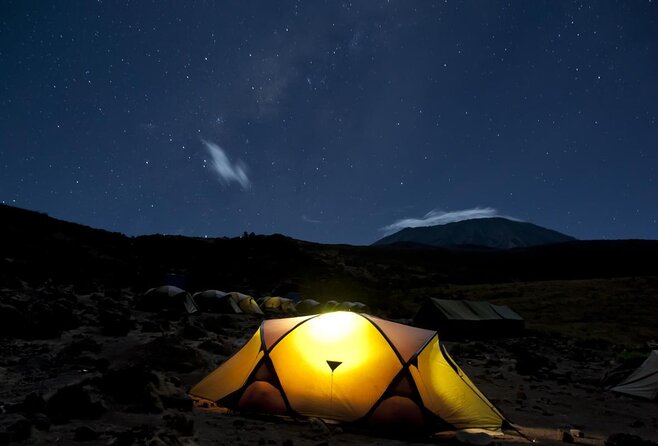
- All nights are spent in tents, with meals served in a dinner tent or outdoors on a blanket.
- The six-day schedule allows more time for acclimatization than a very short Kilimanjaro climb.
- The final mountain night is at Mweka or Millennium Camp, followed by descent on the Mweka trail.
Why the Machame Route feels different
Machame is often called the Whiskey route, while Marangu gets the Coca Cola nickname. The comparison is informal, but it points to a real difference in style. Machame is a tented route with a more rugged feel, while the trail is known for scenery and a gradual change in mountain habitat.
I like that the route does not make you sleep in mountain huts. A tent gives the climb a more outdoors-focused character, and meals are served in a dinner tent or, when conditions allow, on a blanket outside. You should not expect hotel comfort at altitude, but the tent setup can make the experience feel more connected to the mountain.
The route is also popular for good reason. It combines forest, open highland scenery, and the drama of a summit attempt, then sends you down a different trail. That change matters. You see more of the mountain and avoid simply reversing every step from the way up.
The six-day length is helpful, but it does not remove the difficulty. The schedule gives your body more time to adjust to altitude than a shorter climb, yet you still need to walk for several hours each day. The hardest section comes late in the trip, when fatigue, cold, and darkness can all become part of the test.
More Kilimanjaro routes and climbs:
- Kilimanjaro climb by Lemosho Route (7-day)
★ 5.0 · 651 reviews - Kilimanjaro climb, Machame Route (7-day)
★ 5.0 · 262 reviews - Kilimanjaro Climbing Lemosho Route 8 Days.
★ 5.0 · 186 reviews
Starting in Moshi and reaching Machame Gate
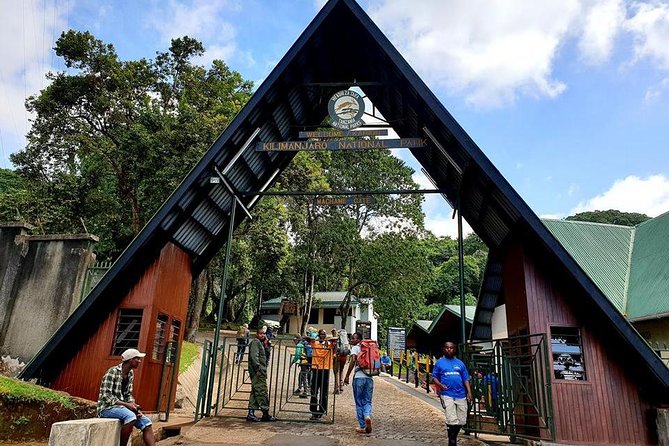
The activity begins in Moshi Urban, Tanzania, with pickup offered. From Moshi, the drive to Machame Gate takes roughly 45 minutes. The road passes through Machame village on the lower slopes of Kilimanjaro, giving you an early look at the communities around the mountain before the trail enters the park.
At the gate, the climb changes from road travel to foot travel. This is the point to check your daypack, adjust your boots, and make sure rain protection is easy to reach. The first walking section is not yet high altitude, but it can be wet underfoot.
The shorter transfer is a practical benefit. You are not spending half the morning in a vehicle before the hike begins. At the same time, park-gate procedures and preparation can affect the exact start of walking, so you should keep your first morning flexible rather than planning another activity immediately afterward.
Day 1: Machame Gate to Machame Camp
The first hiking day runs from about 1,830 meters, or 6,000 feet, to roughly 3,050 meters, or 9,950 feet. The distance is 11 kilometers, or about seven miles, and the expected walking time is five to six hours.
The trail winds upward through montane forest, following a ridge toward Machame Camp. This is a fine introduction to Kilimanjaro because the forest gives you shade and a clear sense of gaining height. It is also where the trail may feel more awkward than the distance suggests.
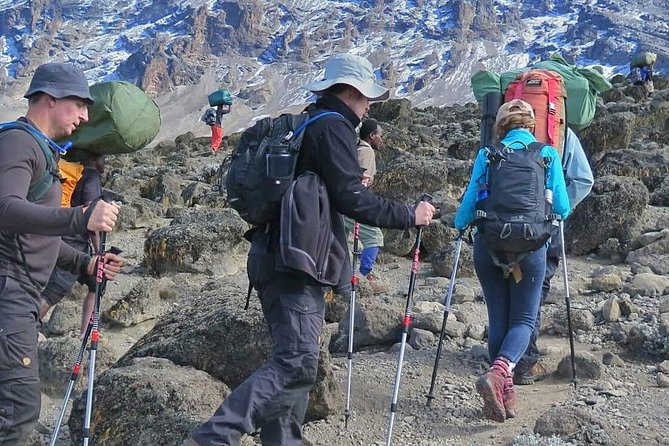
At lower elevations, the path can be muddy and slippery. I would treat gaiters as useful equipment rather than an optional extra, especially if wet weather is possible. Trekking poles are also a sensible choice because they help with balance on slick ground and reduce strain during the long climb.
The day is listed with lunch and dinner included. Meals matter more than they might on an ordinary hike because you need steady energy over several hours. Dinner is served in the camp setting, either in the dinner tent or outside on a blanket.
Machame Camp is the first night on the mountain. You will have completed a full hiking day, but the larger challenge is adjusting to sleeping outdoors while your body begins adapting to higher elevation. Keep the evening simple: eat, drink, organize your sleeping space, and rest.
Days 2 through 4: A gradual route to higher camp
The supplied schedule gives exact figures for Day 1, but not the detailed distances, camp names, or elevation changes for every later day. That is important when planning. You can understand the broad shape of the climb, but you should ask Tanzania Joy Tours for the final day-by-day plan before departure.
The middle portion of the Machame Route is designed to keep you moving upward over several days instead of rushing straight to the summit. That is one reason the six-day version appeals to people who want a stronger acclimatization chance. The success rate is described as fairly high, although no schedule can guarantee that your body will respond well to altitude.
The first four trekking days are described as manageable compared with the summit day. That does not mean easy. You still need to walk for hours, sleep in tents, and handle changing conditions. The steady rhythm can help you conserve energy: walk at a controlled pace, follow your guide, eat regularly, and avoid turning an ordinary section into a race.
The support crew is an important part of this stage. Guides named in the accounts include Patrick, Joseph, Kelvin, Cosmas, Ringo, Nemence, and Michael, with porters and cooks also receiving strong praise. One account specifically describes Patrick proposing a six-day finish after an original seven-day plan, while still focusing on acclimatization. That kind of decision shows why communication with the guide matters, though you should always confirm the final schedule and judge any change against your own condition.
Food is another recurring strength of the experience. One account specifically praises the meals, and the cooking team is mentioned by name in several accounts, including Jeremiah. You should still remember that mountain food is served in a camp environment. The value is dependable support and warm meals, not restaurant variety.
A few more trips of this kind worth comparing:
- Private Kilimanjaro Hike 7 Day Lemosho Route
★ 5.0 · 60 reviews - Best Kilimanjaro hiking day trip tour with Kilinge Adventures
★ 4.5 · 54 reviews - #1. Best Kilimanjaro Day hike Tour-Machame Route-ISMANI
★ 4.2 · 47 reviews - Best Kilimanjaro Adventure 7 days Machame route Trekking
★ 5.0 · 42 reviews
Camp life, tents, and the practical side of comfort
Every climber sleeps in a tent, and the tents are included. That keeps the route more basic than a hut-based climb, but it also gives the trip its character. Your accommodation moves with the mountain, and the evening routine is built around the group, the guide team, and the next day’s walk.
Meals are served in a dinner tent or outside on a blanket. The dinner tent offers a useful gathering place when the weather turns unpleasant. Outdoor meals may feel more memorable in good conditions, but you should be ready for cold, damp, and limited comfort.
The camp setup means you should pack for organization. Keep your small essentials together, protect anything that must stay dry, and make sure your warm layers are easy to reach. The information provided does not specify a full packing list, so you should request one from the operator rather than assume every item is supplied.
The forest can make the first day muddy, while higher sections bring cold and fatigue. The contrast is part of the route’s appeal, but it also means your equipment must handle more than one type of weather. Gaiters and poles are specifically useful early on, and warm clothing becomes more important as you gain height.
The summit day: cold, darkness, and determination
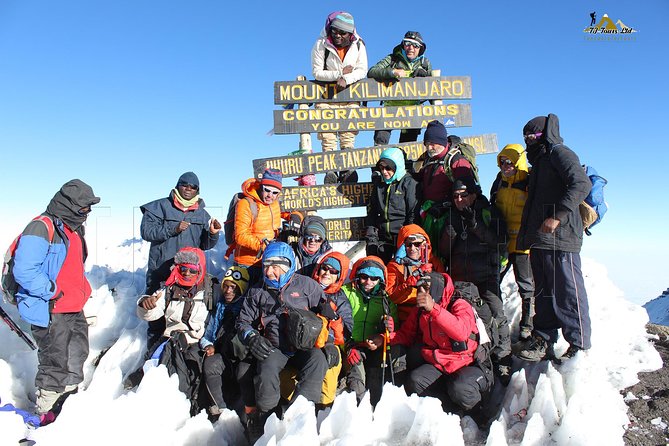
The summit attempt is the section that demands the most from you. The supplied experiences describe the fifth day as the hard one, with muscle pain, fatigue, cold, and darkness all becoming real concerns. That is the point where the trip stops feeling like a long hike and becomes a serious physical effort.
You should prepare mentally for a slow day and avoid measuring success by speed. Your guide’s job is especially important here. Joseph is praised for helping someone through the hardest stage, while Kelvin is described as attentive and able to adapt to changing situations. Those details point to the most valuable service on a Kilimanjaro climb: not grand speeches, but close attention when your energy drops.
The exact summit timing and route details are not provided, so ask for those before you go. What is clear is that you may be walking in darkness and dealing with cold at the same time as physical exhaustion. Pack your accessible warm layers and follow the guide’s instructions about pace and rest.
The guide team also affects morale. The support crew is described as kind, friendly, funny, and encouraging, which matters when everyone is tired. A good mood cannot replace fitness, but it can make a long, uncomfortable day easier to manage.
Mweka descent and the final mountain camp
The descent uses the Mweka trail, so you do not simply return by the Machame path. The last night on the mountain is at Mweka Camp or Millennium Camp, according to the route plan.
That change of trail is one of the best features of the itinerary. The ascent and descent feel like separate parts of the journey, and the final camp gives you a clear transition after the summit effort. Your legs may feel tired on the way down, so do not assume descent is effortless. Going downhill can be hard on sore muscles, especially after the summit day.
The exact final walking distances and the timing of the return to Moshi are not provided. Ask the operator for those details if you need to arrange transport or an onward connection. The activity ends back at the Moshi meeting point, but the schedule should still be treated as approximate.
Guide support and the human side of the climb
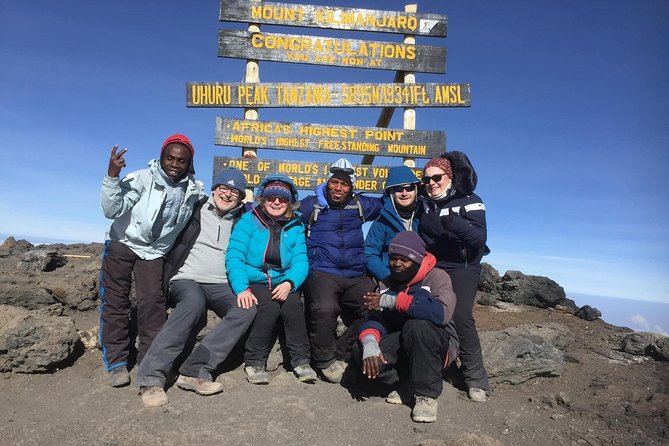
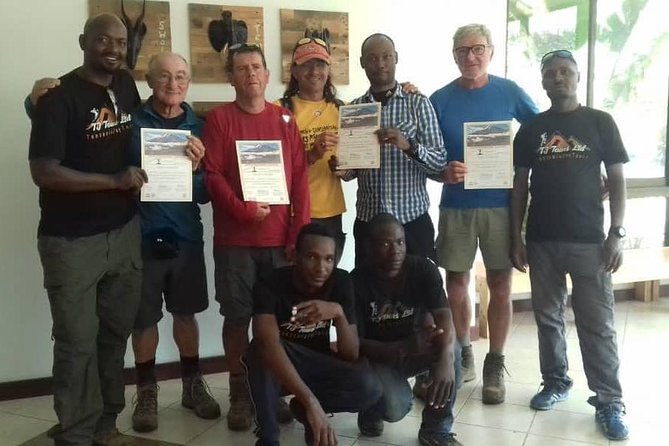
The strongest feature of this experience is its support team. Specific guides named in the available accounts include Patrick, Michael, Jeremiah, Joseph, Kelvin, Cosmas, Ringo, and Nemence. Their roles vary, but the consistent picture is of a group that helps with pacing, encouragement, food, and practical care.
I would place a high value on the guide’s judgment. A Kilimanjaro climb is not only about following a marked route. Your guide helps you decide how fast to walk, when to rest, and how to respond when the summit day becomes uncomfortable.
The tour is private, meaning only your group participates. That can make the pace and daily routine more personal than a large shared departure. It may also mean that your group carries more responsibility for communicating honestly about fitness and fatigue. A private trip is not automatically easy, but it can give the guide more room to respond to your group.
Is $2,342.95 good value?
At $2,342.95 per person, this is a major travel purchase. The value depends on what you want from a Kilimanjaro climb, not just on the number of days.
You are paying for a six-day route, tent accommodation, meals, a guide and support crew, park access arrangements, and a pickup-based start in Moshi, though you should confirm the full list of inclusions directly with Tanzania Joy Tours. The six-day length also offers a better acclimatization structure than a very short itinerary, which can be more valuable than saving money on a rushed climb.
I would not choose this route because it is cheap. I would choose it because it combines scenery, a tent-based experience, a separate descent route, and a support team that appears to take care of climbers well. The price is harder to justify if you want a casual walk or hotel-style comfort.
Before paying, confirm what is included in the price, the exact camp plan, the equipment provided, porter arrangements, and the full meal schedule. Those details can change how you judge the cost.
Who should book this six-day climb?
This experience suits you if you have moderate fitness, some hiking experience, and a real interest in spending several nights outdoors. It is a good match for someone who wants a scenic route and prefers a private group rather than a large shared party.
You should think twice if you dislike tents, muddy trails, long walking days, or cold conditions. The climb is physically demanding, especially near the summit, and the six-day schedule still requires commitment.
The route may also suit you if you want a strong balance between challenge and acclimatization. It is not the shortest option, and that extra time is part of its value. Still, you should not treat the stated high success rate as a promise. Your fitness, health, pacing, and response to altitude remain central.
Cancellation is free if you cancel at least 24 hours before the local start time. Cancellations made less than 24 hours before departure are not refunded, and late changes are not accepted.
Should you book it?
I would book this Machame Route hike if you want Kilimanjaro in a tent, prefer a scenic trail, and are ready for a demanding summit day. The strongest reasons are the six-day acclimatization plan, the separate Mweka descent, the private format, and the repeated praise for guides and cooks such as Joseph, Kelvin, Patrick, Cosmas, and Jeremiah.
I would hold off if you need a detailed published plan for every day before paying, since only the first day’s distance, elevation, and timing are supplied here. Ask Tanzania Joy Tours to confirm the remaining camps, summit schedule, inclusions, and equipment list. If those details suit your needs, this looks like a serious and well-supported way to climb Kilimanjaro, not a soft adventure dressed up as one.
FAQ
Where does the Machame Route hike begin?
The activity begins in Moshi Urban, Tanzania. Pickup is offered, and the drive to Machame Gate takes about 45 minutes.
How long does the experience last?
The hike lasts approximately six days.
How far is the first day of hiking?
Day 1 covers about 11 kilometers, or seven miles, from Machame Gate to Machame Camp.
How long does Day 1 take?
The first hiking day takes approximately five to six hours.
What elevation does Day 1 reach?
The route rises from about 1,830 meters, or 6,000 feet, to approximately 3,050 meters, or 9,950 feet, at Machame Camp.
Where do climbers sleep?
All climbers sleep in tents, and the tents are included.
How are meals served?
Meals are served in a dinner tent or outside on a blanket. Day 1 includes lunch and dinner.
Where does the activity end?
The activity ends back at the meeting point in Moshi. The mountain descent uses the Mweka trail, with the final mountain night at Mweka or Millennium Camp.
More 6-Day Experiences
- Kilimanjaro climb, Lemosho Route (6-day)
★ 5.0 · 129 reviews - Kilimanjaro climb, Marangu route (6-day)
★ 5.0 · 72 reviews - 6 Days 5 Night Safari
★ 5.0 · 57 reviews - 6 Days Tanzania Classic Safari
★ 5.0 · 52 reviews
Just added around Moshi
- Moshi: Lake Chala Tour: Hiking &/or Kayaking★ 4.5 · 3 reviews
- 3 Days Tanga Exclusive Beach Holiday★ 5.0 · 3 reviews
- Serengeti Wildebeest Migration.★ 5.0 · 3 reviews
- Chemka Hotpsrings E-Bike Day Trip★ 5.0 · 3 reviews
- Explore 1 day Ngorongoro Crater Budget Group Safari from Arusha★ 5.0 · 3 reviews
- Explore the 360° of Kilimanjaro★ 5.0 · 3 reviews
- Affordable Short Tanzania Safari (2 Days Camping Safari)★ 5.0 · 3 reviews
- Rongai Route 7 Days★ 5.0 · 3 reviews
Kilimanjaro Treks, compared.



8-Day Small-group Lemosho Kilimanjaro Summit Trekking
Read our review →


Climbing Kilimanjaro through 7 days Machame Route
Read our review →

Browse the lists this tour appears in