
Reviewed · KILIMANJARO TREKS
6 Days MARANGU ROUTE (Kilimanjaro Trekk)
The Roof of Africa demands patience. This six-day Kilimanjaro trek follows the Marangu Route from rainforest to Uhuru Peak, with an extra acclimatization day at Horombo Hut and support from Spirit of Kilimanjaro. I like the clear day-by-day plan and the chance to see six ecological zones without rushing straight to the summit. I also like that park fees, meals, equipment, accommodation, and professional guiding are included. The main drawback is that six days is still a short schedule for a mountain this high, and the published details contain a few mixed messages about huts, camping, and route names that you should clarify before paying.
The strongest praise for this operator centers on guide support. Sanke is described as attentive to health and mood, while William is credited with giving hesitant climbers the confidence to attempt the six-day plan. Rama is also praised for careful summit support, although that account concerns a Rongai trek rather than this exact Marangu itinerary. Those names give you useful clues about the company’s guiding team, but your assigned guide may be different.
In This Review
- Key Things to Know Before You Book
- What the Six-Day Marangu Route Really Offers
- Day 1: Marangu Gate to Mandara Hut
- Day 2: Heathland, Mawenzi Views, and Horombo Hut
- Day 3: Acclimatization at Horombo Hut
- Day 4: Horombo Hut to Kibo Hut
- Day 5: Uhuru Peak and the Long Descent
- Day 6: Horombo Hut to Marangu Gate
- Guides, Porters, and the Human Side of the Climb
- What the $1,980 Price Includes
- Who Should Choose This Trek?
- Booking Details and Cancellation
- Should You Book the Six-Day Marangu Route?
- FAQ
- Where does the Kilimanjaro trek start?
- How long is the experience?
- Which Kilimanjaro route does this trip follow?
- What is the highest point reached?
- Is an acclimatization day included?
- What is included in the price?
- What is not included?
- Is accommodation provided during the trek?
- Can I cancel for a full refund?
Key Things to Know Before You Book
- You sleep high at Horombo Hut twice: The third day is reserved for rest or a short walk to Zebra Rocks, a valuable pause before the harder upper mountain.
- The route climbs through six ecological zones: Expect rainforest, heathland, alpine desert, and the cold arctic zone near the summit.
- Summit morning begins in the dark: The goal is to reach Uhuru Peak before sunrise, followed by a long descent to Horombo Hut.
- The price is $1,980 per person: Park fees, meals, accommodation, safety equipment, camping equipment, taxes, and a professional guide are included.
- The published details need checking: The itinerary describes Marangu huts, while the overview mentions Machame Route and signature camping.
- Group size may reach 100 people: That is the stated maximum, so ask how many people will actually be in your departure group.
What the Six-Day Marangu Route Really Offers
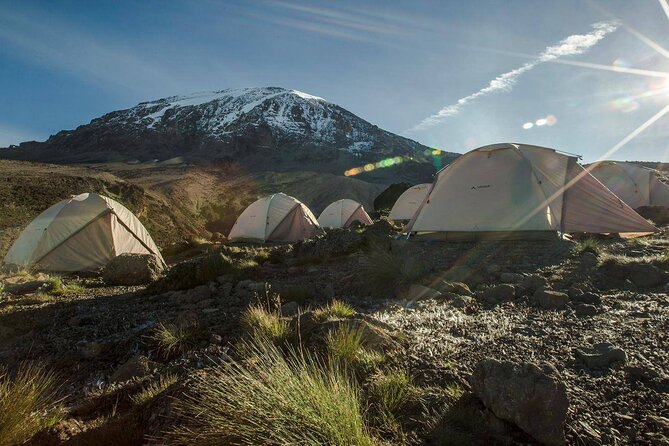
Marangu is often called the more direct Kilimanjaro route because the trail follows a steady line through the mountain’s ecological zones. This plan begins at Marangu Gate and ends there six days later, with overnight stops at Mandara Hut, Horombo Hut, and Kibo Hut.
The key feature is the extra day at Horombo. You do not gain a rest day at sea level, of course. You are already around 3,700 meters high, so the body still has work to do. But staying put for a day gives you a better chance to adjust before moving to Kibo Hut at about 4,700 meters.
I consider that pause one of the best parts of the schedule. Altitude is the real opponent on Kilimanjaro, not just leg strength. The route’s six-day length cannot remove the risk of altitude sickness, but the Horombo acclimatization day is more sensible than trying to squeeze the mountain into five days.
The published walking times are approximate and vary by pace, weather, rest stops, and altitude. The day descriptions list about eight hours on several days, seven hours for acclimatization, and five hours for the final descent. Summit day is described as an eight-hour day, but you should treat that figure cautiously. The early summit climb, descent to Kibo Hut, and continued walk to Horombo make it the hardest day by far.
More Kilimanjaro routes and climbs:
- Kilimanjaro climb by Lemosho Route (7-day)
★ 5.0 · 651 reviews - Kilimanjaro climb, Machame Route (7-day)
★ 5.0 · 262 reviews - Kilimanjaro Climbing Lemosho Route 8 Days.
★ 5.0 · 186 reviews
Day 1: Marangu Gate to Mandara Hut
Your trek starts at Marangu Gate at 9:00 am. Park formalities come first, followed by a meeting with the guides and porters who will support the climb. The trail then enters Kilimanjaro National Park and heads through rainforest toward Mandara Hut.
The first day covers roughly eight kilometers and is described as relatively easy. That makes it a useful opening day, but do not treat it as a casual woodland stroll. You are beginning at altitude and will spend much of the day walking uphill.
The rainforest is the first major reward. Expect dense plant life, changing light, and the possibility of seeing birds or other wildlife. On the final day, colobus monkeys and birds are specifically mentioned as possible sightings, so keep your eyes open in the forest on both the ascent and descent.
Mandara Hut sits at about 2,700 meters. This first overnight stop gives you your first real sense of how the mountain works: comfortable enough for a night, but already high enough for altitude to matter. Walk slowly, drink regularly, and avoid wasting energy on an unnecessarily fast pace.
Day 2: Heathland, Mawenzi Views, and Horombo Hut
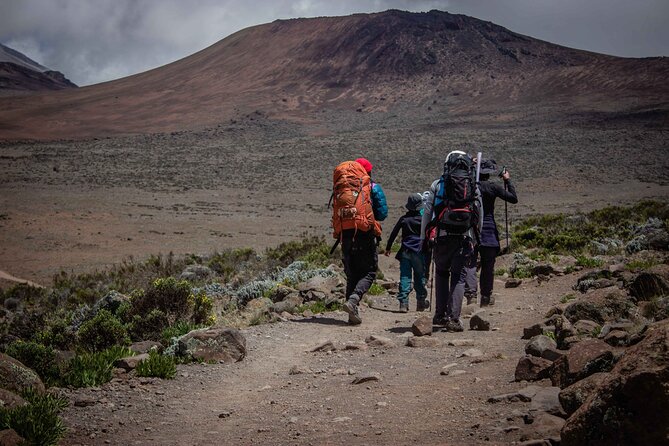
After breakfast, you leave the rainforest behind and enter the heathland zone. The change should be obvious. Trees thin out, the air feels different, and the views begin to open.
This day covers about 12 kilometers, making it longer than the first. You will also gain a good deal of height, reaching Horombo Hut at approximately 3,700 meters. Mawenzi Peak, one of Kilimanjaro’s distinctive volcanic formations, may come into view along the way.
I like this section because it shows the mountain changing in stages rather than presenting one long climb through similar scenery. You get a sense of Kilimanjaro as a group of volcanic peaks, with Mawenzi and Kibo forming the visual drama around the saddle.
Horombo is an important stop, not just a bed for the night. Many people feel the effects of altitude more clearly here. Headaches, low appetite, tiredness, and poor sleep can occur at high elevation. Your guide’s attention matters, and Sanke is specifically praised for checking both physical condition and mood during a climb.
Day 3: Acclimatization at Horombo Hut
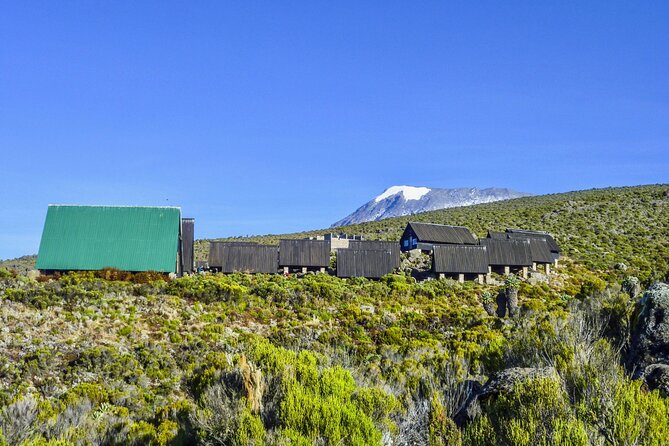
The third day is the schedule’s smartest feature. You remain at Horombo Hut and allow your body time to adjust to the elevation.
You can take a short hike toward Zebra Rocks, which offers scenic views, or rest at the hut. The best choice depends on how you feel. If your guide approves and you are moving well, the walk can provide gentle activity and help you become more comfortable at altitude. If you have symptoms, rest is not failure. It is good mountain judgment.
The day is listed at about seven hours, though the actual activity may be much shorter if you choose to relax. The point is not to collect distance. The point is to prepare for the upper mountain.
This is also your chance to check your personal gear. The operator includes safety equipment and camping equipment, but personal gear is not included. You are responsible for items such as your own clothing and other private kit, so make sure nothing essential is missing before the next stage.
A few more trips of this kind worth comparing:
- Kilimanjaro climb, Lemosho Route (6-day)
★ 5.0 · 129 reviews - Kilimanjaro climb, Marangu route (6-day)
★ 5.0 · 72 reviews - 6 Days 5 Night Safari
★ 5.0 · 57 reviews - 6 Days Tanzania Classic Safari
★ 5.0 · 52 reviews
Day 4: Horombo Hut to Kibo Hut
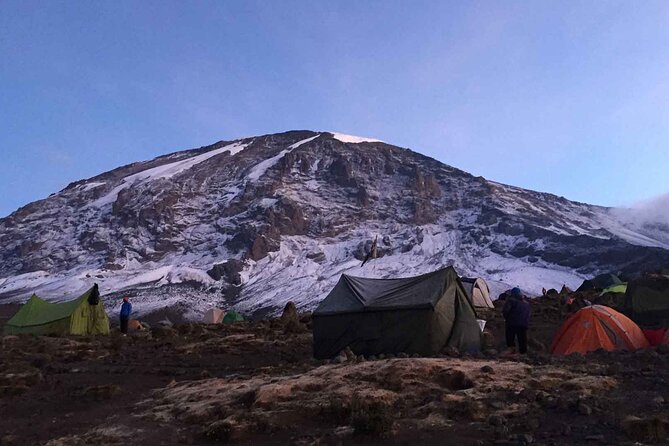
The trail now leaves the heathland and enters the alpine desert zone. Vegetation becomes sparse, and the open saddle between Mawenzi and Kibo comes into view.
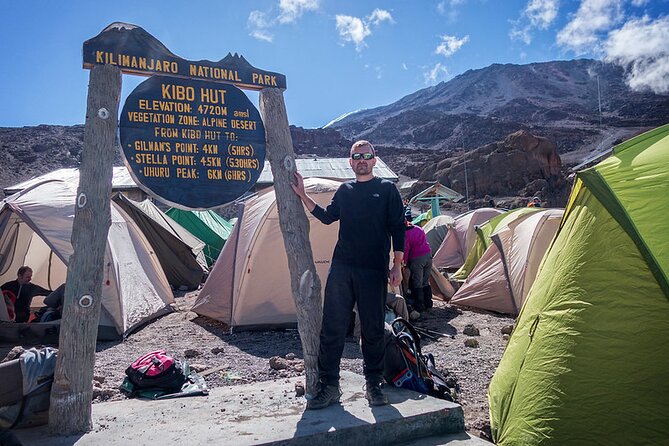
Kibo Hut sits at roughly 4,700 meters. That altitude makes this day much harder than the distance alone suggests. The terrain may not look steep at every point, but thin air changes the effort required for every step.
This is where the classic guide advice matters: pole pole, slowly slowly. The supplied trip notes stress pacing and hydration, and that advice should guide your whole day. Walk at a pace that lets you breathe without strain, follow your guide’s instructions, and tell the team promptly if you feel unwell.
Kibo is not a place to prove toughness. You are there to conserve energy for the summit attempt. Eat the meals provided, organize your summit clothing before resting, and keep your personal gear easy to reach. The exact sleeping setup should be confirmed in advance because the itinerary names huts, while the package description also refers to camping equipment and spacious tents.
Day 5: Uhuru Peak and the Long Descent
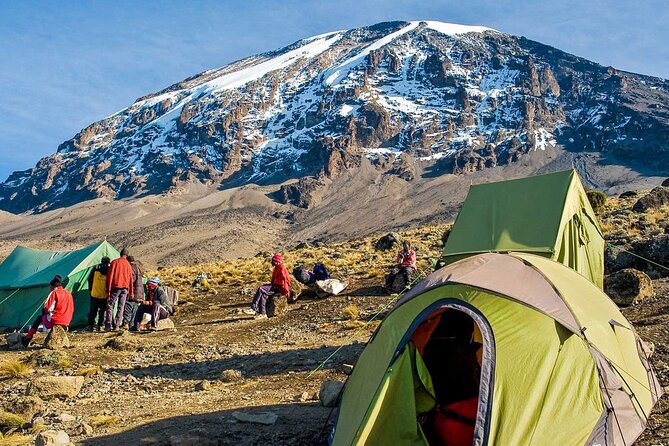
This is the defining day. The summit attempt starts in the early hours, with the aim of reaching Uhuru Peak before sunrise.
You will climb through the coldest and most demanding section of the trek. The summit zone is described as an arctic environment, a sharp change from the rainforest below. The reward is Uhuru Peak, the highest point in Africa, listed here at 19,340 feet.
The physical challenge is only half the story. At this height, simple decisions take effort. Your guide’s job is to keep the group moving at a safe pace, watch for altitude problems, and help you judge when to continue and when to stop. The most positive comments about Spirit of Kilimanjaro focus on exactly this kind of support. Sanke is praised for regularly checking health and mood, while Rama is credited with helping a first-time climber reach the summit safely on another route.
At the summit, you will have time to celebrate and take in the view, subject to conditions and your guide’s instructions. Then the work continues. You descend to Kibo Hut and carry on to Horombo Hut for the night.
That return to Horombo is a major reason to respect the schedule. Many summit plans involve a long descent after the peak, and tired legs can make the lower section feel endless. The description calls this an eight-hour day, but you should prepare mentally for a very full day and not assume that the listed time is a guarantee.
Day 6: Horombo Hut to Marangu Gate
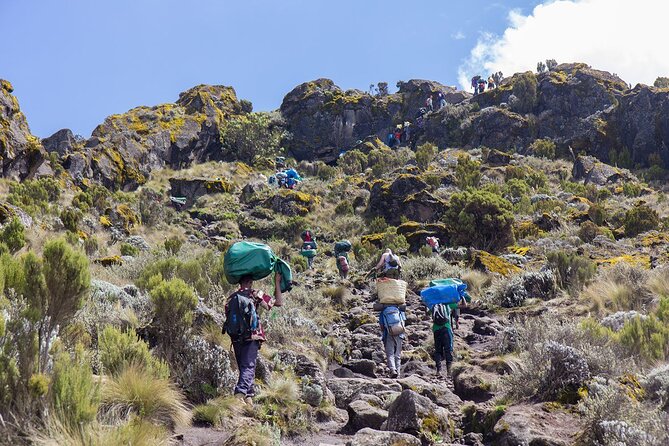
The final walking day takes you from Horombo Hut back to Marangu Gate. You descend through heathland and rainforest, reversing the ecological changes you saw on the way up.
The walk is listed at about five hours. Compared with summit day, it should feel manageable, but your knees and feet may disagree. The return through the forest gives you one last chance to watch for colobus monkeys and birds.
At Marangu Gate, you receive your summit certificates and say goodbye to your guides and porters. The ending is practical rather than drawn out, but it marks a genuine achievement. You have crossed several distinct ecological zones and reached a point that demands preparation, patience, and luck with altitude.
Pickup is offered, which helps with the start and finish in the Moshi area. The meeting time is 9:00 am, though you should confirm the exact pickup point and transfer arrangements before departure.
Guides, Porters, and the Human Side of the Climb
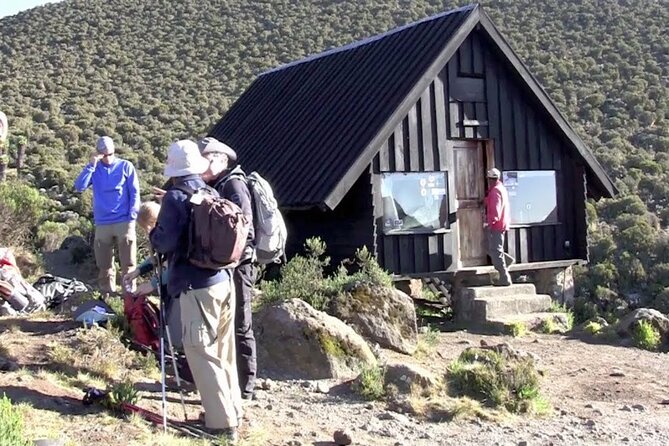
A Kilimanjaro trek is not just a route on a map. The guide team shapes how safe and manageable the mountain feels.
The company’s most praised qualities are organization, friendly support, and attention during the summit push. William is singled out for encouraging people who were unsure about handling six days. That matters because confidence can drop quickly at altitude. A calm guide who explains the next step can keep a difficult day from becoming overwhelming.
Sanke is associated with the Marangu experience in the strongest available account for this route. The useful detail is not simply that he is called professional. It is that he checked health and mood carefully. On Kilimanjaro, those regular check-ins are more valuable than a fast pace.
Rama receives praise for summit support on the Rongai Route. That is not proof that he will guide your Marangu departure, but it suggests the operator has more than one experienced guide within its team. Ask who will lead your group and how many assistants and porters will accompany you.
The maximum group size is listed as 100 people. That is a very large possible number for a mountain experience, even if most departures are smaller. Before booking, ask for the expected group size. A smaller group may make pacing, communication, and rest stops easier.
What the $1,980 Price Includes
At $1,980 per person, this is a serious purchase, but the package includes many of the costly basics:
- Kilimanjaro National Park fees
- Meals
- All stated fees and taxes
- Safety equipment
- Camping equipment
- Accommodation
- A professional guide
The value is strongest if you want a single package that handles the main operational pieces. Park fees alone are an important part of a Kilimanjaro budget, and including meals, accommodation, equipment, and guiding reduces the number of separate arrangements you need to make.
The phrase camping equipment deserves attention. The detailed route places you at Mandara Hut, Horombo Hut, and Kibo Hut, while the overview describes signature camping with spacious tents and deluxe comfort. Those are not the same sleeping arrangement. Confirm whether your departure uses mountain huts, tents, or a mixture before you commit, and ask what comfort level the equipment actually provides.
Personal gear is not included. You also pay separately for a visa, travel insurance, and tipping. Those costs can change the real budget, so do not treat $1,980 as the final amount you will spend.
Meals are included, but the available details do not specify menus, dietary arrangements, or whether special diets can be accommodated. If food is important to you, ask the operator before booking.
Who Should Choose This Trek?
This trip suits you if you want a structured Kilimanjaro climb with a direct route, included support, and one dedicated acclimatization day. It is also a good fit if you prefer clear daily stages rather than designing a private itinerary from scratch.
You should have enough fitness for repeated uphill walking, long hours on your feet, and a very demanding summit day. The description says most people can participate, but that is not the same as saying the trek is easy. Kilimanjaro’s altitude affects people unpredictably, including fit hikers.
The six-day schedule may appeal if you have limited time, but it leaves less room than a longer itinerary. If you are especially concerned about altitude, ask whether a longer option is available. The extra day at Horombo helps, but no short route can guarantee a summit.
This is not the right choice if you want a relaxed sightseeing holiday. It is a strenuous mountain trek with simple high-altitude conditions, early starts, and a summit day that tests both body and patience.
Booking Details and Cancellation
Confirmation is provided at the time of booking. Pickup is offered, and the meeting time is 9:00 am. The experience is near public transportation, although the exact pickup location should be confirmed directly.
Free cancellation is available if you cancel at least 24 hours before the local start time. Cancellations made less than 24 hours before the start are not refunded, and changes inside that period are not accepted.
Travel insurance is not included. For a mountain trip of this kind, insurance is a practical necessity, not a luxury. Check that your policy covers the activity and the elevations involved before you travel.
Should You Book the Six-Day Marangu Route?
I would consider booking this trek if you want Kilimanjaro support bundled into one price and you value the extra acclimatization day at Horombo. The positive feedback gives particular weight to the guides, especially their encouragement and health checks, which are exactly the qualities you want on summit day.
I would not pay until the operator clears up three points: the reference to Machame Route in the overview, the difference between hut accommodation and signature camping, and the actual group size for your departure. Those may be simple description errors, but they affect what you are buying.
Book it if the answers are clear, your insurance is ready, and you understand that six days is a demanding schedule. The Marangu Route offers a direct way to experience Kilimanjaro’s changing zones, but the summit is earned slowly, with careful pacing and a good guide beside you.
FAQ
Where does the Kilimanjaro trek start?
The trek begins at Marangu Gate in Kilimanjaro National Park. The stated meeting time is 9:00 am, and pickup is offered.
How long is the experience?
The trek lasts approximately six days.
Which Kilimanjaro route does this trip follow?
The detailed daily plan follows the Marangu Route, beginning and ending at Marangu Gate.
What is the highest point reached?
The trek aims for Uhuru Peak, described as the highest point in Africa at approximately 19,340 feet.
Is an acclimatization day included?
Yes. Day 3 is spent at Horombo Hut for acclimatization. You may take a short hike to Zebra Rocks or rest at the hut.
What is included in the price?
The $1,980 price includes park fees, safety equipment, meals, all fees and taxes, camping equipment, a professional guide, and accommodation.
What is not included?
Visa costs, travel insurance, personal gear, and tipping are not included.
Is accommodation provided during the trek?
Yes, accommodation is included. The detailed itinerary names Mandara Hut, Horombo Hut, and Kibo Hut, while the package description also mentions camping equipment and tents. Confirm the exact sleeping arrangement before booking.
Can I cancel for a full refund?
Yes, if you cancel at least 24 hours before the experience starts. Cancellations or changes made less than 24 hours before the local start time are not accepted for a refund.
Just added around Moshi
- Moshi: Lake Chala Tour: Hiking &/or Kayaking★ 4.5 · 3 reviews
- 3 Days Tanga Exclusive Beach Holiday★ 5.0 · 3 reviews
- Serengeti Wildebeest Migration.★ 5.0 · 3 reviews
- Chemka Hotpsrings E-Bike Day Trip★ 5.0 · 3 reviews
- Explore 1 day Ngorongoro Crater Budget Group Safari from Arusha★ 5.0 · 3 reviews
- Explore the 360° of Kilimanjaro★ 5.0 · 3 reviews
- Affordable Short Tanzania Safari (2 Days Camping Safari)★ 5.0 · 3 reviews
- Rongai Route 7 Days★ 5.0 · 3 reviews
Kilimanjaro Treks, compared.



8-Day Small-group Lemosho Kilimanjaro Summit Trekking
Read our review →


Climbing Kilimanjaro through 7 days Machame Route
Read our review →

Browse the lists this tour appears in