
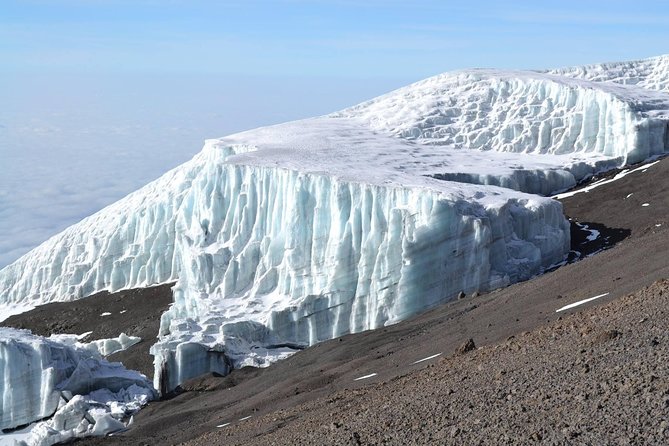
Reviewed · KILIMANJARO TREKS
6 Days Mount Kilimanjaro Trek Marangu Route
Kilimanjaro saves its hardest test for midnight. This six-day Marangu Route trek gives you two things I particularly like: a useful acclimatization day at Horombo and the comfort of dormitory huts instead of tents. I also like the full support team, with guides, porters, a cook, airport transfers, and Moshi hotel nights included. The main caution is simple: Marangu may be called the easiest route, but the summit day is still a very long, cold, high-altitude effort.
You pay $2,350 per person for a private climb through Intrepid Explorer Tanzania. That is a serious price, but it covers much of the expensive mountain operation, including staff wages, meals, transfers, park fees, emergency oxygen, and accommodation before and after the trek. One detail needs clarification before booking: the program lists hut accommodation but also lists camping equipment, so ask exactly what sleeping arrangements apply to your departure.
In This Review
- Key points before you book
- Why the Marangu Route appeals to first-time climbers
- Day one: rainforest to Mandara Hut
- Day two: the long walk to Horombo Hut
- Day three: acclimatization around Mawenzi
- Day four: across the saddle to Kibo Hut
- Day five: the midnight climb to Uhuru Peak
- Day six: returning through the forest to Moshi
- What the $2,350 price really covers
- Food, staff, and the human side of the climb
- Who should choose this six-day climb?
- Should you book the Marangu Route?
- FAQ
- How long is the Kilimanjaro Marangu Route trek?
- Where does the trek begin and end?
- Is an acclimatization day included?
- What accommodation is used on the Marangu Route?
- What is included in the $2,350 price?
- What personal costs are not included?
Key points before you book
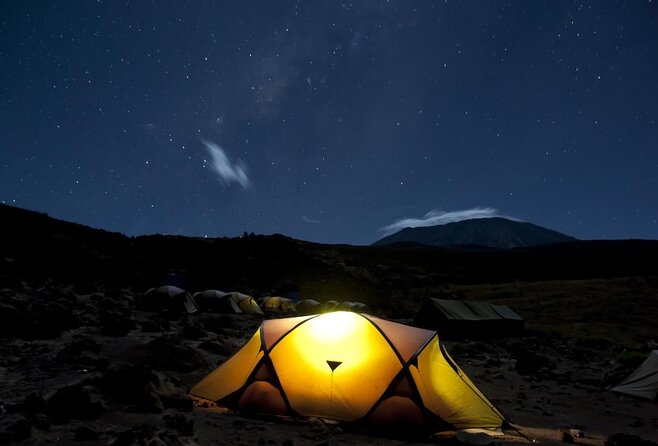
- The extra Horombo night matters: Day three is used for acclimatization, with a hike toward Mawenzi Ridge or Zebra Rock before returning to Horombo.
- Marangu uses sleeping huts: This is the only Kilimanjaro route here described with dormitory-style huts, rather than a tent-based camp routine.
- Summit day is the real test: You may hike for 12 to 15 hours, beginning around midnight and reaching Uhuru Peak at 5,895 metres.
- The route changes quickly: You move from tropical rainforest to heath, moorland, a barren saddle, and the volcanic summit zone.
- Food and staff are major strengths: Meals, guides, porters, and cooks receive repeated praise, with safety and personal care receiving particular attention.
- The package is well supported: Airport transfers, Moshi accommodation, park costs, drinking water, and daily hot washing water are included.
Why the Marangu Route appeals to first-time climbers
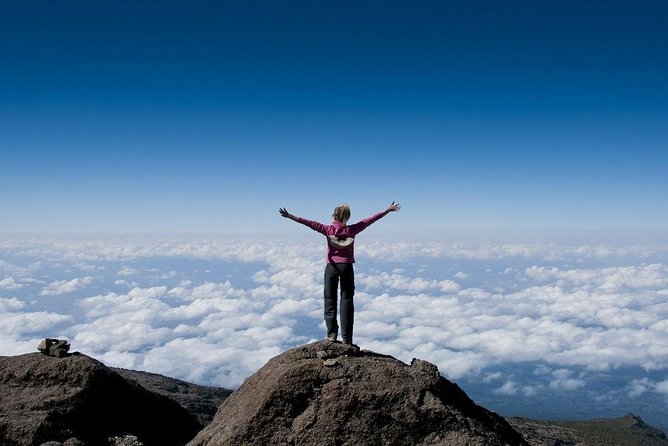
Marangu approaches Kilimanjaro from the southeast and follows the mountain’s oldest established route. It has earned the nickname Coca-Cola Route because it is often seen as the more straightforward and comfortable option. That label can mislead you. The trail may be less rugged than some alternatives, but altitude is not impressed by easy marketing.
The route’s biggest practical advantage is the sleeping huts. You do not need to carry a tent or sleep on the ground. The huts use dormitory-style accommodation, which gives the climb a more communal feel and can make the evening routine less complicated.
The trade-off is that Marangu uses the same path up and down. You will not get the changing approach and descent scenery found on routes that climb one side of Kilimanjaro and descend another. Still, the route gives you a clear progression through several plant zones, and the extra day at Horombo improves the schedule considerably.
The five-day version is the minimum. This six-day plan is the wiser choice because it lets you spend a day adjusting to altitude before moving toward Kibo Hut and the summit. It does not guarantee success, but it gives your body more time than the rushed itinerary.
More Kilimanjaro routes and climbs:
- Kilimanjaro climb by Lemosho Route (7-day)
★ 5.0 · 651 reviews - Kilimanjaro climb, Machame Route (7-day)
★ 5.0 · 262 reviews - Kilimanjaro Climbing Lemosho Route 8 Days.
★ 5.0 · 186 reviews
Day one: rainforest to Mandara Hut
Your climb begins with pickup from your Moshi lodge after breakfast. You are driven to Marangu Gate, where park paperwork is completed before you begin walking. Build some patience into this morning, since gate procedures and staff preparations are part of the mountain routine.
The first 8.3 kilometres lead through dense rainforest toward Mandara Hut. The listed walking time is about five hours, which makes this a manageable introduction if you keep your pace controlled. Your guide should set the rhythm, and the best approach is slow walking, regular water, and no attempt to prove anything on the opening day.
The forest is one of the pleasures of this section. Thick vegetation surrounds the trail, and you might catch sight of primates among the trees. This is a very different Kilimanjaro from the bare summit images most people carry in their heads.
After reaching Mandara Hut, you can rest and, if energy allows, walk with your guide to Maundi Crater. The reward is a view toward the Kenyan interior. It is a good short outing because it lets you stretch your legs without spending the evening on the main trail.
Mandara sits at about 2,700 metres. The hut setting is convenient, but dormitory accommodation means less privacy than a private tent. If you value a quiet night, ask about the room setup and what bedding is supplied.
Day two: the long walk to Horombo Hut
Day two covers about 12.5 kilometres. The schedule describes four to six hours of walking, though the itinerary also lists a longer approximate duration, so you should prepare for a full mountain day rather than rely on the shorter figure.
Soon after leaving Mandara, the forest thins. You reach the timberline and enter the heath and moor zone, where the vegetation becomes lower and the views open up. This change is gradual but noticeable. You are moving from a humid forest walk into a more exposed high-altitude setting.
Horombo Hut appears at roughly 3,700 metres. The route is not a technical climb, but the altitude makes ordinary uphill walking feel different. Keep your pace gentle. Eating and drinking regularly matters more than racing ahead.
Horombo is a valuable base because it gives you broad views toward Mawenzi, Kibo, and the Masai steppe. Mawenzi has a sharper, more dramatic profile, while Kibo is the broad volcanic summit you will later approach across the saddle.
The package includes breakfast, lunch, and dinner during the climb, along with drinking water and hot water for washing. The hot water is not a luxury to dismiss. A basic wash can make a cold evening feel much more manageable, especially after several hours on the trail.
Day three: acclimatization around Mawenzi
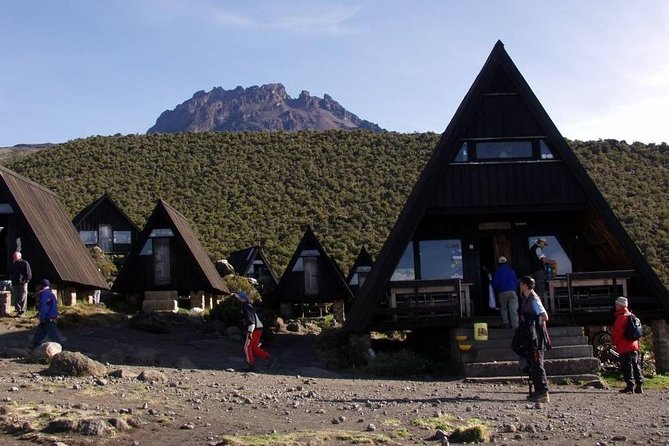
The third day is the reason to choose six days instead of five. You remain at Horombo for another night and take a shorter hike toward Mawenzi Ridge or Zebra Rock. The outing lasts about four hours before you return for lunch, rest, dinner, and sleep.
This day is not a sightseeing extra. Its purpose is to let your body spend more time at altitude before you go higher. You may feel well in the morning and still find the next stage demanding, so use the afternoon for genuine rest rather than treating it as a chance to overexert yourself.
The Mawenzi area also gives you a strong visual contrast with Kibo. Zebra Rock is mentioned as an option, while the Mawenzi Ridge route offers a higher acclimatization walk. Your guide will decide what makes sense for the group’s condition and the day’s circumstances.
Several accounts of this trip praise the care of the support team, including thoughtful touches such as a birthday cake and champagne at Horombo. That is not a standard feature you should count on, but it shows the kind of personal service the company has provided on some departures.
A few more trips of this kind worth comparing:
- Private Kilimanjaro Hike 7 Day Lemosho Route
★ 5.0 · 60 reviews - Best Kilimanjaro hiking day trip tour with Kilinge Adventures
★ 4.5 · 54 reviews - #1. Best Kilimanjaro Day hike Tour-Machame Route-ISMANI
★ 4.2 · 47 reviews - Best Kilimanjaro Adventure 7 days Machame route Trekking
★ 5.0 · 42 reviews
Day four: across the saddle to Kibo Hut
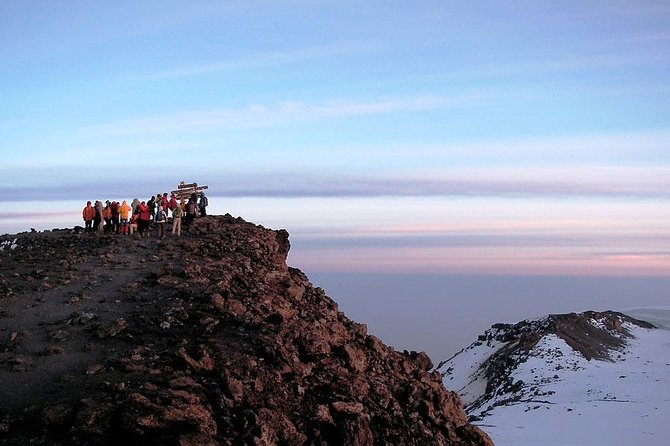
Day four takes you 9.5 kilometres toward Kibo Hut, with about seven hours of walking. This is where the surroundings become stark. After the last water point, the trail crosses the saddle, a broad plateau with almost no vegetation between Mawenzi and Kibo.
The saddle can feel mentally demanding. The ground is open, the air is thin, and Kibo may look closer than it really is. Do not judge the distance by appearance. Keep moving at the guide’s pace and save energy for the summit night.
Kibo Hut is usually reached after six to seven hours. You eat an early evening meal and go to bed early because the night ahead will be short. This is not the time for a long conversation or a late celebration. Organize your clothing, water, and personal items before lying down so you can start quickly when called.
The package includes a cook and meals, which is particularly useful here. At this point, you need food that is ready when you need it, not a search for supplies in Moshi. Personal snacks are not included, so bring your own preferred energy foods. Personal medicine and water-purifying tablets are also listed as items to supply yourself.
Day five: the midnight climb to Uhuru Peak
Summit day covers about 22 kilometres and may take 12 to 15 hours. You begin around midnight, climb through the coldest part of the night, reach the crater rim, continue to Uhuru Peak, return to Kibo Hut, rest briefly, and then walk down to Horombo. This is a huge day.
The trail passes Hans Meyer Cave at about 5,220 metres. The ascent becomes slow and steady, with the guide setting a careful rhythm. At this altitude, short steps are sensible. You may need to stop often, but controlled progress is more useful than trying to maintain a normal walking pace.
Around sunrise, you aim to reach Gillman’s Point at 5,681 metres, on the crater rim. The first light and the gradual warmth are major rewards after the night’s cold. From there, it takes another one to two hours to reach Uhuru Peak at 5,895 metres, the highest point on Kilimanjaro.
The distinction between Gillman’s Point and Uhuru Peak matters. Reaching the crater rim is a major achievement, but Uhuru is farther along the rim. If you are still feeling strong enough, your guide will help you assess the final section. Altitude symptoms must be taken seriously, and emergency oxygen is included for emergencies only. It is not intended to help you push through the summit as a routine aid.
After the summit, you return to Kibo Hut for a warm meal and a one to two-hour break. Then you continue down to Horombo Hut. This second descent is easy to underestimate. Your legs are tired, your sleep has been limited, and the day is still not over. Save a little energy for the final stretch.
Some people do not reach the summit on their first attempt. That possibility deserves honest attention. One account describes a climber who did not summit but planned to return with the same team. A missed summit does not erase the value of the climb, but you should choose this experience with realistic expectations rather than treating the peak as guaranteed.
Day six: returning through the forest to Moshi
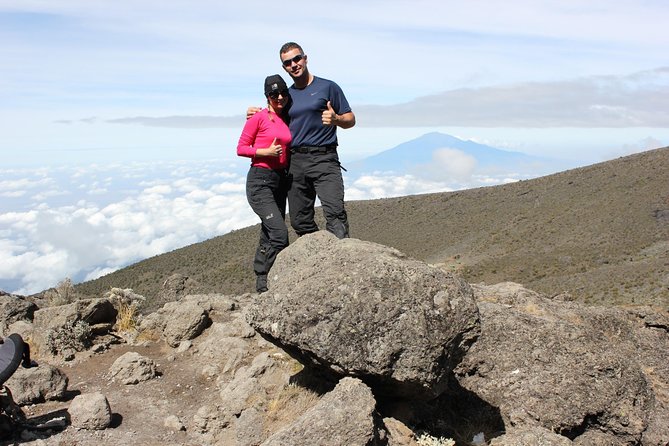
The final stage leads from Horombo down through the heath and moor zone to Mandara Hut, where lunch is provided. You then re-enter the tropical rainforest and continue to Marangu Gate.
The listed distance is 20.8 kilometres, with about eight hours of walking. Another timing estimate describes roughly six hours to the gate, so expect the day to vary with group pace, trail conditions, and how you feel after the summit. The route is downhill, but a long descent can be hard on tired knees.
At the gate, you say goodbye to your guides and support crew before a short transfer takes you back to your Moshi hotel. A warm shower and a proper bed will feel well earned. The night after the climb, with dinner and breakfast included, gives you time to recover before your onward plans or airport transfer.
What the $2,350 price really covers
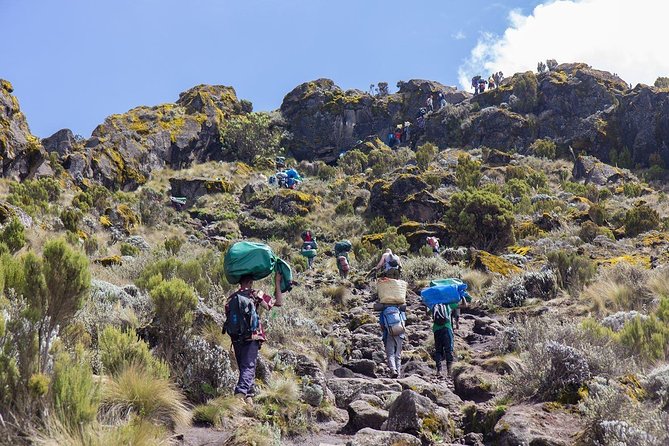
The price is not simply paying for a guide to walk beside you. It funds a coordinated mountain operation. Included are park fees and taxes, Kilimanjaro airport transfers to Moshi and back, the night before and after the climb, dinner and breakfast at those hotel stays, mountain staff wages, meals, drinking water, daily hot washing water, and emergency oxygen.
You also receive a qualified mountain guide, assistant guides, porters, and a cook. The repeated praise for meals and staff is important because good support affects both comfort and safety on a long climb. Several accounts describe the guides as attentive and the food as a high point.
The package also lists tents, camp chairs, tables, and sleeping mattresses. That does not neatly match the Marangu hut plan, so ask for a written explanation before paying. You may find that some equipment is used for staff or meal service, but the supplied information does not make that clear.
You must pay separately for flights, visas, travel insurance, health insurance, personal hiking gear, personal items, medicine, snacks, and water-purifying tablets. A portable toilet is optional but highly recommended, and it is not included in the stated price. The company says some personal gear can be rented from its equipment store in Tanzania.
At this price, the trip offers fair value if you want a private, fully supported climb with hotel nights and airport transfers. It is less attractive if you already own equipment, have arranged your own Moshi accommodation, or prefer a stripped-down trek.
Food, staff, and the human side of the climb
The strongest theme in the feedback is the support team. Guides, porters, cooks, and other staff receive praise for being helpful, caring, and focused on safety. Food also earns repeated approval, which is no small matter when you are burning energy for many hours each day.
Wence Tarimo appears in the company’s personal responses and is associated with the warm, attentive service described by the operator. You should confirm who your lead guide will be before departure, since individual guide assignments are not specified here.
The trip is private, so only your own group participates. That gives you more direct contact with the guide and may make pacing and rest decisions easier. The size of your group is not given, so ask how many climbers and support staff will be assigned.
The human support does not remove the physical demands. You still need moderate fitness, suitable clothing, and the ability to walk for long periods. Good food and an encouraging guide help, but they cannot replace acclimatization, rest, or sensible decisions at altitude.
Who should choose this six-day climb?
I would recommend it to you if you want Kilimanjaro with hut accommodation, a clear route, full support, and an extra acclimatization day. It suits a first major mountain climb better than the five-day version because the schedule is less rushed.
It also fits you if you value practical comforts. Airport pickup, Moshi hotel nights, cooked meals, hot washing water, and a large support crew reduce the number of details you must manage yourself.
I would be cautious if you dislike dormitory sleeping, want a quiet wilderness experience, or expect the phrase easiest route to mean easy. The summit night is cold, long, and strenuous. You should also be comfortable with the possibility that altitude may prevent you from reaching Uhuru Peak.
Cancellation is free if you cancel at least 24 hours before the start time. Changes or cancellations inside that 24-hour window are not accepted for a refund. The experience provider is Intrepid Explorer Tanzania.
Should you book the Marangu Route?
Book this climb if the extra Horombo day, hut accommodation, and strong logistical support matter more to you than having a less-used trail. The combination of airport transfers, hotel nights, meals, staff, and emergency planning makes the $2,350 cost easier to justify.
Before booking, confirm the hut and camping equipment details, ask what personal gear can be rented, and check the planned group size. If you prepare properly and respect the summit day, this is a sensible way to attempt Kilimanjaro, with comfort where the mountain allows it and no pretending that the final ascent will be easy.
FAQ
How long is the Kilimanjaro Marangu Route trek?
The experience lasts approximately six days. The itinerary includes five nights of climbing-related accommodation, with a hotel night before and a hotel night after the climb included in the package.
Where does the trek begin and end?
You are collected from your lodge in Moshi and driven to Marangu Gate to begin walking. After returning to Marangu Gate on the final day, you are transferred back to your Moshi hotel.
Is an acclimatization day included?
Yes. Day three is spent at Horombo Hut, with a hike toward Mawenzi Ridge or Zebra Rock before returning to Horombo for lunch, rest, dinner, and the night.
What accommodation is used on the Marangu Route?
The route is described as using dormitory-style sleeping huts. The package also lists camping equipment, so you should confirm the exact accommodation and equipment arrangements before departure.
What is included in the $2,350 price?
The price includes taxes and fees, airport transfers, hotel accommodation before and after the climb, dinner and breakfast at those hotels, a guide, assistant guides, porters, a cook, staff wages, meals during the trek, drinking water, hot washing water, camping equipment, and emergency oxygen for emergencies.
What personal costs are not included?
Flights, visas, travel and health insurance, personal trekking gear, personal items, snacks, medicine, and water-purifying tablets are not included. A portable toilet is optional but highly recommended and costs extra.
More 6-Day Experiences
- Kilimanjaro climb, Lemosho Route (6-day)
★ 5.0 · 129 reviews - Kilimanjaro climb, Marangu route (6-day)
★ 5.0 · 72 reviews - 6 Days 5 Night Safari
★ 5.0 · 57 reviews - 6 Days Tanzania Classic Safari
★ 5.0 · 52 reviews
Just added around Moshi
- Moshi: Lake Chala Tour: Hiking &/or Kayaking★ 4.5 · 3 reviews
- 3 Days Tanga Exclusive Beach Holiday★ 5.0 · 3 reviews
- Serengeti Wildebeest Migration.★ 5.0 · 3 reviews
- Chemka Hotpsrings E-Bike Day Trip★ 5.0 · 3 reviews
- Explore 1 day Ngorongoro Crater Budget Group Safari from Arusha★ 5.0 · 3 reviews
- Explore the 360° of Kilimanjaro★ 5.0 · 3 reviews
- Affordable Short Tanzania Safari (2 Days Camping Safari)★ 5.0 · 3 reviews
- Rongai Route 7 Days★ 5.0 · 3 reviews
Kilimanjaro Treks, compared.



8-Day Small-group Lemosho Kilimanjaro Summit Trekking
Read our review →


Climbing Kilimanjaro through 7 days Machame Route
Read our review →

Browse the lists this tour appears in