
Reviewed · KILIMANJARO TREKS
6 Days Private Mount Climbing in Kilimanjaro Machame Route
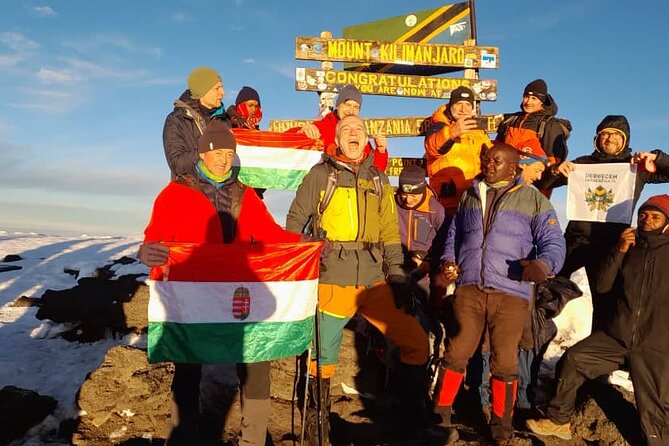
Africa’s highest summit demands respect. This six-day private climb from Moshi follows Kilimanjaro’s scenic Machame Route, with changing climate zones, high-altitude camps, expert mountain support, and a final push to the 5,895-meter summit. I like the route’s walk high, sleep low pattern, which gives you useful acclimatization, and I like the private format, where your group receives focused attention from the guides. The main drawback is the schedule: six days is tough, and the popular Machame trail can feel crowded in busy periods.
The package costs $1,999 per person, including park fees, transport, tents, meals, guides, porters, rescue equipment, and mountain crew wages. That is a substantial price, but it covers many of the expensive parts of a Kilimanjaro climb. You should still prepare for long hiking days, cold summit conditions, basic camp living, and the possibility that altitude, rather than fitness, becomes the main test.
In This Review
- Key points to know before booking
- Why the Machame Route earns its reputation
- Day 1: From Moshi to Machame Camp
- Day 2: Shira Plateau and a shorter high-altitude day
- Day 3: Lava Tower, Barranco, and the value of sleeping lower
- Day 4: The Barranco Wall and Barafu Camp
- Day 5: Summit night and the long descent to Mweka
- Day 6: Mweka Gate and the return to Moshi
- What the $1,999 price covers
- The private format and the human side of the climb
- Fitness, comfort, and what you should prepare for
- Who should choose this six-day climb?
- Should you book the Machame Route?
- FAQ
- Where does the Kilimanjaro climb start?
- How long is the Machame Route experience?
- What is the highest point reached?
- Is this a private tour?
- Are meals included?
- Is camping equipment provided?
- What happens if I need to cancel?
Key points to know before booking
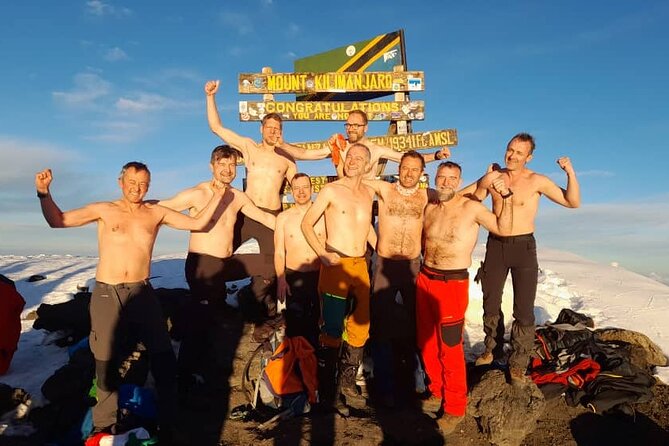
- The route reaches 5,895 meters: Summit night begins from Barafu Camp at 4,700 meters and includes a major ascent followed by a long descent.
- You get five distinct climate zones: The trail moves from lower forest into moorland, high desert, alpine terrain, and the icy summit zone.
- Acclimatization is built into the route: The Lava Tower and Barranco section lets you climb higher before sleeping lower.
- The private setup gives you direct support: Only your group participates, with guides, porters, a cook, waiter, and mountain crew.
- Meals and camp equipment are included: Tents, mattresses, dining furniture, utensils, boiled water, and three daily meals are part of the package.
- The Machame trail is scenic but demanding: It is steeper in places than Marangu and Rongai, though the route is described as easier overall than those comparisons might suggest.
Why the Machame Route earns its reputation
Machame approaches Kilimanjaro from the southwest and descends by the Mweka Route. That creates a useful point-to-point journey rather than sending you back down the same trail. You see the mountain from several angles, and the scenery changes sharply as you gain height.
The route is especially good for acclimatization. On Day 3, you climb toward Lava Tower at around 4,000 meters, then descend to Barranco Camp at approximately 3,950 meters. That high point followed by a lower overnight stop gives your body a better chance to adjust than a simple steady climb would.
The route is not gentle. Some stretches are steeper than those on Marangu and Rongai, and the total effort becomes serious on the approach to Barafu. Still, its varied terrain and carefully arranged altitude profile make it a strong choice for people who want scenery and a better acclimatization pattern.
Machame is also popular. That brings practical benefits, including a well-used trail and established camps, but it can reduce the feeling of solitude. If your ideal mountain trip means long stretches without seeing anyone else, this is not the best match.
More Private Tours in Moshi
- Private Kilimanjaro Hike 7 Day Lemosho Route
★ 5.0 · 60 reviews - Private Tour to Materuni waterfalls, coffee tour & Kikuletwa hot- springs
★ 5.0 · 49 reviews - 4 Day Private Tour Throughout Tarangire, Serengeti and Ngorongoro
★ 5.0 · 42 reviews
Day 1: From Moshi to Machame Camp
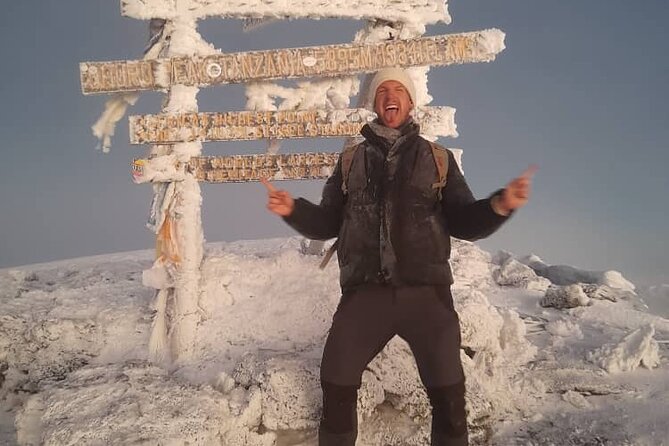
The day starts with an 8:00 a.m. pickup from your hotel in Moshi. Transport to the mountain gate and starting point is included, as is the return journey from Mweka Gate at the end of the climb.
The first hike covers about 11 kilometers, rising from 1,830 meters to 3,050 meters. Expect five to six hours of walking. This opening day introduces the lower section of Kilimanjaro and begins the transition through its first climatic zones.
Machame Camp sits at roughly 3,050 meters. The increase in altitude is noticeable, but the walking time is manageable for anyone with a moderate level of fitness and proper preparation. I would treat this first day as a pacing exercise, not a race. Save energy for the higher camps.
At camp, the crew provides tents, sleeping mattresses, meals, and a dining setup. A mess tent, small camping chairs, tables, candles, and eating utensils are included. Those details matter after several hours on your feet. You do not need to eat beside your sleeping tent or balance dinner on your knees.
Day 2: Shira Plateau and a shorter high-altitude day
Day 2 covers only 5 kilometers, but the altitude gain makes it important. You climb from Machame Camp at 3,050 meters to Shira Camp at about 3,850 meters, with four to five hours of walking.
The Shira Plateau is one of the route’s major rewards. It opens the views and gives you a sense of Kilimanjaro as a huge volcanic mountain rather than simply a trail through forest. The terrain becomes more exposed, and the air feels thinner.
This is a good day to watch how your body responds. The schedule is shorter than Day 1, but altitude can make a modest distance feel slow. The guides can monitor your condition using pulse oximeters, and a first aid kit is included with the mountain equipment.
The private format helps here. You are not tied to the pace of a large public group, so the guide can give closer attention to how you are walking, eating, drinking, and resting. Previous climbers have praised the support of guides such as Haji, Joeffrey, Musa, Felix, William, and Jamleck, as well as the organization led by Edward, also called Teacher by some climbers.
Day 3: Lava Tower, Barranco, and the value of sleeping lower
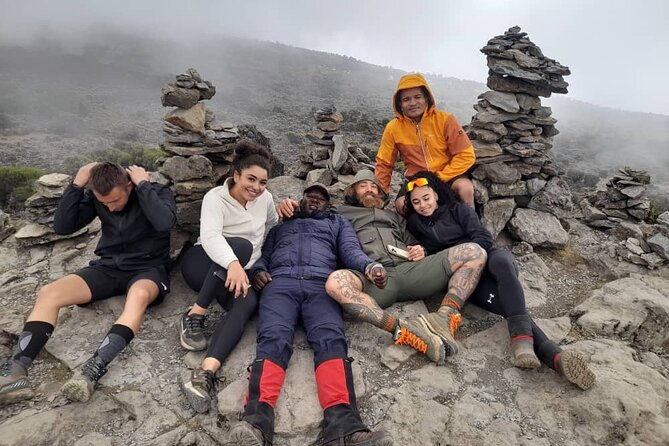
Day 3 is one of the smartest parts of the itinerary. You leave Shira Camp at 3,850 meters, climb toward Lava Tower at roughly 4,000 meters, and then continue to Barranco Camp. The distance is about 10 kilometers, with five to six hours of walking.
An optional scramble up Lava Tower is listed as one of the route’s features. Because the activity is optional, you should discuss it with your guide rather than treating it as a requirement. The main value of the day is the altitude pattern. You climb high, then sleep at the lower Barranco Camp.
The route also brings you beneath Kilimanjaro’s southern ice field. Views of the mountain’s upper ice and volcanic terrain give this section a striking character. It is not simply a march from camp to camp. You are moving through some of the most memorable scenery on the mountain.
Barranco Camp is also the approach to the Great Barranco Wall. The next morning brings a steep section, so Day 3 is a good time to rest, eat well, and organize your clothing. The package includes breakfast, lunch, and dinner each day, plus boiled water on the mountain.
More Kilimanjaro routes and climbs:
- Kilimanjaro climb by Lemosho Route (7-day)
★ 5.0 · 651 reviews - Kilimanjaro climb, Machame Route (7-day)
★ 5.0 · 262 reviews - Kilimanjaro Climbing Lemosho Route 8 Days.
★ 5.0 · 186 reviews - Climbing Kilimanjaro – Machame Route
★ 5.0 · 170 reviews
Day 4: The Barranco Wall and Barafu Camp
Day 4 runs from Barranco Camp at around 4,000 meters to Barafu Camp at 4,700 meters. You cover approximately 9 kilometers, with six to eight hours of hiking.
The Great Barranco Wall is the day’s defining feature. This is a steep, physically demanding section, and it can feel more exposed than the easier lower trail. The supplied details do not describe technical climbing equipment or roped climbing, so you should understand this as a strenuous mountain trekking section rather than a technical mountaineering route.
After the wall, the trail continues across the high southern slopes toward Barafu. The scenery becomes more severe and bare as the altitude rises. By the time you reach 4,700 meters, the main goal is no longer sightseeing. It is eating, resting, and preparing for the summit attempt.
Barafu Camp is the launch point for the climb to Uhuru Peak. The climb includes a short overnight rest before the summit push, so Day 4 is arguably the most important preparation day. Keep your kit organized, refill what you need, and follow the guide’s instructions closely.
Day 5: Summit night and the long descent to Mweka
Day 5 is the hardest and longest part of the program. You climb from Barafu Camp at 4,700 meters to the summit at 5,895 meters, then descend to Mweka Camp at approximately 3,090 meters.
The summit ascent covers about 5 kilometers and is listed as taking five to seven hours. The descent adds another 13 kilometers and five to six hours. The figures make the challenge clear: even after reaching the summit, you still have a full day of downhill walking.
The summit section is cold, steep, and tiring. The supplied experiences repeatedly describe the final push as difficult, with guides providing encouragement and close support. That makes the private arrangement more than a comfort feature. On the toughest part of the route, direct attention can help you manage pace, breaks, and morale.
The summit reaches 5,895 meters, the highest point on Kilimanjaro and the highest elevation in this itinerary. Reaching it depends on more than leg strength. Altitude affects people differently, and a strong training routine does not guarantee that your body will respond well. Your guide’s judgment is important.
After the summit, the descent to Mweka Camp is a relief in one sense because you lose altitude. It is also hard on tired legs. Trekking poles, suitable footwear, and careful pacing would be sensible choices, though personal gear requirements beyond the included climbing gear are not specified.
Day 6: Mweka Gate and the return to Moshi
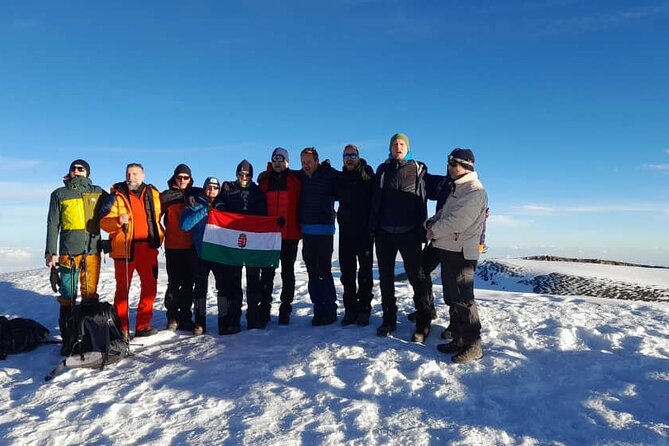
The final day covers about 10 kilometers from Mweka Camp at 3,090 meters to Mweka Gate at 1,680 meters. Hiking time is listed at three to four hours, followed by return transportation to your hotel in Moshi.
This section is shorter and less demanding than summit day, but do not underestimate it. Your knees and feet may be tired, and the descent continues until the trailhead. The changing vegetation gives the final walk a different feel from the cold upper mountain.
At Mweka Gate, the mountain portion ends. Transport back to Moshi is included, which keeps the final logistics simple. The program is tightly packed, so you should not assume you will have a spare recovery day inside these six days.
What the $1,999 price covers
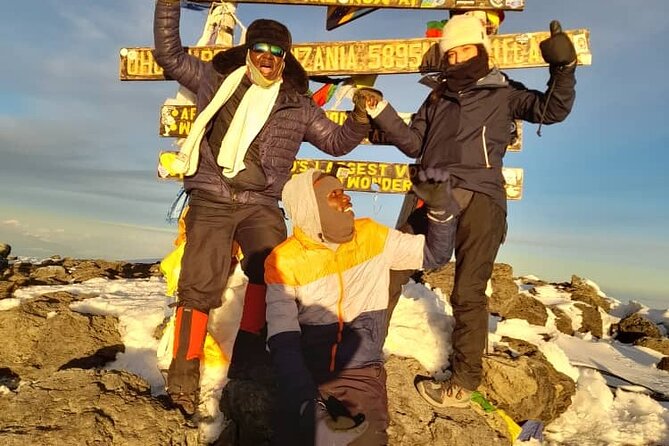
At $1,999 per person, the cost includes much more than a guide and a permit. The package covers return transport from Moshi, national park fees, qualified guides, porters, a cook, a waiter, and the other mountain crew. Their accommodation and entry fees on the mountain are also included.
You receive tents, sleeping mattresses, a mess tent, mini camping chairs, tables, candles, cutlery, crockery, and other eating utensils. Meals include breakfast, lunch, and dinner throughout the mountain stay. Boiled water is provided, and the safety equipment includes a first aid kit and pulse oximeters.
Climbing gear is also listed as included, though the description does not itemize each item. I would ask the operator exactly what this means before you arrive. You should know which clothing, boots, sleeping equipment, poles, and personal medical supplies you must bring yourself.
The price therefore offers solid practical value if all listed services are delivered as described. The major omission is not a hidden park fee, but personal preparation and possible extras. Tips are not included and are listed as no more than $50. Confirm the current tipping guidance and crew arrangements before departure.
The private format and the human side of the climb
Only your own group participates in this activity. That gives you more control over the pace than a large shared departure, although the route’s camp areas can still be busy because Machame is popular.
The strongest praise attached to this company centers on organization and personal support. Edward helped several climbers plan their trips, answer questions, and prepare before arrival. Guides and crew members named in the experiences include Haji, Joeffrey, Musa, Felix, William, Jamleck, Juma, Fabian, and Chris.
That range of names does not guarantee which team you will receive. It does show the kind of service the company aims to provide: patient planning, encouragement during difficult sections, and care from the first hotel pickup through the descent. One couple chose the private option specifically because they were novice climbers and wanted undivided support.
The crew structure also explains why the price is higher than a bare-bones trek. A guide-led Kilimanjaro climb depends on many people behind the scenes, from porters and cooks to dining and camp staff. The package pays for that working team as well as your permits and transport.
Fitness, comfort, and what you should prepare for
The activity calls for moderate physical fitness, but that phrase should not make you think this is an easy holiday. You will walk for up to eight hours on some days, climb to 5,895 meters, and descend for many hours after the summit.
The most important preparation is steady endurance. Regular walking and uphill training should help, but no training plan removes the effects of altitude. You should be ready to walk slowly, rest when needed, and communicate clearly with the guides.
Camp life is organized but basic. You sleep in tents, eat in a mess tent, and use mountain facilities rather than hotel amenities. The included chairs, tables, mattresses, and meals improve comfort, but this remains a strenuous camping trip.
Weather also changes as you climb. The route passes through five climatic zones, so you need clothing for warmer lower elevations and cold summit conditions. Because the package only describes climbing gear in general terms, ask for a precise equipment list before booking.
Who should choose this six-day climb?
I would recommend this trek to fit adults who want a challenging Kilimanjaro route with strong scenery and a private guide team. It suits people who value direct support, organized meals and camps, and a route that includes the Shira Plateau, Lava Tower area, Barranco Wall, southern ice field, and Mweka descent.
It may not suit you if you want a relaxed mountain holiday, dislike camping, or need a flexible schedule. Six days gives you less time than a longer route to adjust to altitude, and summit day is especially demanding.
The route is also a good fit if you care about changing scenery. Marangu is often chosen for its hut-based style, while Machame offers a more varied trail and a high-low acclimatization pattern. That variety comes with steeper sections and more walking effort.
The package has a 5-star rating from 38 listed ratings and a 100 percent recommendation figure. Those numbers suggest very strong satisfaction, especially with the guides, organization, and support. I would still read the price inclusions carefully and confirm the exact gear and departure arrangements before paying.
Should you book the Machame Route?
Book this climb if you want a private, fully supported Kilimanjaro attempt and accept that the six-day schedule will test your stamina. The route offers excellent scenery, useful altitude changes, and a complete support system from Moshi to Mweka Gate.
I would choose it for the Shira Plateau, Barranco Wall, southern ice views, and the chance to work closely with a dedicated crew. I would hesitate only if you need more acclimatization time, quiet trails, or a less strenuous itinerary.
For the best decision, ask three questions before booking: exactly what climbing gear is supplied, which guides and crew will lead your group, and how the operator handles a climber who cannot continue. If the answers are clear and you are prepared for the altitude, this is a strong-value route to Africa’s highest summit.
FAQ
Where does the Kilimanjaro climb start?
The experience starts with pickup from a hotel in Moshi at 8:00 a.m. Transport to the mountain starting point is included.
How long is the Machame Route experience?
The climb lasts approximately six days, including the return from Mweka Gate to your hotel.
What is the highest point reached?
The summit reaches 5,895 meters, or 19,340 feet.
Is this a private tour?
Yes. Only your group participates in the activity.
Are meals included?
Yes. Breakfast, lunch, and dinner are included on the mountain.
Is camping equipment provided?
Yes. Tents, sleeping mattresses, a dining tent, mini camping chairs, tables, candles, and eating utensils are included.
What happens if I need to cancel?
You can receive a full refund if you cancel at least 24 hours before the local start time. Cancellations or changes made within 24 hours are not refunded or accepted.
More 6-Day Experiences
- Kilimanjaro climb, Lemosho Route (6-day)
★ 5.0 · 129 reviews - Kilimanjaro climb, Marangu route (6-day)
★ 5.0 · 72 reviews - 6 Days 5 Night Safari
★ 5.0 · 57 reviews - 6 Days Tanzania Classic Safari
★ 5.0 · 52 reviews
Just added around Moshi
- Moshi: Lake Chala Tour: Hiking &/or Kayaking★ 4.5 · 3 reviews
- 3 Days Tanga Exclusive Beach Holiday★ 5.0 · 3 reviews
- Serengeti Wildebeest Migration.★ 5.0 · 3 reviews
- Chemka Hotpsrings E-Bike Day Trip★ 5.0 · 3 reviews
- Explore 1 day Ngorongoro Crater Budget Group Safari from Arusha★ 5.0 · 3 reviews
- Explore the 360° of Kilimanjaro★ 5.0 · 3 reviews
- Affordable Short Tanzania Safari (2 Days Camping Safari)★ 5.0 · 3 reviews
- Rongai Route 7 Days★ 5.0 · 3 reviews
Kilimanjaro Treks, compared.



8-Day Small-group Lemosho Kilimanjaro Summit Trekking
Read our review →


Climbing Kilimanjaro through 7 days Machame Route
Read our review →

Browse the lists this tour appears in